Tag: Abu Dhabi

  • Diljit Dosanjh posts a video with Qaseeda Burdah Shareef

    Diljit Dosanjh posts a video with Qaseeda Burdah Shareef

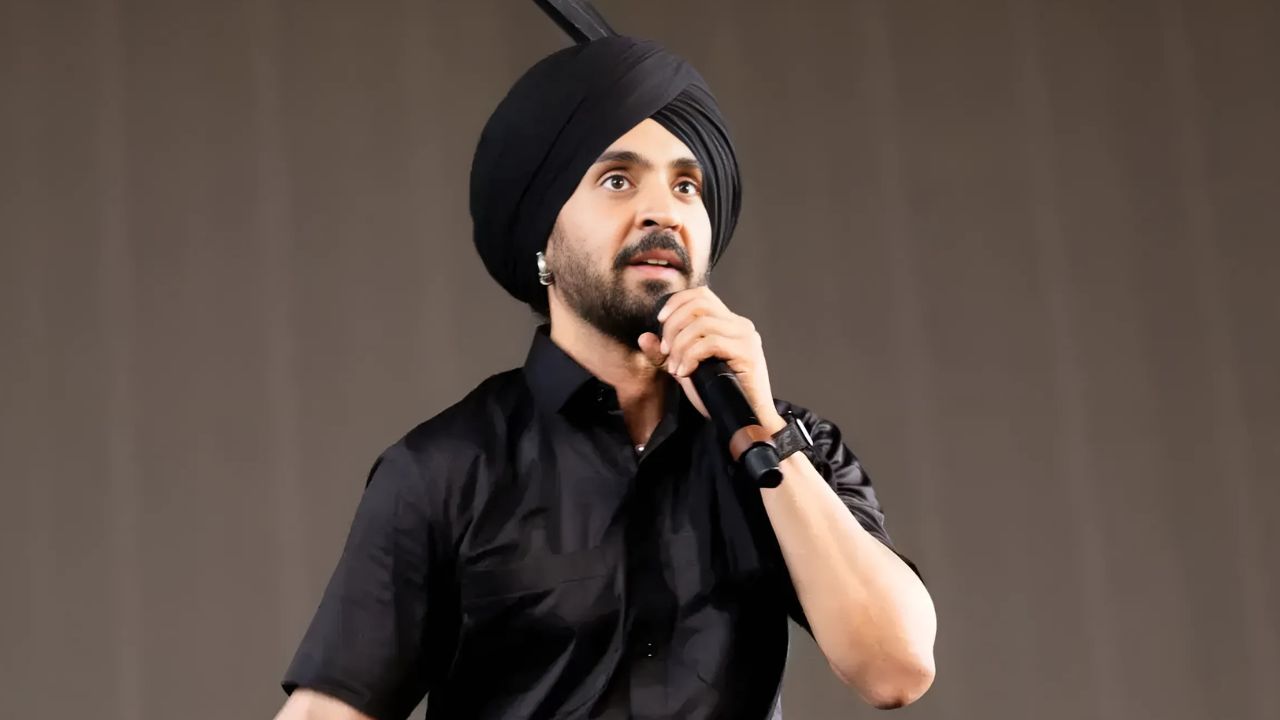
    Indian Punjab singer Diljit Dosanjh is winning hearts worldwide with his ‘DIL-LUMINATI TOUR year 2024’ and his recent visit to Abu Dhabi’s Sheikh Zayed Grand Mosque  with his team has added even more excitement to his tour.   

    A video posted by Diljit on his Instagram account shows the superstar being given a tour of the mosque, marveling at its intricate design and rich histoy. What made the video even more special was the inclusion of ‘Qaseeda Burdah Shareef’ a famous naat, playing in the background. The gesture deeply resonated with his followers and highlighted his respect for the cultural and religious significance of the place.  


    Fans quickly took to the comments section to express their admiration for Diljit Dosanjh and his inclusive attitude.  
    One fan wrote, “He got up and chose peace ✌ ♥️ respecting all religions is sigma move.” 

    Another expressed saying, “So much respect for him. There can be no one like him ❤️”    
    Diljit’s visit and his message of peace and respect have made a big impact, showing his commitment to spreading love and unity among different cultures and religions. 
     Today on November 9, Diljit Dosanjh will perform at Abu Dhabi at ENBD Golden Circle, Suite. 

    Earlier, during the Delhi segment of his Dil-luminati tour, Diljit Dosanjh touched millions of hearts with kindness. 
     
    A viral video showed a young fan enjoying the Dosanjh concert from her terrace near Diljit concert asking, “Diljit uncle thoda tez chila dou.”

    He responded on Instagram saying, “Beta, come I have tickets for you and your family.”  

    True to his word, Diljit gifted passes to the girl and her uncle for the next show.

    The girl Naina’s uncle Kunal Sharma thanked Diljit in an Instagram post.  

    “Thank You  Diljit Sir ❤ for making  our Day ❤ ,You made our day providing  us FANpit passes,” Kunal Sharma wrote.

    Last month, Diljit Dosanjh made history by becoming the first South Asian artist to appear on the cover of Billboard Magazine. Known for blending Punjabi folk music with rap and hip-hop, Dosanjh will be featured on the cover of the first-ever print edition of Billboard UK, which will be released in December.

    Despite controversy over unpaid dancers during his Dil-Luminati tour, it has proved to be one of the most successful so far by any South Asian artist. The special edition of Billboard will feature exclusive behind-the-scenes stories from the tour, shared by his manager, Sonali Singh, according to Billboard.


  • Saba Qamar and Mehwish Hayat enjoy Atif Aslam live in Abu Dhabi

    Saba Qamar and Mehwish Hayat enjoy Atif Aslam live in Abu Dhabi

    Atif Aslam and Abida Parveen, beloved Pakistani singers with millions of fans, performed together in a concert last night in Abu Dhabi’s Etihad Arena. The concert showcased their hit collaborations like ‘Parda Daari’ and ‘Noor E Azal,’ which were adored by fans. Actresses Saba Qamar and Mehwish Hayat were also spotted in the arena, enjoying the energetic performances, adding to the excitement of the evening.

    Check out their stunning pictures from the concert here:

  • Palestinian prisoner in Israel wins top fiction prize

    Palestinian prisoner in Israel wins top fiction prize

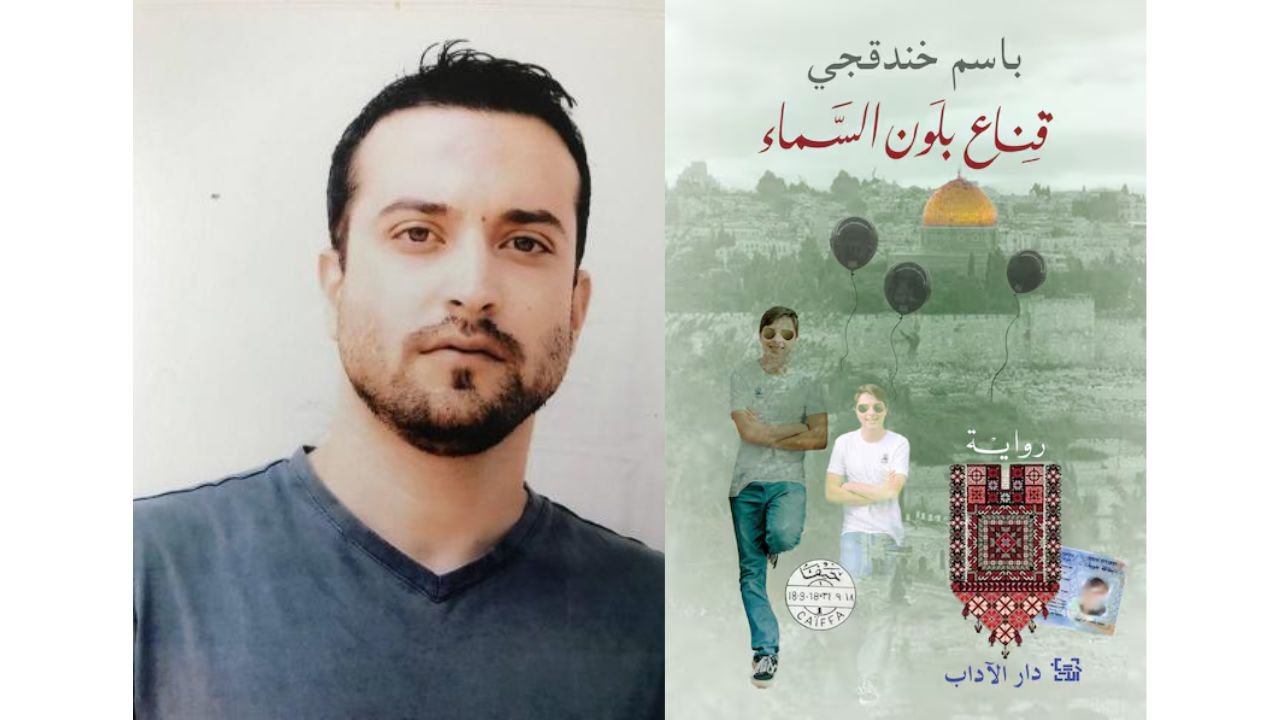
    Palestinian writer Basim Khandaqji, jailed 20 years ago in Israel, won a prestigious prize for Arabic fiction on Sunday for his novel “A Mask, the Colour of the Sky”.

    The award of the 2024 International Prize for Arabic Fiction was announced at a ceremony in Abu Dhabi.

    The prize was accepted on Khandaqji’s behalf by Rana Idriss, owner of Dar al-Adab, the book’s Lebanon-based publisher.

    Khandaqji was born in the Israeli-occupied West Bank city of Nablus in 1983, and wrote short stories until his arrest in 2004 at the age of 21.

    He was convicted and jailed on charges relating to a bombing in Tel Aviv, and completed his university education from inside jail via the internet.

    The mask in the novel’s title refers to the blue identity card that Nur, an archaeologist living in a refugee camp in Ramallah, finds in the pocket of an old coat belonging to an Israeli.

    Khandaqji’s book was chosen from 133 works submitted to the competition.

    Nabil Suleiman, who chaired the jury, said the novel “dissects a complex, bitter reality of family fragmentation, displacement, genocide, and racism”.

    Since being jailed Khandaqji has written poetry collections including “Rituals of the First Time” and “The Breath of a Nocturnal Poem”.

    He has also written three earlier novels.

    bur-srk/srm

    © Agence France-Presse

  • Kab aur kaisay a rahey hain Nawaz Sharif?

    Kab aur kaisay a rahey hain Nawaz Sharif?

    Pakistan Muslim League-Nawaz (PML-N) is all set to welcome back their leader to Pakistan and the stage is being set by his party leaders and members.

    If there are any doubts about his return, we have the details of his flight booking for you.

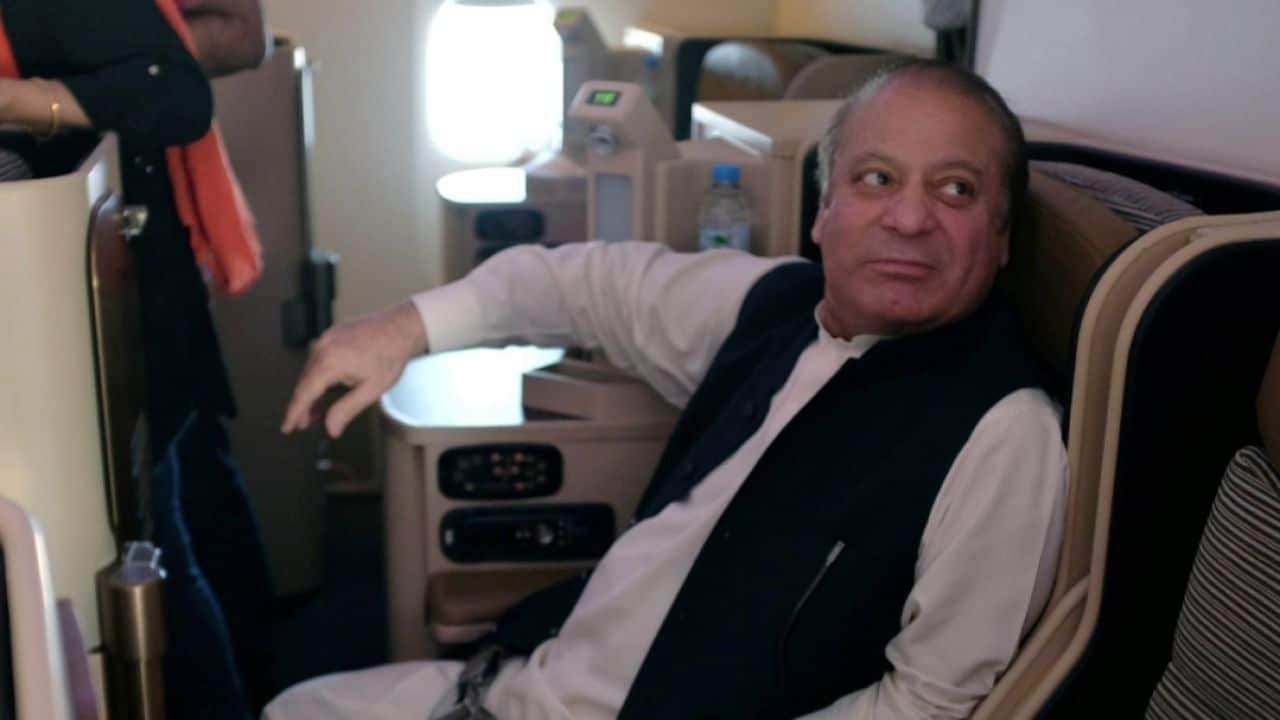
    Sources have said that the former premier will return to Pakistan on October 21 via a connecting flight. Sharif will land at Abu Dhabi International Airport from London on October 21 and on the same day, he will leave for Lahore.

    Mian Nawaz Sharif’s business class ticket for flight 243 on a private airline had been booked in advance. The PML-N supremo’s flight will land at the Lahore Airport at 6:25 PM.

    Nawaz Sharif was permanently disqualified in 2017 for not declaring an outstanding salary. After that, he went to London in 2019 for a medical checkup and hasn’t come back yet.

    The PML-N, with the assistance of its legal team, intends to petition the Lahore High Court (LHC) for Nawaz’s bail prior to his arrival in Pakistan. This decision has been made in order to prevent Nawaz from being arrested at Lahore airport, as he has been declared a proclaimed offender.

  • Pakistan seeks to import 1.5 million tonnes of petrol from UAE at a negotiated price

    Pakistan seeks to import 1.5 million tonnes of petrol from UAE at a negotiated price

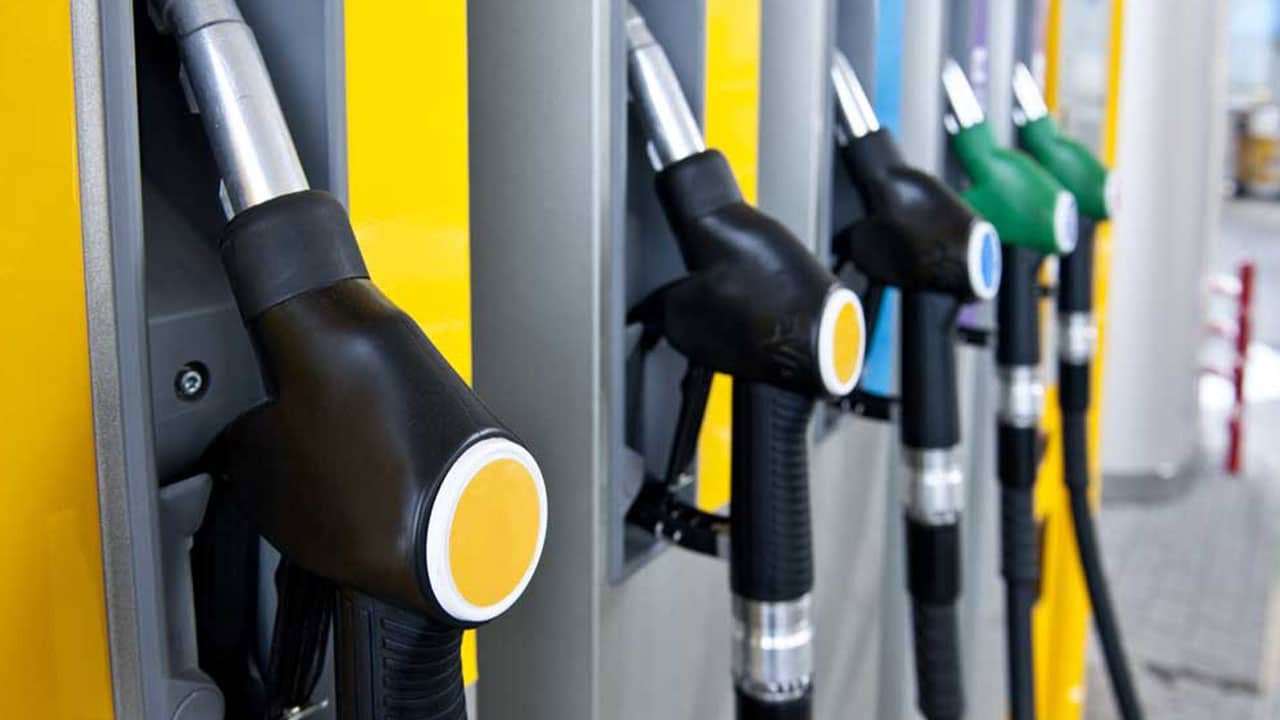
    In an attempt to begin the process of signing an intergovernmental agreement (IGA), Pakistan will write to the United Arab Emirates this week. The country is looking for a government-to-government contract to import 1.5 million tonnes of gasoline annually.

    According to The News, Pakistan would import 1.5 million tonnes of motor spirit (Mogas) over a five to eight-year period, or 30 cargoes. The nation would receive two to three shipments from the gulf nation each month.

    The IGA with Oman, Qatar, Saudi Arabia, and some other nations has already been signed by the energy ministry. UAE will receive the same contract. Both nations will begin negotiating the GtG deal for the import of petrol, crude oil, and jet fuel once the agreement is finalised.

    Leading representatives from both sides agreed to sign a GtG agreement for the import of petrol, crude oil, and jet fuel at the Abu Dhabi negotiations held in the first week of the current month.

    This will enable Pakistan to have a sufficient supply of petroleum products.

    ADNOC (Abu Dhabi National Oil Company), on behalf of the UAE, and Pakistan State Oil (PSO), on behalf of Pakistan, will begin negotiations for a commercial deal on a going-to-market basis after the IGA has been finalised and signed.

    Before December 31, 2022, Pakistan wants both IGAs and business agreements signed so that beginning in January 2023, oil imports from the UAE could begin on a GtG basis.

    Under the terms of the GtG agreement, PSO obtains diesel from KPC (Kuwait Petroleum Company) and pays significant premiums for gasoline purchased on the open market, which is determined by the costs of goods on the global market.

    Now, as part of the GtG agreement, PSO would purchase gasoline from ADNOC at a negotiated rate. Additionally, because the nation’s refineries typically meet jet fuel needs, PSO would also import it as needed.

  • Acquittal by High Court: SC dismisses customs appeal against Czech model in drug case

    Acquittal by High Court: SC dismisses customs appeal against Czech model in drug case

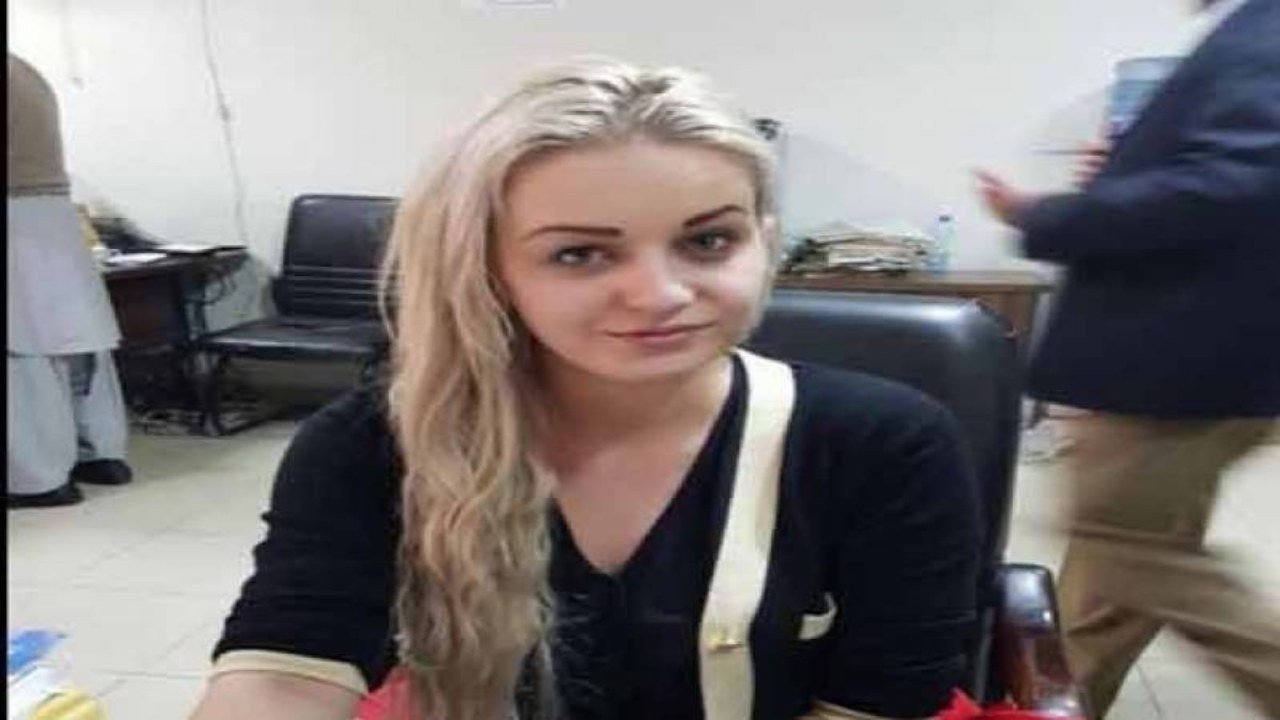
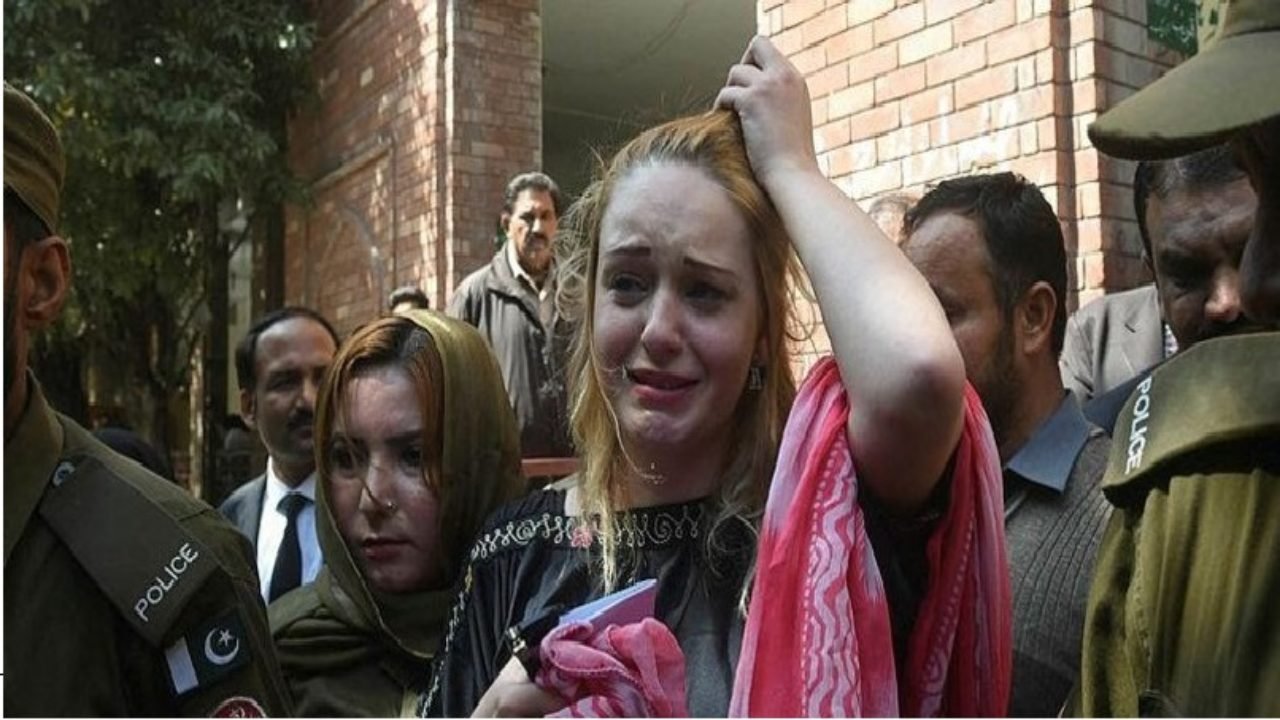
    A Supreme Court bench on Wednesday dismissed the Customs appeal in drug smuggling case against Czech model Tereza Hluskova after summary hearing, reported ARY News.

    “Did the customs had sent samples of heroin recovered from the accused to lab according to the law,” Justice Ijazul Ahsan questioned while hearing the case. “The trial court had declared dispatch of the samples lawful,” Customs lawyer replied. “The accused destined to fly out to Czech Republic on April 23,” the lawyer further said.

    “The name of the accused can be added to the ‘stop list’ if the case have substantial grounds,” Justice Ahsan remarked.

    The apex court bench upheld the high court’s acquittal decision of Czech model Tereza Hluskova.

    The Supreme Court of Pakistan had yesterday stopped Hluskova from travelling abroad in drug smuggling case.

    The Czech national was sentenced to eight years and eight months in jail by a sessions court in April 2019. She was arrested at Lahore airport for attempting to smuggle heroin from Pakistan to Abu Dhabi on January 10, 2018.

    The high court acquitted her last year in November and was released from prison the same month.

  • Drug Smuggling: SC bars Czech model from leaving Pakistan

    Drug Smuggling: SC bars Czech model from leaving Pakistan

    The Supreme Court of Pakistan on Tuesday stopped Czech model Tereza Hluskova from travelling abroad in drug smuggling case.

    According to ARY News, Tereza Hluskova was sentenced to eight years and eight months in jail by a sessions court in April 2019. She was arrested at Lahore airport for attempting to smuggle heroin from Pakistan to Abu Dhabi on January 10, 2018.

    The court acquitted her last year in November and was released from prison the same month.

    On Tuesday, the apex court issued notice to Czech model and stopped her from leaving the country on the request of Pakistan customs.

    The counsel for Customs contended in the court that Tereza Hluskova was sentenced to eight years in prison by the trial court for smuggling drugs and was later on released by LHC.

  • Timeline: Yemen’s seven-year war conflict

    Timeline: Yemen’s seven-year war conflict

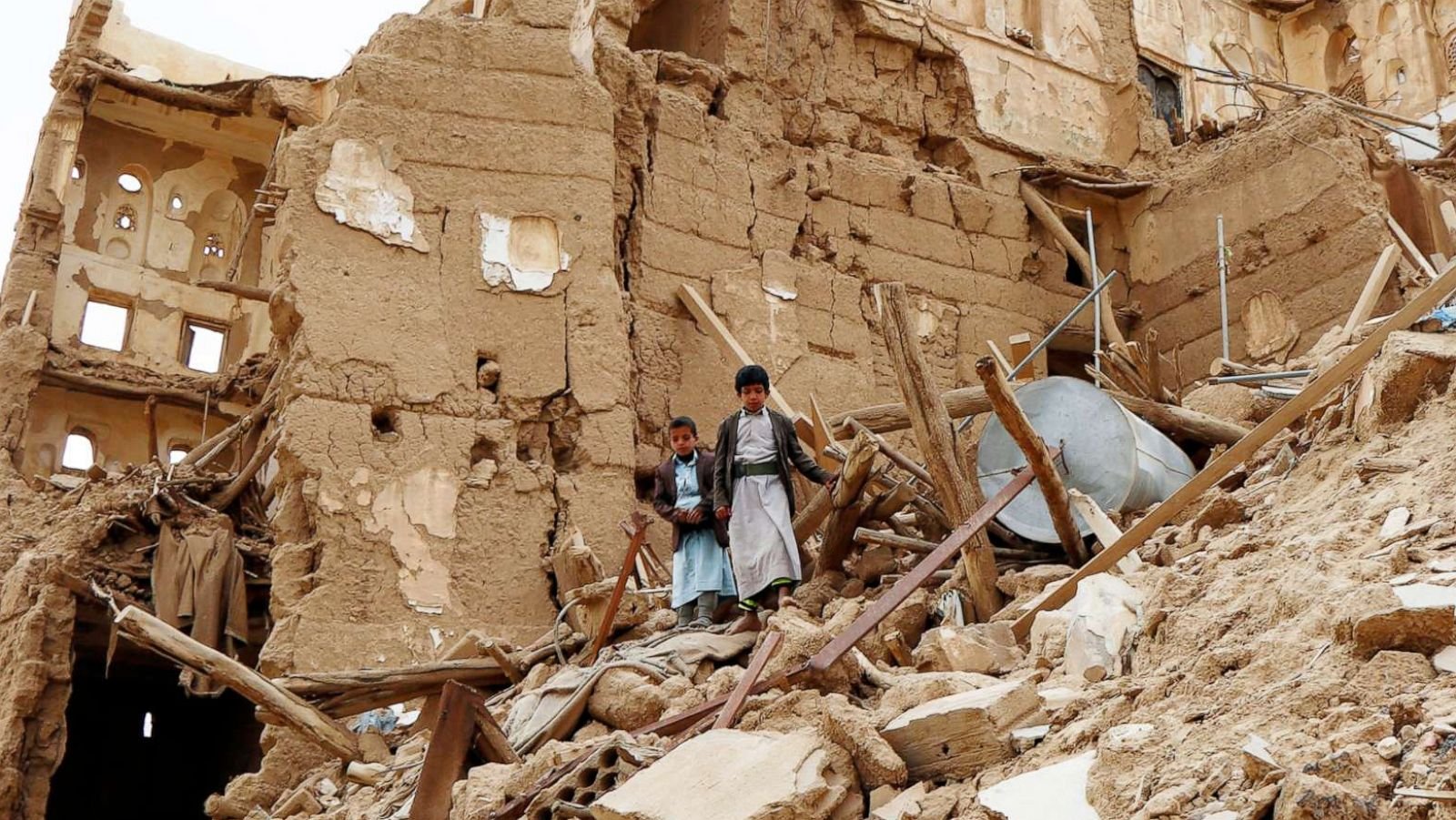
    Ten years ago Yemenis rose up against corruption, economic hardship and demanded a more accountable and inclusive government. The country fractured politically and is now stuck in a war that has created what the United Nations describes as the world’s biggest humanitarian crisis.

    Following is a timeline of Yemen’s slide into conflict.

    After Yemen’s Huthi rebels brought the war to the UAE in a drone attack, the Saudi-led coalition struck.

    The war pits the Iran-supported insurgents against Yemen government forces backed by Riyadh and Abu Dhabi.

    The conflict has left about 377,000 dead, according to the UN, either through fighting or as victims of famine, sickness, and a lack of clean drinking water.

    2014: Huthis take capital

    The Huthi rebels from the Zaidi Shiite minority in northern Yemen seized the capital Sanaa in September 2014.

    Backed by Shiite heavyweight Iran, they ally themselves with military units loyal to ex-president Ali Abdullah Saleh, who had been forced to step down after a 2011 uprising.

    They also take swathes of territory including the vital Red Sea port of Hodeida.

    President Abedrabbo Mansour Hadi flees in February 2015

    President Abedrabbo Mansour Hadi flees in February 2015 to the second city Aden on Yemen’s south coast.

    2015: Saudis step in

    A coalition led by Iran’s bitter enemy Saudi Arabia that includes the United Arab Emirates entered the conflict in March 2015 with airstrikes on the rebels.

    Washington says it is contributing logistics and intelligence.

    As the rebels advance on Aden, Hadi flees to Saudi Arabia.

    The coalition’s intervention helps pro-government forces secure Aden, and in October they announce having retaken control of the Bab al-Mandab strait, one of the world’s most strategic waterways.

    2018: Battle for key port

    In June 2018, government fighters, backed by Saudi and Emirati ground forces, launch an offensive to retake Hodeida, a key entry point for humanitarian aid.

    UN-brokered talks between the warring parties opened in December, with a ceasefire declared in Hodeida.

    But in mid-January 2021, violent clashes break out between rebels and pro-government soldiers in the south of the city.

    Separatists flex muscles

    The anti-Huthi camp is divided.

    South Yemen was an independent state before unifying with the north in 1990, and southern separatists frequently clash with unionists loyal to Hadi’s government.

    The separatists occupy the presidential palace in Aden in January 2018, before Saudi and Emirati forces intervene.

    In August 2019, separatists in Aden from the UAE-trained Security Belt force clashed again with unionist troops.

    Riyadh has since negotiated a power-sharing agreement and the formation of a new government.

    2019: Saudi oil hint

    The rebels escalate their attacks on Saudi Arabia, using drones and missiles.

    A major hit on September 14, 2019, on Abqaiq processing plant and Khurais oilfield halves the kingdom’s crude output.

    Riyadh and Washington accuse Iran of being behind the attack, which it denies.

    2021: New escalation

    On February 8, 2021, the Huthis resume an offensive to seize oil-rich Marib province, the government’s last northern stronghold.

    The upsurge comes shortly after Washington ends its support for coalition military operations and removes the Huthis from a “terrorist” blacklist.

    Fighting intensifies over the following months.

    2022: Rebels turn on UAE

    On January 3, 2022, the rebels seize an Emirati-flagged vessel in the Red Sea, which the coalition says is carrying medical supplies.

    The rebels say it was “a military cargo ship with military equipment”.

    A week later, pro-government forces with UAE backing claim to have retaken the northern oil province of Shabwa.

    Suspected drones on January 17 set off an explosion in an oil facility in Abu Dhabi, killing two Indians and a Pakistani worker, the first deaths inside the UAE from the Yemen conflict.

    The Huthis warn civilians and foreign firms in the UAE to avoid “vital installations”.

    The United States vows to hold the rebels accountable for the “terrorist attack”.

  • Several people killed in Yemen capital by a Saudi Arabia led airstrike

    Several people killed in Yemen capital by a Saudi Arabia led airstrike

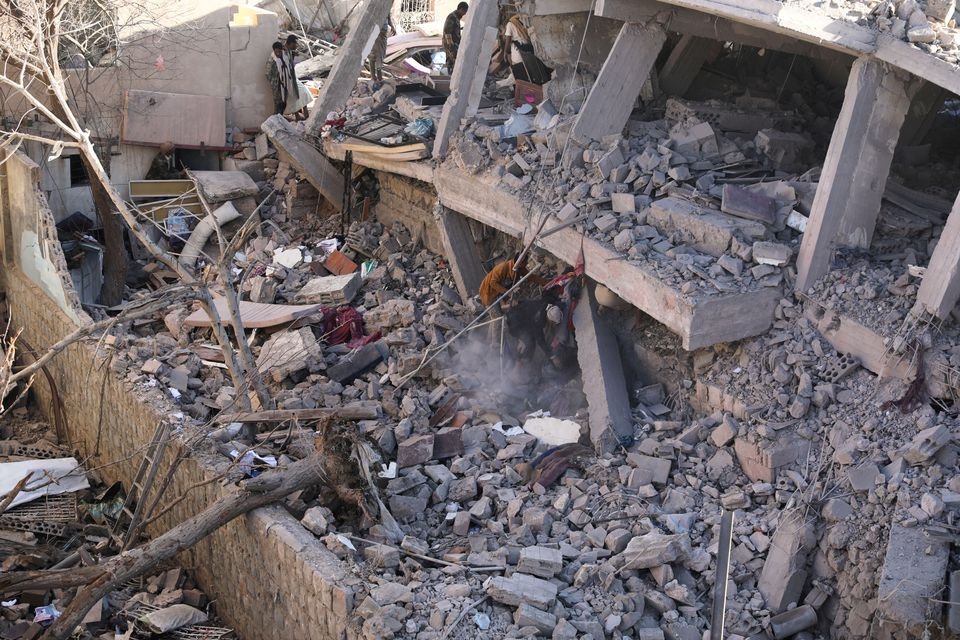
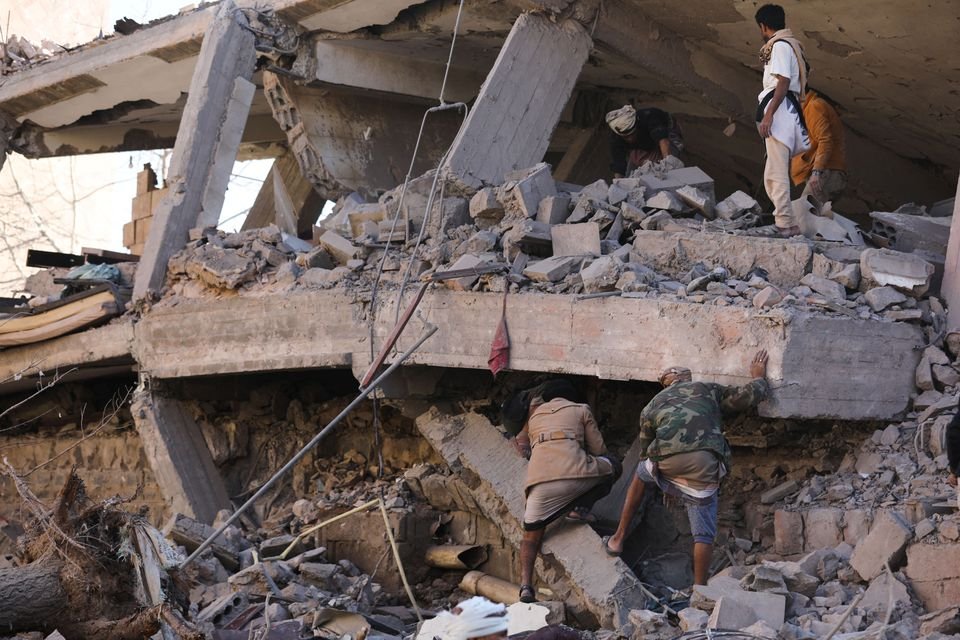
    Saudi Arabia launched an airstrike in the capital city of Yemen, Sanaa which killed about 14 people in a residential building in a response to an attack on Abu Dhabi on Monday.

    Saudi Arabia state media said that the coalition has begun airstrikes against strongholds and camps in the capital city belonging to the Houthi rebel group.

    The strike targeted the home of a former military official which killed him, his wife and son, other family members, and some unknown casualties.

    On the other side, the deputy minister for the Houthi administration tweeted that the coalition strikes killed a total of 20 people.

    According to the Houthi media channel, the airstrike attack damaged the building, killed at least a dozen people, and several people were wounded as well.

    The United Arab Emirates (UAE) is backing Saudi Arabia in a war with Yemen that has been going on for the last seven years.

    On Monday, three petrol tanks blew up near a storage facility of an oil giant company, Abu Dhabi National Oil Company (ADNOC) in Abu Dhabi. A fire also erupted in a construction area at the Abu Dhabi airport.

    These attacks have been claimed by the Iran-backed rebel group, Houthi in Yemen.

    Pakistan also condemned the attacks on the UAE by saying, “violate the sovereignty and territorial integrity of the UAE and pose a grave threat to the regional peace and security”.

    The statement issued on Monday by the Foreign Office called for an immediate end to these attacks. It also offered condolences to the families of the victims of the attack including one Pakistani.

  • One Pakistani dead among three casualties in Abu Dhabi attack

    Three people were killed in a suspected drone attack in Abu Dhabi, the capital city of the United Arab Emirates, which involved two Indians and one Pakistani national.

    The incident happened when three petrol tanks blew up near a storage facility of an oil giant company, Abu Dhabi National Oil Company (ADNOC). A fire also erupted in a construction area at Abu Dhabi airport.

    The company released the official statement, “ADNOC is deeply saddened to confirm that three colleagues have died. A further six colleagues were injured and received immediate specialist medical care.”

    Police found small flying objects at both places and claimed that they have never witnessed such a huge attack in the peaceful country of the Middle East.

    The Foreign Ministry of UAE said, “The UAE condemns this terrorist attack by the Houthi militia on areas and civilian facilities on Emirati soil…(It) will not go unpunished.”

    It further added, “The UAE reserves the right to respond to these terrorist attacks and criminal escalation.”

    A small number of flights were briefly stopped by Etihad Airways at the airport but after a few hours, normal operations were resumed.

    Police said, “Preliminary investigations indicate the detection of small flying objects, possibly belonging to drones, that fell in the two areas and may have caused the explosion and fire.”

    These attacks have been claimed by the Iran-backed rebel group, Houthi in Yemen.

    The Deputy Minister of Information Nasraddin Amer in Houthi-controlled Sanaa, the capital of Yemen confirmed that the rebel forces had carried out an attack. This attack was launched in reaction to the “UAE’s escalation” in two contested provinces of Yemen, Shabwa and Marib.

    The visit of the South Korean President, Moon Jae In to the UAE was also called off due to the current situation. The summit was planned between the South Korean President and Abu Dhabi’s crown prince.

    UAE is backing Saudi Arabia in a war with Yemen that has been going on for the last seven years.

    Saudi Arabia and Bahrain also condemned the attack and dubbed it as a “cowardly, terrorist” attack.