Tag: afghan refugees

  • How many Afghans have left Pakistan till now?

    How many Afghans have left Pakistan till now?

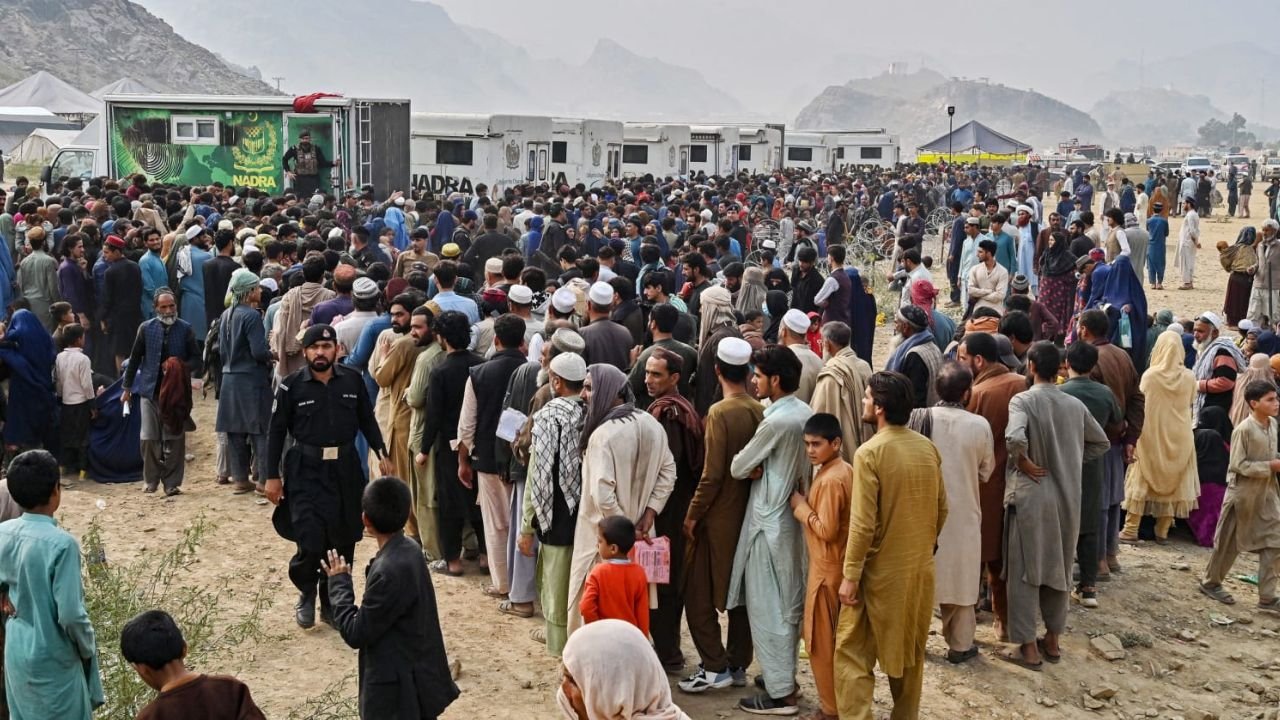
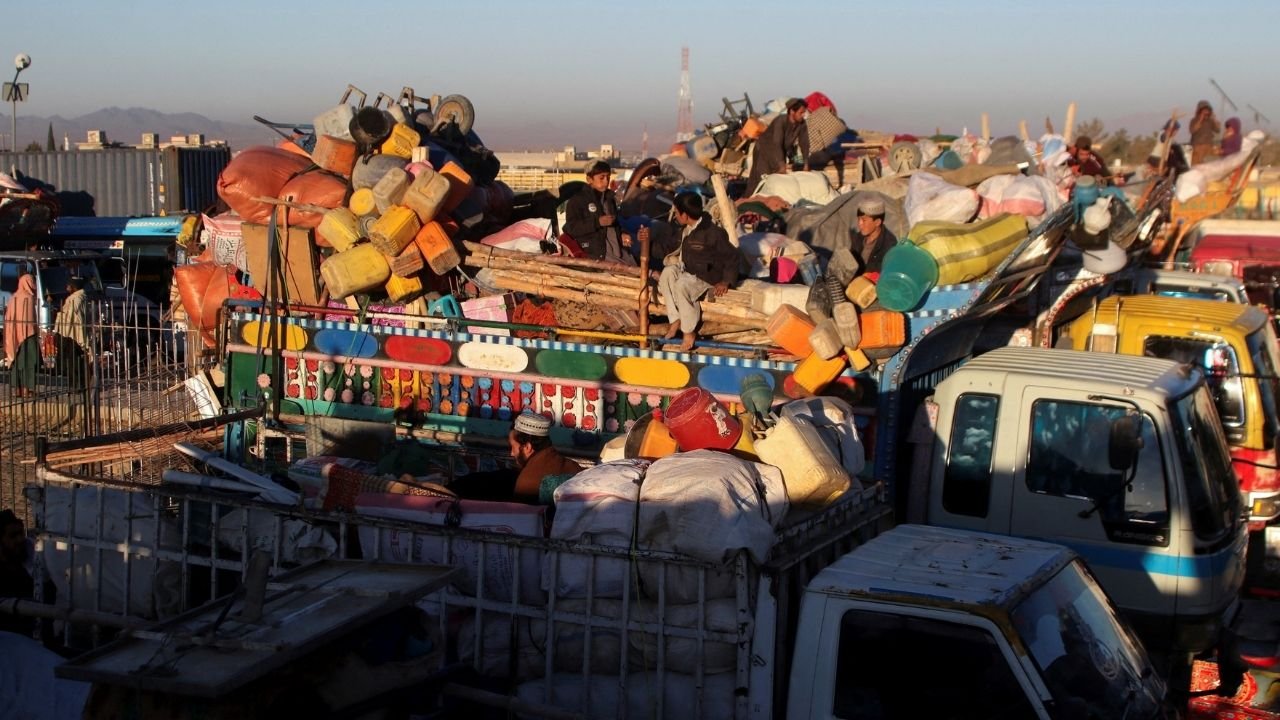
    The repatriation of illegal Afghans is under way. As of July 3, 2024, a total of 637,427 illegal Afghans have returned from Pakistan.

    Between June 1 and July 3 alone, 7,345 men, 4,732 women, and 4,369 children returned, with 432 families repatriated using 496 vehicles.

    Aaj News reports that a significant number of illegal Afghans chose to return to Afghanistan from Pakistan to avoid arrest even before the federal government’s announcement of expelling illegal foreigners.

  • Illegal Afghan citizens banned from entering Peshawar during Eid, Muharram

    The government has decided to ban illegal Afghan citizens from entering Peshawar during Eid-ul-Adha and Muharram.

    Speaking to Geo News, Capital City Police Officer (CCPO) Peshawar Qasim Ali Khan stated that this decision has been made due to security concerns and in order to control crime.

    He emphasised that ensuring a peaceful religious festival is the top priority, and during Eid and Muharram, illegal Afghan citizens will not be allowed to enter the city.

    Qasim Ali Khan further mentioned that security at sensitive locations and places of worship will be reassessed, and additional security measures will be implemented during Eid and Muharram.

    The CCPO added that practical steps will be taken to curb street crime.

  • Pakistan ‘mapping’ resident Afghans before eviction push

    Pakistan ‘mapping’ resident Afghans before eviction push

    Pakistan is gathering data on Afghan migrants – including those legally resident in the country – ahead of a renewed eviction push slated to start after Eid, official sources told AFP on Tuesday.

    More than half a million Afghans fled Pakistan last year after the former government ordered undocumented migrants to leave or face arrest, as Islamabad-Kabul relations soured over security.

    Islamabad initially set a November 2023 deadline, however two officials, who asked to remain anonymous, said evictions would resume in the coming weeks.

    “This time, instructions have been given to also collect data and conduct mapping of legally resident Afghan citizens,” said a top government official in Khyber Pakhtunkhwa province, bordering Afghanistan.

    A senior Khyber Pakhtunkhwa police official said whilst “a final decision” has not yet been taken by the government, “police have sprung into action regarding Afghan citizens”.

    “The federal government has directed to not only collect data of legal and illegal Afghan citizens but also to conduct their mapping,” he said.

    Two officials, who asked not to be named, previously told AFP the renewed push to evict migrants will begin after Eid, the holiday marking the end of the Muslim fasting month of Ramazan, set to be celebrated in April’s second week.

    Pakistan’s interior ministry did not respond to a request for comment.

    Islamabad has previously said the massive eviction scheme is justified by security concerns and its faltering economy.

    The Taliban government has consistently denied the allegations.

    Millions of Afghans have poured into Pakistan over the years, fleeing decades of cascading conflict.

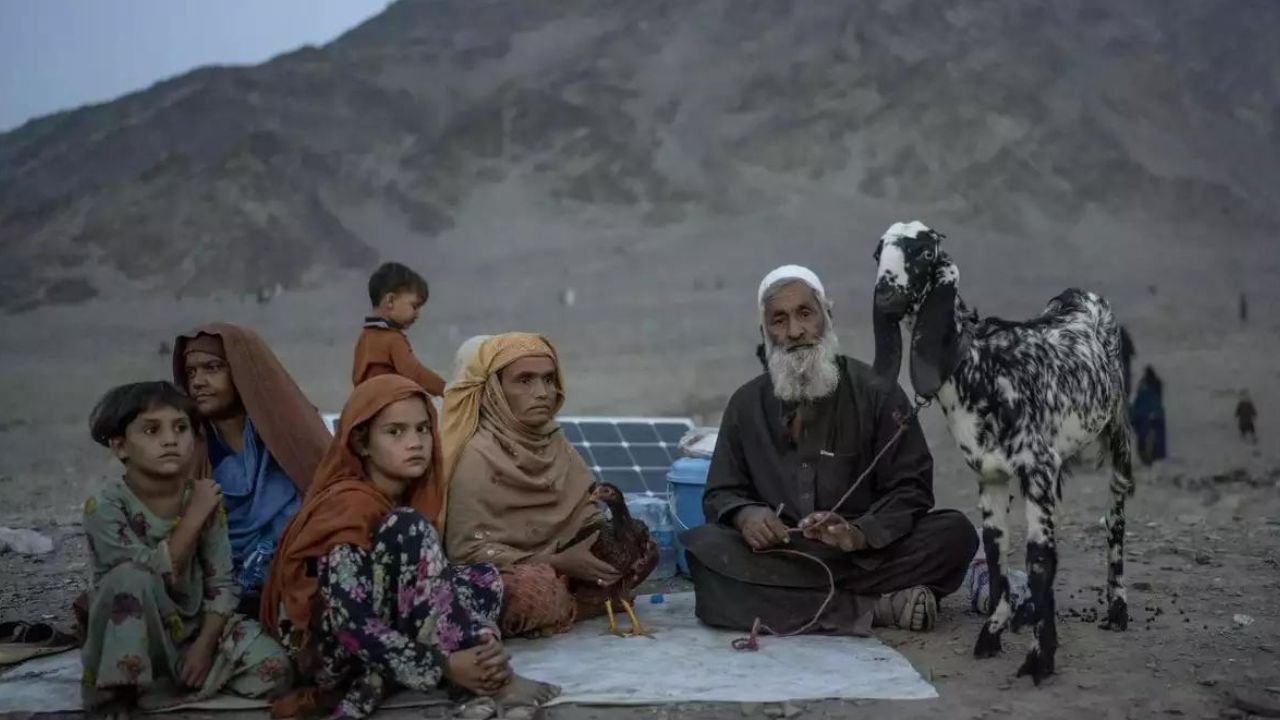
    Afghans who left Pakistan last year were only allowed to cross the border with limited belongings and cash, and arrived in the midst of one of the world’s worst humanitarian crises.

    Some had never set foot in Afghanistan before, having been born in Pakistan to Afghan parents.

    An estimated 600,000 arrived since the Taliban government seized power in August 2021 and imposed its stark interpretation of Islamic law.

    Before the first wave of evictions began, Pakistan estimated there were 1.7 million Afghans living illegally in the country.

    The stand-off between Islamabad and Kabul worsened last week when eight civilians were killed in Pakistani air strikes in Afghanistan’s border regions, according to Taliban officials.
  • How many Afghans have left Pakistan so far?

    How many Afghans have left Pakistan so far?

    The repatriation of Afghans living across Pakistan continues.

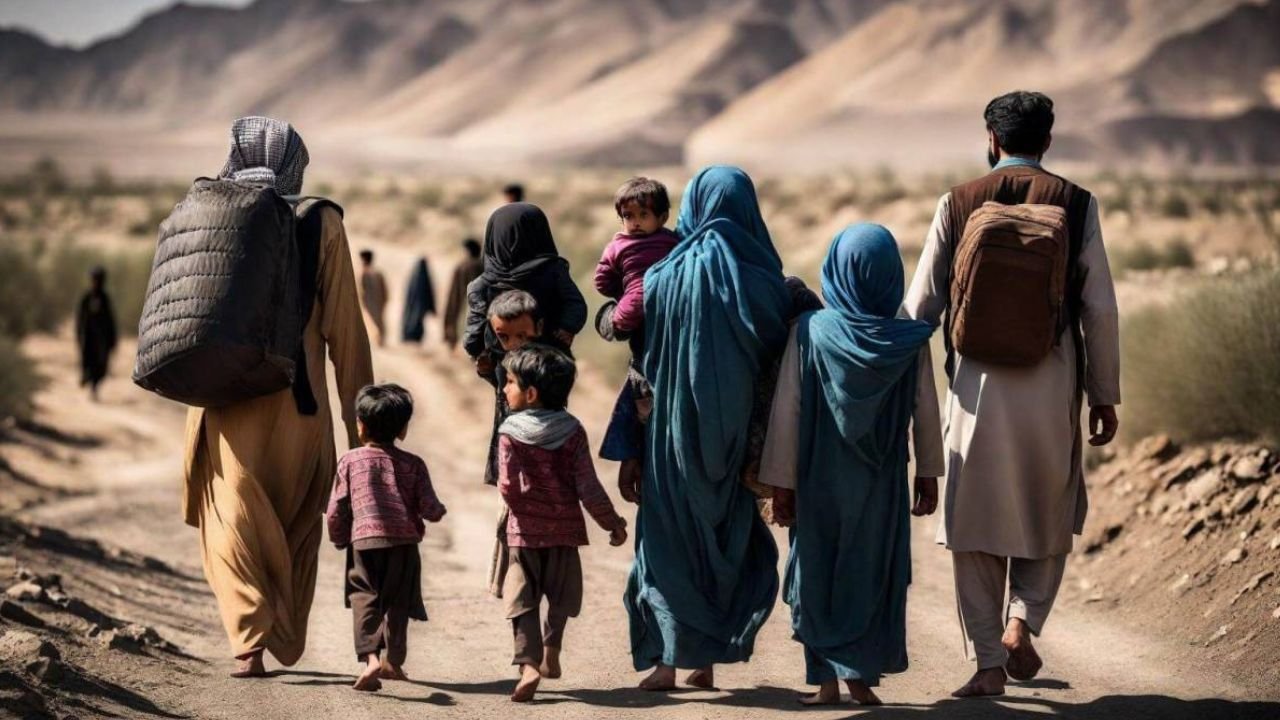
    According to official data, from February 15 to February 19, another 3,396 Afghans left Pakistan, including 1,245 men, 1,025 women, and 1,914 children. 210 families have reportedly been repatriated in 124 vehicles to Afghanistan.

    A large number of illegal Afghans have been returning to Afghanistan from Pakistan fearing arrest, even before the announcement by the government of Pakistan.

    According to official data released on February 19, a total of more than 493,000 Afghans have returned to their country as of yet.

  • More than half a million Afghans return from Pakistan

    More than half a million Afghans return from Pakistan

    More than 500,000 Afghans have fled Pakistan in the four months since Islamabad ordered undocumented migrants to leave or face arrest, the International Organization for Migration (IOM) said Monday.

    According to the latest figures reported by the UN migration agency, 500,200 Afghans left Pakistan between September 15, 2023 and January 13, 2024.

    Most rushed to the border in the days leading up to a November 1 exit deadline Islamabad set for the 1.7 million Afghans it said were living illegally in Pakistan, and as police opened dozens of holding centres.

    “Since the initial peak around November 1, the number of individuals crossing these official border points have consistently decreased but remains higher than pre-September 15th,” an IOM statement said.

    Pakistan defended the crackdown by pointing to security concerns in its regions bordering Afghanistan and pressure on its struggling economy.

    “Some Afghans forced to return may be at risk of persecution, arbitrary arrest and detention and/or torture or ill-treatment,” the UN’s Afghan mission said in a report on Monday.

    Meanwhile, the busiest border crossing between the two countries remained closed for the tenth day running in a dispute over document rules for commercial drivers.

    The row centres on demands for drivers from both sides to have visas and passports — documents many Afghans do not have — as Pakistan cracks down on cross-border movements.

    More than 400 trucks were stranded on the Pakistan side of the Torkham crossing on Monday, according to a border official who asked not to be named.

    Relations between Pakistan and Afghanistan have grown increasingly fraught in recent months, with Islamabad accusing the Taliban government of failing to root out militants staging attacks in Pakistan from their soil.

    Kabul has always rejected the allegations.

    Millions of Afghans fleeing conflict have poured into Pakistan over the past four decades, including some 600,000 since the Taliban ousted the US-backed government and imposed its harsh interpretation of Islamic law.

    Some of the Afghans crossing into Afghanistan as a result of Islamabad’s eviction scheme were entering the country for the first time, having lived their whole lives in Pakistan.

    Upon arrival, migrants have received modest assistance from the government and NGOs in a country contending with one of the worst humanitarian crises in the world.

  • Angelina Jolie slams global hypocrisy on human rights

    Hollywood A-lister and human rights activist Angelina Jolie, has talked about the hypocrisy in the world when it comes to human rights application.

    “The world is suffering from ambivalence on the issue of human rights,” she remarked in a recent interview.

    Jolie lamented the duplicity and discrimination of the world regarding human rights, saying that the scale of human rights is different for everyone, the fact is that the world works on business interests. Her comments come on the heels of her unequivocal demand for a ceasefire of Israeli attacks on Gaza.

    “Human rights can be for some people and some people can never be. Accountability for some people’s crime and not at all for some people, this is the ugly face of the world.”
    The actress said that she does not know of any country in the world which is free from these things.

    “Some people think that the colonial system has ended but the fact is that the control and exploitation of developing countries is still going on,” the actress observed.

    In her statement about Gaza, the Hollywood actress said that what happened in Israel cannot be a justification for bombing the civilian population of Gaza, pointing out that a few trucks cannot meet the aid needs of the besieged population, more than 20,000 of whom have been killed by Israel while the rest are at risk of starvation and disease.

    Angelina Jolie added that Gaza has a total population of two million, half of whom are children, who have been living under siege for two decades.

  • Number of repatriated Afghans exceeds four lakh

    The deportation of illegally residing Afghans from across the country continues with another 2,473 Afghan citizens returning to Afghanistan yesterday alone.

    This included 232 families travelling in around 126 vehicles. Whereas on December 7, 2,473 Afghans were sent back, including 825 men, 523 women and 1,125 children.

    Samaa News reports an additional figure of 2,055 Afghan citizens who have returned among whom were 426 women and 1,045 children.

    Anadolu Agency reports that over 460,000 undocumented Afghan refugees left Pakistan last month while according to the latest UN figures, 1.3 million Afghans are registered refugees and 880,000 have legal permission to stay in Pakistan.

  • Afghan migrants barred from supporting or funding elections

    The Ministry of Interior announced on Monday that Afghan migrants are barred from supporting candidates in the upcoming general elections scheduled for February 8 next year.

    The caretaker government, citing security concerns, has initiated a nationwide campaign to expel millions of illegal foreigners, predominantly Afghan citizens, residing in the country.

    The Ministry of Interior specified that both illegal and “legal” Afghans residing in Pakistan are prohibited from funding political and electoral activities, including providing funds to any candidate, in the upcoming polls.

    “Any Afghan citizen involved in such activities will be deported regardless of his or her legal status in Pakistan,” it stated.

    Pakistanis were also cautioned not to provide employment to illegal aliens or assist such individuals in obtaining employment.

    “Information about any such illegal alien or the person providing employment to him should be provided to the Ministry of Interior for legal action on the helpline available on the website of the Ministry.”

    Of the over four million Afghans in Pakistan, an estimated 1.7 million are undocumented, many having fled their war-torn country during decades of internal conflict, with another exodus occurring after the Taliban’s takeover in 2021.

    While the government asserts that its policy targets all illegal aliens, irrespective of nationality or ethnicity, human rights organizations, including the UN, have expressed concerns, emphasizing the importance of a “voluntary” return.

    Amidst the ongoing efforts, several Pakistani politicians and Human Rights activists have approached the Supreme Court, seeking judicial intervention against the caretaker government’s deportation of illegal foreign nationals, including Afghans.

  • No ‘illegal alien’ sent back on Friday thanks to verification process installed by Afghan Consulate General

    For the first time since the start of the repatriation plan of undocumented immigrants early this month, not a single ‘illegal alien’ was sent home via Khyber Pakhtunkhwa on Friday as Afghan authorities has announced to link the acceptance of deportations with the verification of their status by the Afghan consulate-general here.

    The decision was made after multiple cases of Afghan-looking Pakistanis being deported to Afghanistan surfaced. “Multiple cases of Pakistanis being sent to Afghanistan as illegal migrants have been reported,” an official source in the Afghan Consulate told Dawn.

    Unfortunately, whenever Afghan authorities took such Pakistanis to the border, Pakistani officials refused to receive them.

    The other reason stated by Afghan consulate is the harassment Afghan deportees are facing at the hands of Pakistani authorities even though many of them are repatriating voluntarily.

    “Many illegal aliens are leaving Pakistan voluntarily but they’re stopped and taken into custody on their way before their repartition. They’re not given time to carry their belongings,” an official told Dawn.

    Afghan consulate expressed concern over the separation of families that has been observed over the month. They said in “many” cases, men from undocumented families were deported, leaving behind their female dependants.

    Pakistani authorities have said that they have not been informed about the deportation condition, claiming that all allegations leveled by Afghan consulate are “baseless”, delaying the process of deportation.

    “Only deportation is linked with the verification letter. The voluntary repatriation is still continuing without any hurdle,” Pakistan responded.

    However, around 119 illegal migrants were deported from Punjab to Afghanistan via the Torkham border crossing on Thursday, according to officials.

  • In times of division and hatred, Kabli Pulao was the necessary television content we needed

    In times of division and hatred, Kabli Pulao was the necessary television content we needed

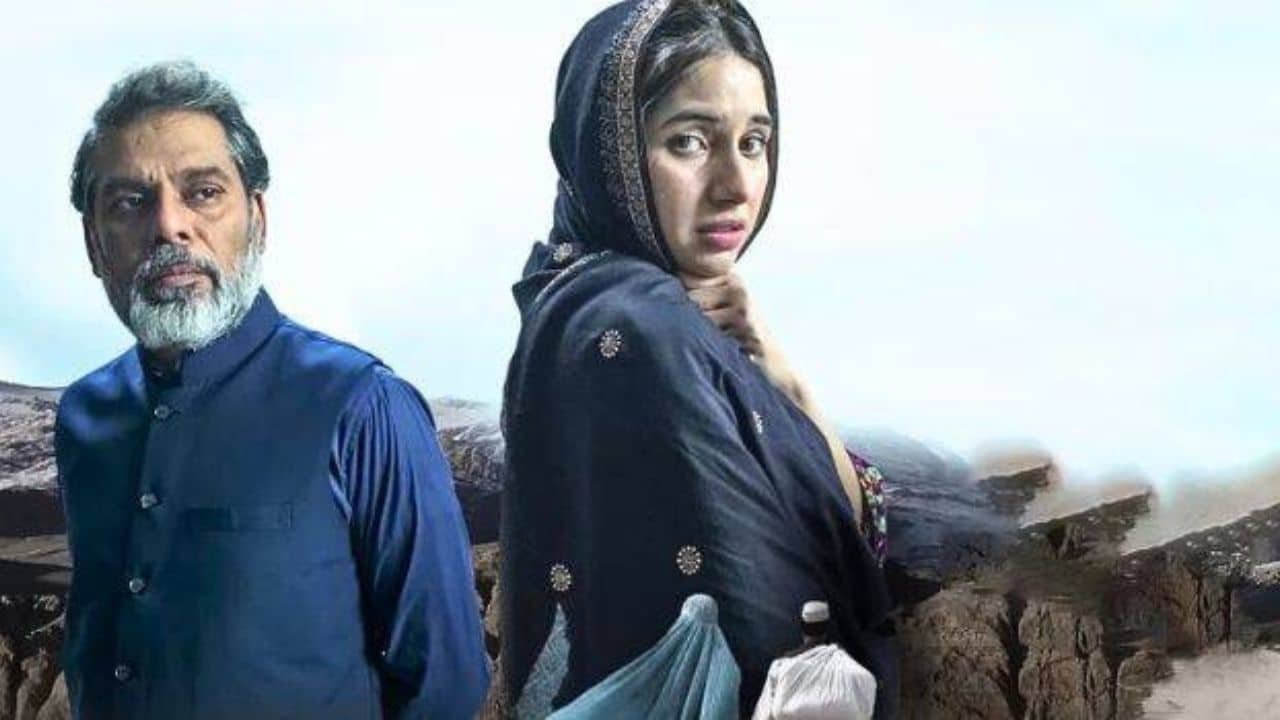
    Who would have thought that at a time when Pakistan is seeing discrimination and hatred displayed openly for the vulnerable Afghan refugees, we get to watch a television show displaying cultural solidarity and harmony in such a beautiful manner? When Green Entertainment announced ‘Kabli Pulao’ among their list of to-be-released dramas, many were curious about whether it would follow the lines of the misogynist trope involving an old man marrying a younger woman, given the wide age gap between the main lead actors Sabeen Farooq and Mohammed Ehteshamuddin. But, this is a show every person needs to watch to accept our cultural differences, and that no one is an ‘illegal alien’.

    The drama centres around elderly bachelor Hajji Mushtaq, who spent his life caring for his sisters and their children, and is lovingly referred to as ‘baray abba’ by them. When he meets Barbeena while travelling in Mardan, her brother begs him to marry her to protect her from falling into the hands of her abusive brother-in-law. Hajji Mushtaq reluctantly agrees to do so.

    Their marriage is obviously not met with approval at first. Barbeena’s entry into Mushtaq’s family is met with scorn and racism. Mushtaq’s sisters Chammo and Zubaida at first suspect she is a spy, sent to take over their brother’s wealth and force them out of the family. Barbeena has to pretend she is a newly hired maid, and after a feud reveals that she is actually Mushtaq’s wife, she is met with accusations of shaming the honour of the family.

    But the willingness displayed by Barbeena to win over the family, and especially how she brings joy into Hajji Mushtaq’s life, and then slowly for the rest of the family members, is something no other drama has ever displayed. It is Barbeena’s Afghan background that helps her win over everyone else. In episode four, the family fawns over her roghni naans and her kabli pulao. Barbeena bonds with the younger children by singing Afghan songs, sharing her traditional dresses and dancing with them. Soon she partners with Hajji Mushtaq to set up her business selling the kabli pulao to customers.

    It was some time ago when I was re-watching episode three, where the family hounds Hajji Mustaq and begs him to send Barbeena away. Ironically at this point, there was a heartbreaking video going viral on the internet featuring a young Afghan boy with tears in his eyes saying goodbye to his classmates as his family was being sent back to Afghanistan. Since that moment, we’ve seen consistently how much burden the term ‘illegal alien’ carries, the way it strips a human of their humanity and dignity.

    Videos from Aurat March show how Afghan refugees were kept in cramped conditions, denied basic respect as their children were picked up by officers and ‘accidentally deported’ over racist assumptions. Irony lies in how this is the same country where ‘Kabuli Pulao’ was became one of the best television shows to come out this year, yet it’s sole inspiration, the Afghan refugees, are treated with such malice.

    The enduring message of Barbeena’s resilience, and her blossoming relationship with Hajji Mushtaq, was that there is beauty in our cultural diversity. Barbeena’s uniqueness in her Afghan heritage, turned this drama into more than just a simple love story but a message on how Pakistani’s need to know more than ever to open up their hearts rather than shut them down. Accept our neighbours as our friends rather than turn them away because of our own internalised racism.

    This message resonates with the horrific treatment of the Palestinians in Gaza, and how their oppression is justified with terms like ‘human animals’ and ‘barbarians’. Because now more than ever, us Pakistanis need to become the anti-thesis of hateful rhetoric and learn to hold those close who had no choice but to leave their homes in search of better opportunities.

    All episodes of ‘Kabli Pulao’ are available to watch on Youtube.