Tag: afghan women

  • Phone documentary details struggles of Afghan women under Taliban

    Phone documentary details struggles of Afghan women under Taliban

    A rare inside account of the tyranny of the Taliban and their impact on Afghan women hits screens next week with the smartphone-filmed documentary “Bread & Roses.”

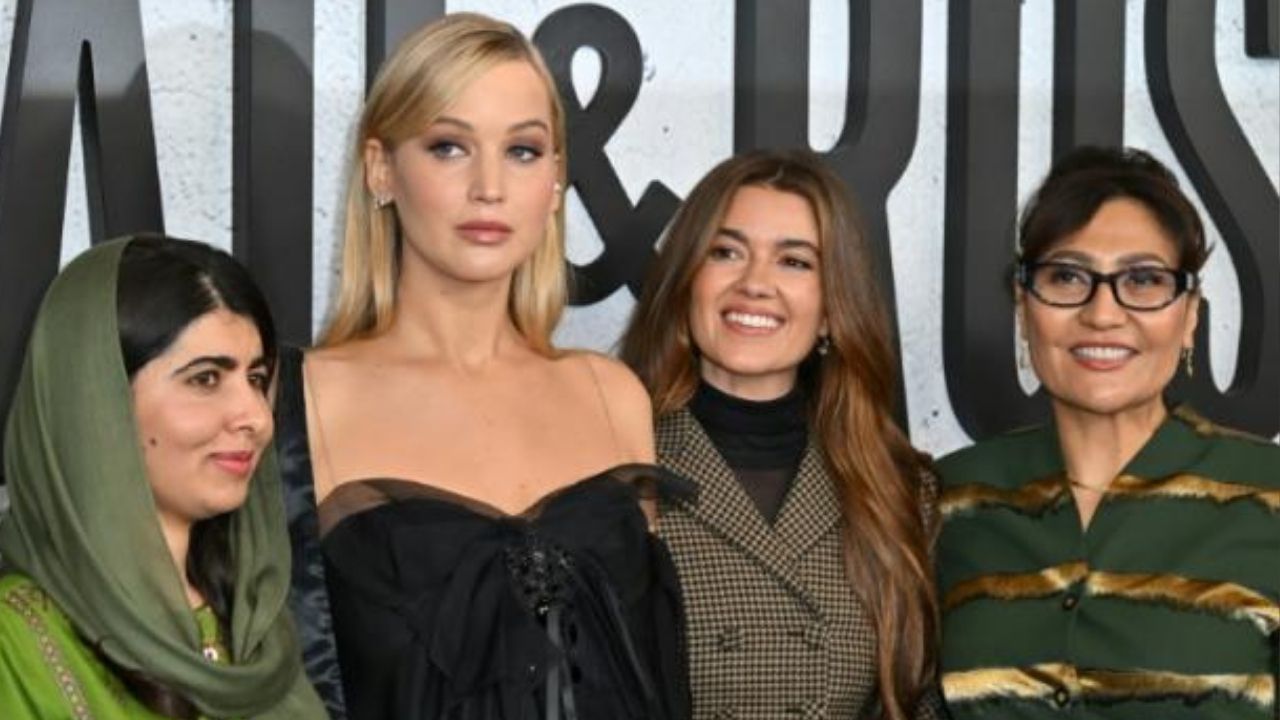
    Produced by actress Jennifer Lawrence (“Hunger Games”) and Nobel Peace Prize winner Malala Yousafzai, this feature-length film immerses the viewer in the daily asphyxiation endured by half the population of Afghanistan since the withdrawal of US troops paved the way for the Taliban to seize power.

    “When Kabul fell in 2021 all women lost their very basic rights. They lost their rights to be educated, to work,” Lawrence told AFP in Los Angeles.

    “Some of them were doctors and had high degrees, and then their lives were completely changed overnight.”

    The documentary, which debuted at Cannes in May 2023, was directed by exiled Afghan filmmaker Sahra Mani who reached out to a dozen women after the fall of Kabul.

    She tutored them on how to film themselves with their phones — resulting in a moving depiction of the intertwined stories of three Afghan women.

    We meet Zahra, a dentist whose practice is threatened with closure by the Taliban, suddenly propelled to the head of the protests against the regime.

    Sharifa, a former civil servant, is stripped of her job and cloistered at home, reduced to hanging laundry on her roof to get a breath of fresh air.

    And Taranom, an activist in exile in neighboring Pakistan, who watches helplessly as her homeland sinks into medieval intolerance.

    – Gender apartheid –

    “The restrictions are getting tighter and tighter right now,” Mani told AFP on the film’s Los Angeles red carpet.

    And hardly anyone outside the country seems to care, she said.

    “The women of Afghanistan didn’t receive the support they deserved from the international community.”

    Since their return to power, the Taliban have established a “gender apartheid” in Afghanistan, according to the United Nations.

    Women are gradually being erased from public spaces: Taliban authorities have banned post-secondary education for girls and women, restricted employment and blocked access to parks and other public places.

    A recent law even prohibits women from singing or reciting poetry in public.

    The Taliban follow an austere brand of Islam, whose interpretations of holy texts are disputed by many scholars.

    “The Taliban claim to represent the culture and religion while they’re a very small group of men who do not actually represent the diversity of the country,” Yousafzai, an executive producer of the film, told AFP.

    “Islam does not prohibit a girl from learning, Islam does not prohibit a woman from working,” said the Pakistani activist, whom the Taliban tried to assassinate when she was 15.

    The documentary captures the first year after the fall of Kabul, including moments of bravery when women speak out against repression.

    “You closed universities and schools, you might as well kill me!” a protester shouts at a Talib threatening her during a demonstration.

    These gatherings of women — under the slogan “Work, bread, education!” — are methodically crushed by the regime.

    Protesters are beaten, some are arrested, others kidnapped.

    Slowly, the resistance fades, but it doesn’t die: some Afghan women are now trying to educate themselves through clandestine courses.

    Three years after the Taliban seized power from a hapless and corrupt civilian government, few countries have officially recognized their regime.

    In the wake of Donald Trump’s re-election to the US presidency, the fundamentalists have made it known that they hope to “open a new chapter” in relations between Kabul and Washington, where a more transactional foreign policy outlook is expected to prevail.

    For Mani, that rings alarm bells.

    Giving up on defending the rights of Afghan women would be a serious mistake — and one the West could come to regret, she said.

    The less educated Afghan women are, the more vulnerable their sons are to the ideology that birthed the terror attacks of September 11, 2001.

    “If we are paying the price today, you might pay the price tomorrow,” she said.
  • ‘This is so sad’: Armeena Khan calls for end to Afghan refugees deportation

    ‘This is so sad’: Armeena Khan calls for end to Afghan refugees deportation

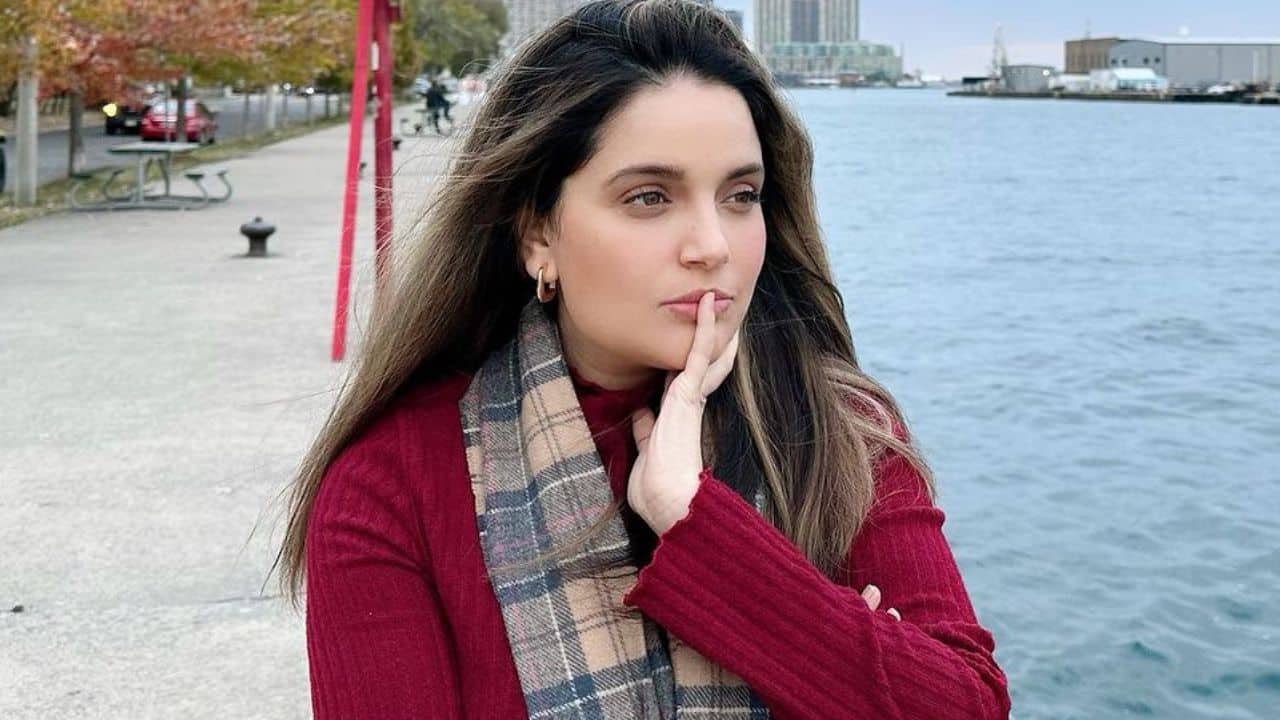
    Pakistani actress Armeena Khan has called for an end to the deportation of Afghan refugees from Pakistan. Taking to X (formerly Twitter), Armeena wrote:

    “It would be CRIMINAL of me not to talk about 1.7 million Afghans who are being displaced from Pakistan, their homes being bull dozed. This is absolutely vile! How can we treat them this way? I cannot talk about Gaza without talking about the plight of the Afghans. This is so sad.”

    When a user tried to school her, Armeena slammed him on the double standards of Pakistanis who are protesting for a Free Palestine but on the other hand, are pushing Afghan refugees out of their country.

    “People like you are no different than the war mongering factions of the Israelites. Two sides of the same coin. Spare the Palestinians your hypocrisy. The Pakistani Afghans are also your Muslim brothers and sisters.”

    Veteran actress and model Iffat Omar also joined in by sharing a picture of a boy stranded on a truck and writing in the caption “This is really heart breaking.”

  • Activist Malala Yousafzai sends support to Afghanistan women’s football team

    Women’s rights activist and Noble Prize winner Malala Yousafzai has expressed her support for the women’s football team from Afghanistan, who were banned by the current Taliban government from playing the sport after the takeover in 2021. Currently, the team resides in Melbourne, Australia, where they escaped to in 2021, but right now the football team is not recognised by the government or the FIFA organisation.

    “I’m very sad. I was expecting a lot more for football’s governing body,” said Khalida Popal, who was the former captain of the women’s football team.

    “[Fifa needs] to stand with these women. We want leadership – we need a strong voice to stand with us. Don’t keep silent.”

    Currently, the Afghanistan Women’s Football team is being sponsored by the Australian professional football club Melbourne Victory, and now activist and Nobel Prize winner Malala Yousafzai has joined the ranks in calling for the team to be recognised by FIFA.

    The producer behind ‘Joyland’ was in Melbourne to watch the Women’s World Cup and shared a post of her meeting the team members of the Afghanistan women’s football team, writing that she was inspired by their bravery and determination.

    “I came to Melbourne because of a story. The New York Times published an incredible account of the keeper for the Afghanistan Women’s Team and how its founder @khalida_popal_girlpower helped the players escape near-certain death after the Taliban gained control and banned women’s sports. I was inspired by their bravery and determination. They were so proud to play for their national team and now they were burying their jerseys to avoid being caught and killed.

    Today, I finally met the AWT in person— including Fatima and Khalida — to continue to support their campaign to be recognised by FIFA. This is the power of stories and why we must continue to share them. You never know who could be listening.”

    The Pakistan-born activist urged her followers to read more about the football team and to donate funds to help support them as they live in exile and away from their families

  • US to pressure Taliban if they don’t remove restrictions on women

    US to pressure Taliban if they don’t remove restrictions on women

    The United States (US) has said that it will put pressure on Afghanistan’s Taliban government if the group does not reverse some of its recent restrictions on Afghan women, reports Reuters.

    US State Department spokesperson Ned Price reported saying on Monday: “We have addressed it directly with the Taliban. We have a number of tools that, if we feel these won’t be reversed, these won’t be undone, that we are prepared to move forward with.”

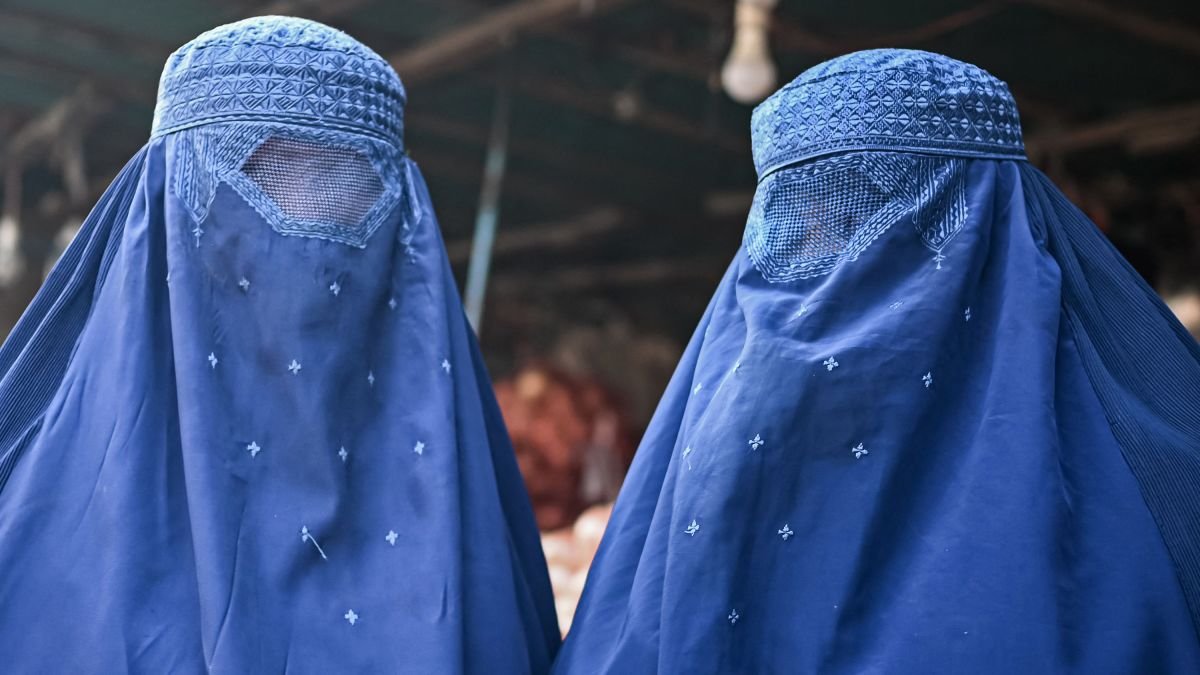
    Last week, the hardline group ordered women to cover themselves from head to toe in public, expanding a series of oppressive restrictions on women that dictate nearly every aspect of public life.

    Recently, the Taliban has reportedly stopped issuing driving licenses to women. However, there has been no official confirmation. Local media reports, cited by news agencies, said verbal orders have been issued to stop giving driving licenses to women, according to the Independent UK.

    Despite the fact that the international community, has on multiple occasions, made the education of girls a key demand for any future recognition of the Taliban administration, the group has barred Afghan girls from going to school beyond the seventh grade. Moreover, they have restricted women and girls from working and have limited their travel unless accompanied by a close male relative.

  • Taliban ban Afghan women from flying without male relative

    Taliban ban Afghan women from flying without male relative

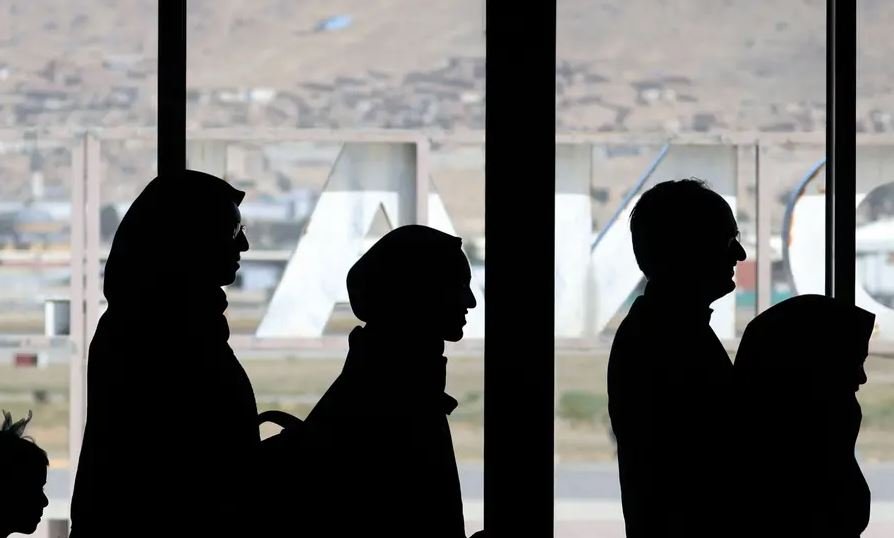
    The Taliban has informed Afghan airlines that women will not be allowed to board domestic or international flights unless accompanied by a male chaperone, Reuters has reported.

    Sources told Reuters that the Ministry for the Propagation of Virtue and the Prevention of Vice sent a letter to airlines on Saturday informing them of the new restrictions.

    They also stated that unaccompanied women who had already purchased tickets would be permitted to travel on Sunday and Monday. According to them, some women with tickets were turned away at Kabul’s airport on Saturday.

    Previously, a Taliban administration spokesman stated that women travelling abroad to study should be accompanied by a male relative.

    Read more-Taliban didn’t keep their promise’: Malala reacts to closing of girls’ high schools in Afghanistan

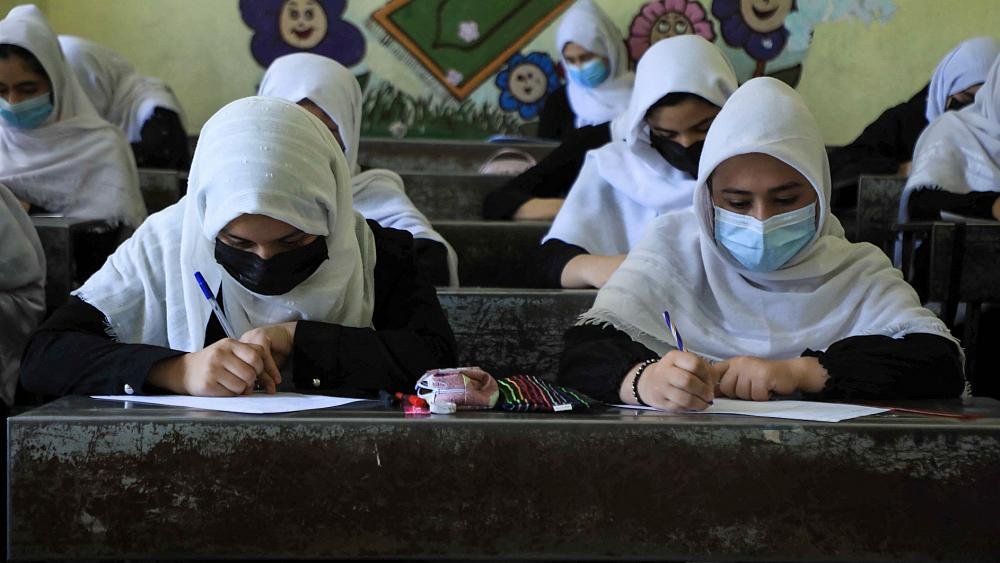
    Earlier, the Taliban administration ruled that no female child above the sixth grade will be allowed to attend school. The announcement came only a few hours after they reopened for the first time in nearly seven months.

  • Taliban meet Afghan women activists and journalists in Oslo

    Taliban meet Afghan women activists and journalists in Oslo

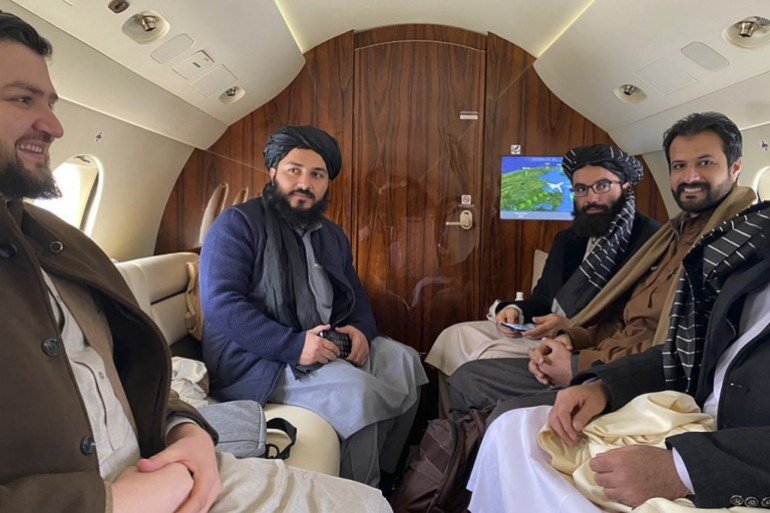
    A delegation of the Afghan Taliban, led by Foreign Minister (FM) Amir Khan Muttaqi, met women activists and journalists in Oslo, Norway.

    “It was a positive icebreaking meeting,” feminist activist Jamila Afghani told AFP.

    “They listened patiently and responded to most of our concerns. Let’s see what their actions will be, based on their words,” she added.

    Anas Haqqani, a leader of the most violent faction of the Taliban movement, is also a part of the delegation.

    Following the talks, Taliban spokesperson Zabihullah Mujahid tweeted: “Afghanistan is the shared home of all Afghans. They need to work together for the political, economic and security prosperity of the country.”

    Taliban representatives will meet delegations from other western nations [United States (US), France, Britain, Germany, Italy and the European Union (EU)] today (Monday) and will be certain to press their demand to unfreeze $10 billion by the US and other western countries as the country is currently facing a humanitarian crisis.

    It has been confirmed by Norwegian FM Anniken Huitfeldt that the meetings are not for legitimation or recognition of the Taliban.

    So far, the Taliban have visited Russia, Iran, Qatar, Pakistan, China and Turkmenistan.

  • ‘We are not against education’, Taliban to open separate schools for girls

    ‘We are not against education’, Taliban to open separate schools for girls

    The Taliban has said that they hope to open all schools for girls and women across the country after March 21.

    Zabihullah Mujahid, spokesperson and deputy Culture and Information Minister of Afghanistan said girls and boys must be completely segregated in schools. According to him, the biggest obstacle so far has been finding enough space where girls could stay while going to school. In heavily populated areas, there is not enough space to have separate classrooms for boys and girls.

    “We are not against education,” Mujahid stressed while talking to Associated Press (AP). He also said women are working in the health and education sector and at Kabul International Airport in customs and passport control. But didn’t comment that whether women would be allowed to return to work in government ministries.

    Since August, girls in most of Afghanistan have not been allowed back to school beyond grade 7. However, private universities in the capital Kabul are still operating.

    Earlier this month, the United Nations (UN) launched a $5 billion appeal for the war-torn country.

  • ‘Women cover up’: Taliban order new ban on Afghan women

    ‘Women cover up’: Taliban order new ban on Afghan women

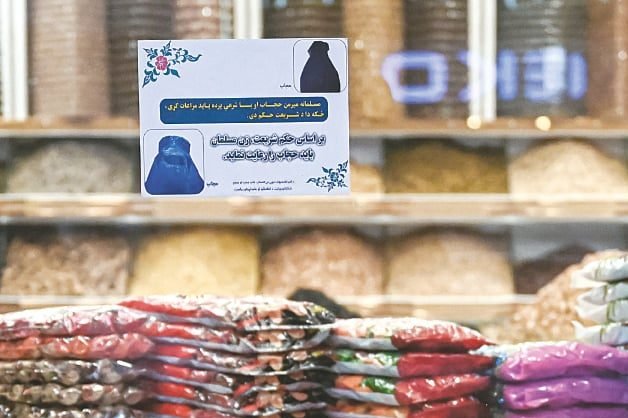
    The Taliban’s religious police have put up posters around the capital Kabul ordering Afghan women to cover up, an official said on Friday, reports Dawn.

    The poster, which includes an image of the face-covering burqa, was slapped on cafes and shops this week by the Ministry for the Promotion of Virtue and Prevention of Vice.

    “According to Sharia law, Muslim women must wear the hijab,” the poster reads, referring to the practice of covering up. A spokesman for the ministry, responsible for enforcing the Taliban’s interpretation of Islamic law, confirmed on Friday that it was behind the orders.

    “If someone does not follow it, it does not mean she will be punished or beaten, it’s just encouragement for Muslim women to follow Sharia law,” Sadeq Akif Muhajir said.

    “What they’re trying to do is to spread fear among the people,” a university student and women’s rights advocate, who did not want to be identified, said.

    “The first time I saw the posters I was really petrified, I thought maybe (the Taliban) will start beating me. They want me to wear a burqa and look like nothing, I would never do that.”

  • No transport for women travelling without hijab, male relative: Taliban

    Afghanistan’s Taliban leadership has announced that women who seek to travel long distances should not be offered transport if they are not wearing hijab and are not accompanied by a close male relative, reports Agence France-Presse (AFP).

    The guidance was issued on Sunday by the country’s Ministry for the Promotion of Virtue and Prevention of Vice. The ministry spokesman Sadeq Akif Muhajir told AFP: “Women travelling for more than 72 kilometers (km) should not be offered a ride if they are not accompanied by a close family member.”

    Previously, the government had also called on women TV journalists to wear hijabs while presenting. They also directed people to stop playing music in their vehicles.

    Taliban also banned women from acting in dramas due to which they received immense backlash.

    Since August, the Taliban have been imposing severe restrictions for women in the country despite promising the fulfillment of their rights.

    However, activists hope that the Taliban’s battle to gain international recognition and get aid flowing back into Afghanistan will lead to them making concessions to women.

  • Afghan women make up half of BBC’s 100 women list for 2021

    The British Broadcasting Corporation (BBC) has listed its 100 inspiring and influential women from around the world for 2021.

    This year’s theme – ‘women who are hitting “reset”, playing their part to reinvent our world after the global pandemic has forced so many of us to reassess the way we live.’

    This list is devoted to half of the women from one country – Afghanistan. As recent episodes in the country have made headlines and left millions of Afghans questioning their future, rights groups have spoken up in fear that women freedom could be eroded for the foreseeable future under the Taliban.

    From women who work for girls’ education in Afghanistan to the women who portrayed Afghan women in the movies. The list includes:

    Some of the Afghan women on the list are anonymous.

    From women who work for girls’ education in Afghanistan to the women who portrayed Afghan women in the movies. The list includes:

    Pashtana Durrani- a teacher dedicated to innovation in education with a focus on girls’ rights. She has established schools in Kandahar.

    Razia Barakzai- since the Taliban she has been actively involved in marches in Kabul.

    Leena Alam- is renowned for her appearances in feminist television shows in Afghanistan.

    Sahar Fetrat- feminist activist Sahar Fetrat was a young refugee.

    Basira Paigham- working for LGBTQ+ rights in Afghanistan.

    Roya Sadat- first female director to emerge from the Taliban era in Afghanistan.