Tag: Afghanistan

  • Isolating Afghanistan would be a great disadvantage for the world: PM Imran Khan

    Prime Minister (PM) Imran Khan has warned the international community that repeating the mistake of segregating Afghanistan would be a great drawback for the world.

    PM Khan had a high-powered meeting with his cabinet and the Chief of Army Staff General Qamar Javed Bajwa in which he further stressed that the international community should help Afghanistan and assured that Pakistan will be helping Afghanistan in every way.

    Pakistan has already committed to immediate relief of in-kind humanitarian assistance worth Rs5 billion to Afghanistan.

    A statement by the Prime Minister’s Office said, “Participants of the Apex Committee again expressed concerns about the deteriorating humanitarian situation in Afghanistan and emphasised that Pakistan will not abandon Afghans in their time of need.”

    Prime Minister also instructed that “humanitarian organisations wishing to work from Pakistan to support efforts in Afghanistan should be facilitated as Pakistan has already committed to being the air and land bridge for humanitarian support to Afghanistan,” further read the statement.

  • ‘We have battled before and will do again’: Fawad Chaudhry warns TTP

    Information Minister Fawad Chaudhry warned Tehreek-i-Taliban Pakistan (TTP) and said that the government will only talk to those who respect the Constitution and law of Pakistan. Otherwise, the government has battled before and will do again, reports Dawn.

    The information minister said that the Taliban government had once again pressed the TTP to abide by the ceasefire agreement. “And I think their advice is sane,” he added.

    Chaudhry’s remarks came after TTP’s announcement of ending a month-long ceasefire with Pakistan and the death of a policeman in an alleged armed attack on a polio vaccination team by TTP in Khyber Pakhtunkhwa (KP).

    The banned organisation TTP said the government had not only failed to implement the decisions reached between the two sides but also raids had been conducted by Pakistan in Dera Ismail Khan, Lakki Marwat, Swat, Bajaur, Swabi, and North Waziristan where they killed and detained militants.

    Prior to this, both sides [Pakistan and TTP] had reached a month-long ceasefire from November 1 to November 30, 2021. According to which the Pakistani government promised to release 102 imprisoned mujahideen.

  • Tehreek-i-Taliban Pakistan ends ceasefire with Pakistan

    Tehreek-i-Taliban Pakistan ends ceasefire with Pakistan

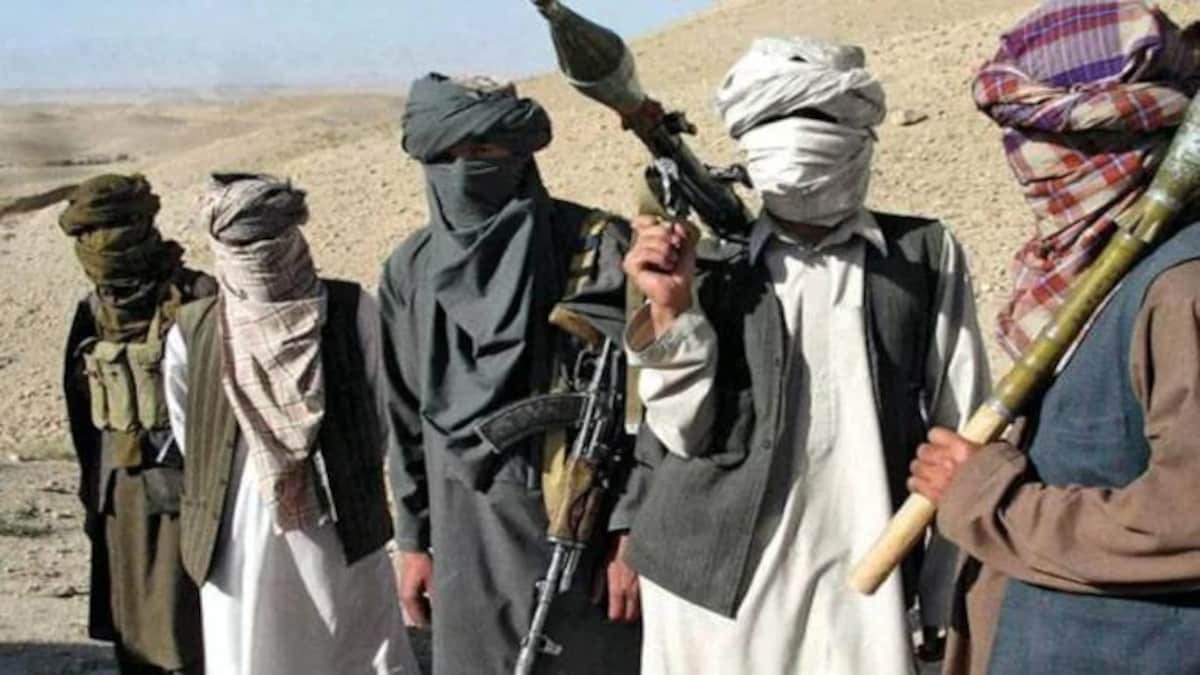
    Taliban militants in Pakistan declared an end to a month-long ceasefire. Tehreek-i-Taliban Pakistan (TTP) accused the government of breaching terms, including a prisoner release agreement and the formation of negotiating committees.

    A statement issued by the TTP gave out details of the six-point agreement that it said it had reached with the government under the protection of the “Islamic Emirate of Afghanistan” (IEA) on October 25, 2021.

    According to the statement, the government not only failed to implement the decisions reached between the two sides but the security forces conducted raids in Dera Ismail Khan, Lakki Marwat, Swat, Bajaur, Swabi, and North Waziristan and killed and detained militants.

    “Under these circumstances, it is not possible to extend the ceasefire,” the TTP said.

    Official sources had earlier said that both sides had agreed to initiate “formal talks” and had finalised five names of negotiators each. The government’s negotiating team included two senior civil officers with good experience of having served in conflict zones. While the TTP said it had formed a five-member committee for negotiations, the government, it appears, took time to notify the committee.

  • ‘Govt is going to ensure Pakistani citizens are safe without blood being spilt on either side’: Moeed Yusuf on BBC HARDtalk

    ‘Govt is going to ensure Pakistani citizens are safe without blood being spilt on either side’: Moeed Yusuf on BBC HARDtalk

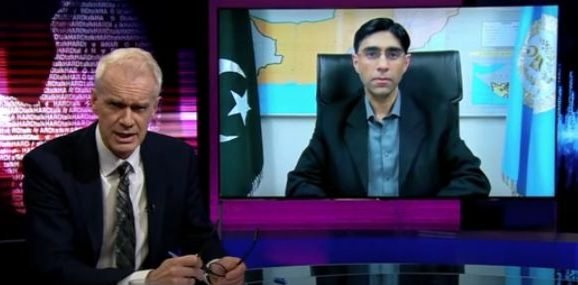
    National Security Adviser (NSA) to the Prime Minister, Dr Moeed Yusuf, while giving an interview to BBC host Stephen John Sackur on BBC HARDtalk said that the state’s job is not to kill another Pakistani.

    “We are going to try our level best to ensure that Pakistani citizens are safe without any more blood being spilt on either side.” The NSA’s comments come in reference to the Pakistan government’s talks with the Tehreek-i-Taliban Pakistan (TTP).

    “How secure is Pakistan after the Taliban are back in power in Afghanistan?”: Sackur

    Sackur questioned Yusuf on how secure Pakistan is after the Taliban are back in power in Afghanistan.

    “Frankly it depends on how responsibly the international community plays the future. Pakistan was not behind anything. There was a policy employed by the United States (US) and others who are in Afghanistan. That was always a failing policy. The only country that kept saying that you will not find a military solution to this problem was Pakistan and our advice was not heeded.”

    “We kept saying negotiate from a position of strength, we weren’t listened to, we were blamed and scape-goated and the result is in front of you,” added Yusuf.

    “We heard the worried voices of the Supreme Court when they were grilling PM Khan,” Sackur

    “Pakistanis are very worried. We heard the worried voices of the Supreme Court when they were grilling PM Khan on what was going on under these negotiations with the Taliban,” responded Sackur and further added that during the grilling of the premier, one of the judges alluded to the 2014 terrible atrocity where the TTP attacked the Army Public School (APS) in Peshawar and killed more than 130 children and questioned PM Khan whether the government was about to sign a documented defeat with those who killed these children, and are we going to surrender once again.

    “You should recognise the state of democracy in this country that the judge calls in the prime minister who goes gets grilled and now Stephen Sackur has the opportunity to ask me. That’s the state of democracy and I am proud of that,” responded Yusuf.

    “We have a consistent policy as a state to say that negotiation must happen from a position of strength and this is what we told the Americans and United Kingdom (UK).”

    “No military bases of China in Balochistan”: Yusuf

    Yusuf said there were no military bases of China in Balochistan, rather there were economic bases there where any country could invest.

    “Let me clarify that there are no military bases offered to China in Balochistan, including Gwadar. Yes, there are economic bases and the same was also offered to the United States, Russia, and the Middle East and we are open to all the countries,” the NSA said, adding, “CPEC is what, it is road infrastructure and energy infrastructure and anybody can come and invest there, we are not closed to anybody.”

    “Is Pakistan developing relations with China at the cost of its principles of supporting the rights of Muslims in the world?” Sackur

    Sackur asked whether Pakistan was developing relations with China at the cost of its principles of supporting the rights of Muslims in the world. “You raise your voice for Kashmiri Muslims but refuse to condemn the violation of human rights in a Chinese province,” the interviewer asked.

    Moeed said that Pakistan did not accept the Western version of human rights violations in Xinjiang province and if they have any concerns, they should talk to China. “We have relations of trust with China and our ambassador and other delegations from here also visited the Xinjiang province,” he said.
  • Pakistan declines United States invitation to Democracy Summit

    Pakistan has turned down an invitation by the United States (US) to the summit for democracy which was going to be held virtually from December 9-December 10.

    The Pakistan Foreign Office thanked the United States for the invitation to participate in the Democracy Summit. According to the statement issued by the Spokesperson. Pakistan said that they would engage with the country on a wide range of issues “at an opportune time in the future.”

    The statement further added that Pakistan is committed to promoting democracy, eradicating corruption, and safeguarding the human rights of all our citizens.

    “We value our partnership with the U.S. which we wish to expand both bilaterally as well as in terms of regional and international cooperation. We remain in contact with the U.S. on a range of issues and believe that we can engage on this subject at an opportune time in the future,” he added.

    The statement concluded, “Pakistan will, meanwhile, continue to support all efforts aimed towards strengthening dialogue, constructive engagement, and international cooperation for the advancement of our shared goals.”

    According to the official website of the State Department, President Biden will be hosting the virtual meetings on December 9-December 10. He will discuss issues regarding democracy with leaders from government, civil society, and the private sector.

    The statement stated, “The summit will focus on challenges and opportunities facing democracies and will provide a platform for leaders to announce both individual and collective commitments, reforms, and initiatives to defend democracy, and human rights at home and abroad.”

    The summit will be based on key important points which include defending against authoritarianism, addressing and fighting corruption, and promoting respect for human rights.

    In this summit, leaders will be persuaded to share their policies and plan of action for reforms and initiatives to curb the issues that meet the goals of the summit.

    Pakistan is being criticised by some for not attending the summit, with people saying that Pakistan has refused to attend because President Biden has not called PM Khan since he came to power.

    Afghanistan has not been invited to the summit and India’s PM Modi will be attending and speaking about commitment to democracy

  • Afghan women make up half of BBC’s 100 women list for 2021

    The British Broadcasting Corporation (BBC) has listed its 100 inspiring and influential women from around the world for 2021.

    This year’s theme – ‘women who are hitting “reset”, playing their part to reinvent our world after the global pandemic has forced so many of us to reassess the way we live.’

    This list is devoted to half of the women from one country – Afghanistan. As recent episodes in the country have made headlines and left millions of Afghans questioning their future, rights groups have spoken up in fear that women freedom could be eroded for the foreseeable future under the Taliban.

    From women who work for girls’ education in Afghanistan to the women who portrayed Afghan women in the movies. The list includes:

    Some of the Afghan women on the list are anonymous.

    From women who work for girls’ education in Afghanistan to the women who portrayed Afghan women in the movies. The list includes:

    Pashtana Durrani- a teacher dedicated to innovation in education with a focus on girls’ rights. She has established schools in Kandahar.

    Razia Barakzai- since the Taliban she has been actively involved in marches in Kabul.

    Leena Alam- is renowned for her appearances in feminist television shows in Afghanistan.

    Sahar Fetrat- feminist activist Sahar Fetrat was a young refugee.

    Basira Paigham- working for LGBTQ+ rights in Afghanistan.

    Roya Sadat- first female director to emerge from the Taliban era in Afghanistan.

  • ‘Women are not property,’ Taliban ban forced marriages

    The Taliban issued a decree that bans forced marriages in Afghanistan on Friday, saying women should not be considered “property” and must consent to marriage, reports Al Jazeera.

    It was annouced by Taliban Chief Hibatullah Akhunzada. The international community, which has frozen billions of dollars in funds for Afghanistan, has made women’s and human rights a key element of any future engagement with Afghanistan.

    The decree said, “Both women and men should be equal. No one can force women to marry by coercion or pressure.”

    However, it didn’t mention a minimum age for marriage, which previously was set at 16-years-old.

    The Taliban also allowed a window to re-marry after 17 weeks of her husband’s death. Moreover, the Taliban leadership has ordered Afghan courts to treat women fairly, especially widows seeking inheritance as next of kin.

    The development was hailed on social media by some social media users while most of them shared their concerns.

    https://twitter.com/Nedahalim/status/1466926067323523073?s=20

    During the Taliban’s previous rule from 1996 to 2001, it banned women from leaving the house without a male relative, full face and head covering and girls were made compulsory and restricted from getting education.

    However, now they claim that they have changed but many women, advocates and officials remain skeptical.

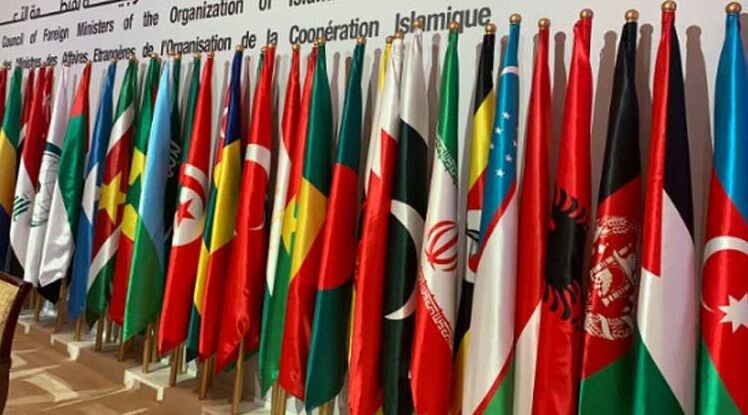
  • Pakistan offers to host OIC summit to discuss Afghan crisis

    Pakistan offers to host OIC summit to discuss Afghan crisis

    Foreign Minister (FM) of Pakistan Shah Mahmood Qureshi has announced that Pakistan fully endorses Saudi Arabia’s move to request an extraordinary session of the Organisation of Islamic Cooperation (OIC) to discuss the current Afghanistan situation after the Taliban takeover.

    Qureshi said, “Afghanistan is a founding member of the OIC. As part of the Islamic Ummah, we are bound by fraternal bonds of amity and brotherhood with the people of Afghanistan,” he said stressing that, “today, our Afghan brothers and sisters need us more than ever before.”

    In a video message, shared by the Foreign Office (FO), the minister also announced that Pakistan has offered to host the meeting in Islamabad on December 17.

    Saudi Arabia also made the call for the session on the same day, as per the state-run Saudi Press Agency.

    According to the minister, the arrival of winter has worsened the humanitarian crisis in the worn-torn country. ​He emphasised the need for the OIC to “step in to help our Afghan brothers.”

    According to Qureshi, the first extraordinary session of the OIC Council of Foreign Ministers was held in Islamabad in January 1980, also on the situation in Afghanistan at that time.

    “Next month, we would, once again, gather in Islamabad, to reaffirm our abiding solidarity with and support to the Afghan people,” Qureshi concluded.

    Since the Taliban takeover, the country has been facing obstacles in the face of violations of human rights and economic collapse.

  • National Geographic’s green-eyed ‘Afghan Girl’ evacuated to Italy

    National Geographic magazine’s famed green-eyed girl, Sharbat Gula, has been evacuated to Italy, the country’s Prime Minister (PM) Mario Draghi’s office announced on Tuesday, reports Reuters.

    The office said it had responded to pleas from non-profit organisations working in the war-torn country to help her leave and “travel to Italy as part of the wider evacuation programme in place for Afghan citizens and the government’s plan for their reception and integration”.

    Gula’s famous picture was taken by a United States (US) photographer Steve McCurry in a Pakistan camp in 1984, which was the front cover of the National Geographic magazine. She said she first arrived in Pakistan as an orphan, some four or five years after the Soviet invasion in 1979.

    Pakistan arrested Gula for forging a national identity card and she was deported back to Afghanistan in 2016. At that time, former Afghan President Ashraf Ghani welcomed her.

    In September, Rome said it had evacuated almost 5,000 Afghans after the Taliban seized power in August.

  • Taliban ban women from acting in dramas

    Taliban ban women from acting in dramas

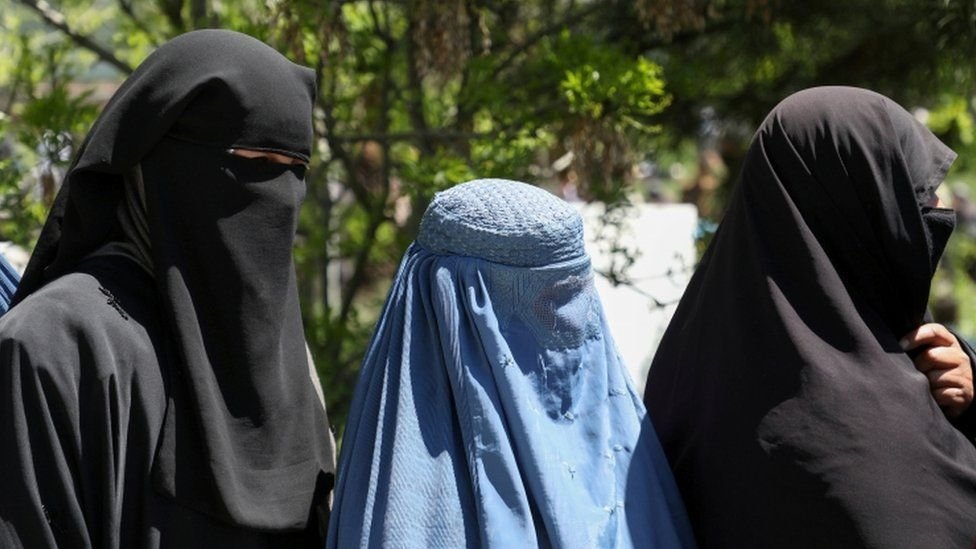
    Afghanistan’s Taliban leadership has set new laws prohibiting women from acting in television shows, reports the BBC. Female journalists and presenters are likewise required to wear headscarves when on camera. However no guidelines have been issued regarding which type of covering to use.

    Eight new Taliban restrictions have been handed to Afghan television networks. The restrictions include the banning of films considered against the principles of Sharia – or Islamic – law and Afghan values, while footage of men exposing intimate parts of the body is also prohibited.

    Comedy and entertainment shows that insult religion or may be considered offensive to Afghans are banned under the new laws.

    Earlier in September, Taliban laid special conditions for women. “[Here are] some special conditions that exist only for women. One is that the colour of their dress should not be very attractive. So that it does not attract people’s attention,” said a member of the Taliban on Afghanistan’s TOLO News, as per the subtitles of a video that went viral on social media.