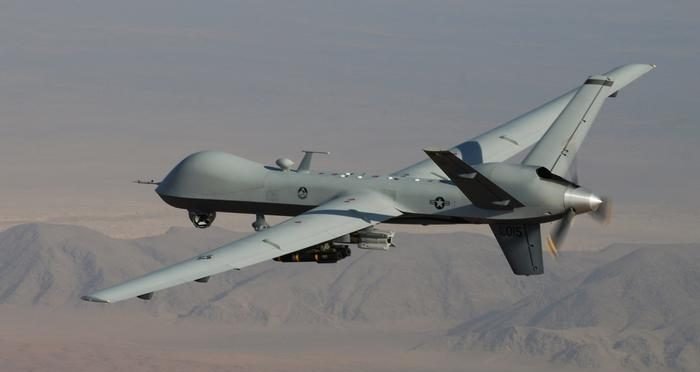
The United States announced it carried out a drone attack in eastern Afghanistan against a “planner” of an Islamic State of Iraq and the Levant- Khorasan (ISIL/ISIS-K) group, after the attack outside Kabul’s airport that killed at least 175 Afghans and 13 US troops.
“US military forces conducted an over-the-horizon counterterrorism operation today against an ISIS-K planner,” Captain Bill Urban, spokesperson for the US Central Command, said in a statement.
“The unmanned airstrike occurred in the Nangarhar province of Afghanistan. Initial indications are that we killed the target. We know of no civilian casualties,” read the statement.
The announcement did not identify the targeted individual but indicated that this could be the first of many counter-attack at the ISIS-K targets for Thursday’s terrorist attacks at the Kabul airport.
The ISIS group had claimed responsibility for the attack, the group’s Amaq News Agency said on its Telegram channel.
US President Joe Biden vowed to retaliate against Thursday’s attack in Kabul, saying that he will hunt down those responsible and make them pay.
Biden confirmed in a speech from the White House that the bombings were carried out by the Islamic State in Khorasan Province, ISKP (ISIS-K), ISIL’s affiliate in Afghanistan.
“To those who carried out this attack, as well as anyone who wishes America harm, know this: We will not forgive; we will not forget,” Biden said.
“We will hunt you down and make you pay. I will defend our interests in our people with every measure at my command.”
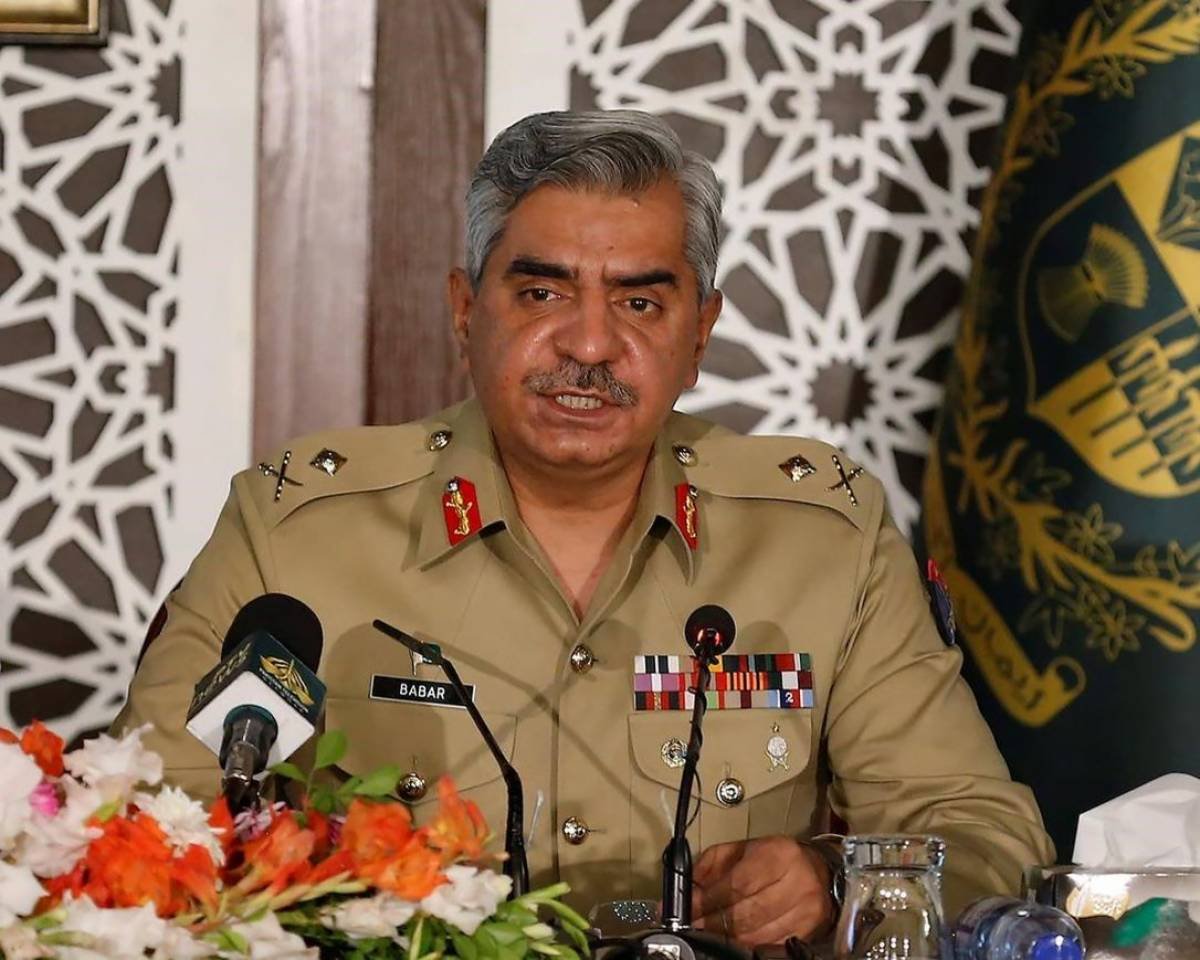
Director General (DG) Inter-Services Public Relations (ISPR) Maj-Gen Babar Iftikhar on Friday, during a press conference in Rawalpindi, said that the Taliban have said they will not let Afghan soil be used against any other country and “we have to take them at their word”.
The military spokesperson said Pakistan had already taken the necessary measures to guard the border and ensure security in the country, as the situation in war-torn Afghanistan moves at a rapid pace.
Maj-Gen Iftikhar elaborated that Pakistan had reached out to Afghanistan on multiple occasions to formalise border mechanisms, as it was felt that was the answer to the instability existing along the Pak-Afghan border.
“The political and military leadership in Pakistan had the foresight that something like this (Taliban takeover in Afghanistan) could happen. So, despite whatever has happened on that side (Afghanistan), the situation on the Pak-Afghan border is normal and under control.”
“This does not mean nothing can happen but we are prepared and won’t be caught unaware,” he added.
Pakistan had apprehensions that the situation would unfold in the way that it did and there could be a “spillover”, which is why it took the steps it did, he elaborated.
So far, 113 flights — both military and commercial — have landed in Pakistan from Afghanistan, he added.
“While we were involved in this war on terror during the last two decades, we have had three major escalations on the eastern border. At the peak of this period, there were more than 90 terrorist incidents taking place in a year in Pakistan.”
“After two decades, we can say we have fought off the menace of terrorism very well with the whole-of-nation approach. All these operations are the epitome of insurmountable spirit and supreme sacrifice of the whole nation’s efforts.”
Responding to another question, DG ISPR said there was no military-to-military contact with other countries for now. However, reports of India using wild animals to attack and conduct surveillance along the Line of Control (LoC) were “concerning”, he said.
“I hope the world holds them responsible for stooping so low. We are aware of those surveillance means and taking our measures to counter that.”
Replying to another question, he said that while there was “always a fear of a civil war” taking place in Afghanistan, the situation is volatile and nothing can be said about it as of now.
“However, right now, there is no civil war in Afghanistan,” he said.
He said that Pakistan is “hoping for the best” in terms of normalisation of the situation in Afghanistan but would not like to “speculate anything”.
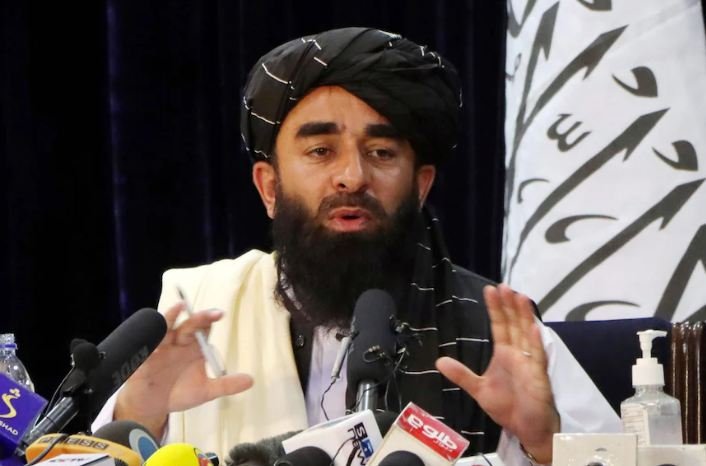
In an interview with The New York Times, Taliban spokesman Zabiullah Mujahid confirmed that music in public will once again be banned in Afghanistan following the group’s rapid takeover of the country in recent weeks.
He also addressed the issue of music in public, which was banned during the Taliban’s previous stint in power between 1996 and 2001, suggesting it will soon be prohibited.
“Music is forbidden in Islam,” Mujahid said.
“But we’re hoping that we can persuade people not to do such things, instead of pressuring them,” he said.
Cassette tapes were destroyed and strung up on trees, according to The Associated Press.
An exception was made for some vocal religious pieces, however. Afghan radio and TV stations have been playing only Islamic songs amid the Taliban takeover of the country.
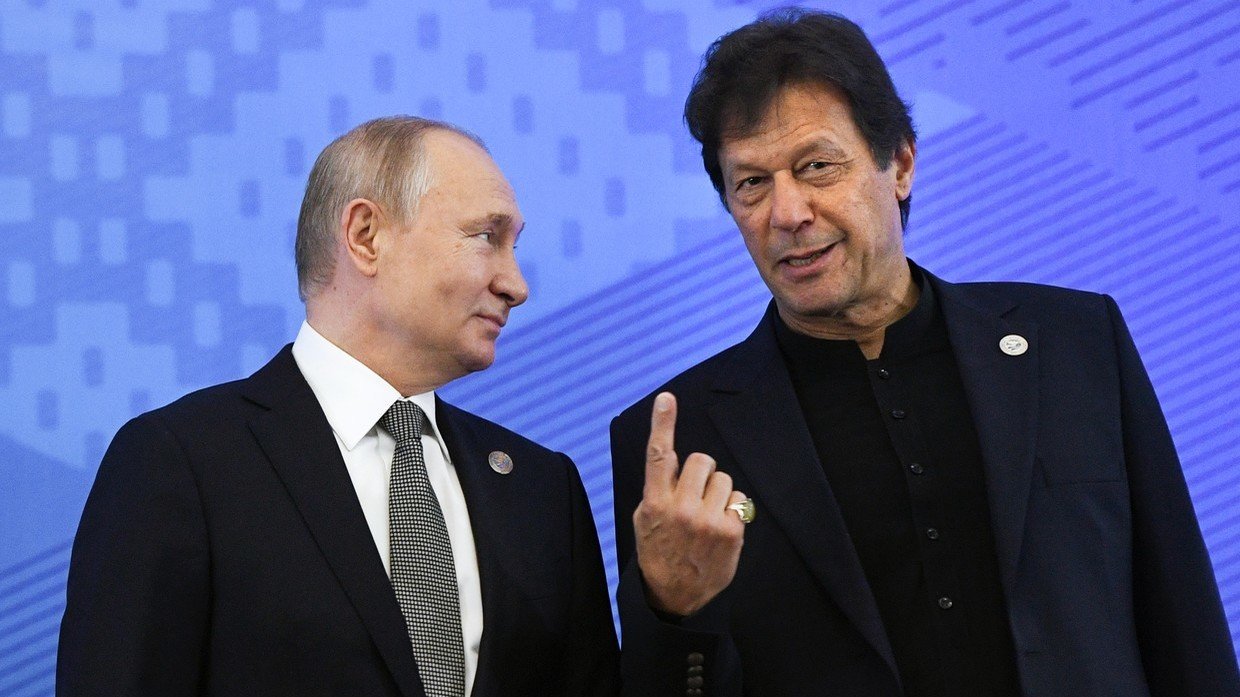
Prime Minister Imran Khan received a telephone call from Russian Federation President Vladimir Putin on Wednesday (August 25).
The two leaders exchanged views on the evolving situation in Afghanistan and bilateral relations.
PM Khan stressed that a peaceful, secure, and stable Afghanistan was vitally important for Pakistan and regional stability. Besides ensuring safety, security, and protection of rights of Afghans, an inclusive political settlement was the best way forward.
PM Khan also underscored that the international community must stay positively engaged in support of the people of Afghanistan, to help address humanitarian needs and ensure economic sustenance.
PM Khan said highlighted the importance of coordinated approaches in addressing the evolving situation and noted that Pakistan attached high importance to the role of the Troika Plus format.
PM Khan expressed satisfaction at the upward trajectory of Pakistan-Russia relations, with increased high-level exchanges and growing cooperation in diverse fields.
He reiterated Pakistan’s resolve to strengthen trade relations as well as bilateral collaboration in the energy sector, including the early realisation of the Pakistan Stream Gas Pipeline Project.
The two leaders agreed to closely cooperate within the Shanghai Cooperation Organisation (SCO) for promoting regional peace and security.
PM Khan reiterated his invitation to President Putin to visit Pakistan.
Malala Yousafzai, Pakistani activist for female education and the youngest Nobel Prize laureate, penned down a heartfelt piece reminding the world of her dreadful experience nine years ago, when she was shot by the Taliban for raising her voice for girl’s education.
“In October 2012, a member of the Pakistani Taliban boarded my school bus and shot one bullet into my left temple. The bullet grazed my left eye, skull, and brain – lacerating my facial nerve, shattering my eardrum and breaking my jaw,” wrote Malala.
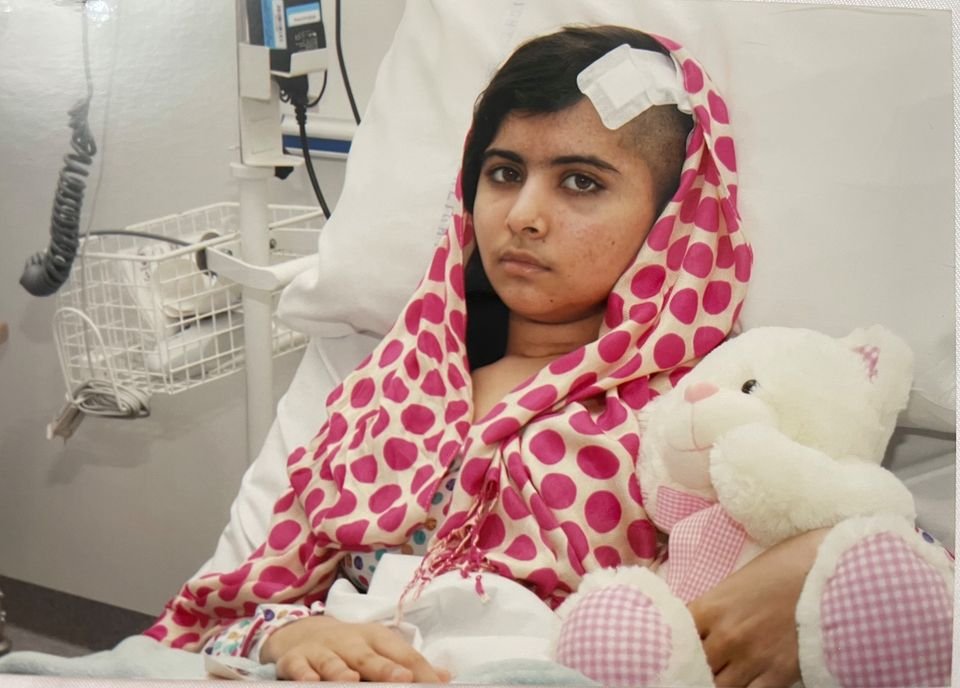
“The emergency surgeons in Peshawar, Pakistan removed my left temporal skull bone to create space for my brain to swell in response to the injury. Their quick action saved my life.”
Malala at the hospital post her surgery in 2012
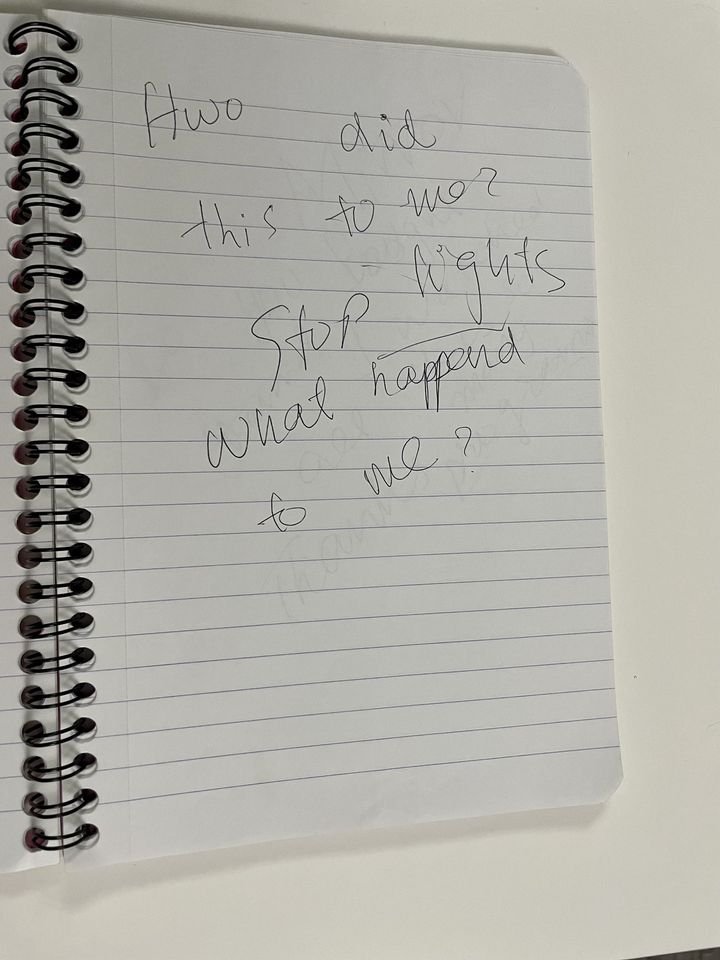
“Days later I still couldn’t speak, but I started to write things in a notebook and show them to everyone who came to my room. I had questions: What happened to me? Where is my father? Who is going to pay for this treatment? We don’t have money.”
Remembering her experience nine years ago, Malala wrote, “I tried to stay calm. I told myself, When they discharge me, I will find a job, earn some money, buy a phone, call my family, and work until I pay all the bills I owe to the hospital.”
“I touched my abdomen; it felt hard and stiff. I asked the nurse if there was a problem with my stomach. She informed me that when the Pakistani surgeons removed part of my skull bone, they relocated it in my stomach and that, one day, I would have another surgery to put it back in my head.”
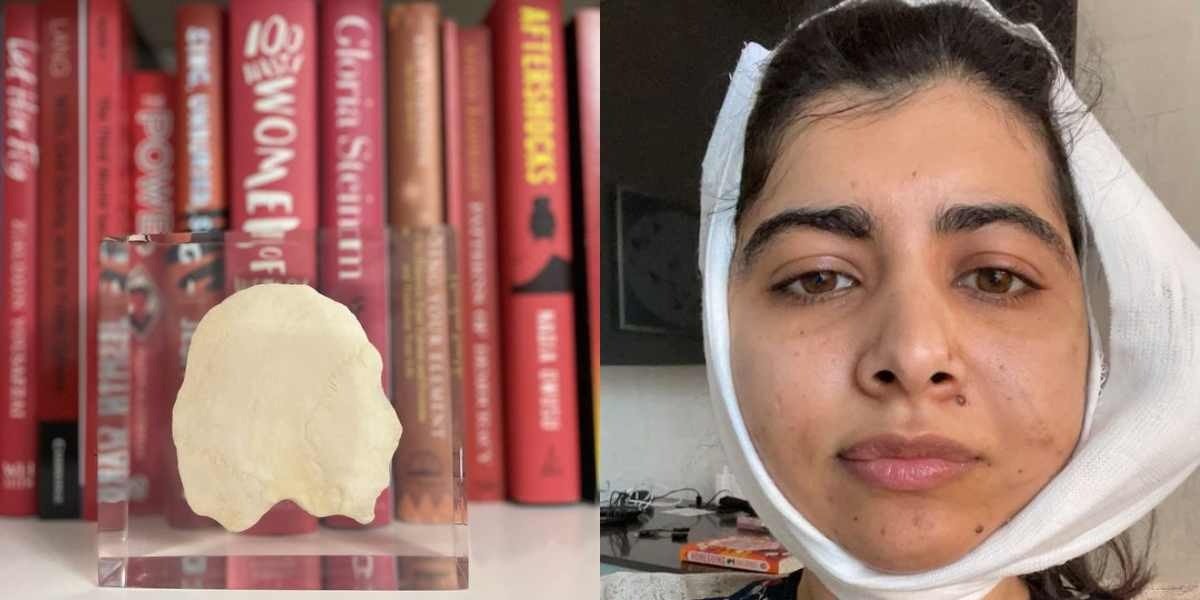
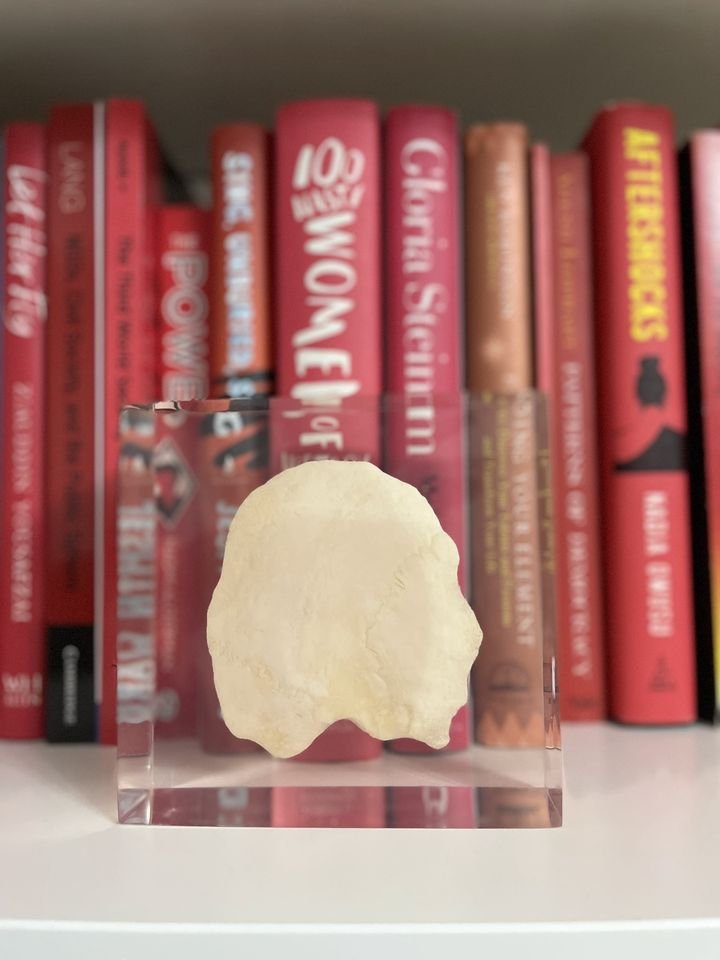
“But the UK doctors eventually decided to fit a titanium plate where my skull bone had been, reducing the risk of infection, in a procedure called a cranioplasty. They took the piece of my skull out of my stomach. Today it sits on my bookshelf,” wrote Malala.
Malala’s skull bone, residing on her bookshelf
“A few months after the nerve surgery and with regular facial massage, my symmetry and movement had improved a little. If I smiled with my lips closed, I could almost see my old face. I covered my mouth with my hands when I laughed – so people wouldn’t see that one side didn’t work as well as the other. I avoided staring in the mirror or watching myself on video. In my own mind, I thought I looked fine. I accepted the reality and was happy with myself,” says Malala.
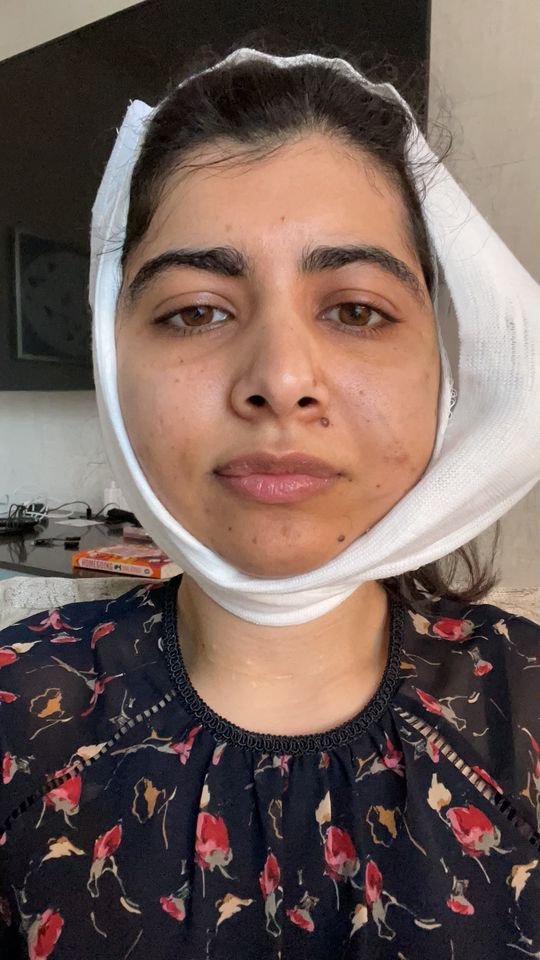
“On August 9 in Boston, I woke up at 5:00am to go to the hospital for my latest surgery and saw the news that the Taliban had taken Kunduz, the first major city to fall in Afghanistan. Over the next few days, with ice packs and a bandage wrapped around my head, I watched as province after province fell to men with guns, loaded with bullets like the one that shot me,” wrote the activist.
Malala after her recent surgery in Boston
“As soon as I could sit up again, I was making phone calls, writing letters to heads of state around the world, and speaking with women’s rights activists still in Afghanistan. In the last two weeks, we’ve been able to help several of them and their families get to a safe place. But I know we can’t save everyone,” writes Malala.
“Nine years later, I am still recovering from just one bullet. The people of Afghanistan have taken millions of bullets over the last four decades. My heart breaks for those whose names we will forget or never even know, whose cries for help will go unanswered,” wrote Malala Yousafzai.
United States (US) President Joe Biden sent off America’s top spy to meet the head of the Taliban on Monday, reported The Washington Post.
This high-level diplomatic encounter comes prior to the deadline of August 31 set to airlift Americans and their allies out of Afghanistan.
Biden warned that the evacuation was going to be “hard and painful” and much could still go wrong. US troops might stay beyond an August 31 deadline to oversee the evacuation, he said.
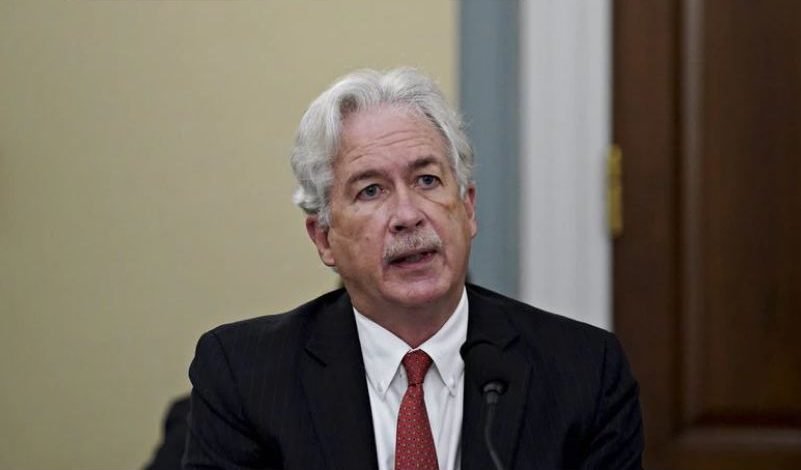
Central Intelligence Agency (CIA) Director William Burns met Taliban Leader Abdul Ghani Baradar in Kabul on Monday as the Biden administration continues efforts to evacuate US citizens and other allies amid chaos at the airport in Kabul.
SCOOP: CIA Director Bill Burns held a secret meeting with Taliban leader Abdul Ghani Baradar in Kabul on Monday, the highest-level face-to-face encounter between the Taliban and Biden administration since the militants seized the Afghan capital 1/ https://t.co/gwGXGpdLWS
“Biden’s spymaster is also his most seasoned diplomat. For Baradar, playing counterpart to a CIA director comes with a tinge of irony 11 years after the spy agency arrested him in a joint CIA-Pakistani operation that put him in prison for eight years,” writes journalist John Hudson.
It’s quite the tete-a-tete. Biden’s spymaster is also his most seasoned diplomat. For Baradar, playing counterpart to a CIA director comes with a tinge of irony 11 years after the spy agency arrested him in a joint CIA-Pakistani operation that put him in prison for 8 years 2/
However, the CIA declined to comment on the secret meeting.
The CIA declined to comment on the secret meeting (as it always does when asked about the director’s foreign travel) but the Burns-Baradar chat likely involved the looming deadline for the US to conclude its evacuation. Also a great chance for Burns to size up the Taliban chief
Interior Minister Sheikh Rashid said on Monday that the Afghan Taliban had reassured the government that the banned Tehreek-i-Taliban Pakistan (TTP) would not be given permission to operate in Afghanistan against Pakistan.
While addressing a press conference in Islamabad, Rashid said that some of the TTP members such as Maulvi Faqir Mohammad had been released by the Taliban after their takeover of Kabul on August 15, further adding that the government was in complete contact with the Taliban on the matter.
“The Afghan Taliban have reassured [us] that Afghanistan’s land will not be allowed to be used in any case by the TTP,” said Rashid.
He said Pakistan desired peace in Afghanistan since peace in one country was related to peace in the other.
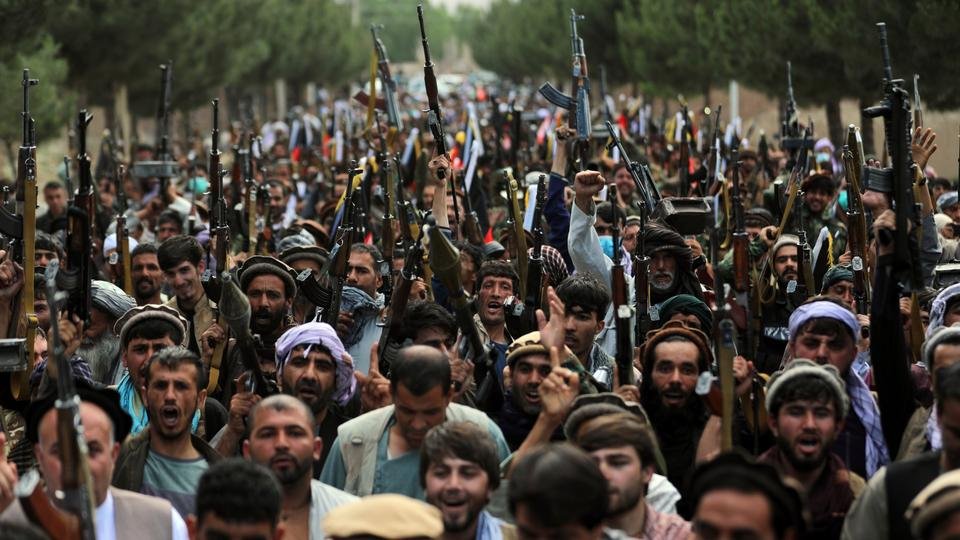
Taliban claimed that hundreds of their fighters are heading to the Panjshir Valley, reported Al Jazeera. Panjshir Valley is known as the area of Ahmed Shah Massoud’s Northern Alliance and is one of the few parts of the country not yet controlled by the newly-emerged Taliban setup. However, there has been much resistance going on between the groups since the Taliban’s takeover.
Speaking to Al Jazeera, Taliban leader Khalil Ur-Rahman Haqqani, said, “If we can defeat superpowers, surely we can provide safety to the Afghan people.” He is also a veteran of the Afghan-Soviet war.
However, Ahmad Massoud, son of the slain hero of the anti-Soviet resistance, Ahmad Shah Massoud, told Reuters by telephone: “We want to make the Taliban realise that the only way forward is through negotiation but his supporters are ready to fight if Taliban forces try to invade the valley.”
Earlier, Massoud was given four hours to give up Panjshir Valley, where Afghan Vice President Amrullah Saleh is in hiding, as per reports.
Unconfirmed reports say the Taliban have reached the valley.
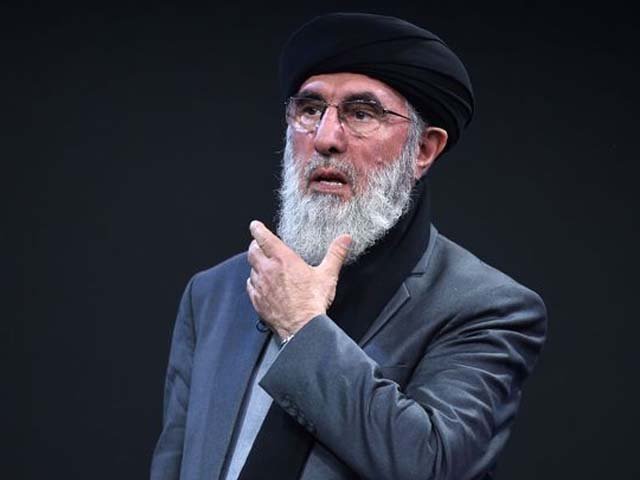
“India should refrain from using the Afghan soil against Pakistan to take revenge for Kashmiris’ struggle in Occupied Jammu and Kashmir,” said former prime minister of Afghanistan and Hezb-e-Islami chief Gulbuddin Hekmatyar.
Hekmatyar said an inclusive government comprising all the other political groups was the need of the hour. “Such a government could stop further bloodshed in Afghanistan and steer the war-ravaged country out of the present crisis.”
Hekmatyar also praised Prime Minister Imran Khan’s long-term stance on peace and a negotiated settlement of the Afghan issue. He said he hoped there would soon be a government in Kabul, which would be acceptable to the Afghan people and the international community.
“The Afghans have grown tired of the long conflict and fighting and now they want to bring peace and stability to their war-torn country and collectively work for its reconstruction and progress,” said Hekmatyar.
Hekmatyar further added, “Our enemy can cast a negative impact on the Afghan peace process but the United States (US) and other forces had no right to interfere in the Afghanistan issue. It is the sole prerogative of the Afghan people to decide about their future.”
However, Foreign Minister Shah Mahmood Qureshi has said that Pakistan has no objection to India and Afghanistan developing cordial relations, further clarifying that Islamabad was not focusing on any one particular group in Afghanistan, reported Geo News.
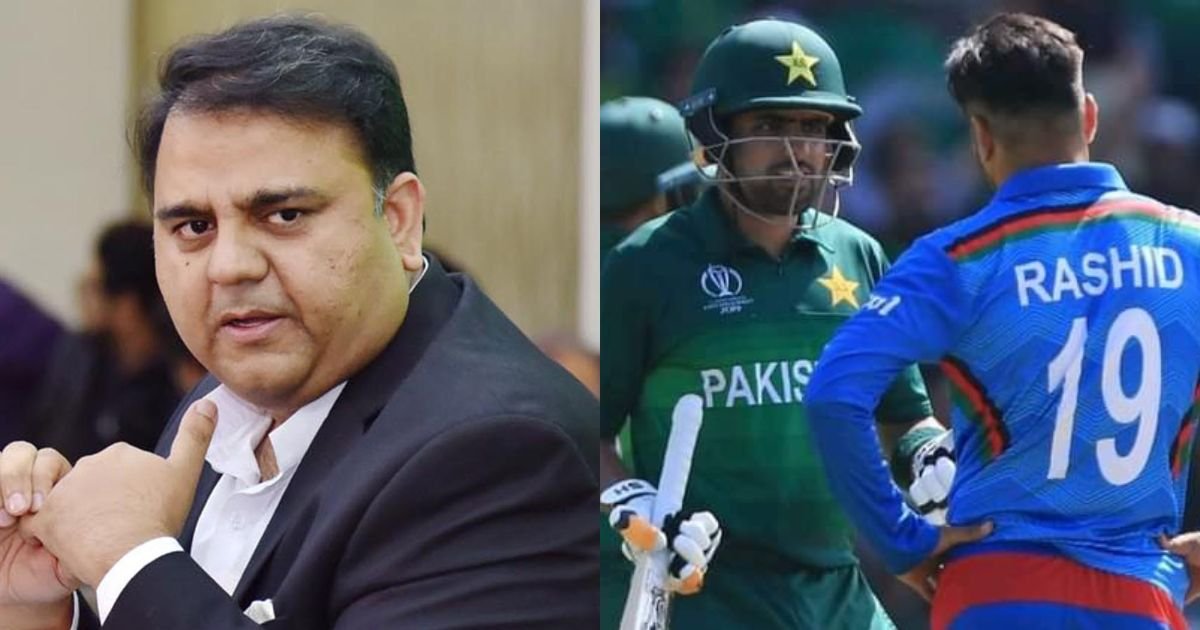
Minister for Information and Broadcasting Fawad Chaudhry on Sunday said that Pakistan has issued visas to the Afghan cricket team.
Taking to Twitter, Chaudhry wrote that he hoped and prayed that the Afghan cricket team would bring smiles on the faces of its people. “My sincere prayers and best wishes are with you.” Fawad wrote the last line of his tweet in Pashto language.
پاکستان نے افغانستان کی کرکٹ ٹیم کو ویزہ جاری کر دیا ہے، ہم امید اور دعا کرتے ہیں کہ افغان کرکٹ ٹیم اپنے عوام کی چہروں پر مسکراہٹیں لائے گی…… “زما دا اخلاص نہ ڈکے نیکے حیلے اؤ دعاگانے تاسو سرا دی۔” #AfganistanCricketTeam
The Pakistan and Afghanistan cricket teams’ series was scheduled in Sri Lanka, which had announced 10-day restrictions on gatherings and other events in the wake of rising cases of Coronavirus.
As per reports, the series is in jeopardy and is expected to be shifted to any other country.
Meanwhile, the three-match ODI series between Pakistan and Afghanistan is back on track as Islamabad has issued visas to Afghan cricketers, reported Geo News.