Tag: Afghanistan

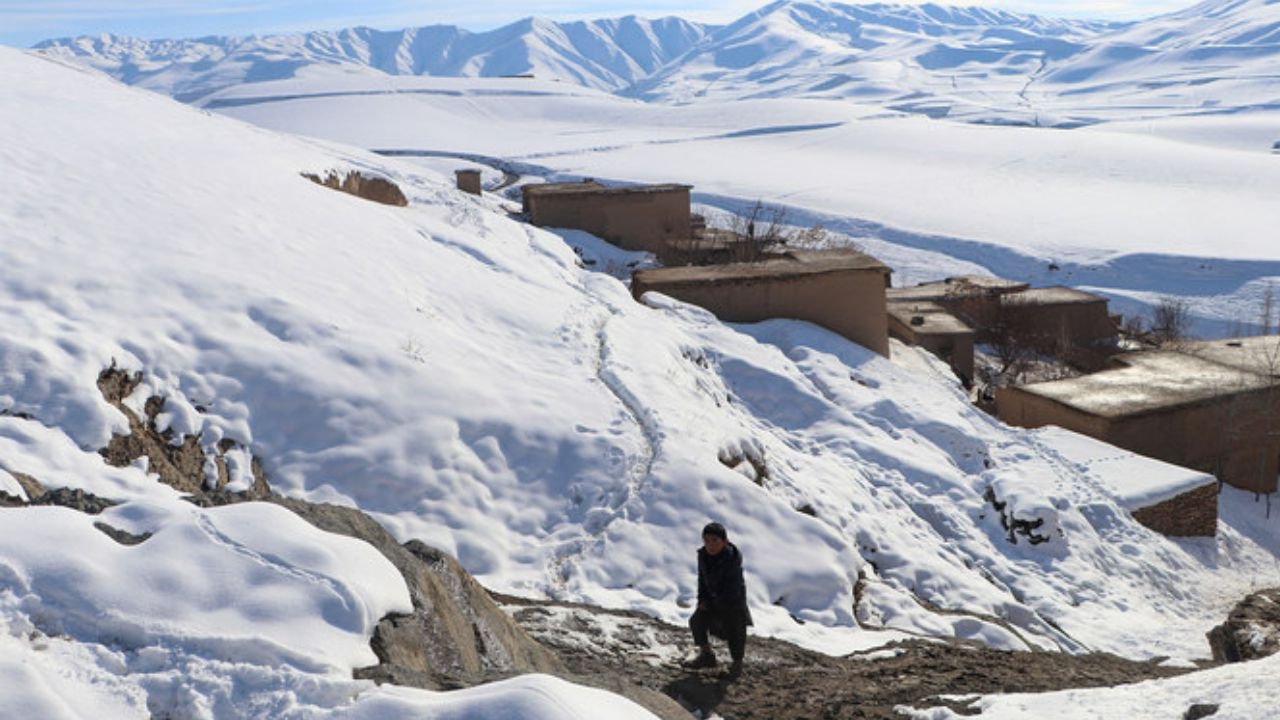
  • At least 60 Afghans killed by weeks of intense snow, rain

    At least 60 Afghans killed by weeks of intense snow, rain

    At least 60 people have been killed by heavy rain and snow in Afghanistan over the past three weeks, the government’s disaster ministry said Wednesday.

    Afghanistan has been parched by an unusually dry winter, but the end of the season is normally a time when deadly bad weather — particularly floods — batter communities.

    “Because of the snow and rains unfortunately sixty compatriots have been martyred and 23 people injured” since February 20, ministry spokesman Janan Sayeq said in a video statement.

    About 1,645 houses have been totally or partially ruined and nearly 178,000 livestock killed, he added.

    Since the collapse of the US-backed government and the return of the Taliban, foreign aid to Afghanistan has shrunk dramatically, undermining the already impoverished nation’s ability to respond to disasters.

    Western Herat province — still reeling from a succession of devastating earthquakes in October — has been hit by flash floods after heavy rain since Monday evening.

    Five members of the same family were killed Tuesday when the roof of their home collapsed in the provincial capital of Herat city, disaster management official Abdul Zaher Noorzai told reporters.

    Provisional data showed about 250 houses had been destroyed and vast tracts of farmland flooded, he added, saying aid should begin arriving on Thursday.

    Like many other houses in the area, the one that caved-in on the five relatives had been damaged in a series of earthquakes five months ago, local imam Naqibullah told AFP.

    The trio of quakes — starting on October 7 — killed nearly 1,500 and left some 30,000 homes totally or partially destroyed, according to the United Nations.
  • Two People To Be Publicly Executed In Eastern Afghanistan

    Two People To Be Publicly Executed In Eastern Afghanistan

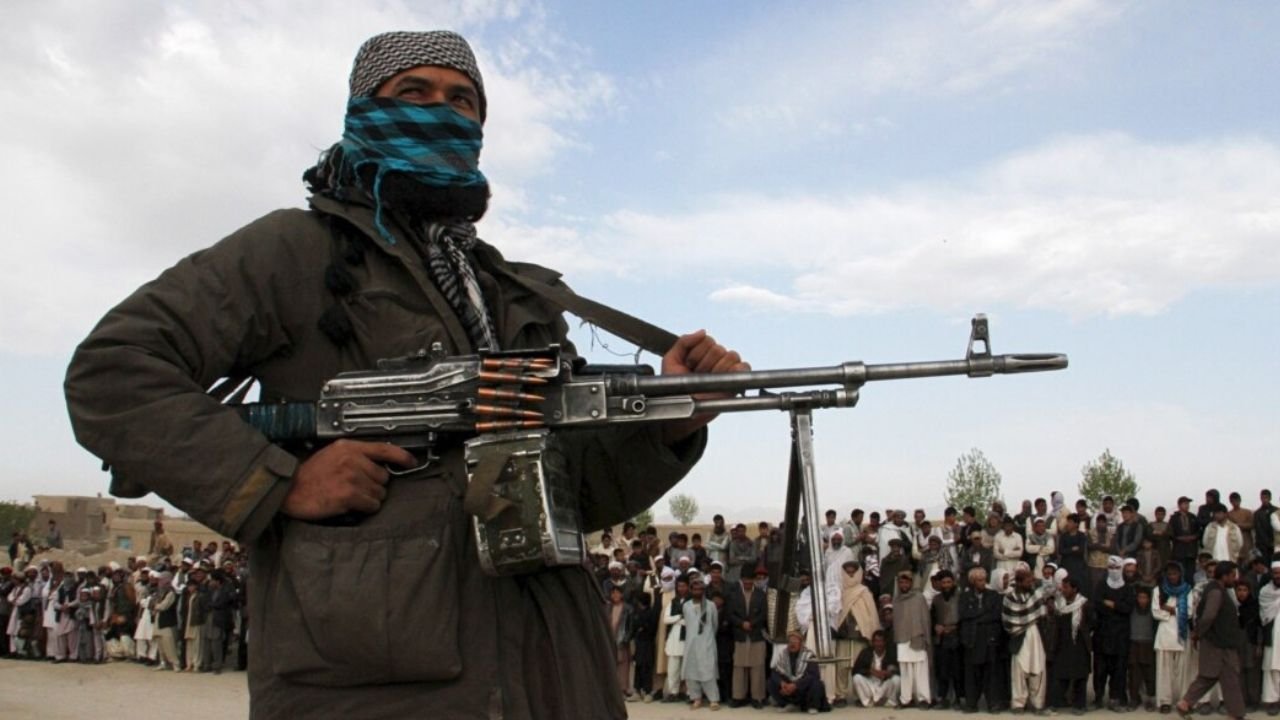
    Two people were due to be publicly executed in a football stadium in eastern Afghanistan on Thursday, provincial officials said, in the third and fourth death penalties carried out since the Taliban returned to power.

    The Ghazni province information and culture department said in a public notice that the execution was a qisas punishment — equating to “an eye-for-an-eye” — but did not initially provide details on the prisoners or their crimes.

    Although public executions were common during the Taliban’s first rule from 1996 to 2001, they have only carried out two others since surging back to power in August 2021. Both were for the crime of murder.

    There have been regular public floggings for other crimes, however, including theft, adultery and alcohol consumption.

    Taliban Supreme Leader Hibatullah Akhundzada last year ordered judges to fully implement all aspects of sharia — including qisas punishment.

    The last execution was carried out in June 2023, when a convicted murderer was shot dead in the grounds of a mosque in Laghman province in front of some 2,000 people.

  • How many Afghans have left Pakistan so far?

    How many Afghans have left Pakistan so far?

    The repatriation of Afghans living across Pakistan continues.

    According to official data, from February 15 to February 19, another 3,396 Afghans left Pakistan, including 1,245 men, 1,025 women, and 1,914 children. 210 families have reportedly been repatriated in 124 vehicles to Afghanistan.

    A large number of illegal Afghans have been returning to Afghanistan from Pakistan fearing arrest, even before the announcement by the government of Pakistan.

    According to official data released on February 19, a total of more than 493,000 Afghans have returned to their country as of yet.

  • Decades-old Mass Grave Unearthed In Afghanistan

    Decades-old Mass Grave Unearthed In Afghanistan

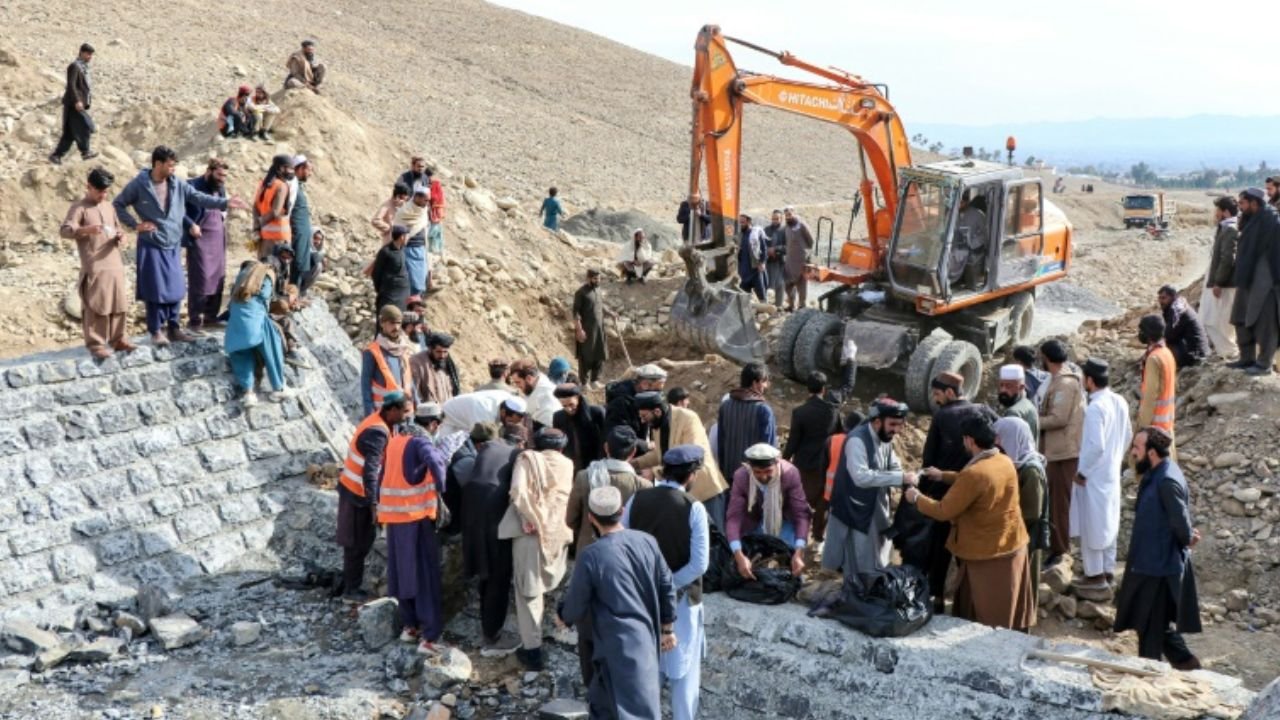
    A mass grave containing around 100 bodies believed to date from Afghanistan’s Soviet-backed government era has been discovered in the country’s eastern Khost province, local officials said on Monday.

    The grave was found Saturday during construction of a small dam in the Sarbani area of central Khost, mayor Bismillah Bilal said.

    “According to the initial information, these people were buried here after being killed in 1358” in the Afghan calendar, corresponding to April 1979 to March 1980, he told AFP.

    “At least 100 bodies were discovered” in the grave, Bilal added, noting that some remains bore women’s clothing and that all appeared to be civilians.

    Local residents said the remains belonged to victims of the violence that followed the 1978 Soviet-backed communist coup in Afghanistan.

    “In 1358, these people were brought here in a merciless, barbaric way by the cruel communist authorities without trial,” said Salam Sharifi, whose father disappeared under the communist government, his remains never found.

    “They were martyred and we are their descendants. This is a cruelty that history will never forget,” Sharifi told AFP.

    A committee has been appointed to relocate the remains, with residents helping municipality workers to remove the bodies from the site, piling the dry bones into bags that lined the excavated grave on Monday.

    “No one knows who these martyrs are,” said resident Mandair Mangal. “They were all buried in the earth and we are taking out the bones and sorting them.”

    After decades of conflict — including the Soviet invasion from 1979, the following civil war and the US-led occupation — many mass graves have been found across Afghanistan.

    In 2009, another mass grave of victims of the Soviet-backed government era was discovered, containing at least 20 bodies.

    More recently, in September 2022, a mass grave containing the remains of 12 people was found in Spin Boldak, a site of fierce fighting between former Afghan government forces and Taliban fighters during their two-decade insurgency before they seized power in 2021.

  • Pakistani passport once again least powerful

    Pakistani passport once again least powerful

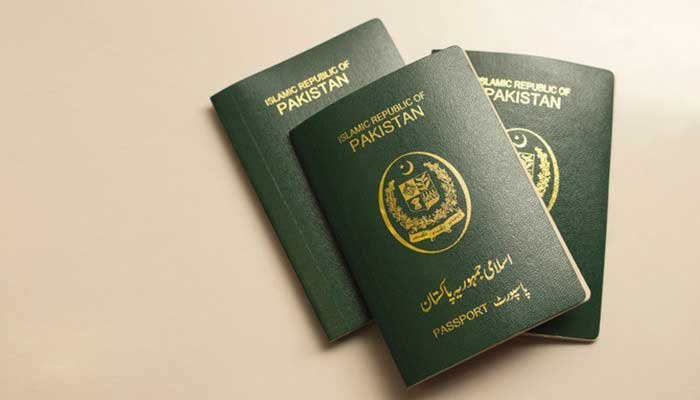
    Henley & Partners‘ Passport Index has published a list portraying the world’s travel access hierarchy.

    Top on the list of countries that encourage travelling are France, Germany, Italy, Japan, Singapore, and Spain, whose citizens can visit an astounding 194 destinations without requiring arduous visa procedures. This group of countries offer passport-to-plane experience, setting the bar high for unmatched worldwide mobility.

    With access to 193 locations, Finland, South Korea, and Sweden share second place. Many visa-free or visa-on-arrival options are available to their well-travelled inhabitants, providing access to a variety of cultures and environments.

    Austria, Denmark, Ireland, and the Netherlands take third place with access to 192 destinations. These nations serve as entry points to a wide range of travel opportunities.

    The long list goes on, honouring countries that place a high priority on global connection. Among the notable entries are the United States, Canada, Greece, Switzerland, and New Zealand, all of which provide their inhabitants with an abundance of travel options.

    On the other hand, the Passport Index identifies states with more limited travel options. Afghanistan, Syria, Iraq, and Pakistan are among the least accessible, offering their passport holders entry to just 34 countries that require no visa or one upon arrival.

    The London-based company, which offers residency and citizenship consultancy services, teamed together with the International Air Transport Association to create a unique ranking that takes into account passport holders’ access to countries without a visa or with one upon arrival.

  • More than half a million Afghans return from Pakistan

    More than half a million Afghans return from Pakistan

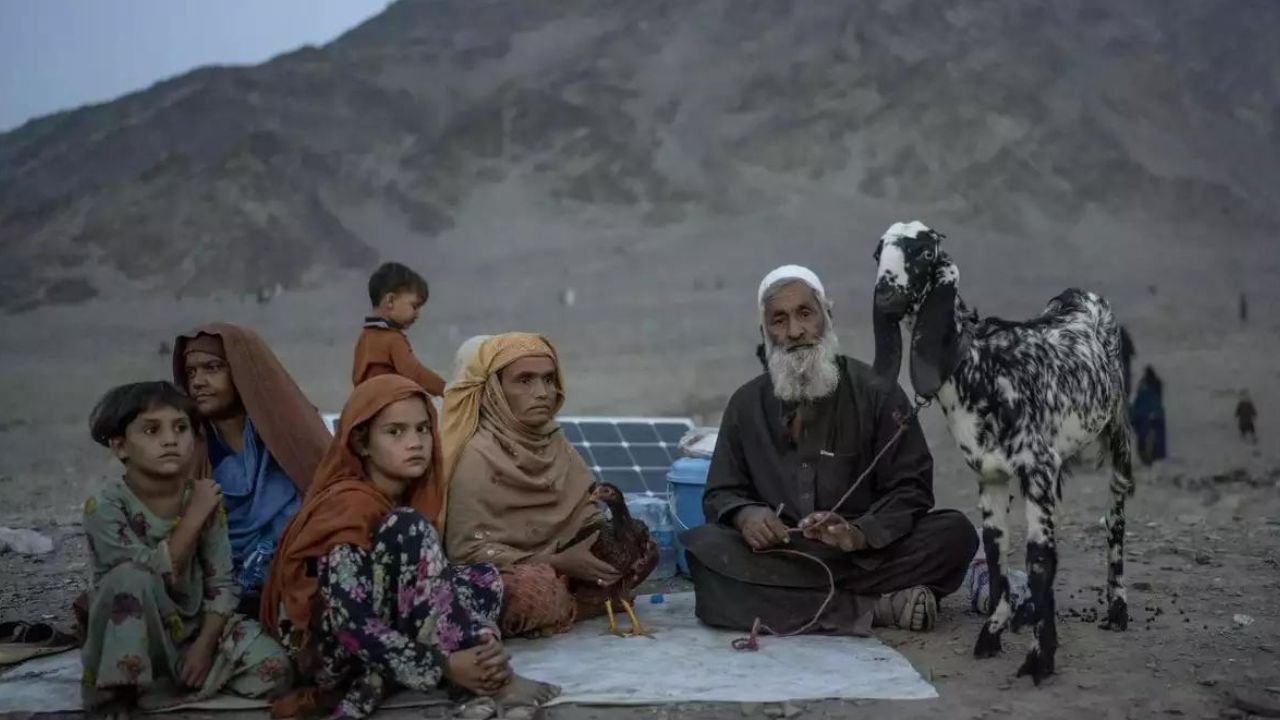
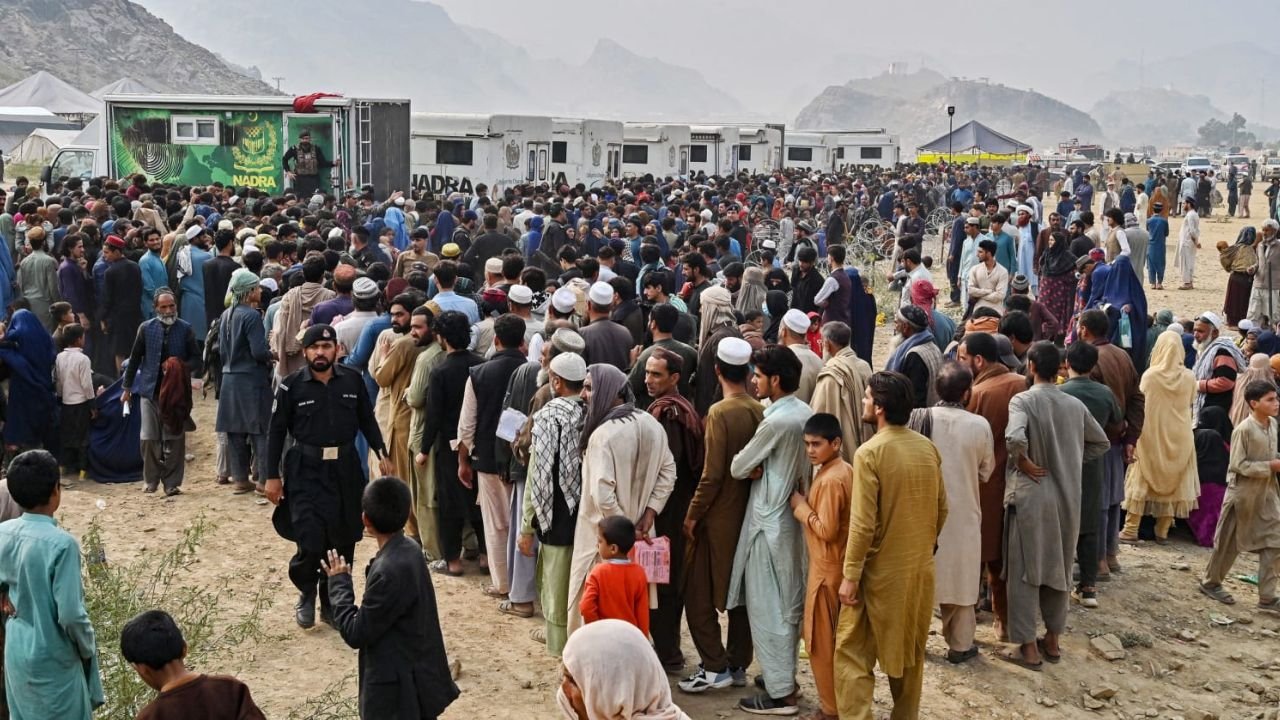
    More than 500,000 Afghans have fled Pakistan in the four months since Islamabad ordered undocumented migrants to leave or face arrest, the International Organization for Migration (IOM) said Monday.

    According to the latest figures reported by the UN migration agency, 500,200 Afghans left Pakistan between September 15, 2023 and January 13, 2024.

    Most rushed to the border in the days leading up to a November 1 exit deadline Islamabad set for the 1.7 million Afghans it said were living illegally in Pakistan, and as police opened dozens of holding centres.

    “Since the initial peak around November 1, the number of individuals crossing these official border points have consistently decreased but remains higher than pre-September 15th,” an IOM statement said.

    Pakistan defended the crackdown by pointing to security concerns in its regions bordering Afghanistan and pressure on its struggling economy.

    “Some Afghans forced to return may be at risk of persecution, arbitrary arrest and detention and/or torture or ill-treatment,” the UN’s Afghan mission said in a report on Monday.

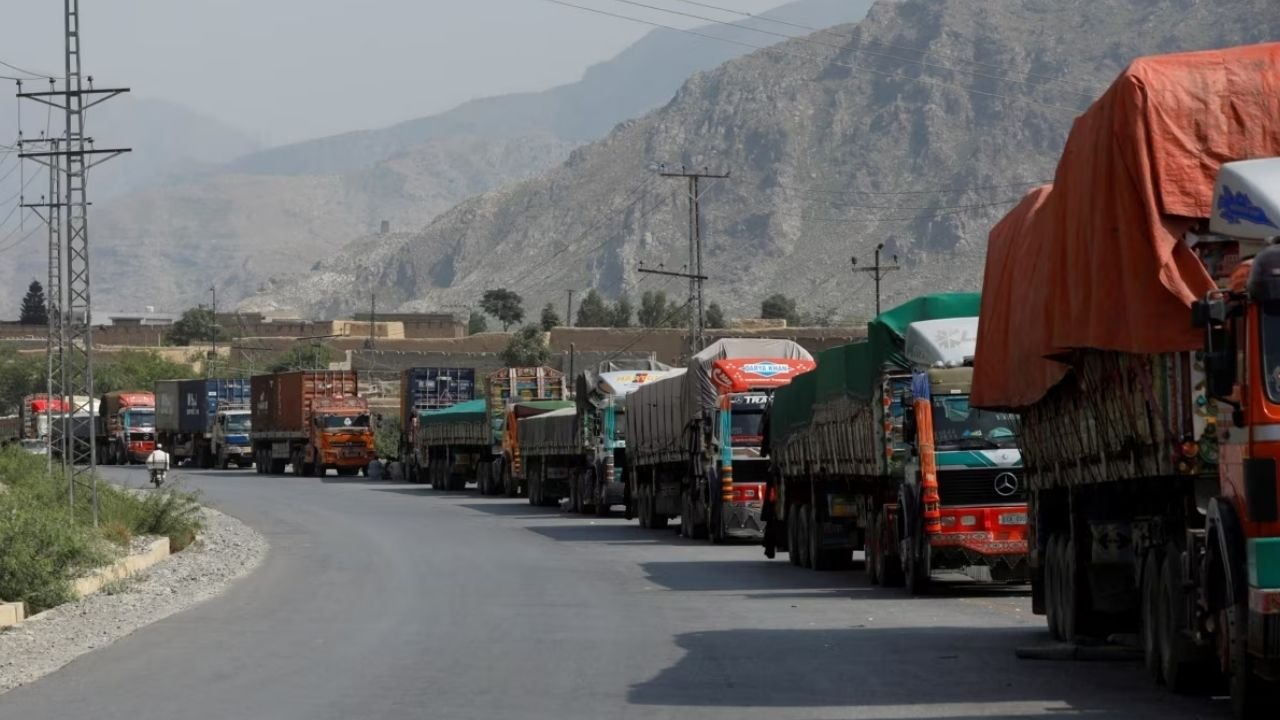
    Meanwhile, the busiest border crossing between the two countries remained closed for the tenth day running in a dispute over document rules for commercial drivers.

    The row centres on demands for drivers from both sides to have visas and passports — documents many Afghans do not have — as Pakistan cracks down on cross-border movements.

    More than 400 trucks were stranded on the Pakistan side of the Torkham crossing on Monday, according to a border official who asked not to be named.

    Relations between Pakistan and Afghanistan have grown increasingly fraught in recent months, with Islamabad accusing the Taliban government of failing to root out militants staging attacks in Pakistan from their soil.

    Kabul has always rejected the allegations.

    Millions of Afghans fleeing conflict have poured into Pakistan over the past four decades, including some 600,000 since the Taliban ousted the US-backed government and imposed its harsh interpretation of Islamic law.

    Some of the Afghans crossing into Afghanistan as a result of Islamabad’s eviction scheme were entering the country for the first time, having lived their whole lives in Pakistan.

    Upon arrival, migrants have received modest assistance from the government and NGOs in a country contending with one of the worst humanitarian crises in the world.

  • Pakistan-Afghan Border Crossing Reopens After Negotiations

    Pakistan-Afghan Border Crossing Reopens After Negotiations

    Pakistan and Afghanistan reopened a key trade crossing on Tuesday, officials on both sides said, after a row over travel papers as Islamabad cracks down on cross-border movements.

    The Torkham border closure since 12 January came after Islamabad imposed tighter controls requiring drivers from both sides to have visas and passports — documents many Afghans do not have.

    Ties between the two countries have increasingly frayed in recent months, with Islamabad accusing the Taliban government of failing to root out militants staging attacks in Pakistan from their soil.

    Kabul has always rejected the allegations.

    A Pakistan border official, who asked not to be named, confirmed the reopening to AFP after negotiations between Islamabad and Kabul, allowing hundreds of waiting trucks to cross.

    “It was agreed during the discussions that until 31 March, Pakistani and Afghan drivers can cross the border without a visa and passport,” he said.

    “However, starting on 1 April, both a visa and passport will be mandatory.”

    Afghan Torkham official Abdul Jabbar Hikmat confirmed lorries were allowed to cross again on Tuesday “without the need for passports and visas”.

    Pakistan’s casualties from armed groups hit a six-year high in 2023 with more than 1,500 civilians, security forces and militants killed, according to Islamabad’s Center for Research and Security Studies.

    The biggest militant threat to Pakistan is its domestic chapter of the Taliban movement, known as Tehreek-e-Taliban Pakistan (TTP).

    Pakistan officials said tighter restrictions on trade and on-off border closures are a pressure tactic to get the Taliban government to work with Pakistan on security.

    “Pakistan desires Afghanistan to adopt a tough stance against the TTP,” a senior provincial government official in Peshawar city who asked not to be named told AFP.

    “If they do not, the trade route will be intermittently closed for various reasons.”

    Islamabad has also recently forced out hundreds of thousands of undocumented Afghans living in Pakistan.

    More than 500,000 Afghans fled in the four months since Islamabad imposed a deadline ordering 1.7 million Afghans it says are living in the country illegally to leave or risk arrest and deportation.

    Millions of Afghans escaping conflict poured into Pakistan in past decades, including around 600,000 since the Taliban ousted the US-backed government and imposed its harsh interpretation of Islamic law.

    Some of the Afghans crossing into Afghanistan as a result of Islamabad’s eviction scheme were entering the country for the first time, having lived their whole lives in Pakistan.

    Upon arrival, migrants have received only modest assistance from the government and NGOs in a country contending with one of the worst humanitarian crises in the world.

  • Angelina Jolie slams global hypocrisy on human rights

    Hollywood A-lister and human rights activist Angelina Jolie, has talked about the hypocrisy in the world when it comes to human rights application.

    “The world is suffering from ambivalence on the issue of human rights,” she remarked in a recent interview.

    Jolie lamented the duplicity and discrimination of the world regarding human rights, saying that the scale of human rights is different for everyone, the fact is that the world works on business interests. Her comments come on the heels of her unequivocal demand for a ceasefire of Israeli attacks on Gaza.

    “Human rights can be for some people and some people can never be. Accountability for some people’s crime and not at all for some people, this is the ugly face of the world.”
    The actress said that she does not know of any country in the world which is free from these things.

    “Some people think that the colonial system has ended but the fact is that the control and exploitation of developing countries is still going on,” the actress observed.

    In her statement about Gaza, the Hollywood actress said that what happened in Israel cannot be a justification for bombing the civilian population of Gaza, pointing out that a few trucks cannot meet the aid needs of the besieged population, more than 20,000 of whom have been killed by Israel while the rest are at risk of starvation and disease.

    Angelina Jolie added that Gaza has a total population of two million, half of whom are children, who have been living under siege for two decades.

  • Number of repatriated Afghans exceeds four lakh

    The deportation of illegally residing Afghans from across the country continues with another 2,473 Afghan citizens returning to Afghanistan yesterday alone.

    This included 232 families travelling in around 126 vehicles. Whereas on December 7, 2,473 Afghans were sent back, including 825 men, 523 women and 1,125 children.

    Samaa News reports an additional figure of 2,055 Afghan citizens who have returned among whom were 426 women and 1,045 children.

    Anadolu Agency reports that over 460,000 undocumented Afghan refugees left Pakistan last month while according to the latest UN figures, 1.3 million Afghans are registered refugees and 880,000 have legal permission to stay in Pakistan.

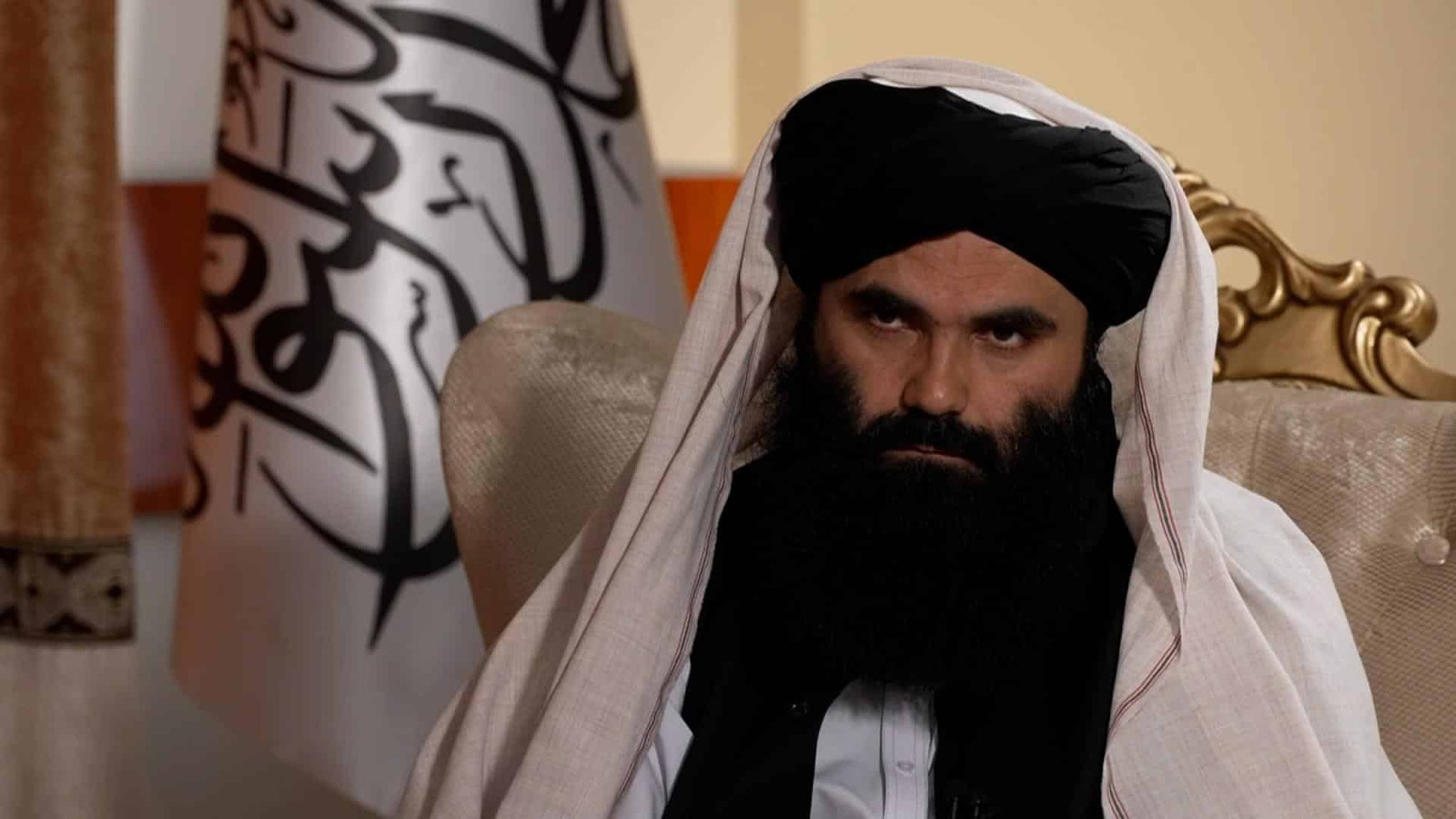
  • Taliban Interior Minister Sirajuddin Haqqani among thousands of Afghans holding Pakistani passport

    Taliban Interior Minister Sirajuddin Haqqani among thousands of Afghans holding Pakistani passport

    The News has uncovered, through Ministry of Interior sources, that the name of Afghanistan’s Interior Minister Sirajuddin Haqqani is among the list of thousands of Afghan citizens who had Pakistani passports until recently.

    Sirajuddin Haqqani was issued a Pakistani passport for five years, which he used to visit many countries; including Qatar where he negotiated with the American government, which led to the Doha Agreement and the withdrawal of the United States from Afghanistan.

    Two officials who issued passports to Haqqani have been arrested, one of whom had retired from service when the proceedings against him began.

    An official acquainted with the record-cleansing operation said 30,000 to 40,000 passports issued to Afghan nationals have been blocked.

    Passport offices in various cities issued passports to Afghan citizens, including Karachi and Thatta in Sindh. Without naming the cities of Balochistan and KP, the official said that passport offices established in different cities have also been found involved in the matter.

    Geo reports that Haqqani’s case was unveiled when a Peshawar-based journalist was on the same flight that Haqqani took to Doha. At the immigration counter, Haqqani had shown a Pakistani passport as his travel document. The aforementioned journalist was surprised to see him with that passport. But it was in August this year when the journalist drew the attention of the passport authorities in Pakistan about what he witnessed during a discussion. The information proved to be correct.

    An inquiry was then conducted into the matter which revealed that the passport was issued from Peshawar during the PTI regime.

    The passport-issuing officer said he was contacted by a man who identified himself as a senior military official from an intelligence agency and asked to issue a travel document for Haqqani.

    When the passport officer was asked to find out the identity of the army officer, he said that he was not sure who the man actually was as he had given instructions over the phone. After that, departmental action was initiated against the passport officer and also against the employee who had printed the passport.

    Reportedly both the persons are in jail. This is also confirmed by the information received from Saudi authorities.

    Initially, the Saudi authorities raised the issue with the government of Pakistan that Afghan citizens have obtained Pakistani passports to get jobs in Saudi Arabia. The Saudi government provided copies of passports, and as the government took notice of the case, it was found that the number of such cases is, in fact, more than 12,000. The passports of these individuals were revoked and those found to have used forged documents were deported to Afghanistan.