Two years since the Taliban stormed back to power on 15 August 2021 after two decades of war against the US and its allies, life has changed dramatically for many Afghans. A businesswoman, a former Taliban fighter and a farmer tell AFP how the changes have impacted them.
Tag: Afghanistan
-
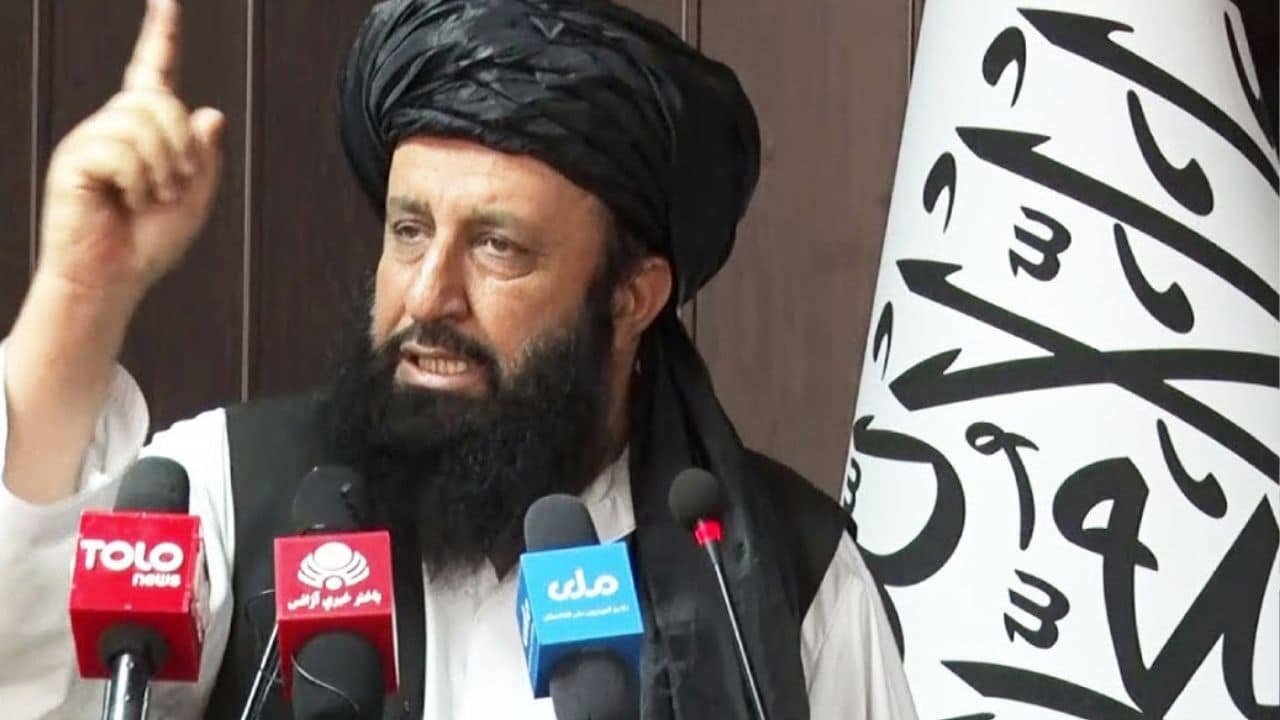
‘Necktie is a cross’: senior Taliban official says bow ties are Christian symbol, wants ban
In a recent announcement, a prominent Afghan Taliban official has declared neckties to be representative of the Christian cross, calling for their removal from public realm.
Mohammad Hashim Shaheed Wror, the head of the Invitation and Guidance Directorate—an organization dedicated to directing individuals towards ‘proper’ Islamic paths—expressed his disapproval of Afghan Muslims, particularly professionals such as doctors and engineers, who wear neckties.
Video: Mohammad Hashim Shaheed Wror, General Director of the Invitation and Guidance Directorate (an independent body that determines religious policies within the interim govt), said that the necktie originated from the Christian cross and that it is “ordered in Shariah that you… pic.twitter.com/UMHesWX6TM
— TOLOnews (@TOLOnews) July 26, 2023
During his speech broadcasted by Tolo TV, Wror stated, “Sometimes, when I go to hospitals and other areas, an Afghan Muslim engineer or doctor wears a necktie.” He proceeded to emphasize the religious implications of the accessory, declaring, “What is a tie? It is the cross. It is ordered in Sharia that you should break it and eliminate it.”
Neckties, a Christian symbol or merely official garb?
Neckties have a long and complex history, dating back to the 17th century. Originating from a piece of cloth worn around the necks of Croatian soldiers hired by King Louise XIII of France, neckties soon became a fashion staple at royal gatherings.
As the trend was adopted by the French elite, it quickly spread throughout Europe. Over the years, the design and style of ties have seen many transformations. Today, ties come in various fabrics, cuts, widths, and patterns, enabling wearers to express their personal style.
The typical attire for Taliban officials consists of shalwar kameez, a waistcoat, and a turban. While Western fashion has become increasingly rare following the Taliban’s ascension to power, neckties can still be spotted occasionally, especially among professionals.
-
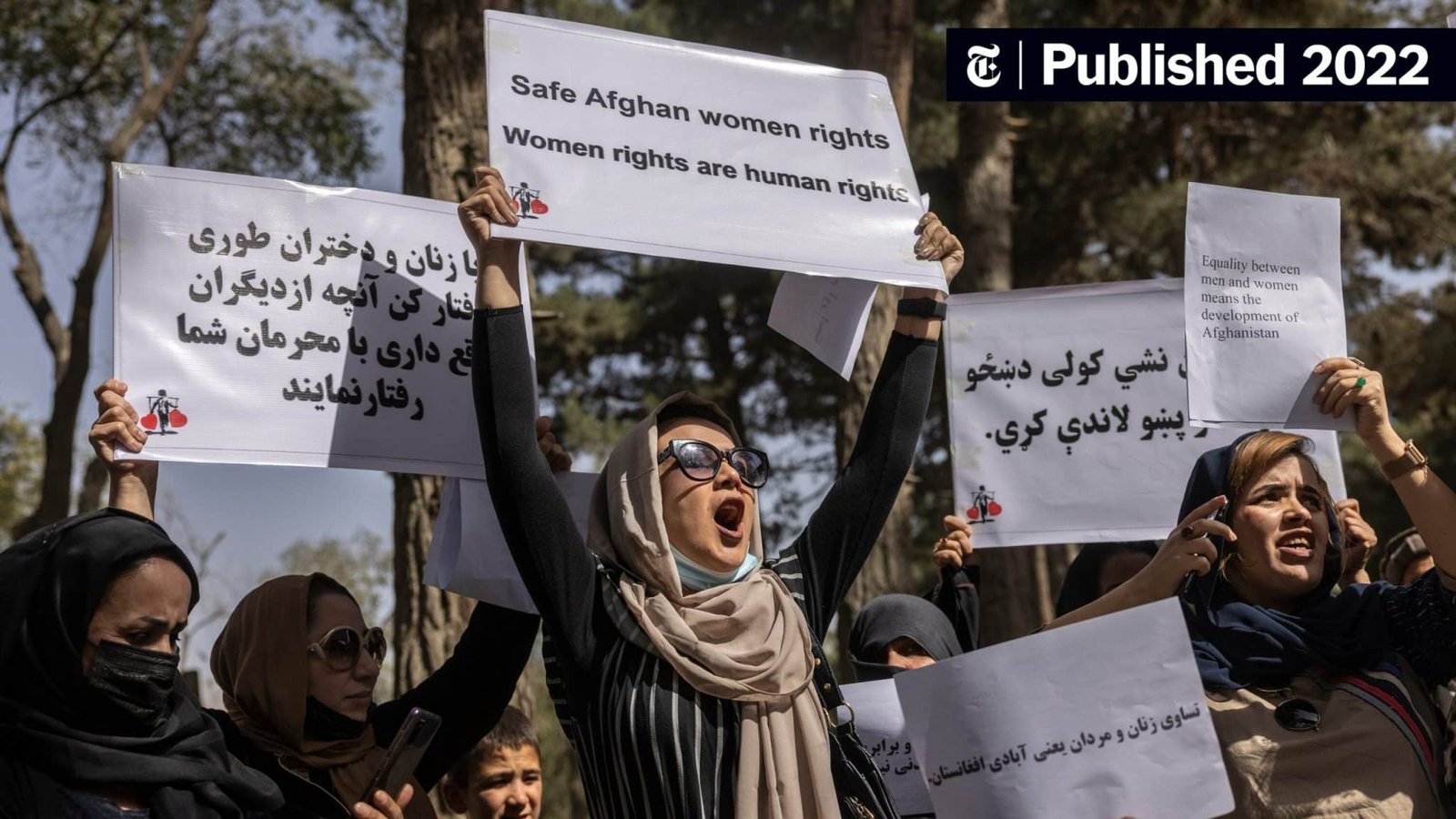
Afghan women protest beauty parlour ban, Taliban hit protestors with tasers
In a rare occurrence, Afghan women took to the streets in Kabul to protest another draconian law imposed on the demographic by the ruling Taliban. Earlier this month, the Taliban banned women’s beauty parlours in Afghanistan, another decisive step in slashing women’s rights in the country.
Women shouted “work, bread and justice” while they were gathered in the capital city, Kabul. Around 50 women took part in the protest on Wednesday, BBC reports. Security forces dispersed the demonstration by using fire hoses, tasers, and shooting their guns into the air. Some protestors told Al-Jazeera that stun guns were also used against them.
The Taliban have given beauty parlours one month from the 2nd of July to shut down operations completely, and the order has been sent across the country. According to BBC, they said the wearing of wigs and the practice of eyebrow-plucking were against Islamic values, further stating that beauty parlours are a ‘waste of money’ when couples are getting married.
The closure of all beauty salons will lead to the loss of 60,000 jobs, Afghanistan’s Chamber of Commerce said.
Women’s rights and access to public spaces have been systematically struck down since the Taliban returned to power in 2021. Afghan women were already barred from attending secondary school and college, from entering gyms or parks, and now they are unable to continue their predominantly female-run beauty parlour businesses.
The Taliban continue to impose restrictions on women, despite widespread international condemnation. They have prohibited women from working for the United Nations (UN), in spite of the UN having a commission in Kabul.
There have been minor sporadic protests against measures introduced by the Taliban, but any form of dissent is being crushed, BBC reports.
-
Buzzfeed’s AI-generated Barbie Dolls article faces backlash for racial stereotypes
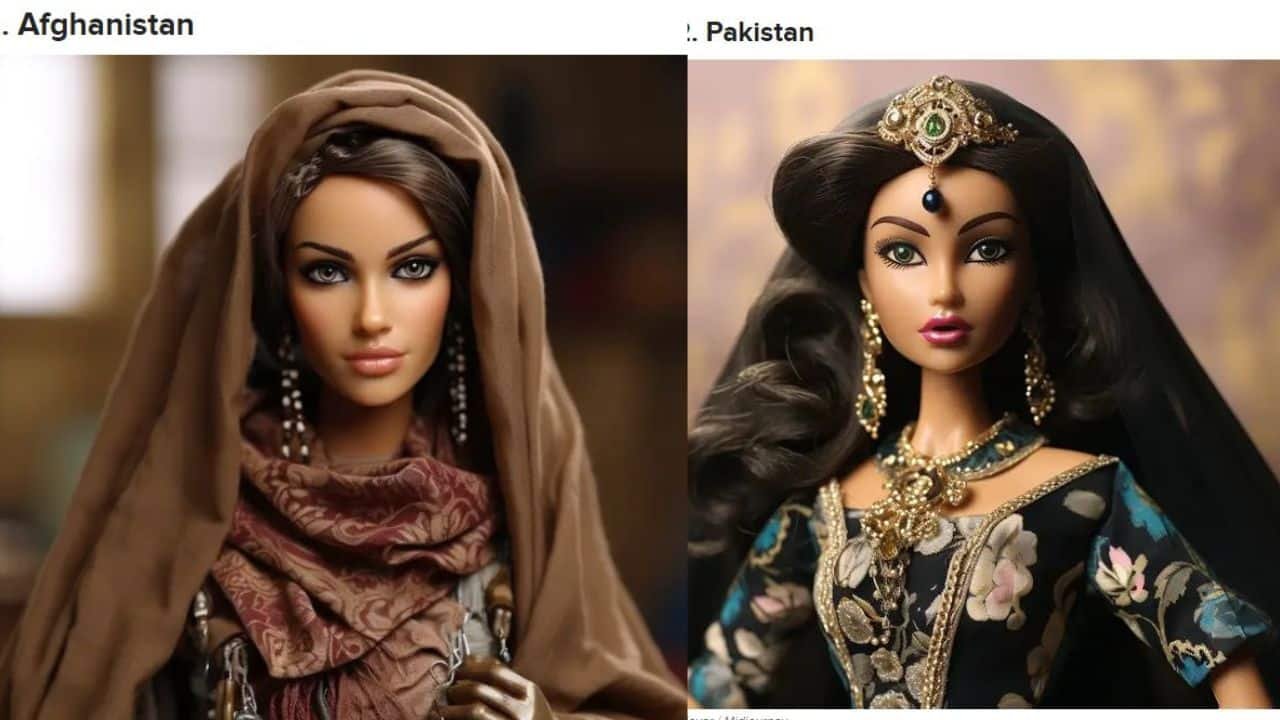
Popular website Buzzfeed published an article featuring AI-generated images of Barbie Dolls from every country around the world. The piece has received extreme backlash for promoting racist micro-aggressions and cultural inaccuracies, which prompted the website to delete the article from all of their social media pages.
Buzzfeed had given a brief disclaimer before the article that they acknowledged the biases and stereotypes demonstrated by AI models, clarifiying that these depictions should not be seen as accurate or comprehensive portrayals of human experiences.
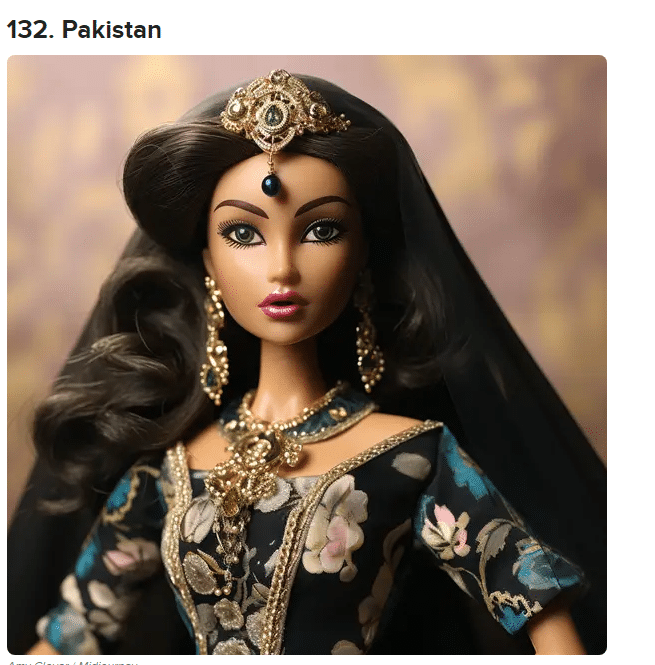
The article featured Barbies from all around the world, including one from Pakistan, who looked more like she stepped out of an Arabian fantasy book rather than from the streets of Lahore or Karachi.
And the Barbie from India looks a lot more like subcontinent’s colonial masters than Deepika Padukone, the ACTUAL Barbie.
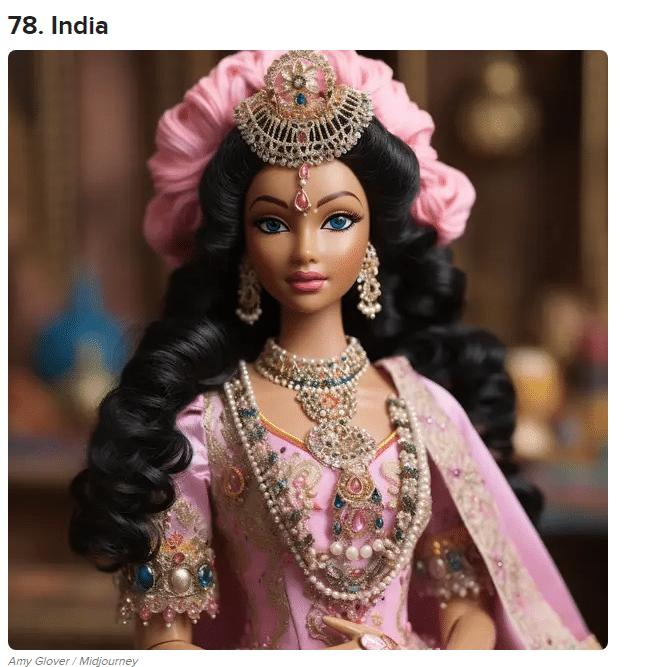
And don’t even get me started on what the Afghanistan Barbie looks like. It’s a shame how a vibrant culture is reduced to burqas by racist algorithms
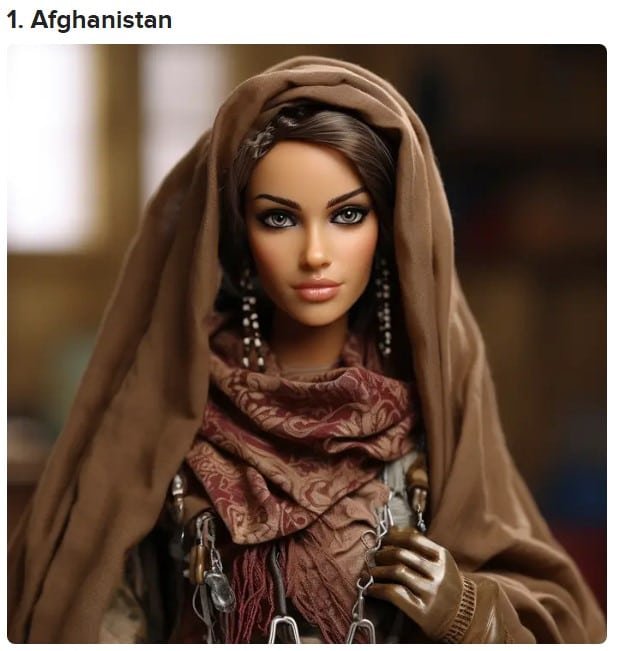
A lot of the dolls featured in the article from Asian countries like Vietnam and Korea were wearing inaccurate clothing along with white-washed features.
A Barbie from South Sudan was seen carrying a gun, drawing outrage from users.
-
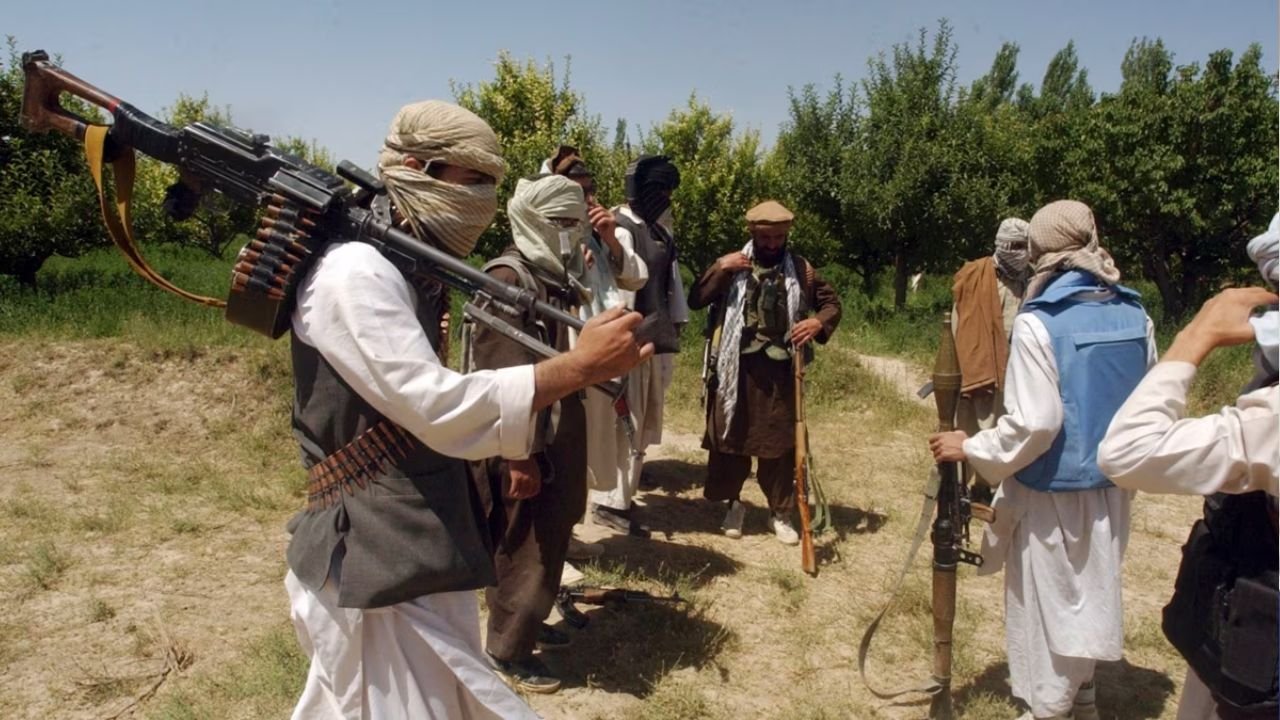
America, Pakistan both agree: Taliban need to make sure Afghanistan isn’t used for deshatgardi
The United States of America has reiterated that the Taliban administration is responsible for ensuring that Afghanistan is not used for terrorist activities against other countries.
The development comes as Pakistan blames the Taliban government of harbouring terrorists linked to the banned Tehreek-e-Taliban Pakistan (TTP).
“Taliban has the responsibility to prevent Afghanistan from being used as a safe haven for launching terrorist attacks,” US State Department spokesperson Matthew Miller said during a press briefing.
Earlier, in an unusual statement, the Pakistan Army slammed the sanctuaries available to TTP in Afghanistan for harming Pakistan’s security.
At the 258th Corps Commanders Conference (CCC) under the chairmanship of Chief of Army Staff (COAS) General Syed Asim Munir, the army noted that the TTP had obtained access to the latest weaponry due to their sanctuaries in Afghanistan.
The military also threatened to take an “effective response” after 12 soldiers were martyred in two attacks.
-
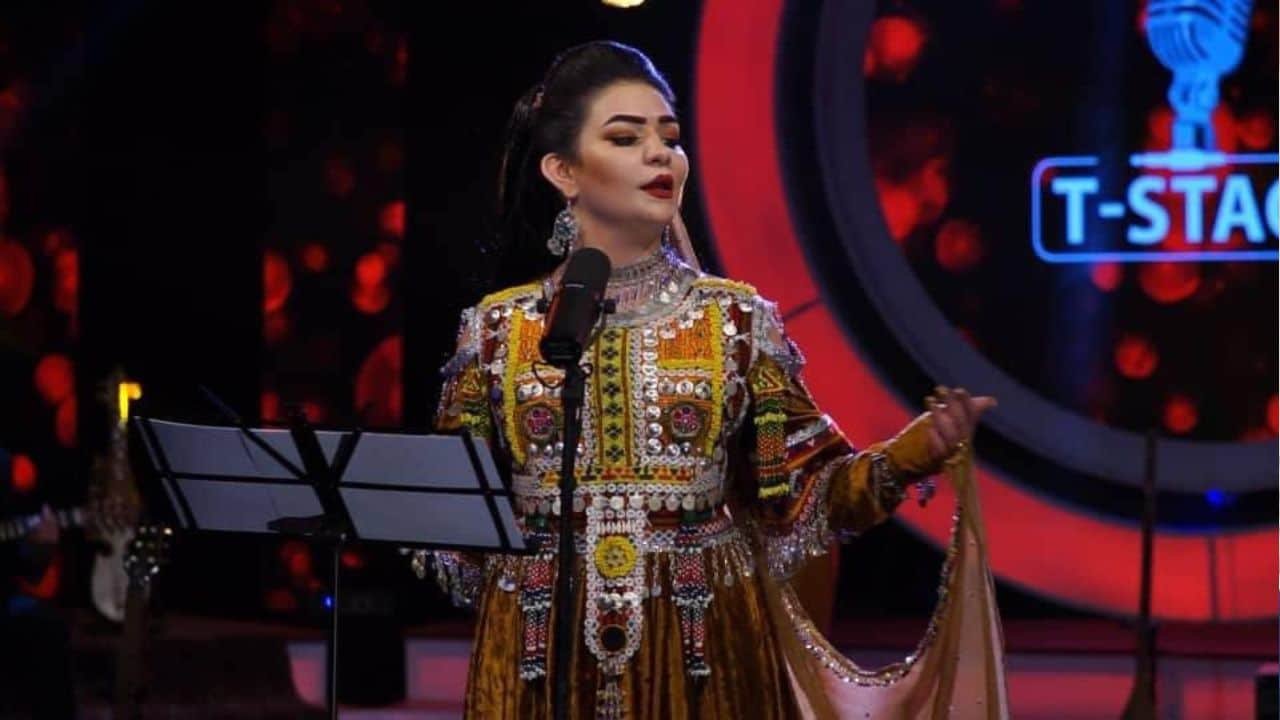
Factcheck: Is Afghan singer Hasiba Noori dead?
Claim: Afghan singer Hasiba Noori had been killed in Peshawar
On Monday, social media was ablaze with news that Afghan singer Hasiba Noori had passed away in Pakistan under mysterious circumstances, having taken refuge here after the takeover of the Taliban in Afghanistan. Conflicting news reports emerged on social media where accounts said she had passed away in Peshawar, while others said that she had been killed in Quetta.
A journalist, Izharullah, shut down rumors of Noori’s death in Peshawar, saying that there was no such information available with the police.
However it was senior journalist Iftikhar Firdous who took to his Twitter account to say that the news was fake, and the Afghani singer is alive and well in Quetta.
The Current spoke with Firdous on how he reached out to the Afghan singer, and he revealed that he had managed to get in touch with Noori after contacting at least 300 people for 12 hours. Firdous had a video call with Noori, which confirmed that his source was reliable and the news that she died was fake.
On the viral picture of Noori’s alleged corpse lying in a hospital bed, Firdous revealed that it was taken after a surgery in Karachi, the singer had clarified.
Currently, Noori is in Quetta, and has informed Firdous that she will post a video to squash these rumors.
The claim is false.
The singer also shared a video on her TikTok account to silence the rumors.
-
PTI leader Abdul Basit Chaudhary arrested while fleeing to Afghanistan
The Federal Investigation Agency (FIA) arrested Pakistan Tehreek-e-Insaf (PTI) leader Abdul Basit Chaudhry while he was attempting to flee to Afghanistan.
The PTI leader got arrested at the Torkhum border as he was trying to cross the border.
According to an FIA report, the accused is on the Exit Control List (ECL), and he had a plan to move from Afghanistan to Europe.
Last month, in an interview, the caretaker information minister of Khyber Pakhtunkhwa (KP) said that there is a possibility that the leaders of PTI Swat are hiding in Afghanistan.
-
Taliban order closure of beauty salons in Afghanistan, further restricting women’s access
The Taliban authorities have imposed yet another restriction on womenfolk in Afghanistan, issuing an order to shut down beauty salons within a month, according to the morality ministry.
Afghan women continue to struggle under the rule of the Taliban government as the directive marks another step in limiting public spaces for them.
A spokesperson for the Ministry for the Prevention of Vice and Propagation of Virtue, Mohammad Sadiq Akif, shared the news as he referred to a notice issued by the ministry.
“The deadline for the closing of beauty parlours for women is one month,” he said.
As foreign forces withdrew and the Taliban regained power in 2021, access and freedoms for Afghan women have faced increasing restrictions. Since then the authorities have closed most girls’ high schools, prevented women from pursuing higher education, and hindered the ability of female Afghan aid workers to carry out their duties. Numerous public places, including bathhouses, gyms and parks, have also been off-limits to women.
The administration claims to respect women’s rights based on its interpretation of Islamic law and Afghan customs. However, recent actions further curtail the freedoms and opportunities available to Afghan women.
Foreign governments and UN officials have criticized these measures.
-
Modi, Biden demand Pakistan should take the initiative to end ‘cross-border terrorism’
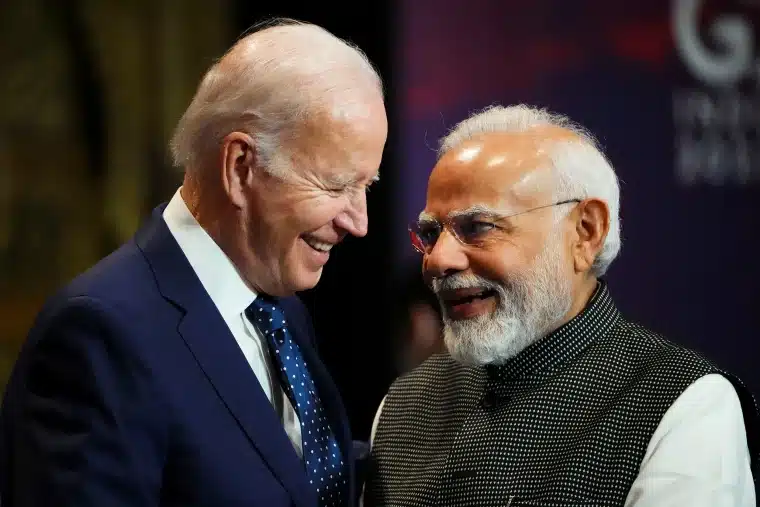
United States (US) President Joe Biden and Indian Prime Minister (PM) Narendra Modi have demanded that Pakistan should ensure that Pakistani land will not be used by terrorists.
Indian premier is currently visiting the United States.
The statement has been issued after a meeting between Biden and Modi.
Both leaders have demanded action against terrorist groups allegedly based in Pakistan, including Lashkar-e-Taiba and Jaish-e-Mohammad.
“They strongly condemned cross-border terrorism, the use of terrorist proxies and called on Pakistan to take immediate action to ensure that no territory under its control is used for launching terrorist attacks,” the 58-point statement issued by the White House read.
Both the leaders demanded action against perpetrators of attacks, including the Mumbai and Pathankot incidents.
The leaders have also demanded that the Afghan Taliban should respect human rights, and the rights of women and girls in Afghanistan.
-
Wheat prices soar in Lahore, hitting Rs5,100 per 40kg bag
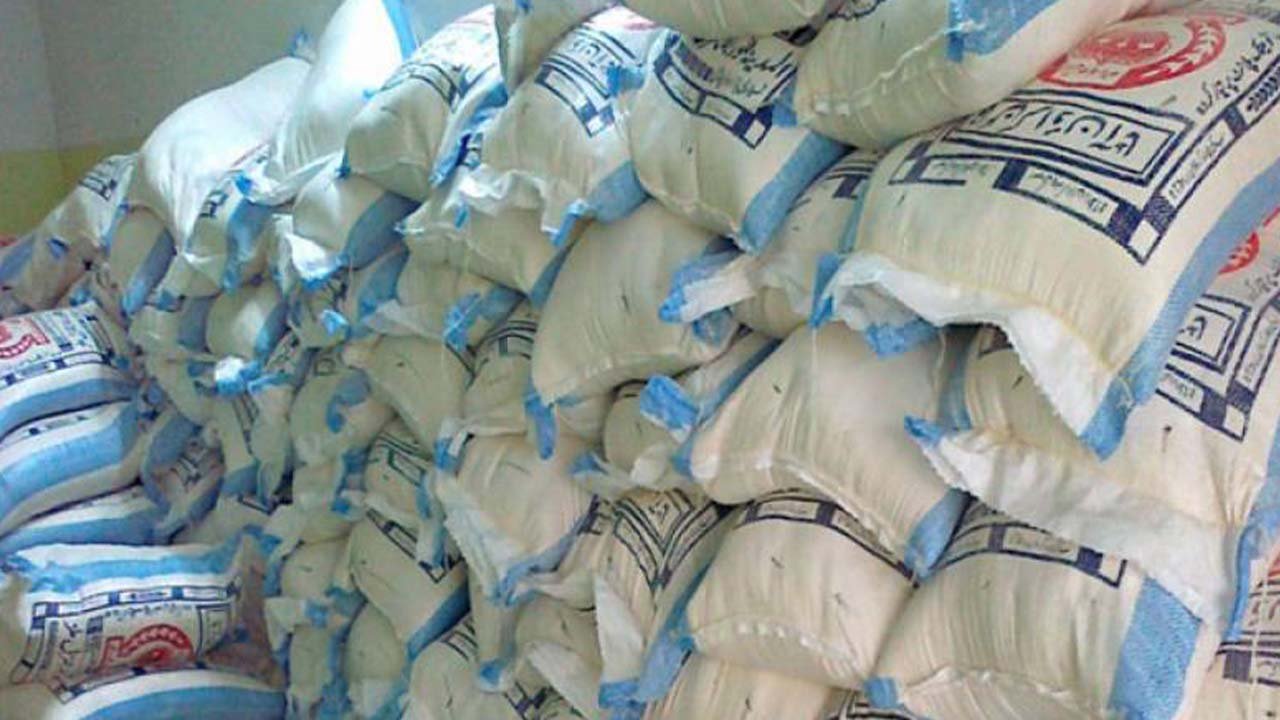
In Lahore, the price of a 40kg bag of wheat has surged to Rs5,100, which is significantly higher than the government’s fixed rate of Rs3,900. The leader of the flour mills association has stated that the government’s rate is not being implemented in the market.
As a result of the increase in wheat prices, the price of a 20kg bag of flour has risen to Rs2,750, as opposed to the government’s fixed rate of Rs2,316.
The flour millers have explained that they are unable to sell the wheat at lower rates after procuring it at an exorbitant price from the open market.
Last month, officials from the Punjab Food Department foiled an attempt to smuggle wheat and flour to Afghanistan. More than 70 containers loaded with wheat and flour were being smuggled to Afghanistan from Rawalpindi Motorway.
During the inspection, district food authority officials seized 46 containers loaded with wheat and 16 containers of flour. The wheat and flour were being transported from Punjab to Afghanistan, despite a ban on wheat transportation from the province. The containers were sealed and 16 people were booked in connection with the incident.