Tag: agreement

  • Critical IMF meeting scheduled for April 29 to approve $1.1 billion for Pakistan

    Critical IMF meeting scheduled for April 29 to approve $1.1 billion for Pakistan

    The Executive Board of the International Monetary Fund (IMF) is scheduled to meet on April 29 to deliberate on the approval of a $1.1 billion funding tranche for Pakistan.

    This amount represents the final installment of a $3 billion stand-by arrangement (SBA) with the IMF that is due to expire this month.

    The anticipated funding comes at a critical time for Pakistan’s economy, which has been struggling with a chronic balance of payments crisis.

    The country has nearly $24 billion in debt and interest repayments due over the next fiscal year, which is approximately three times more than its central bank’s foreign currency reserves.

    Meanwhile, Pakistan’s Finance Minister, Muhammad Aurangzeb, has indicated that the government is seeking a new long-term, larger loan from the IMF. Discussions are underway, with a staff-level agreement expected by early July.

    Islamabad is reportedly aiming for a multi-year agreement to promote macroeconomic stability and implement long-overdue structural reforms. However, the finance minister has not disclosed the exact loan size Pakistan is seeking.

    If approved, this would mark the 24th IMF bailout for Pakistan. The ongoing negotiations reflect the country’s continued reliance on international financial assistance to navigate its economic challenges.

    Pakistan’s economy is projected to grow by 2.6 per cent in the current fiscal year ending in June, according to the finance ministry.

    Despite this modest growth, the country continues to face high inflation, which is expected to average around 24 per cent this fiscal year, down from a record high of 38 per cent in May 2023.

    As Pakistan navigates these economic hurdles, securing the final tranche of the IMF’s stand-by arrangement and potentially a new loan agreement could provide much-needed relief and lay the groundwork for longer-term stability.

  • PM Shehbaz urges Finance Ministry to ensure strict adherence to IMF guidelines in upcoming budget

    PM Shehbaz urges Finance Ministry to ensure strict adherence to IMF guidelines in upcoming budget

    In a meeting held between Prime Minister (PM) Shehbaz Sharif and Finance Minister Ishaq Dar on Tuesday, it was emphasized that the upcoming budget, scheduled to be presented on June 9, should strictly adhere to the parameters set by the International Monetary Fund (IMF).

    PM Shehbaz Sharif has expressed his optimism about reaching an agreement with the IMF, dispelling media reports suggesting a populist budget typically seen in election years.

    An informed source, who was present during the meeting, highlighted that Pakistan cannot afford to deviate from the IMF’s prescribed principles in the budget. The PM’s resolve to adhere to these guidelines was reinforced after his recent telephonic conversation with IMF Managing Director Kristalina Georgieva. It was during this conversation that PM Shehbaz Sharif personally appealed to Georgieva to revive the stalled $6.5 billion bailout package.

    The discussion between the PM and the IMF Managing Director took place due to the finance ministry’s inability to break the deadlock over loan talks in the past four months. However, the source disclosed that PM Shehbaz Sharif expressed satisfaction after his conversation with Georgieva, leading to an agreement to share the budget details with the IMF.

    Furthermore, the IMF Managing Director indicated the possibility of a revival of the programme. This positive development prompted PM Shehbaz Sharif to inform the Turkish media during his visit to Ankara that Pakistan remains hopeful of finalising a deal with the IMF this month. He assured that Pakistan had met all the required conditions and that the upcoming budget would align with the terms and conditions set forth by the IMF.

    “We are still very hopeful that the IMF programme will materialise. Our ninth review by the IMF will match all terms and conditions, and hopefully, we’ll have some good news this month,” PM Shehbaz Sharif stated during an interview with Anadolu in Ankara, where he was present for President Recep Tayyip Erdogan’s inauguration ceremony.

    According to Geo, the PM further clarified that while some actions are typically met after the board’s approval, this time, the IMF insisted on meeting those actions before granting approval. He affirmed that Pakistan has fulfilled these requirements as specified by the IMF.

    As the budget presentation approaches, all eyes are now on the Ministry of Finance, which has been tasked with ensuring strict compliance with IMF parameters. With the PM’s renewed optimism and the positive signals received from the IMF, there is a growing sense of hope that Pakistan will be able to secure the much-needed financial support to address its economic challenges.

    It remains to be seen how the upcoming budget will reflect the government’s commitment to IMF compliance and whether it will lead to a successful conclusion of negotiations with the international financial institution.

  • Pakistan is making desperate efforts to revive IMF programme before deadline

    Pakistan is making desperate efforts to revive IMF programme before deadline

    Pakistan is facing a critical situation as it seeks to revive its stalled Extended Fund Facility (EFF) programme with the International Monetary Fund (IMF). The $6.5 billion programme is set to expire on June 30, and negotiations for the ninth review, due last November, have not been successful.

    Efforts to reach a Staff Level Agreement (SLA) with the IMF have been ongoing, but disagreements persist regarding the conditions set by the Fund. The SLA must be signed before Pakistan unveils its 2023-24 budget on June 9, or the current programme will fail.

    According to The News, two options are being considered. The first involves signing the SLA immediately, requesting approval from the IMF Executive Board for the next $1 billion tranche, and extending the EFF programme for a few months to complete the 10th and 11th reviews. The second option is to combine the 9th and 10th reviews, share budgetary figures with the IMF, and sign the SLA after the budget announcement. If approved by parliament, the IMF’s Executive Board could then grant an extension for the completion of the 11th Review by July or August 2023.

    However, finding a solution is proving challenging. Maintaining the status quo will not lead to any breakthroughs, and consensus must be reached between Pakistan and the IMF. Political uncertainty, inadequate economic management, and the inability to secure sufficient external financing have hindered progress.

    Without an IMF programme, Pakistan’s options are limited. The risk of default would increase, and reserves would remain weak. Although there are options available, such as striking the SLA in the next few days or combining reviews, they are becoming increasingly difficult. Life without the IMF would require seeking financing from other sources at higher costs.

    It is crucial for Pakistan to resolve its differences with the IMF and secure the continuation of the EFF programme. Failure to do so would have severe consequences for economic stability and future financing prospects.

  • Pakistan’s nuclear and missile programmes will not be compromised for IMF deal, says Finance Minister

    Pakistan’s nuclear and missile programmes will not be compromised for IMF deal, says Finance Minister

    During a session of the Senate on Thursday, Pakistan’s Finance Minister Ishaq Dar stated unequivocally that there would be no compromise on the country’s nuclear and missile programs. The assurance came in response to questions posed by PPP Senator Raza Rabbani, who had raised concerns about the delay in Pakistan’s agreement with the International Monetary Fund (IMF). Rabbani had suggested that the delay might be due to pressure being exerted on Pakistan’s nuclear program.

    In response to Rabbani’s questions, Dar stated that the delay was not due to any action by the current government, but rather to the fact that the IMF had requested that certain friendly countries fulfill commitments they had made to support Pakistan. According to Geo, Dar promised that once the staff-level agreement and the Extended Fund Facility program were finalized, the details would be posted on the finance ministry’s website.

    Dar also expressed his belief that Pakistan’s nuclear program was a matter of national security and emphasized that no one had the right to tell Pakistan what range of missiles or nuclear weapons it could have. He argued that the country’s nuclear and missile programs were essential for deterrence and for guarding Pakistan’s national interests.

    The delay in the IMF agreement has been a cause for concern, as it is seen as critical to taming a balance-of-payments crisis. The agreement, which was approved by the IMF in 2019 and is worth $6.5 billion, includes $1.1 billion that would be released once the agreement is signed. Dar had previously blamed the delay on the previous government, which he said had failed to meet commitments and created a trust deficit. Despite the delay, Dar stated that Pakistan was “very close” to signing the agreement.

  • Pakistan will start importing crude oil from Russia in March

    Pakistan will start importing crude oil from Russia in March

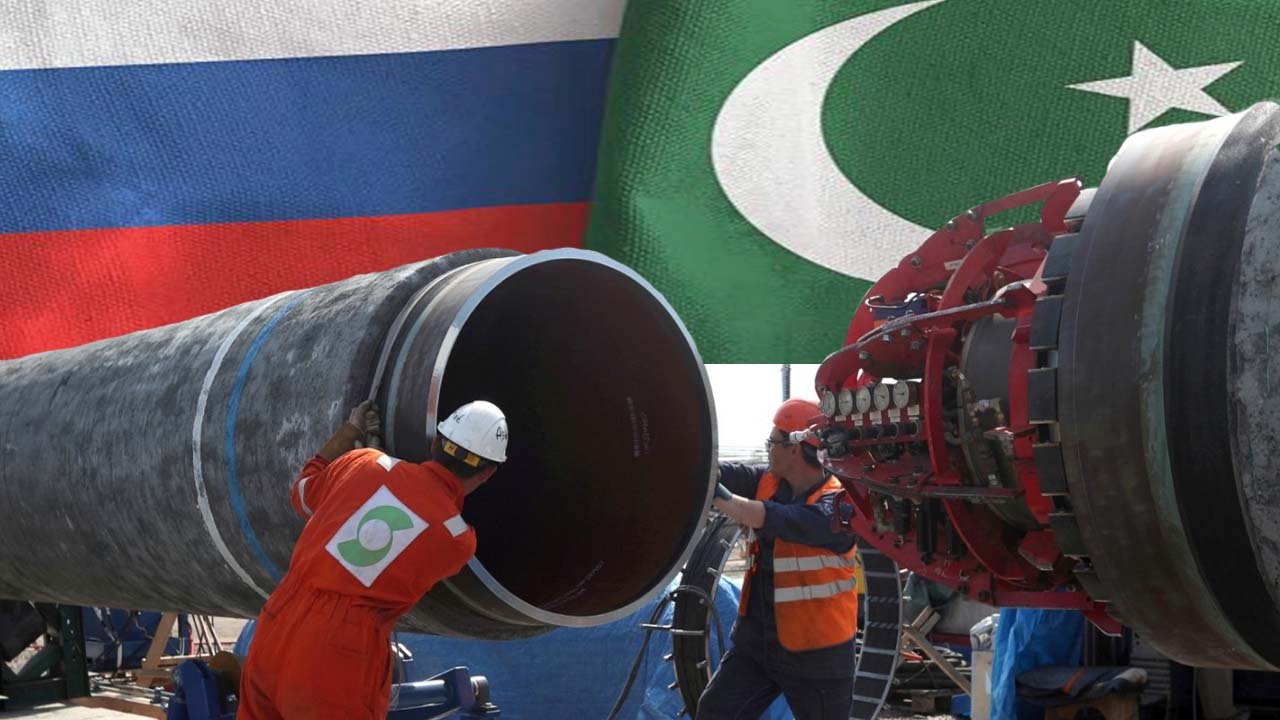
    Pakistan and Russia have decided on the deadline for crude oil exports in late March after the conclusion of the annual inter-governmental commission between the two countries concluded.

    The Minister of State for Petroleum, Musadik Malik, said that Pakistan intends to import 35 per cent of its entire crude oil needs from Russia. He added that Russia does not have liquefied natural gas (LNG) for Pakistan currently.

    Russian Energy Minister Nikolay Shulginov also stated that Pakistan will pay for its energy purchases from Russia in the currencies of friendly nations when they begin in late March.

    Last year, the government of Pakistan sent representatives to Russia, and as a result, the state minister for petroleum of Pakistan announced that Russia would supply crude oil at a reduced price.

    Russian oil and gas have not historically been widely imported by Pakistan.

    Islamabad and Moscow agreed during the negotiations that the oil and gas trading transaction will be set up such that both nations can profit economically after reaching an agreement on the technical details.

    The leaders also decided to expand energy infrastructure investment, improve energy trade, and strengthen energy cooperation under advantageous strategic and commercial circumstances.

    A “Comprehensive Plan for Energy Cooperation” that will serve as the framework for future work and be completed in 2023 has been agreed to by both parties.

    The federal and provincial governments of Pakistan welcomed the Russian side to consider prospective initiatives, including those involving public-private partnerships and asked the Russian businesses to investigate these options.

    “Both sides have resolved the pending issues related to the exchange of information on certificates of origin of goods with the use of an electronic verification system and shall endeavour to finalise the above-mentioned protocols by the end of May 2023,” the joint statement issued in this regard read.

    In order to improve their mutual collaboration and talk about issues pertaining to connectivity and logistics in Central and South Asia, the authorities decided to designate focus points for each side.

    It was also resolved at the talks held over the last three days that creative business practises, such as bartering, would be used. They also agreed to further investigate the possibility.

    “In the context of the desire of both parties to promote regional integration and Eurasian connectivity, the two sides agreed to share information towards developing and improving rail and road infrastructure,” the statement read.

    The documents signed during the session included an “Agreement regarding cooperation and mutual assistance in customs matters,” a “Protocol on the Exchange of Documents and Data on the Customs Value of Goods Transported,”  and a “Working Agreement on the Airworthiness of Aeronautical Products.”

    The seventh IGC’s debates and choices served as the foundation for the eighth session, which moved the process ahead and looked at new possibilities for collaboration.

    Additionally, Pakistan and Russia decided to extend their cooperation in the areas of commerce and investment, energy, communication, transportation, higher education, industry, railroads, banking, finance, customs, agriculture, science, and technology.

  • Pakistan, IMF reach staff-level agreement to resume loan

    Pakistan, IMF reach staff-level agreement to resume loan

    The International Monetary Fund (IMF) extended the total loan size to $7 billion on Thursday and announced a staff-level agreement on the completion of two unfinished programme assessments, but cautioned Pakistan to be prepared to take any extra measures.

    “The IMF team has reached a staff-level agreement (SLA) with the Pakistan authorities for the conclusion of the combined seventh and eighth reviews of the EFF-supported program. The agreement is subject to approval by the IMF’s Executive Board. Subject to Board approval, about $1,177 million (SDR 894 million) will become available, bringing total disbursements under the program to about $4.2 billion,” IMF said in a statement.

    The statement added, “Additionally, in order to support program implementation and meet the higher financing needs in FY23, as well as catalyze additional financing, the IMF Board will consider an extension of the EFF until end-June 2023 and an augmentation of access by SDR 720 million that will bring the total access under the EFF to about $7 billion.”

    IMF team leader Nathan Porter noted in a statement “Pakistan is at a challenging economic juncture. A difficult external environment combined with procyclical domestic policies fueled domestic demand to unsustainable levels.”

    According to him, the ensuing economic overheating reduced reserve buffers, increased inflation, and resulted in significant fiscal and external deficits in FY22.

    The statement continued, “Policy priorities include the consistent implementation of the FY23 budget, which aims to reduce the government’s significant borrowing needs by targeting an underlying primary surplus of 0.4 per cent of GDP, underpinned by current spending restraint and extensive revenue mobilisation efforts targeted particularly at higher-income taxpayees.”

    According to Express Tribune, the international lender claimed that due to poor implementation of the previously agreed upon plan, the circular debt (CD) flow in the power sector is predicted to increase significantly to about Rs850 billion in FY22, exceeding programme targets, endangering the viability of the sector, and resulting in frequent power outages.

    To improve the situation in the electricity sector and reduce load shedding, the authorities are committed to resuming reforms, which crucially include the timely adjustment of the power tariff, including the delayed yearly rebasing and quarterly adjustments.

    According to the IMF, Pakistan’s headline inflation rate hit 20 per cent in June, impacting the most vulnerable people the most. The recent monetary policy boost was reasonable and necessary in this regard, and future monetary policy must be designed to ensure that inflation is slowly brought down to the medium-term goal of 5-7 per cent.

    “Importantly, to enhance monetary policy transmission, the rates of the two major refinancing schemes EFS and LTFF (which have over recent months been raised by 700 bps and 500 bps respectively) will continue to be linked to the policy rate. Greater exchange rate flexibility will help cushion activity and rebuild reserves to more prudent levels,” it added.

    The unconditional cash transfer (UCT) Kafalat scheme reached nearly 8 million households during FY22, with a permanent increase in the stipend to Rs14,000 per family, while a one-time cash transfer of Rs2,000 (Sasta Fuel Sasta Diesel, SFSD) was made to approximately 8.6 million families to lessen the effects of the inflationary crisis.

    The government has increased the BISP budget for FY23 from Rs250 billion to Rs364 billion in order to expand the SFSD programme to more non-BISP, lower-middle class beneficiaries and to accommodate 9 million extra families into the BISP safety net.

    The statement further stated that in order to maintain the effectiveness of the anti-corruption agencies (including the National Accountability Bureau) in investigating and prosecuting corruption cases, the authorities are putting in place a strong electronic asset declaration system.

    According to the SLA for the combined seventh and eighth reviews, consistent execution of the defined policies will support the development of growth that is more equitable and sustainable.

    “The authorities should nonetheless stand ready to take any additional measures necessary to meet program objectives, given the elevated uncertainty in the global economy and financial markets,” the statement concluded.

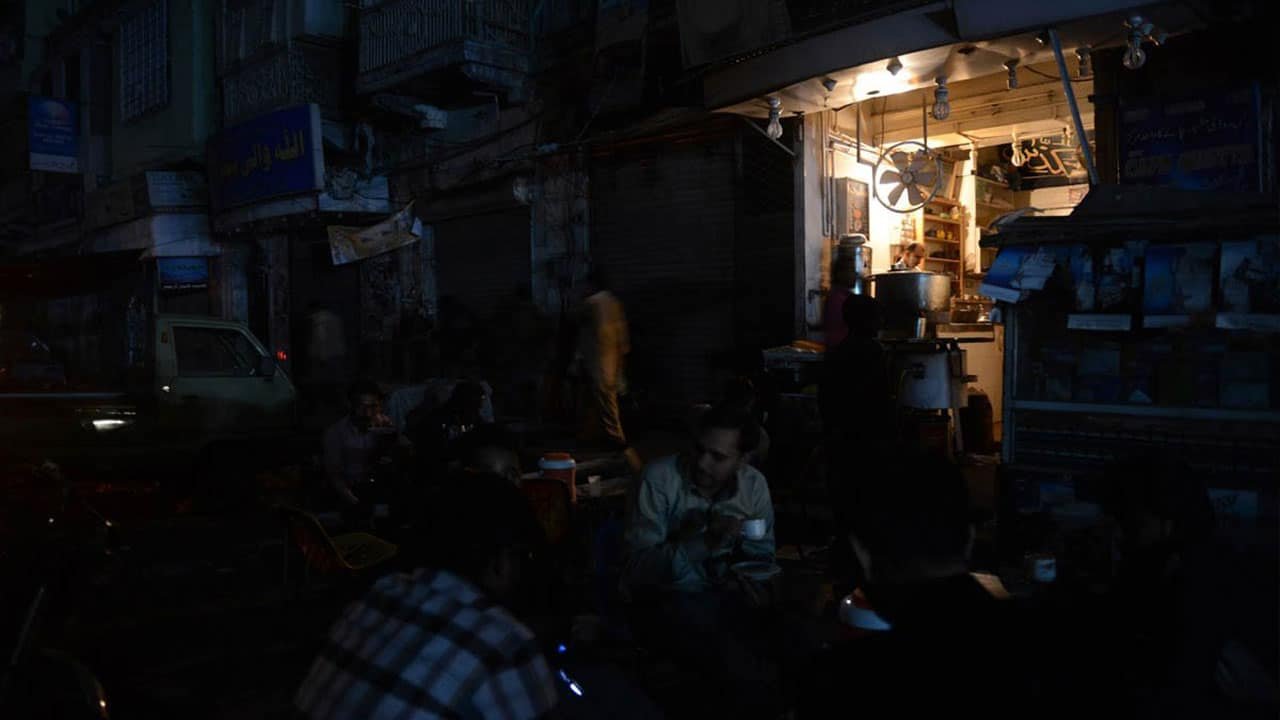
  • Pakistan pushed into darkness due to Europe’s decision to cut off Russian fuel

    Pakistan pushed into darkness due to Europe’s decision to cut off Russian fuel

    The European attempt to abandon Russian oil is intended to punish Moscow for its invasion of Ukraine. It’s also wreaking havoc thousands of miles away, throwing Pakistan into darkness, destabilising one regime, and jeopardising the country’s new leadership’s stability.

    According to Bloomberg, Pakistan invested heavily in liquefied natural gas and inked long-term contracts with Italian and Qatari suppliers. Some of those suppliers have now defaulted, although continuing to sell into the more lucrative European market, putting Pakistan in the very situation it hoped to avoid.

    The country took particular precautions a decade ago to protect itself from the sorts of price increases that are currently shaking the market.

    Last month, the government spent about $100 million on a single LNG shipment from the spot market to avert outages during the Eid holiday, a record for the cash-strapped country.

    The country’s LNG costs could reach $5 billion in the fiscal year ending in July, more than double what they were a year ago. Even still, the government is powerless to protect its citizens: the IMF is in talks to bail out the country on the condition that it reduces fuel and energy subsidies.

    Outages lasting more than 12 hours

    Parts of Pakistan are currently suffering scheduled blackouts lasting more than 12 hours, reducing the ability of air conditioning to provide respite during the current heat wave. The former prime minister continues to gather enormous audiences to demonstrations and marches, exacerbating voters’ discontent with 13.8 per cent inflation. The hosts of prime-time talk shows frequently discuss how Pakistan will obtain the petroleum it requires and how much it would have to spend.

    The administration introduced a fresh set of energy-saving measures last week. Civil servants were relieved of their normal Saturday shifts, and the security budget was slashed by half.

    Prime Minister (PM) Shehbaz Sharif remarked in an April tweet before of the Eid holiday, “I am acutely aware of the sufferings people are facing”. That same week, he ordered his government to resume purchasing costly overseas natural gas shipments.

    He also warned earlier this month that they don’t have the money to keep importing gas from other countries.

    Rerouted supply to power plants

    There will be more than just outages as a result of the supply shortage. The government has rerouted existing natural gas supply to power plants, causing fertiliser manufacturers to be shortchanged. This approach could jeopardise the next harvest, resulting in even higher food prices the following year. Backup generators are being used by cellphone towers to keep service going during the blackouts, but they, too, are running out of fuel.

    There’s not much hope in the future. LNG prices have risen by over 1,000 per cent in the previous two years, first due to post-pandemic demand and subsequently due to Russia’s invasion of Ukraine. Russia is Europe’s largest natural gas supplier, and the possibility of supply disruptions pushed spot rates to an all-time high in March.

    Increasing LNG demand in Europe

    Meanwhile, Europe is increasing its need for LNG. Europe’s LNG imports have increased by 50 per cent so far this year compared to the same period last year, and show no signs of slowing down. As they cut ties with President Vladimir Putin’s regime over the crisis in Ukraine, European Union policymakers created a plan to considerably increase LNG deliveries as an alternative to Russian gas.

    Floating import terminals are being built at a breakneck pace in countries like Germany and the Netherlands, with the first ones set to open in the next six months.

    “Europe is draining LNG from the rest of the globe,” according to Steve Hill, executive vice president of Shell Plc, the world’s largest LNG trader. “However, this means that less LNG will be sent to developing markets”.

    Pakistan was formerly thought to be the LNG industry’s bright future. Demand for the fuel had peaked in developed markets by the mid-2010s. However, technological developments had reduced the costs and time it took to build import terminals, and new gas sources had reduced the cost of the fuel itself.

    Poor nations could finally contemplate the gasoline at the new, lower prices. Suppliers flocked to these new markets, and when Pakistan published a request for long-term LNG supply, over a dozen businesses competed for the contract.

    Pakistan chose Italy’s Gunvor Group Ltd to sell LNG to the country for the next decade in 2017. The terms were favourable at the time, and the prices were lower than those of a comparable arrangement struck with Qatar the previous year.

    Delay in supplies

    However, due to the rise in European gas prices, the two suppliers have postponed more than a dozen shipments slated for delivery between October 2021 and June 2022.

    According to Bruce Robertson, an expert at the Institute for Energy Economics and Financial Analysis, such defaults are nearly unheard of in the LNG market. Bloomberg spoke with traders and industry insiders who couldn’t recall the last time so many cargoes were rejected without being linked to a big outage at an export terminal.

    Eni and Gunvor stated they had to cancel because they were experiencing their own supply problems and didn’t have enough LNG to export to Pakistan. When exporters confront such difficulties, they typically replace deliveries by purchasing a consignment on the spot market, but Eni and Gunvor have not done so.

    Vendors are generally averse to cancelling orders. It harms the company connection and is often extremely costly. In established markets, fines for “failure to deliver” might be as high as 100 per cent.

    “It’s quite rare for LNG suppliers to renege on long-term contracts beyond force majeure occurrences,” says Valery Chow, an analyst at Wood Mackenzie Ltd.

    Pakistan’s contracts stipulated a lower cancellation penalty of 30 per cent, most probably in exchange for cheaper overall costs. The European spot market prices are currently high enough to more than compensate for the penalties.

    Pakistan’s $12 million LNG supply contract

    As per sources, an LNG supply to Pakistan for delivery in May under a long-term contract would cost $12 per million British thermal units. In comparison, spot cargoes to Europe for May delivery were trading for more than $30. Eni and Gunvor have kept their promises to customers in the region.

    As a result, Pakistan is back to square one, in a weaker negotiation position than before. After a dispute with Pakistan’s army over a variety of problems, including his management of energy supply and the greater economy, Prime Minister Imran Khan was deposed in April.

    Shehbaz Sharif, the new prime minister, has directed the state-owned importer to obtain the petroleum at any cost in order to end the debilitating blackouts. It’s also attempting to reach new long-term LNG purchase agreements, albeit the conditions will almost probably be harsher than six years ago.

    High risk of default

    The cost is having its own cascading repercussions. The government is now “at high risk of default,” according to a paper published last month by the Institute for Energy Economics and Financial Analysis. Moody’s Investors Service reduced Pakistan’s outlook from stable to negative, citing financial worries including a potential IMF bailout delay.

    Pakistan’s dependency on LNG, as well as its suppliers’ tendency to default, has exacerbated the country’s energy dilemma. Pakistan isn’t alone in this regard. Emerging economies all around the world are trying to meet their residents’ requirements while staying within their budget restrictions.

    It has also prompted them to purchase electricity from Russia, reducing the impact of Europe’s attempts to isolate them.

    Pakistan seeks LNG supply contract with Russian companies

    According to reports, Pakistan is also looking at long-term LNG supply agreements with Russian companies. India has already increased its purchases from Russia, and this trend is likely to continue. The government has directed power plants to purchase fuel from overseas in response to the scorching summer heat.

    Other cash-strapped importers, such as Bangladesh and Myanmar, are likely to suffer as a result of Pakistan’s problems. Bangladesh’s state-owned utility recently purchased the country’s most expensive LNG shipments on the spot market to keep the grids functioning and industry stocked, while Myanmar has stopped importing LNG for the past year owing to price increases.

    Other nations, such as India and Ghana, may be prompted to reconsider long-held plans to increase their reliance on super-chilled fuel as a result of Europe’s major change. Instead, governments would increase their reliance on polluting coal or oil, thwarting efforts to meet ambitious emission reduction objectives this decade.
  • Pet dogs that attacked Karachi lawyer euthanised

    Pet dogs that attacked Karachi lawyer euthanised

    The two pet dogs that attacked a Karachi lawyer have been euthanised as per the conditions of the compromise agreement reached between the dogs’ owner and the victim, confirmed the police.

    As per reports, the dogs were euthanised at a veterinary clinic. The owner of the dogs informed the police about it.

    Last month, two pet dogs attacked and injured a resident of Defence Housing Authority (DHA) in Karachi.

    The video that did rounds on social media showed the two dogs rushed towards the resident and injured him. The pet-sitter at first tried to pull off the dogs from the man but upon seeing the dogs out of control, he ran away from the scene leaving the victim to defend himself.

    The victim, Mirza Akhtar Ali, later registered a complaint with Darakshan Police Station. However, an agreement was reached between the Mirza Akhtar Ali, and the dogs’ owner, Humayun Ali Khan, on July 6.

    “The two dogs involved in the incident will be euthanised/put down by a veterinarian immediately. Any other such dogs that Humayun Khan has, he shall give them away,” stated one of the conditions of the agreement.

    The other conditions of the agreement are:

    • Humayun Khan tenders unconditional apology to Mirza Akhtar Ali for the hurt and injury caused to him.

    • Humayun Khan and family shall not keep at their home any dangerous or ferocious dogs as pets. Any other dogs kept as pets shall be registered with the Clifton Cantonment Board and shall not venture out on the streets without a properly trained handler and shall be muzzled and leashed at all times they are outside.

    • Humayun Khan shall make a donation of Rs1,000,000 to the Ayesha Chundrigar Foundation — ACF Animal Rescue.

    While Ayesha Chundrigar Foundation (ACF) has refused to take the donations