Tag: agriculture sector

  • Farmers protest: From India to Europe

    Farmers protest: From India to Europe

    Farmers are protesting from India to Europe, separately, for their rights and to register their rebellion with sitting governments against soaring fuel, and fertilizer costs, lower prices of their produce, and restrictive regulations. The protests are shedding light on the very pertinent issues faced by the primary food-producing sector of countries owning big agricultural markets.

    Demands of Greek farmers

    Farmers in Greece are protesting across the country against rising costs. They are conducting a tractor rally all across the country. Manolis Liakis, a farmer from the southern island of Crete, talked to __ and singled out fuel costs as his biggest problem. He said farmers pay more than three times as much for petrol as shipping companies due to tax disparities. Farmers can’t sell their products “for ridiculously low prices while the consumer buys them at extremely high prices”, he said.

    Demands of Polish farmers

    In Poland, farmers are blocking roads to stop cheap grain imports crossing the border from Ukraine. They are demanding a “complete embargo” on Ukranian produce. During the protests on Tuesday against competition from imports of cheaper Ukrainian products, farmers in Gorzyczki, southern Poland, unfurled a banner saying “Putin, get Ukraine, Brussels, and our government in order”. Consequently, the farmers were warned by the government against raising the slogans.

    Demands of Spanish farmers

    Spanish farmers are gathering with hundreds of tractors in tow to protest against the unfair competition from outside the European Union. They want to include production costs in the end product so they don’t end up selling their goods at a loss. Additionally, they want imported products to be subjected to the same conditions that they have to face.

    Demands of French farmers

    French farmers blocked a milk transport in protest against wholesale prices they say are too low. The farmers’ unions have made it clear they want ironclad assurances that their grievances over produce prices and red tape have been addressed. French Prime Minister Gabriel Attal is trying to negotiate and pacify the raging farmers with the negotiations.
    Demands of Czech farmers

    In Prague, farmers are on the roads because they feel neglected in the policy-making process. After all, they are not given due attention by the government. “Around 3,000 tractors took to the streets,” The Czech Chamber of Agriculture said in a statement on the nationwide protests. Their demands included an end to restrictions on agricultural production, cutting red tape for farming, and introducing changes to the EU-Ukraine arrangements on farming imports.

    Demands of Italian farmers

    In Rome, cowbells are clanking with the message that Farmers feed the world, but can’t afford to farm.
    Demands of Indian farmers

    In India, massive protests have broken out over minimum crop price guarantees which were promised nearly a year ago but not implemented by the government. Thousands of Indian farmers riding tractors attempted to resume their push towards New Delhi. They were attacked by the police claiming the life of young farmer Shubhkaran Singh and injuring 25 others. Farm unions are demanding a law to set a minimum price on all crops, expanding a government scheme that already exists for staples, including rice and wheat. They have also demanded other concessions, including the waiving of loans and universal pensions for farmers aged 60 and above.


    Concerns of Canadian Farmers

    In Canada, there are fewer environmental regulations but farmers feel a disconnect with the central government whose main mandate is based on the environment. They have been pushing forward all kinds of policies about fertilizer reduction and disallowing certain pesticides. The green policies and higher costs have instead of favouring them making farmers feel ignored. Experts say the consumers feel that lower output prices and higher input prices are just a way for the government to tell them that do whatever they want but in a cleaner and environmentally friendly way.

    Conclusion

    Protesting farmers are trying to divert attention to the most neglected yet important sector of a country which is the food-producing sector which is the backbone of both the society and the economy of the country yet remains ignored by the political class for their vested interests.
  • Agricultural boom: Pakistan’s farm exports surge by more than 70%

    Agricultural boom: Pakistan’s farm exports surge by more than 70%

    In October 2023, Pakistan experienced a notable surge in exports, marking a 13.5 per cent increase to reach $2.7 billion, as reported by the Pakistan Business Forum (PBF).  

    Simultaneously, the trade deficit saw a 4.5 per cent reduction during the same period, indicating positive economic developments. 

    Chaudhry Ahmad Jawad, the Vice President of PBF, highlighted the remarkable 73 per cent growth in the agriculture sector for October.  

    Notably, exports of rice and sesame seeds played a pivotal role in this expansion, showcasing a diversification of the country’s export portfolio and underscoring the robustness of the agricultural industry. 

    Jawad emphasised the imperative for Pakistan to boost its service exports, particularly in information and communication technology (ICT), to address the balance of payment deficit.  

    Drawing a comparison with India, he noted India’s remarkable achievement in ICT exports surpassing $140 billion in fiscal year 2022–23, contrasting with Pakistan’s stagnant growth at $2.6 billion in fiscal year 2021–22.  

    The key differentiator, as Jawad pointed out, is the focus on technology and engineering in India over the years, leading to a skilled labour pool. 

    While acknowledging the challenges in the short to medium term, Jawad expressed optimism about Pakistan’s potential for growth in the ICT sector. He suggested addressing the skills gap by offering crash courses to enhance the capabilities of IT graduates. 

    Jawad further underscored concerns raised by IT companies in Pakistan, stating that despite an abundance of talent, the technology sector faces difficulties due to a lack of demand and challenges in remitting money outside Pakistan.  

    He called for government intervention to tackle these issues, pointing to the State Bank of Pakistan’s efforts in 2020 and emphasising the need for ongoing attention to restore confidence. 

    Finally, a PBF official commended the caretaker IT minister’s goal of increasing ICT exports to $10 billion and bringing renowned payment gateways like PayPal and Stripe to Pakistan.  

    However, he raised concerns about existing limitations on exporters’ remittances, urging the finance division to address this critical issue. 

  • Army gets more land for ‘agriculture’

    Army gets more land for ‘agriculture’

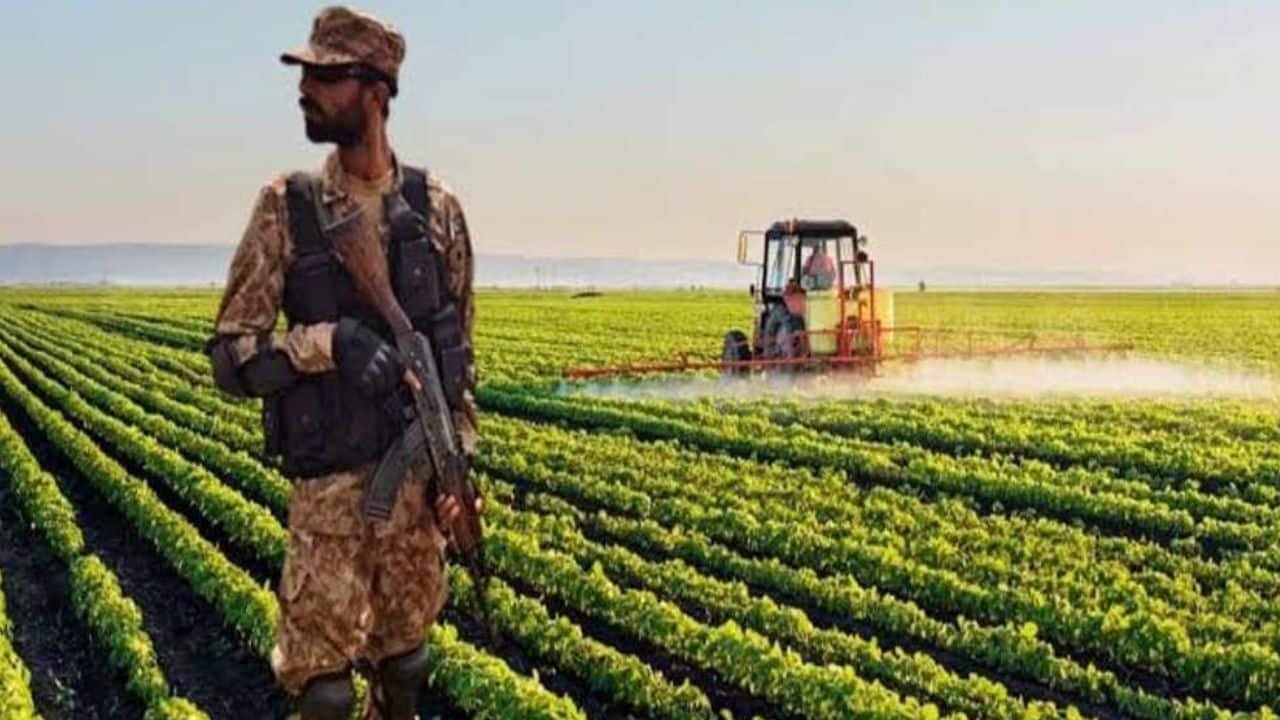
    The Pakistan Army is set to start agriculture farming on 41,000 acres of land in South Waziristan’s Zarmalam area.

    Peshawar Corps Commander Lieutenant General Sardar Hasan Azhar Hayat has said that the army was determined to increase agricultural farming in Khyber Pakhtunkhwa, as per Geo News.

    Lt Gen Hayat said the army has prepared a farming plan on 41,000 acres of land that had been barren for years.

    The officer was of the view that there is a vast opportunity for investment in minerals, hydropower, agriculture, and tourism in KP that can help boost the province’s resources.

    The three-star officer said the army has worked together with the civil government to bring investment in minerals, agriculture, hydropower, and tourism to the province, which is yielding positive results.

    The Pakistan Army’s decision has sparked mixed reactions among locals and experts, with some expressing concerns over the potential implications for the region.

    The move, which involves the cultivation of 41,000 acres of land, has raised questions about the long-term impact on the area’s ecosystem and implications for local communities.

    Critics argue that the project’s scale could lead to significant land and water resource depletion, impacting the livelihoods of communities dependent on the land.

    Additionally, there have been concerns about the army’s increasing involvement in civilian sectors, with some experts cautioning against potential overreach and the need to ensure civilian oversight in such initiatives.

    On October 1st this year, The Pakistan Army launched the first agriculture project under the Special Investment Facilitation Council (SIFC) to make barren lands cultivable in South Waziristan.

    The pilot project launched in the Zarmalam district of South Waziristan oversaw 1,000 acres of barren land made suitable for cultivation.

    The Pakistan Army’s decision has sparked mixed reactions among locals and experts, with some expressing concerns over the potential implications for the region.

    The move, which involves the cultivation of 41,000 acres of land, has raised questions about the long-term impact on the area’s ecosystem and the implications for local communities.

    Critics argue that the project’s scale could lead to significant land and water resource depletion, impacting the livelihoods of communities dependent on the land.

    Additionally, there have been concerns about the army’s increasing involvement in civilian sectors, with some experts cautioning against potential overreach and the need to ensure civilian oversight in such initiatives.

  • World Bank urges urgent economic reforms in Pakistan to tackle rising poverty

    World Bank urges urgent economic reforms in Pakistan to tackle rising poverty

    The World Bank has issued a grave warning regarding Pakistan’s economic state, urging the nation to take swift action. They propose taxing key sectors like agriculture and real estate while reducing wasteful expenditures to stabilise the economy. This endeavour aims for a significant fiscal adjustment, equivalent to over 7 percent of Pakistan’s economic size.

    The World Bank also revealed alarming statistics, with poverty levels surging to 39.4 percent in the last fiscal year, pushing an additional 12.5 million people below the poverty line. Currently, nearly 95 million Pakistanis live in poverty.

    To address these challenges, the World Bank has drafted a set of policy recommendations in collaboration with stakeholders, focusing on low human development, unsustainable fiscal practices, overregulation in the private sector, and issues in the agriculture and energy sectors.

    Immediate measures include raising the tax-to-GDP ratio by 5 percent and reducing expenditures by about 2.7 percent of GDP, primarily targeting previously protected sectors.

    Tobias Haque, the lead country economist at the World Bank, underscores the need for substantial policy changes, given Pakistan’s economic and human development crises.

    According to Express Tribune, the World Bank’s recommendations encompass a range of fiscal reforms, including the removal of tax exemptions, increased taxation on real estate and agriculture, and mandatory use of CNIC for transactions.

    Furthermore, the institution advises cutting energy and commodity subsidies, implementing a single Treasury account, and adopting temporary austerity measures for short-term savings. Medium-term savings entail streamlining federal spending and enhancing the quality of development expenditures.

    Najy Benhassine, the country director for Pakistan at the World Bank, emphasises the importance of political consensus and domestic solutions to address Pakistan’s challenges.

    The World Bank highlights the need to address the human capital crisis, reduce energy subsidies, and promote inclusive, sustainable, and climate-resilient development in Pakistan. These measures are imperative to stabilise the nation’s precarious economic situation and alleviate the growing poverty crisis.

  • Saudi Arabia to invest $25 billion in Pakistan over five years: PM Kakar

    Saudi Arabia to invest $25 billion in Pakistan over five years: PM Kakar

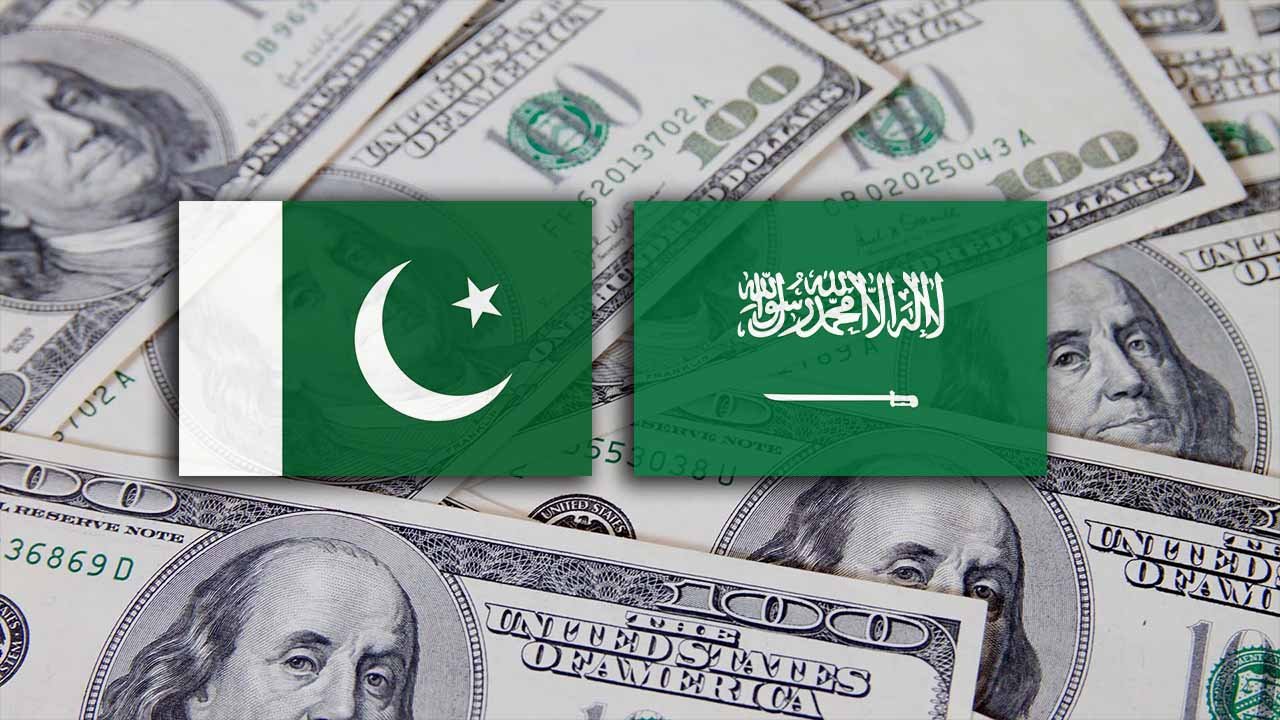
    On Monday, Interim Prime Minister Anwaar ul Haq Kakar announced that the Kingdom of Saudi Arabia (KSA) intends to invest a substantial sum of up to $25 billion in Pakistan over the next two to five years.

    During a media briefing, PM Kakar explained that Saudi Arabia’s investment focus will primarily encompass the mining, agriculture, and information technology sectors. This initiative aims to boost foreign direct investment in Pakistan, which is currently facing financial challenges. 

    If this investment materialises, it will mark the largest-ever commitment by Saudi Arabia to Pakistan. The country is grappling with a pressing need for funds to address its trade deficit and repay international loans in the ongoing fiscal year. 

    While specific projects earmarked for Saudi investment were not disclosed during the meeting, Barrick Gold Corp. expressed interest last month in partnering with Saudi Arabia’s wealth fund for the Reko Diq mine in Pakistan. 

    Kakar emphasised that Pakistan holds substantial untapped mineral resources valued conservatively at $6 trillion. Additionally, the government intends to expedite two privatisation transactions, likely involving state-owned power sector entities, within the next six months. There is also a plan to privatise another government-owned company, preferably outside the energy sector. 

    Read more: Business community finds hope as COAS Munir vows to tackle corruption and boost investment  

    It’s worth noting that privatisation efforts in Pakistan have faced challenges in the past, as the sale of state assets is a politically sensitive issue that previous elected governments have largely avoided. 

    Currently, Pakistan is navigating a challenging path to economic recovery under a caretaker administration, following the approval of a $3 billion loan plan by the International Monetary Fund in July, which prevented a sovereign debt default. Islamabad is confronted with a balance of payments crisis and requires substantial funds to rectify its trade deficit and settle outstanding debts. 

  • Pakistan puts brakes on diesel imports: Economic slowdown and smuggling impact

    Pakistan puts brakes on diesel imports: Economic slowdown and smuggling impact

    In response to a drop in demand within Pakistan due to an economic slowdown and smuggling from Iran, the country opted not to import high-speed diesel (HSD) in July.

    Around 70 per cent of Pakistan’s diesel is consumed by its transport and agriculture sectors. However, these sectors have been severely affected by the economic crisis and the fact that Pakistani diesel is more expensive compared to the cheaper Iranian fuel.

    In the same period the previous year, Pakistan imported 162,000 metric tonnes of HSD. An industry expert stated, “The economic slowdown has greatly affected the transport sector’s operations, and even the agricultural sector’s diesel consumption has been low.” He also noted that daily diesel consumption through legal channels had dropped from 22,000 metric tonnes to 15,000 metric tonnes.

    Pakistan State Oil (PSO), the largest oil importer, postponed its planned HSD imports for July because local refineries had enough stock to meet the reduced demand. Another source explained, “If HSD had been imported, refineries would have had to stop operations as the local transport sector wouldn’t have been able to absorb their diesel output.”

    According to Geo, it is expected that PSO will not import HSD in August or September either, given the dim demand outlook and the growing price difference compared to Iranian diesel. Notably, Iranian diesel, which costs around Rs200 per litre in border areas, has become a viable alternative, meeting much of the demand in Pakistan.

    In response to an increase in diesel prices by 7 per cent to Rs293.40 per litre on August 15, the consumption of diesel through legal channels has decreased by approximately a third, according to an industry official.

    Given the ongoing circumstances, officials do not anticipate an improvement in diesel consumption patterns. The expected rise in diesel prices will likely further drive the preference for Iranian diesel in the country.

  • Pakistan’s inflation forecasted to remain between 25-27% for July, says Finance Ministry

    Pakistan’s inflation forecasted to remain between 25-27% for July, says Finance Ministry

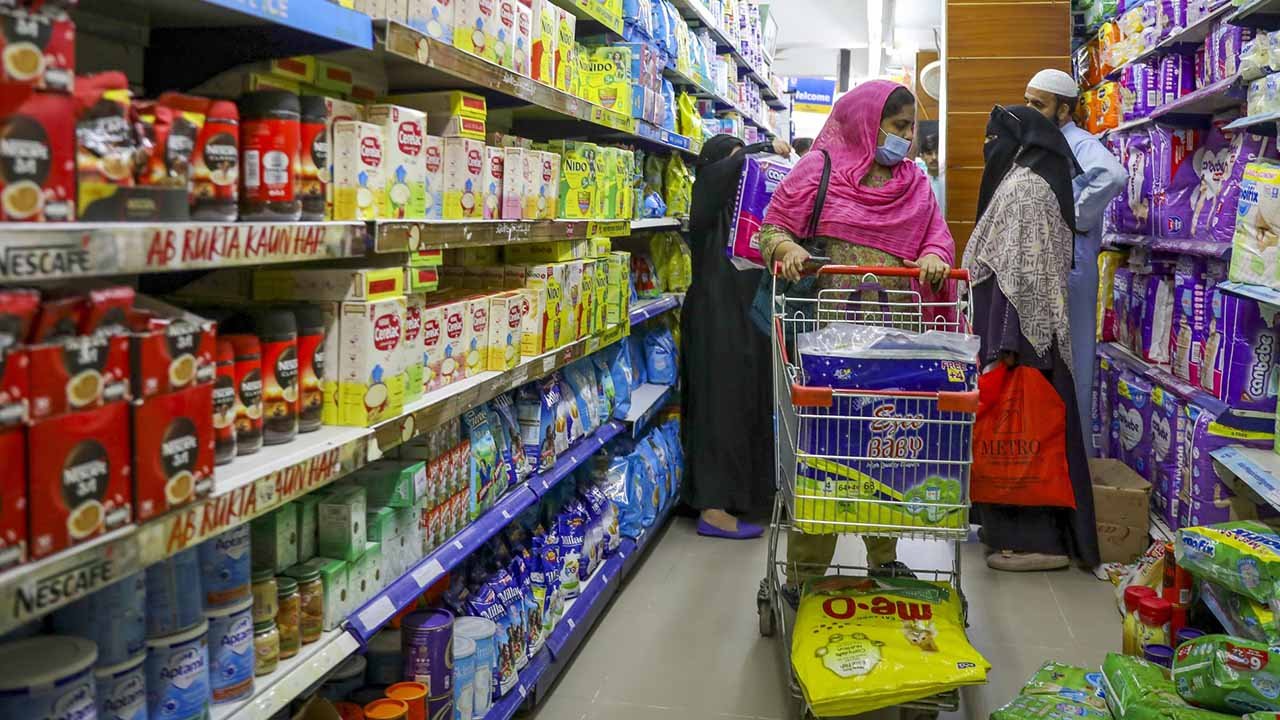
    The Ministry of Finance anticipates a decline in inflation for the month of July compared to the previous month, with expectations of it remaining within the range of 25-27 per cent. The ministry’s ‘Monthly Economic Update & Outlook’ for July attributes this anticipated decrease to the recent reduction in administered prices of petrol and diesel, which is expected to lower domestic prices of essential goods by impacting transportation costs.

    The headline inflation in Pakistan slowed to 29.4 per cent in June, marking the lowest reading since January. The report explains that the recent decline in international commodity prices is likely to counteract the inflationary pressures caused by domestic supply shocks. Notably, the benchmark index of international food commodity prices experienced a downturn in June 2023, primarily driven by price decreases in major cereals and various vegetable oils.

    The government’s timely efforts to boost the agriculture sector through the Kisan Package are expected to result in a better crop outlook and smoother domestic supplies. Additionally, anticipated political stability and a stable exchange rate are deemed as factors that would contribute to achieving price stability.

    Regarding the fiscal outlook, the Ministry of Finance expects both exports and imports to gradually increase in the upcoming months of FY2024. Despite other factors, the report projects that the current account deficit will remain sustainable during this period.

    To enhance revenue collection in FY2024, the government has unveiled a comprehensive strategy for all sectors of the economy, aiming to revive economic growth and foster a higher inclusive and sustainable growth trajectory. Various administrative and policy measures have been introduced to increase tax collection, while the State Bank of Pakistan’s withdrawal of import restrictions is expected to stimulate demand and support revenue improvement.

    The report acknowledges the success of the government in ensuring the sustainability of the external and fiscal sectors during FY2023, achieved through the implementation of tough decisions and stabilisation measures. Looking ahead to FY2024, the government aims to achieve higher economic growth of 3.5 per cent through measures such as the Kisan package, industrial support, export promotion, encouragement of the IT sector, and resource mobilisation.

    In conclusion, the Ministry of Finance emphasises that prudent and effective economic decisions, political and economic certainty, and the continuation of friendly economic policies, along with sufficient foreign exchange financing, will be crucial to attaining higher and sustainable economic growth. The recent approval of the Stand-By Arrangement by the International Monetary Fund and other bilateral and multilateral inflows are expected to further improve the macroeconomic environment and enhance the confidence of economic agents.

  • ‘Second green revolution’ promised by PM Shehbaz through Green Pakistan Initiative 

    ‘Second green revolution’ promised by PM Shehbaz through Green Pakistan Initiative 

    After a series of moves aimed to protect Pakistan’s failing economy, including securing a crucial IMF deal, Prime Minister Shehbaz Sharif has now set his sights on supporting what he calls the backbone of Pakistan’s economy: the agricultural sector.

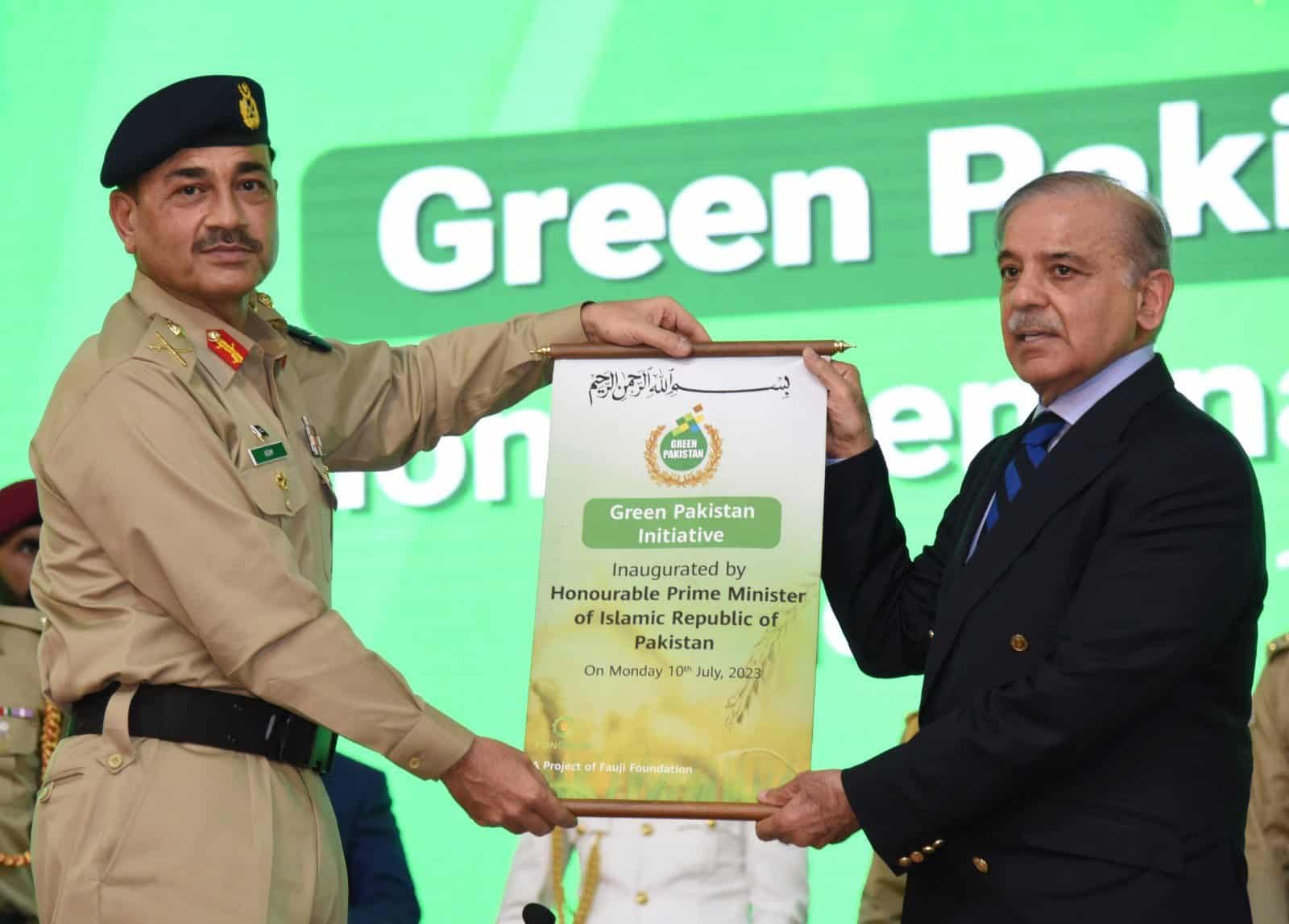
    Through his Green Pakistan Initiative, inaugurated on Monday, July 10, PM Shehbaz says 4 million jobs will be created in the agricultural sector. He also said the Green Pakistan Initiative would likely attract $50 billion in investments in the next five years.

    According to PM Shehbaz, the newly inaugurated initiative is bound to propel Pakistan into its ‘second green revolution’. In fact, the initiative follows similar schemes as those present in Ayub Khan’s regime, such as incentivising farmers by providing them with more profits for their production and providing standard seeds and fertilizers to farmers, along with equipping them with the latest technology.

    It is true that Ayub Khan’s Green Revolution changed the economic fate of the adolescent country. And a revolution of sorts is very much needed: according to PM Shehbaz, state-owned agricultural enterprises are losing PKR 600 billion annually. He noted that Pakistan imports $4.5 billion worth of palm oil, a burden on the national economy.

    At the inauguration ceremony, PM Shehbaz said that gulf countries were ready to invest in the agriculture sector and export modern machinery to Pakistan, in order to boost the production of crops in the country.

    According to The News, PM Shehbaz stated, “It is [a] demand of our national security that the country’s food security and economic security should be strengthened.”

    The inaugural seminar was attended by federal ministers, provincial chief ministers of Punjab and Sindh, chief secretaries of provincial governments, agricultural experts, and farmers from all the provinces.

    Chief of Army Staff General Asim Munir also attended the seminar as the guest of honour. He pledged the Pakistan Army’s full support for all the initiatives that fall under the Special Investment Facili­tation Council, one of which is the Green Pakistan Initiative.

    According to The News, agriculture experts and farmers highly appreciated the landmark initiative, praising the focus on promoting modern technology, the collaboration of public and private sectors, as well as trickling down dividends to local farmers in order to alleviate poverty.

  • Punjab increases govt employees’ pay by 30%, pensioners above 80 to receive 20% raise

    Punjab increases govt employees’ pay by 30%, pensioners above 80 to receive 20% raise

    In a significant development, the interim Punjab cabinet, headed by caretaker Chief Minister Mohsin Naqvi, has approved the provincial budget for the initial four months of the fiscal year 2023-24. The cabinet meeting, held on Monday, saw the endorsement of several key measures aimed at providing relief to the people and promoting various sectors of the economy.

    One of the major highlights of the budget is a 30 per cent increase in salaries for government employees, which will be implemented as an ad hoc relief. This decision is expected to bring significant relief to public servants who have been facing the brunt of rising costs of living. Additionally, pensioners above the age of 80 will receive a 20 per cent increase in their pensions, acknowledging their valuable contributions to society.

    The Punjab cabinet has also taken a bold step to stimulate business growth in the information technology and education sectors. By withdrawing all duties and taxes, the provincial government aims to create a favorable environment for these industries, fostering innovation and progress. An allocation of Rs70 billion has been set aside to provide relief to the people over the course of the first four months of the fiscal year.

    Addressing concerns related to the construction sector, the cabinet rejected a recommendation to increase stamp duty by up to 3 per cent. Instead, it approved fixing the stamp duty ratio at 1 per cent, thereby promoting the growth of the construction industry and encouraging investment in the sector.

    Recognizing the importance of agriculture, the cabinet allocated over Rs47 billion to support and enhance the sector. This move demonstrates the government’s commitment to bolstering the agricultural industry, which plays a crucial role in the province’s economy and livelihoods of the rural population.

    Furthermore, the interim setup has pledged to complete 50 per cent of ongoing development projects within the first four months of the new fiscal year. This ambitious target showcases the government’s determination to prioritise infrastructure development and provide better facilities for the citizens.

    The cabinet’s focus on critical sectors also extends to education and healthcare. An increase of up to 31 per cent in the budget allocation for education and health has been approved for the initial four months of the fiscal year. This decision reflects the government’s commitment to improving access to quality education and healthcare services across Punjab.

    The cabinet’s proactive approach toward promoting technological advancements is evident through the approval to establish an information technology park within the Lahore Knowledge Park. This venture aims to create a hub for technology-driven innovation and attract investment to the region.

    In a noteworthy move, the cabinet also approved the establishment of an endowment fund worth Rs1 billion for journalists. This step recognises the vital role played by journalists in society and aims to support and encourage their professional growth.

    Chief Minister Mohsin Naqvi emphasised that the Punjab budget does not impose any new taxes on the people, providing further relief to the general public. He commended the chief secretary, Planning and Development Board chairman, Punjab finance secretary, and their teams for their diligent efforts in presenting a people-friendly budget.

    The cabinet meeting was attended by provincial ministers, advisors, and secretaries of relevant departments, signaling a collaborative approach to decision-making and ensuring the inclusivity of various stakeholders.

    With the interim Punjab cabinet’s approval of this budget, the province is poised to embark on a path of economic growth, development, and improved quality of life for its citizens.

  • Pakistan’s finance ministry predicts high inflation to persist

    Pakistan’s finance ministry predicts high inflation to persist

    As per the Finance Ministry’s monthly economic update and outlook for February, inflation is projected to range from 28 per cent to 30 per cent in the near future, before gradually subsiding. The report cites several reasons for this, including an uncertain political and economic environment, currency depreciation, a recent increase in energy prices, and higher administered prices.

    The report notes that interest payments will contribute to total expenditures, constraining the fiscal space available for normal operations, investments, and social and structural policies.

    While the State Bank of Pakistan (SBP) has been implementing a contractionary monetary policy, it is expected that inflationary pressures will take some time to ease. The federal government, in collaboration with provincial governments, is closely monitoring the demand-supply gap of essential commodities and taking necessary measures to stabilise prices.

    The resumption of an economic stabilization program will aid in achieving economic and exchange rate stability and provide an opportunity to benefit from falling international commodity prices. This will also help control cost-push inflation and allow the government to pass on lower commodity prices to domestic consumers.

    The report notes that favorable weather and the use of inputs by farmers should help meet the 28.4 million-ton wheat target, while disbursements under the Kissan package should positively impact agricultural productivity and overall economic activity. The cyclical pattern of large-scale manufacturing (LSM) in Pakistan is positively correlated with the cyclical position of the country’s main trading partners. In December 2022, LSM activity was as expected, with no unexpected shocks observed in that month.

    However, the international economic environment remains uncertain, as evidenced by the Composite Leading Indicators (CLI) in Pakistan’s main export areas, which were somewhat negative compared to historical standards.

    The ministry anticipates that LSM will increase in January compared to the previous month, partly due to seasonal factors. The ministry forecasts that LSM output may marginally decline on a YoY basis, mainly due to the high base effect in the reference period