Tag: agriculture

  • Fungus found: UAE bans fresh meat imports from Pakistan

    Fungus found: UAE bans fresh meat imports from Pakistan

    The United Arab Emirates (UAE) has imposed a ban on the importation of fresh meat from Pakistan.

    This decision stems from the discovery of fungal contamination in frozen meat shipments from Pakistan via the sea route.

    As reported by ARY News, the presence of fungus on meat imported by a Karachi-based company prompted the UAE to enact this ban, which will be in effect until October 10.

    It’s worth noting that Pakistan typically exports fresh meat valued at $12 million monthly to the UAE through maritime channels.

    Pakistan primarily directs a significant portion of its meat exports towards the United Arab Emirates, Saudi Arabia, and Bahrain.

  • Pakistan invites Saudi Arabia to invest in key sectors like agriculture, IT, and energy

    Pakistan invites Saudi Arabia to invest in key sectors like agriculture, IT, and energy

    Prime Minister (PM) Shehbaz Sharif has extended a warm invitation to companies from Saudi Arabia, encouraging them to explore exciting investment prospects in various sectors such as agriculture, mining, technology, energy, and more.

    This friendly call was made during a meeting with Saudi Arabia’s Vice Minister for Foreign Affairs, Waleed Abdulkarim El Khereji, held in Islamabad.

    To boost economic partnerships, PM Shehbaz highlighted the creation of a Special Investment Facilitation Council (SIFC). This council is designed to simplify and speed up potential investments from countries in the Gulf Cooperation Council (GCC), with a special focus on enhancing collaborations with Saudi Arabia.

    PM Shehbaz also expressed heartfelt appreciation for Saudi Arabia’s timely financial support, particularly in the aftermath of natural disasters like floods. He acknowledged the Kingdom’s crucial role in helping Pakistan work towards a stable economy.

    He emphasised the importance of the visit by the Saudi delegation, underscoring the shared interest and eagerness on both sides to elevate their long-standing friendly relations to a practical and mutually beneficial economic partnership.

    In a significant earlier announcement, PM Shehbaz revealed plans to auction gifts from the Toshakhana. The funds generated from this auction will be directed towards the well-being of underprivileged individuals, especially those who are orphaned and vulnerable.

  • Painful IMF compliance, but no new taxes on agriculture and real estate, clarifies Dar

    Painful IMF compliance, but no new taxes on agriculture and real estate, clarifies Dar

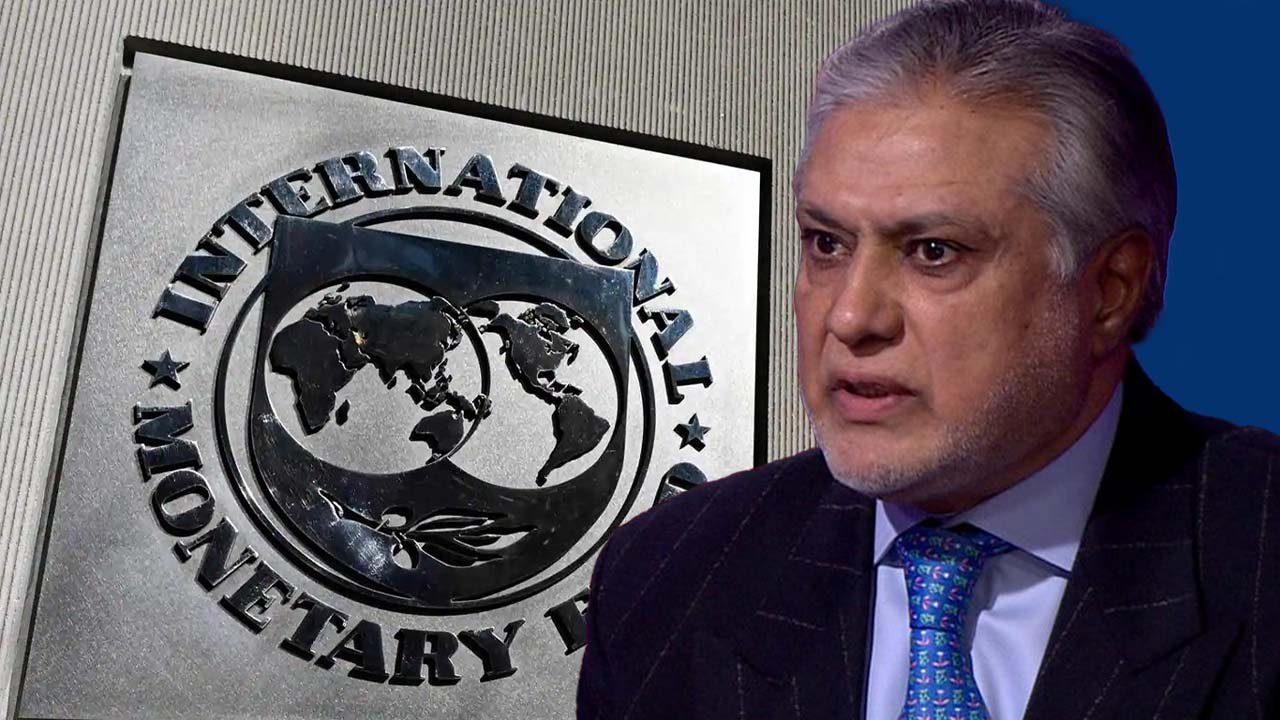
    Finance Minister Ishaq Dar made a resolute declaration on Thursday, assuring the public that the coalition government, despite having taken stern measures that burdened the masses, has no intentions of imposing additional taxes on the agriculture and real estate sectors.

    Speaking passionately on the floor of the National Assembly, Dar firmly stated, “I want to state categorically […] that no new tax will be imposed on agriculture or real estate. We have endured much pain in meeting the IMF’s conditions.”

    This assurance comes in the wake of the International Monetary Fund (IMF) approving a $3 billion bailout program for Pakistan, with $1.2 billion already disbursed to help stabilise the nation’s struggling economy.

    Media reports had indicated that the IMF requested a plan from the government to impose taxes on the real estate and agricultural sectors as a condition to release the remaining funds. The news caused concern among those associated with the agriculture sector, especially since the government had expanded the loan volume to support it in the budget.

    Dar emphasised that all prior actions demanded by the lender had been successfully completed, and the agreement with the IMF was carried out in a transparent manner. He reassured the public, “No further burden will be passed on to the people. All the commitments made with the IMF are available on the finance ministry’s website.”

    The positive effects of the deal are already evident, with investors in the country experiencing relief in the stocks, exchange rate, and bonds markets. Additionally, longstanding allies Saudi Arabia and the United Arab Emirates have recently deposited $3 billion in Pakistan’s central bank, while China rolled over $5 billion in loans over the past three months to prevent the country from defaulting.

    In light of the IMF’s observation that both agriculture and construction sectors are under-taxed in Pakistan, economist Khaqan Hassan Najeeb stressed their significance in broadening the tax base and promoting progressivism.

    Regarding the real estate sector, Najeeb advocated for a genuine capital gains tax, levied at the marginal income tax rate of the individual making the capital gains over the years, to encourage investment from unproductive real estate to more productive sectors like manufacturing.

    Read more: Pakistan’s petroleum dealers temporarily postpone nationwide petrol pump shutdown

    However, Najeeb acknowledged that such reforms would be better suited for implementation by a long-term new government after the upcoming elections. Moreover, he highlighted that provincial governments hold authority over agriculture income tax, which presently contributes only insignificantly. He urged provinces to contemplate a progressive income tax on agriculture, considering the size of farm holdings.

    With Minister Dar’s assurance and the IMF’s support, Pakistan’s economic prospects seem brighter, but the road ahead calls for careful consideration and judicious decision-making to ensure a sustainable and progressive financial future.

  • ‘Second green revolution’ promised by PM Shehbaz through Green Pakistan Initiative 

    ‘Second green revolution’ promised by PM Shehbaz through Green Pakistan Initiative 

    After a series of moves aimed to protect Pakistan’s failing economy, including securing a crucial IMF deal, Prime Minister Shehbaz Sharif has now set his sights on supporting what he calls the backbone of Pakistan’s economy: the agricultural sector.

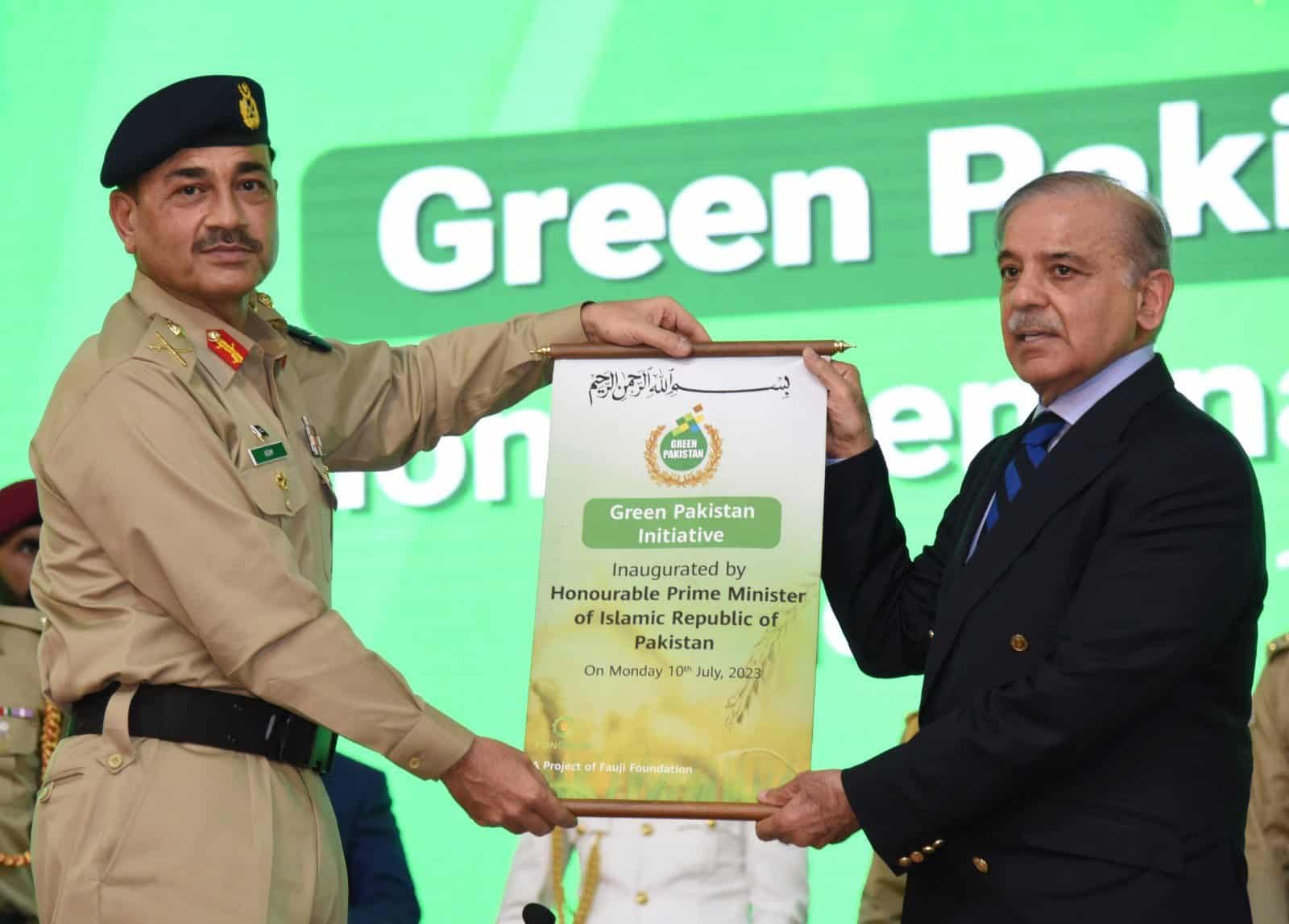
    Through his Green Pakistan Initiative, inaugurated on Monday, July 10, PM Shehbaz says 4 million jobs will be created in the agricultural sector. He also said the Green Pakistan Initiative would likely attract $50 billion in investments in the next five years.

    According to PM Shehbaz, the newly inaugurated initiative is bound to propel Pakistan into its ‘second green revolution’. In fact, the initiative follows similar schemes as those present in Ayub Khan’s regime, such as incentivising farmers by providing them with more profits for their production and providing standard seeds and fertilizers to farmers, along with equipping them with the latest technology.

    It is true that Ayub Khan’s Green Revolution changed the economic fate of the adolescent country. And a revolution of sorts is very much needed: according to PM Shehbaz, state-owned agricultural enterprises are losing PKR 600 billion annually. He noted that Pakistan imports $4.5 billion worth of palm oil, a burden on the national economy.

    At the inauguration ceremony, PM Shehbaz said that gulf countries were ready to invest in the agriculture sector and export modern machinery to Pakistan, in order to boost the production of crops in the country.

    According to The News, PM Shehbaz stated, “It is [a] demand of our national security that the country’s food security and economic security should be strengthened.”

    The inaugural seminar was attended by federal ministers, provincial chief ministers of Punjab and Sindh, chief secretaries of provincial governments, agricultural experts, and farmers from all the provinces.

    Chief of Army Staff General Asim Munir also attended the seminar as the guest of honour. He pledged the Pakistan Army’s full support for all the initiatives that fall under the Special Investment Facili­tation Council, one of which is the Green Pakistan Initiative.

    According to The News, agriculture experts and farmers highly appreciated the landmark initiative, praising the focus on promoting modern technology, the collaboration of public and private sectors, as well as trickling down dividends to local farmers in order to alleviate poverty.

  • Export-quality rice production at risk: Rising theft incidents targeting water pumps, transformers

    Export-quality rice production at risk: Rising theft incidents targeting water pumps, transformers

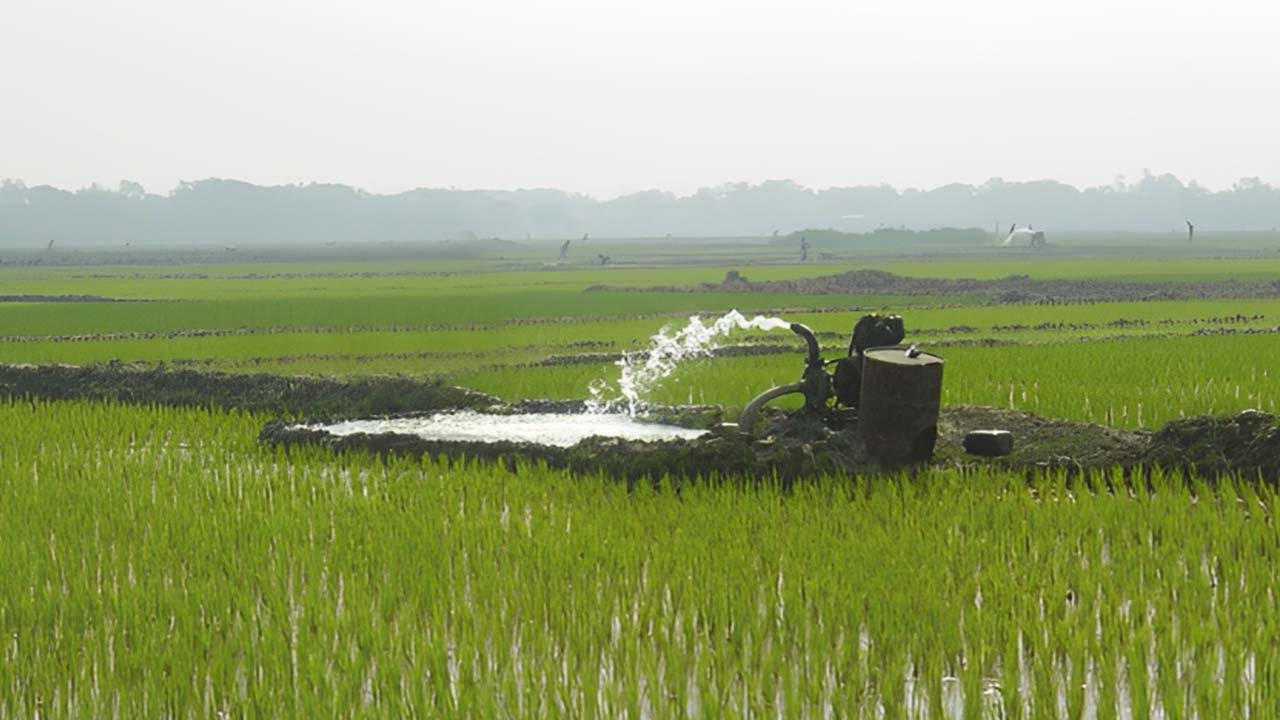
    Pakistan is currently facing a major threat to its export-quality rice production as a result of extensive theft of high-voltage electric wires, transformers, and water pumps. This theft has left vast stretches of rice-producing land along the Lahore to Sheikhupura Motorway without access to tube-well water, precisely during the critical rice sowing season.

    This alarming situation, which has been verified by both farmers and officials from the Water and Power Development Authority (Wapda), demands immediate attention.

    According to The News, the area most severely affected is near village Warran on the Motorway, where farmers are grappling with the challenges of rewiring their tube-wells and procuring replacements for the stolen equipment required for rice cultivation. The thefts of agricultural-related electrical hardware have been escalating precisely when water is in desperate demand for the rice crops.

    Although the rice-growing season began two weeks ago, many farmers are unable to sow their crops due to the thefts, which have deprived them of crucial equipment necessary for water extraction. Agricultural experts caution that any further delays in rewiring tube-wells and replacing stolen equipment could have severe repercussions for this year’s rice production.

    Regrettably, the motorway police’s lack of cooperation, attributed to resource constraints, has further complicated matters. Despite filing First Information Reports (FIRs) for each incident, no thieves have been apprehended thus far. Some Wapda officials suspect that the stolen wires and accessories are being sold at discounted prices to factories for various manufacturing purposes. Additionally, there are allegations that local politicians may be protecting the thieves, impeding the police’s efforts to apprehend them. These circumstances intensify the urgency surrounding this issue.

    Pakistan’s export-quality rice production is currently under a significant threat due to widespread theft of essential electrical equipment. The unavailability of water for irrigation poses a grave challenge to the entire rice crop, placing immense pressure on farmers. Swift action is imperative to address this issue and prevent further harm to the agricultural sector.

  • Russian market reopens for Pakistani rice: 15 mills get export approval

    Russian market reopens for Pakistani rice: 15 mills get export approval

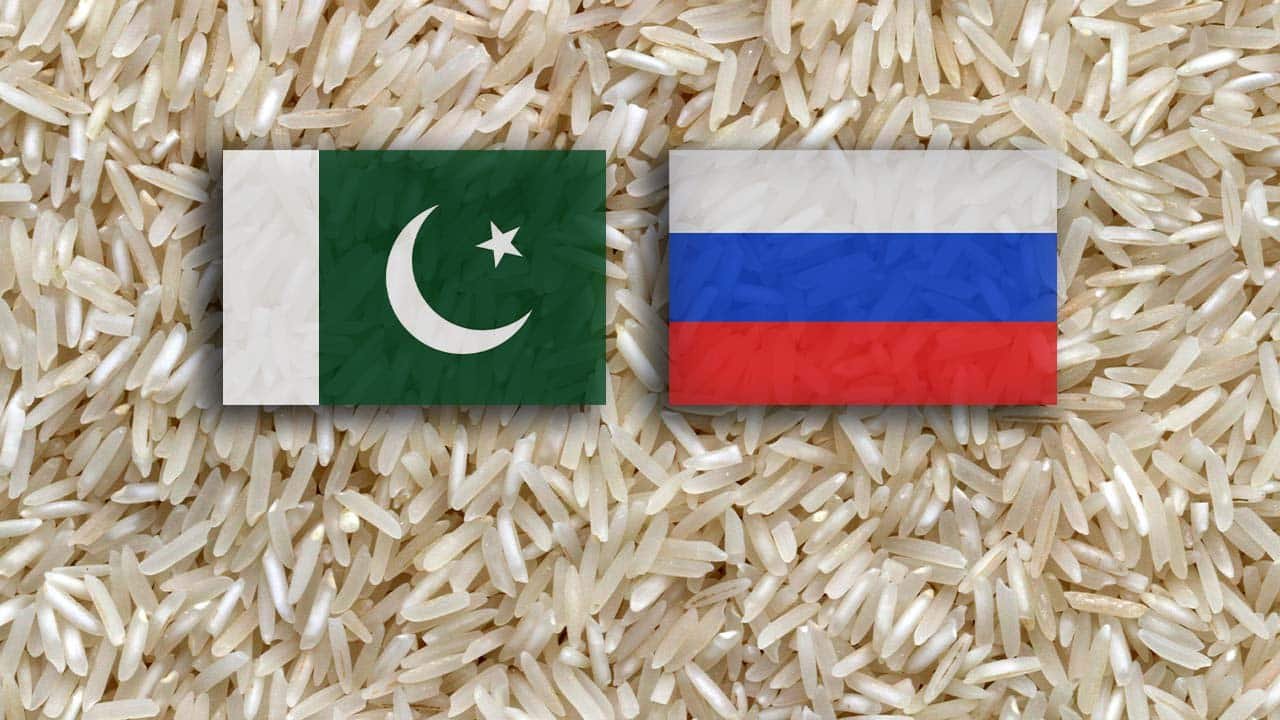
    In a significant development for Pakistan’s rice industry, the Department of Plant Protection (DPP) of the Ministry of National Food Security and Research has registered 15 rice establishments for exports to the Russian Federation. This announcement comes as a ray of hope amid a declining trend in rice exports during the outgoing fiscal year.

    The recommendation of these establishments to the Russian Federal Service for Veterinary and Phytosanitary Surveillance (Rosselkhoznadzor) follows a thorough technical audit conducted by the DPP. The successful registration has been hailed as a significant achievement by the food ministry, highlighting its potential to boost exports and contribute to the overall economy of the country.

    In the past, Russia had restricted imports of rice from Pakistan due to concerns over pest interception. However, in 2021, the ban was lifted, allowing only four mills that had met the required quality standards to export rice to Russia.

    Recognising the need to capitalise on this opportunity, the DPP, in collaboration with the Rice Exporters Association of Pakistan (REAP), took proactive measures to upgrade 15 additional mills, ensuring compliance with the sanitary and phytosanitary (SPS) requirements set by Russia for rice exports.

    With the registration of these establishments, the total number of rice companies eligible to export to Russia has now risen to 19. This development is particularly significant for rice farmers, primarily located in Punjab and Sindh, as they heavily rely on these exports as a primary source of income.

    Beyond the immediate benefits to rice farmers, this achievement sets a positive precedent for Pakistan’s agrarian economy, opening doors to enhance exports in other domains by improving quality standards to meet global market demands. The agreement with Russia acts as a gateway for potential rice exports to international markets.

    Building on this success, efforts are underway to bring more rice processing facilities in line with international standards, with the aim of securing a substantial share in high-end export markets across Asia, Europe, the United States, and Australia.

    The recent decline in Pakistan’s basmati rice exports, which contracted to 541,492 tonnes ($588m) in 11MFY23 from 695,564 tonnes ($632m) in the corresponding period of the previous fiscal year, has underscored the importance of revitalising the sector.

    However, foreign sales of other rice varieties have remained strong, totaling $1.4bn with shipments of 2.964 million tonnes in July-May FY23, albeit slightly lower than the $1.6bn (3.816 million tonnes) recorded during the same period last year.

    As Pakistan’s rice industry finds new avenues for growth, there is renewed optimism among farmers, exporters, and policymakers regarding the sector’s potential to contribute significantly to the country’s economic recovery.

    By tapping into international markets, enhancing quality standards, and diversifying export destinations, Pakistan aims to strengthen its position as a leading player in the global rice trade and capitalise on its status as an agrarian economy.


  • Lahore, do you know what the biggest pollutant in your city is?

    Lahore, do you know what the biggest pollutant in your city is?

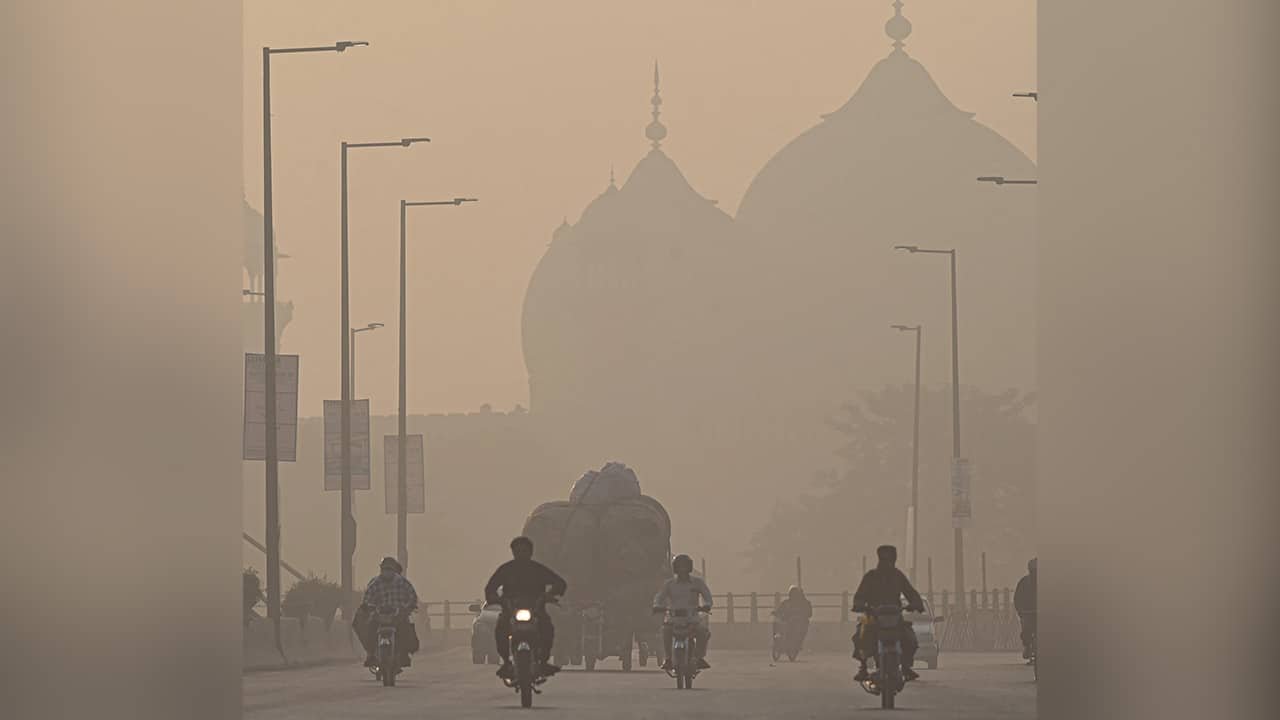
    The Urban Unit of the Planning and Development Department of Punjab has released a report revealing that over 80 per cent of Lahore’s pollution originates from the transport sector.

    Titled “Sectoral emission inventory of Lahore,” the report represents the first comprehensive attempt in the Punjab province to assess atmospheric pollutants resulting from human activities across six developmental sectors.

    The report identifies various primary sources of pollution in Lahore. Transportation accounts for 83 per cent of the emissions, making it a significant contributor. The increasing number of registered vehicles in Lahore, including a notable rise in two-stroke vehicles such as motorbikes, scooters, and auto-rickshaws, is a cause for concern.

    However, it is worth noting that vehicle figures may be inflated as anecdotal evidence suggests that many vehicles in the Punjab province are registered in Lahore.

    In addition to transportation, the burning of crop residues contributes 3.9 per cent to the pollution levels, while waste burning—a common practice in the outskirts of Lahore—accounts for 3.6 per cent.

    Furthermore, the report highlights that emissions from the industrial (9 per cent), domestic (0.11 per cent), and commercial (0.14 per cent) sectors primarily result from the consumption of inefficient fuels like coal and diesel oil.

    The report also examines the health impact of the pollution in Lahore. The concentration of pollutants in the city’s ambient air exceeds the defined limits of Pollutant Equivalent Quantities (PEQs). Air pollution is currently the most severe form of pollution affecting the residents of Lahore.

    Citing the Air Quality Life Index Fact Sheet for Pakistan, the report reveals that if the World Health Organization’s guidelines for an annual average PM2.5 concentration of 5µg/m3 are met, the average life expectancy of Lahore residents could increase by 6.8 years. Moreover, the rising pollution in the city has led to an increase in respiratory diseases.

    The report emphasises the broader challenge of air pollution in Pakistan and the subsequent problems it causes. Pakistan’s air quality performance, as assessed by the Environmental Performance Index (EPI) published by Yale University in 2022, ranks 176th out of 180 countries with a score of 5.7 in air quality points. This indicates a decrease of -0.3 compared to the previous report. The World Air Quality Report (2021) by IQAir also ranks Pakistan as the third-most polluted country in terms of air quality.

    Additionally, the report highlights the country’s high climate vulnerability and environmental degradation. Rapid urbanization is exacerbating exposure to pollution within Pakistani cities. Urban areas, while significant centers of energy production and atmospheric emissions globally, are particularly susceptible to climate-related disasters.

    Major urban centers in Pakistan face challenges such as inadequate waste management, rapid urban sprawl, air pollution, poor access to water and sanitation, and congestion.

  • Pakistan faces second-highest food price inflation in South Asia: World Bank report

    Pakistan faces second-highest food price inflation in South Asia: World Bank report

    According to the World Bank’s “Food Security Update,” the consumer price inflation for food items in Pakistan in February 2023 on a year-on-year basis was 45.1 per cent, which is the highest in South Asia after Sri Lanka, which experienced 54.4 per cent inflation.

    The report further states that domestic grain and wheat flour prices remained volatile across South Asia at the beginning of 2023, and were well above their year-earlier levels. Specifically, in Pakistan, wheat flour prices in January 2023 reached record highs and were 20 to 140 per cent higher year on year.

    The high prices of food items have been attributed to several factors, including generally stagnant production since 2018, stock losses and disrupted trade flows due to the 2022 floods, high agricultural input and transportation costs, and high headline inflation, according to the Food and Agriculture Organization of the United Nations (FAO).

    The report noted that India, Bangladesh, and Nepal experienced year-on-year consumer price inflation for food prices of 6.2 per cent, 7.8 per cent, and 5.6 per cent, respectively, in January 2023. Rice production increased in 2022 in several countries, including India, despite reductions in Pakistan and Tanzania, according to the report.

    The US Department of Agriculture predicts a 4.5 per cent contraction in rice shipments due to a decrease in exports from Pakistan, Thailand, the United States, and Vietnam, which will more than offset an increase from India. Moreover, domestic food price inflation remains high around the world.

    According to Brecorder, the latest month between October 2022 and February 2023, for which food price inflation data are available, shows high inflation in almost all low- and middle-income countries, with inflation levels above 5 per cent in 94.1 per cent of low-income countries, 86 per cent of lower-middle-income countries, and 87 per cent of upper-middle-income countries, with many experiencing double-digit inflation.

    Furthermore, about 87.3 per cent of high-income countries are experiencing high food price inflation, and the countries affected most are in Africa, North America, Latin America, South Asia, Europe, and Central Asia, according to the report.

  • Pakistan has averted default, Army Chief assures businessmen of economic prosperity

    Pakistan has averted default, Army Chief assures businessmen of economic prosperity

    The Chief of Army Staff (COAS), General Asim Munir, held a meeting on Monday night with the top businessmen in the country, in the presence of Finance Minister Ishaq Dar. While no official statement has been issued about the meeting, sources suggest that the army chief expressed optimism and confidence that the current economic difficulties would be overcome. He assured the businessmen that Pakistan has overcome the possibility of default, and urged them to remain firm and confident.

    The businessmen raised concerns about political polarization and chaos, and urged the military to ensure that this did not deepen further. They asked the army chief why politicians were not being brought together to meet the country’s challenges.

    The army chief emphasized that difficult times are a natural part of a nation’s progress, and reassured the businessmen that the worst is behind them. He referred to Islamic teachings to reinforce his message of resilience and strength.

    One participant, who requested anonymity, said that the businessmen had requested the meeting with the army chief. The meeting was deemed successful by the participants, and it was revealed that all prior conditions of the IMF had been met.

    The businessmen were told that agreements with friendly countries to provide dollars for the country’s foreign exchange reserves should be documented, and commitments had been secured for investments in agriculture, mining, and IT, with advanced equity expected from these countries.

    Sources further said the business community also expressed hope that army won’t allow unrest in the country. 

  • Pakistan’s biggest tractor manufacturer announces to shut down operations

    Pakistan’s biggest tractor manufacturer announces to shut down operations

    The biggest manufacturer of agricultural machinery in Pakistan, Millat Tractors Limited, has stated that it will cease operations starting on January 6 and continuing till further notice, citing weak demand and cash flow issues.

    Details indicate that Millat Tractors, a producer of agricultural machinery and tractors, informed the Pakistan Stock Exchange (PSX) of the situation in a letter.

    “Due to continuing reduced demand for tractors and cash flow constraints, the company will remain closed from Friday, January 6, 2023, till further notice,” the statement added.

    The development occurred as a number of other businesses recently declared a shutdown or reduction in operations in Pakistan due to a decline in demand, a scarcity of inventory, or issues with the supply chain.

    The federal government’s import restrictions forced KSB Pumps Company Limited (KSBP) to close its production facility in Pakistan earlier on January 3.

    Due to the import ban, KSB announced that operations at its Hasanabdal factory would be temporarily suspended beginning January 2, 2023. The company also informed the Pakistan Stock Exchange of their decision.