Tag: AI technology

  • Apple Watch import ban goes into effect in US patent clash

    Apple Watch import ban goes into effect in US patent clash

    A US import ban on certain Apple smartwatch models came into effect Tuesday, after the Biden administration opted not to veto a ruling on patent infringements.

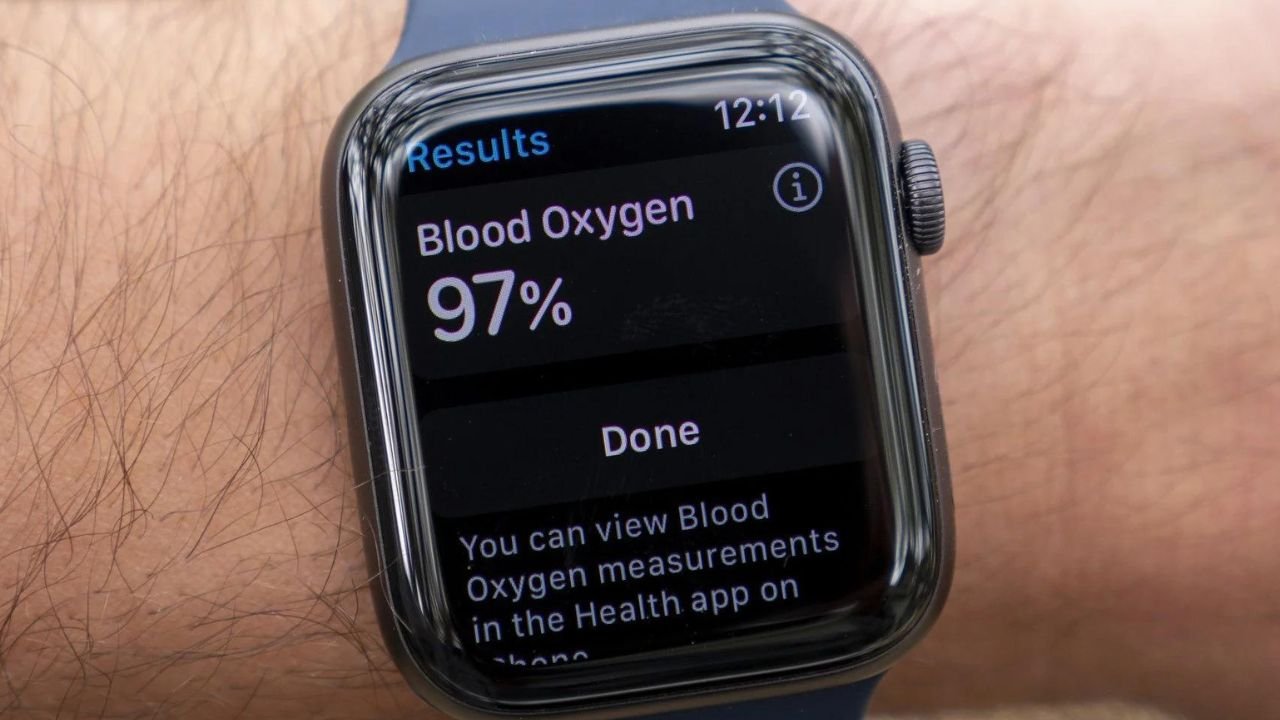
    The United States International Trade Commission (ITC) decided in October to ban Apple Watch models over a patented technology for detecting blood-oxygen levels.

    Apple contends that the ITC finding was in error and should be reversed, but last week paused its US sales of Apple Watch Series 9 and Apple Watch Ultra 2.

    The order stemmed from a complaint made to the commission in mid-2021 accusing Apple of infringing on medical device maker company Masimo Corp’s “light-based oximetry functionality.”

    “After careful consultations, Ambassador (Katherine) Tai decided not to reverse the… determination and the ITC’s decision became final on December 26, 2023,” the president’s executive office said in a statement on Tuesday.

    Apple has been steadily ramping up fitness and health features with each generation of its Apple Watch, which dominates the smartwatch category.

    In September, Apple released its Apple Watch Series 9, touting increased performance along with features such as the ability to access and log health data.

    “Our teams work tirelessly to create products and services that empower users with industry-leading health, wellness and safety features,” Apple said when the ITC ban was issued.

    “Masimo has wrongly attempted to use the ITC to keep a potentially lifesaving product from millions of US consumers while making way for their own watch that copies Apple.”

    In May, a trial of Masimo’s allegations ended in a mistrial after jurors failed to reach a unanimous verdict.

    Late last year, Apple filed two patent infringement lawsuits accusing Masimo of copying Apple Watch technology.

  • AI helps researchers decode 2000-year-old text buried by volcano

    AI helps researchers decode 2000-year-old text buried by volcano

    Researchers, led by Professor Brent Seales at the University of Kentucky, have harnessed the power of artificial intelligence to decode a single word from an ancient Herculaneum scroll nearly 2,000 years old. 

    These scrolls, preserved by the eruption of Mount Vesuvius in 79 AD, were thought to be lost to history. 

    Their remarkable discovery was made possible with support from Silicon Valley investors, who have offered cash rewards for anyone able to extract legible text from these ancient manuscripts. 

    Stephen Parsons, a researcher on the project, emphasised the significance of their achievement, calling it the “first recovered text from one of these rolled-up, intact scrolls.” Since the project’s inception, they have been steadily uncovering more letters and words from these ancient scrolls. 

    In what they’ve termed the “Vesuvius challenge,” Professor Seales and his team made thousands of 3D X-ray images of two scrolls publicly available. They also introduced an AI system trained to decipher the characters within the scrolls. 

    The scrolls are believed to be the work of Lucius Calpurnius Piso Caesoninus, a prominent Roman statesman. Two individuals, Luke Farritor in Nebraska and Youssef Nader in Berlin, independently decoded the same ancient Greek word in one of the scrolls: “πορφύρας,” which means “purple.” 

    Dr. Federica Nicolardi, a papyrologist at the University of Naples Federico II, reported that three lines of the scroll, containing up to 10 letters, are now readable, with the promise of more to come. A recent section has unveiled at least four columns of text. 

    Professor Seales noted that this word provides a tantalising glimpse into an unopened ancient book, evoking ideas of royalty, wealth, and irony.  

    The full context remains a mystery, and it is unclear what the scroll discusses, but Professor Seales is optimistic that it will soon be revealed. 

    While the texts analysed so far are in ancient Greek, there is an expectation that some may be in Latin. The discovery of potentially unexplored sections of the library could yield even greater treasures, including new plays, poems, and lost historical texts. 

    For Professor Seales, this achievement represents a significant step into uncharted territory, akin to landing on the moon, and he and his team are eager to continue exploring these remarkable artefacts. 

  • Apple faces competition as Google releases Pixel 8 and AI-powered smartwatch

    Apple faces competition as Google releases Pixel 8 and AI-powered smartwatch

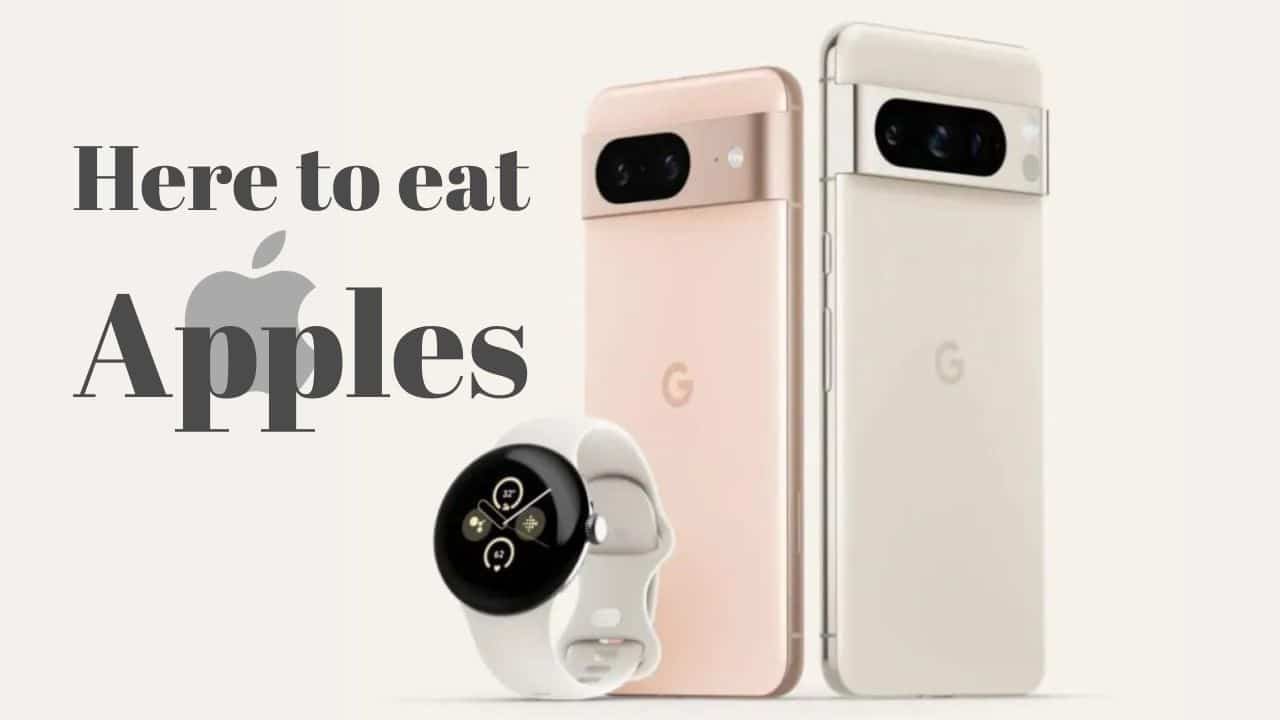
    The Apple iPhone 15 series now faces fresh competition as Google introduced its latest smartphone, the Pixel 8, on Wednesday, alongside a new smartwatch that seamlessly integrates advanced artificial intelligence (AI) technology into its core consumer devices.

    The enhancements made to the Pixel phones, which are particularly popular among photography enthusiasts and those who prefer a pure Android experience, have the potential to make them more appealing to shoppers as they plan their holiday season purchases.

    Google has upgraded the Pixel lineup by equipping it with the Tensor G3 mobile processor, which includes native machine learning and generative AI models. These AI features can assist users in various ways, such as improving photography, summarising web content, and blocking unwanted spam calls. This announcement was made during the Made by Google event held in New York.

    Additionally, the higher-end Pixel 8 Pro now features a temperature sensor, and Google has applied for approval from the Food and Drug Administration to enable a thermometer app for measuring body temperature.

    The Pixel 8 is priced starting at $699, while the Pixel 8 Pro starts at $999, making it $100 more expensive than the previous generation models. Both models will be available for purchase starting on October 12th.

    At the event, Google emphasized its commitment to mobile AI, a direction that IDC analyst Ryan Reith noted could have a significant impact on the industry, especially in the US, if accompanied by strong marketing efforts.

    Notably, in the previous month, Apple launched a new series of iPhones that included improvements in design and performance but did not increase prices, reflecting the ongoing challenges in the global smartphone market.

    According to IDC, Google’s Pixel ranks 12th globally in terms of smartphone shipments, holding a 0.9 per cent market share. The largest market for Pixel devices is the United States, accounting for approximately 39 per cent of global shipments, followed by Japan at 29 per cent and the UK at 9 per cent.

    In addition to the smartphone and smartwatch announcements, Google also revealed plans to integrate generative AI capabilities into its virtual assistant, enabling it to assist users with tasks like trip planning and email management while also asking follow-up questions.

    Furthermore, Google introduced the Google Watch 2, an upgraded version of its first smartwatch released in October of the previous year. It is priced at $349 and comes with a digital crown and advanced health tracking features powered by AI.

  • OpenAI introduces ChatGPT app for iPhone users with voice input and synced chat history

    OpenAI introduces ChatGPT app for iPhone users with voice input and synced chat history

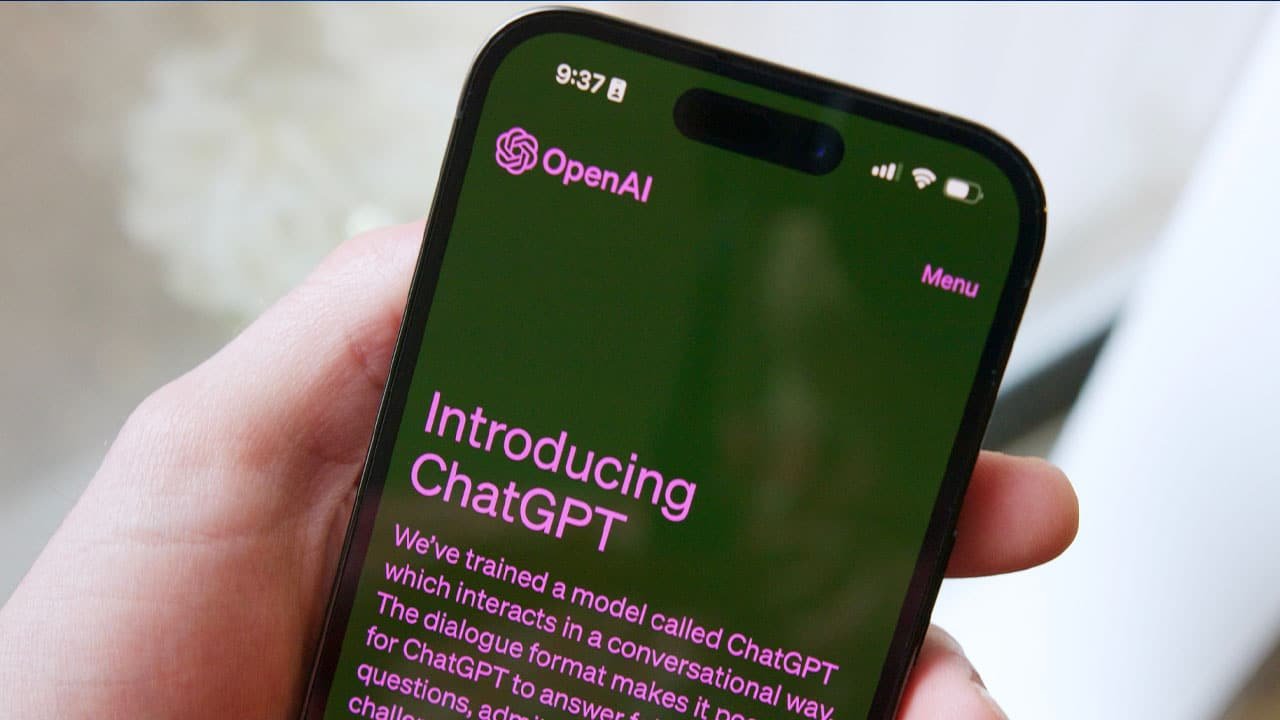
    OpenAI has recently launched an exclusive ChatGPT application for iOS users, catering to the needs of those on the go. This downloadable and installable app provides added convenience for interacting with the bot, along with a host of impressive functionalities.

    One noteworthy feature is the incorporation of voice input, utilizing OpenAI’s open-source speech recognition model, Whisper. This integration enables users to engage with the bot using their voice, presenting an additional avenue for chat interactions.

    Moreover, the application seamlessly synchronizes your chat history across different platforms, including the web version of ChatGPT and other connected devices. This ensures a consistent and unified user experience, allowing you to effortlessly continue your work and keep track of previous queries while on the move.

    For subscribers of ChatGPT Plus, a variety of benefits await. These include access to the enhanced GPT-4 version, early access to upcoming features, and faster response times—much like the web version.

    Presently, the application is available for download on the Apple App Store to iOS users in the United States. It is expected that the availability of the app will soon expand to other countries. Android users can anticipate a similar timeline for the release of their version of the app.

  • ChatGPT’s impact on the job market: Which professions will be most affected?

    ChatGPT’s impact on the job market: Which professions will be most affected?

    The rise of artificial intelligence has led to concerns about job displacement and unemployment. As a large language model trained by OpenAI, ChatGPT is one such example of AI technology that has the potential to impact the workforce.

    In this article, we will explore the ways in which ChatGPT may affect jobs, and whether it is ultimately beneficial or detrimental for employees.

    What is ChatGPT?

    Before delving into the impact of ChatGPT on jobs, it is important to understand what it is and how it works. ChatGPT is a natural language processing model that uses deep learning techniques to generate human-like responses to text-based queries. It was developed by OpenAI and is based on the GPT-3.5 architecture, which enables it to understand and generate language with remarkable accuracy.

    ChatGPT can be used for a variety of purposes, including customer service, chatbots, and even creative writing. It has the ability to learn from large amounts of data, which means that it can continue to improve and become more accurate over time.

    Impact of ChatGPT on jobs

    The rise of AI technology has led to concerns about job displacement and unemployment, particularly in industries that rely heavily on manual labor or routine tasks. However, the impact of ChatGPT on jobs is more nuanced and depends on the specific industry and job type.

    To better understand the potential impact of ChatGPT on jobs, let’s take a closer look at some of the industries and job types that may be affected:

    Customer service

    One of the most obvious applications of ChatGPT is in customer service. Chatbots powered by ChatGPT can provide customers with quick and accurate responses to their queries, without the need for human intervention. This has the potential to reduce the number of customer service representatives needed, particularly for routine inquiries.

    Still, ChatGPT is not a complete replacement for human customer service representatives. While it can provide quick and accurate responses to routine inquiries, it may struggle with more complex or nuanced queries that require empathy and human judgment.

    Creative writing

    Another potential application of ChatGPT is in creative writing. ChatGPT has the ability to generate human-like responses to text-based prompts, which means that it can be used to write articles, scripts, and even novels.

    While this may seem like a threat to human writers, it is important to note that ChatGPT is not capable of original thought or creativity. It can only generate responses based on the data it has been trained on. Human writers will still be needed to create truly original and creative content.

    Data entry

    Data entry is a job that involves manually inputting data into a computer system. While this may seem like a mundane task, it is still a job that many people rely on for their livelihood. ChatGPT has the potential to automate some aspects of data entry, which may reduce the need for human data entry clerks.

    However, it may struggle with handwriting recognition, and may not be able to accurately input data from non-textual sources such as images or audio recordings.

    Benefits of ChatGPT for employees

    While there may be some potential job displacement due to the rise of ChatGPT, there are also several benefits for employees. Here are just a few:

    Quick and convenient support

    One of the most significant benefits of ChatGPT is that it provides quick and convenient support to employees. With ChatGPT, employees can quickly get answers to their questions without having to wait for a human representative. This can save employees a significant amount of time, enabling them to focus on their tasks and responsibilities more effectively.

    Improved productivity

    ChatGPT can also help to improve employee productivity. By providing fast and accurate answers to employee queries, ChatGPT can reduce the amount of time employees spend looking for information. This can free up more time for employees to focus on critical tasks, helping to improve productivity and efficiency.

    Enhanced learning and development

    ChatGPT can also be used as a tool for learning and development. By providing employees with access to a wealth of information and resources, ChatGPT can help to enhance employee knowledge and skills. This can be particularly useful for employees who are new to a job or those who are looking to expand their knowledge in a particular area.

    Increased accessibility

    Another benefit of ChatGPT is that it can increase accessibility for employees. With ChatGPT, employees can access information and support from anywhere and at any time. This can be particularly useful for remote workers or those who work outside of traditional office hours.

    Personalised assistance

    Finally, ChatGPT can offer personalised assistance to employees. By using machine learning algorithms, ChatGPT can learn about employees’ needs and preferences over time, providing more personalised support and assistance. This can help to improve the employee experience, leading to increased engagement and job satisfaction.