Tag: aid

  • US to give $10m to Pakistan for food security

    US to give $10m to Pakistan for food security

    United States (US) Secretary of State, Antony Blinken, has said that the US government is pleased to announce another $10 million for Pakistan’s food security programme.

    Foreign Minister Bilawal Bhutto-Zardari met Blinken at the State Department in Washington DC on Monday.

    Holding a joint press conference following the meeting, Bilawal said that diplomacy between the State Department and the foreign ministry of Pakistan is back once again.

    “It is indeed true that diplomacy is back between the US State Department and the foreign ministry of Pakistan,” he stressed.

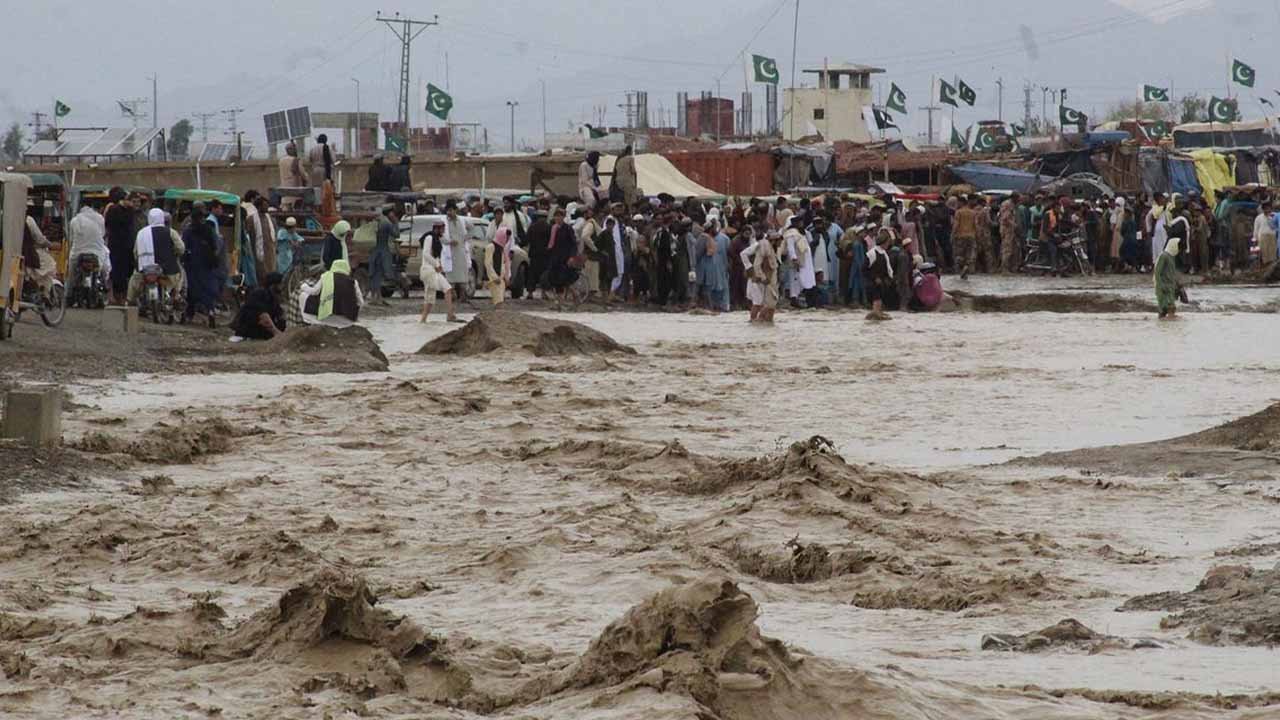
    Blinken said this is a very difficult time for Pakistan after floods wreacked havoc in the country. Floods will have long-term repercussions if the situation is not handled immediately, he warned.

    The US top official said, “We are meeting when Pakistan’s one-third [area] is under water. We have a sense of urgency and sense of determination. We’re looking ahead to rebuild.”

    He stated that the US stands with the people of Pakistan at this crucial time and added that 17 planes carrying aid for flood victims had already left the country. Pakistan will also receive an additional $10 million for its food security programme, he noted.

    “That has an immediate impact. But unless we’re able together to deal with the challenge, it will have a long-term impact as well,” said Blinken.

    “I also urged our colleagues to engage China on some of the important issues of debt relief and restructuring so that Pakistan can more quickly recover from the floods,” Blinken said.

    China is a key economic and political partner of Pakistan, pushing ahead with a $54 billion “economic corridor” that will build infrastructure and give Beijing an outlet to the Indian Ocean, although Chinese interests have also faced attacks from separatists.

    During the press conference, Bilawal also invited Blinken to visit Pakistan.

  • World Bank proposes $2 billion for flood-ravaged Pakistan

    World Bank proposes $2 billion for flood-ravaged Pakistan

    The World Bank has proposed $2 billion in finance to jump-start infrastructure restoration and rebuilding following severe flooding.

    Martin Raiser, the new Vice President of the World Bank for the South Asia Region, revealed that he had just returned from his first official trip to the country that had been devastated by floods and reaffirmed his commitment to helping the Pakistani people as the floods wreaked havoc all over the nation.

    The international lender expressed regret for the loss of lives and livelihoods and stated that they were collaborating with the federal and provincial governments to offer prompt relief.

    A World Bank official also disclosed that monies from ongoing World Bank-financed programmes are being repurposed to address immediate needs in the areas of health, food, shelter, rehabilitation, and cash transfers.

    The Prime Minister, Shehbaz Sharif, has been requesting a freeze on loan repayment from the Paris Club and others, claiming that there is a huge discrepancy between what is being requested and what is actually available. He also asked the head of the UN and the leaders of Europe to help.

    Recently, the PM of Pakistan visited New York City for the UNGA. In his speech, the PM emphasised Islamabad’s predicament following the flooding disaster and pleaded with world leaders to band together and take action before it’s too late.

  • World Bank to provide Pakistan $22.2 million in financial support for flood-affected farmers

    World Bank to provide Pakistan $22.2 million in financial support for flood-affected farmers

    In an attempt to help Pakistan’s flood-affected farmers, the World Bank will provide financial support of $22.2 million.

    A delegation led by the World Bank’s South Asia Regional Director for Sustainable Development, John A Roome, met with the Federal Minister for National Food Security and Research, Tariq Bashir Cheema.

    The discussion at the meeting focused on the farmer community and food security, as well as the rehabilitation and relief operations in the flood-affected areas.

    According to the minister, rain and flooding have wreaked havoc on the agricultural industry and destroyed the farming community. In order to restore normalcy, he claimed that at this crucial moment, all attention is being paid to restoration efforts in the flood-affected districts.

    He mentioned the government’s intention to provide subsidies for fertiliser and seeds to help the impacted farmers. According to the idea, the federal government will cost-share with the provinces to give farmers discounted inputs for the upcoming Rabi season.

    “We plan to provide subsidized wheat and edible oil seeds, and one fertilizer bag per acre to farmers in the calamity-hit areas,” he said.

    Provincial governments and the National Disaster Management Authority will handle the disbursement. He believed that with this support, farmers will be able to stand up again.

    According to John A. Roome, the World Bank would assist Pakistan by funding initiatives aimed at rebuilding the devastated neighbourhood. He consented to assist the World Bank’s Locust Emergency and Food Security (LEAFS) initiative in rehabilitating the farming community in the afflicted districts and locust-stricken regions. He said that the World Bank is assisting the farming community by collaborating with provincial agriculture agencies.

    He stated that he would ask the World Bank Group Board to extend aid to Pakistan as it attempts to recover from the damage brought on by unheard-of floods. The minister also praised the World Bank Group’s support at a time when assistance was most needed for the country.

  • Flood-related losses may exceed $10 billion: Ahsan Iqbal

    Flood-related losses may exceed $10 billion: Ahsan Iqbal

    Planning Minister Ahsan Iqbal said that the initial economic losses caused by the floods in Pakistan cost at least $10 billion.

    The estimated cost was disclosed by Planning Minister on Monday, saying that Pakistan needed help from the rest of the world to deal with the consequences of climate change.

    Unexpected monsoon rains have caused historic flash floods that have destroyed bridges, crops, infrastructure, and highways, killing over 1,000 people and affecting more than 33 million. “I think it is going to be huge. So far, (a) very early, preliminary estimate is that it is big, it is higher than $10 billion,” Iqbal said.

    The minister estimated that the 200-million-person South Asian country, which will be facing an acute food scarcity, may take five years to reconstruct and recover.

     Along with significant damage to the rice fields, he claimed that 45 per cent of the cotton harvests had been washed away. “I think it is going to be huge. So far, (a) very early, preliminary estimate is that it is big, it is higher than $10 billion,” Iqbal said.

    According to Reuters, the Pakistani military said in a statement on Tuesday that rescue operations were still in progress and that foreign aid, including seven military aircraft from Turkey and three from the United Arab Emirates, was beginning to reach the nation.

    More aid will be sent to Pakistan as a result, which will assist it in overcoming its current condition.

    More than 300 stranded persons had been airlifted away, more than 23 metric tonnes of relief supplies had been provided, and more than 50 medical camps had been set up, with more than 33,000 patients receiving treatment, according to the statement.

    Moreover, China will send two aircraft on Tuesday (today) carrying 3,000 tents and Japan will send tarpaulins and shelters, in addition to the announcements of financial support from the UK, Canada, Australia, and Azerbaijan.

    As the cash-strapped nation struggles with political and economic unrest made worse by the historic floods, the International Monetary Fund (IMF) threw it another lifeline on Monday by releasing $1.17 billion in bailout funding.

    “Pakistan is in dire need and the damages are here and we will be in this a very long time,” Iqbal said. “It’s not months but years we are talking about.”

  • What caused Pakistan’s greatest flood in a decade?

    What caused Pakistan’s greatest flood in a decade?

    Floods in Pakistan have affected millions of people, drowned hundreds, and prompted the government to proclaim a national emergency.

    Nearly 1,000 people have died since June, according to the National Disaster Management Authority (NDMA). People are looking for shelter as torn tents fill the streets of Sukkur.

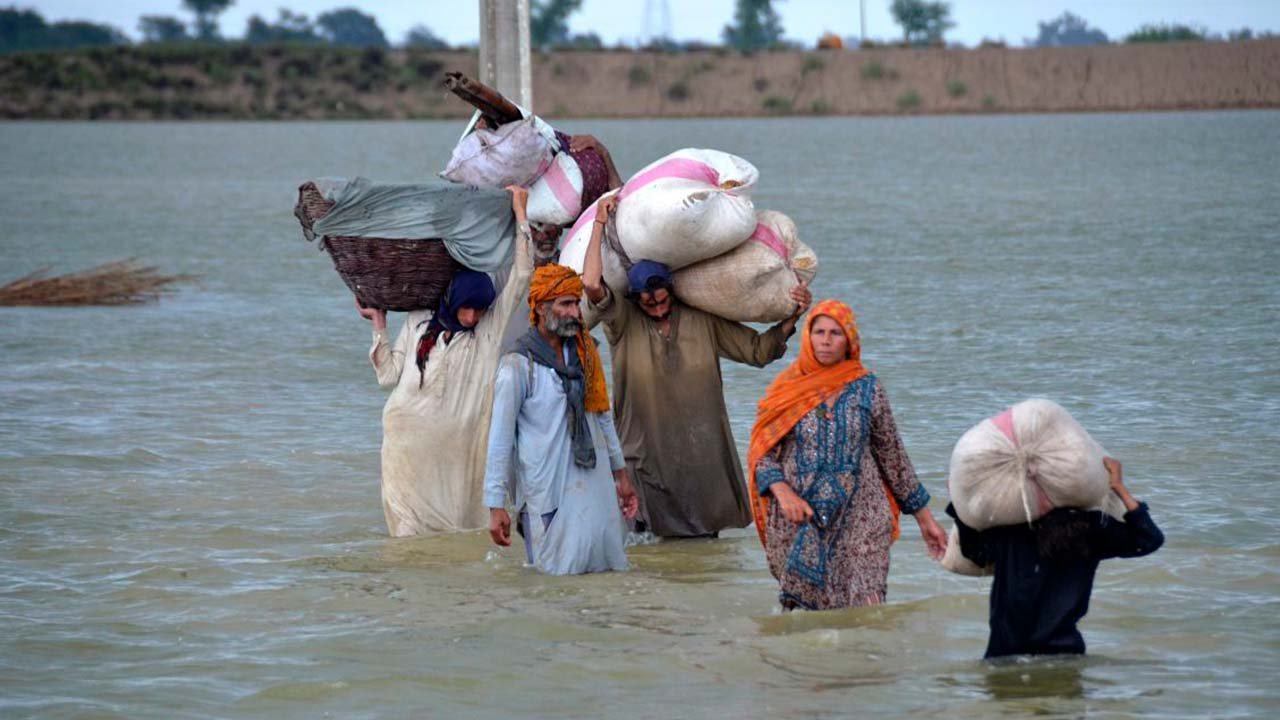
    Around 15,500 people sacrificed everything in the 1,000-kilometer-long coastal area patch of Sindh’s Thatta district.

    The flood water has swallowed up people’s entire life savings, earned after years of hard work, meant to get their kids educated.

    The locals are concerned that the standing water may spread waterborne diseases. There hasn’t been any relief for residents expecting to return home to see what can be salvaged because it has been raining all week in Sindh province.

    Many houses in the city’s center have sustained damage, leaving only the walls standing.

    Over 300 people have died as a result of the floods in the province of Sindh alone. People set up tents along the narrow alleyways in any remaining dry area because further rain is predicted.

    About 15 per cent of the population, or 33 million people, were affected by the floods, according to Prime Minister (PM) Shehbaz Sharif on Friday.

    The nation has pleaded for greater international assistance, as PM met with ambassadors from other countries in Islamabad.

    He claimed that this season’s flood losses were on par with those from the floods of 2010–2011.

    The country is currently experiencing its eighth monsoon cycle, whereas typically there are only three to four cycles of rain, according to climate minister Sherry Rehman.

    She claimed that the proportions of super flood torrents are startling.

    Numerous monsoon cycles that have hit Pakistan since the start of summer have destroyed more than 400,000 homes.

    The Office for the Coordination of Humanitarian Affairs (OCHA), the UN organization in charge of disaster relief, announced on Thursday that at least 184,000 people had been relocated to relief camps.

    The rains have notably affected Sindh, which has seen nearly eight times its normal August rainfall. Southern Pakistan has been severely hit.

    On Thursday, Ms. Rehman claimed that officials had requested a million tents to house the refugees.

    What led to Pakistan’s floods?

    Extreme weather conditions or rains brought on by climate change are to blame for the recent floods that have affected Pakistan. Some floods originate in inland regions because of excessive rain, whereas others happen at the seashore because of sea-level rise, causing devastation in coastal districts.

    High tides in the sea cause heavy flooding primarily in coastal locations. Because of the daily rise in global temperature, this is related to climate change.

    There are two main causes of the floods: The experts noted that sea-level rise is a result of expanding saltwater caused by glacier and Arctic sea ice melting as well as cyclones and heavy rains brought on by warming ocean temperatures.

    Seawater intrusion inland has been caused by a significant sea-level rise of 1 millimeter along coastal Sindh recorded over hundreds of years. Communities in coastal regions, where economic activity is concentrated, are significantly impacted by invasive sea water.

    Experts have noted that the storms that have occurred more frequently and with greater severity in the Arabian Sea over the past 50 years as a result of climate change have an economic impact on urban areas like Karachi, Badin, and Thatta.

    According to a research, the primary causes of sea incursion include thermal expansion, freshwater inflows, physical forces, monsoon fluctuation, and ocean current variance.

    As seawater warms, the top layers of the ocean release some heat into the sky, while the lower layers hold onto this heat for a longer time and in greater amounts. As a result, saltwater gradually warms up due to a process known as thermal expansion.

    According to a study, freshwater inflow from melting glacial layers, ice sheets, and sea ice contributes to sea level rise. Freshwater input also rises as a result of the hydrogen cycle brought on by the warming of the oceans and surface areas.

    The scenario of subsidence and lifting also affects sea level without changing the volume of ocean water. This is caused by tectonic activities such extraction for oil, gas, and water.

    A direct connection between climate change and variations in monsoon rainfall. In recent years, Pakistan has had numerous instances of extreme monsoon rainfall and flooding.

    Regional ocean currents, which transfer a lot of water from one place to another, do not alter the volume but have an impact on sea level in another place.

  • Pressure on Pakistani rupee may decrease in August

    Pressure on Pakistani rupee may decrease in August

    Finance Minister Miftah Ismail expressed his continued faith in Pakistani rupee’s (PKR) ability to withstand pressure despite the PKR continuing to hit historic lows versus the US dollar and suffering its biggest weekly slide in more than 20 years.

    The finance minister stated in an interview with Radio Pakistan that the political climate and the fact that import payments are being made for shipments beginning in June are both contributing factors to the pressure on the PKR.

    “Import of $80 billion were made during the last fiscal year. We are still making payments for energy commodities purchased last month. Therefore, the rupee is under pressure. However, as we are importing less in July, its effect would be reflected from next month or, I should say, next week.”

    “The rupee’s fall is connected to the political situation as well. Before July 17, the situation wasn’t like this,” he added.

    Miftah also spoke about Pakistan’s economic issues, stating that the poor export base continues to be a matter of concern.

    The local currency has continued to depreciate against the US dollar, losing 7.6 per cent last week, more than what businesses typically account for in terms of annual currency depreciation, as the inter-bank market experienced a turbulent five sessions due to renewed political uncertainty and increased worries about Pakistan’s external financing needs.

    He also revealed that one friendly country is ready for an instant investment in Pakistan.

    It is worth noting that Pakistan anticipates receiving the next International Monetary Fund (IMF) tranche before the end of the following month following the board meeting.

  • Hyderabad will finally get Rescue 1122 service by 2023

    Hyderabad will finally get Rescue 1122 service by 2023

    Deputy Commissioner of Hyderabad Fuad Ghaffar Soomro, who also serves as acting Director-General of the Hyderabad Development Authority (HDA), revealed that Hyderabad would launch its 1122 emergency service by the following year.

    Additionally, Garbage disposal in the city will also become operational by the next month due to the recent contract that has been inked.

    He was addressing the Hyderabad Chamber of Commerce and Industry (HCCI) members in this location on Tuesday night. The Site area filtration facility, he claimed, had been rendered operational and would shortly be turned over to the Water and Sanitation Agency (Wasa).

    According to him, Hyderabad’s water quality is superior to Karachi’s. He also noted that the city’s power outages had grown since the introduction of 1000 MW of energy. He claimed the water supply and drainage industries were being impacted.

    He committed to resolving the problems with marriage gardens and reception halls. Underpasses, he added, were also necessary for the metropolis. For the renovation and adornment of roundabouts and greenbelts, he requested the assistance of the business community.

    He gave the business community his word that problems with the fruit market would be taken care of within a timely manner.

    In his welcome speech, HCCI President Adeel Siddiqui noted that rising gas costs, electricity and gas prices, as well as unannounced power outages, were all contributing to a decline in production at small and medium-sized businesses.

    He claimed that industrialists were having difficulties as a result of administrative hurdles. He claimed that the city needed an effective firefighting apparatus. He said that several parts of Latifabad lacked access to even drinkable water.

  • Pakistan sends aid to earthquake-stricken Afghanistan

    Pakistan sends aid to earthquake-stricken Afghanistan

    The National Disaster Management Authority (NDMA) on Thursday dispatched relief supplies for the earthquake victims in Afghanistan on the special directives of Prime Minister (PM) Shehbaz Sharif.

    Details indicate that the NDMA dispatched a shipment containing family tents, tarpaulins, blankets, and emergency medications, according to the NDMA spokesperson.

    “Pakistan has assured all possible support to ameliorate the sufferings of the Afghan people affected by the 6.1 magnitude earthquake which hit parts of Afghanistan on Wednesday, (June 22, 2022)”, it said.

    The relevant authorities were told on Wednesday by the PM Shehbaz Sharif, to assist Afghanistan when necessary. The PM expressed his grief over the earthquake in Afghanistan that claimed innocent lives in a message posted on his Twitter account. He said, “People in Pakistan share the sorrow and grief of their Afghan brethren.”

    Additionally, Imran Khan, a former minister, gave instructions to his KP government to arrange for medical facilities for the affected people in the neighbouring nation.

    Mahmood Khan, the chief minister of KP, has instructed the chief secretary and the health minister to send medical teams and aid to the nation’s earthquake-affected regions in accordance with orders from Imran Khan.

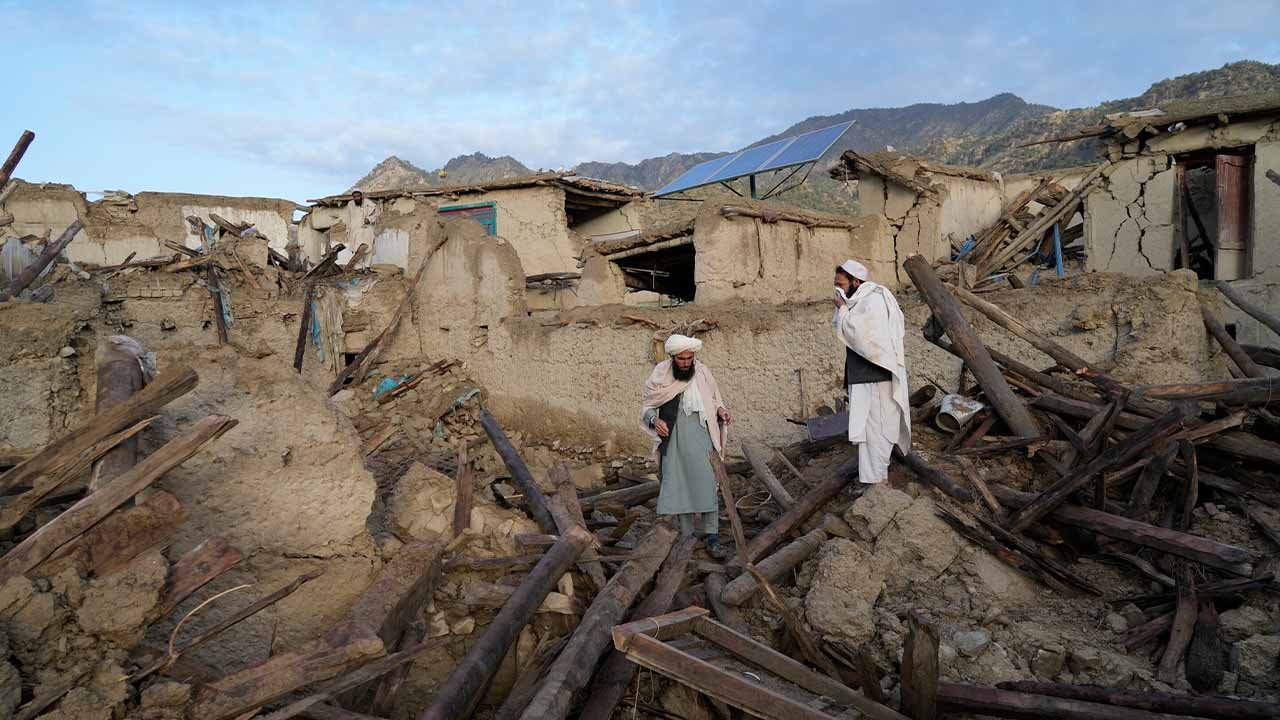
    A 6.1-magnitude earthquake that struck Afghanistan early on Wednesday left 950 people dead, and more than 600 injured. The death toll is expected to rise as news from isolated mountain villages trickles in, according to a report by Reuters.

    Images posted on Afghan media showed houses in ruins and bodies lying on the ground covered in blankets.

    According to Salahuddin Ayubi, an official with the interior ministry, helicopters were used in the rescue effort to transport food and medical supplies to the injured.

    The earthquake on Wednesday was the deadliest since 2002. The US Geological Survey (USGC) reported that it struck about 44 kilometres (27 miles) from the southeast Afghan city of Khost, close to the Pakistani border.

  • Rescue 1122 service to officially launch in Karachi this month

    Rescue 1122 service to officially launch in Karachi this month

    On May 30, the Sindh government will finally launch the Rescue 1122 service in Karachi, which would provide emergency aid to those in need.

    The approval was announced at a briefing held on Thursday at the Sindh Secretariat, with Sindh Chief Secretary Dr Muhammad Sohail Rajput in the chair. The initiative to open the trauma center and Rescue 1122 service in Larkana would also be finished by May 30, according to relevant officials.

    Later on, the service would be expanded to include the province’s other divisions. The meeting resolved that on the motorway and the Indus Highway, fire engines and ambulances would be available every 50 kilometers.

    Once the ambulance service is established under the Rescue 1122 service, the fire department would follow suit. Barrister Murtaza Wahab, the Administrator of the Karachi Metropolitan Corporation (KMC) and Adviser to the Sindh Chief Minister on Law, said that a fleet of 50 ambulances will begin operating in Karachi on May 30 as part of the Rescue 1122 service.

    According to him, the Sindh government chose to introduce the rescue service in Karachi after improving the city’s civic infrastructure and transportation amenities. Under the rescue plan, he said, a quick response centre would be constructed in the city every 10 kilometres.

    Read more: Met department predicts torrential rains starting next week

    Meanwhile, another meeting, chaired by the Sindh chief secretary, resolved to enlist the help of the Sindh police and Rangers to combat wheat hoarding and smuggling in the state.

  • Pakistan dispatches aid for flood-affected Afghans

    Pakistan dispatches aid for flood-affected Afghans

    Pakistan is delivering emergency aid commodities to Afghanistan, where severe rains and flooding killed several individuals and wrecked hundreds of residences.

    The Ministry of Foreign Affairs (MOFA) on April 7, revealed that Pakistan dispatched a C-130 plane to Mazar-e-Sharif with emergency relief supplies for Afghans affected by flash floods.

    According to Afghanistan’s National Disaster Management Authority (NDMA), flooding and storms killed roughly 22 people and injured 40 others in 12 regions.

    On Thursday, Prime Minister (PM) Shehbaz Sharif remarked that Pakistan is with Afghan people in this challenging hour and will provide them with every possible help. He stated that the Afghan people will receive all available assistance.

    PM Sharif voiced grief over the loss of innocent lives in at least ten provinces of Afghanistan as a result of floods, and urged the international community to assist the Afghan people in the aftermath of the devastating floods in a country already suffering from a humanitarian and economic crisis.

    Read more: Turkey: Food prices surged by 89 per cent, transportation costs increased by 106 per cent

    He emphasised that the Organization of Islamic Cooperation (OIC) should step up efforts to help the Afghan people afflicted by the conflict through the Afghan Humanitarian Trust. PM Sharif suggested that the international world, particularly the United Nations, begin an assistance programme for Afghanistan to offer food, medical help, and shelter to the poor and homeless.