Tag: air pollution

  • Air pollution linked to 135 million premature deaths: study

    Air pollution linked to 135 million premature deaths: study

    Pollution from man-made emissions and other sources like wildfires have been linked to around 135 million premature deaths worldwide between 1980 and 2020, a Singapore university said Monday.

    Weather phenomena like El Nino and the Indian Ocean Dipole worsened the effects of these pollutants by intensifying their concentration in the air, Singapore’s Nanyang Technological University (NTU) said, unveiling the results of a study led by its researchers.

    The tiny particles called particulate matter 2.5, or “PM 2.5”, are harmful to human health when inhaled because they are small enough to enter the bloodstream. They come from vehicle and industrial emissions as well as natural sources like fires and dust storms.

    The fine particulate matter “was associated with approximately 135 million premature deaths globally” from 1980 to 2020, the university said in a statement on the study, published in the journal Environment International.

    It found that people were dying younger than the average life expectancy from diseases or conditions that could have been treated or prevented, including stroke, heart and lung disease, and cancer.

    Weather patterns increased the deaths by 14 percent, the study found.

    Asia had the “highest number of premature deaths attributable to PM 2.5 pollution” at more than 98 million people, mostly in China and India, the university said.

    Pakistan, Bangladesh, Indonesia and Japan also had significant numbers of premature deaths, ranging from 2 to 5 million people, it added.

    The study is one of the most expansive to date on air quality and climate, using 40 years of data to give a big-picture view of the effects of particulate matter on health.

    “Our findings show that changes in climate patterns can make air pollution worse,” said Steve Yim, an associate professor at NTU’s Asian School of the Environment, who led the study.

    “When certain climate events happen, like El Nino, pollution levels can go up, which means more people might die prematurely because of PM 2.5 pollution,” Yim added.

    “This highlights the need to understand and account for these climate patterns when tackling air pollution to protect the health of the global population.”

    The Singapore researchers studied satellite data from the US National Aeronautics and Space Administration (NASA) on the levels of particulate matter in the Earth’s atmosphere.

    They analysed statistics on deaths from diseases linked to pollution from the US-based Institute for Health Metrics and Evaluation, an independent research centre.

    Information on weather patterns during the period was taken from the National Oceanic and Atmospheric Administration in the United States.

    The study focused only on the effects of ordinary weather patterns on air pollution, Yim said, adding that the impact of climate change will be the subject of future studies.

    Researchers from universities in Hong Kong, Britain and China were also involved in the study.

    The World Health Organization has said the “combined effects of ambient air pollution and household air pollution” are associated with 6.7 million premature deaths worldwide every year.

  • Do you know what were the top three most polluted countries in 2023?

    Do you know what were the top three most polluted countries in 2023?

    IQAir, a Swiss air monitoring organisation, published its World Air Quality Report on Tuesday revealing troubling details of the world’s most polluted countries, territories, and regions in 2023.

    “IQAir’s annual report illustrates the international nature and inequitable consequences of the enduring air pollution crisis. Local, national, and international effort is urgently needed to monitor air quality in under-resourced places, manage the causes of transboundary haze, and cut our reliance on combustion as an energy source,” states Aidan Farrow, Sr. Air Quality Scientist, Greenpeace International.

    “In 2023, air pollution remained a global health catastrophe. IQAir’s global data set provides an important reminder of the resulting injustices and the need to implement the many solutions that exist to this problem.”

    The report revealed that Pakistan, alongside Bangladesh and India, remained among the top three countries with the highest levels of air pollution, particularly concerning particulate matter, in 2023.

    The concentrations of PM2.5, harmful airborne particles detrimental to respiratory health, surpassed recommended levels by a staggering margin, as indicated by the World Health Organization (WHO).

    In Bangladesh, the average concentration of PM2.5 reached 79.9 micrograms per cubic meter, while in Pakistan, it stood at 73.7 micrograms per cubic meter. These figures starkly contrast with the WHO’s guideline of no more than 5 micrograms per cubic meter.

    “Because of the climate conditions and the geography (in South Asia), you get this streak of PM2.5 concentrations that just skyrocket because the pollution has nowhere to go,” said Christi Chester Schroeder, air quality science manager at IQAir.

    “On top of that are factors such as agricultural practices, industry and population density,” she added. “Unfortunately, it really does look like it will get worse before it gets better.”

    In 2022, Bangladesh was ranked fifth for its air quality, with India in the eighth position. Approximately 20% of premature deaths in Bangladesh are attributed to air pollution, with related healthcare costs accounting for a substantial portion of the country’s GDP, according to Md Firoz Khan, an air pollution expert at Dhaka’s North South University.

    India also witnessed an escalation in pollution levels in 2023, with PM2.5 levels exceeding the WHO standard by about 11 times. Notably, New Delhi emerged as the worst-performing capital city, recording a PM2.5 level of 92.7 micrograms.

    China experienced a 6.3% increase in PM2.5 levels in 2023, marking a departure from five consecutive years of decline. Conversely, only a handful of countries, including Australia, Estonia, Finland, Grenada, Iceland, Mauritius, and New Zealand, met the WHO standards for air quality.

    The IQAir report, based on data from over 30,000 monitoring stations across 134 countries and regions, highlighted significant gaps in air quality monitoring, particularly in countries where the health impacts of pollution are most severe.

    Christa Hasenkopf, director of the Air Quality Life Index at the University of Chicago’s Energy Policy Institute, said 39pc of countries have no public air quality monitoring.

    “Considering the large potential benefits and relatively low cost, it’s stunning that we don’t have an organised global effort to deploy resources to close these data gaps, especially in places where the health burden of air pollution has been largest,” she said.

  • Lahore High Court stops planting of palm trees on highways and motorways

    Lahore High Court stops planting of palm trees on highways and motorways

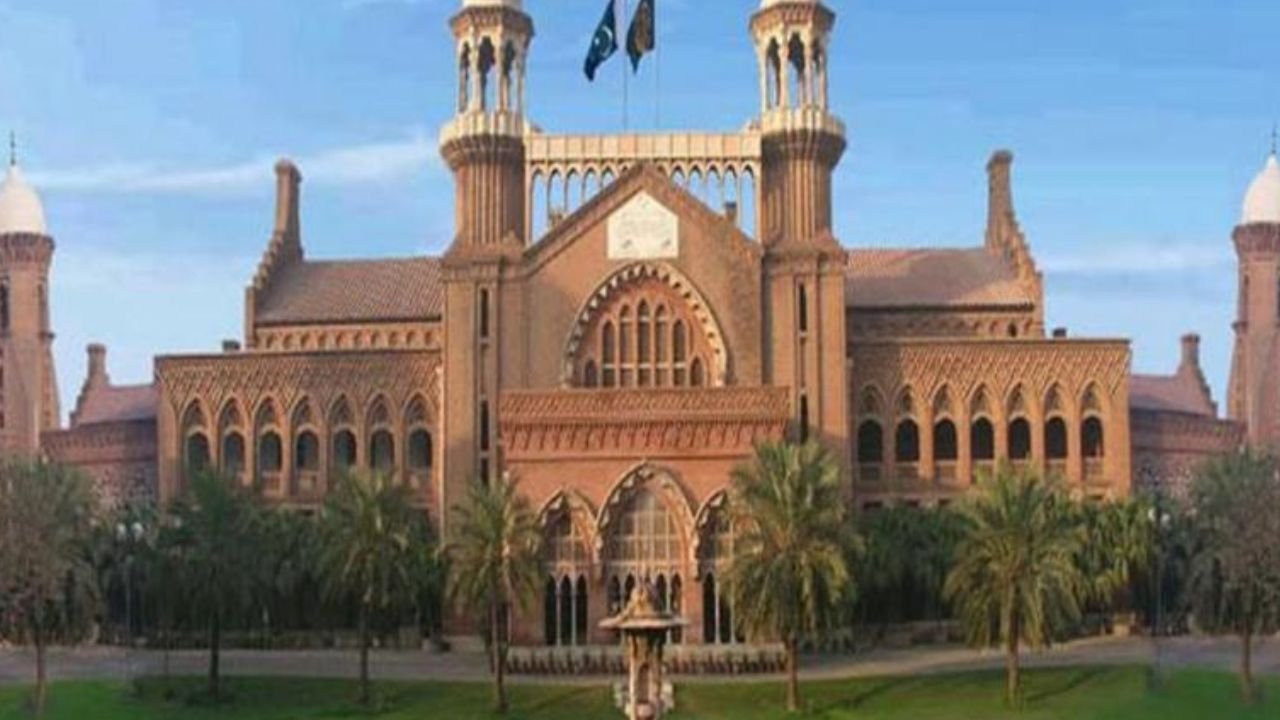
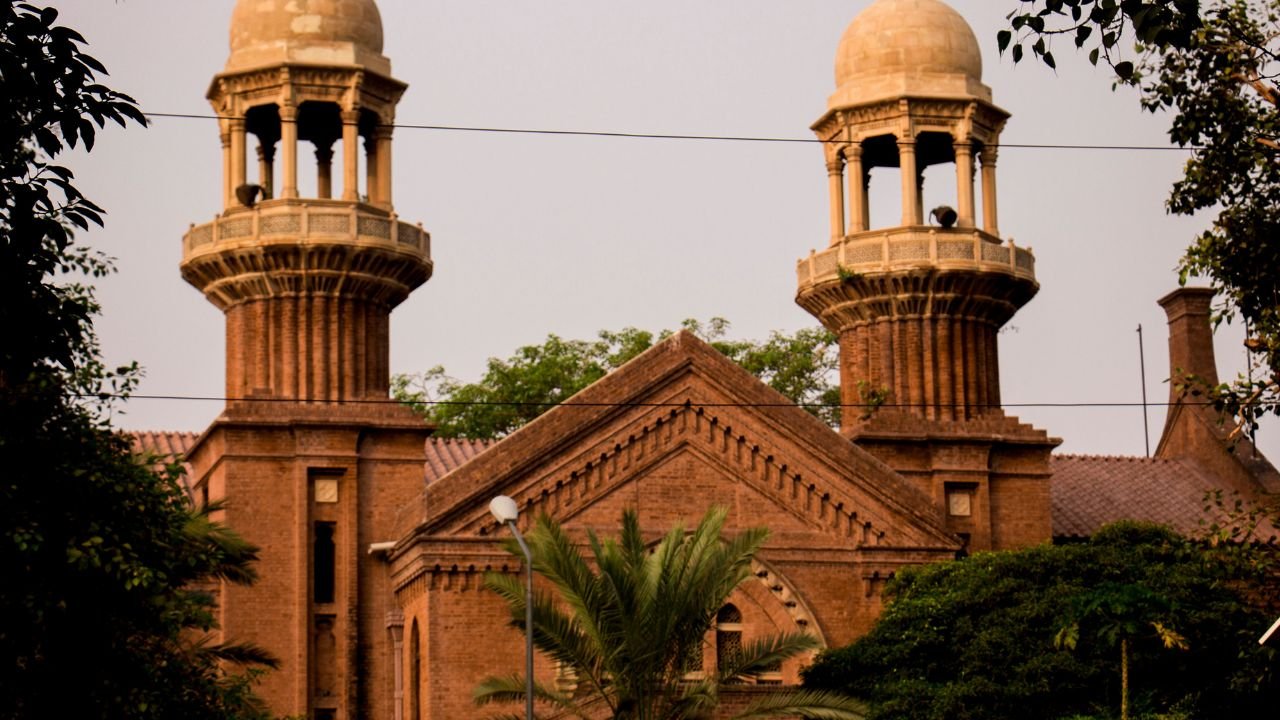
    Lahore High Court has stopped the planting of palm trees on highways and motorways, reports Geo.

    Justice Shahid Karim of Lahore High Court heard the petitions of citizen Haroon Farooq and others for the remedy of smog, during which DG Environment told the court that pollution does not stay on palm leaves as they grow better in hot areas. It has not been successful on motorways and highways in Islamabad.

    During the hearing, Justice Shahid Karim stated that there should be an investigation into the renovation and decoration of the underpasses in Lahore. “Who has earned the money for the renovation of the underpasses,” the court inquired. The judge then observed that the underpasses have become stranger than before, looking like a joke. He said that the strange lights which were installed in there went off on the first day.

    Justice Shahid Karim added that water should not be wasted as reports are indicating that the previous resource will run out by 2026- 2027. What steps did WASA take to install water meters, the court asked members of the water commission. He was informed in response that one year is required to install water meters.

    Later, the court ordered the DG Environment to stop the planting of palm trees on highways and motorways.

  • Canal and wuzu water to be used to sprinkle on roads

    Canal and wuzu water to be used to sprinkle on roads

    The Lahore High Court has directed the Water And Sanitation Agency (WASA) to use stored canal and ablution water for sprinkling the roads to combat dust, reports Geo.

    Justice Shahid Karim of Lahore High Court heard petitions for remedying smog, in which federal government’s lawyer Asad Bajwa. appeared in the court.

    During the hearing, the court said that in light of the commission’s report, WAPDA should take immediate action against the industries, the stored water of the canal, and ablutions should be used for sprinkling the roads. If not, WASA will be responsible for violating the court orders.
    The court said that keep things simple and not make things difficult, set new resolutions and targets for the new year, in the new year we have to commit to keeping the environment of the world clean.

  • Dhund nay kar dia safar mushkil

    Dhund nay kar dia safar mushkil

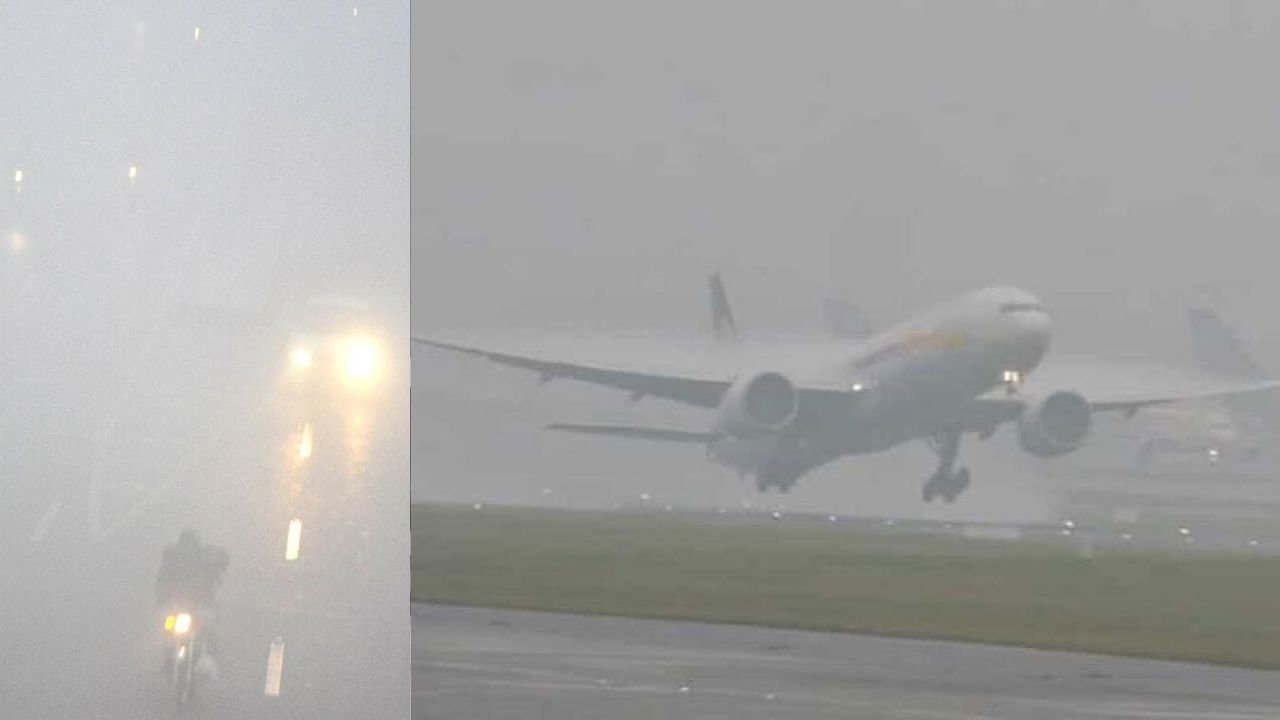
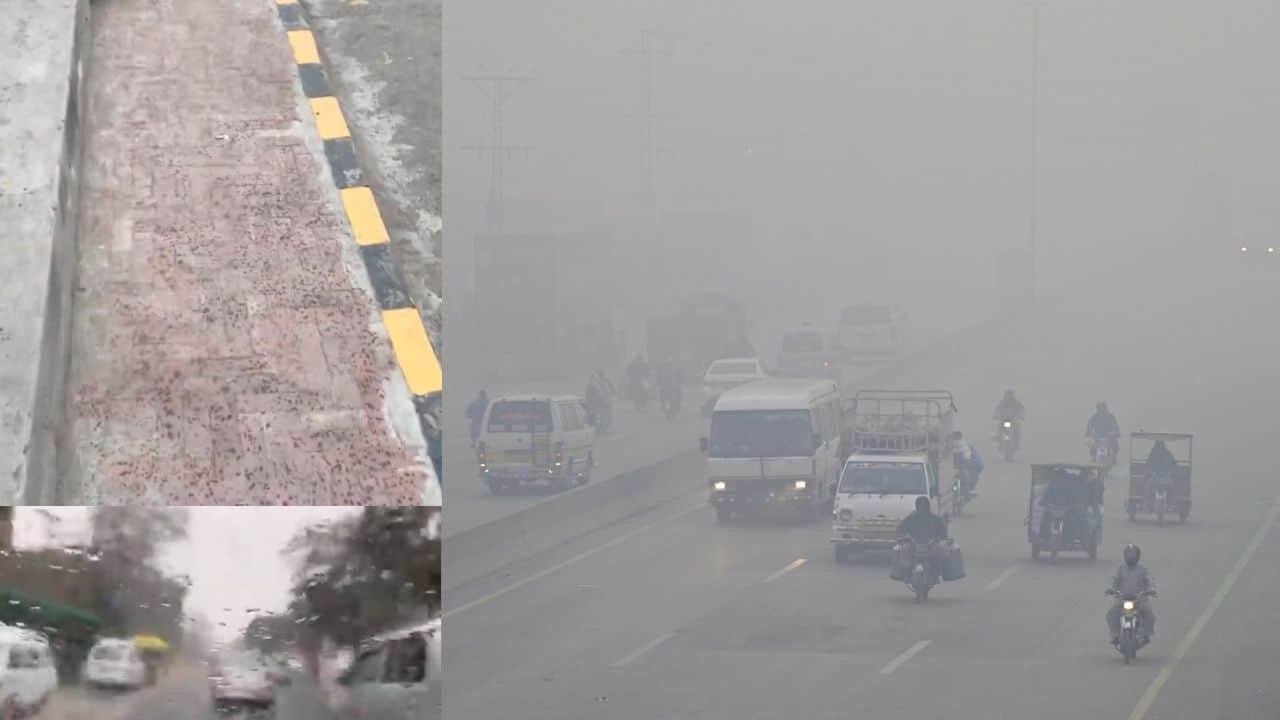
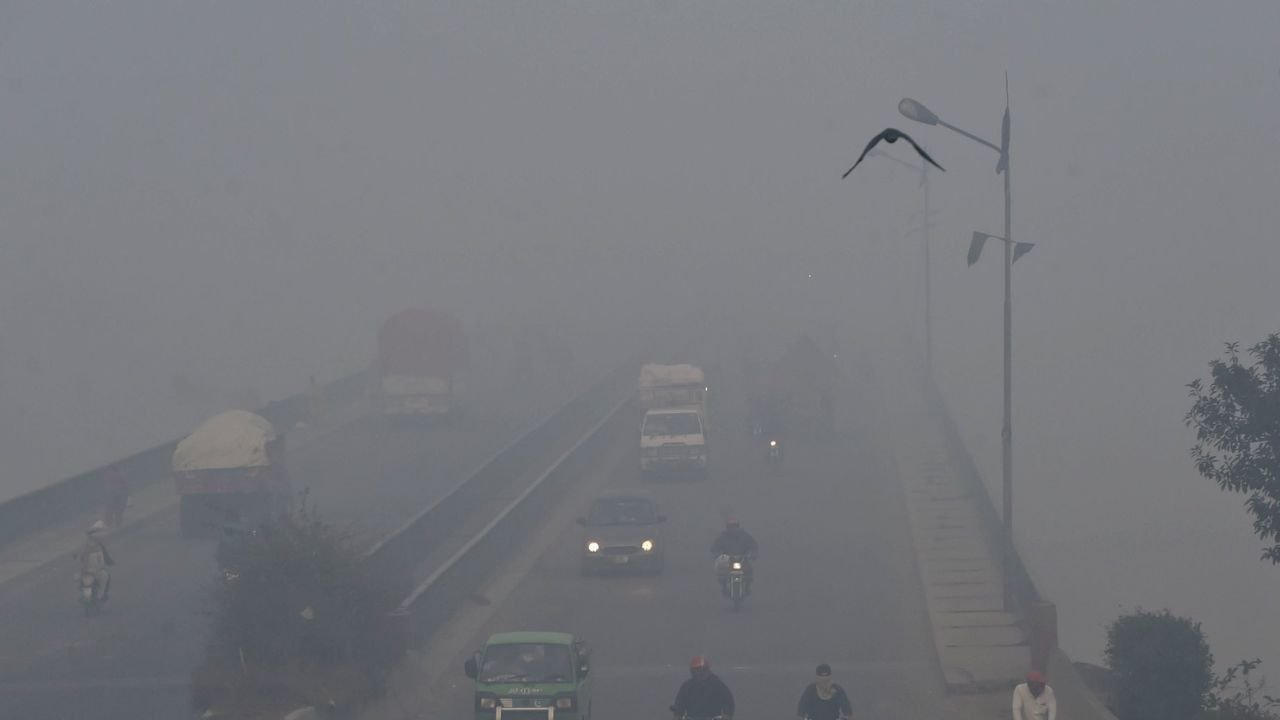
    A thick blanket of heavy fog has descended on different parts of Pakistan, severely impacting visibility and causing widespread transportation disruptions.

    Adverse weather conditions have compelled authorities to take precautionary measures, resulting in the closure of main highways and affecting air travel.

    The impact of the fog extends beyond Lahore, spreading as far as Mandi Bahauddin, Pindi Bhatian, Kot Addu, and Uch Sharif.

    Residents and commuters in these regions are urged to exercise caution and adhere to any instructions issued by local authorities.

    Sialkot and its surrounding regions, including Pasrur, Daska, and Sambrial, are grappling with reduced visibility levels, significantly disrupting traffic flow. Commuters are advised to stay informed about the latest weather updates and road closures to ensure their safety.

    The fog has not only affected ground transportation but has also disrupted air travel. Multiple flights have been canceled, and others delayed, impacting cities in Sindh and Punjab.

    The closures of major motorways, including the M2, M3, M4, M5, and M11, further compound transportation challenges.

    In addition to the transportation disruptions, the air quality in Lahore has deteriorated, earning the city the unfortunate distinction of being the most polluted in the world.

    Meanwhile, dense fog in various cities of Sindh and Punjab has led to operational challenges for flights. The Pakistan International Airliner (PIA) spokesperson emphasizes the importance of obtaining flight information from the PIA Call Centre before heading to the airport, considering the potential disruptions caused by the fog.

    Over the past week, a total of 32 flights destined for Faisalabad, Multan, Lahore, and other Punjab airports had to be redirected to Islamabad International Airport due to the prevailing fog conditions.

    “Severe fog ongoing in the country has affected PIA flights from Lahore, Multan and Sialkot airport,” the airline’s spokesperson, Abdullah Khan, said in a statement, adding the PIA apologized for any inconvenience caused due to these operational challenges.

    “Low visibility and intensity of fog pose difficulties in flight operations,” he added. “Flights from Lahore, Multan, and Sialkot may be canceled, changed or delayed due to fog.”

    Khan noted that flight operations were usually affected in these cities in winter.

    “All passengers are urged to obtain information about their flights from the PIA call center before heading to the airport,” he added.

    Unusual Winter Conditions Across Northwest India:

    Meanwhile, across Northwest India, including Punjab and Uttar Pradesh, a thick blanket of fog has descended, impacting visibility levels. Despite the fog, winter temperatures are milder than usual for this time of the year.

    The India Meteorological Department (IMD) reports that night temperatures in north-western states remain higher than normal, with at least 2-3°C above-normal readings in several regions. Delhi recorded a minimum temperature of 7.8°C, one degree above normal, with daytime temperatures reaching 22°C.

    Meteorologists attribute the warmer winter to the absence of strong western disturbances, traditionally responsible for winter rainfall over North India. Additionally, global warming is increasingly influencing weather patterns throughout the year, delaying the onset of winter and reducing the intensity of cold waves.

  • Artificial rain in Lahore; Just looking like a wow

    Artificial rain in Lahore; Just looking like a wow

    In a historic stride, Lahore on Saturday witnessed its maiden experiment with artificial rain, revealed caretaker Chief Minister of Punjab, Mohsin Naqvi.

    Addressing the media in Lahore, the caretaker CM Punjab said that the occasion marks the first successful venture into artificial rain in the country’s history. He revealed that this morning, Lahore, previously the most polluted city, experienced artificial rain for the first time.

    Naqvi clarified that no additional funds were allocated for this initiative, however, he expressed willingness to spend money if needed to combat smog. Rainfall occurred in approximately 10 areas of Lahore, covering a planned region of 10 to 15 km.

    He expressed gratitude to the Environment Department and the UAE team for their exhaustive scrutiny of the process, culminating in the eagerly awaited results.

    Detailing the procedure, Naqvi disclosed that 48 flares were deployed for cloud seeding, specifically targeting the Shahdara area.

    Looking ahead, Naqvi mentioned the upcoming installation of smog towers. He emphasized that the artificial rain experiment, being both novel and impactful, is currently under observation for short-term and long-term effects. Results from the artificial rain are expected tonight.

    Naqvi shared insights into the cloud seeding mission, noting that it was executed some time ago, directing clouds towards Shahdara and Muridke.

  • Reuters report says smog increased paediatric patients in hospitals in Lahore

    A new report by Reuters reveals that as per estimates, there has been at least a 50 per cent rise in paediatric patients in Lahore hospitals due to respiratory issues caused by poor air quality.

    According to provincial health minister Dr. Javed Akram, hospitals are on high alert with extra beds and ventilators on standby for additional emergency cases.

    The UN children’s agency highlights that outdoor air pollution across the world contributed to 154,000 deaths of children aged below five in 2019. As for Pakistan, it is one of the top five causes of death among the entire population among whom young children and the elderly are the most vulnerable and severely affected.

    “Children are physiologically more vulnerable to air pollution than adults because their brains, lungs and other organs are still developing,” said UNICEF, further explaining that children breathe twice as fast as adults which increases their exposure to the pollutants.

  • Awaam ka paisa artificial rain mein zaaya karne ki ijazat nahi dein ge, says Lahore High Court

    Awaam ka paisa artificial rain mein zaaya karne ki ijazat nahi dein ge, says Lahore High Court

    In today’s review of smog prevention in Lahore, Justice Shahid Kareem ordered that smoke-emitting factories be fined Rs10 lac each. Along with that he also warned the Punjab Government to not waste public money on any useless pursuit like artificial rain.

    The Director General Meteorological Department was present in the court to inform the judge that some of the sealed factories had opened themselves. Member water commission informed the court that such factories are working at night and the officers of the meteorological department are paid to stay silent on this. This prompted the court to issue a warning against these officers, reports Geo.

    The court ordered to fine domestic users Rs10,000 for wasting water and Rs20,000 thousand to commercial users for the same.

    The court also inquired about artificial rain and when it will materialize. The public prosecutor replied that the process is underway. The court admonished the government that public money should not get wasted in this pursuit.

    The court adjourned the hearing till December 8.

    As Lahore battles with hazardous levels of smog, Punjab has been planning artificial rain to dispel toxic pollution. The Punjab government has planned to carry out cloud seeding in Lahore to cause artificial rain, estimated to cost a whopping Rs 350 million. This was expected to happen in December.

  • Early-morning rain lessens smog in Lahore, Karachi takes over second spot

    Early-morning rain lessens smog in Lahore, Karachi takes over second spot

    Usually the most polluted city in the Air Quality Index, Lahore has been demoted to number six in the chart after a short spell of rain.

    The late-night and early-morning drizzle in the city has improved the air quality to the extent that the sky seems a bit clearer and the status of air quality has moved from hazardous to unhealthy with 158 particulate matter in the air.

    On the other hand, Karachi has taken over Lahore’s spot, landing at number two on the list, right behind New Delhi with a very unhealthy status of 268 particulate matter.

  • Extreme Rainfall Increases Exponentially With Global Warming: Study

    State-of-the-art climate models drastically underestimate how much extreme rainfall increases under global warming, according to a study published Monday that signals a future of more frequent catastrophic floods unless humanity curbs greenhouse emissions.

    It comes as countries prepare to meet at the COP28 summit in Dubai beginning later this week, amid fears it could soon be impossible to limit long-term warming to the 1.5 degrees Celsius scientists say is necessary to curb the worst effects of human-caused climate change.

    Researchers from the Potsdam Institute of Climate Impact Research (PIK) looked at the intensity and frequency of daily precipitation extremes over land in 21 “next generation” climate models used by a UN body in its global assessments.

    They then compared the changes projected by the models with those observed historically, finding that nearly all climate models significantly underestimated the rates at which increases in precipitation extremes scaled with global temperature rise.

    “Our study confirms that the intensity and frequency of heavy rainfall extremes are increasing exponentially with every increment of global warming,” said Max Kotz, lead author of the paper published in the Journal of Climate.

    The changes track with the Clausius-Clapeyron relation in physics, which established that warmer air holds more water vapor. This finding underpinned the fact that temperature and not wind dominate the global change in extreme rainfall events, according to the authors.

    Stronger increases in rainfall intensity and frequency were found across the tropics and high-latitudes, like in Southeast Asia or Northern Canada, according to the study.