Tag: air pollution

  • New Delhi schools go on early winter break as smog suffocates Indian capital

    New Delhi schools go on early winter break as smog suffocates Indian capital

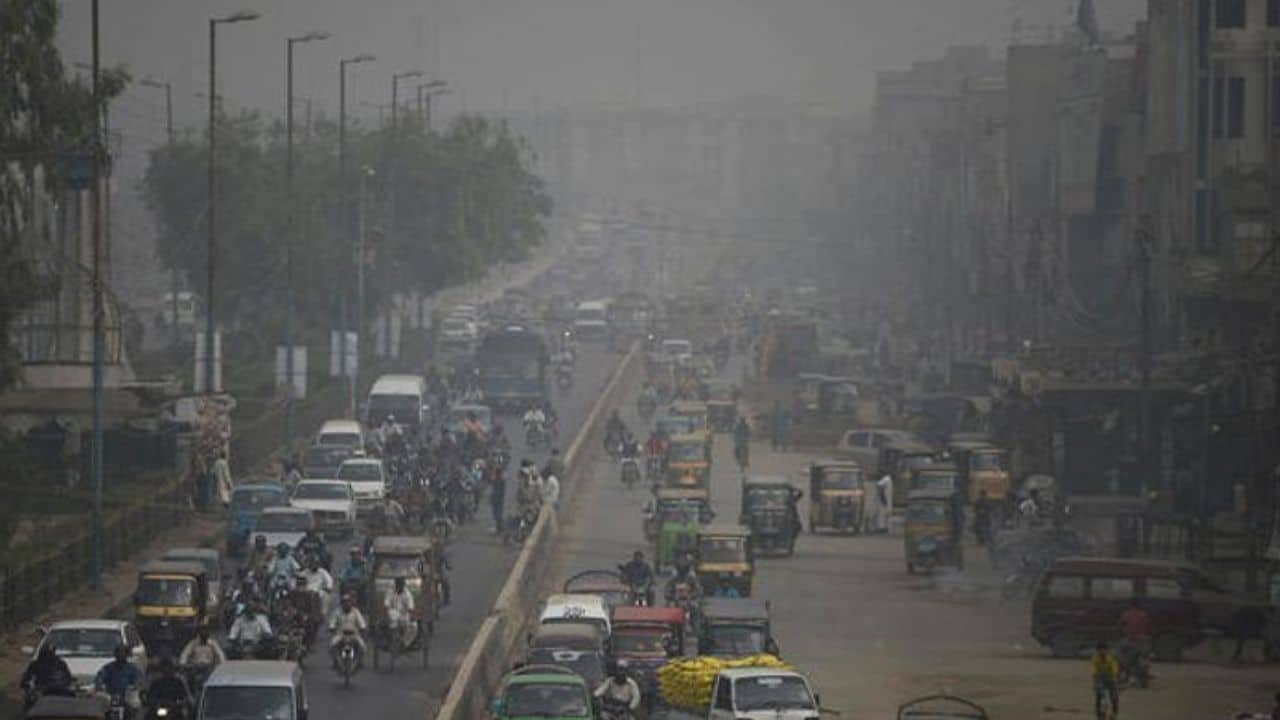
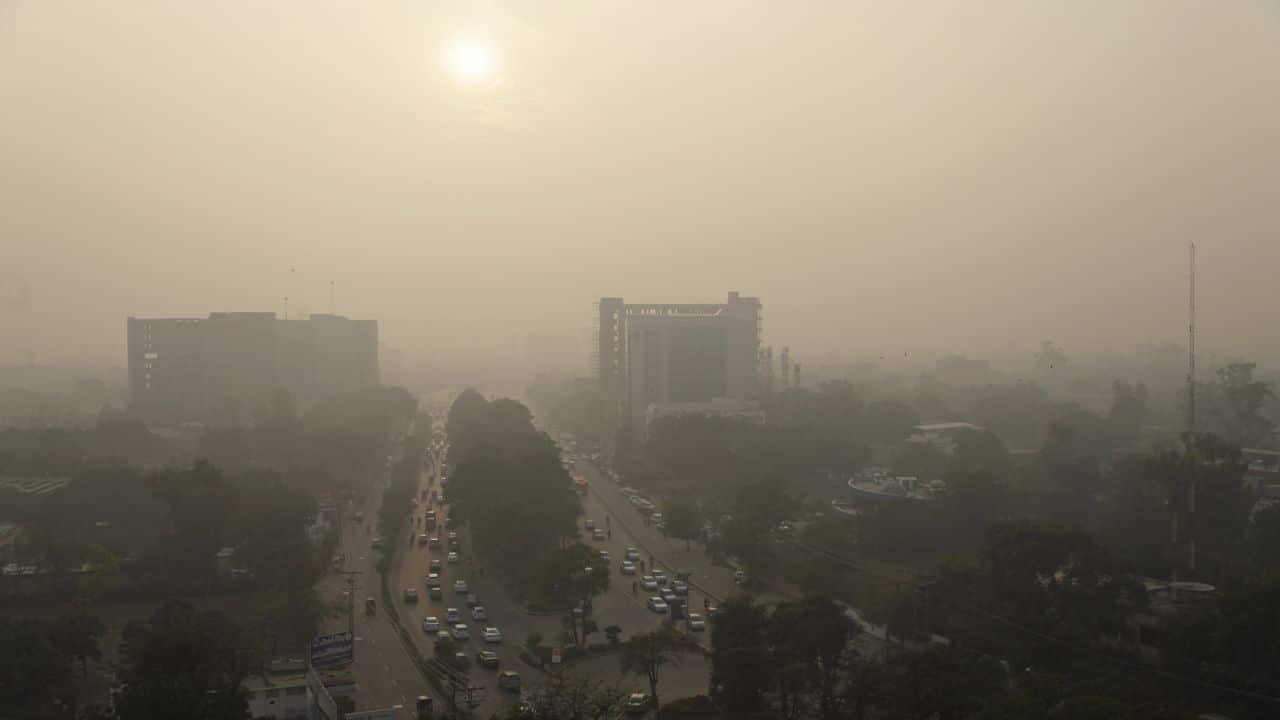
    Amidst its fight to reduce suffocating levels of smog, the Indian capital, New Delhi, has announced a ten-day-long winter break in schools throughout the city.

    Over in Pakistan, the hazardous air has worsened to the extent that the government announced a four-day health emergency from November 9 to 12 in Lahore, Gujranwala, and Hafizabad. Schools, markets, offices, and restaurants shall remain closed in these cities.

    Following the trail, New Delhi announced an early winter break for the session of 2023-24 in schools from November 9-18. The notification asserted that the step has been taken after observing “severe air quality prevailing in Delhi” and that there is “no respite from such adverse weather conditions in the near future”.

    Lahore and New Delhi have been vying with each other in the charts of air quality index, being the top two most polluted cities in the world.

  • How the economic and energy crisis could be a blessing in disguise for Pakistan

    How the economic and energy crisis could be a blessing in disguise for Pakistan

    The notorious pollutant, nitrogen dioxide gas, is predicted to stay low this year in Pakistan, thanks to the economic and energy crisis that the country is going through. This is seemingly a blessing in disguise because the result is reduced air pollution in the country.

    For a few years the cities of Lahore and Karachi are constantly making it to the top charts of air pollution due to the smog. Higher concentration of nitrogen dioxide is released in the air due to the combustion of fossil fuels like petroleum, coal and gas which in turn pollutes it irreversibly.

    This time around there is a record decrease of 24 per cent in the annual sale of petrol and diesel in Karachi alone. Simultaneously, there is a 20 percent decrease in the release of nitrogen dioxide.

    Lahore has witnessed a decrease of 20 per cent in gas concentration whereas in Islamabad and Peshawar reduction of 14 and 5 per cent are recorded respectively. The same was observed during the winter of Covid times.

    It is predicted that compared to last year air pollution will be a little less than it was in the winter. This may affect the lethal and obstructive smog to become a lot less than usual.

  • Stockholm to ban petrol, diesel cars in city centre from 2025

    Stockholm to ban petrol, diesel cars in city centre from 2025

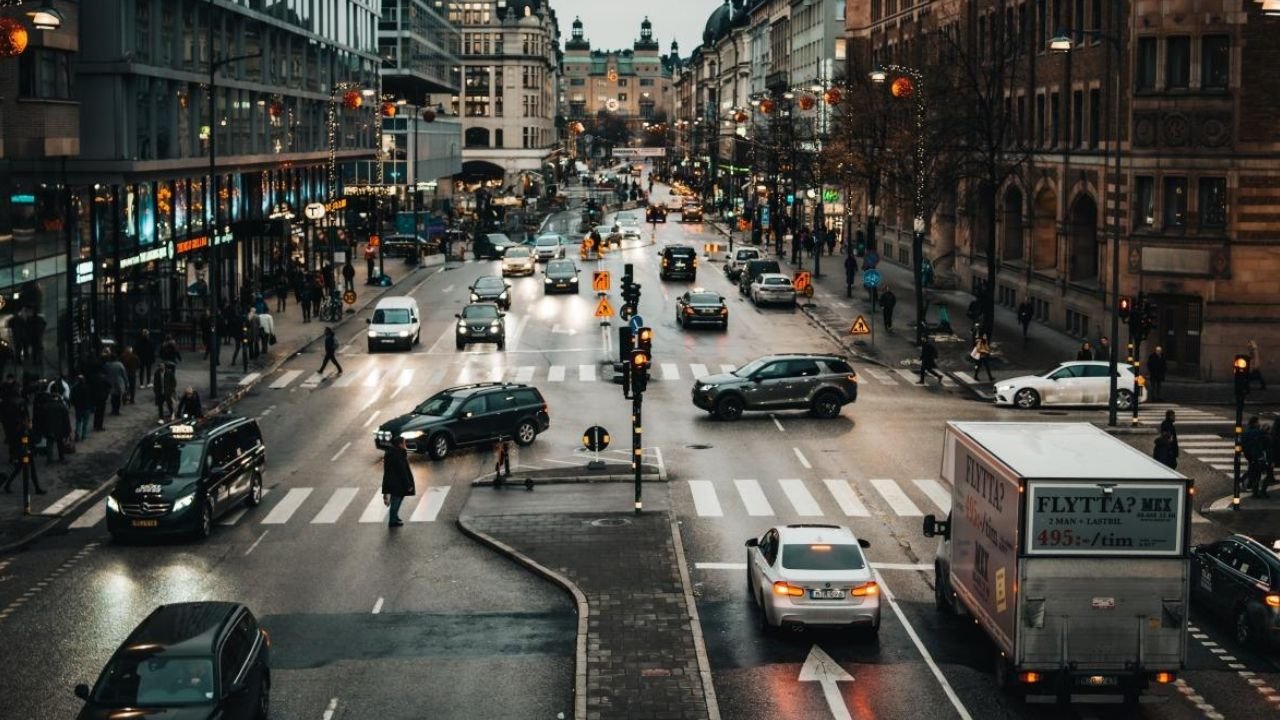
    The capital of Sweden, Stockholm, will ban the presence of petrol and diesel cars by 2025 in a central 20-block area of the city in order to achieve better air quality.

    The city’s vice-mayor for transport and urban environment, Lars Stromgren, said in a statement, “Nowadays the air in Stockholm causes babies to have sick lungs and the elderly to die prematurely. It is a completely unacceptable situation,”
    He added that there is a need to “limit the harmful exhaust gases from petrol and diesel cars,”

    The 20-block area of the city is a bustling part of Stockholm with a shopping district, office buildings, and eateries. And according to Stromgren, this area “has a lot of pedestrians and cyclists, where the air quality needs to be better,”

    “This is also a part of the city where we see that there is a lot of interest in a faster electrification, with actors that can spearhead the transition,” he added.

    The ban will come into effect on December 31, 2024. However, police cars, ambulances and other security services will be exempted.

  • Climate Change causing bird populations to deplete in Pakistan

    Climate Change causing bird populations to deplete in Pakistan

    In the tragic saga of climate change in Pakistan, it is not just humans but birds too that are affected.

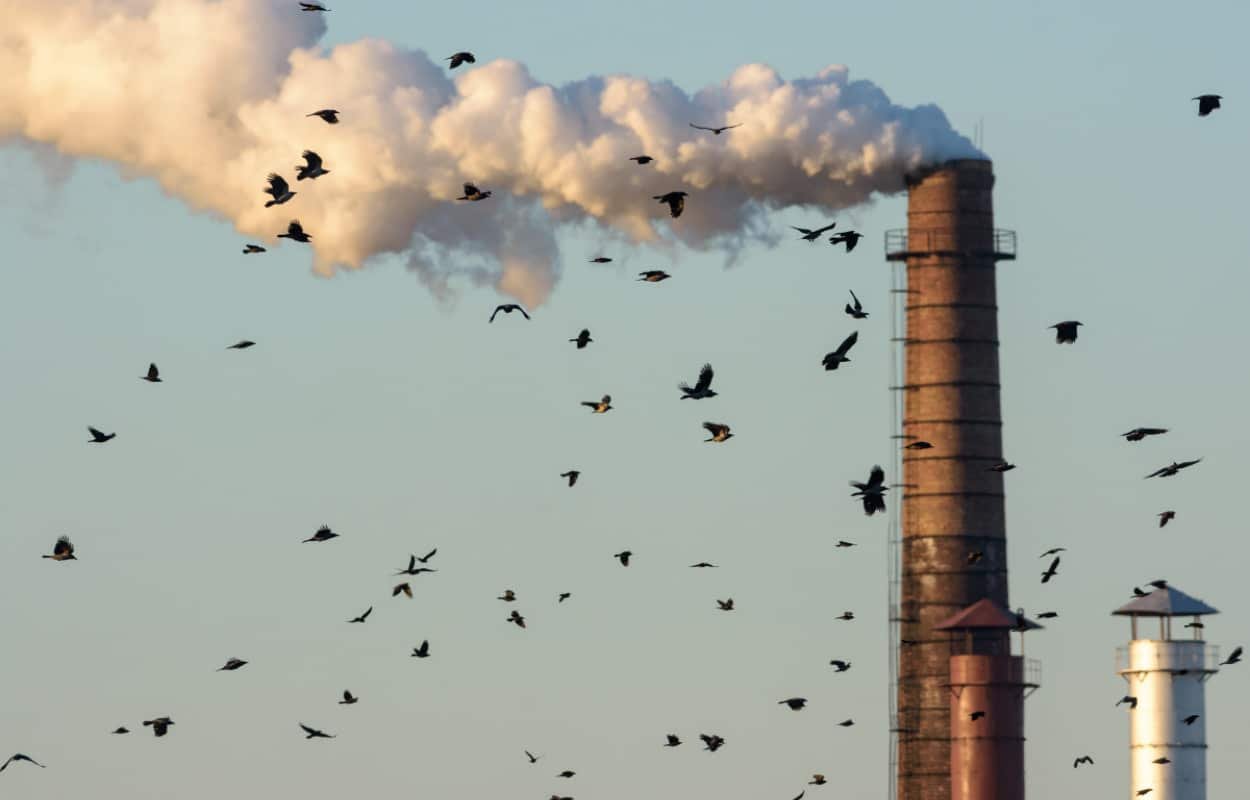
    While the avian population has nothing to contribute to the phenomenon of climate change, they are paying the price for it with their lives. According to a State of the World’s Birds report, nearly half of all bird species are in decline with more than one in eight at risk of extinction.

    The situation is not any better in Pakistan. Not just the indigenous species are at risk but the ones migrating to the plains of Pakistan are severely decreasing as well. The research by wildlife expert Dr Azhar has come out at a time when the world is fighting with a challenge as magnanimous as global warming. Scientists have warned that if the temperature increases 3.5 degrees above the current one by 2100, almost 600-900 species would be killed off.

    A significant decrease in the number of birds in tropical regions has been noticed, including the endangered northern snowbird. Even the number of common sparrows is plummeting as declared by the International Convention for Conservation of Nature. For instance, a loss of three billion birds in North America alone posing a threat to biodiversity. Simultaneously, sparrows are being put on a ‘Red List’ in Greater London after a loss of 70 per cent of sparrows was recorded between 1994 and 2001.

    The reason it has not been done in Pakistan, as expressed by renowned ornithologist Mahmood Akhtar Cheema, is because nobody has actually attempted to count the number of these birds at present, implying that they are surely less than before. He warned that it is going to be even worse in the future because of the scarcity of food, changes in habitat, earlier egg-laying time, higher rate of disease transmission and frequent season changes.

    It is explicitly clear that birds’ populace is an indicator of the environmental health around us. The staggering decrease is alarming on many levels. It also demands extensive research and policy making to protect biodiversity. The areas may include the changing weather patterns disturbing the timing of migration to egg-laying and sizes and controlling extreme urbanization to provide for their natural habitats.

  • Japanese researchers discover microplastics in clouds

    Japanese researchers discover microplastics in clouds

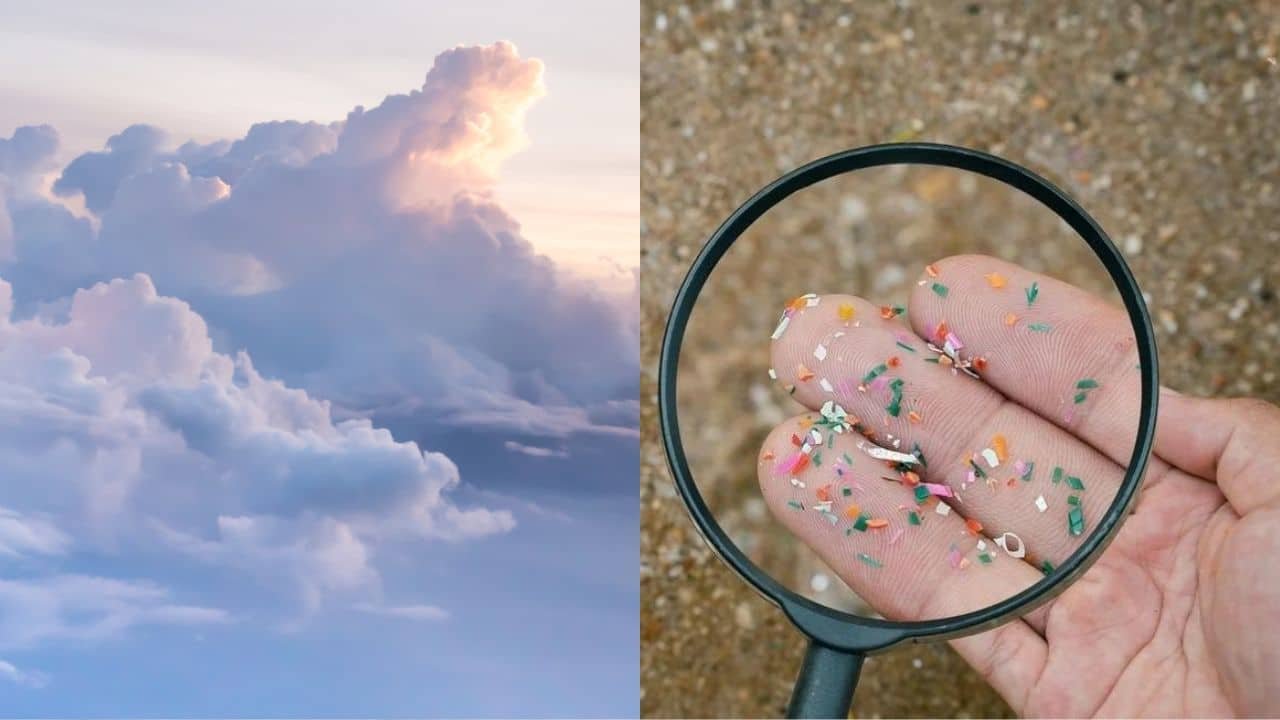
    Researchers in Japan have claimed they have discovered the presence of microplastics in clouds. These small particles of plastic are believed to be affecting the climate in ways that scientists still do not fully understand.

    According to Al Jazeera’s report, a study published in the journal ‘Environmental Chemistry Letters’ details that Japanses scientists researched the collection of water from the fog covering Mount Fuji and Mount Aoyama.

    The research team found nine different types of polymers and one type of rubber in the samples, with particles ranging in size from 7.1 to 94.6 micrometers.

    The amount of plastic particles found in each liter (0.26 gallon) of cloud water ranged from 6.7 to 13.9.

    Lead author of the study from Waseda University, Hiroshi Okuchi, has warned that if the issue is not taken into account, climate change and environmental threats could cause serious environmental damage in the future.

    What is microplastic?
    Microplastics are small plastic particles measuring less than 5 mm which come from industrial waste, textiles, synthetic car tires, and similar products.

    These microplastics have also been found inside fish in the Arctic Ocean and in frozen snow in the Pyrenees mountains between France and Spain.

    In the research report, the author said that “according to our knowledge, this is the first report of the presence of microplastics in clouds.”

    Researchers have stated that humans and animals are ingesting and/or inhaling microplastics, and these small particles of plastic have been found in various human organs, including the lungs, heart, blood and faeces.

    One million tonnes of tiny plastic particles accumulate in the ocean which are often released into the air and then into the atmosphere. Hence, microplastics have also seemingly become an integral part of clouds, potentially contaminating several things including our food and drink.

    Recent findings also show that microplastics are linked to health problems, including effects on heart and lung, as well as cancer.

  • Karachi ranked most polluted city in world, second day in row

    Karachi ranked most polluted city in world, second day in row

    Karachi has been at the top of the list of the world’s most polluted cities for the past consecutive two days.

    Dawn newspaper quoted ‘IQAir.com’, an air quality monitoring website, stating that Karachi topped the chart, followed by New Delhi.

    The concentration of 2.5 particulate matter (pm) in Karachi is 20.3 times higher than the annual air quality guideline value of the World Health Organization (WHO) as last night it recorded an air quality index of 175.

    Air quality index readings in the range of 151 to 200 are considered unhealthy, while air quality index readings between 201 and 300 are dangerous and severely harmful to health.

    According to the annual report released by ‘IQ Air’, the level of pollution in Karachi has not improved over the past few years, in fact it has increased.

  • Environmental Protection Agency seals brick kilns, impounds cars

    Environmental Protection Agency seals brick kilns, impounds cars

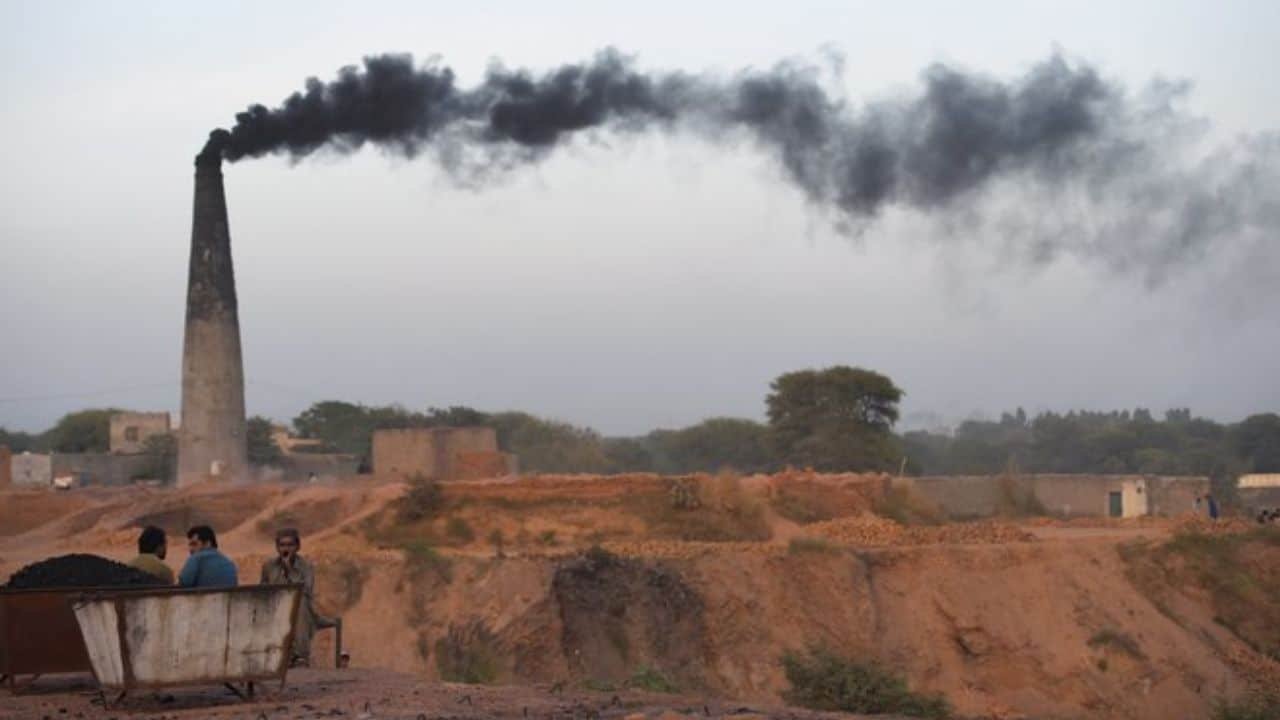
    In a crackdown by the Rawalpindi Environmental Protection Department, 12 brick kilns and six stone crushing units have been sealed while 33 vehicles have been seized for violating environmental laws.

    Express Tribune reported that as per a spokesperson, the purpose of the operation is to counter increasing smog in the region.

    Authorities also identified numerous dengue larvae breeding sites during the operation, and filed cases against 35 property owners, sealing 20 properties.

    The operation was conducted by Environment Protection Department Deputy Director Maria Safeer, Senior Inspector Romaisa Babar and inspectors Maqbool Hussain, Mohsen Shah and Inamul Haque.

    After inspecting 350 vehicles, 124 smoke-emitting cars were issued challans by the authorities, 33 were impounded, and a total fine of Rs228,800 was imposed.

    Similarly, 152 brick kilns were thoroughly examined which revealed that 18 of them were emitting excessive smoke.

    Cases against seven kiln owners have also been filed.

    Additionally, eight hospitals received notices for contributing to pollution, with two of them being charged accordingly.

  • Air pollution in South Asia can cut life expectancy by more than five years per person

    Air pollution in South Asia can cut life expectancy by more than five years per person

    University of Chicago’s Energy Policy Institute (EPIC) has published its latest report about Air Quality Life Index on Tuesday. The report deduced that rising air pollution can cut life expectancy by more than five years per person in South Asia which is currently one of the most polluted places in the world.

    Primary contributors in the region’s declining air quality are increasing industrialisation and population growth. The particulate pollution levels are resultantly more than 50 percent higher in comparison to the century’s start, posing a much greater health threat.

    What does the report say about Pakistan?
    According to the report, 98.3% of Pakistan’s population lives in areas exceeding the national air quality standard of 15 micrograms per cubic meter.

    From 1998 to 2021, average annual particulate pollution increased by 49.9% in Pakistan and reduced life expectancy by 1.5 years.

    In Punjab, Islamabad, and Khyber Pakhtunkhwa 65.5 million citizens reside (69.5% of Pakistan’s population), with the country’s people potent set to lose between 3.7 to 4.6 years of life expectancy on average relative to the World Health Organization (WHO) guideline and between 2.7 to 3.6 years relative to the national standard if the current pollution levels persist.

    Moreover, if Pakistan is able to meet WHO’s guideline, Karachi residents would gain 2.7 years of life expectancy whereas residents of Lahore would gain 7.5 years and people in Islamabad would gain about 4.5 years of life expectancy.
    Pakistanis would gain 3.9 years by meeting the WHO guidelines of limiting average annual PM 2.5 concentration to 5 micrograms per cubic meter.

    Others in South Asia

    The study further expounds upon other countries in the region.

    In light of the current pollution levels, Bangladeshis can lose 6.8 years of life on average per person compared to 3.6 months in the United States.

    A Nepali would live 4.6 years longer by meeting the WHO guidelines of limiting average annual PM 2.5 concentration to 5 micrograms per cubic meter.

    It is also highlighted that India is responsible for about 59 percent of the world’s increase in pollution since 2013, threatening to reduce lifespan in some of the country’s polluted regions.

    The average lifespan in New Delhi, a heavily populated and the world’s most polluted megacity, is down by more than 10 years.

    The report added that by reducing global levels of lung-damaging airborne particles, known as PM 2.5, to levels recommended by WHO could raise average life expectancy by 2.3 years.

    China has put in work to reduce pollution by 42.3 percent between 2013 and 2021. The report suggested the governments generate accessible air quality data in order to help bridge global inequalities in accessing tools to combat pollution.

  • Nearly everyone on earth is breathing polluted air: WHO report

    The World Health Organization (WHO) announced Monday that 99 per cent of people on Earth breathe air that comprises numerous contaminants, citing poor air quality for millions of deaths each year.

    According to new data from the UN health organization, air pollution affects every part of the globe, albeit the problem is far worse in developing nations.

    “Almost the entire global population (99 percent) breathes air that exceeds WHO air quality limits, and threatens their health,” the organization said in a statement.

    WHO had already established that about 90 per cent of the world’s population was impacted in its previous report from 2018, but it has subsequently expanded its boundaries.

    According to the WHO, the evidence base for the harm caused by air pollution is quickly advancing, and even low levels of certain air pollutants can cause serious illness.

    Despite UN statistics suggesting that pandemic lockdowns and travel restrictions improved air quality for a short time in 2021, WHO warned that air pollution continues to be a major threat.

    The WHO report includes data on air quality from over 6,000 cities and communities in 117 countries. Keeping in view the frightening statistics, the organisation emphasised the need to immediately limit the usage of fossil fuels.

  • Over 2,900 FIRs registered against the smog in Punjab

    Over 2,900 FIRs registered against the smog in Punjab

    According to the Punjab Relief Commissioner Babar Hayat Tarar, the province has registered over 2,970 First Information Report (FIR) in less than three months (October 1 to December 18) to tackle the smog problem, reports Geo News.

    A heavy fine has been imposed on industrial emissions, stubble burning, and traffic violations.

    The commissioner also stated that the smog has been reduced as a result of effective government measures.

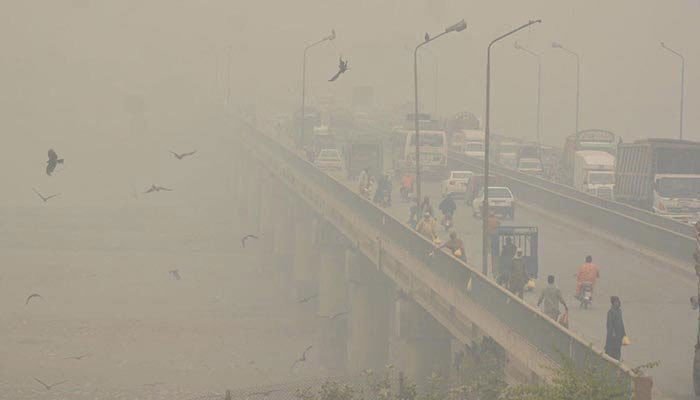
    In the past few weeks, travel had been affected due to smog and poor visibility.

    The Motorway-2 (M2) from Bhera, M4 from Shershah to Shamkot, and M5 from the Jalalpur interchange to Shershah and from Rohri to Guddu were also blocked due to fog and smog.

    Recently, several flights from the Lahore and Sialkot airports faced delays and four flights scheduled for Lahore were diverted to Islamabad. The schedule of trains from Karachi and Quetta was also affected.