Tag: Air Quality Index

  • Dhund nay kar dia safar mushkil

    Dhund nay kar dia safar mushkil

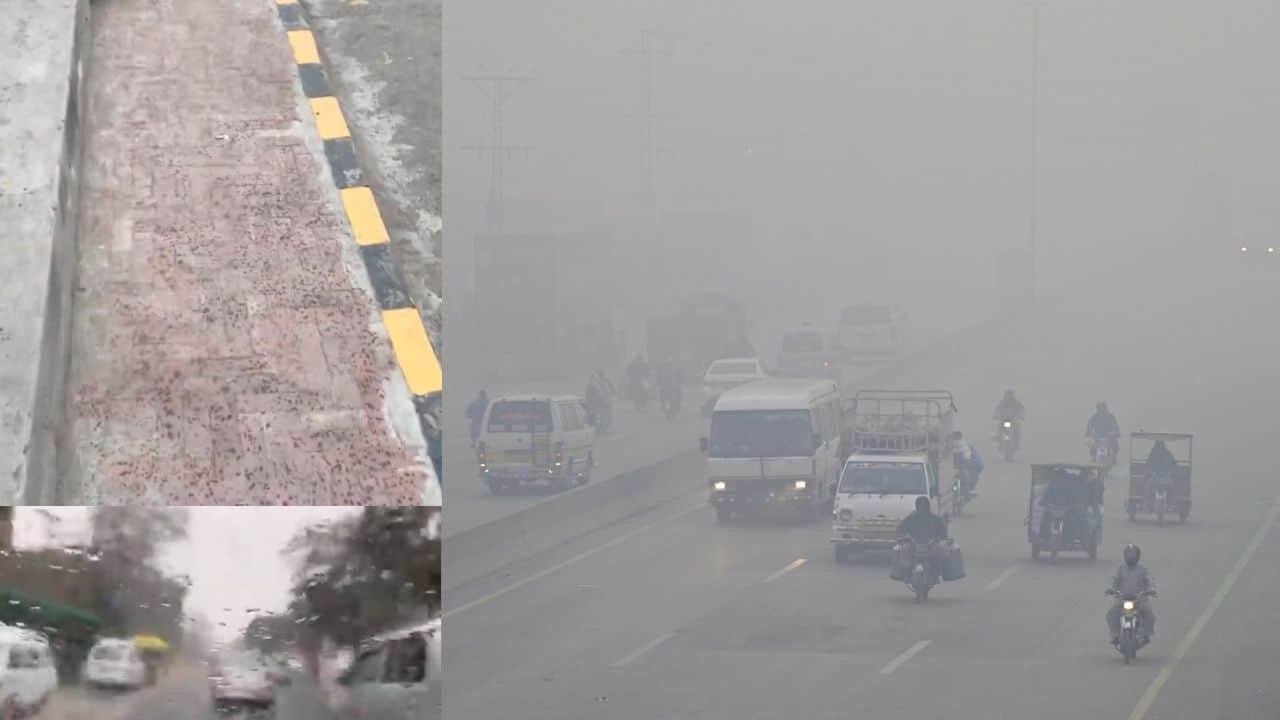
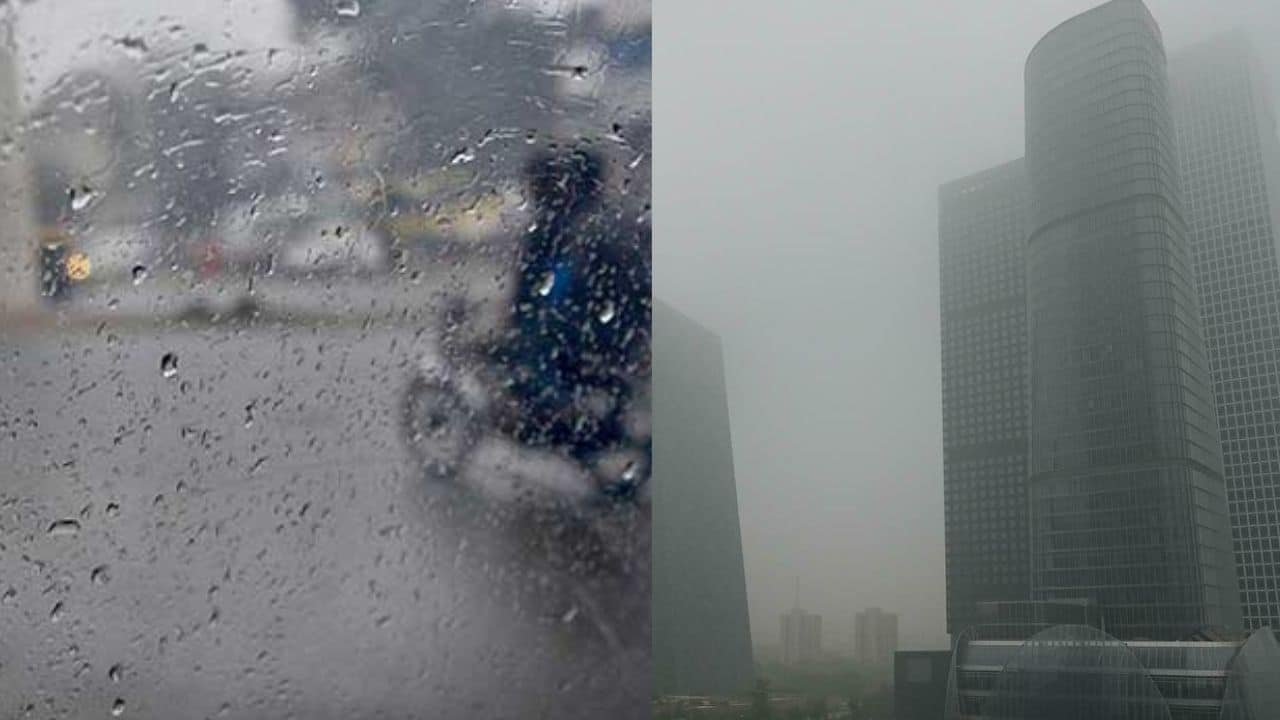
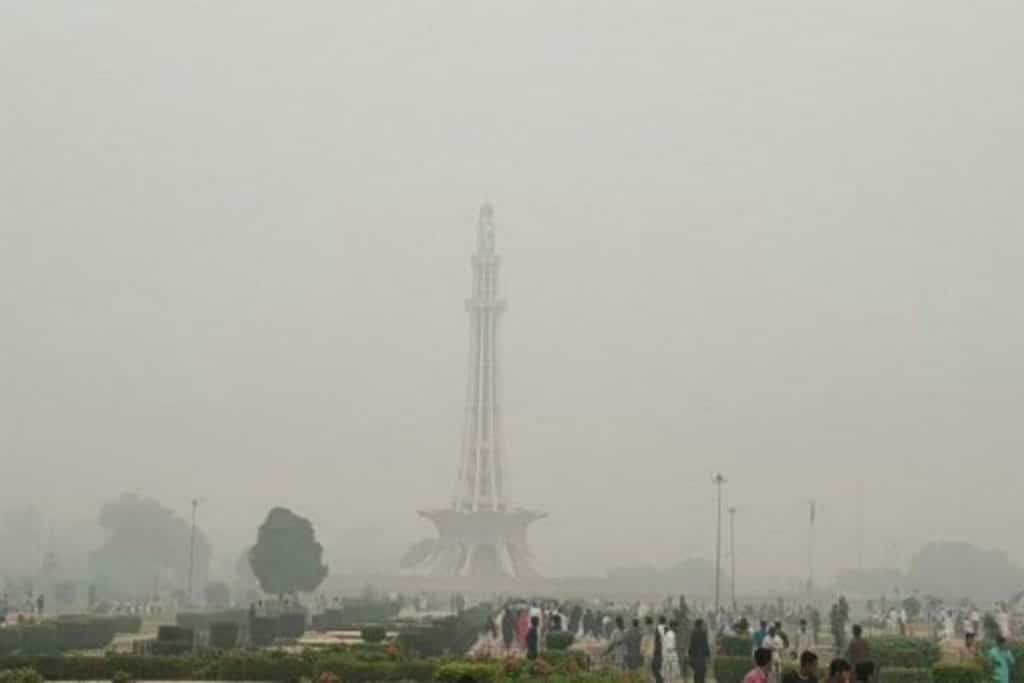
    A thick blanket of heavy fog has descended on different parts of Pakistan, severely impacting visibility and causing widespread transportation disruptions.

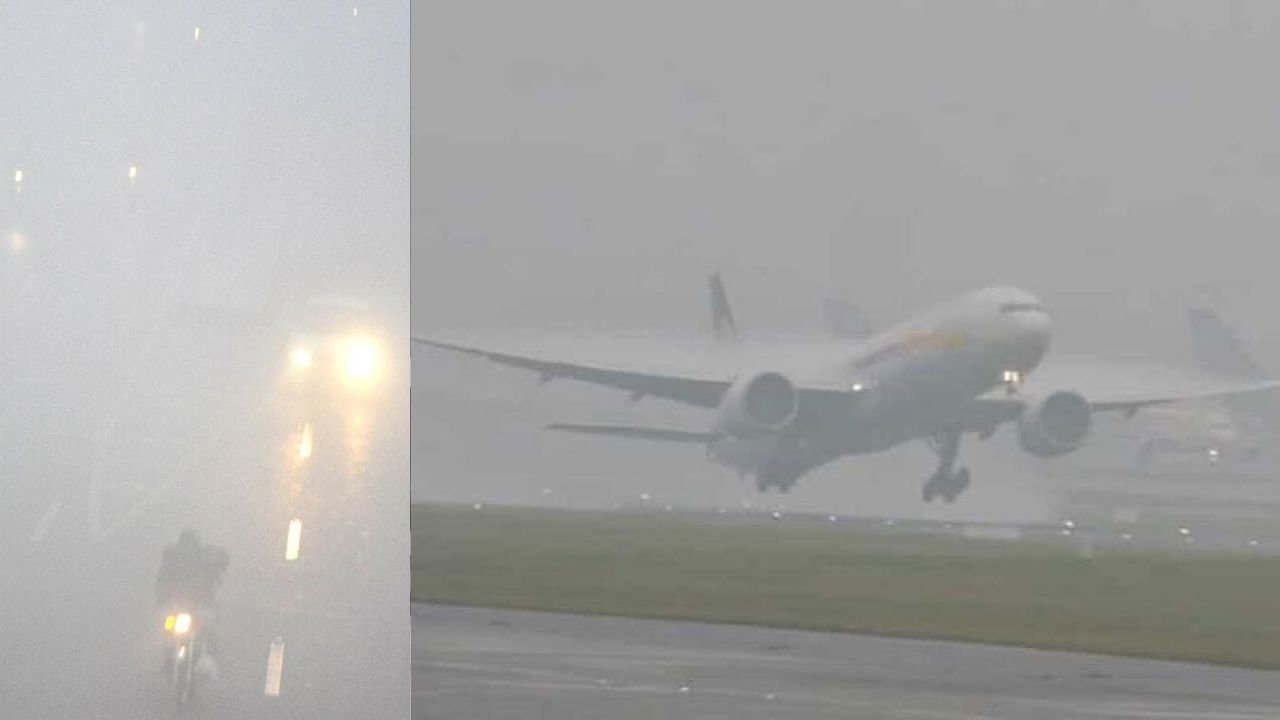
    Adverse weather conditions have compelled authorities to take precautionary measures, resulting in the closure of main highways and affecting air travel.

    The impact of the fog extends beyond Lahore, spreading as far as Mandi Bahauddin, Pindi Bhatian, Kot Addu, and Uch Sharif.

    Residents and commuters in these regions are urged to exercise caution and adhere to any instructions issued by local authorities.

    Sialkot and its surrounding regions, including Pasrur, Daska, and Sambrial, are grappling with reduced visibility levels, significantly disrupting traffic flow. Commuters are advised to stay informed about the latest weather updates and road closures to ensure their safety.

    The fog has not only affected ground transportation but has also disrupted air travel. Multiple flights have been canceled, and others delayed, impacting cities in Sindh and Punjab.

    The closures of major motorways, including the M2, M3, M4, M5, and M11, further compound transportation challenges.

    In addition to the transportation disruptions, the air quality in Lahore has deteriorated, earning the city the unfortunate distinction of being the most polluted in the world.

    Meanwhile, dense fog in various cities of Sindh and Punjab has led to operational challenges for flights. The Pakistan International Airliner (PIA) spokesperson emphasizes the importance of obtaining flight information from the PIA Call Centre before heading to the airport, considering the potential disruptions caused by the fog.

    Over the past week, a total of 32 flights destined for Faisalabad, Multan, Lahore, and other Punjab airports had to be redirected to Islamabad International Airport due to the prevailing fog conditions.

    “Severe fog ongoing in the country has affected PIA flights from Lahore, Multan and Sialkot airport,” the airline’s spokesperson, Abdullah Khan, said in a statement, adding the PIA apologized for any inconvenience caused due to these operational challenges.

    “Low visibility and intensity of fog pose difficulties in flight operations,” he added. “Flights from Lahore, Multan, and Sialkot may be canceled, changed or delayed due to fog.”

    Khan noted that flight operations were usually affected in these cities in winter.

    “All passengers are urged to obtain information about their flights from the PIA call center before heading to the airport,” he added.

    Unusual Winter Conditions Across Northwest India:

    Meanwhile, across Northwest India, including Punjab and Uttar Pradesh, a thick blanket of fog has descended, impacting visibility levels. Despite the fog, winter temperatures are milder than usual for this time of the year.

    The India Meteorological Department (IMD) reports that night temperatures in north-western states remain higher than normal, with at least 2-3°C above-normal readings in several regions. Delhi recorded a minimum temperature of 7.8°C, one degree above normal, with daytime temperatures reaching 22°C.

    Meteorologists attribute the warmer winter to the absence of strong western disturbances, traditionally responsible for winter rainfall over North India. Additionally, global warming is increasingly influencing weather patterns throughout the year, delaying the onset of winter and reducing the intensity of cold waves.

  • Lahore back on top of cities with hazardous levels of smog

    Lahore back on top of cities with hazardous levels of smog

    The quality of air pollution in Lahore is back at levels deemed hazardous to human health while Karachi is out of the top ten league after a long time.

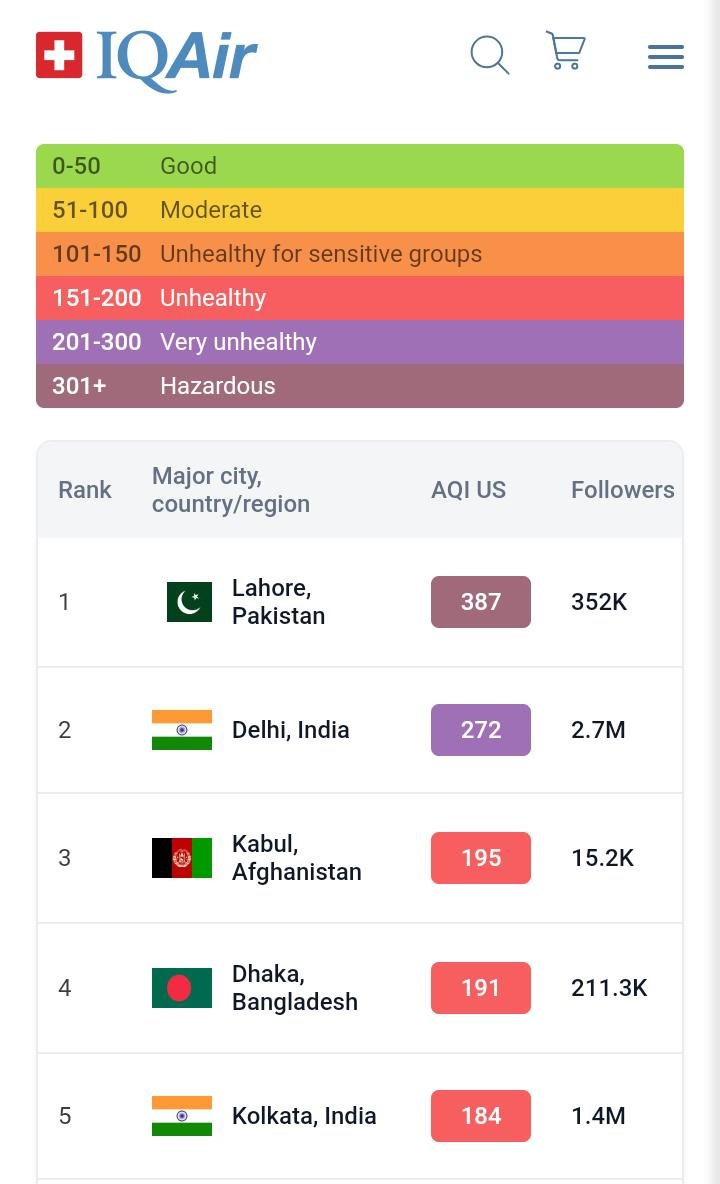
    According to the Air Quality Index, Lahore ranks first in the list of the most polluted cities in the world with an AQI of 387.

    Karachi’s air quality is also unhealthy while it stands at the eighth position on the list of most polluted cities with an AQI of 152.

    An index of 151 to 200 is unhealthy, while 201 to 300 is very unhealthy and above 301 AQI, air pollution is considered hazardous.

    To reduce smog and air pollution in Lahore, the caretaker government of Punjab experimented with artificial rain with the support of the UAE government, successfully lowering AQI levels after a light shower.

  • Artificial rain in Lahore; Just looking like a wow

    Artificial rain in Lahore; Just looking like a wow

    In a historic stride, Lahore on Saturday witnessed its maiden experiment with artificial rain, revealed caretaker Chief Minister of Punjab, Mohsin Naqvi.

    Addressing the media in Lahore, the caretaker CM Punjab said that the occasion marks the first successful venture into artificial rain in the country’s history. He revealed that this morning, Lahore, previously the most polluted city, experienced artificial rain for the first time.

    Naqvi clarified that no additional funds were allocated for this initiative, however, he expressed willingness to spend money if needed to combat smog. Rainfall occurred in approximately 10 areas of Lahore, covering a planned region of 10 to 15 km.

    He expressed gratitude to the Environment Department and the UAE team for their exhaustive scrutiny of the process, culminating in the eagerly awaited results.

    Detailing the procedure, Naqvi disclosed that 48 flares were deployed for cloud seeding, specifically targeting the Shahdara area.

    Looking ahead, Naqvi mentioned the upcoming installation of smog towers. He emphasized that the artificial rain experiment, being both novel and impactful, is currently under observation for short-term and long-term effects. Results from the artificial rain are expected tonight.

    Naqvi shared insights into the cloud seeding mission, noting that it was executed some time ago, directing clouds towards Shahdara and Muridke.

  • Early-morning rain lessens smog in Lahore, Karachi takes over second spot

    Early-morning rain lessens smog in Lahore, Karachi takes over second spot

    Usually the most polluted city in the Air Quality Index, Lahore has been demoted to number six in the chart after a short spell of rain.

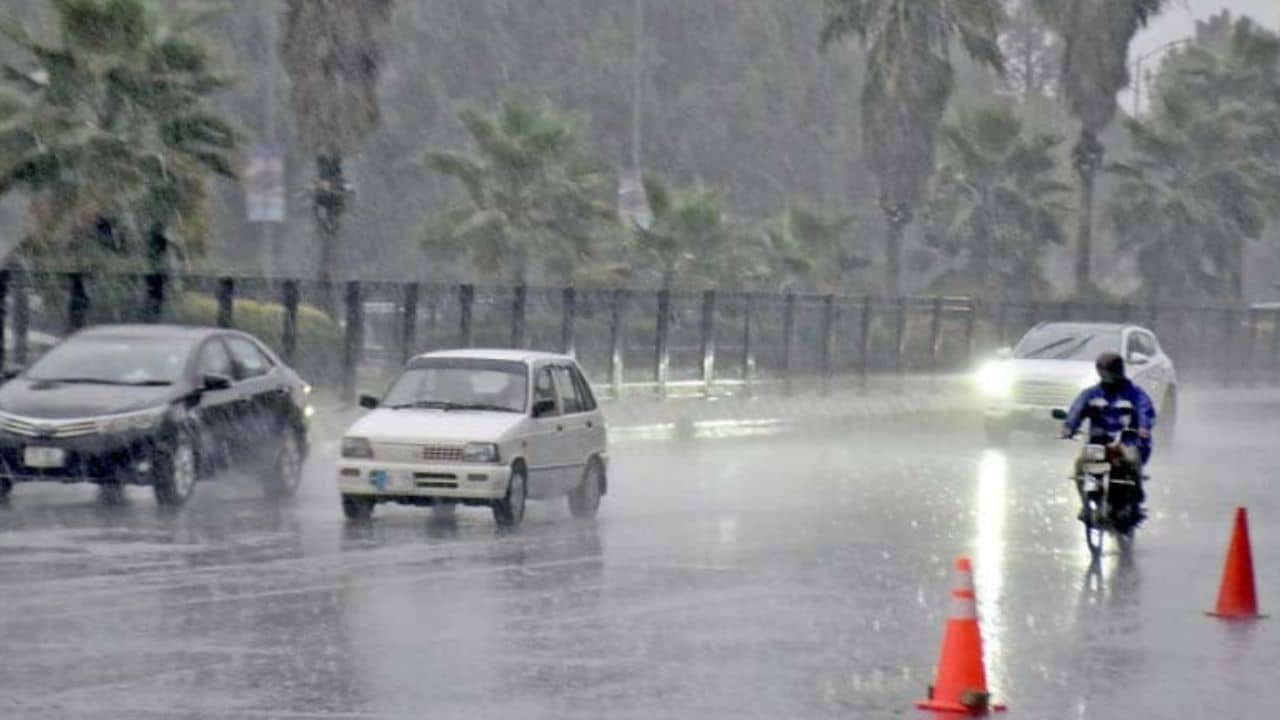
    The late-night and early-morning drizzle in the city has improved the air quality to the extent that the sky seems a bit clearer and the status of air quality has moved from hazardous to unhealthy with 158 particulate matter in the air.

    On the other hand, Karachi has taken over Lahore’s spot, landing at number two on the list, right behind New Delhi with a very unhealthy status of 268 particulate matter.

  • Smart lockdown fails as Lahore remains on top in Air Quality Index

    Smart lockdown fails as Lahore remains on top in Air Quality Index

    Despite the efforts of the caretaker government of Punjab to curb smog, Lahore is still one of the most polluted cities in the world.

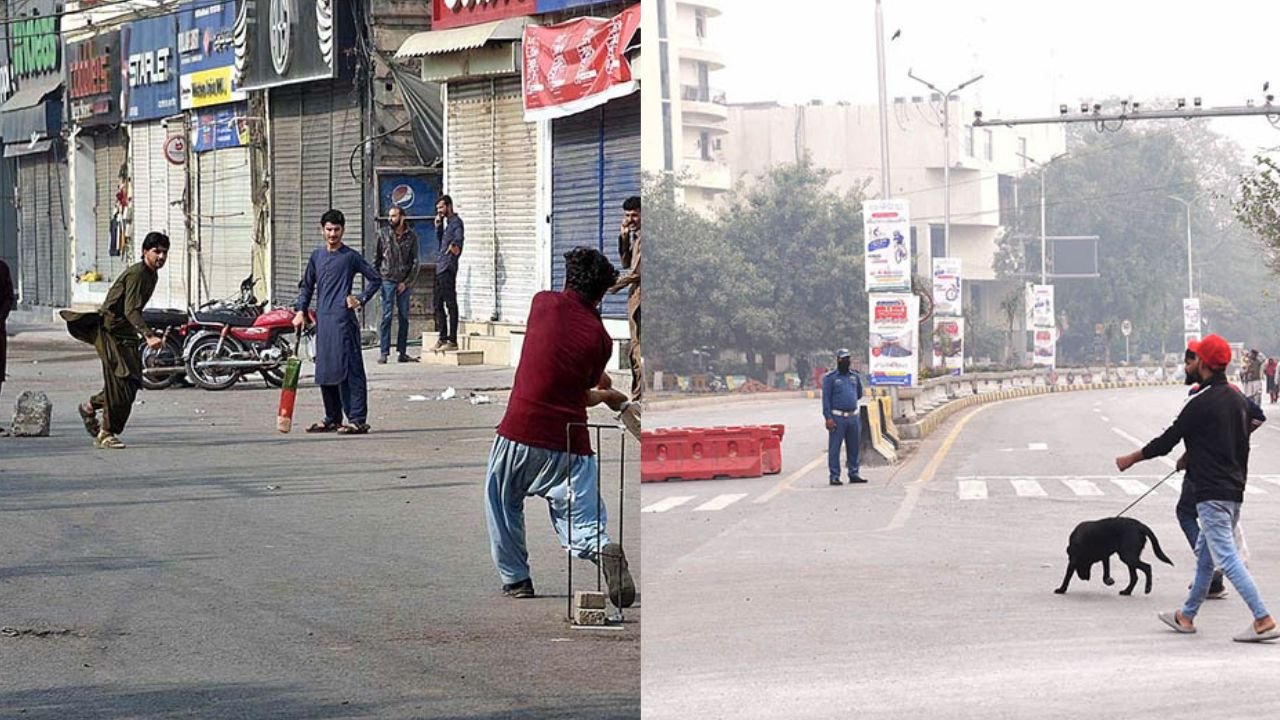
    After three days of holidays and a smart or soft lockdown, Lahore’s hazardous smog has barely dissipated.

    Caretaker Chief Minister Mohsin Naqvi posted an update on Saturday about the trend of smog tending towards healthier.

    The average air quality index (AQI) of Lahore was recorded at 356 (hazardous) on Sunday while the maximum was 444 at 3 am.

    The government completely closed vehicular traffic on Mall Road for a day but the effort seemed futile as the AQI around the road was 458 in the morning while AQI in the DHA Phase 8 was 437, in Gulberg it was 412 and in Johar Town, it stood at 402, reports Dawn.

    As of today, the air quality index of Lahore was recorded at 415 (extremely hazardous) around 10 a.m. and by the evening, when this report is being filed, it is standing at 305 (hazardous).

    While Mall Road was totally barricaded, some markets and shops were found open despite restrictions till 4 pm on Sunday and people were thronging food points in Liberty Market, Ichhra and Anarkali Bazaar.

    Netizens criticised the Punjab government for a lack of effective steps to counter smog.

    A user posted about it being attributed to the endless construction in the city while others complained about it being lethal for citizens.

  • How does the artificial rain happen?

    How does the artificial rain happen?

    As smog spreads across Punjab, causing a potential health hazard, the caretaker government of the province is considering artificial rain to combat the toxic pollution.

    Cloud formation

    To make artificial rain, there need to be clouds. Experts are saying that they can find these clouds and then use a process called cloud seeding to make it rain.

    Cloud seeding is like giving clouds a little push to make them release rain. Scientists found out about the process in 1946, when they discovered that by using a special mix of silver iodide and dry ice, they could make clouds produce more ice and eventually rain.

    Nowadays, we still use silver iodide and dry ice for cloud seeding, but we’ve gotten better at it. The meteorological department in Pakistan has already tried it out successfully. Other countries, like Gulf nations, also use artificial rain.

    In the United Arab Emirates, scientists are trying a new method, using water-absorbing salt flares. These flares release tiny salt particles into the air, which activate the clouds and speed up the rain-making process. It’s like a high-tech way of helping nature create rain when it’s needed.

    Why is artificial rain important?

    Artificial rain is important because it can help clear out the smog in cities. When it rains, it washes away the pollutants in the air, making it easier for people to breathe and improving overall air quality. It’s a smart solution to a serious problem.

  • What is the situation of Air Quality Index in South Asia?

    What is the situation of Air Quality Index in South Asia?

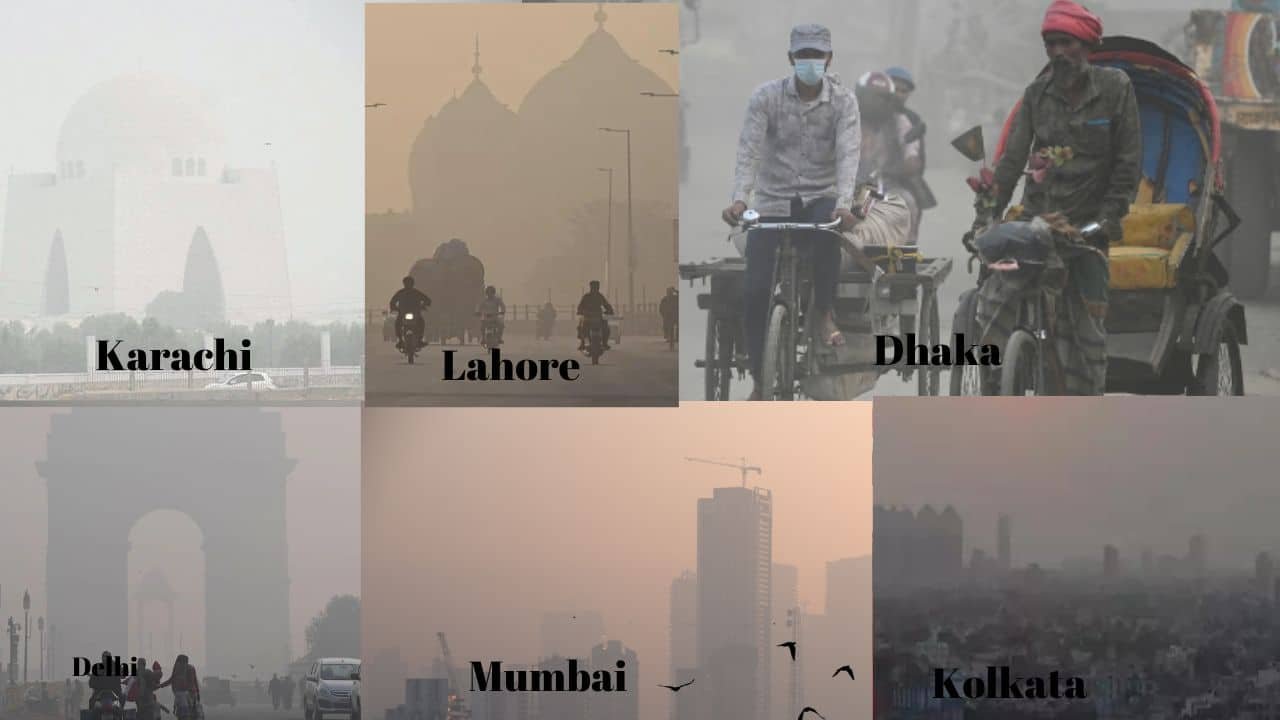
    Six of the top ten cities plagued by the worst pollution on the Air Quality Index are from the South Asian region. Delhi, Mumbai, and Kolkata from India, Lahore and Karachi from Pakistan, and Dhaka from Bangladesh.

    Post-Diwali, the air quality index in India is pretty bad as three of its highly-populated cities are facing a rise in air pollution. While Delhi is at the top, Mumbai and Kolkata are competing closely for the sixth and seventh spot on the chart.

    Lahore has seen a major drop in the past few days after a short spell of rain, however, the air is steadily getting dense as it retained its second position in the chart for two days in a row. Karachi holds the fourth spot after Baghdad.

    The Capital of Bangladesh, Dhaka, is a relatively new entrant. It holds the tenth position with an “unhealthy” status in air quality.

    Population growth and rapid industrialization are the two major factors contributing to the thickening of air with particulate pollutants in South Asia. This is a threat to all living beings, from animals to plants. Life expectancy is severely reduced in these cities and pollution-related illnesses are rampant. The situation of the poor quality index calls for strict action to be taken for the safety of residents of the world’s most populous region-South Asia.

  • Punjab govt aborts smart lockdown plan after rain improves air quality

    Authorities in Punjab have lifted a ‘smart lockdown’ from Lahore and other cities after Friday morning brought in rain, dramatically improving air quality.

    Within the provincial capital, rainfall was recorded across various regions, including Gulberg, Garden Town, Iqbal Town, Multan Road, Thokar Niaz Baig, Jail Road, Mall Road, Johar Town, Canal Road, and Raiwind Road.

    The government of Punjab has lifted the smart lockdown enforced in the city, with caretaker Chief Minister Mohsin Naqvi announcing on Twitter, “Markets open tomorrow, and restaurants can resume operations after 6 pm. The recent restrictions related to SMOG will be lifted from tomorrow morning.” This will be effective from today.

    The weather has become considerably cooler, providing a much-needed break from the toxic smog that had engulfed the air. However, the average air quality index is 182 but in certain parts of the city, including Cantt and DHA Phase 8, the numbers are higher than in other areas.

    It is important to note that this stroke of luck could be very short-lived as the dire condition of air quality in Lahore requires stringent measures to be taken.

  • New Delhi schools go on early winter break as smog suffocates Indian capital

    New Delhi schools go on early winter break as smog suffocates Indian capital

    Amidst its fight to reduce suffocating levels of smog, the Indian capital, New Delhi, has announced a ten-day-long winter break in schools throughout the city.

    Over in Pakistan, the hazardous air has worsened to the extent that the government announced a four-day health emergency from November 9 to 12 in Lahore, Gujranwala, and Hafizabad. Schools, markets, offices, and restaurants shall remain closed in these cities.

    Following the trail, New Delhi announced an early winter break for the session of 2023-24 in schools from November 9-18. The notification asserted that the step has been taken after observing “severe air quality prevailing in Delhi” and that there is “no respite from such adverse weather conditions in the near future”.

    Lahore and New Delhi have been vying with each other in the charts of air quality index, being the top two most polluted cities in the world.

  • Air Quality: Lahore is the most polluted city in the world right now

    Air Quality: Lahore is the most polluted city in the world right now

    Lahore on Monday topped the list of the most polluted cities in the world with the worst air quality levels on the globe.

    Karachi is second on the list while India’s New Delhi is third on IQAir.

    Lahore was measured to have 172 Unhealthy particulate matter and Karachi had 106 particulate matter, according to the air quality index.

    The numbers keep changing.

    As per United States Environmental protection agency, a hazardous category indicates an AQI of 301–500. The ‘good’ category is 0–50, which is followed by ‘moderate’ at 51–100 while anything in the 101–301 AQI range is considered unhealthy.