Tag: air travel

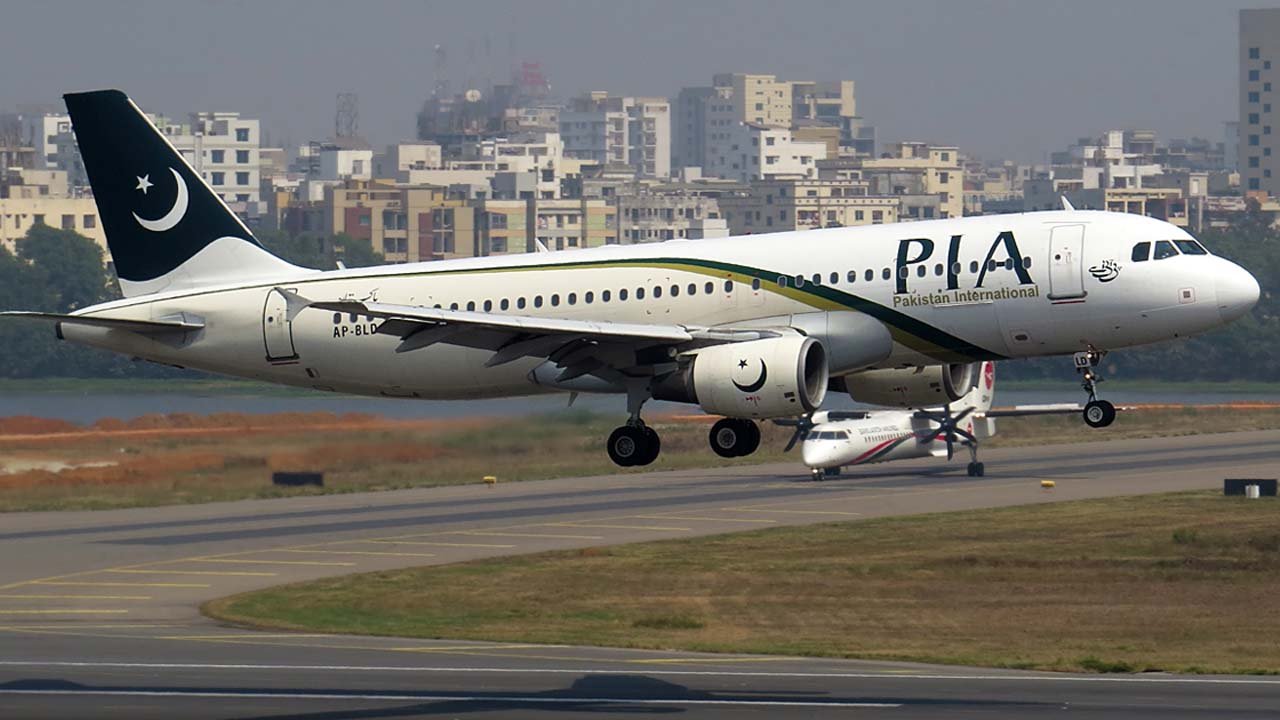
  • Pakistan International Airlines announces special discount for students

    Pakistan International Airlines announces special discount for students

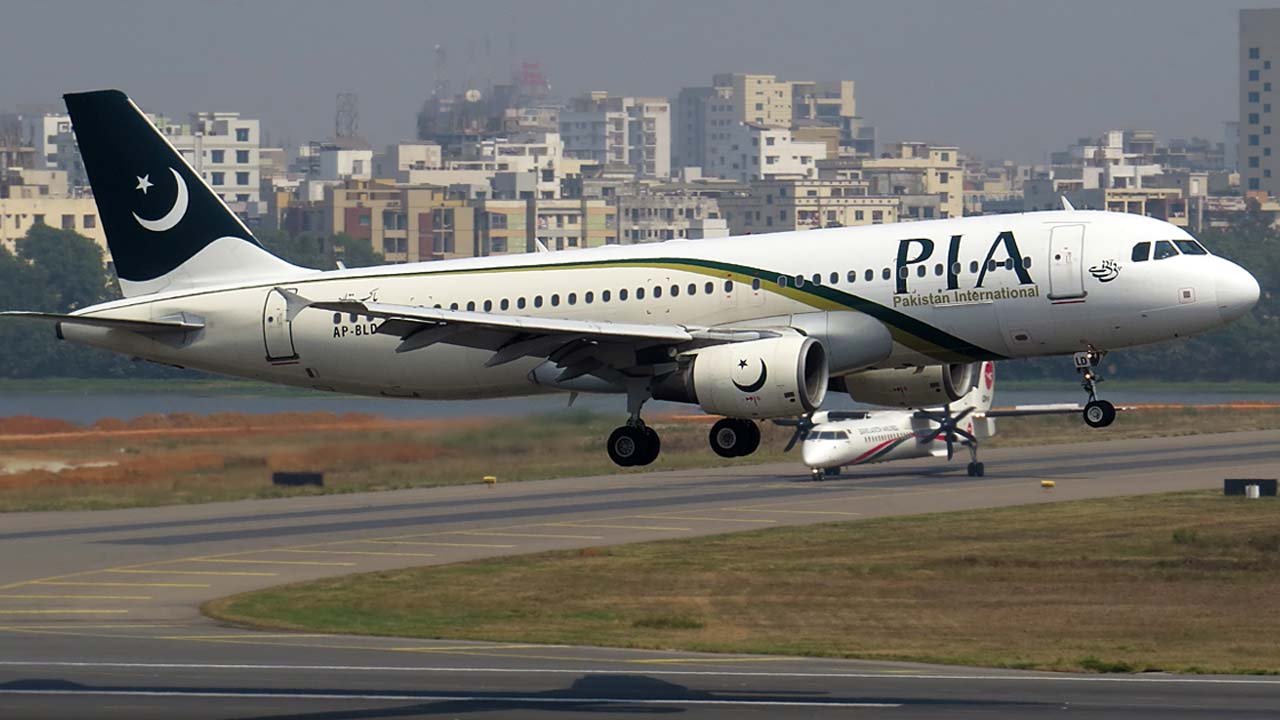
    In an effort to promote goodwill and support the academic pursuits of students, Pakistan International Airlines (PIA) has introduced an enticing offer in celebration of International Students Day. 

    The national flag carrier is now offering an exclusive 20 per cent discount, along with an impressive 80 kg luggage allowance, for students traveling on its flights to China. 

    This special promotion is part of PIA’s ongoing initiatives to attract passengers and rejuvenate its operations following significant financial challenges caused by fuel shortages.  

    It is noteworthy that the airline resumed its weekly flights to China in August, re-establishing the Islamabad-Beijing-Islamabad route. 

    Students, being a crucial demographic for air travel, can now enjoy substantial cost savings as they embark on their educational journeys or return home for holidays. 

    This offer is particularly advantageous for those traveling the Islamabad-Beijing route, with the weekly flight taking place every Sunday.  

    PIA is also considering extending students’ baggage allowance when traveling between Pakistan and China, providing an additional benefit to those taking advantage of this limited-time offer. 

    This announcement follows PIA’s recent initiatives to attract passengers, such as a 15 per cent discount on tickets for flights from Toronto to Pakistan.  

    Additionally, the airline recently reduced ticket prices for Umrah by up to Rs6,000, showcasing a concerted effort to meet diverse passenger needs and preferences. 
  • Private airlines seize opportunity to charge high fares amid PIA flight disruptions

    Private airlines seize opportunity to charge high fares amid PIA flight disruptions

    Pakistan International Airlines (PIA), the nation’s flagship carrier, is grappling with operational challenges caused by a shortage of fuel. 

    Concurrently, private airlines are capitalising on this situation for their own advantage.

    In light of the disruption in PIA’s flight operations, private airlines have swiftly increased their fares. Domestic flights are now priced at a range of Rs40,000 to Rs70,000, with Lahore-Karachi routes reaching as high as Rs49,000 per seat. 

    Meanwhile, one-way fares from Karachi to Islamabad are commanding prices between Rs55,000 and Rs61,000.

    This development follows a week of disruptions in PIA’s domestic flight schedule, resulting in a surge of intending passengers. A spokesperson for a private airline attributed the disparity in demand and supply to this sudden influx of travellers.

    Simultaneously, PIA’s financial predicament is deepening, with the cancellation of 35 domestic and foreign flights. The interruption in fuel supply has also caused significant delays for both domestic and international flights across the country. Airline administrations have scrambled to create new departure schedules for these affected flights.

    Regarding outstanding dues, the Pakistan State Oil (PSO) revealed that PIA owed Rs3.45 billion for fuel supplied between October 1 and 18, with an additional Rs195 million provided on the mentioned Thursday. 

    The total liabilities for the current month have reached Rs2.11 billion, compounding PIA’s existing debt of Rs26 billion accumulated over the years. A provisional agreement between PSO and PIA for daily fuel supply in exchange for daily payments has been established.

    The current turmoil in PIA’s flight operations is primarily attributable to the suspension of fuel supply by the Pakistan State Oil due to non-payment of dues. 

    According to Samaa, the suspension has impacted Karachi, Lahore, Islamabad, and Peshawar, although international flights remain unaffected. PIA’s financial woes have already led to flight cancellations and delays, making the fuel supply suspension a significant setback for the struggling airline.

  • CAA’s timely intervention saves PIA from defaulting on IATA payments

    CAA’s timely intervention saves PIA from defaulting on IATA payments

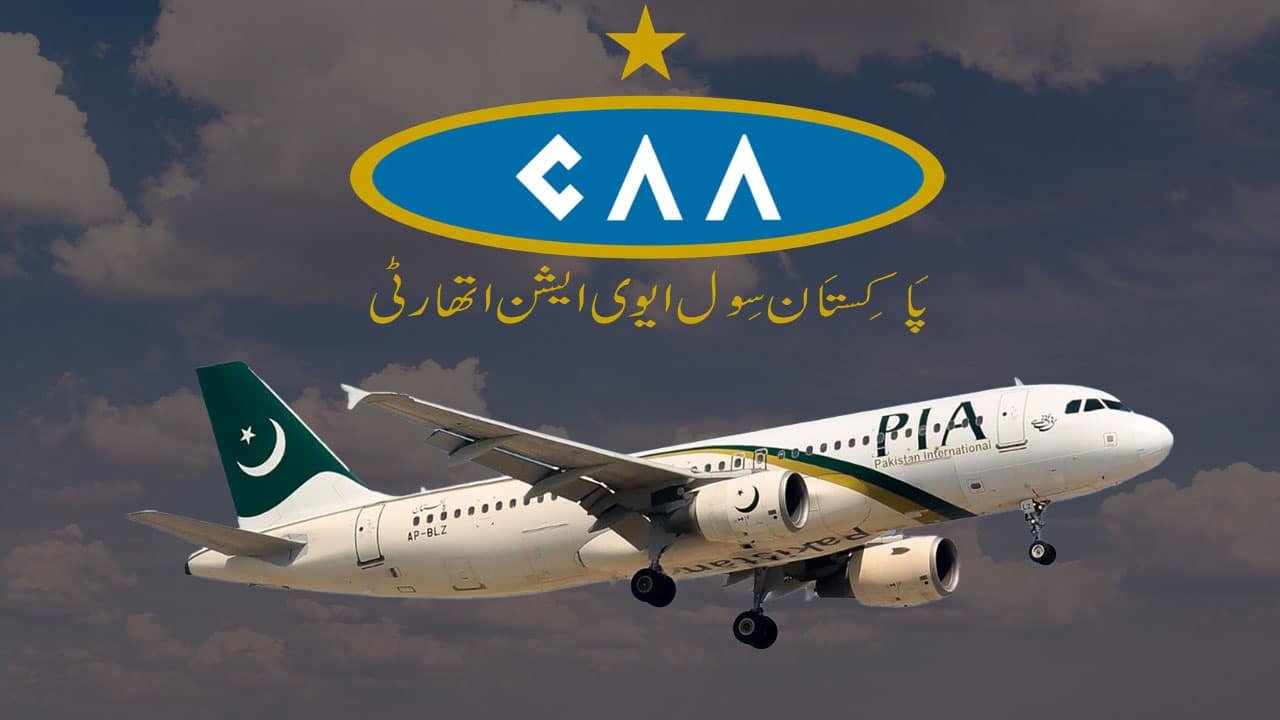
    The Civil Aviation Authority (CAA) stepped in to rescue Pakistan International Airlines (PIA) from a potential financial crisis with the International Air Transport Association (IATA).

    According to ARY News, the CAA provided PIA with one billion Pakistani rupees to settle its outstanding dues with IATA. This timely payment prevented IATA from declaring PIA in default, a situation that could have led to the suspension of PIA’s global ticket sales.

    It’s important to note that PIA was facing a severe financial crisis and couldn’t meet its service charges to IATA. The Director General of CAA confirmed that, following the Ministry of Finance’s directive, one billion rupees were allocated to PIA for a week to support the national airline during these challenging times.

    In addition, it has come to light that PIA also owes a substantial amount to CAA, totaling several billion rupees.

  • Heatwave woes: Rising temperatures pose new threats to air travel

    Heatwave woes: Rising temperatures pose new threats to air travel

    In a twist of fate, climate change is exacerbating the challenges of air travel, creating a new layer of misery for passengers and airlines alike. As temperatures soar due to global warming, the very air that planes need to lift off becomes less cooperative.

    When the mercury climbs, hot air’s reduced density causes planes to struggle for lift, complicating takeoffs and in-flight stability. Airlines often resort to delaying flights or unloading cargo and passengers to mitigate the issue, leading to a cascade of disruptions across the aviation system. Stranded on runways, passengers endure stifling conditions within grounded aircraft.

    Experts warn that this problem is set to intensify as the planet heats up further and the frequent occurrence of extreme heat becomes the norm. A Columbia University study projected that by mid-century, up to 30 per cent of all US flights could be subject to weight restrictions during periods of high heat.

    Regrettably, there’s no silver bullet to overcome this challenge. Ethan Coffel, an assistant professor at Syracuse University, explains that it’s a physical limitation tied to air density, leaving limited room for technological solutions.

    Heat-related delays are emerging as a more substantial issue than snow or ice. Last summer, Chicago’s O’Hare International Airport faced twice the number of weather-related delays compared to the previous winter. The impact is especially pronounced at airports with shorter runways, like New York’s LaGuardia Airport, which struggles to handle the volume of traffic it receives.

    Airports in high-altitude regions and warm climates are hit particularly hard by this heat-induced predicament. Denver and the Sun Belt cities face additional hurdles, with workers on scorching runways at risk due to the “heat island” effect. Despite efforts to make aircraft lighter and more efficient, progress is incremental, leaving airports to rely on conventional solutions like rescheduling flights and strengthening runways.

    The compounding effects of climate change on air travel are undeniable. Turbulence grows riskier, flights lengthen due to shifting wind patterns, and extreme weather spawns more delays. To truly address this issue, a holistic approach is required, including a concerted effort to reduce fossil fuel emissions, a primary driver of climate change. Amidst these challenges, the future of air travel remains uncertain, prompting travellers to brace for increasingly tumultuous skies.

  • Revolutionising air travel: Pakistan launches first-ever online ‘air taxi service’

    Revolutionising air travel: Pakistan launches first-ever online ‘air taxi service’

    Pakistan has achieved a significant milestone by introducing its groundbreaking online air taxi service, revolutionising air travel for its citizens. This innovative service offers individuals the utmost convenience in booking air travel according to their preferred time and destination.

    With just a few taps on a user-friendly mobile app, individuals can now reserve an air taxi from the comfort of their homes, mirroring the simplicity of booking a regular taxi.

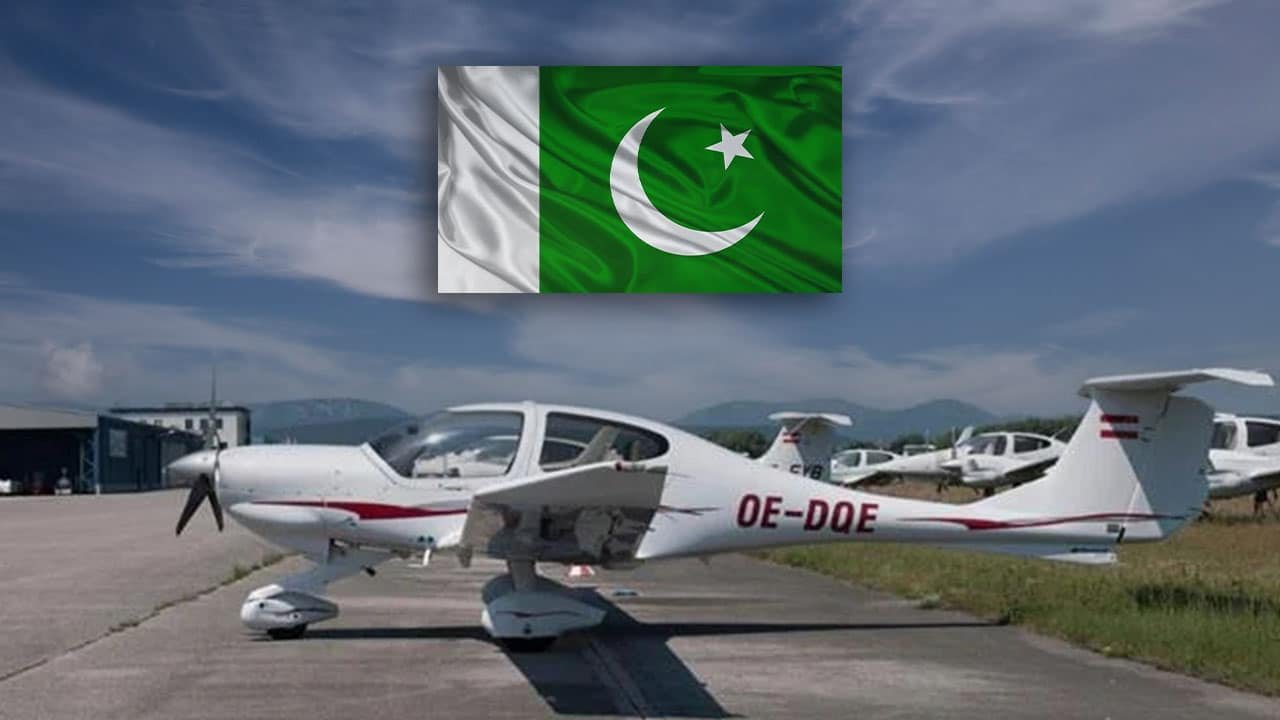
    The official launch of the aerial air taxi service took place in Karachi, marking a momentous occasion. The lease agreement for the highly acclaimed DA 40 Diamond series aircraft was officially signed at the Civil Aviation office adjacent to Karachi Airport.

    Imran Aslam Khan, the Chief Operating Officer of Sky Wings Aviation, expressed his genuine excitement as the aircraft designated for aerial tours successfully arrived in Pakistan after a flawless test flight.

    Notably, this remarkable single-engine plane boasts a comfortable seating capacity of four passengers.

    Imran emphasised that the primary objective of this exceptional air taxi service is to provide emergency transportation from Karachi to remote areas in rural Sindh and Balochistan through captivating aerial tours.

    The German-manufactured aircraft demonstrates remarkable capabilities, with a maximum speed of 160 kilometers per hour and a flight range of 2,000 kilometers, making it an ideal choice for efficient air travel across the region.

    To further enhance the convenience for passengers, Imran revealed that the mobile app, which is set to launch soon, will empower citizens to effortlessly select their desired time and destination for air travel, putting the control in their hands.

    Significantly, the fare for this novel air taxi service will be significantly lower compared to typical charter services, which often begin at a staggering cost of Rs2.5 million for a trip from Karachi to various cities in Sindh and Balochistan. This affordability factor opens up endless possibilities for a wider range of individuals to experience the convenience and luxury of air travel.

    The initial phase of the air taxi service will commence with eight aircraft of varying capacities, with promising plans for expansion in the near future. Importantly, this remarkable service is not limited to political, religious, or business personalities.

  • Covid vaccination certificate necessary for domestic air travel from August 1

    Covid vaccination certificate necessary for domestic air travel from August 1

    The National Command and Operation Centre (NCOC) has announced to make the Covid vaccination certificate compulsory for travelling through domestic flights from August 1.

    NCOC has urged the citizens to get vaccinated by July 31 to avoid any inconvenience. “The citizens should get a Covid vaccine certificate after the vaccination process,” it wrote in a Tweet.

    As per reports, those who would not need the COVID vaccination certificate, according to the NCOC, included travelers boarding abroad flights, foreign nationals, and those avoiding vaccination owing to a reaction in the body.

    Read More: How to get your Covid-19 vaccination certificate

    Furthermore, those having a COVID vaccination certificate from abroad would also be exempted from carrying a Covid vaccination certificate from NADRA.

    The Civil Aviation Authority (CAA) has also directed its staff to get themselves vaccinated against the virus by July 31.

    Circulation was also issued by Director General Civil Aviation Authority (DGCCA).

     “All staff must get vaccinated by July 31 otherwise they will not be allowed to enter into the premises of office/ airport from August 1,” read the notification.