Tag: America

  • Claudia Sheinbaum makes history as Mexico’s first woman president

    Claudia Sheinbaum makes history as Mexico’s first woman president

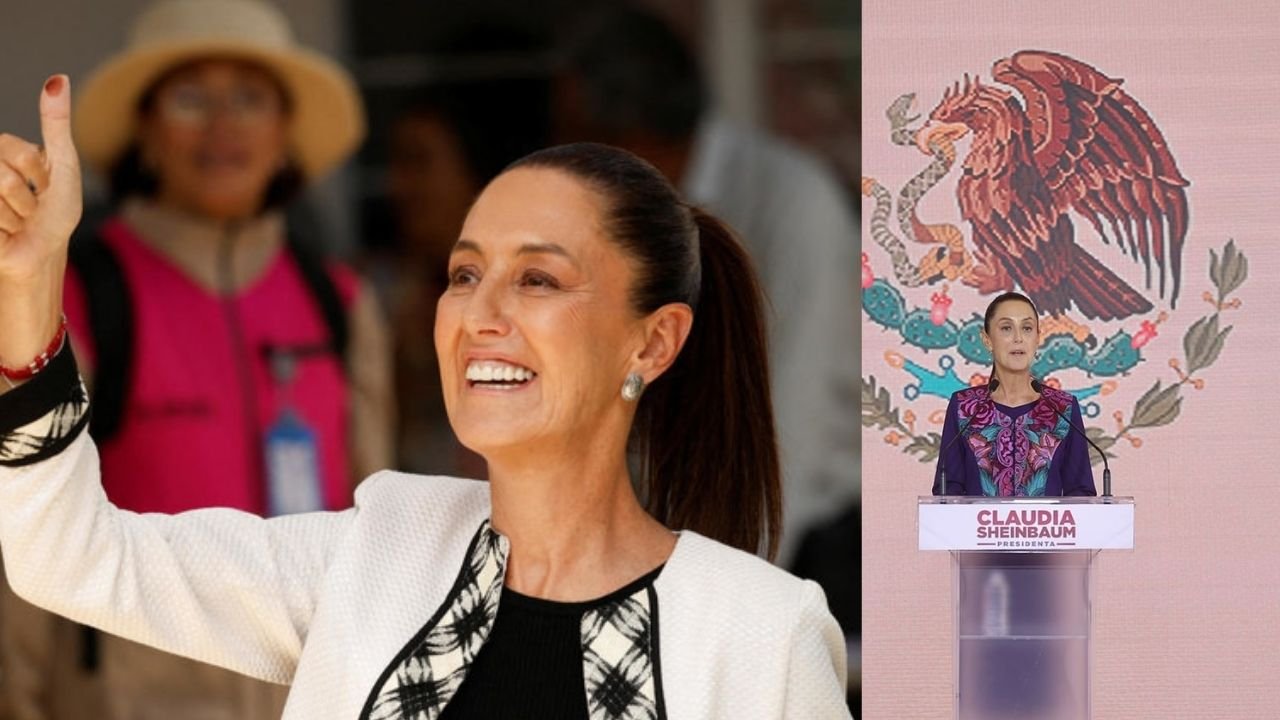
    Claudia Sheinbaum was elected Mexico’s first woman president by a landslide Sunday, making history in a country plagued by rampant criminal and gender-based violence.

    Crowds of flag-waving supporters sang and danced to mariachi music in Mexico City’s main square celebrating the ruling party candidate’s victory.

    “I want to thank millions of Mexican women and men who decided to vote for us on this historic day,” Sheinbaum said in a victory speech to the cheering crowd.

    “I won’t fail you,” the 61-year-old former Mexico City mayor vowed.

    She thanked her main opposition rival Xochitl Galvez, who conceded defeat.

    Sheinbaum, a scientist by training, won around 58-60 percent of votes, according to preliminary official results from the National Electoral Institute.

    That was more than 30 percentage points ahead of Galvez, and some 50 percentage points ahead of the only man running, long-shot centrist Jorge Alvarez Maynez.

    Voters had flocked to polling stations across the Latin American nation, despite sporadic violence in areas terrorized by ultra-violent drug cartels.

    Thousands of troops were deployed to protect voters, following a particularly bloody electoral process that has seen more than two dozen aspiring local politicians murdered.

    ‘Transformation’

    Mexican women going to the polls had cheered the prospect of a woman breaking the highest political glass ceiling in a country where around 10 women or girls are murdered every day.

    “A female president will be a transformation for this country, and we hope that she does more for women,” said Clemencia Hernandez, a 55-year-old cleaner in Mexico City.

    “Many women are subjugated by their partners. They’re not allowed to leave home to work,” she said.

    Daniela Perez, 30, said that having a woman president would be “something historic,” even though neither of the two main candidates was “totally feminist” in her view.

    “We’ll have to see their positions on improving women’s rights, resolving the issue of femicides — which have gone crazy — supporting women more,” added the logistics company manager.

    Nearly 100 million people were registered to vote in the world’s most populous Spanish-speaking country, home to 129 million people.

    Sheinbaum owes much of her popularity to outgoing President Andres Manuel Lopez Obrador, a fellow leftist and mentor who has an approval rating of more than 60 percent but is only allowed to serve one term.

    Lopez Obrador congratulated his ally with “all my affection and respect.” As well as being the first woman to lead Mexico, “she is also the president with possibly the most votes obtained in the history of our country,” he said.

    After casting her ballot, Sheinbaum revealed she had not voted for herself but for a 93-year-old veteran leftist, Ifigenia Martinez, in recognition of her struggle.

    ‘Hugs not bullets’

    In a nation where politics, crime and corruption are closely entangled, drug cartels went to extreme lengths to ensure that their preferred candidates win.

    Hours before polls opened, a local candidate was murdered in a violent western state, authorities said, joining at least 25 other political hopefuls killed this election season, according to official figures.

    In the central Mexican state of Puebla, two people died after unknown persons attacked polling stations to steal papers, a local government security source told AFP.

    Voting was suspended in two municipalities in the southern state of Chiapas because of violence.

    Sheinbaum has pledged to continue the outgoing president’s controversial “hugs not bullets” strategy of tackling crime at its roots.

    Galvez vowed a tougher approach to cartel-related violence, declaring “hugs for criminals are over.”

    More than 450,000 people have been murdered and tens of thousands have gone missing since the government deployed the army to fight drug trafficking in 2006.

    The next president will also have to manage delicate relations with the neighboring United States, in particular the vexed issues of cross-border drug smuggling and migration.

    As well as choosing a new president, Mexicans voted for members of Congress, several state governors and myriad local officials — a total of more than 20,000 positions.
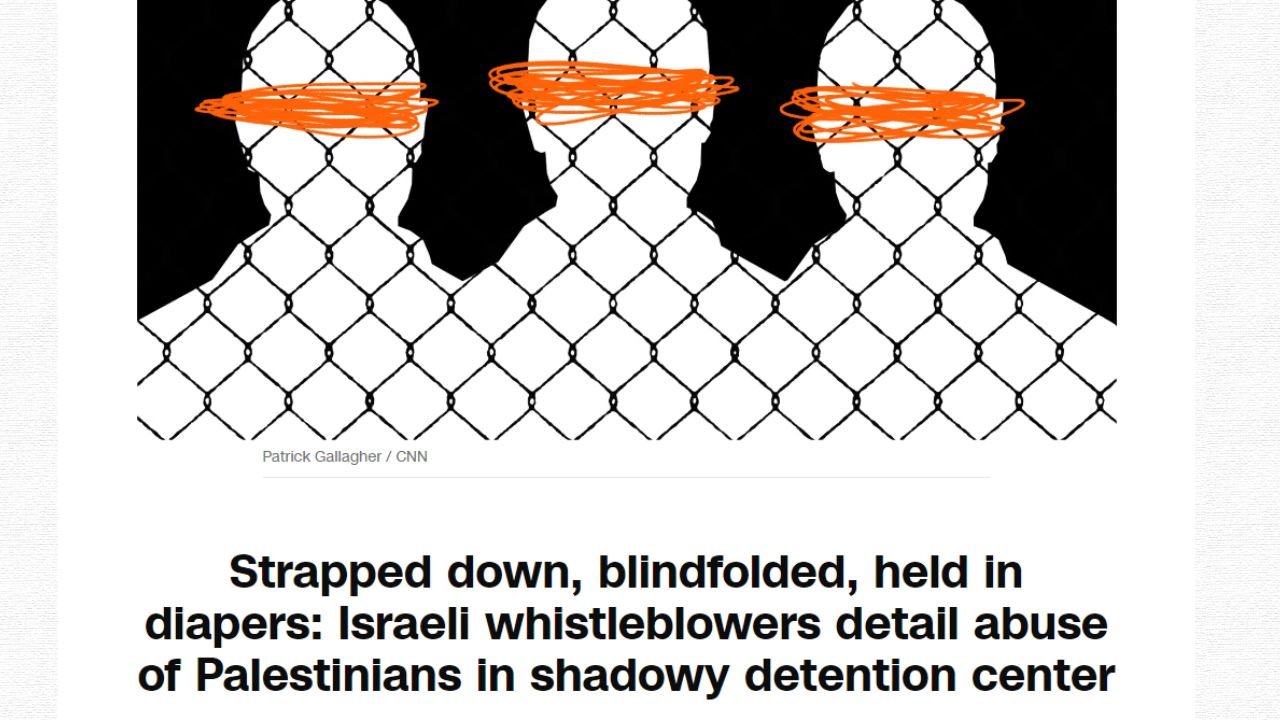
  • Strapped down, blindfolded, held in diapers; CNN exposes Israeli detention center for Palestinians

    Strapped down, blindfolded, held in diapers; CNN exposes Israeli detention center for Palestinians

    CNN has published and aired a damning report with the help of Israeli whistleblowers working at the Sde Teiman detention camp in Israel. The exposé has revealed systemic abuses by the military, including prisoners being restrained, blindfolded, and forced to wear diapers.

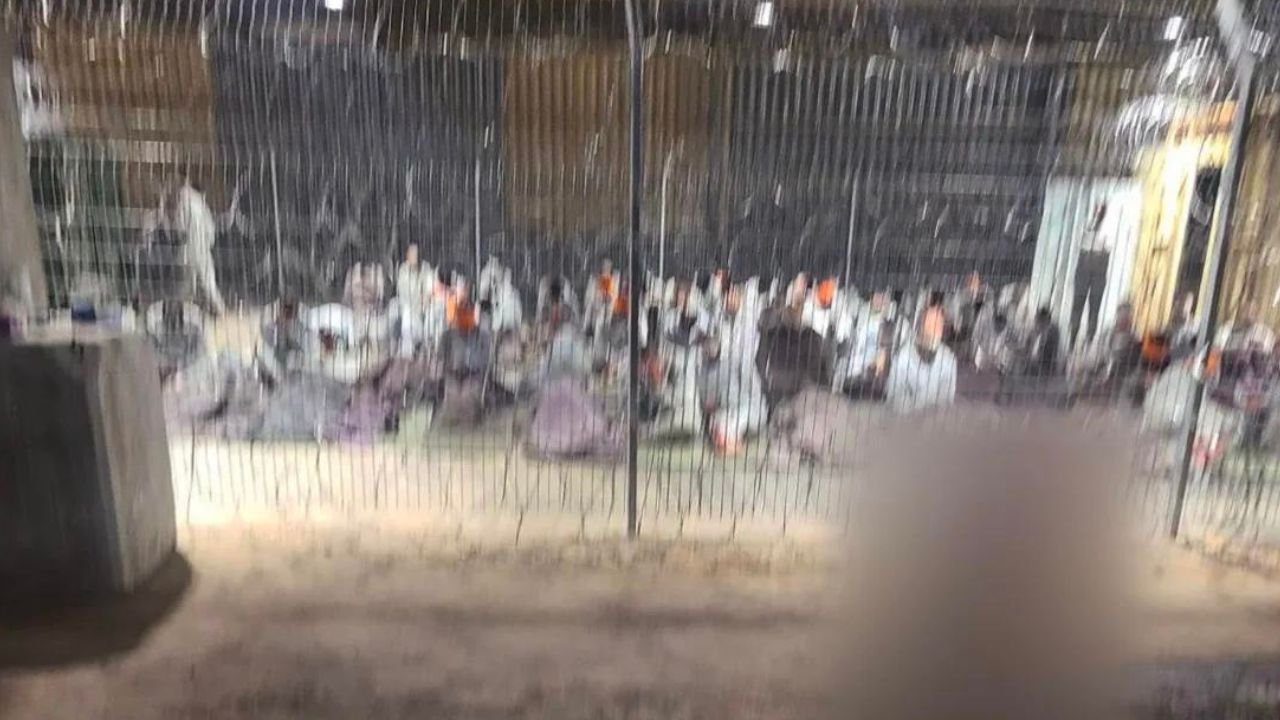
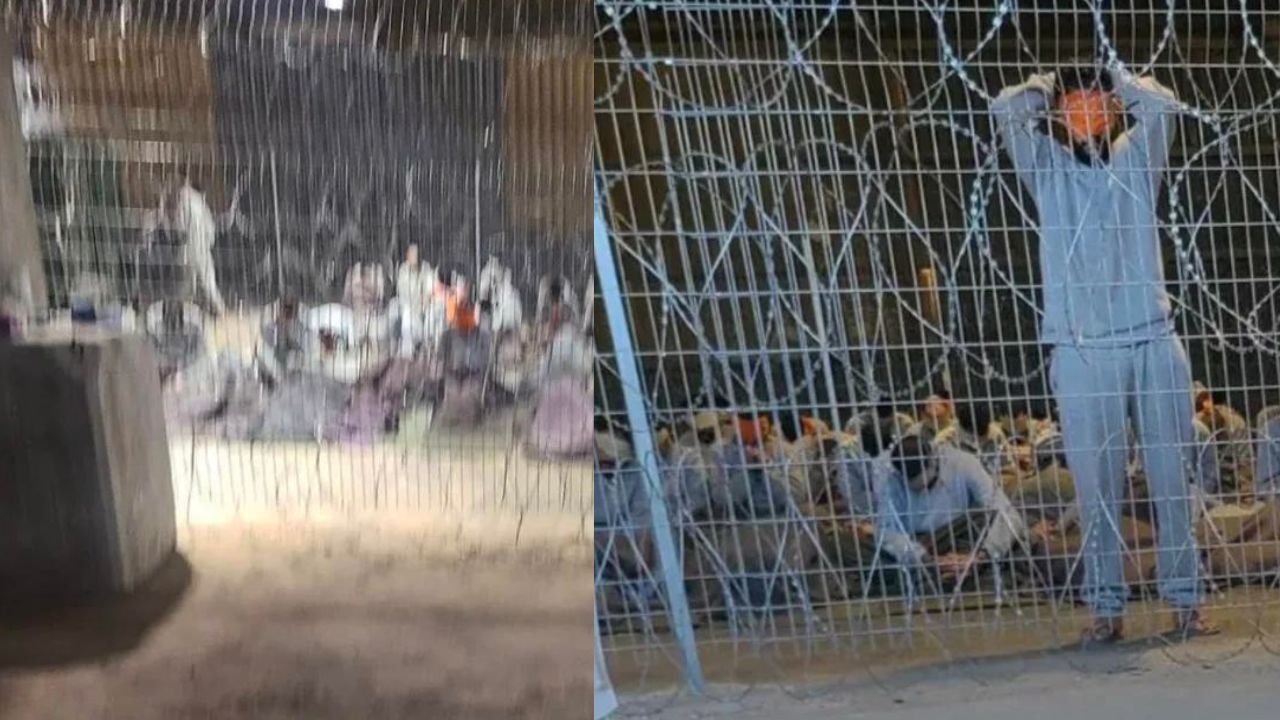
    Israel’s military base, which is now a detention center in the Negev desert, was photographed twice by an Israeli worker of a scene that he says continues to haunt him.

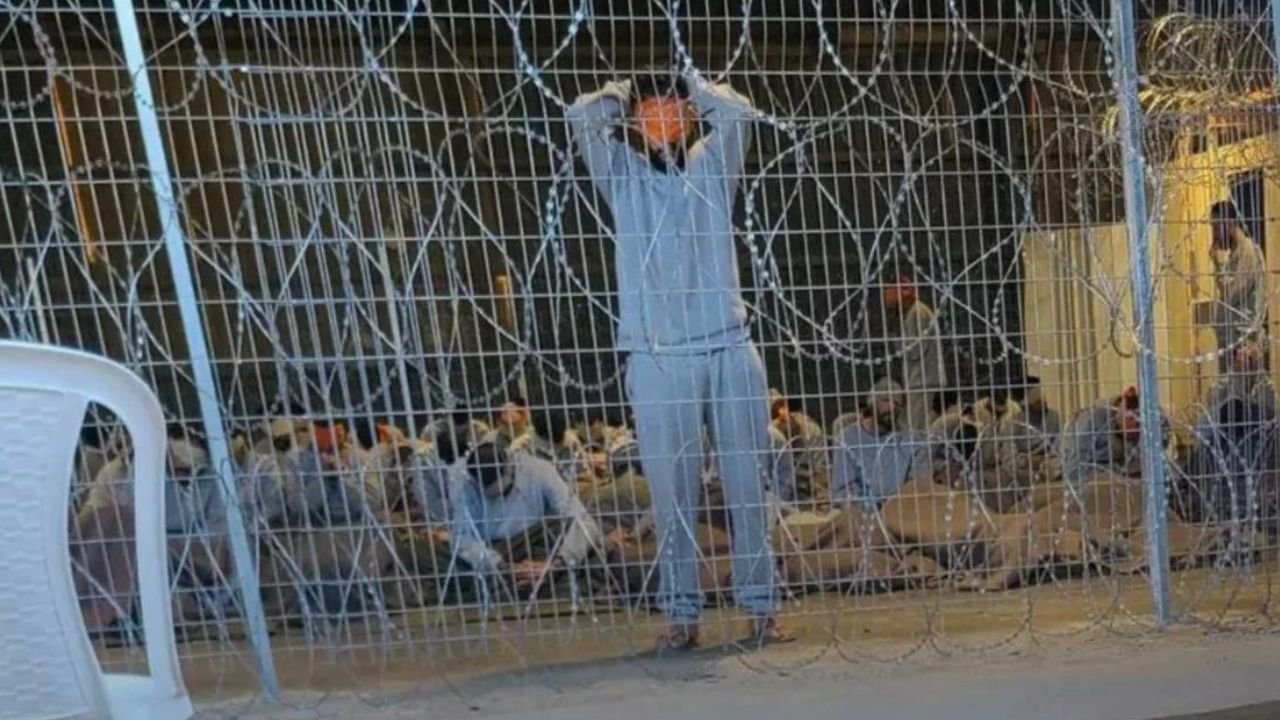
    Picture showed rows of men in gray tracksuits sitting on paper-thin mattresses, ringfenced by barbed wire. The detainees were blindfolded, their heads hanging heavy under the harsh glare of floodlights.

    The whistleblower told CNN about the conditions these men were kept in, detailing that they are forbidden from speaking to each other, so they mumble to themselves.

    “We were told they were not allowed to move. They should sit upright. They’re not allowed to talk. Not allowed to peek under their blindfold.”
    Guards were instructed “to scream uskot” – shut up in Arabic – and told to “pick people out that were problematic and punish them,” the report laid out.

    Where is Sde Teiman?

    Sde Teiman is located some 18 miles from the Gaza frontier and is split into two parts: enclosures where around 70 Palestinian detainees from Gaza are placed under extreme physical restraint, and a field hospital where wounded detainees are strapped to their beds, wearing diapers and fed through straws.
    “They stripped them down of anything that resembles human beings,” said one whistleblower, who worked as a medic at the facility’s field hospital.
    “(The beatings) were not done to gather intelligence. They were done out of revenge,” said another whistleblower. “It was punishment for what they (the Palestinians) did on October 7 and punishment for behavior in the camp.”

    Why is it a paradise for medical interns?

    The whistleblowers give a peek into the very common practice of amputation of prisoners’ limbs due to injuries sustained by constant handcuffing. The detention centre is also called “a paradise for interns” because sometimes underqualified medics perform procedures here and learn through practice.

    Accounts of Palestinians held in the Israeli detention centre

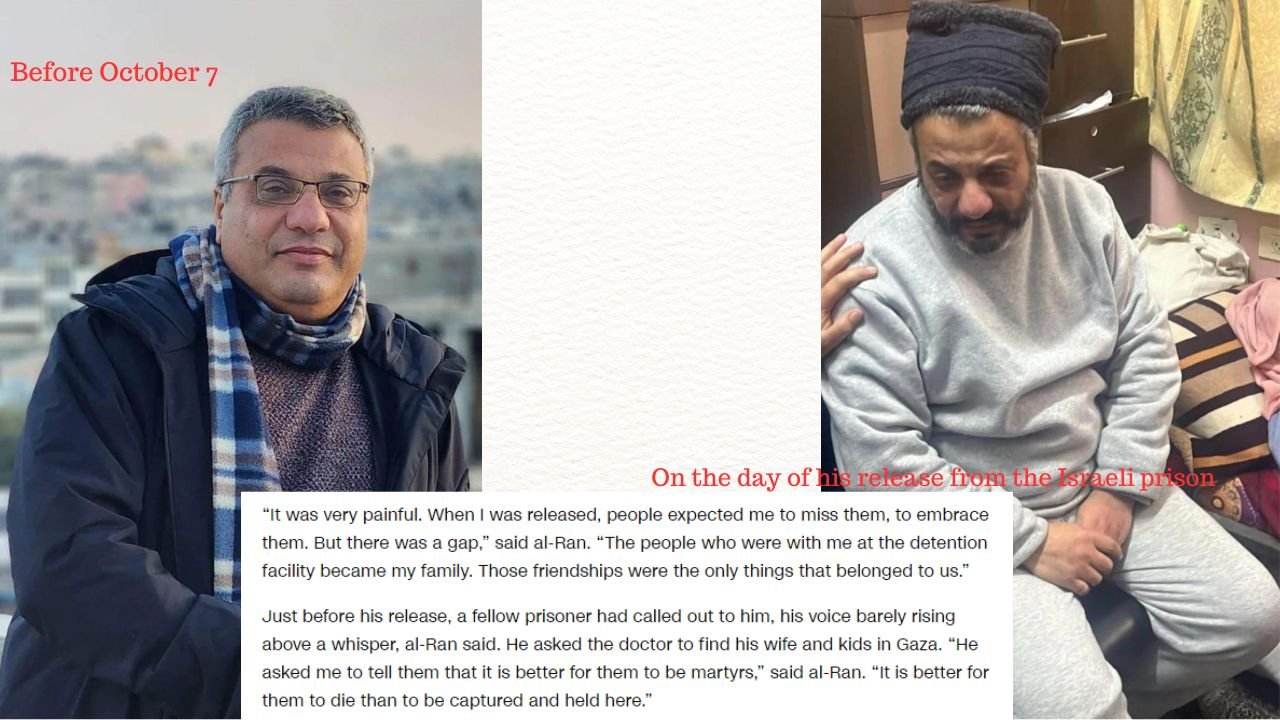
    CNN interviewed Dr. Mohammed al-Ran who headed the surgical unit at Northern Gaza’s Indonesian hospital, one of the first to be shut down and raided as Israel carried out its aerial, ground and naval offensive.

    He was arrested on December 18, he said, outside Gaza City’s Al-Ahli Baptist Hospital, where he had been working for three days after fleeing his hospital in the heavily bombarded north.

    He was stripped down to his underwear, blindfolded and his wrists tied, then dumped in the back of a truck where, he said, the near-naked detainees were piled on top of one another as they were shuttled to a detention camp in the middle of the desert.

    “We looked forward to the night so we could sleep. Then we looked forward to the morning in hopes that our situation might change,” said Dr. Mohammed al-Ran, recalled.

    Al-Ran was held in a military detention center for 44 days, he told CNN. “Our days were filled with prayer, tears, and supplication. This eased our agony,” said al-Ran.

    Punishment for speaking to each other

    A prisoner who committed an offense such as speaking to another would be ordered to raise his arms above his head for up to an hour. The prisoner’s hands would sometimes be zip-tied to a fence to ensure that he did not come out of the stress position.

    For those who repeatedly breached the prohibition on speaking and moving, the punishment became more severe. Israeli guards would sometimes take a prisoner to an area outside the enclosure and beat him aggressively, according to two whistleblowers and al-Ran.

    Unleashing dogs as form of “the nightly torture”

    That whistleblower and al-Ran also described a routine search when the guards would unleash large dogs on sleeping detainees, lobbing a sound grenade at the enclosure as troops barged in. Al-Ran called this “the nightly torture.”

    “While we were cabled, they unleashed the dogs that would move between us, and trample over us,” said al-Ran. “You’d be lying on your belly, your face pressed against the ground. You can’t move, and they’re moving above you.”

    The same whistleblower recounted the search in the same harrowing detail. “It was a special unit of the military police that did the so-called search,” said the source. “But really it was an excuse to hit them. It was a terrifying situation.”

    “There was a lot of screaming and dogs barking.”

    Strapped to beds in the hospital

    “If you imagine yourself being unable to move, being unable to see what’s going on, and being completely naked, that leaves you completely exposed,” the whistleblower said. “I think that’s something that borders on, if not crosses to, psychological torture.”

    Another whistleblower said he was ordered to perform medical procedures on the Palestinian detainees for which he was not qualified.


    Response of IDF

    The Israeli Defence Forces did not directly deny accounts of people being stripped of their clothing or held in diapers. Instead, the Israeli military said that the detainees are given back their clothing once the IDF has determined that they pose no security risk.

    Two Palestinian prisoners associations said last week that 18 Palestinians – including leading Gaza surgeon Dr. Adnan al-Bursh – had died in Israeli custody over the course of the war.

    Sde Teiman and other military detention camps have been shrouded in secrecy since their inception. Israel has repeatedly refused requests to disclose the number of detainees held at the facilities, or to reveal the whereabouts of Gazan prisoners.

  • Karachi gangster, US spy Kamran Faridi, freed from American jail on condition of deportation

    Karachi gangster, US spy Kamran Faridi, freed from American jail on condition of deportation

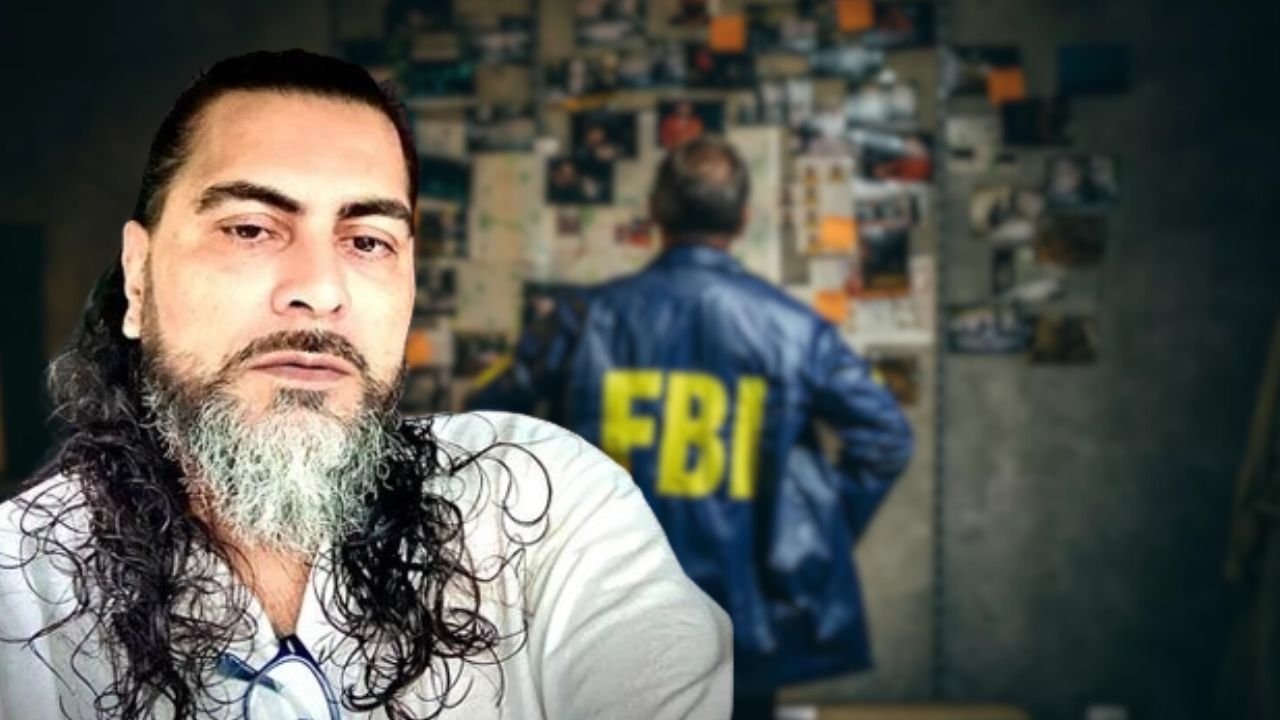
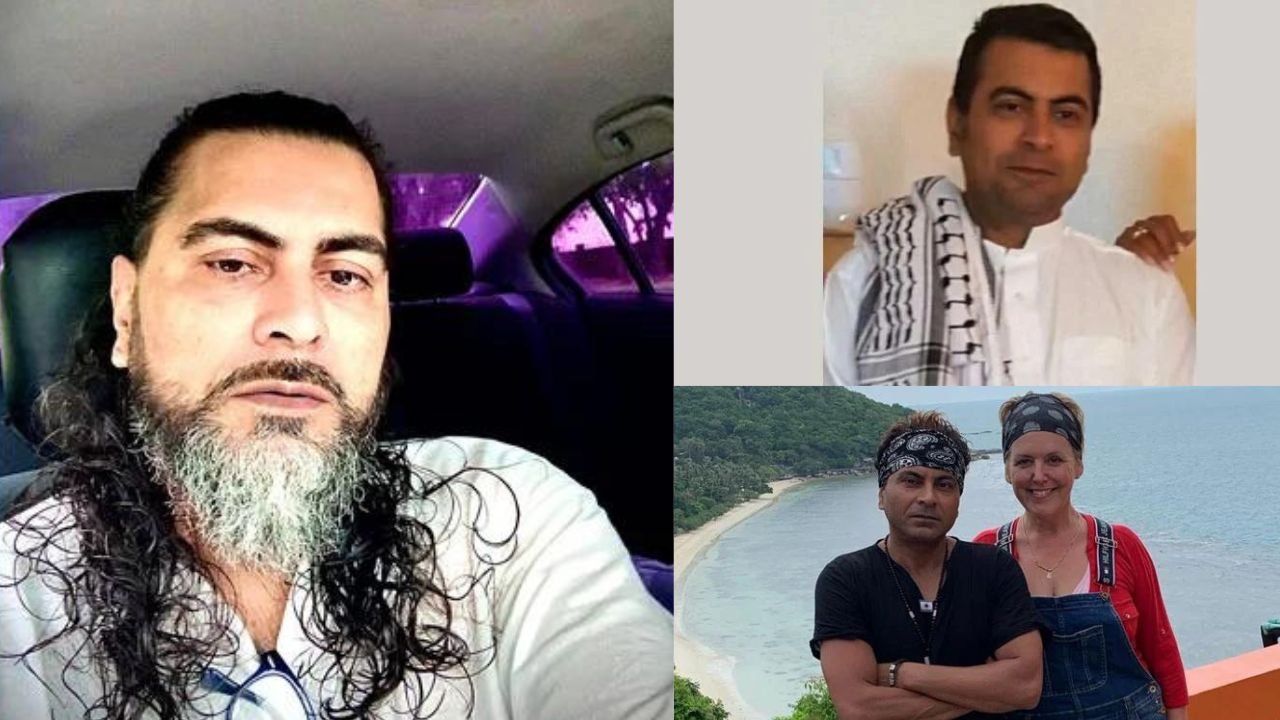
    Kam­ran Faridi, a former gangster from Karachi, later serving as a high-profile agent of the US Federal Bureau of Investigation (FBI), has been released after serving nearly four years of his seven-year sentence in a Florida prison.

    Faridi was sentenced to 84 months of imprisonment on his convictions for “transmitting threats in interstate commerce, threatening to assault a federal officer, and obstruction of justice,” on December 9, 2022.

    On March 18, 2024, a New York federal judge, reduced the sentence of Kamran Faridi to 72 months.

    Faridi was recently released on some conditions which most prominently include surrendering his US citizenship and agreeing to leave the United States permanently before August.

    Faridi, now 60, grew up in Gulshan-i-Iqbal, Karachi. He was affiliated with the Peoples Students Federation (PSF), and was a close associate of PSF leader Najeeb Ahmed, who was assassinated in 1990.

    His family sent him to Sweden after he was found involved in several violent acts.

    Faridi migrated to the US in 1991, and within four years, he purchased a gas station in Atlanta, Georgia. There he met some FBI agents who were impressed with his proficiency in Urdu, Pun­jabi, Hindi, and Spanish. In 1996, they formally recruited him as a full-time informant and agent, according to Dawn.

    Faridi’s journey from a street hustler to FBI agent came to light when he played a pivotal role in the arrest of a Karachi businessman Jabir Motiwala in London in 2018. He orchestrated a plot, posed as a Russian mafia operative, to trap Motiwala in illegal activities. However, a rift developed between Faridi and his FBI handlers when he threatened to expose their manipulation of evidence against Motiwala. This led to the end of his career and he was arrested by Scotland Yard shortly afterwards.

    In a report by Geo News, Murtaza Ali Shah explains the extraordinary journey of the Pakistani-origin FBI agent, whose residence permits in UAE and Turkey, issued by FBI have been revoked and he is released only on the condition of never coming back to the US.

  • Xi tells Blinken US, China should be ‘partners, not rivals’

    Xi tells Blinken US, China should be ‘partners, not rivals’

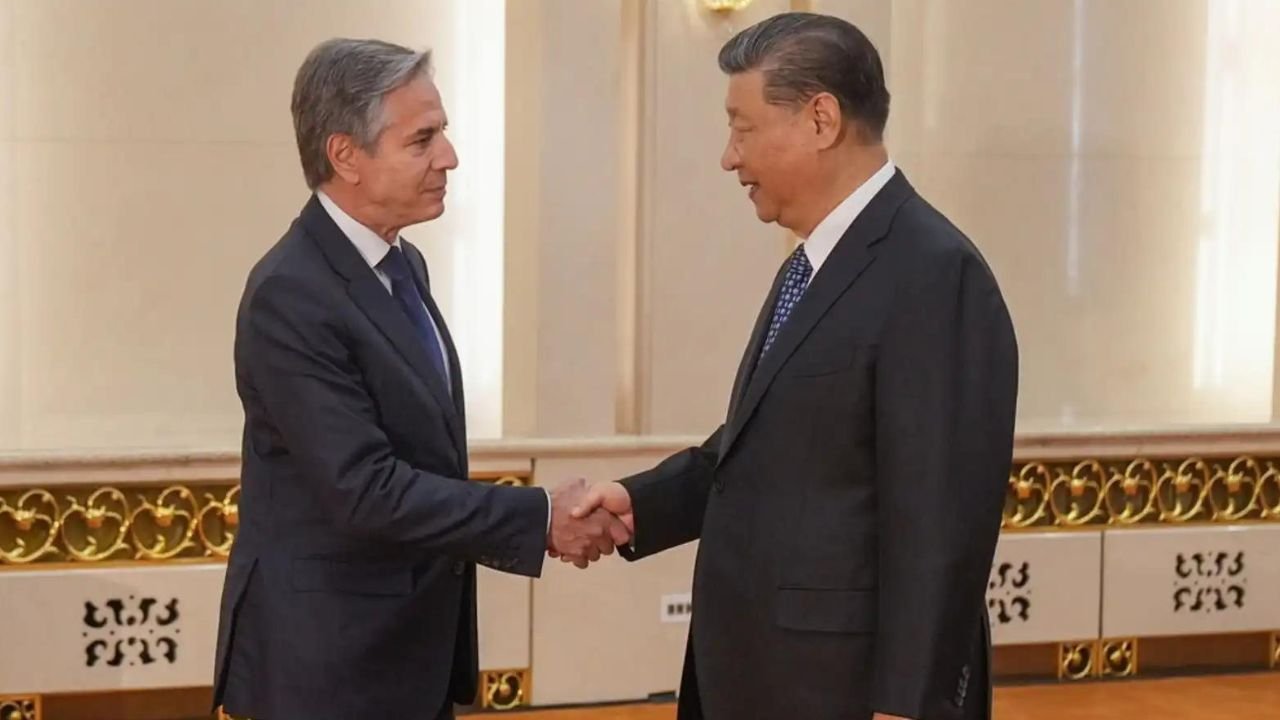
    Chinese President Xi Jinping on Friday told top US diplomat Antony Blinken that the world’s two biggest economies should be “partners, not rivals”, but that there were a “number of issues” to be resolved in their relations.

    Meeting Blinken in Beijing’s Great Hall of the People, Xi said the two countries had “made some positive progress” since he met with US President Joe Biden last year, according to state broadcaster CCTV.

    “There are still a number of issues that need to be resolved, and there is still room for further efforts,” Xi said.

    “I proposed three major principles: mutual respect, peaceful coexistence, and win-win cooperation,” the Chinese leader added.

    “The earth is big enough to hold the common development and… prosperity of China and the United States,” he continued.

    “China would be pleased to see a confident and open, prosperous and developing United States,” Xi said.

    “We hope the US can also take a positive view of China’s development,” he added.

    “When this fundamental problem is solved… relations can truly stabilise, get better, and move forward.”

  • ‘Conspiracy theorist’ sets self on fire outside Trump trial

    ‘Conspiracy theorist’ sets self on fire outside Trump trial

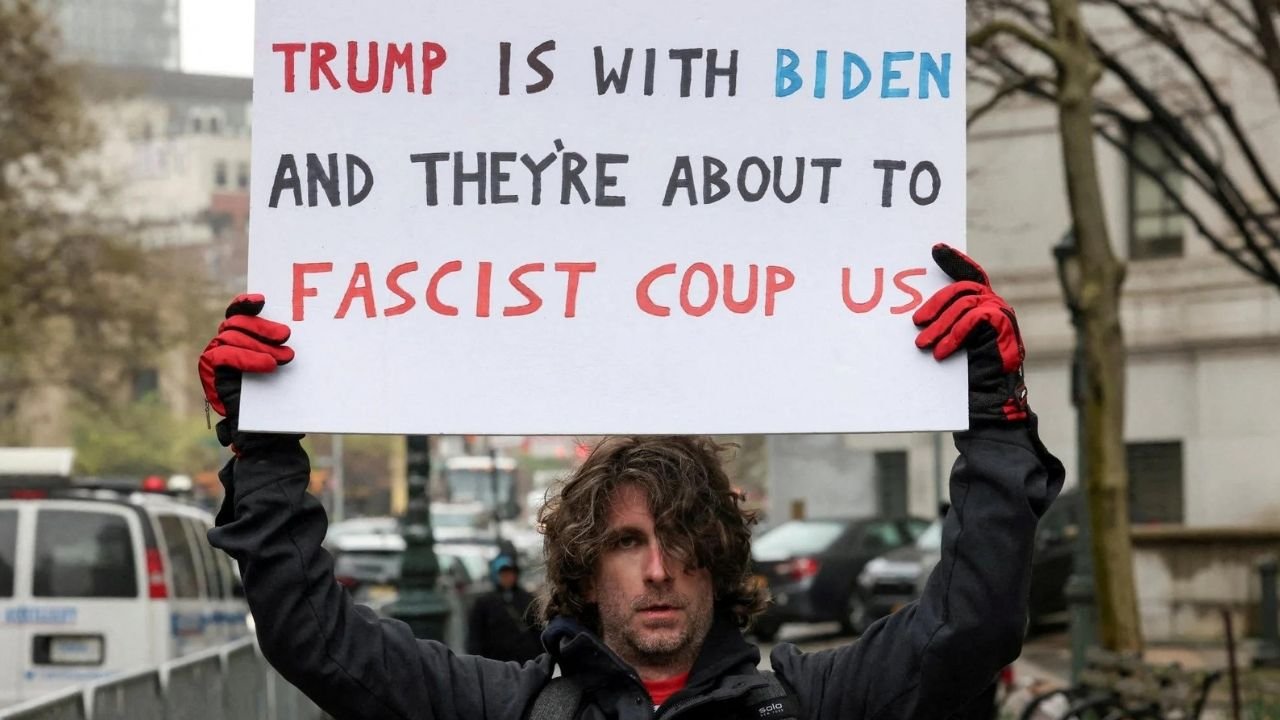
    A man set himself ablaze Friday outside the court where Donald Trump is standing trial, throwing pamphlets that police said contained conspiracy theories before he was taken to a hospital in critical condition.

    Police named the man as Maxwell Azzarello from St Augustine, Florida and said the pamphlets he sought to disseminate “seem to be propaganda-based.”

    “(They were) almost like a conspiracy theory type of pamphlet, some information in regards to Ponzi schemes, and the fact that some of our local educational institutes are a front for the mob,” NYPD chief of detectives Joseph Kenny told reporters.

    “His condition is not good, but as of now he is still alive.”

    Deputy police commissioner Tarik Sheppard said “we just right now labelled (him) a sort of conspiracy theorist, and we’re going from there.”

    Burning clothes were strewn in the park, which was locked down by authorities, while ambulances lined up nearby on standby, an AFP correspondent at the scene saw, describing a strong smell of burning chemicals.

    Laura Kavanagh, the New York City fire commissioner, said four officers were lightly injured in the incident. She described Azzarello’s condition as “critical.”

    Video seemingly taken by witnesses and posted on social media showed a person standing engulfed in flames, then falling to the ground as police officers, including one with a fire extinguisher, rushed to beat out the blaze.

    A witness who gave his name as Dave, 73, told AFP he saw a man throwing pamphlets before dousing himself with an unspecified liquid and lighting himself on fire.

    TV reporters described the incident unfolding moments after the full panel of 12 jurors and six alternates was selected for the trial of the former president in a hush money cover-up case.

    A CNN reporter described a heavy stench of burning flesh in the aftermath of the blaze.

    Hearings in the case resumed after lunch despite the incident. Trump declined to respond to questions about Azzarello as he returned to court after the break.

    The self-immolation happened in a park opposite the 100 Centre Street courthouse, which has been used by authorities to corral protesters, both pro-Trump and anti-Trump, as well as well as by some members of the media.

    Trump’s criminal trial, the first of a former president, is being conducted amid tight security in a 15th floor courtroom swarming with Secret Service officers as well as court police.

  • Israeli professor in America gets slammed by internet for Islamophobia

    Israeli professor in America gets slammed by internet for Islamophobia

    A professor in the Management Division of Columbia Business School, Shai Davidai, has been under fire by the academia and students who have been vocal against the Zionist narrative at American universities as Israel’s genocide in Gaza continues to get condemned.

    In a recent post on his social media pages, he uploaded a video of a Muslim leading Jummah prayer at Columbia University, saying, “Let the world know”, in an effort to portray the act as regressive or extreme.

    Here is how people responded

Twitter embed code generator

Twitter embed code generator

Twitter embed code generator

Twitter embed code generator

Background

Supporters of professor Davidai, led by the #EndJewHatred movement, staged a protest on Wednesday urging University President Minouche Shafik to resign, alleging insufficient protection for Jewish students.

The protest followed Shafik’s testimony at a House Committee hearing titled “Columbia in Crisis: Columbia University’s Response to Antisemitism.”

Davidai, in his address, has accused Shafik of dishonesty and called for her resignation, pledging to ensure the safety of Jewish and non-Jewish communities in collaboration with future university leadership.

On the other hand, hundreds of students from Columbia University and outsiders have been demonstrating and have set up and an encampment.

Shafik authorised police to clear tents, stating that they have breached the university’s rules and policies by holding unauthorised demonstrations as well as not engaging with administrators.

The police have arrested more than 100 pro-Palestinian student protesters at New York’s Columbia University Thursday, a day after the president of the prestigious school was grilled in Congress over accusations of anti-Semitism on campus.

  • Prisoner in American jail donates all his wages for working for 136 hours to Gaza

    Prisoner in American jail donates all his wages for working for 136 hours to Gaza

    Hamza, a prisoner incarcerated in an American jail and working as a janitor, donated all of his earnings to the people suffering in Gaza. The story has been widely shared across social media.

    Filmmaker Justin Mashouf first shared on his socials that his incarcerated friend Hamza had asked him to help him by donating his wage money to help civilians in Gaza.

    “An incarcerated brother I am in correspondence with donated $17.74 for relief efforts in Gaza. This donation is the sum of 136 hours of his labor in the prison working as a porter/janitor,” Mashouf wrote.

    View this post on Instagram

    A post shared by Justin Mashouf (@jmashouf)

    The selfless act left not just Mashouf but also the people on Twitter and Instagram stunned.

    As Mashouf shared Hamza’s prison pay stub on social media, users raised more than $102,000 through a GoFundMe campaign. This money was intended to go to the 56-year-old Hamza who has been incarcerated for nearly 40 years and is set to be paroled this month, reports The Washington Post.

    Mashouf first contacted Hamza in 2009, when he was working on his documentary “The Honest Struggle.”

    The Washington Post did not publish Hamza’s legal name — “Hamza” is a chosen name — because Mashouf said Hamza feared he would be risking his parole status by seeking attention.

    Legal records show that Hamza was convicted of one count of second-degree murder in 1986 and sentenced to 15 years to life. He pleaded guilty to the murder when he was a teenager, records show.

    Mashouf told the Washington Post that Hamza had been convicted of the murder of an uncle.

    “Hamza accidentally fired a gun at a loved one … leading to his imprisonment for over four decades,” says GoFundMe page.

    At the time of his conviction, the judge told Hamza that he would be released on adult parole. However, Hamza appealed against the denial of his parole in 2013.

    Records show that Hamza has appeared in front of the court multiple times but has always been denied parole.

    The GoFundMe page also laid out how Hamza converted to Islam in 1989 and how he would be spending his money once released: health care, housing, clothing, food, a job search and training. Hamza has already decided, however, that some of the donations meant for him will go to others in need, Mashouf said.

    After Mashouf told Hamza that the funds were in the thousands, Hamza asked him to disable donations.

    “He said whatever has already been donated is sufficient for him,” Mashouf said. “And that he didn’t want to distract people from those who were suffering more than him.”

    View this post on Instagram

    A post shared by Justin Mashouf (@jmashouf)

    Moreover, in an update on the GoFundMe page, Hamza said he was eager to start his new life.

    “I look forward to the promise of life, happiness, struggles, and dreams, to soar and spread my wings, to be a man, a human being once again now that I know the preciousness and the incalculable value of Life,” he wrote.

    Mashouf said that Hamza is a qualified electrician but would need computer and technological training to get up to speed before he joins the workforce outside prison.

    Hamza will also be donating his March paycheck to civilians in Gaza, one that he hopes is his final check from prison.

    Prisoners in California make between 8-37 cents per hour for their labour. This is a part of forced labour permitted by the constitution. Prison labour provides $ 11 billion per year to the country’s revenue, reported AJ+ in an explainer.

    View this post on Instagram

    A post shared by AJ+ (@ajplus)

  • Trump fined $355 mn, banned from NY business in fraud trial

    Trump fined $355 mn, banned from NY business in fraud trial

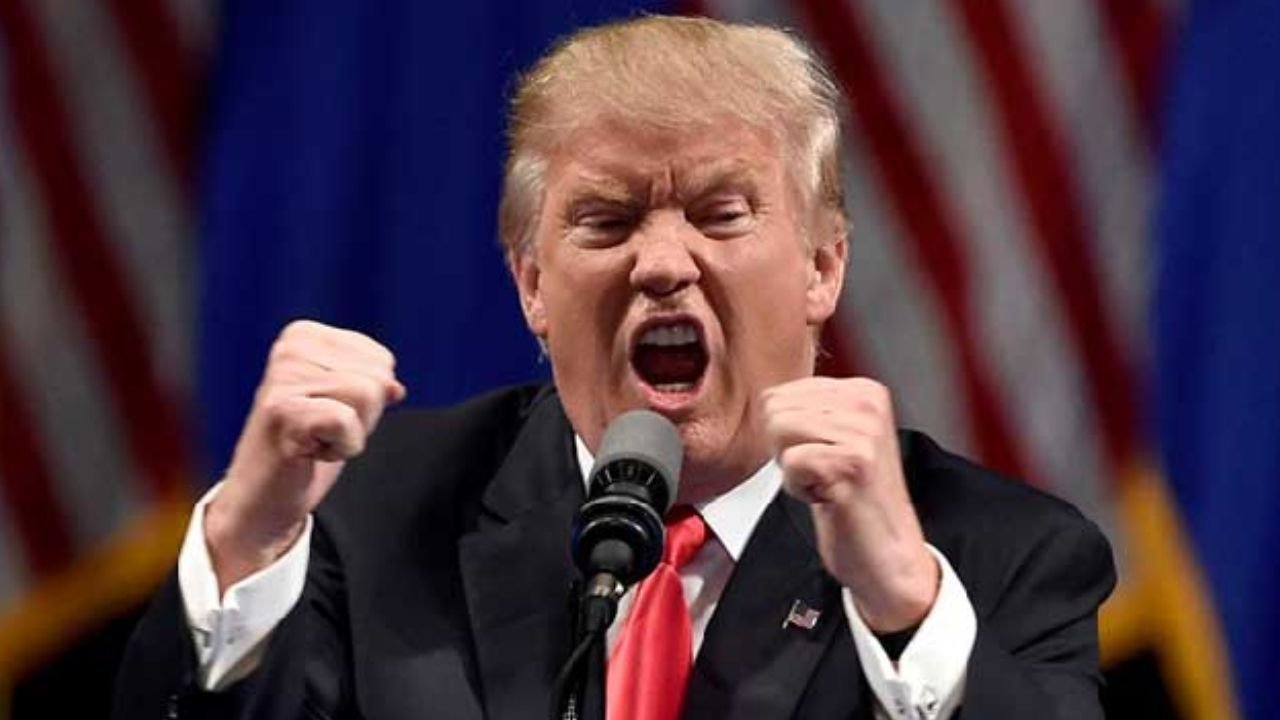
    A New York judge ordered Donald Trump to pay $355 million over fraud allegations and banned him from running companies in the state for three years Friday in a major blow to his business empire and financial standing.

    Trump — almost certain to be the Republican presidential nominee this November — was found liable for unlawfully inflating his wealth and manipulating the value of properties to obtain favorable bank loans or insurance terms.

    Trump lashed out on social media calling the ruling a “Total SHAM,” the judge in the case “crooked” and the prosecutor who brought it “totally corrupt.” His legal team said he would “of course” appeal.

    As the case was civil, not criminal, there was no threat of imprisonment. But Trump said ahead of the ruling that a ban on conducting business in New York state would be akin to a “corporate death penalty.”

    Trump, facing 91 criminal counts in other cases, has seized on his legal woes to fire up supporters and denounce his likely opponent, President Joe Biden, claiming that court cases are “just a way of hurting me in the election.”

    However, Judge Arthur Engoron said the financially shattering penalties are justified by Trump’s behavior.

    “Their complete lack of contrition and remorse borders on pathological,” Engoron said of Trump and his two sons, who were also defendants, in his scathing ruling.

    “They are accused only of inflating asset values to make more money… Donald Trump is not Bernard Madoff. Yet, defendants are incapable of admitting the error of their ways,” he added, referring to the perpetrator of a massive Ponzi scheme.

    Trump’s sons Eric and Donald Trump Jr. were also found liable in the case and ordered to pay more than $4 million each, prompting Don Jr. to claim on social media that “political beliefs” had determined the outcome.

    Engoron also extended the mandate of retired judge Barbara Jones as an independent monitor of Trump’s business affairs, as well as ordering the appointment of an independent director of compliance to the Trump Organization, with candidates to be nominated by Jones.

    “Conditions that Judge Engoron imposed, such as having Judge Jones monitor the Trump companies, may be onerous. I do expect an appeal,” said Richmond University law professor Carl Tobias.

    It was as a property developer and businessman in New York that Trump built his public profile which he used as a springboard into the entertainment industry and ultimately the presidency.

    The judge’s order was a victory for New York state Attorney General Letitia James. She had sought $370 million from Trump to remedy the advantage he is alleged to have wrongfully obtained, as well as having him barred from conducting business in the state.

  • American man asks for beer money, gets million dollars

    Daily Live Show host Ronny Chieng has shared a story of a man who in his words “went viral for the dumbest thing possible,” calling it a King Controversy.

    Carson King attended ESPN’s college game day carrying a poster “Busch Light Supply needs replenished”. He even added his original Venmo account title under the text. King thought this to be a joke that would attract a few laughs or even a little money. He was surprised when the money started pouring in as a huge number people sent him money. He eventually raised more than a million dollars in his account.

    View this post on Instagram

    A post shared by The Daily Show (@thedailyshow)

    King told the Daily Show that the episode started as a joke but then people from different states started sending him money.

    Ronny jokes that the man got a million dollars for beer and all he did was hold up a sign. “He did it on TV and he is a hero.” Had he (Ronny) asked for money like this, he would have been called a bank robber, implying how Asians are stereotyped in America.

  • US-UK strike Yemen after Houthi rebels defend Palestine by stopping Israeli ships

    US-UK strike Yemen after Houthi rebels defend Palestine by stopping Israeli ships

    American and British forces have launched fresh raids on Yemen’s capital, Houthi rebel forces confirmed on Saturday, a day after the allies carried out dozens of strikes on the country.

    The latest raids targeted Al-Dailami airbase in Sanaa, which has been under Houthi control since 2014, a statement released on their official media stated. “The American-British enemy is targeting the capital, Sanaa, with a number of raids,” Al-Masirah TV posted on X, formerly Twitter, citing its correspondent in Sanaa.”The American-British aggression targeted the Al-Dailami base in the capital, Sanaa,” it added.

    Raids on Yemen follow weeks of Houthi attacks on Israel’s ships in the commercial Red Sea in protest against the war on Gaza.

    The strike on a Houthi radar site comes a day after scores of attacks across the country heightened fears that Israel’s aggression on Gaza could engulf the whole Arab region.

    The Houthis warned that US and British interests were “legitimate targets” after the initial strikes. Britain, the United States and eight allies said strikes carried out on Friday had aimed to “de-escalate tensions”, but the Houthis vowed to continue their attacks. Hussein al-Ezzi, the rebels’ deputy foreign minister, said the United States and Britain would “have to prepare to pay a heavy price”.

    The rebels have controlled much of Yemen since a civil war erupted in 2014 and are part of the “axis of resistance” against Israel and its allies.

    Violence involving these groups in Yemen, Lebanon, Iraq, and Syria has surged since the war in Gaza began in early October.

    What has the UN said?

    UN chief Antonio Guterres called on all sides “not to escalate” in the interest of regional peace and stability, his spokesman Stephane Dujarric said.

    The UN Security Council held an emergency meeting on Friday, days after adopting a resolution demanding the Houthis immediately stop their attacks.

    At the meeting, US Ambassador Linda Thomas-Greenfield warned that no ship was safe from the threat posed by Houthis to shipping in the Red Sea.

    Russian ambassador Vassili Nebenzia denounced the “blatant armed aggression” against the entire population of the country.

    Red Sea attacks and the politics of the Middle East

    The Houthis have intensified attacks on what they deem Israeli-linked shipping in the Red Sea- through which 12 percent of global maritime trade normally passes- since October 7.

    The United States and Britain launched strikes on Friday that targeted nearly 30 locations using more than 150 ammunitions, US General Douglas Sims said, updating earlier figures, and President Joe Biden said he did not believe there were civilian casualties.

    Biden called the strikes a successful “defensive action” after the “unprecedented” Red Sea attacks and said he would act again if the Houthis continued their “outrageous behaviour”.

    British Prime Minister Rishi Sunak said the Houthis’ breach of international law warranted the “strong signal”, with his government publishing its legal position justifying the strikes as lawful and “proportionate”.

    Nasser Kanani, spokesman for Iran’s foreign ministry, said the Western strikes would fuel “insecurity and instability in the region” while “diverting” attention from Gaza.

    The Houthis fired “at least one” anti-ship ballistic missile in retaliation on Friday that caused no damage, according to Sims.

    The United States said it did not seek conflict with Iran, with National Security Council spokesman John Kirby telling MSNBC there was “no reason” for an escalation.

    Middle Eastern leaders voiced concern at the violence, with Turkish President Recep Tayyip Erdogan describing the strikes on Yemen as disproportionate and saying: “It is as if they aspire to turn the Red Sea into a bloodbath.”

    Saudi Arabia said it “is following with great concern the military operations” and called for “self-restraint and avoiding escalation”. The kingdom is trying to extricate itself from a nine-year war with the Huthis, though fighting has largely been on hold since a truce in early 2022.

    Palestinian freedom fighting group Hamas said it would hold Britain and the United States “responsible for the repercussions on regional security”.

    ‘Death to America’

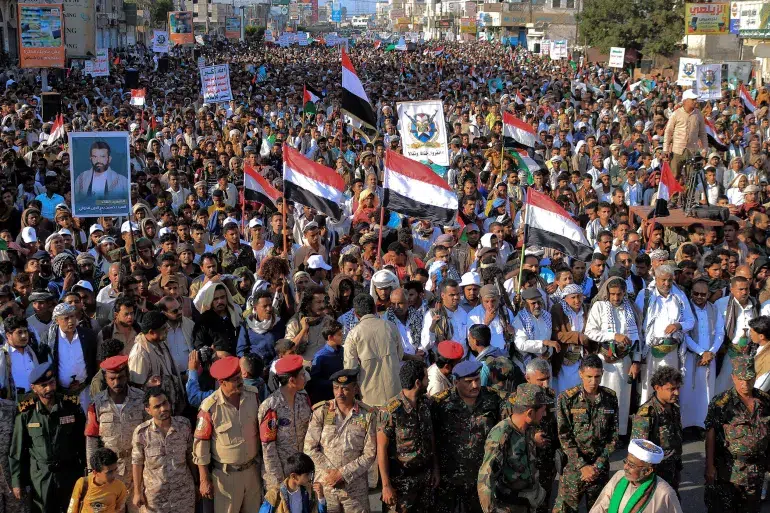
    Hundreds of thousands of people, some carrying Kalashnikov assault rifles, gathered in Yemen’s capital Sanaa on Friday to protest, many waving Yemeni and Palestinian flags and holding portraits of Huthi leader Abdulmalik al-Huthi, an AFP journalist reported.

    “Death to America, death to Israel,” they chanted.

    In Tehran, hundreds rallied against the United States, Britain, and Israel, burning the three countries’ flags outside the UK embassy while voicing support for Gazans and Yemenis, an AFP correspondent reported.

    In Gaza, Palestinians lauded Houthi support and condemned Britain and the United States. “No one is standing with us but Yemen,” said Fouad al-Ghalaini, one of hundreds of thousands of Palestinians left homeless by Israel’s bombardment of Gaza City