Tag: amoled

  • Apple may launch a folding iPad in 2024: Apple analyst

    Apple may launch a folding iPad in 2024: Apple analyst

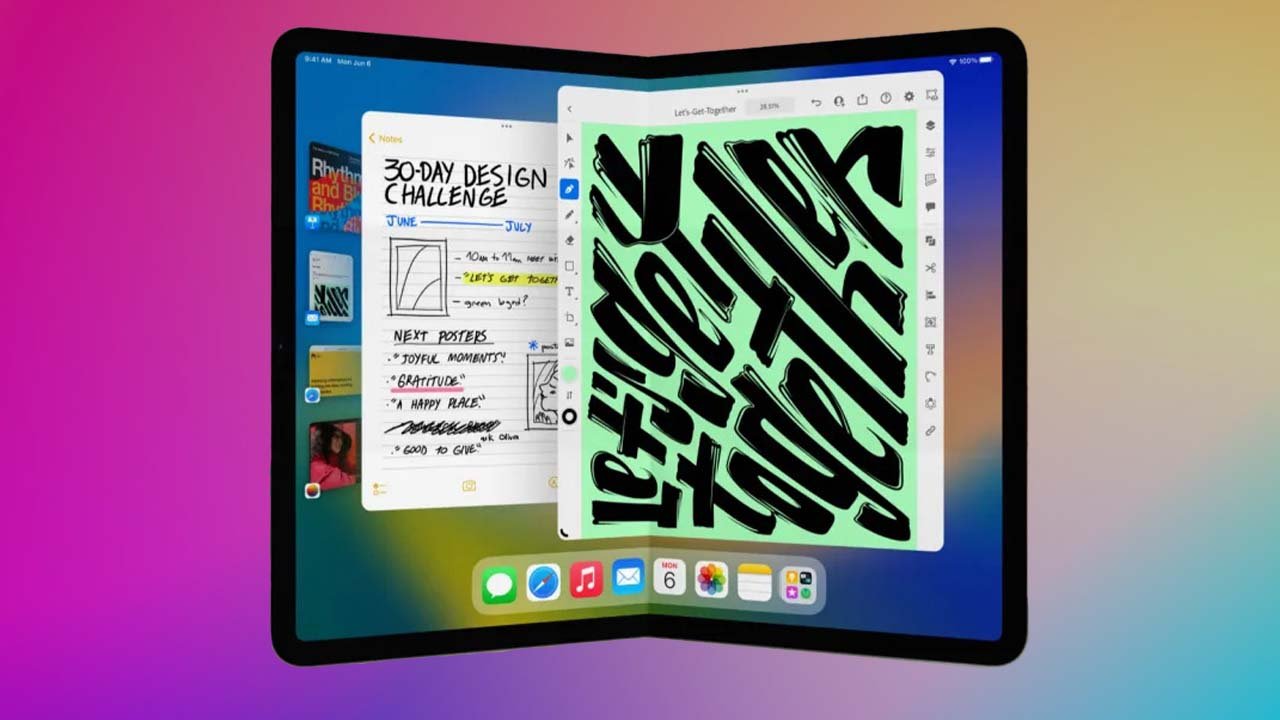
    According to a recent report by analyst Ming-Chi Kuo, Apple is expected to launch a foldable iPad in 2024. According to Kuo, the next iPad will not be released this year, and mass manufacturing of the new iPad Mini will start in Q1 of 2024.

    These iPads will be manufactured by Anjie Technology and will contain a carbon fiber kickstand at their back.

    Apple will “continue benefiting from the growing trends of foldable devices, equipped with kickstands in the future,” said Kuo.

    It’s likely that the kickstand Kuo mentioned will be fixed in the iPad case since foldables can easily stand without the need for a kickstand. On the other hand, the foldable iPad might not be as stable and need a kickstand at its back for support.

    While the tech giant is currently experiencing a 15 per cent decline in tablet shipments, analysts believe that the release of the first foldable iPad will be a big break for the company.

    The bigger displays and OLED panels of the new iPad Pro tablets, which were also introduced, are likely to make them broader for hand usage.

    A foldable tablet can significantly improve portability because it can be difficult to carry usual tablets because they often do not fit in pockets. Apple users will soon be able to carry their iPads with ease thanks to the folding iPad.

  • Here’s why iOS 16 is going to be the finest upgrade ever

    Here’s why iOS 16 is going to be the finest upgrade ever

    On paper, Apple’s iOS 16, the iPhone’s next big software upgrade, appears to be innovative and super secure. iOS 16, which was previewed at Apple’s annual conference, would bring enhancements to communication, personalisation, and privacy. This contains significant upgrades to the lock screen, Messages app, and photos on your iPhone.

    The developer beta for iOS 16 is already available, with a public beta version expected in July. iOS 16 will be released this fall, most likely alongside the much-anticipated iPhone 14. The new software is also compatible with iPhone 8 and subsequent models.

    “Embarrassing errors are a thing of the past,” Apple Senior Vice President of Software Engineering Craig Federighi said as he unveiled three of the Messages app’s most requested additions.

    For starters, you’ll be able to edit sent texts in iOS 16. So, if you find a typo after sending a message, you’ll be able to correct it later. In the message’s status, a small “edited” shows.

    Next, and perhaps the best feature, you can recall a sent message right away. If you mistakenly send an incomplete message, you can utilise the Undo Send feature to prevent it from being read, making your friends and family think you’re crazy.

    Finally, you may flag unread messages and threads. When you don’t have time to answer a message right away but want to make sure you don’t forget about it later, this could be a useful tool.

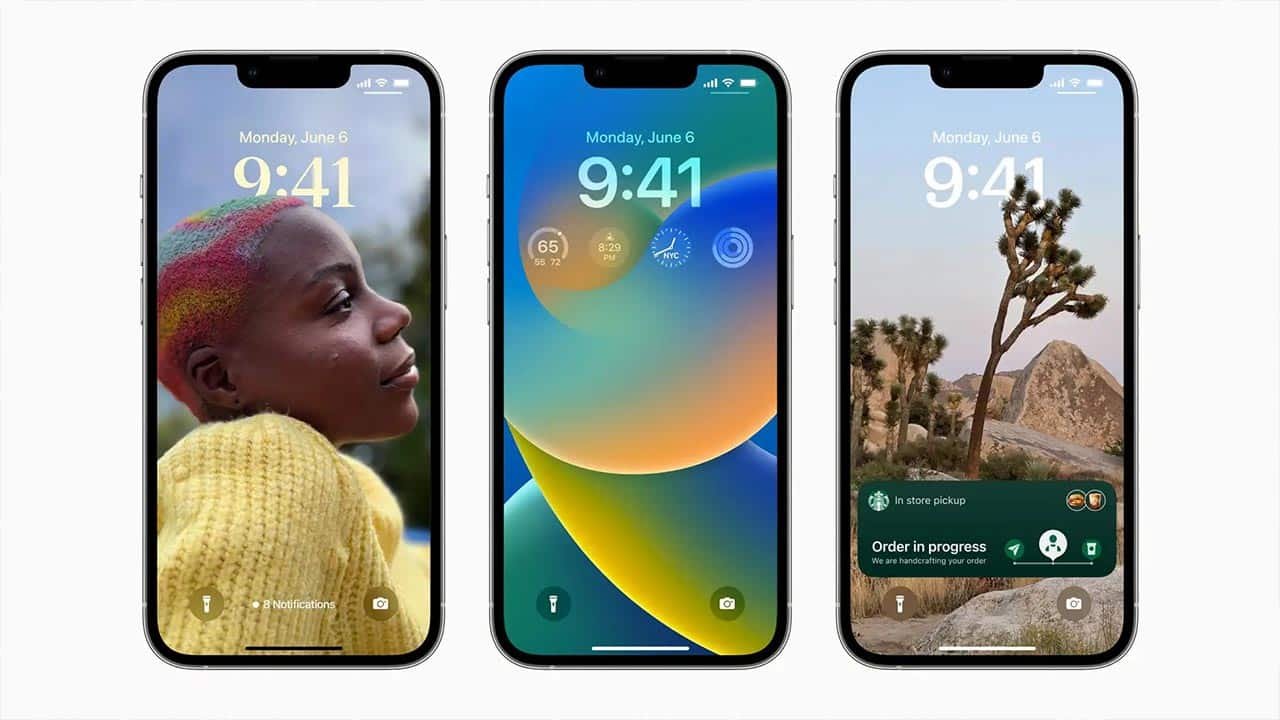
    The lock screen is one of the first things you see when you open your iPhone, especially if it has Face ID. The iPhone’s lock screen receives the most significant improvement yet with iOS 16. To edit your lock screen, press and hold. You can swipe through a variety of different styles.

    Each design alters the background photo’s colour filter as well as the typeface on the lock screen, ensuring that everything is in sync. This appears to be Apple’s response to Google’s Material You, which debuted with Android 12.

    You can also change the typefaces for the time and date, as well as add lock screen widgets like a calendar, temperature, and activity rings. On the Apple Watch lock screen, the widgets are similar to complications.

    You can also create many personalised lock screens with various widgets and switch between them with a simple swipe. There’s even a photo-shuffle feature that changes the photographs on your lock screen automatically.

    An always-on display was one feature we thought Apple would provide. It’s a feature found on practically all Android phones, as well as the Apple Watch. There’s a chance it’ll be released alongside the iPhone 14.

    As alerts might sometimes obscure the photo on your lock screen, iOS 16 pushes notifications to the bottom of your screen. Instead of being gathered into a list, they show as a vertical carousel as you receive them. This not only looks better, but it should also make one-handed use of your iPhone much easier.

    Another issue with notifications is addressed in iOS 16. You may receive a series of notifications from one app in a sequence, such as the score of a basketball game. Instead of experiencing a succession of interruptions, a new tool for developers called Live Activities makes it easy to remain on top of things happening in real-time from your lock screen.

    Sporting events, workouts, and even the progress of an Uber ride should be easier to monitor with Live Activities.

    Visual Look Up in iOS 15 analyses photographs and can recognise objects such as flora, landmarks, and pets. This is taken to the next level with iOS 16. You may remove a photo’s subject. Interestingly, It’s just a tap-and-hold tool for removing the background from a photo.

    Safety Check is a programme that tries to assist people who are in violent relationships. It’s a new service that is designed to assist those who are in violent situations. It allows you to check and change who has access to your iPhone’s location information, passwords, messages, and other apps.

    Several changes have been made to the focus mode. The first uses widgets and lock screen appearance to apply Focus behaviours. So you could have one lock screen for when Work Focus is turned on and another for when you’re working out.

    Moreover, Apple has added Focus filters to apps that apply your iPhone’s Focus mode. For example, depending on which Focus mode is active, you can limit which tabs are displayed in Safari.
  • HP to launch its first 17-inch foldable OLED notebook

    HP to launch its first 17-inch foldable OLED notebook

    Hewlett Packard Enterprises (HPE) is believed to be working on an all-screen foldable laptop with a 17-inch OLED panel that could be released in the coming months.

    HP’s bendable laptop may enter the next era of laptops, with LG Display releasing its vision of 17-inch folding OLED notebooks and Asus revealing its Zenbook 17 Fold OLED during CES 2022.

    SK IE Technology will provide LG Display with transparent polyimide film to cover bendable OLED panels. The OLED panels for HP’s new notebook will be made by the OLED provider. The company would produce 10,000 units of the film in the third quarter of this year, according to a publication.

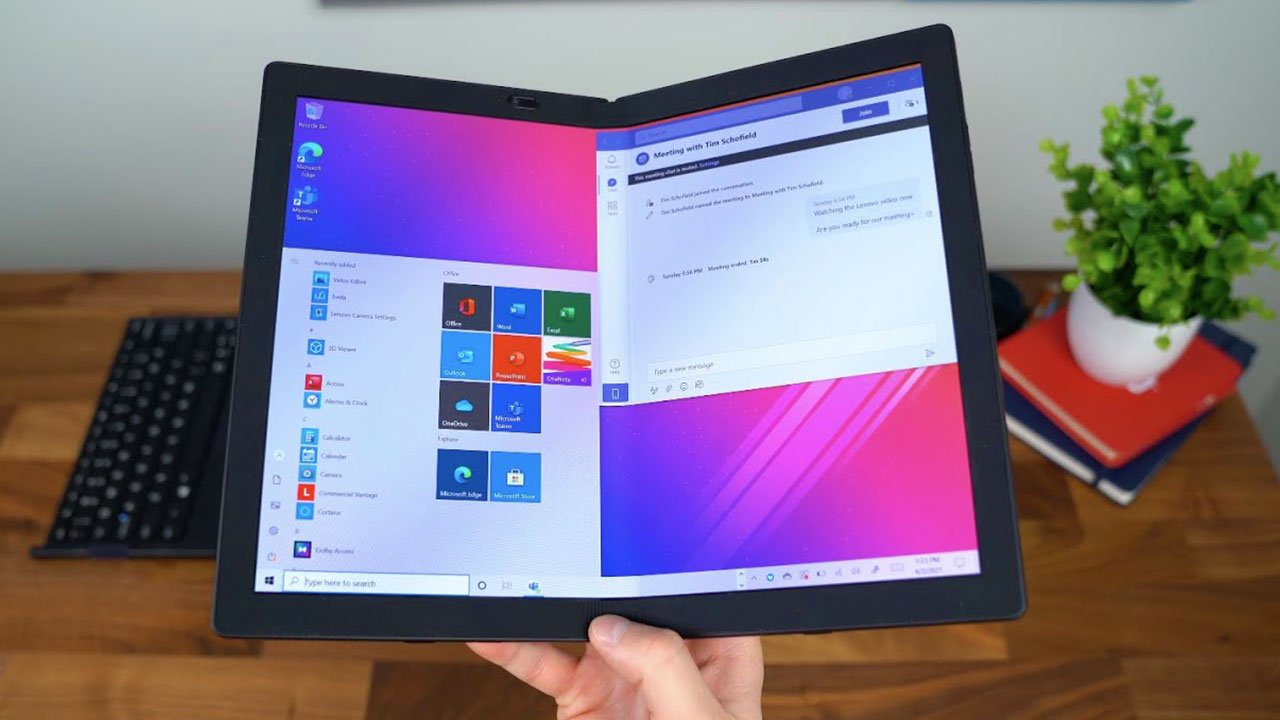
    The laptop will reportedly have a 4K resolution (3840×2160) in-folding panel that measures 17 inches when unfolded and 11 inches when folded. That’s a major increase over the 13.3-inch Lenovo ThinkPad X1 Fold, which is the world’s first folding PC. According to the source, HP’s foldable laptop could debut in 2022.

    If HP wins in producing a notebook with a bendable 4K OLED display, the brand will join a multitude of other companies that are working on their own all-screen foldable laptop.

    Read more: Apple’s new iOS update to fix battery drain issues for iPhones, iPads

    The Asus Zenbook 17 Fold already has a 17.3-inch foldable OLED (FOLED) display with a 2560×1920 resolution, a 12th Gen Intel Core i7 CPU, and 16GB of LPDDR5 RAM, and a 1TB PCIe 4.0 SSD. A 12.5-inch variant is also available.

  • 90’s favourite Nokia is gearing up for a comeback with new devices

    90’s favourite Nokia is gearing up for a comeback with new devices

    Nokia was confronted with a major challenge following the judicial decision in the lawsuit brought against HMD Global. To refresh your memory, a business called VoiceAgeEVS LLC sued the Finish giant in German courts for illegally deploying VoLTE technologies in Nokia handsets.

    Nokia Mobile in response, filed a complaint, which was dismissed, resulting in the withdrawal of smartphones from some European countries. HMD takes intellectual property rights carefully, according to Nokia Mobile, and is ready to provide and acquire licenses on conditions that are fair, reasonable, and nondiscriminatory.

    Pursuant to VoiceAgeEVS LLC’s discontent with HMD’s legal exercises, a partial ban on Nokia smartphones was imposed. Nokia has already taken measures to ensure that enhanced voice service (EVS) is no longer integrated into its devices sold in Germany, allowing for uninterrupted distribution. In Germany, Austria, and other European nations, phones like the Nokia XR20 and X20 are now eligible for sale in online stores.

    Read more: PTA records 1.73 million new 3G, 4G users in one month

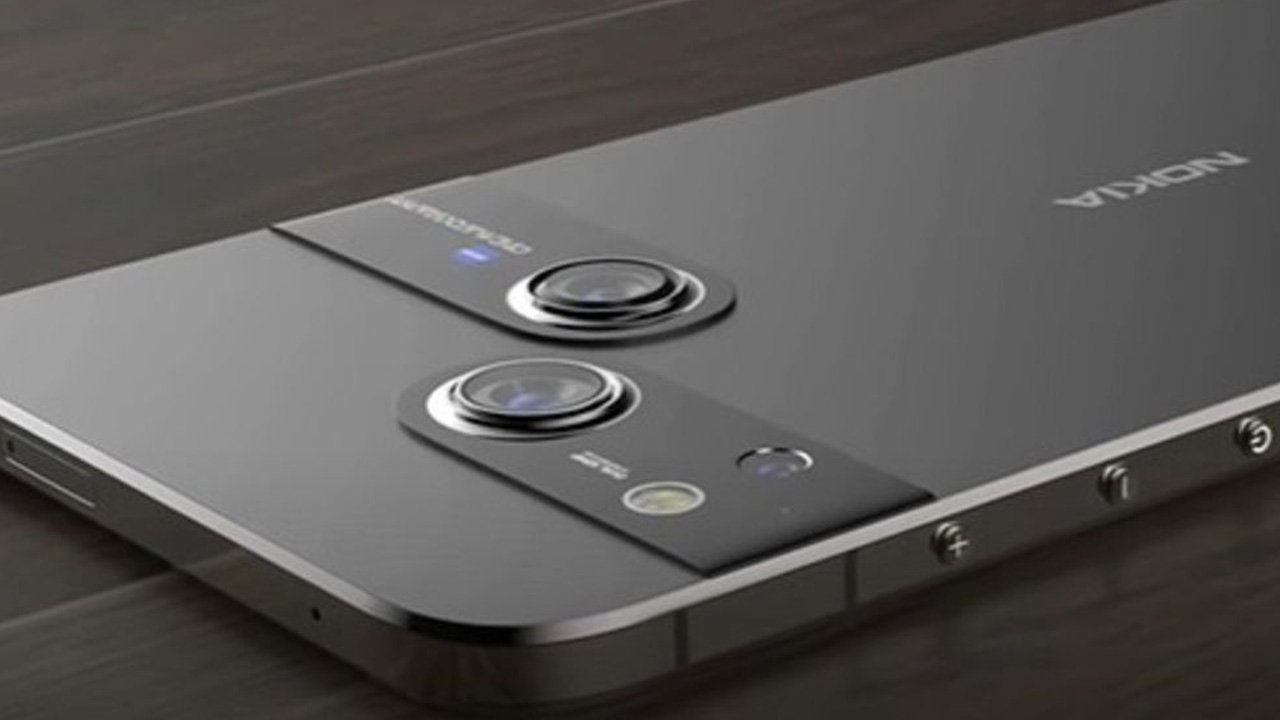
    Nokia C21 is the latest addition to the C-series family, as announced by HMD Global, the house of Nokia devices.

    The new Nokia C21 adds even more value to the popular C-series by preserving the exceptional build quality, hallmark security assurances, and all-day battery life. It costs Rs17,000 and offers improved photos, privacy, and speed for a more enjoyable experience.

  • Oppo Pakistan to launch F21 pro with Sony’s “DSLR-like camera” on April 11

    Oppo Pakistan to launch F21 pro with Sony’s “DSLR-like camera” on April 11

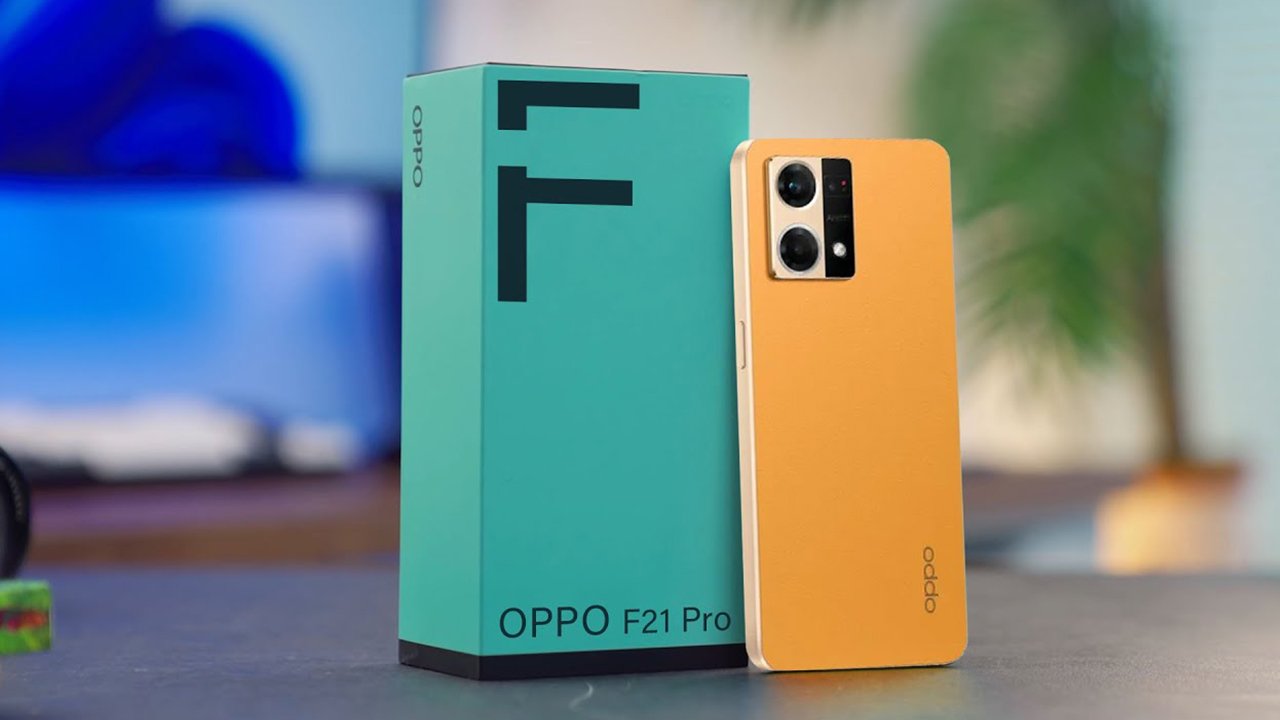
    The Oppo F21 Pro will be released in Pakistan on April 11 at 4:30 pm, according to Oppo’s official website where it also exhibited the handset’s official design.

    According to rumors, the F21 Pro 4G is a rebranded Reno7 with Snapdragon 695 processor which may or may not be true as it is expected to come up with a newer chip.

    The phone will be available in Sunset Orange and Cosmic Black, according to the company. The latter has a Fibreglass-Leather design that “doubles as a frameless battery cover to make the phone thin, light, and sturdy”.

    To maintain fidelity and longevity, the leather-like material was put through rigorous stress tests using rubbing alcohol, rubber erasers, and even denim swatches.

    The Sunset Orange is only 7.54mm thick, while the Cosmic Black is 7.49mm thick, according to Oppo. Both are 175 grammes and features a 2.5D glass display.

    The device will have a 6.43-inch FHD+ AMOLED screen with a 90Hz refresh rate. It will run ColorOS 12.1, which is based on Android 11, and will be powered by a 4,500mAh battery with 33W SUPERVOOC fast charging.

    It will be equipped with a triple camera system, including a 64MP main rear camera, a 2MP macro lens camera, and a 2MP depth camera.

    In addition, an orbit light can be seen around one of the camera sensors that notify users of incoming notifications, calls, and other events. A 32 MP lens will be used on the front-facing camera from Sony.

    Oppo Pakistan wrote on its website, “Exclusively designed by OPPO and built with Sony hardware, the IMX709 front camera image sensor allows you to capture bright and clear images in the low light environment”.

    It sounds weird that the firm has placed the high-end camera on the front since it would have been better for the phonemaker’s sales and worth if the Sony camera had been placed at the back.

    Read more: Suzuki Pakistan increases bike prices by up to Rs15,000

    However, further information or official specifications of the upcoming ‘budget-flagship’ smartphone will be revealed in the next week.