Tag: Analysts

  • Survey: Imran Khan emerges as top choice for financial experts to revive Pakistan’s economy

    Survey: Imran Khan emerges as top choice for financial experts to revive Pakistan’s economy

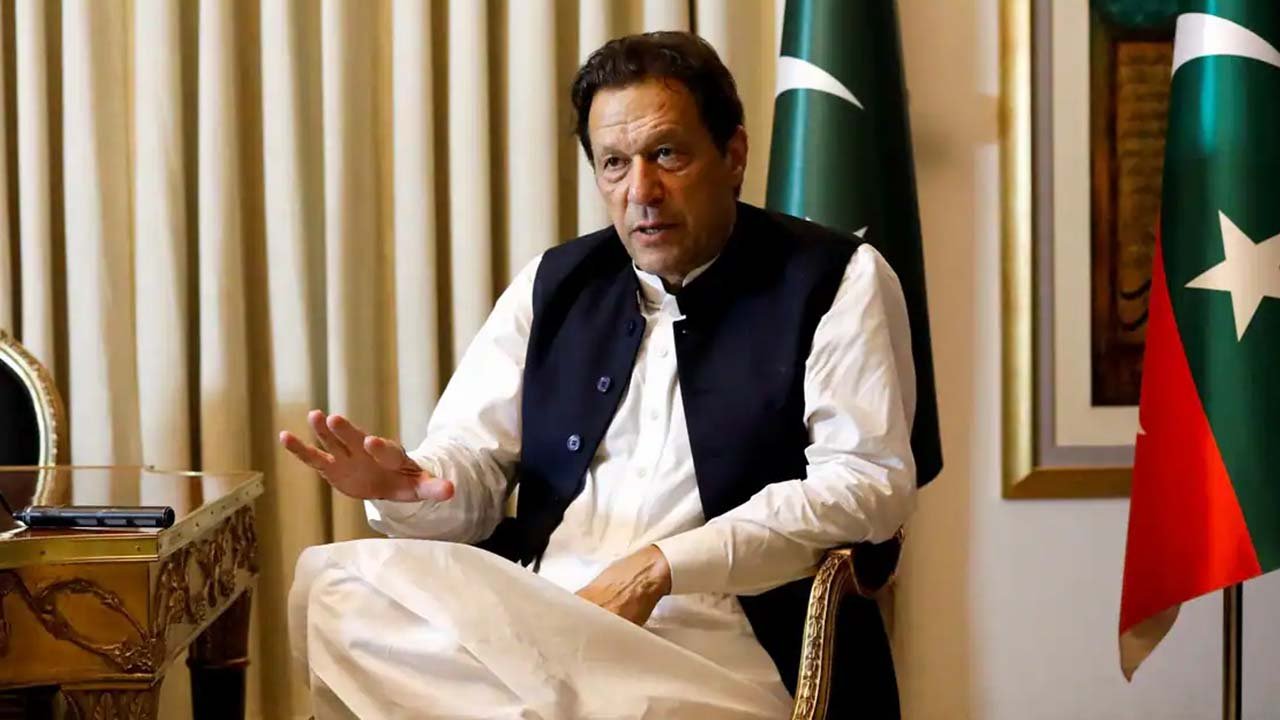
    In a recent Bloomberg survey conducted among Pakistani finance professionals, incarcerated former Prime Minister Imran Khan emerged as the leading choice to oversee the country’s economic recovery.

    Despite being barred from contesting the upcoming February 8 election, Khan’s enduring popularity was cited as a crucial factor by respondents, who believe he could implement market-focused reforms in the long term.

    The survey, which included 12 traders, economists, and analysts from major brokerages, placed three-time former premier Nawaz Sharif in the second position. Respondents acknowledged Sharif’s experience in government and speculated that his alignment with the powerful military contributed to his standing.

    Bilawal Bhutto Zardari, a member of the influential Bhutto clan, secured a distant third place, with some survey participants expressing reservations about dynastic politics.

    Bloomberg Economics conducted an analysis of Pakistan’s misery index, combining inflation and unemployment rates, revealing that Sharif’s party had a better track record in managing the economy over the past three decades compared to rivals, including Khan.

    Despite Khan’s three court convictions and election disqualification, questions about the legitimacy of the upcoming polls are surfacing among independent observers and voters.

    With almost 129 million eligible voters set to cast their ballots, concerns are growing about the electoral system’s integrity in the absence of the country’s most popular politician.

    Pakistan’s National Assembly has completed a full term only three times in its 76-year history, and political observers note rising discontent with the electoral system in Khan’s absence.

    Khan, convicted of graft in August, received another jail sentence on Tuesday for his involvement in publicising a classified diplomatic cable. On Wednesday, he and his wife, Bushra Bibi, were sentenced to 14 years in jail for a case related to the illegal selling of state gifts.

    As Khan faces legal challenges, Sharif and his Pakistan Muslim League-Nawaz are gaining support from voters. Sharif’s return from exile last year, widely seen as a deal with the military, has boosted his popularity, particularly in Punjab, Pakistan’s most populous province.

    The respondents to the Bloomberg survey unanimously agreed that Pakistan’s economic survival hinges on a new International Monetary Fund (IMF) loan. Half of them believe the country can withstand six months without a bailout, while the ongoing nine-month IMF programme is set to conclude in March, with about $1 billion in dollar-denominated debt due in April.

    Key findings from the January survey include expectations of 2.65 per cent economic growth in the fiscal year starting July, the government’s estimate of 2 per cent to 2.5 per cent expansion in the current fiscal year, a forecasted moderation of inflation to 25.05 per cent by the fiscal year ending June (currently at about 30 per cent), and a consensus that Pakistan cannot survive for more than a year without an IMF bailout.
  • SBP likely to hike key policy rate by up to 300 basis points next month

    SBP likely to hike key policy rate by up to 300 basis points next month

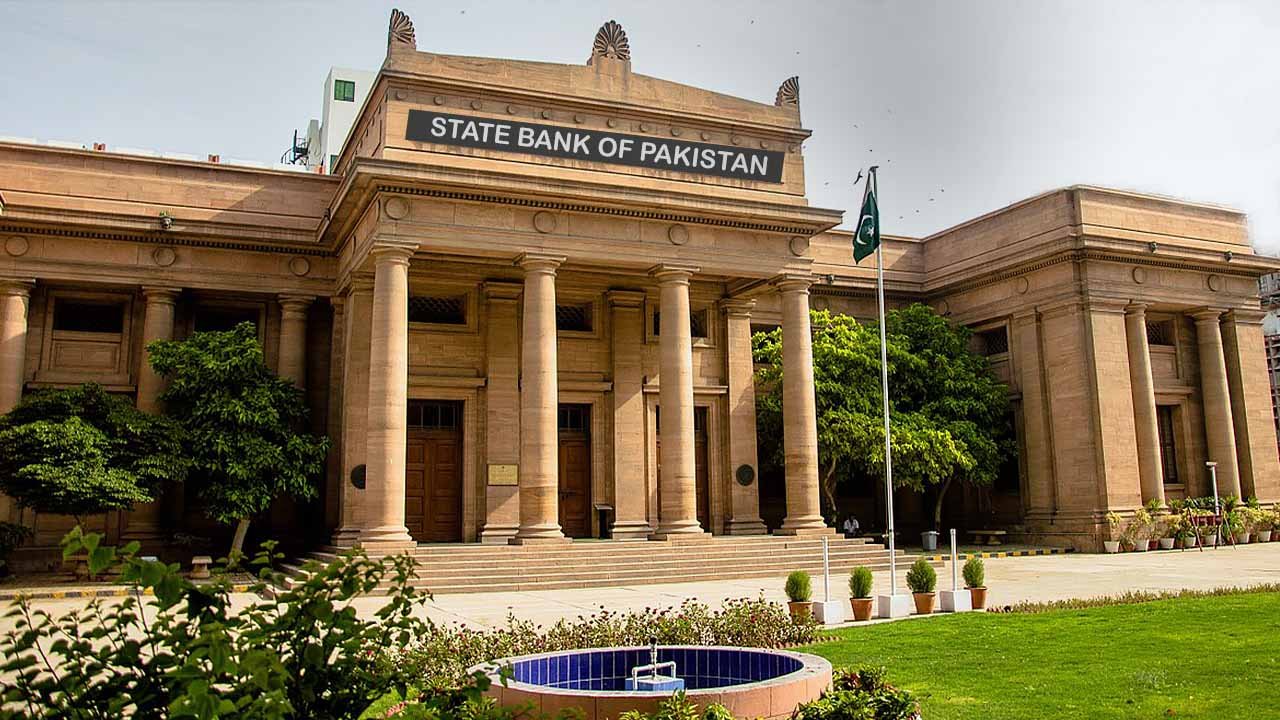
    The Monetary Policy Committee (MPC) of the State Bank of Pakistan (SBP) will likely meet at its upcoming meeting to decide on the key policy rate, and the market anticipates a possible rate increase of up to 300 basis points.

    According to the analysts contacted by the Brecorder, the SBP is likely to increase the rate from its current historic high of 22 per cent. As per the advance calendar issued in July, the SBP is currently slated to hold its MPC meeting on September 14.

    Notably, the central bank has previously taken the initiative to declare changes in its key policy rate through ’emergency’ meetings, similar to what occurred in June.

    Market speculation hints that the central bank might adopt a more patient approach this time, making an emergency meeting less probable.

     Tahir Abbas, the Head of Research at Arif Habib Limited (AHL), foresees a rate hike ranging between 100 and 150 basis points.

    He emphasised, the inflation rate is projected to remain elevated not only in August but also in the upcoming months. Furthermore, the persistent depreciation of the currency might compel the SBP to push interest rates upwards.

    Abbas added, “We expect a policy rate hike of around 100-150 bps.”

    In a previous report, AHL stated that headline inflation is expected to climb higher in August, surpassing the 28.3 per cent figure recorded in July 2023.

  • US dollar may drop to Rs210 in November

    US dollar may drop to Rs210 in November

    Considering expected inflows from the Asian Development Bank (ADB) and Pakistan’s deletion from the Financial Action Task Force’s (FATF) grey list, the currency is projected to strengthen versus the US dollar this week.

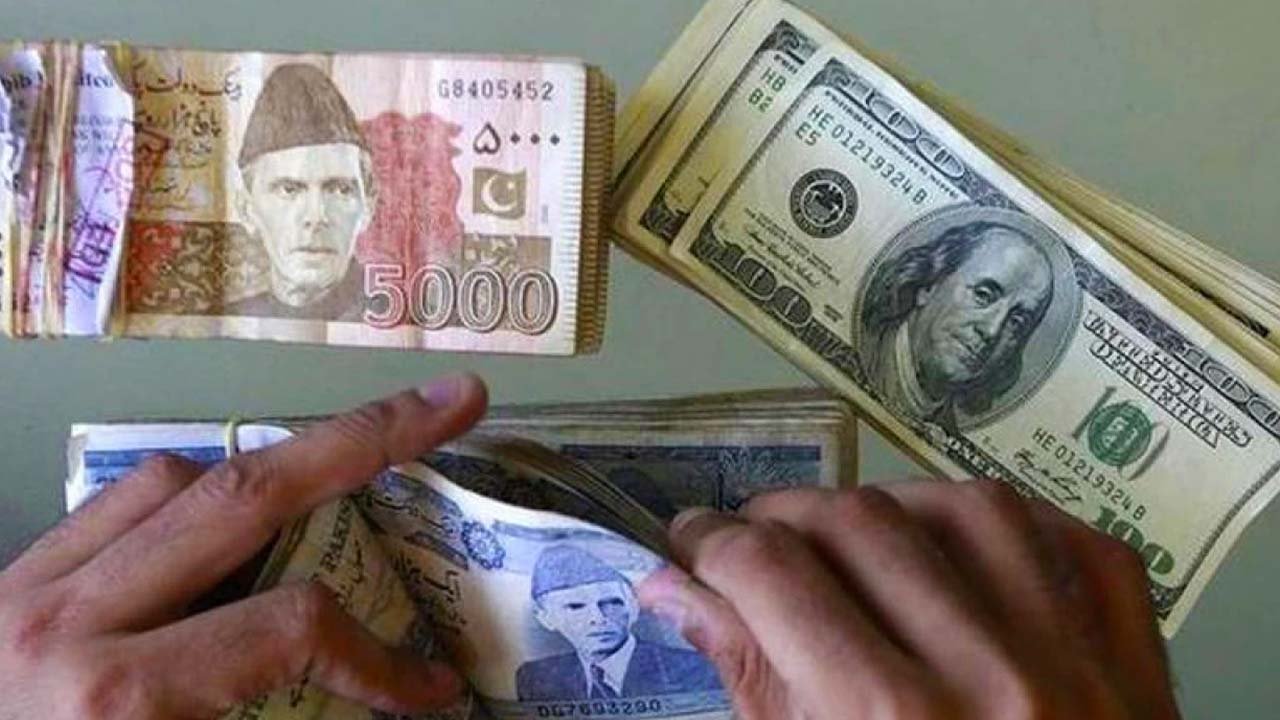
    According to The News, this week in the interbank market, the local currency dipped by 0.89 per cent in value against the dollar. However, thanks to encouraging news from the ADB and FATF, the local currency increased to Rs220.84 during the last trading session.

    According to the analysts, assistance from multilateral creditors during the floods would help boost foreign exchange reserves and strengthen the local currency.

    The State Bank of Pakistan’s foreign exchange holdings as of October 14 totaled $7.59 billion, or nearly one month’s worth of imports.

    According to Tresmark, a terminal that tracks real-time pricing of financial markets, the rupee is predicted to trade at 216 to the dollar in the coming 10 days and 210 to the dollar in the coming 30 days.

    “This is because of ADB-related inflows of $1.5 billion in the coming week and $2 billion of inflows in the first week of November. Of course, this would not have been possible without the finance minister’s undervalued rupee mantra,” Tresmark said in a client note.

    Six months from now, though, would be the rupee’s true test, it was said.

    Analysts predict that the US interest rate will surpass 5 per cent (a level last reached in 2008) and that the dollar will continue to rise.

    Markets expect the Indian Rupee to be at 95 per dollar, the Bangladesh Taka to be at 115 per dollar, and the Yuan to continue declining, despite the fact that major currencies all have a bearish tendency. Although the dollar’s strength is an issue, the global recession continues to be of much greater concern.

    A 15-20 per cent decline in exports and a 5 per cent decline in remittances are anticipated by economists, even if the current account deficit (CAD) for September was practically at breakeven.

    They continued, saying that maintaining the economic winter would need sustained import compression and additional economic deceleration.

    Due to lower letters of credit being settled during the previous week, the rupee somewhat declined. According to market estimates, only around 50 per cent, or roughly $600 million, has yet to be processed.