Tag: animals

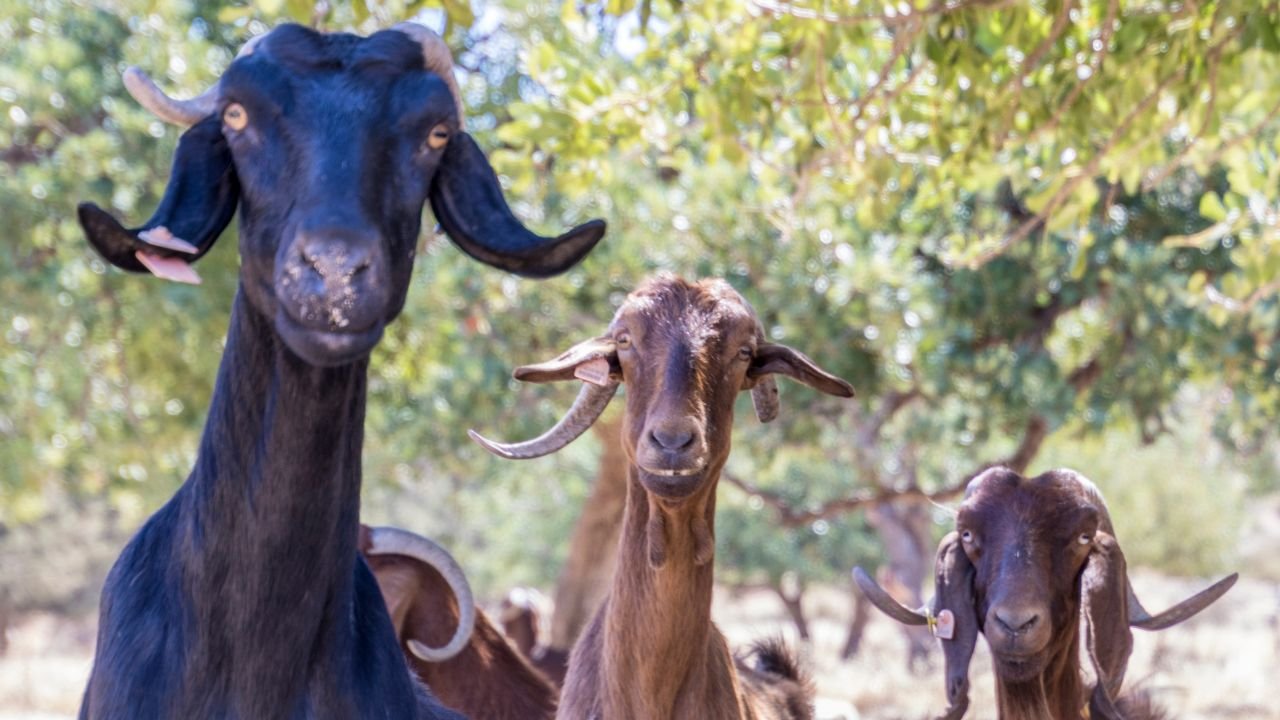
  • Landlord allegedly broke legs of three goats

    Landlord allegedly broke legs of three goats

    A landlord from 26 WB, a village on the outskirts of Vihari in South Punjab, broke the legs of three goats after they entered his fields.

    The three pet goats belonged to Mohammad Aslam Tawari, who reported to Jang News that the landlord was angered by their intrusion and threw bricks at the goats, injuring them.

    Tawari took the injured goats to the Sadar police station, where they were subsequently sent to the veterinary hospital for treatment.

    The Police have stated that a medical docket (a request for injury documentation for the government hospital) was issued for the broken legs of the goats.

    Medical aid is being provided to the injured goats, and a case will be registered once the medical report is received.

  • 30 peacocks die in Thar’s extreme heat; many unwell

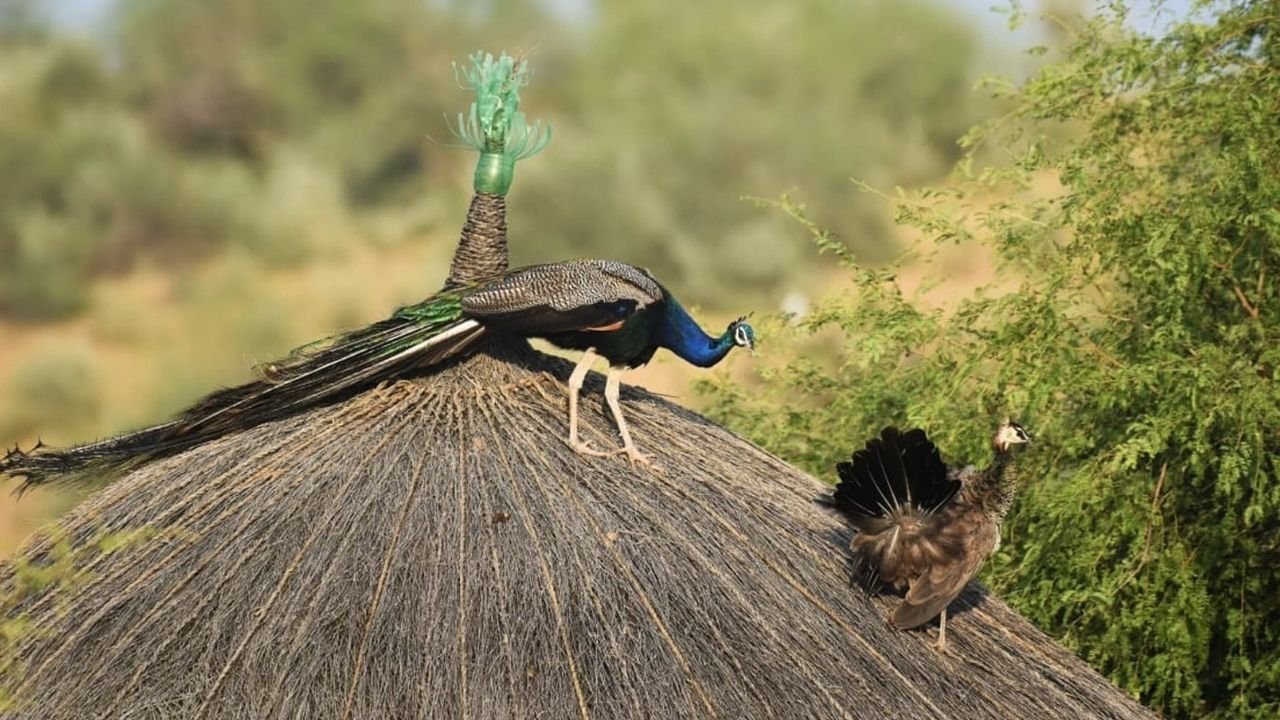
    30 peacocks die in Thar’s extreme heat; many unwell

    More than 15 peacocks have reportedly died in neighbouring villages of Tehsil Islamkot of Tharparkar district.

    Similarly, 15 more peacocks have died in Morano village, Seringho, Kehri Morani, while many others are sick.

    Jang reports that residents of the area state that the wildlife department has informed the authorities via a video, yet teams have not been sent for treatment of the animals.

    On the contrary, Deputy Conservator Mir Ijaz has said that peacocks are falling ill due to extreme heat, lack of food, and water; and that a team will soon be sent to ensure the treatment of the peacocks.

  • Dead camel, with all four legs amputated, found in Umarkot

    A dead camel, with all four legs amputated, was found near Kunari Tehsil in Umarkot District of Sindh Province. According to the owner, Abdul Rasheed Kapri, the camel had been ill for some time and had gone to graze with other camels yesterday.

    The incident came to light in the morning after villagers found the remains of the animal. It remains unclear whether the camel’s legs were amputated while it was alive or after its death.

    The owner of the camel stated that he does not wish to accuse anyone but is investigating the incident. So far, the owner has not informed the police about the incident.

    This is the second incident of camel leg amputation reported in Sindh within a few days.

    Recently, another camel in Sanghar had its leg amputated but has since received treatment and is now able to stand with an artificial leg.

  • Dozens of cattle die in Karachi heat

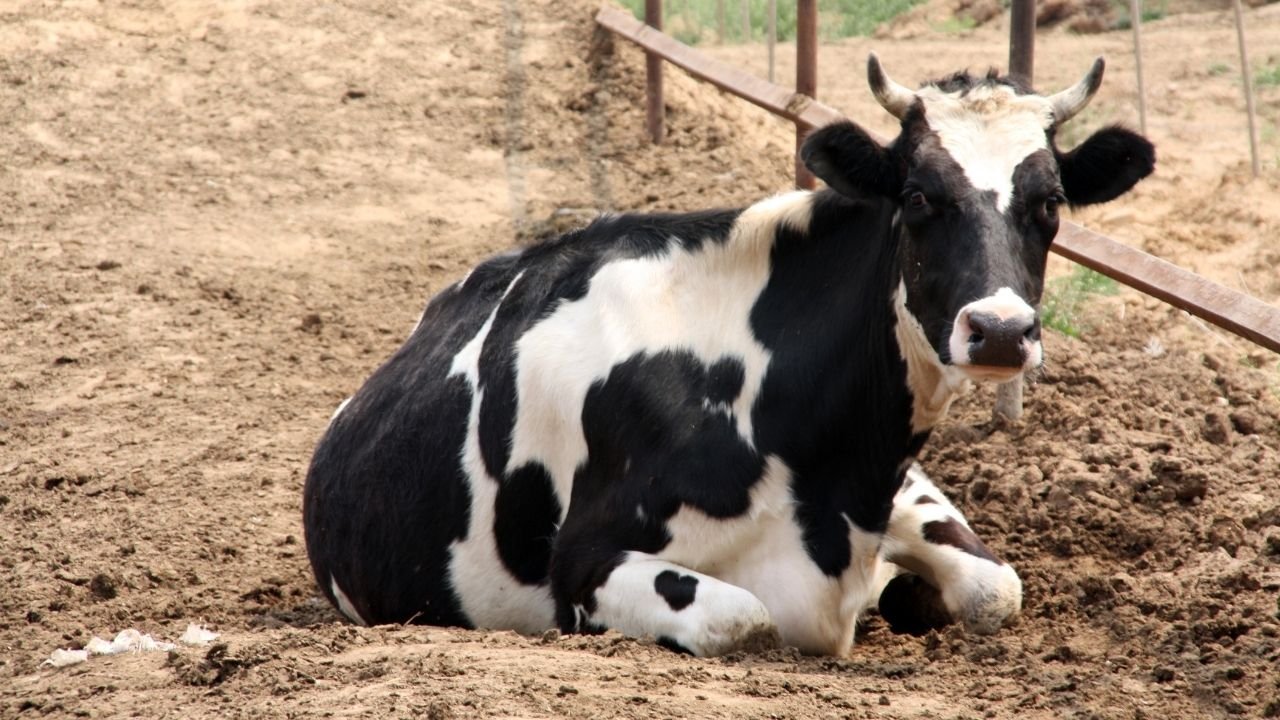
    Dozens of cattle die in Karachi heat

    Karachi Cattle Farms Association spokesperson Shabir Dar has reported that 150 animals have died in a span of three days as temperatures increase in the coastal city, Samaa news has reports.

    Cattle farmers are facing financial losses as timely treatment remains elusive.

    Shabir Dar emphasised that despite the challenges, including the absence of veterinary doctors from the livestock department, it is crucial for the department to ensure the supply of care and medicines.

    Yesterday, following the mercury hitting 41 degrees Celsius in Karachi, concerns among residents escalated. Over the past four days, more than 70 people affected by extreme heat sought treatment at Civil and Jinnah Hospitals.

    Dr. Nizam, AMS Civil Hospital, reported that 67 heat-affected individuals were admitted to the emergency room, predominantly elderly or those suffering from various illnesses.

    Chief Meteorologist Sardar Sarfraz has forecast a partial heatwave in Karachi for the next two days, attributing the intensified heat to changing winds. Temperatures are expected to decrease after two days, with monsoon rains likely starting in the first week of July.

  • How many animals were sacrificed on Eid in Pakistan this year?

    Despite rising inflation, substantial sales of sacrificial animals have been registered this year.

    Livestock markets of Punjab saw traders bringing in more than 1.8 lakh animals. Seven lakh and 72 thousand animals were sold in Lahore alone.

    The Department of Local Government has released data for nine divisions. According to the data, more than 18 lakh animals came to the livestock markets of Punjab.

    216,000 animals came to Faisalabad, 124,000 thousand to Gujranwala, 146,000 to Multan’s cattle market, 76,000 to Sahiwal, 94,000 to Rawalpindi, and more than 103,000 to Sargodha.

    The largest cattle market of the twin cities was established in Bhata Chowk, between Rawalpindi and Islamabad, where about 90 percent of the animals were sold.

    According to Punjab Local Government Secretary Shakeel Ahmed Mian, best facilities were provided to the animals and traders in the markets. The local government and district administration took action against illegal sale points.

    On the other hand, most of the animals were sold in the country’s largest cattle market on the Northern Bypass in Karachi. About two lakh animals were brought to the Northern Bypass cattle market this time, including 150,000 cows, 40,000 goats, and hundreds of camels. According to the market’s management staff, most of the animals have been sold.

  • Justice for Animals: Ushna Shah to give 100,000 reward for information on puppy murderers

    Justice for Animals: Ushna Shah to give 100,000 reward for information on puppy murderers

    Renowned actor Ushna Shah voiced her outrage against three animal abusers who callously threw a puppy from a balcony. The video of the three men went viral after Ayesha Chundrigar Foundation, an animal shelter, raised the issue. Shah stated, “They threw puppies down a balcony for pleasure… that’s serial killer behavior. Perhaps a gap in my vocabulary isn’t the worst thing.”

    Following this, she posted on X, formerly known as Twitter, saying, “I am putting a 100k bounty on their heads: Help me find them. If any lawyer wants to take up this case pro bono and help keep them behind bars for the maximum amount of time (once they’re found), please get in touch. (Bounty is a rhetorical term. Don’t kill them, duh).”

    She added, “I am personally offering a reward of 100,000 PKR. (50K per monster) to anyone who turns these two in. Once they are behind bars, the reward will be given personally to me in cash. As well as a meet and greet with the winner and their family. Spread the word and find these perpetrators.”

    The puppy killers have been identified as Asad and Talat, and have not yet been arrested by the police.
    Asad is the primary suspect as he was the one recording the video and ordering a third person, Qasim (who has been arrested) to throw the puppy off the balcony.

    Talat Khan was also involved in instructing Qasim to commit the same act.

    Trigger warning: watch the video here:

  • Pakistan horror zoo is reborn as rehab centre

    Pakistan horror zoo is reborn as rehab centre

    Islamabad, Pakistan – Before it was forced to close over its “intolerable” treatment of animals, the Islamabad Zoo was home to neglected elephants and underfed lions pacing back and forth behind the bars of their enclosures.

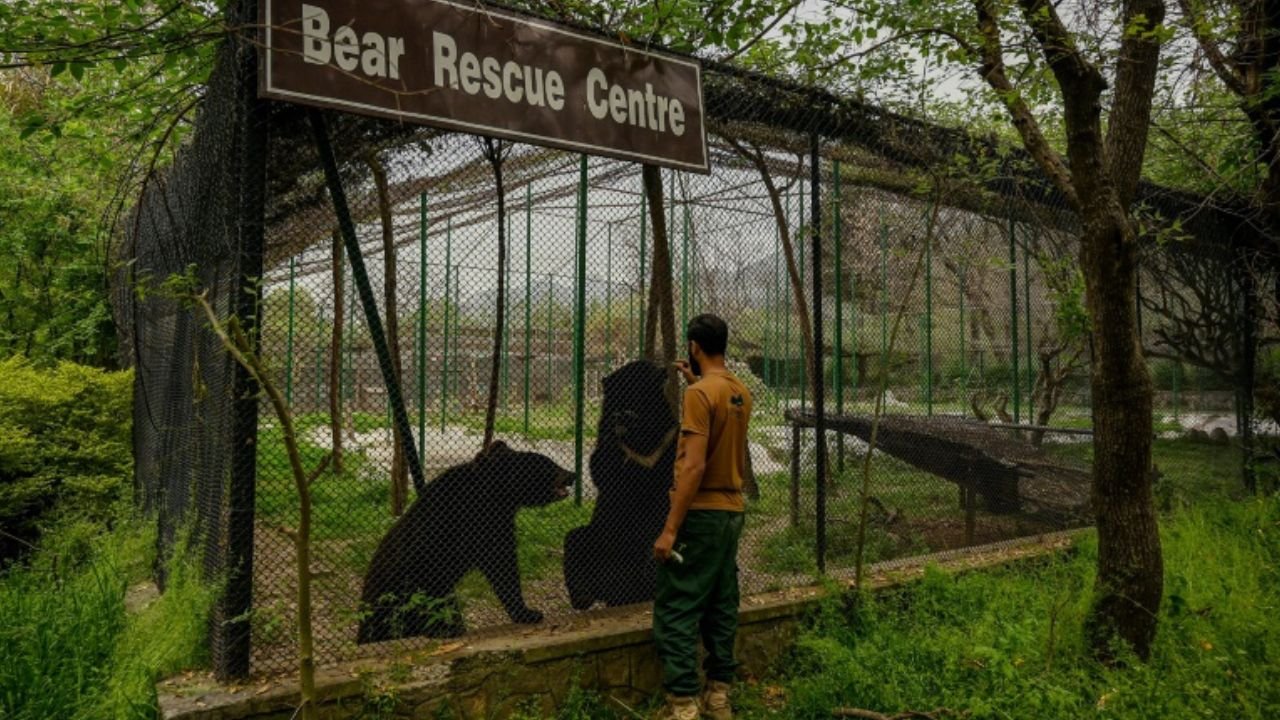
    Now, four years later, it is a rehabilitation centre for Pakistani wildlife, providing a refuge for motherless leopard cubs, tigers seized from owners who kept them as status symbols, and bears forced to dance — or fight — for the amusement of crowds.

    “The whole energy of the place has changed ever since the zoo was emptied… The care shows, look around,” Rina Saeed, the head of Islamabad Wildlife Management Board (IWMB), told AFP.

    The zoo found international notoriety in 2016, when the singer Cher launched a campaign to remove its shackled Asian elephant Kaavan, the last in the country and dubbed the world’s loneliest elephant.

    But Kaavan’s treatment wasn’t an isolated incident — two lions died at the facility when zookeepers attempted to force them from their pen by setting fire to piles of hay. And over the years, hundreds of animals listed on the zoo’s inventory simply vanished.

    Pakistan’s climate change ministry said it was “seriously concerned” about the “intolerable and inhumane” treatment of animals at the zoo in 2020 — the same year the courts ordered it shut and Kaavan was moved to Cambodia.

    Within months of its closure, a small rescue centre began to take root at the facility, and now evidence of its past as a tourist attraction is fading — silence hangs over the empty, overgrown parking lot and the shabby ticket stand sits idle next to a swing set.

    “Now it is a proper rehabilitation centre with over 50 animals,” Saeed said, adding that the team had rescued more than 380 animals.

    ‘Unrecognisable’

    The IWMB team rescues animals from across the country, recently taking in two indigenous leopard cubs poached from their mother, bears once forced to fight dogs in underground competitions and monkeys made to dance for tips.

    Amir Khalil, a veterinarian who directs the global animal welfare organisation Four Paws, which oversaw Kaavan’s relocation, recently made an emotional return to the zoo, saying it “now holds hope”.

    Vets from the Austria-based NGO had come to the centre to see after three black bears whose claws had been removed by their previous owners, treating them in the shadow of an abandoned Ferris wheel in the zoo’s former cafe — now a makeshift clinic.

    “This place is unrecognisable,” Khalil told AFP while inspecting one of the animals, an overweight former dancing bear called Anila.

    Anila was also suffering from a nose infection from a ring pierced through her snout to help keep her under control.

    “We hope this place turns out to be a place for animals with a better future,” Khalil said.

    Last year the IWMB seized a tiger cub with broken bones from a vet clinic in an upscale neighbourhood in the capital, later relocating the animal to South Africa.

    Owning a wild cat is a symbol of wealth in Pakistan even though it is illegal in some parts of the country.

    “We think animals are toys,” said Ali Sakhawat, deputy director of research and planning at the IWMB.

    The animals brought to the centre are not only physically injured but also mentally traumatised.

    “We keep them occupied to help them erase the memories of the trauma inflicted by poachers,” Aneis Hussan, a wildlife ranger, told AFP as he played with Daboo, one of the rescued black bears.

    “The bears you’ve observed here exhibit signs of joy — roaming freely, climbing trees — a stark contrast to the captivity that deprived them of happiness,” Hussan added.

    Bumpy quest for survival

    Wildlife authorities are pushing for new laws targeting poachers and bear baiters who regularly trap and traffic wild animals.

    A new Islamabad Nature and Wildlife Management Act would strengthen animal protections, but Saeed says it still “needs the president’s signature”.

    The last presidential order on animal welfare — restricting bear baiting — was passed over 20 years ago by President Pervez Musharraf.

    “No one in the government listens, I have gotten old trying to make them understand how important this is,” Safwan Ahmad, vice chairman of the non-profit Pakistan Wildlife Foundation, told AFP.

    IWMB wants to establish a permanent sanctuary at the site of the rehabilitation centre, but the local authority that owns the land intends to reopen the facility as a public zoo.

    “There is one (zoo) in almost every city worldwide,” said Irfan Khan Niazi of the environmental department of the Capital Development Authority, which oversees planning and development in Islamabad.

    “Just because rules were not followed once does not mean it would happen again”, he added.

    “No matter how many zoos we make for kids, this won’t teach them that animals are to be taken care of,” said IWMB’s Sakhawat.

    “Wild animals are to be kept in the wild, not cages”, he added.

    stm/ecl/smw/tym

    © Agence France-Presse
  • He hippo in Japan zoo turns out to be a she

    He hippo in Japan zoo turns out to be a she

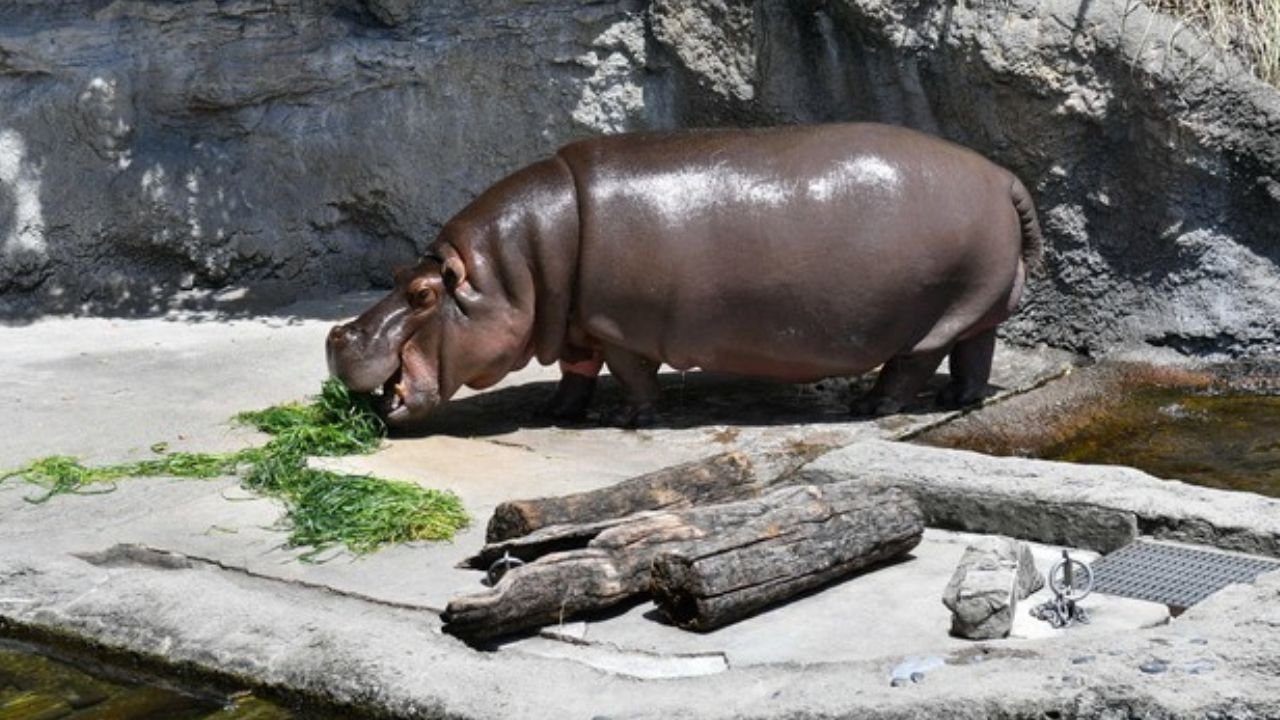
    Tokyo (AFP) – Betrayed by its DNA and unmanly toilet habits, a hippopotamus in Japan thought for seven years to be a he is in fact a she, the zoo where the wallowing giant lives said Tuesday.

    The 12-year-old came to Osaka Tennoji Zoo in 2017 from the Africam Safari animal park in Mexico, where officials attested on customs documents that the then five-year-old was male.

    But zookeepers long scratched their heads, a spokeswoman told AFP.

    In particular, Gen-chan did not display the typical male hippo behaviour of splattering faeces around while defecating — with a propeller-like tail motion — in order to mark territory.

    Nor did it make courtship calls to females and zookeepers were unable to visually identify any male genitalia, a dangerous task in such a large and potentially aggressive beast.

    “Therefore, we requested a DNA test at an external institution, and the result showed it was female,” the zoo said in a statement posted last week.

    “We will keep doing our best to provide comfortable environment to Gen-chan, so everyone, please come and see,” it said.

  • ‘Good Boy!’ Dogs do understand us, says new study

    Whether dogs truly understand the words we say – as opposed to things like tone and context clues – is a question that has long perplexed owners, and so far science hasn’t been able to deliver clear answers.

    But a new brain wave study published Friday in Current Biology suggests that hearing the names of their favorite toys actually activates dogs’ memories of those objects.

    “It definitely shows us that it’s not human-unique to have this type of referential understanding,” first author Lilla Magyari of the Eotvos Lorand University in Hungary, told AFP, explaining that researchers have been skeptical up to this point.

    With a couple of famous exceptions, dogs have fared poorly on lab tests requiring them to fetch objects after hearing their names, and many experts have argued it isn’t so much what we say but rather how and when we say things that pique our pooches’ interest.

    Yelling “Go get the stick!” and having a dog successfully bring the object back doesn’t conclusively prove they know what the word “stick” means, for example.

    Even scientists who concede that dogs do pay attention to our speech have said that, rather than really understanding what words stand for, they are reacting to particular sounds with a learned behavior.

    In the new paper, Magyari and colleagues applied a non-invasive brain imaging technique to 18 dogs brought to their lab in Budapest.

    The test involved taping electrodes to the dogs’ heads to monitor their brain activity. Their owners said words for toys they were most familiar with — for example “Kun-kun, look, the ball!” — and then showed them either the matching object or a mismatched object.

    After analyzing the EEG recordings, the team found different brain patterns when dogs were shown matching versus mismatched objects.

    This experimental setup has been used for decades in humans, including babies, and is accepted as evidence of “semantic processing,” or understanding of meaning.

    The test also had the benefit of not requiring the dogs to fetch something in order to prove their knowledge.

    “We found the effect in 14 dogs,” co-first author Marianna Boros told AFP, proving the ability is not confined to “a few exceptional dogs.” Even the four that “failed” may have simply been tested on the wrong words, she added.

    Holly Root-Gutteridge, a dog behavior scientist at the University of Lincoln in England, told AFP that the ability to fetch specific toys by name had previously been deemed a “genius” quality.

    Famous border collies Chaser and Rico could find and retrieve specific toys from large piles but were deemed outliers, she said.

    But the new study “shows that a whole range of dogs are learning the names of the objects in terms of brain response even if they don’t demonstrate it behaviorally,” said Root-Gutteridge, adding it was “another knock for humanity’s special and distinct qualities.”

    The paper “provides further evidence that dogs might understand human vocalizations much better than we usually give them credit for,” added Federico Rossano, a cognitive scientist at UC San Diego.

    But not all experts were equally enthusiastic. Clive Wynne, a canine behaviorist at Arizona State University, told AFP he was “split” on the findings.

    “I think the paper falls down when it wants to make the big picture claim that they have demonstrated what they call ‘semantic understanding,’” he said, though he praised the “ingenious” experimental setup as a new way to test the full extent of dogs’ “functional vocabulary.”

    For example, Wynne said, he needs to spell out the word “w-a-l-k” when he’s in front of his dog — lest his pet get excited for an outing there and then — but he doesn’t need to take the same precautions in front of his wife, whose understanding of the word goes beyond simple association.

    “Would Pavlov be surprised by these results?” asked Wynne, referencing the famous Russian scientist who showed dogs could be conditioned to salivate when they heard a bell signaling meal time. “I do not think he would be.”

  • Turks Up In Arms Over Killing Of Stray Cat

    Turks Up In Arms Over Killing Of Stray Cat

    The killing of a stray cat in Istanbul has triggered petitions, protests and death threats, pushing the president to intervene and the courts to retry the culprit.

    On January 1, Ibrahim K. was caught on a security camera in the lobby of the building where he lived kicking to death a stray cat named Eros that his neighbours regularly fed.

    He was sentenced in early February to 18 months in jail but was then released for good behaviour, sparking indignation among animal welfare groups and a section of the public in Turkey, whose large stray cat population is often fed and sheltered.

    Some 320,000 people signed an online petition demanding a stiffer sentence and in late February the justice ministry said Ibrahim K. would be retried after it received a night-time call from President Recep Tayyip Erdogan saying he was taking a “personal” interest in the case.

    Ibrahim K. was retried on Wednesday in a court building where hundreds of people thronged the corridors and the atmosphere was tense.

    The judges increased his sentence by one year but did not order him to be detained, ignoring the demands of animal welfare groups and internet trolls who have sent him death threats.

    One animal rights group is to appeal, saying Ibrahim K. should be jailed for the maximum four years allowed by law.

    On Thursday, the hashtag #JusticeforEros (#ErosicinAdalet) was trending on X, formerly Twitter, in Turkey and several major newspapers, including Hurriyet, splashed pictures of the dead cat on their front pages.

    Hurriyet carried several articles about Eros and “Ibrahim the killer”.

    Several celebrities have joined the Justice for Eros appeal, including Argentinian footballer Mauro Icardi, the star striker at Istanbul giants and reigning Turkish champions Galatasaray.