Tag: Anwaar ul haq Kakar

  • ECP ready to conduct ‘free, fair, transparent’ election in country

    ECP ready to conduct ‘free, fair, transparent’ election in country

    The Election Commission of Pakistan (ECP) is ready to conduct “free, fair, and transparent” general elections in Pakistan on February 8, Chief Election Commissioner (CEC) Sikander Sultan Raja said on Tuesday.

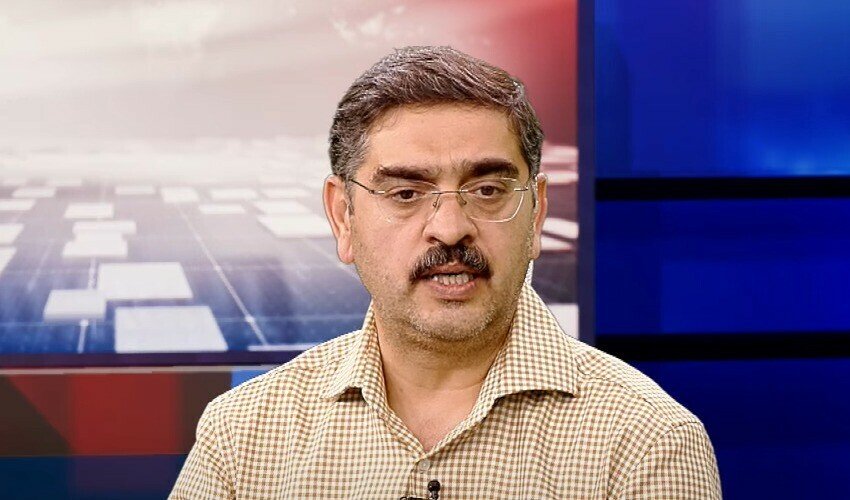
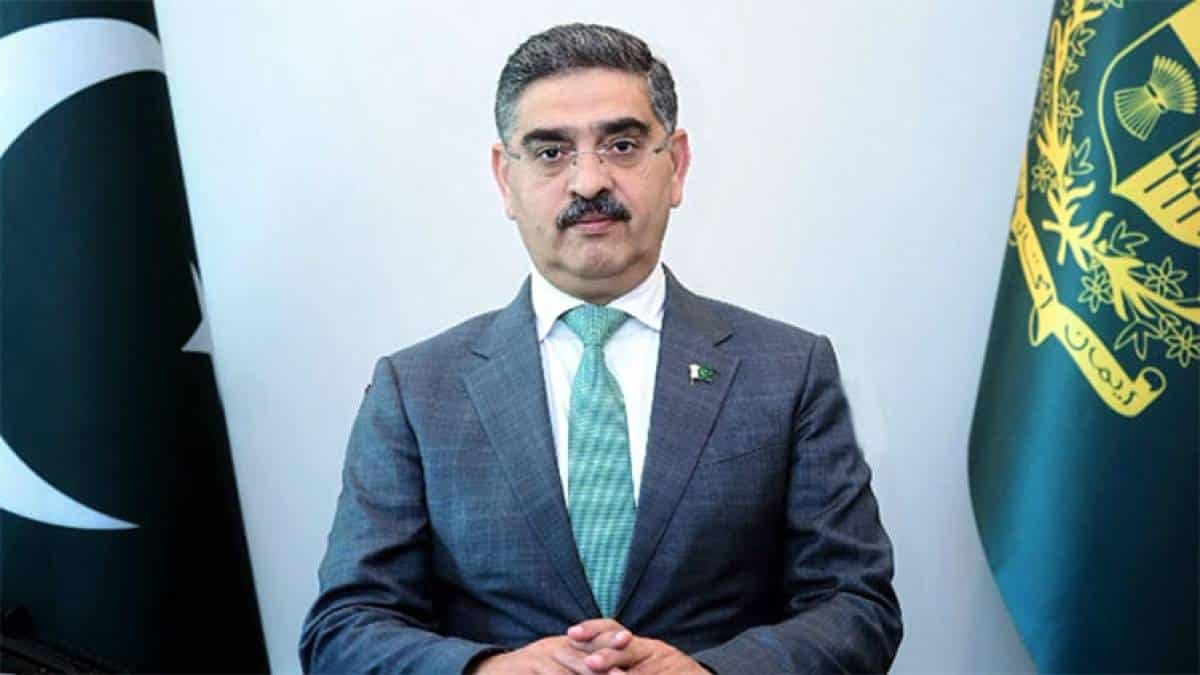
    Sikandar Raja met with caretaker Prime Minister (PM) Anwaar-ul-Haq Kakar at PM House to brief him about  preparations for the upcoming general elections in the country.

    During the huddle, PM Kakar reassured the CEC that the interim government will fully cooperate with ECP, providing all necessary resources to make the general elections free, fair, and transparent.

    PM Kakar also said that the caretaker government will also provide funds and security to make polls possible.

    On the other hand, CEC also invited PM Kakar to visit ECP to review preparations for the upcoming elections.

    He further said the process of updating electoral lists is in the final phases, and they will soon be dispatched to all respective districts.

  • Here’s all you need to know about what PM Kakar has been doing in China

    Here’s all you need to know about what PM Kakar has been doing in China

    Caretaker Prime Minister Anwaar ul Haq Kakar is currently on a four day long visit to China, to attend the Third Belt and Road Forum for International Cooperation. This is the first Forum in four years as the last one was held in 2019. This time around there were delegations from 130 countries and ten heads of states mostly from the global south. The PM is there on the invitation of President Xi Jinping to celebrate ten years of CPEC, the flagship project of Belt and Road Initiative.

    The visit has been packed with attending the opening ceremony, addressing the high-level forum and conducting important meetings with head of states and entrepreneurs and presiding over the round tables about CPEC.

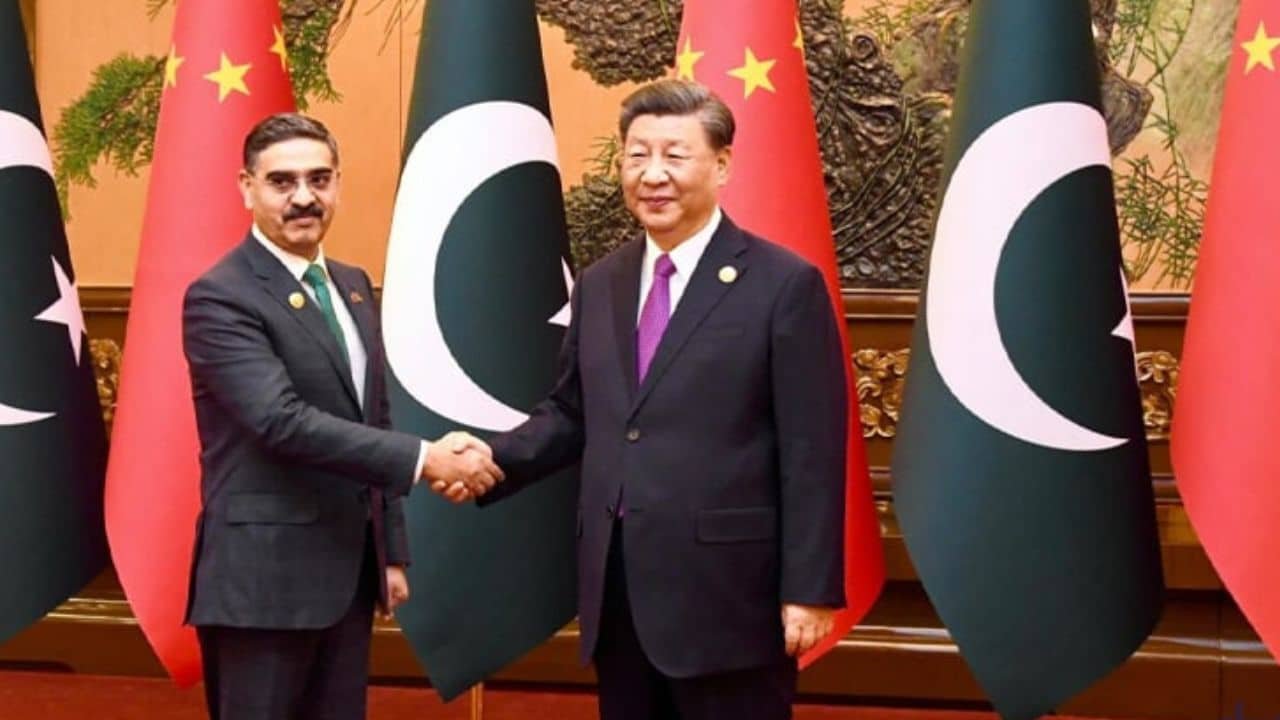
    The activities started off with the two-day forum where Anwaar ul Haq Kakar addressed the opening ceremony of BRF at the Great Hall of the People in Beijing. He was welcomed by President Xi and the first lady. Both the countries agreed on growing CPEC as a project ensuring growth, employment and sustainability. Xi talked at length about the Chinese rejection of “economic coercion” and “bloc confrontation”.

    Caretaker PM addressed the high-level forum titled ‘Connectivity in an Open Global Economy’ where he vowed to share responsibility and embrace the vision of working together because he believes by this “we can create a brighter, peaceful, and sustainable future for ourselves and for our generations,” He attended a roundtable on the decade-long progress of CPEC. Different MoUs were signed between the leadership of China and Pakistan during the PM’s meeting with his counterpart Li Qiang.

    The United Energy Group of China and Pakistan Refinery Ltd signed an MoU for a $1.5 billion investment to boost the refinery’s production capacity.

    The rail project, whose cost has been revised downwards from $9bn to $6.7bn, will span 1,733 kilometres, connecting Peshawar to Karachi. Besides, the number of trains travelling to and from both cities could potentially expand to 100.

    Both the projects will help enhance the capacity of the respective department and create thousands of job opportunities.

    Apart from the meetings with Chinese businesses and different ministers, Kakar also met Russian President Viladimir Putin, President of Kenya Dr. William Ruto and the President of Sri Lanka Ranil Wickremsinghe.
    With Russia, he discussed the areas of convergence like countering terrorism in Afghanistan, trade of energy, petroleum and promotion of bilateral ties.
    PM Kakar also talked about expediting the joint investigation report on the Arshad Sharif murder case in Kenya with William Ruto.
    In his meeting with Srilankan President he discussed about the mutual issues regarding economy and the crisis in Gaza calling for an immediate ceasefire.
    He represented Pakistan at the final Gala Dinner having all the attendees of the forum after his meeting with the President of China. He stated categorically of “Pakistan’s blind trust on China” and the pride Pakistan takes in “Chinese progress”.
    In the last leg of the visit, PM is now on his way to Ürümqi, Uyghur region of China to address the students at Xinjiag University after offering Jumma prayers in the Grand Mosque of Xinjiag.

  • Pakistan faces worsening financial woes as state-owned enterprises suffer losses

    Pakistan faces worsening financial woes as state-owned enterprises suffer losses

    Interim Prime Minister (PM) Anwaar-ul-Haq Kakar conveyed on Wednesday that Pakistan is grappling with financial challenges, exacerbated by the continuous losses incurred by state-owned enterprises (SOEs).

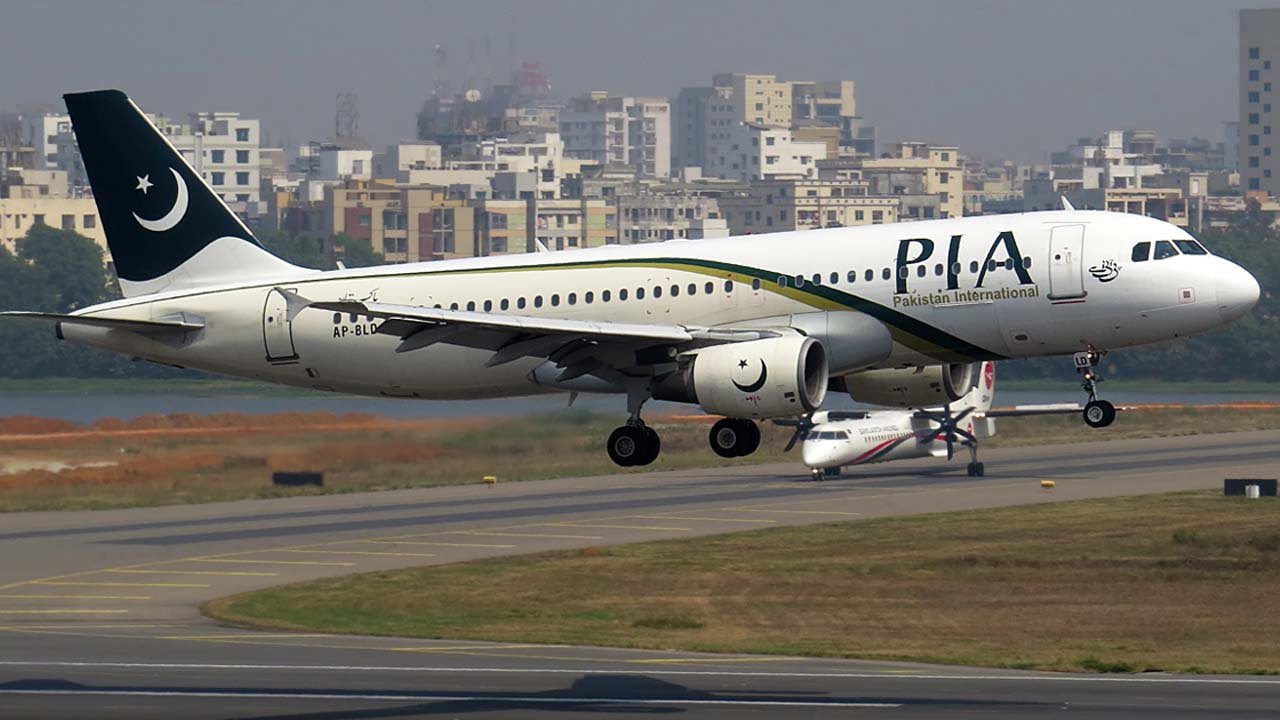
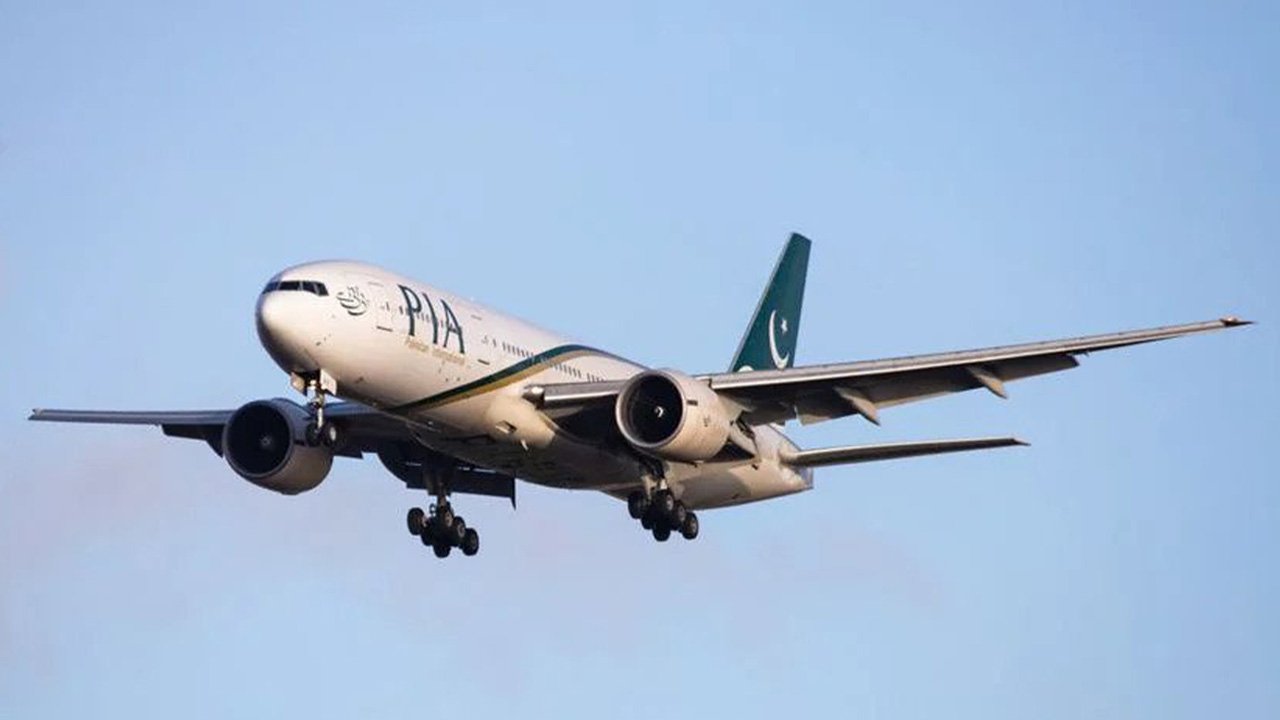
    The PM presided over a high-level meeting specifically addressing the issues plaguing Pakistan International Airlines (PIA). 

    During this meeting, comprehensive briefings were presented on various aspects of PIA’s operations.

    Key figures, including Caretaker Minister for Privatisation Fawad Hassan Fawad, Adviser to the Prime Minister Ahad Cheema, and other relevant authorities, were in attendance.

    PM Kakar articulated his concerns regarding the protracted decision-making process concerning PIA’s issues.

    He highlighted the urgency of expediting the privatisation of PIA and other state-owned enterprises that are incurring losses, highlighting that these financial setbacks should not be shouldered by the public through tax money.

    PM Kakar underscored that reforming the aviation sector could lead to improved services for the public.

    Furthermore, he stressed the importance of transparency in the privatisation process and the need to assign responsibility for the losses to facilitate corrective actions and prevent further financial setbacks.

    The meeting received updates on PIA’s financial situation and the progress of its privatisation process.

    The PM directed that the privatisation of the national flag carrier be expedited to relieve the burden on the national treasury.

  • Petroleum prices expected to decline as rupee gains ground against US dollar 

    Petroleum prices expected to decline as rupee gains ground against US dollar 

    As reported by Geo News on Saturday, there’s an expectation that starting on October 1st, petroleum prices will see a decrease due to the stability of the Pakistani rupee (PKR) against the US dollar (USD). This shift is also attributed to a decline in international market prices. 

    The final decision on these petroleum prices will be made by the Ministry of Finance following consultations with interim Prime Minister Anwaar-ul-Haq Kakar. 

    In recent news, the Oil and Gas Regulatory Authority (OGRA) cautioned against prematurely speculating about petroleum product pricing. This comes after federal ministers suggested that rates for petroleum, oil, and lubricants (POL) might decrease in the next fortnightly review. 

    Earlier statements by Caretaker Federal Commerce and Industries Minister Gohar Ejaz and Interim Federal Minister for Information and Broadcasting Murtaza Solangi hinted at a potential drop in POL prices, thanks to the recent strengthening of the Pakistani rupee against the US dollar. 

    Over the past two weeks, the Pakistani rupee has gained about Rs19 against the US dollar. This is significant because Pakistan, as a net importer of POL products, conducts transactions in US dollars. 

    In the previous fortnightly review, the caretaker government had raised petrol prices by more than Rs26 per litre and diesel prices by over Rs17 per litre, reaching record highs at Rs331.38 and Rs329.18 per litre, respectively. 

    OGRA emphasised that the pricing of petroleum products in Pakistan depends on international market trends and the exchange rate between the US dollar and the Pakistani rupee. While international petroleum prices have risen recently, the exchange rate between the US dollar and the Pakistani rupee has improved. 

    However, OGRA pointed out that there’s still one week left before the official announcement of new prices. So, any speculations about price changes during this period are speculative and could disrupt the smooth operation of the oil supply chain. 

  • PM Kakar urges rapid privatisation of PIA as flight suspensions loom

    PM Kakar urges rapid privatisation of PIA as flight suspensions loom

    Interim Prime Minister Anwaar-ul-Haq Kakar has issued a directive to accelerate the privatisation process of Pakistan International Airlines (PIA), which has been facing substantial financial losses. This move comes in response to reports suggesting that PIA’s flight operations could be halted by September 15 unless emergency funding is secured. 

    In a recent interview with Geo News, a senior PIA director revealed that the airline had reduced its operational fleet from 23 to just 16 aircraft, resulting in numerous flight cancellations. Additionally, major aircraft manufacturers, Boeing and Airbus, had suspended the supply of spare parts to PIA due to outstanding payments, causing daily losses amounting to millions of rupees.  

    The dire situation was further exacerbated when a PIA plane was detained at Dammam airport and four others were held at Dubai airport due to unpaid fuel bills. 

    The official cautioned that unless emergency funds amounting to Rs23 billion were secured, flight operations might come to a standstill by September 15. In response to these pressing concerns, Prime Minister Kakar chaired a meeting regarding PIA-related matters and assigned the caretaker Minister for Privatisation, Fawad Hasan Fawad, to oversee the privatisation process with the utmost urgency.  

    The prime minister stressed the need for a swift privatisation process to ensure reliable services for users and to bring PIA’s standards in line with global aviation standards. 

    Furthermore, the prime minister urged all relevant stakeholders to collaborate in finding immediate solutions to the challenges associated with privatization. The meeting also included a briefing on the progress of the privatisation process at PIA. 

    Read more: Islamabad Police launches campaign to catch students bunking school and college 

    According to Geo, PIA has been grappling with severe financial difficulties, including the grounding of five out of its 13 leased aircraft, with the possibility of grounding four more due to ongoing financial constraints. The airline had previously requested an emergency bailout of Rs22.9 billion, which was rejected by the Economic Coordination Committee (ECC).  

    Additionally, requests for deferring payments of Rs1.3 billion per month to the Federal Board of Revenue (FBR) and Rs0.7 billion per month to the Civil Aviation Authority (CAA) were also denied by the ECC.  

    Moreover, PIA had warned of potential disruptions in the supply of spare parts by Boeing and Airbus by mid-September. In a further blow, the FBR froze 13 of PIA’s bank accounts due to unpaid dues totaling Rs8 billion in Federal Excise Duty (FED). 

  • Interim PM Kakar cancels trip to Kenya

    Interim PM Kakar cancels trip to Kenya

    Interim Prime Minister Anwaar-ul-Haq Kakar has cancelled a three-day official trip to Kenya, scheduled to start on September 4 (Monday), The News has reported.
    According to the Foreign Office, PM Karar was invited by President William Samoei Ruto to travel to Nairobi, Kenya, from September 4 to 6, where he would attend the Africa Climate Summit.
    The publication claimed that the prime minister decided to cancel the trip after weighing the advantages and disadvantages of the prevailing atmosphere in the country.

    Kakar’s trip to the African country would have been his first foreign sojourn since taking oath of office as interim Prime Minister of Pakistan. Interim Foreign Minister Jalil Abbas Jilani, caretaker cabinet members, advisers, and special assistants would have accompanied the PM on the visit.
    It was previously reported that the trip to Kenya was related to the strategy the previous government had developed to promote bilateral relations with African countries.

  • PM Kakar nahi jantay kisko mil rahi hai muft bijli?

    PM Kakar nahi jantay kisko mil rahi hai muft bijli?

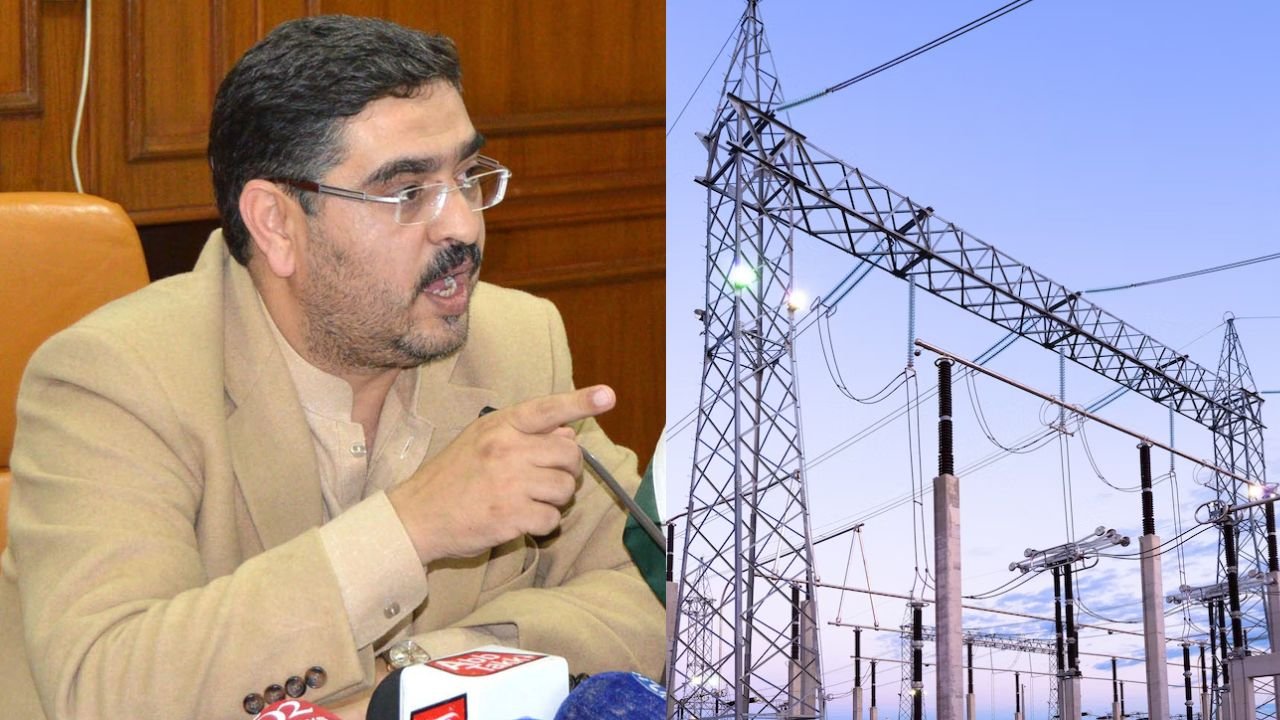
    Interim Prime Minister Anwaar ul Haq Kakar recently gave a statement that only Wapda’s employees, including retired ones, get free electricity and there is no such facility available for anyone else including judges. This statement is factually incorrect.

    Truth is that not only utility bills (including electricity bills) of the serving judges of the Supreme Court and High Courts are paid by the government, but the retired ones also get free electricity of up to 2000 units a month in case of an ex-SC judge and 800 units a month in case of a former high court judge, as per Ansar Abbasi’s report for Geo news.

    Not only this, the president and prime minister also enjoy free utilities including free electricity without any limits but in the case of the ex-president, he is provided 2000 units a month of electricity at the cost of taxpayers’ money.

    President’s Salary, Allowance and Privileges Act, 1975 as amended in 2018 says in Section 7 that the actual charges for electricity and gas consumption shall be paid in each year to the president. After retirement, the president also gets gas to the extent of monthly consumption of 10 HM3 and water, all paid by taxpayers.

    Chairman of National Accountability Bureau (NAB) also enjoys similar facilities as those of a Supreme Court judge, including free electricity. There is no confirmation of what the prime minister has claimed about services’ chiefs.

    In October 2020, Justice Faez Isa and his wife released income tax and asset details in which it was clearly written that post-retirement benefits of a Supreme Court judge include 2000 units of electricity, 25 HM of gas, water and 300 litres of petrol per month.

    High Court Judges (Leave, pension, privileges) order 1997 not only talks about the payment by government for provision of electricity gas and water but also says in Section 28 that a judge on retirement and after his death, the spouse shall be entitled to certain benefits including 800 units of electricity per month as well as 25 HM3 of gas per month.

    All those quasi-judicial public offices including the offices of NAB chairman, federal ombudsman etc where retired judges, or retired civil servants are appointed, the residence utility bills are also paid from the public funds.

    According to a NAB document, “i) Chairman NAB shall be entitled without payment of rent to the use of a residence provided by the Government throughout his term of office maintained at Government expenses with all utilities to be paid on actual basis by the Government. ii) In case of non-availability of Government accommodation or the Chairman chooses to reside in a private residence, the expenses on maintenance and all utilities as per actual, will be paid by the Government, in addition to house rent allowance.”

  • Free electricity extended to President, judges, and NAB chairman, contrary to PM’s claims

    Free electricity extended to President, judges, and NAB chairman, contrary to PM’s claims

    Prime Minister Anwaar ul Haq Kakar’s recent statement regarding free electricity for judges in Pakistan has sparked controversy, as it appears to be at odds with existing policies and practices.

    In a recent address, the Prime Minister asserted that only Wapda’s employees, including retirees, are entitled to free electricity, and this privilege is not extended to judges or other officials. However, a closer examination of the facts suggests that the Prime Minister may have been misinformed., according to Geo.

    Contrary to the Prime Minister’s statement, serving judges of the Supreme Court and High Courts in Pakistan enjoy the benefit of having their utility bills, including electricity, covered by the government. This includes both current and retired judges.

    For retired Supreme Court judges, the provision of free electricity extends up to 2000 units per month, while retired High Court judges receive 800 units per month without incurring any charges. The President and Prime Minister, whether in office or after retirement, are also entitled to free utilities, including electricity, without any specified limits.

    It’s worth noting that even former President’s receive a monthly allowance of 2000 units of electricity, with the costs borne by taxpayers’ funds.

    Additionally, the National Accountability Bureau (NAB) chairman enjoys similar privileges to those of a Supreme Court judge, which includes the provision of free electricity. However, there is no official confirmation regarding the entitlements of services’ chiefs as claimed by the Prime Minister.

    The President’s Salary, Allowance and Privileges Act of 1975, amended in 2018, specifies in Section 7 that the actual charges for electricity and gas consumption shall be covered each year for the President. Similarly, the President’s Pension Act outlines provisions for electricity, gas, and water supplies.

    The transparency of these policies was underscored in October 2020 when Justice Faez Isa and his wife disclosed their income tax and asset details. These documents clearly indicated that post-retirement benefits for a Supreme Court judge include 2000 units of electricity, 25 HM3 of gas, water, and 300 litres of petrol per month.

    Furthermore, the High Court Judges (Leave, Pension, Privileges) Order of 1997 not only addresses the payment by the government for electricity, gas, and water but also states in Section 28 that retired judges and their spouses are entitled to certain benefits, including 800 units of electricity per month and 25 HM3 of gas per month.
  • One rupee relief: Petroleum Division reveals ‘benefit’ of importing Russian crude

    The Petroleum Division has presented a comprehensive briefing to the caretaker Prime Minister, Anwaar ul Haq Kakar, regarding the potential impact of Russian crude oil on petroleum prices in Pakistan.

    According to The News, the Petroleum Division highlighted that the projected benefit to consumers resulting from the import of Russian crude oil remains relatively modest, at approximately Re1 per litre for both petrol and diesel. This assessment takes into account various operational intricacies and market dynamics.

    Importing Russian crude oil carries two notable risks, the division stated. The first pertains to the duration of transportation, which spans between 30 and 36 days, and the second revolves around the production of furnace oil.

    Approximately 60 per cent of furnace oil generated from Russian crude must be exported, incurring a 25 per cent loss in the process.

    It is significant to note that, currently, only the Pakistan Refinery Limited (PRL) has expressed readiness to refine Russian oil. However, if PRL assumes the responsibility of refining Russian oil exclusively, only a nominal Re1 relief can be passed on to consumers for each litre of gasoline and diesel.

    In a potential collaborative effort, the prime minister was informed that if PARCO (Pak-Arab Refinery Company) and NRL (National Refinery Limited) jointly undertake the refining of Russian oil, the benefit to consumers could potentially increase to Rs3 per litre. The magnitude of this relief would be contingent on the volume of Russian crude involved in the process.

    PARCO, as a comparatively modern refinery with superior facilities, is expected to contribute to enhanced yields from Russian crude and, consequently, a reduction in the production of furnace oil. However, it was also revealed that both PARCO and NRL have declined the proposition to refine Russian oil.

    The caretaker Prime Minister, Anwaar ul Haq Kakar, has expressed the need for a thorough evaluation of the situation, considering the potential benefits, risks, and the willingness of refineries to participate in the process. The decision regarding the import and refining of Russian crude oil remains a pivotal concern as Pakistan navigates its energy landscape in the coming days.

    This development emphasises the intricate balance between economic considerations and strategic decisions in the energy sector that Pakistan faces as it grapples with global oil market dynamics.

  • No country has raised concerns regarding polls delay, says Foreign Office

    Following reports of senior diplomats expressing reservations regarding the delay in polls in Pakistan, while mentioning that it could have negative effects on Pakistan’s relationships with democratic nations, the Foreign Office said it has not yet received any such communication from any capital, sources told The News.

    If a country raises any doubts and concerns, the authorities can address them, the Foreign Office said.

    If elections are delayed beyond February next year, then that might invoke serious consequences for the country. “Frankly, if elections are delayed beyond February, it will be extremely difficult for us to maintain the same level of bilateral engagement with Pakistan as we are doing now,” a source told Express Tribune.

    It is believed that in case of delay in elections, western countries, might revisit their cooperation with Pakistan. This could negatively impact Pakistan’s engagement with US-led financial institutions, including the International Monetary Fund (IMF).
    Not only Western countries want timely elections but they also want a level playing field for all the political parties. “This is something we will be keeping a close eye on,” said another diplomatic source, referring to media restrictions and crackdown against certain political parties.

    Meanwhile, FO Spokesperson Mumtaz Zahra Baloch clarified that she has no knowledge of any messages from any capital on this matter, as the positions of Pakistan and other countries on the issue are already known.

    The sources revealed that the government is well aware of the European Union’s (EU) stance and the International Monetary Fund’s (IMF) perspective on the matter. If parliamentary elections are deferred without valid reasons, the Generalised System of Preferences Plus (GSP+) trade facility could come under scrutiny.

    It has been reported that United States Ambassador to Pakistan, Donald Blome, and some other senior Western diplomats had held meetings with high-ranking officials in Pakistan, including caretaker Prime Minister Anwaar-ul-Haq Kakar and Chief Election Commissioner (CEC) Sikandar Sultan Raja.

    These meetings were aimed at gaining first-hand assessments of the situation. It is understood that these countries have closely followed the developments in Pakistan regarding election preparations and maintained communication with relevant parties to emphasise the preservation of a democratic environment.

    The sources noted that Pakistan has adequately briefed important capitals on the post-dissolution developments in national and provincial legislatures. The government has assured these capitals that the action will strictly adhere to the Constitution and law. The restriction to hold elections within 90 days following assembly dissolution, as stipulated in the Constitution, has been communicated.

    The sources highlighted that the ECP had recently clarified that there are no intentions to delay elections once the delimitation process concludes. Speculation arose that updating electoral rolls based on new delimitations could lead to further delays.

    The electoral body dismissed the concerns, explaining that updating electoral rolls and delimitation can proceed concurrently, as this is not an uncommon practice and would not cause any delay in elections. The ECP has already set December 14 as the deadline for completing the constituency delimitation process, and the enrollment of new voters will also be completed by this deadline.