Tag: Apple

  • Apple is working on first foldable iPhone

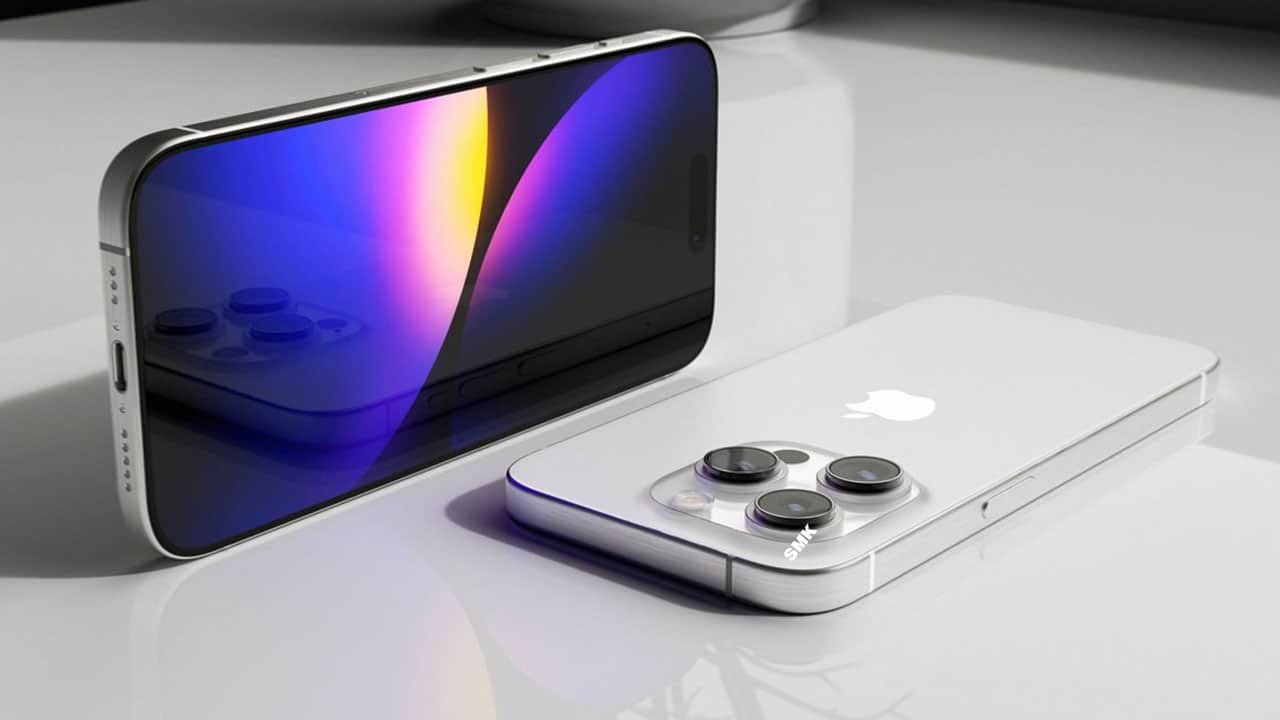
    Apple will likely introduce its first foldable iPhone as early as 2026, marking the biggest hardware design overhaul for the company’s most popular product, The Information reported on Tuesday.

    The California-based company’s plan to release a foldable iPhone could mimic a similar move by Samsung Electronics, which entered the foldable segment in 2019 with a significant hardware design refresh to attract new customers.

    The company has approached suppliers in Asia to make components for the device, and the makers have created an internal codename, V68.

    This feature is expected to boost iPhone demand, which is facing stiff competition from Honor and Huawei in China and Samsung globally.

    Samsung unveiled its latest foldable smartphones in early July, making its priciest flagship model lighter and thinner with new AI functions.

    Apple also plans to upgrade the camera on at least one iPhone model, which will let users control the size of the aperture with a mechanical system, potentially allowing users to create a depth-of-field effect.

    The report also states that Apple has officially yet to announce a foldable iPhone, so there is no guarantee that it will be released.
  • Apple reportedly testing Samsung-made camera sensor for iPhone 16

    Apple reportedly testing Samsung-made camera sensor for iPhone 16

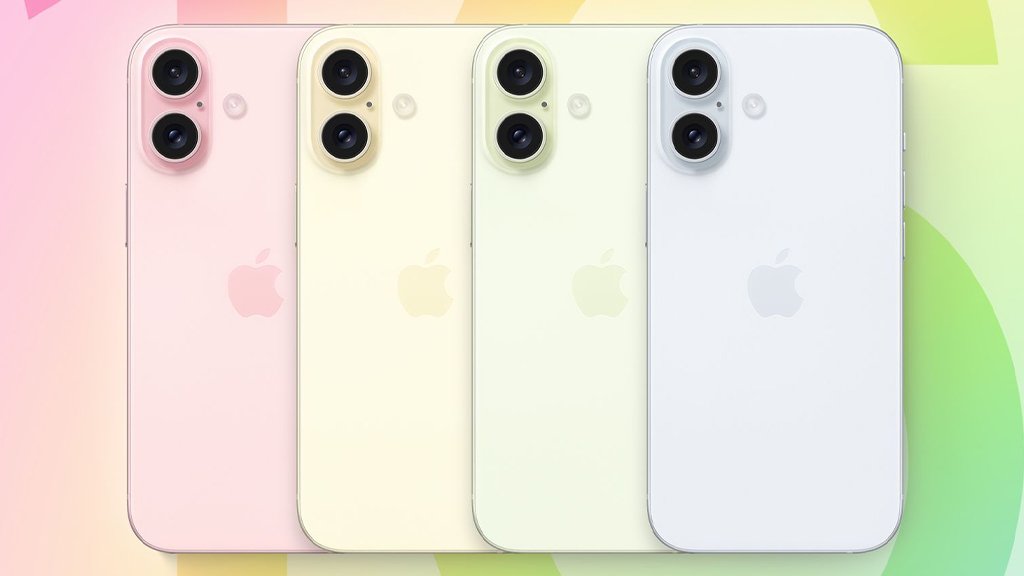
    Apple is reportedly testing advanced CMOS image sensors (CIS) from Samsung, which could feature in the iPhone 16 later this year. According to The Elec, Apple is conducting a final quality assessment of these sensors, provided by Samsung System LSI, the logic business unit of Samsung.

    Traditionally, Apple has relied exclusively on Sony for its CIS needs. However, recent developments suggest a strategic shift away from the Japanese supplier due to concerns about reliability and the desire to integrate new technologies into its camera systems.

    This change in direction comes after Apple encountered issues with Sony last year. In response, Apple asked Samsung to develop new image sensors in 2023 when Sony failed to deliver in a timely manner, complicating the launch schedule for the iPhone 15.

    If Samsung successfully passes the current quality tests, it will mark the first time the company supplies CIS for an iPhone. The new sensors from Samsung boast a more advanced three-wafer stack design, compared to the two-stack design used in current and previous iPhone models. These three wafers separately house the photodiode, transistors, and analog digital converter logics, which allows for higher pixel density, reduced noise, and smaller pixel sizes.

    In a CIS, the photodiode converts light into electrical signals, while four transistors are responsible for transferring, amplifying, reading, and erasing these signals. The separation of these components into three wafers enhances the sensor’s performance.

    Additionally, the new technology uses wafer-to-wafer hybrid bonding, which directly attaches the wafers through a copper pad, eliminating the need for signal-transferring bumps. This results in a smaller CIS with faster data transfer speeds.

    The iPhone 16 lineup is expected to be announced in the autumn, featuring new camera capabilities, including a dedicated “Capture” button and a 48-megapixel Ultra Wide camera.

  • iPhone users may be able to lock Messages, Photos in iOS 18

    iPhone users may be able to lock Messages, Photos in iOS 18

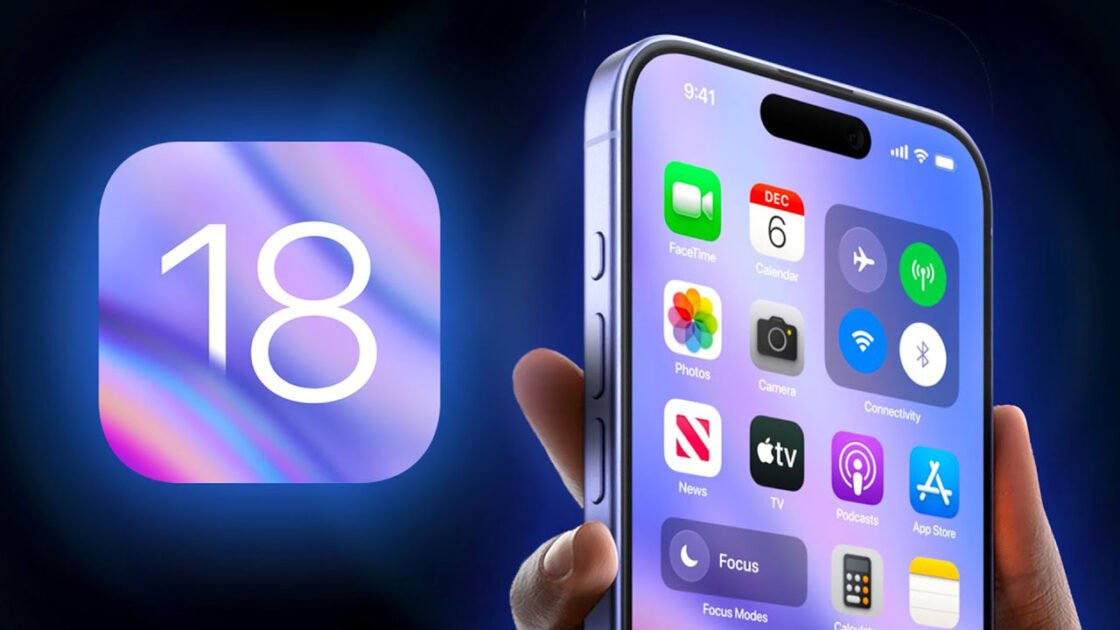
    The upcoming iOS 18 is anticipated to introduce a new security feature that allows users to lock individual apps, according to several sources familiar with the development.

    This feature is set to provide users with the ability to lock native iPhone apps such as Mail, Messages, Notes, Phone, Photos, Safari, and Settings, among others, thereby offering an additional layer of privacy and security.

    To unlock a locked app, users will need to authenticate via Face ID, and it is expected that Touch ID or an iPhone’s passcode will also be compatible with this feature.

    It remains unconfirmed whether this functionality will extend to third-party apps from the App Store.

    Currently, Apple permits certain content to be secured behind Face ID, Touch ID, or a passcode, such as notes in the Notes app and photos in the “Recently Deleted” and “Hidden” albums within the Photos app.

    The upcoming iOS 18 feature will expand this capability, allowing for entire apps to be locked, even when the iPhone itself is unlocked.

    iPhone users have previously resorted to using Screen Time or Shortcuts to lock apps, but these methods will become obsolete with the new iOS 18 functionality.

    Apple is set to unveil iOS 18 during its WWDC keynote on Monday. The initial iOS 18 beta is expected to be available to Apple Developer Program members immediately following the keynote, with a public release anticipated in September.

  • Apple plans OLED displays for MacBook Pro models in 2026

    Apple plans OLED displays for MacBook Pro models in 2026

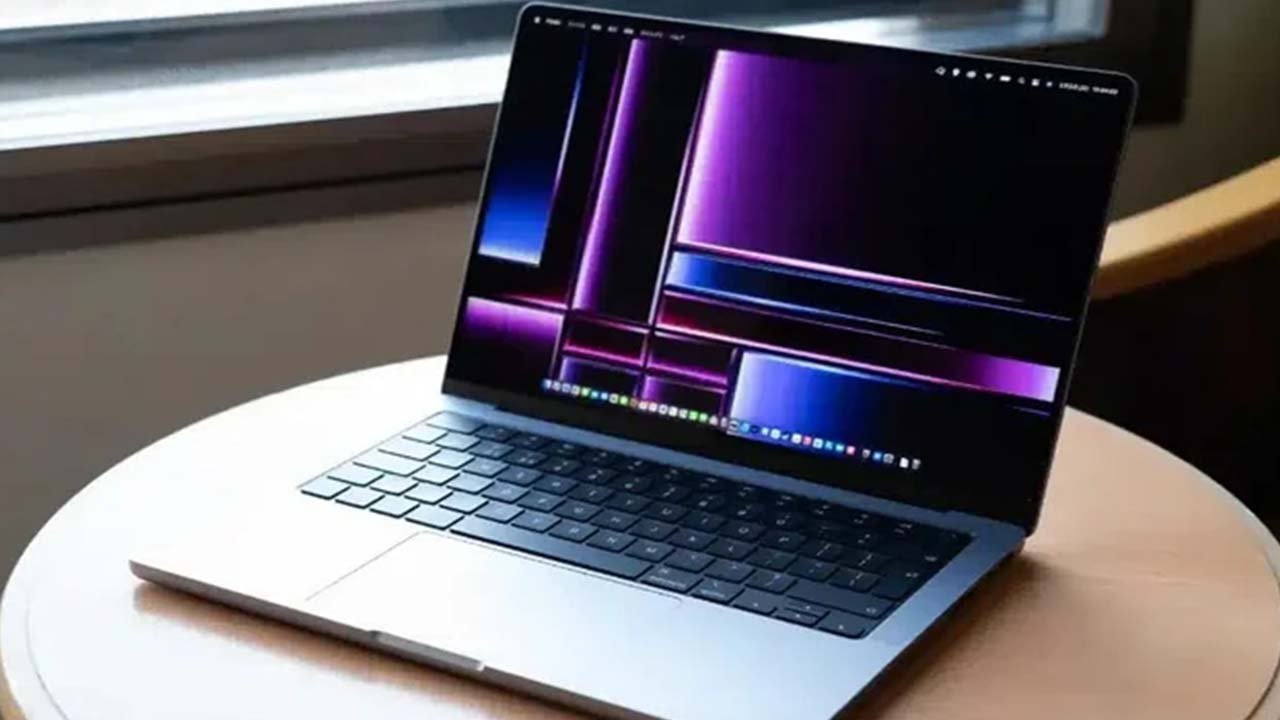
    Apple is expected to introduce new MacBook Pro models featuring OLED displays in 2026, according to market research firm Omdia. This anticipated shift is predicted to significantly increase the demand for OLED technology in the notebook market, potentially reaching over 60 million units by 2031.

    OLED, or organic light-emitting diode, panels offer several advantages over traditional display technologies. Each pixel in an OLED screen can be individually controlled, allowing for more precise colour reproduction and deeper blacks. OLED displays also boast superior contrast, faster response times, better viewing angles, and greater design flexibility.

    In addition to the MacBook Pro, Apple plans to implement OLED displays in its iPad Pro lineup starting in 2024. This move is expected to triple the demand for OLED tablets compared to the previous year. Apple’s strategy includes extending OLED technology to other iPad models, such as the iPad mini and iPad Air. This transition is likely to influence competitors and could drive the demand for OLED tablets to exceed 30 million units by 2029.

    Recent reports indicate that Samsung has begun developing an 8-inch OLED display panel for the iPad mini, with predictions that Apple will update both the iPad mini and iPad Air with OLED technology by 2026. Additionally, last year, Samsung was rumoured to be investing $3.14 billion into its Asan, South Korea, facility to produce OLED panels for forthcoming 14-inch and 16-inch MacBook Pro models.

    Apple’s adoption of OLED displays across its product lines marks a significant evolution in display technology, promising enhanced user experiences through improved visual quality and device performance.

  • Apple to unveil extensive home screen customisation options in iOS 18

    Apple to unveil extensive home screen customisation options in iOS 18

    In the latest edition of his Power On newsletter, tech analyst Mark Gurman has revealed exciting details about the forthcoming iOS 18 update.

    According to Gurman, Apple is set to revolutionise the iPhone user experience by introducing extensive customisation options for the home screen, a departure from the current fixed aligned grid system.

    One of the key highlights of iOS 18 will be the newfound ability for users to freely arrange icons on their home screens, breaking away from the constraints of the existing rigid layout.

    Additionally, Apple will be introducing native support for customising app icons, marking a significant departure from the previous reliance on third-party solutions.

    Gurman’s insights suggest that iOS 18 will empower users to personalise their device like never before, with the ability to alter the color of app icons to suit their preferences.

    For example, users could opt to unify all social networking apps under a distinctive blue hue, while assigning a different color scheme to finance-related applications.

    Although rudimentary home screen customisation has been achievable through workarounds such as creating single-action shortcuts, these methods have often been cumbersome and time-consuming.

    With the imminent release of iOS 18, Apple aims to streamline this experience by integrating robust customisation features directly into the operating system.

    However, the extent of icon customisation remains somewhat ambiguous. While it’s clear that users will have the option to adjust colors, the specifics regarding the potential for entirely new icon designs or limited palette changes have yet to be clarified.

    The eagerly anticipated iOS 18 is scheduled to be officially unveiled at Apple’s annual Worldwide Developers Conference (WWDC) on June 10.

    Alongside this announcement, Apple is expected to showcase a range of innovative features, with a particular emphasis on advancements in artificial intelligence technology.

  • Apple in talks with OpenAI, Google to integrate AI into iPhones

    Apple in talks with OpenAI, Google to integrate AI into iPhones

    In a move that could reshape the future of iOS, Apple is exploring partnerships with major technology firms to integrate artificial intelligence (AI) into its iPhone line, according to reports from Engadget.

    The Cupertino-based company is reportedly in discussions with Sam Altman’s OpenAI to incorporate generative AI technologies into its iOS operating system.

    However, OpenAI isn’t the only player on Apple’s radar. The company is also engaged in talks with Google to potentially license Gemini, the tech giant’s AI model, for use in iOS 18.

    According to Bloomberg, Apple could finalise agreements with both companies, suggesting a comprehensive approach to AI integration in its upcoming products.

    Meanwhile, Apple is also building its own language models to support various features in iOS 18, indicating a multi-faceted strategy towards AI.

    Although Apple has remained largely silent about its AI developments, there have been subtle hints suggesting that the company is preparing for a significant announcement.

    During a company meeting in February, Apple’s chief executive, Tim Cook, mentioned that the company is continuing to invest in artificial intelligence and expressed excitement about sharing more details later in the year.

    He also highlighted that the recently launched MacBook was the “world’s best consumer laptop for AI.” Cook’s remarks further fueled speculation that Apple is gearing up to unveil AI-centric laptops and desktops in the near future.

    As Silicon Valley dives deeper into the AI arms race, Apple’s moves to partner with leading AI developers and build in-house AI capabilities could set the stage for significant advancements in the iPhone’s functionality and user experience.

    Tech enthusiasts and industry watchers are now eagerly awaiting Apple’s official announcements, which could provide more clarity on the company’s AI strategy and the future of its product lineup.

  • Apple set to unveil new iPad Pro, iPad Air models in May

    Apple set to unveil new iPad Pro, iPad Air models in May

    Apple is preparing for a significant launch event, as reported by Mark Gurman in Bloomberg’s Power On newsletter. The tech giant is set to unveil its latest offerings, the new iPad Pro and iPad Air, during the week of May 6.

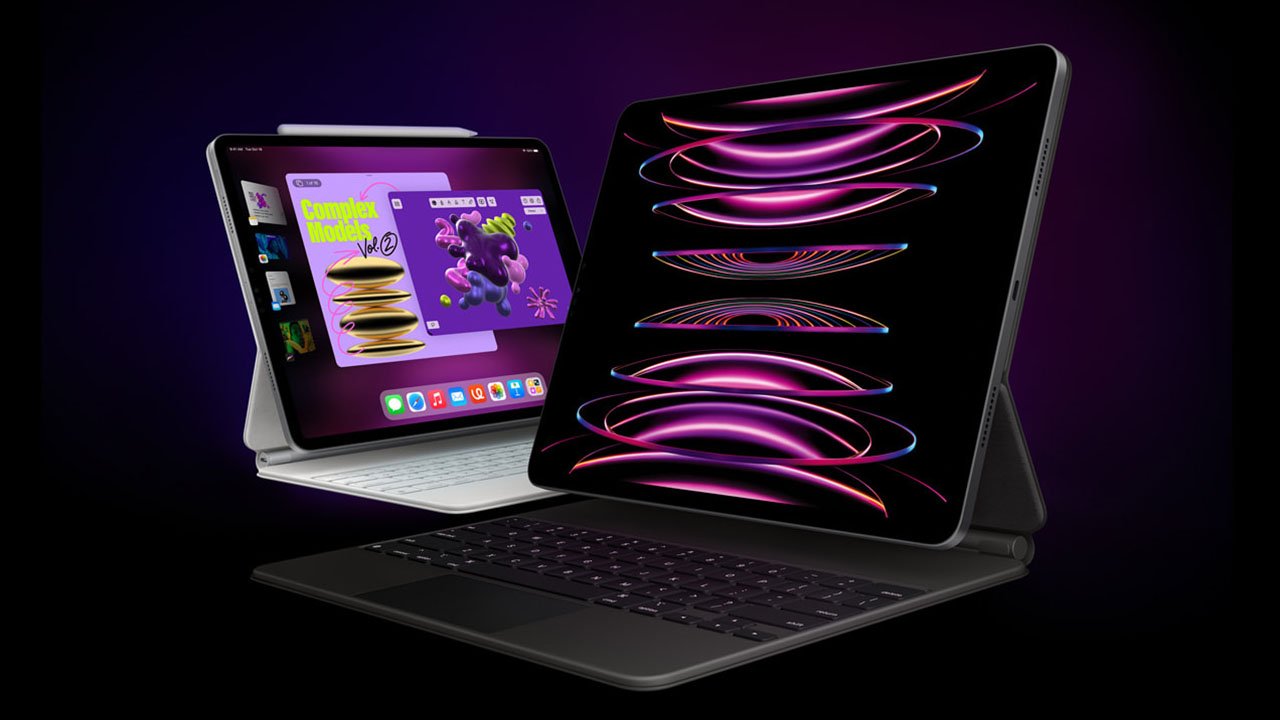
    The anticipated launch will introduce new models, including 11-inch and 13-inch OLED iPad Pro versions, alongside a larger 12.9-inch iPad Air. Additionally, consumers can expect refreshed Magic Keyboard and Apple Pencil accessories to accompany these devices.

    This announcement marks a notable event for Apple, as it’s been nearly eighteen months since the release of any new iPad hardware. The upcoming iPad Pros are expected to boast enhanced displays, transitioning from mini-LED to OLED panels similar to those found in iPhones.

    This upgrade promises deeper contrast and increased brightness. Alongside display improvements, there’s anticipation for a sleeker design, with a thinner chassis and a repositioned front camera to the landscape edge. These new models will be powered by the advanced M3 chip.

    However, consumers may need to prepare for potential price hikes, as hinted by Gurman’s newsletter. Currently, the 11-inch iPad Pro starts at $799, while the 12.9-inch model begins at $1099.

    For those seeking a more budget-friendly option, the new 12.9-inch iPad Air aims to deliver a larger screen size without breaking the bank. Details regarding its processor, whether M2 or M3, remain unclear at this stage.

    Excitingly, the new accessories are expected to enhance the user experience further. Rumors suggest that the new Apple Pencil might include a new squeeze gesture feature, while the Magic Keyboard for iPad Pro is set to mimic a laptop with its aluminum base and larger trackpad.

    Although updates for the base model iPad and iPad mini are scheduled for later in the year, Gurman anticipates only minor improvements, primarily a processor upgrade for the iPad mini.

  • Apple explores making personal robots: report

    Apple explores making personal robots: report

    Apple engineers are working on making personal robots, a report said on Wednesday, just weeks after the iPhone-maker abandoned its efforts to develop an electric car.

    The tech titan has people working on a robot that would follow people around at home and be helpful, according to Bloomberg that cited unnamed people familiar with the situation.

    The project was in a nascent stage and it was unclear whether it would lead to a product sold by Apple, the report indicated.

    Apple did not reply to a request for comment.

    The California-based company has been looking for new ways to make money beyond its iPhones and the digital content and services it sells to users.

    Apple recently abandoned its ambitions to produce an electric car, according to US media reports, ending a struggling decade-long project.

    It has never publicly disclosed its EV plans, despite a steady drip of media leaks over the years.

    Apple is reported to have transferred employees from the shuttered car division to generative artificial intelligence projects.

    The robot project is being overseen by Apple’s hardware engineering division and its AI and machine learning group, Bloomberg reported.

    The report came as analysts are keen to hear what progress Apple is making with AI at the company’s annual WWDC developers gathering at its Silicon Valley campus in June.

    Around the world, major tech companies including Google, Microsoft, Meta and Amazon are rapidly pursuing the development and deployment of AI products.

  • Here’s why Samsung is not making displays for the new iPhone SE

    Apple is currently in the development phase of the iPhone SE (4th generation), with reports indicating that the tech giant intends to utilise the same display technology found in the iPhone 13 for its upcoming model.

    In recent developments, it was revealed last month that three major companies—BOE, Samsung Display, and Tianma—were competing to secure contracts for supplying display panels for the iPhone SE 4.

    Initial bids for the panel prices were submitted, with Samsung Display proposing the lowest price at USD 30 per unit, followed by BOE at USD 35 and Tianma at USD 40. However, Apple remained firm on its budget, not willing to exceed USD 20 per unit.

    Recent reports from IT Home suggest that Samsung Display has opted out of the negotiations due to pricing issues.

    Consequently, Apple has forged a partnership with BOE, the second-largest supplier among the contenders, to procure display panels for the iPhone SE (4th generation) at a rate of USD 25 per unit.

    It’s noteworthy that, despite Samsung Display initially offering the lowest price, it was unable to further reduce its price point.

    On the other hand, BOE, which initially quoted USD 5 higher than Samsung Display, managed to undercut the South Korean company’s proposed price.

    This development marks a significant loss for Samsung Display, as it will not be providing display panels for the iPhone SE 4.

    Speculations arise as to why Samsung Display withdrew from negotiations.

    It is possible that the company recognised the potential for higher profits by focusing on supplying displays for the iPhone 15 series rather than pursuing contracts for the iPhone SE 4, where profit margins would be significantly narrower.

  • Apple’s iPhone sales decline by 24% in China, while Huawei’s sales surge

    Apple’s iPhone sales decline by 24% in China, while Huawei’s sales surge

    In the first six weeks of 2024, Apple experienced a significant downturn in iPhone sales in China, facing a 24 per cent year-on-year decrease, according to a report by research firm Counterpoint.

    The decline was attributed to heightened competition from local rivals, notably Huawei, which witnessed a remarkable 64 per cent increase in unit sales during the same period.

    Apple, once holding the second position in the Chinese smartphone market in 2023 with a 19 per cent market share, now finds itself in fourth place with a reduced share of 15.7 per cent.

    On the other hand, Huawei climbed to second place, expanding its market share from 9.4 per cent to 16.5 per cent year-over-year.

    Counterpoint’s senior analyst, Mengmeng Zhang, explained the dynamics, stating that Apple faced formidable competition from a resurgent Huawei at the high end while also encountering pricing pressures from domestic brands like OPPO, Vivo, and Xiaomi in the middle segment.

    To counteract the decline, Apple initiated measures such as subsidising certain iPhone models by up to 1,300 yuan ($180.68) through flagship stores on Tmall, Alibaba’s major marketplace platform.

    Earlier, the company had offered discounts of up to 500 yuan on its official sites.

    Huawei’s resurgence in premium smartphone sales was attributed to the successful release of its Mate 60 series in August.

    Overcoming years of challenges posed by US restrictions on key component exports, Huawei managed to reclaim its position in the market.

    Additionally, Honour, the smartphone brand that separated from Huawei in 2020, witnessed a 2 per cent increase in unit sales, making it the only other top-five brand to experience growth in the first six weeks of the year.

    Contrastingly, Chinese brands Vivo, Xiaomi, and Oppo faced declines of 15 per cent, 7 per cent, and 29 per cent, respectively, highlighting the fiercely competitive landscape in the Chinese smartphone market.

    Overall, the report indicates a 7 per cent shrinkage in the country’s smartphone market during this period.