Tag: Apple

  • Apple set to release new iPad Pro, MacBook Air, and more

    Apple set to release new iPad Pro, MacBook Air, and more

    Apple is set to make significant announcements this week, as confirmed by a reliable source familiar with the matter, shared with MacRumors.

    While the specific products remain undisclosed, speculations hint at new iPads, Macs, and accessories. Notably, Beats Solo 4 headphones are also on Apple’s agenda.

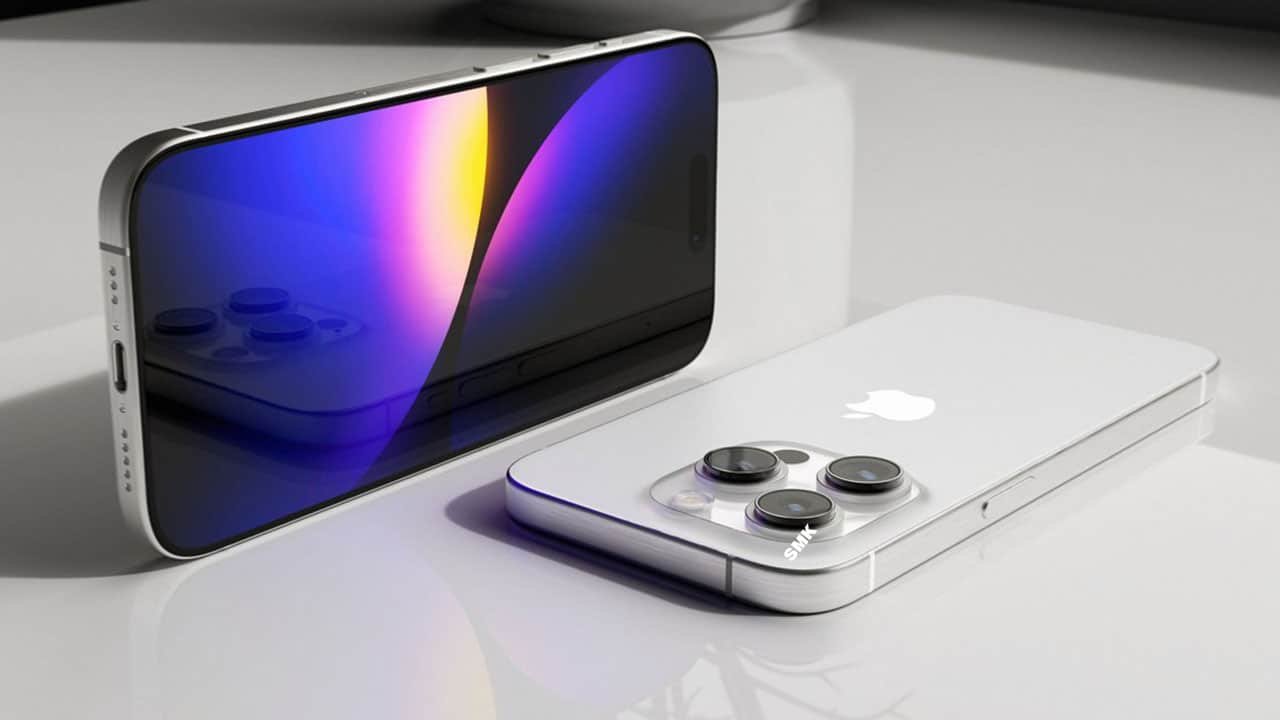
    According to Bloomberg’s Mark Gurman, the tech giant plans to unveil new iPad Pro, iPad Air, and MacBook Air models, accompanied by fresh Magic Keyboard and Apple Pencil accessories.

    Gurman suggests that Apple will forgo a traditional event, opting to announce these innovations on its website through a series of online videos and marketing campaigns, expected in March or April.

    Anticipated releases include two iPad Pro models featuring the M3 chip, OLED displays, a thinner build, a landscape-oriented front camera, a redesigned rear camera bump, and the possibility of MagSafe wireless charging. Additionally, two new iPad Air models with the M2 chip, including a 12.9-inch variant, are expected. 

    A revamped Magic Keyboard for iPad Pro with a larger trackpad and other design enhancements is in the pipeline, along with new MacBook Air models sporting the M3 chip, Wi-Fi 6E, and Bluetooth 5.3 support.

    Further potential announcements encompass a new colour option for the iPhone 15 and iPhone 15 Plus, new colour choices for iPhone cases, and Apple Watch bands. 

    While rumours circulate about a new Apple TV and a screen-equipped HomePod in early 2024, their readiness remains uncertain.

    Speculations about a fourth-generation iPhone SE are also afoot, with a rumoured release timeframe of 2025.

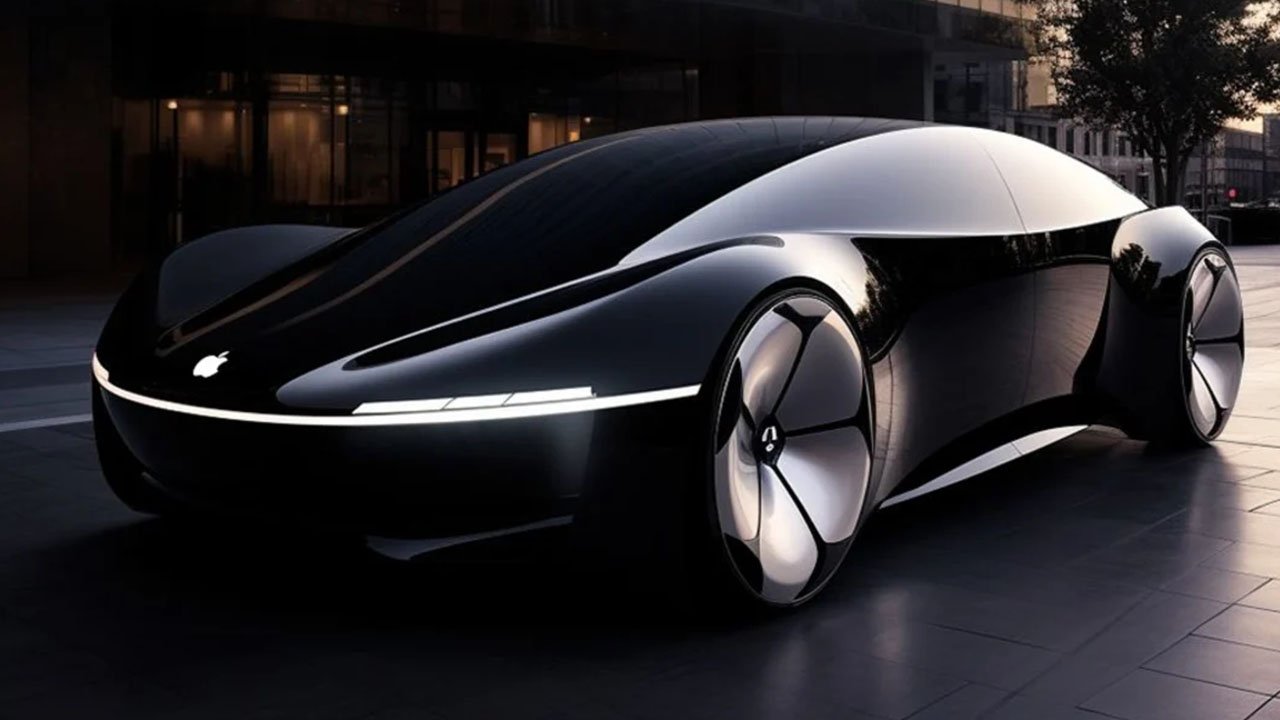
  • Apple abandons electric car project, shifts focus to AI

    Apple abandons electric car project, shifts focus to AI

    In a surprising turn of events, Apple has officially terminated its ambitious electric car project, according to a reliable source informed about the matter.

    The decision, revealed on Tuesday, marks the end of a decade-long effort initiated by the tech giant to venture into the electric vehicle industry.

    The abandoned project aimed to propel Apple into a new sector, potentially mirroring the triumphs of its iconic iPhone.

    However, the venture faced challenges and inconsistent progress throughout its existence.

    The cancellation aligns with a broader trend in the automotive industry, where global players are scaling back investments in electric vehicles amid a substantial drop in demand.

    Reportedly, several team members previously engaged in the electric car project will be reassigned to Apple’s artificial intelligence (AI) division.

    This strategic move aligns with Apple’s commitment to bolstering its presence in AI, a domain where it has been comparatively reserved.

    Apple has refrained from significant AI initiatives, contrasting sharply with industry giants like Alphabet and Microsoft, which seized an early advantage in integrating this transformative technology.

    Concerns have arisen that Apple’s cautious approach may leave it lagging behind in infusing AI into its product lineup.

    Ben Bajarin, CEO of Creative Strategies, commented, “If it is true, Apple will put more focus on GenAI, and that should give investors more optimism about the company’s efforts and ability to compete at a platform level on AI.”

    Last year, Apple experienced the smallest share gain among the so-called Magnificent Seven stocks, reflecting apprehensions about its stance on AI.

    Microsoft recently surpassed Apple as the world’s most valuable company, underscoring Apple’s struggle with weakening demand for its key products, particularly in significant markets like China.

    Simultaneously, the electric vehicle industry faces a slowdown in demand due to elevated interest rates, leading to job cuts and reduced production.

    Apple’s shift in focus to AI reflects a strategic pivot in response to market dynamics and underscores the company’s commitment to staying at the forefront of technological innovation.

    Apple has chosen to adapt its trajectory in a rapidly evolving landscape, signalling a nuanced strategy that aligns with emerging industry trends.

  • Apple resolves iPhone slowdown controversy: Users receive $92.17 settlement

    Apple resolves iPhone slowdown controversy: Users receive $92.17 settlement

    In a resolution to the 2017 controversy surrounding Apple’s deliberate slowing down of iPhones with older batteries, recent reports indicate that affected users are now receiving settlements. 

    According to MacRumors, individuals impacted by this matter are finding deposits of $92.17 in their bank accounts, as confirmed by the website and corroborated by embedded posts from readers. 

    The settlement website, updated in December, indicated that payments were scheduled for this month, effectively bringing closure to the issue.

    The “batterygate” incident originated in 2017 when a developer exposed iOS 10 updates slowing down the performance of older iPhone models like the 6S and 7, with Apple initially withholding the purpose of this slowdown. 

    Subsequently, the company revealed that it aimed to prevent spontaneous shutdowns as the battery degraded. 

    This led to multiple class action lawsuits, alleging that Apple’s actions forced premature phone upgrades rather than allowing users to replace their batteries.

    In 2020, Apple reached a settlement, and by August of that year, legal hurdles were cleared, paving the way for impending payouts. 

    While initially expected to be around $65 for approved claims filed by October 6th, 2020, recent reports suggest the actual payments are higher, averaging $92.17, as reported by The Verge. 

    Noteworthy is the inclusion of the iPhone 6, 6 Plus, 6S, 6S Plus, 7, 7 Plus, and the original iPhone SE in the list of affected models. If you fall into this category, monitor your bank account for the settlement deposit.

  • Apple Watch import ban goes into effect in US patent clash

    Apple Watch import ban goes into effect in US patent clash

    A US import ban on certain Apple smartwatch models came into effect Tuesday, after the Biden administration opted not to veto a ruling on patent infringements.

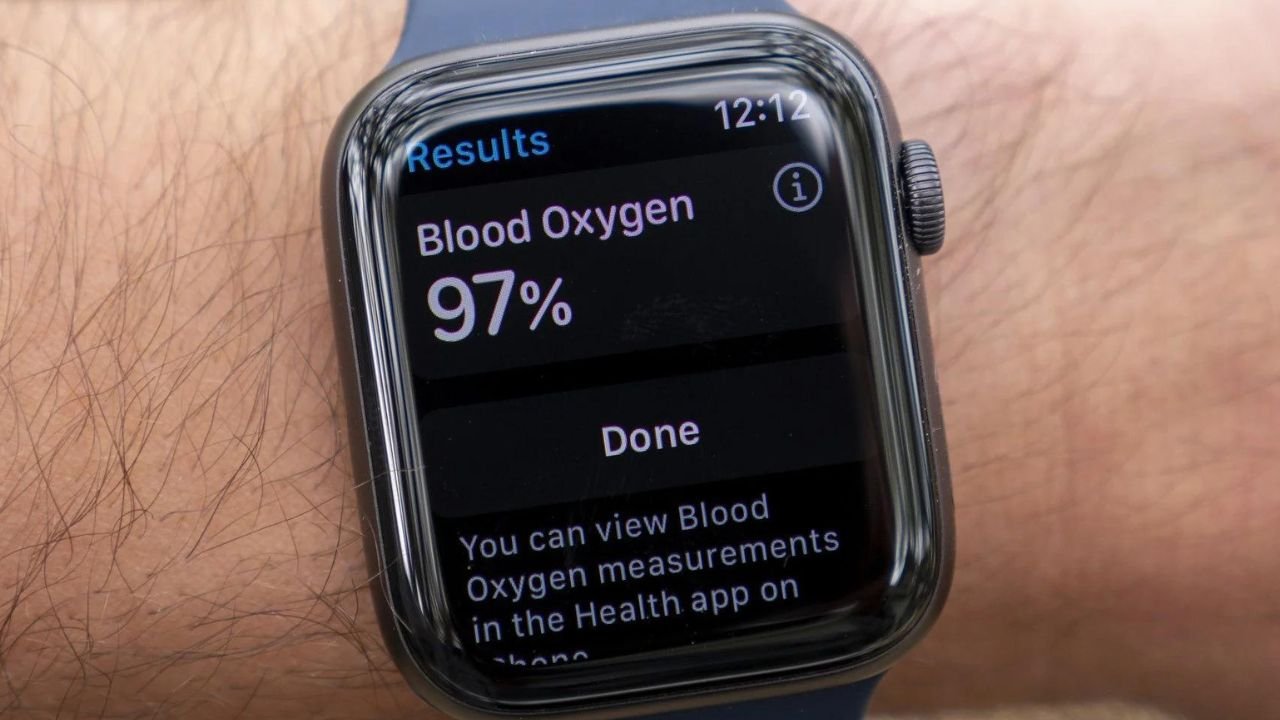
    The United States International Trade Commission (ITC) decided in October to ban Apple Watch models over a patented technology for detecting blood-oxygen levels.

    Apple contends that the ITC finding was in error and should be reversed, but last week paused its US sales of Apple Watch Series 9 and Apple Watch Ultra 2.

    The order stemmed from a complaint made to the commission in mid-2021 accusing Apple of infringing on medical device maker company Masimo Corp’s “light-based oximetry functionality.”

    “After careful consultations, Ambassador (Katherine) Tai decided not to reverse the… determination and the ITC’s decision became final on December 26, 2023,” the president’s executive office said in a statement on Tuesday.

    Apple has been steadily ramping up fitness and health features with each generation of its Apple Watch, which dominates the smartwatch category.

    In September, Apple released its Apple Watch Series 9, touting increased performance along with features such as the ability to access and log health data.

    “Our teams work tirelessly to create products and services that empower users with industry-leading health, wellness and safety features,” Apple said when the ITC ban was issued.

    “Masimo has wrongly attempted to use the ITC to keep a potentially lifesaving product from millions of US consumers while making way for their own watch that copies Apple.”

    In May, a trial of Masimo’s allegations ended in a mistrial after jurors failed to reach a unanimous verdict.

    Late last year, Apple filed two patent infringement lawsuits accusing Masimo of copying Apple Watch technology.

  • iPhone 16 batteries to be primarily manufactured in India

    iPhone 16 batteries to be primarily manufactured in India

    In a strategic manoeuvre aimed at reducing its reliance on China, Apple has reportedly communicated a strong preference for manufacturing iPhone 16 batteries in India.

    As part of this initiative, an existing Indian battery supplier has been encouraged to scale up production, while Chinese suppliers, including Desay and Simplo Technology, have received directives to establish battery factories within India.

    Additionally, Japanese battery supplier TDK is gearing up for its own production facility in the country.

    This significant shift in strategy deviates from the original decision made by Steve Jobs to centralize most of Apple’s manufacturing operations in China, a move that was previously lauded as a key achievement by Tim Cook during his tenure as COO. 

    The change reflects a growing recognition of the strategic risks associated with being overly dependent on a single country, evident in events such as the COVID-19 pandemic and ongoing geopolitical tensions between the US and China.

    The multifaceted rationale behind this move includes concerns about the impact of global events on manufacturing capacity, the unpredictability of trade relations between major economies, and the reputational challenges posed by close associations with a country facing human rights criticisms.

    Apple’s decision aligns with a broader industry trend of diversifying manufacturing locations to mitigate risks associated with geopolitical and economic uncertainties.

    Notably, the company aims to prioritise Indian production for iPhone 16 batteries, with local government support evident in a Japanese supplier, TDK, establishing a significant facility in Manesar, Haryana.

    While this facility is expected to begin production in 2025, post-iPhone 16 release, it signifies a strategic commitment to bolstering the electronics manufacturing ecosystem in India.

    Apple’s move underlines the industry’s evolving approach to supply chain management in response to a dynamic global landscape.

  • iPhone 15’s remarkable sales performance surpasses iPhone 14

    iPhone 15’s remarkable sales performance surpasses iPhone 14

    Apple announced a remarkable performance in its earnings for the September quarter, with a notable year-over-year increase in iPhone revenue, despite only a brief period of iPhone 15 sales factored into the results.

    However, other hardware divisions within the company experienced declines, leading to a fourth consecutive quarter of overall sales downturns. Apple generated $89.5 billion in revenue for the quarter.

    CEO Tim Cook expressed that the iPhone 15 lineup exhibited stronger early traction compared to the 14 series.

    He stated, “When you examine the performance of the iPhone 15 during that period and compare it to the iPhone 14 in the same timeframe last year, the iPhone 15 outperformed the iPhone 14.” Cook also noted that the Pro and Pro Max models were currently facing supply constraints.

    The Mac division encountered a substantial 34 per cent decline in revenue year over year, prompting Apple to hold its M3 event earlier in the week, where they introduced updated MacBook Pros and a refreshed iMac.

    Cook characterised the current PC consumer market as “challenging” and expressed optimism for a better quarter for the Mac in the upcoming December quarter, citing the presence of the M3 and new products.

    iPad revenue saw a 10 per cent decrease due to the absence of recent models, while wearables revenue experienced a more modest 3 per cent decline.

    Apple’s services unit continued to be a reliable source of revenue, with a 16 per cent year-over-year increase. Cook highlighted that “every main service achieved a record.”

    Looking ahead to the holiday shopping season, Apple’s CEO is optimistic about the company’s position, stating, “We now offer our most robust product lineup ever for the holiday season, including the iPhone 15 series and our first carbon-neutral Apple Watch models, a significant milestone in our commitment to making all Apple products carbon neutral by 2030.”

  • Apple faces competition as Google releases Pixel 8 and AI-powered smartwatch

    Apple faces competition as Google releases Pixel 8 and AI-powered smartwatch

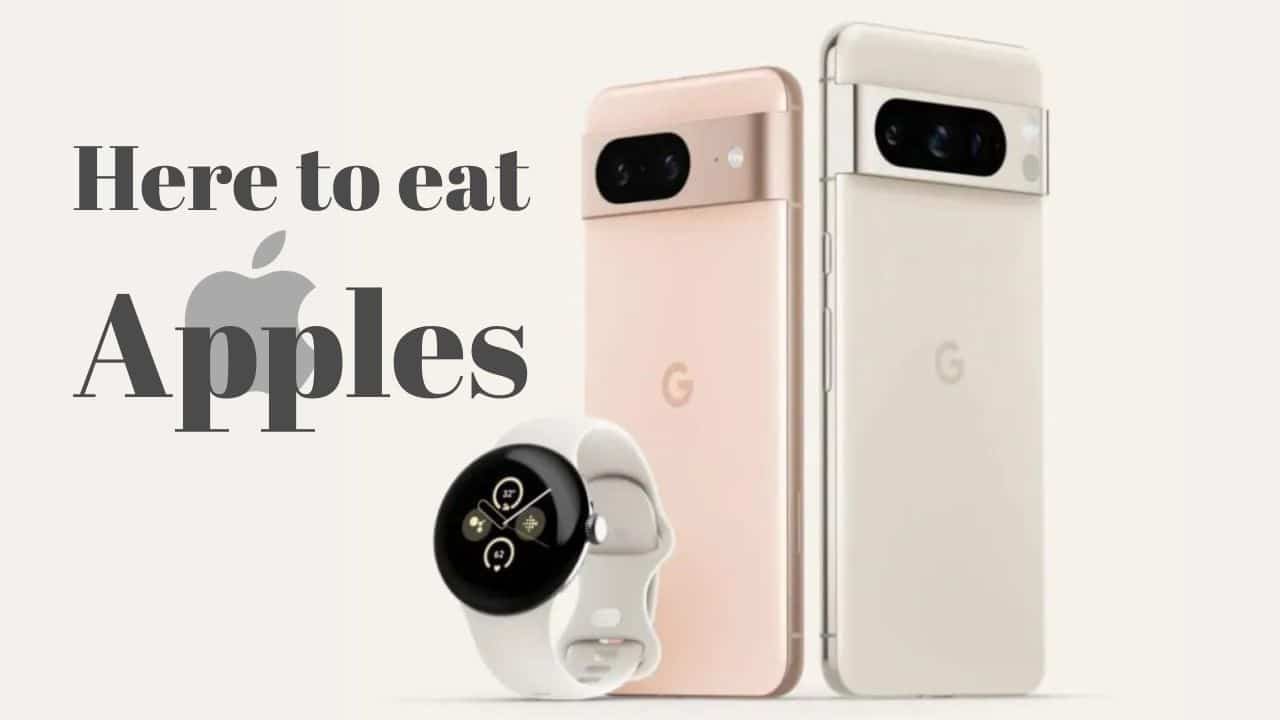
    The Apple iPhone 15 series now faces fresh competition as Google introduced its latest smartphone, the Pixel 8, on Wednesday, alongside a new smartwatch that seamlessly integrates advanced artificial intelligence (AI) technology into its core consumer devices.

    The enhancements made to the Pixel phones, which are particularly popular among photography enthusiasts and those who prefer a pure Android experience, have the potential to make them more appealing to shoppers as they plan their holiday season purchases.

    Google has upgraded the Pixel lineup by equipping it with the Tensor G3 mobile processor, which includes native machine learning and generative AI models. These AI features can assist users in various ways, such as improving photography, summarising web content, and blocking unwanted spam calls. This announcement was made during the Made by Google event held in New York.

    Additionally, the higher-end Pixel 8 Pro now features a temperature sensor, and Google has applied for approval from the Food and Drug Administration to enable a thermometer app for measuring body temperature.

    The Pixel 8 is priced starting at $699, while the Pixel 8 Pro starts at $999, making it $100 more expensive than the previous generation models. Both models will be available for purchase starting on October 12th.

    At the event, Google emphasized its commitment to mobile AI, a direction that IDC analyst Ryan Reith noted could have a significant impact on the industry, especially in the US, if accompanied by strong marketing efforts.

    Notably, in the previous month, Apple launched a new series of iPhones that included improvements in design and performance but did not increase prices, reflecting the ongoing challenges in the global smartphone market.

    According to IDC, Google’s Pixel ranks 12th globally in terms of smartphone shipments, holding a 0.9 per cent market share. The largest market for Pixel devices is the United States, accounting for approximately 39 per cent of global shipments, followed by Japan at 29 per cent and the UK at 9 per cent.

    In addition to the smartphone and smartwatch announcements, Google also revealed plans to integrate generative AI capabilities into its virtual assistant, enabling it to assist users with tasks like trip planning and email management while also asking follow-up questions.

    Furthermore, Google introduced the Google Watch 2, an upgraded version of its first smartwatch released in October of the previous year. It is priced at $349 and comes with a digital crown and advanced health tracking features powered by AI.

  • Tesla CEO Elon Musk is buying an iPhone 15 due to its ‘incredible’ camera

    Tesla CEO Elon Musk is buying an iPhone 15 due to its ‘incredible’ camera

    Apple’s latest flagship, the iPhone 15, made headlines after its debut at the company’s Wonderlust event on September 12. It became available to eager customers on September 22, causing long queues at Apple stores worldwide. Billionaire Elon Musk has announced his intention to purchase the iPhone 15, a sentiment shared by many.

    Apple’s CEO, Tim Cook, took to X (formerly Twitter) to share images featuring renowned photographers Stephen Wilkes and Reuben Wu. One image depicts the photographers presenting their work to Cook, demonstrating the limitless creative potential of the iPhone 15 Pro Max. The vibrant photos capture breathtaking scenes, from the beauty of summer in Rhode Island to the otherworldly landscapes of Utah. Cook expressed his appreciation, saying, “Thank you for showing me your work.”

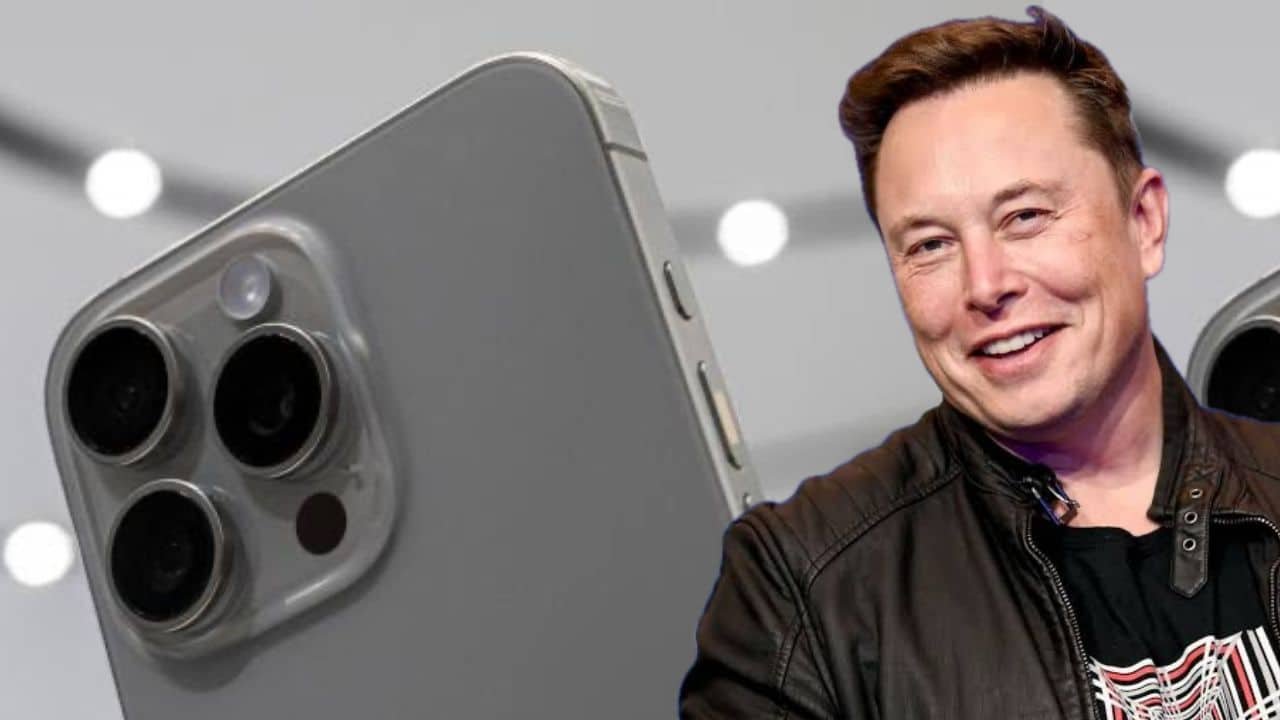
    In response, Elon Musk praised the iPhone’s incredible capabilities, stating, “The beauty of iPhone pictures & video is incredible.”

    Cook also shared images of Apple’s new product launches at the Fifth Avenue store in New York, celebrating the latest iPhone 15 family, the first carbon-neutral Apple Watch models, and the latest AirPods. Musk, impressed by these new offerings, exclaimed, “I’m buying one!”

    Musk’s announcement sparked curiosity among social media users. One person wondered about his choice of model and color, while another playfully questioned if he was buying a single unit or the entire company. Some users even joked about Musk promoting Apple products.

    Apple’s latest flagship, the iPhone 15, made headlines after its debut at the company’s Wonderlust event on September 12. It became available to eager customers on September 22, causing long lines at Apple stores worldwide. 

    Billionaire Elon Musk has announced his intention to purchase the iPhone 15, a sentiment shared by many.

    Apple’s CEO, Tim Cook, took to X (formerly Twitter) to share images featuring renowned photographers Stephen Wilkes and Reuben Wu. One image depicts the photographers presenting their work to Cook, demonstrating the limitless creative potential of the iPhone 15 Pro Max. The vibrant photos capture breathtaking scenes, from the beauty of summer in Rhode Island to the otherworldly landscapes of Utah. Cook expressed his appreciation, saying, “Thank you for showing me your work.”

    In response, Elon Musk praised the iPhone’s incredible capabilities, stating, “The beauty of iPhone pictures and video is incredible.”

    Cook also shared images of Apple’s new product launches at the Fifth Avenue store in New York, celebrating the latest iPhone 15 family, the first carbon-neutral Apple Watch models, and the latest AirPods. Musk, impressed by these new offerings, commented, “I’m buying one!”

    Musk’s announcement sparked curiosity among social media users. One person wondered about his choice of model and colour, while another playfully questioned if he was buying a single unit or the entire company. Some users even joked about Musk promoting Apple products.

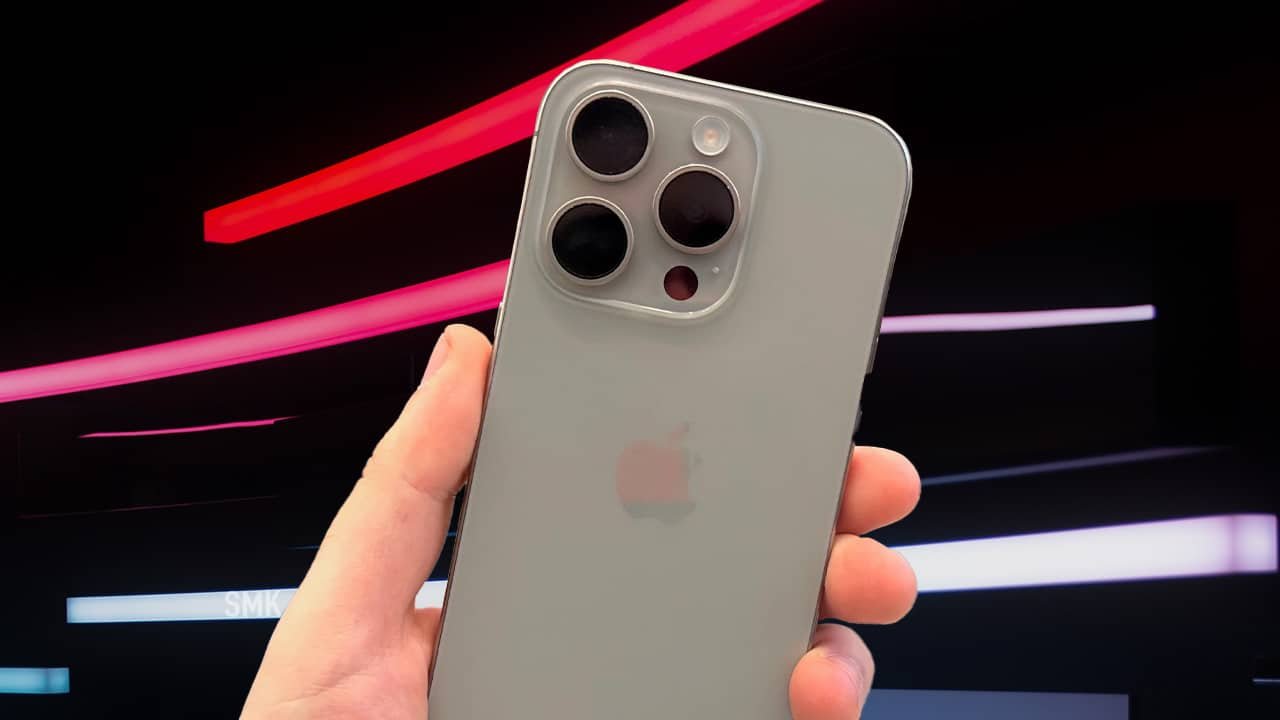
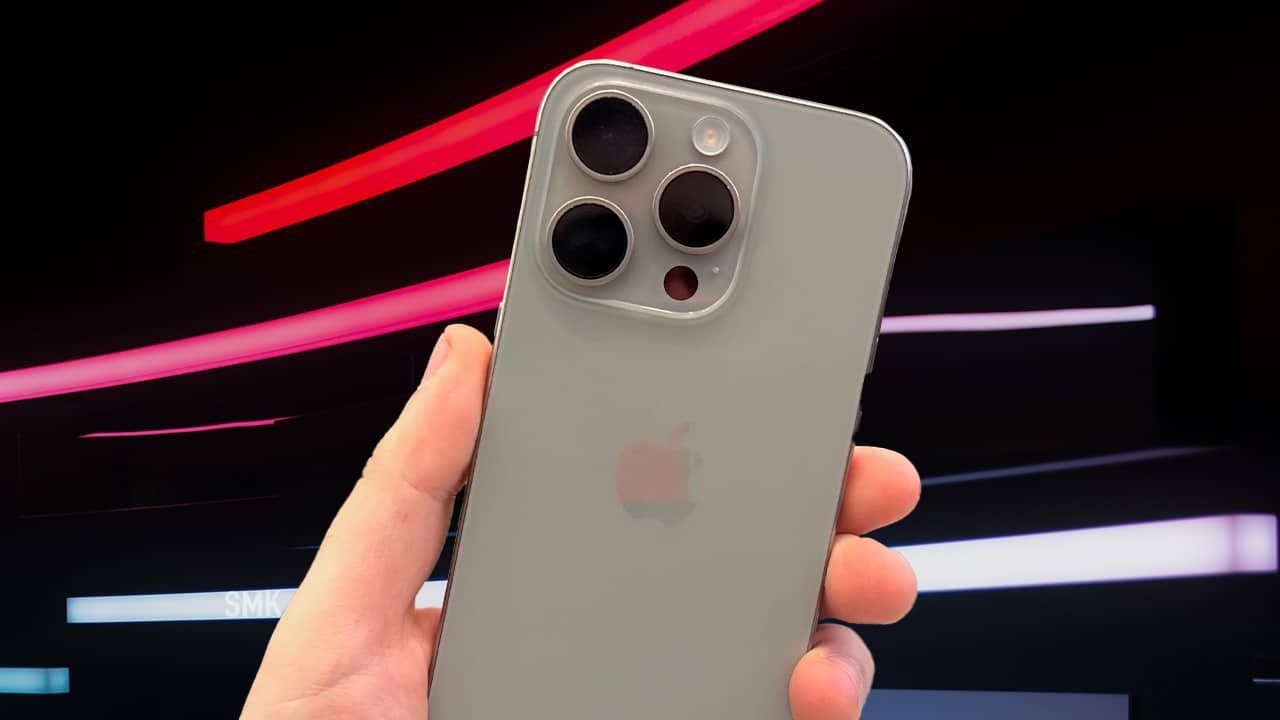
    Meanwhile, the iPhone 15 series boasts four models: the iPhone 15, the iPhone 15 Plus, the iPhone 15 Pro, and the iPhone 15 Pro Max. The iPhone 15 and iPhone 15 Plus come in three storage options (128GB, 256GB, and 512GB) and five colours (pink, yellow, green, blue, and black).

  • iOS 17 update is here: Try these fun features today 

    iOS 17 update is here: Try these fun features today 

    In June, Apple unveiled its latest iOS update, iOS 17, packed with a multitude of enhancements and changes for the iPhone. Following an extensive three-month beta testing period, this highly anticipated software update is set to hit iPhones, specifically those iPhone XS or newer, on Monday, 18th September. 

    Here, we present an overview of the ten standout features that iOS 17 brings to the iPhone, along with a glimpse of additional forthcoming features. To get your hands on this update, keep an eye out for its release on Monday, accessible via your iPhone’s Settings app under General > Software Update. 

    1. StandBy: Glanceable charging screen 

    Apple introduces StandBy, a new full-screen view tailored for iPhones during charging, especially when placed on a nightstand, kitchen counter, or desk. It features customizable elements like clock styles, calendars, photos, weather forecasts, music controls, widgets, and more. This feature supports Live Activities, Siri, incoming calls, and larger notifications, and is compatible with the iPhone 14 Pro’s always-on display. 

    2. Personalised contact poster 

    iOS 17 empowers users to craft a personalised Contact Poster, visible when they receive an incoming call on someone else’s iPhone. This poster can showcase photos or Memojis, and users can personalise the font and background colours. The feature is accessible in the built-in Phone app and will extend to third-party calling apps. 

    3. NameDrop: Seamless contact sharing 

    NameDrop simplifies contact sharing by allowing users to exchange phone numbers or email addresses by merely bringing their iPhones close together. Additionally, Contact Posters can be shared during this process. 

    4. Live voicemail with real-time transcription 

    Live Voicemail offers real-time transcription on the screen as callers leave voicemails. Users can choose to answer calls while the message is being recorded. Notably, spam calls identified by carriers are instantly declined and not transcribed. 

    5. Inline replies in Messages app 

    In the Messages app, iOS 17 enables users to swipe right on any message for an inline reply, streamlining the conversation experience. 

    6. Interactive widgets for enhanced functionality 

    Interactive widgets are now available across the Home Screen, Lock Screen, and the new StandBy view. These widgets allow actions like marking reminders as completed, controlling media playback, and managing Home app accessories. As third-party apps adopt this feature, the possibilities will expand. 

    7. Advanced language model for word prediction 

    iOS 17 introduces a cutting-edge language model for word prediction, significantly improving autocorrection on iPhones. Users receive inline text recommendations as they type, facilitating quick word or sentence additions by tapping the space bar. 

    8. Enhanced Autocorrection design 

    Autocorrection in iOS 17 briefly underlines corrected words, simplifying the process of reverting changes. The system adapts to users’ typing habits over time, preventing some corrections for a smoother typing experience. 

    9. Offline maps in Apple Maps 

    Apple Maps now matches Google Maps with the ability to download maps for offline use. This feature permits turn-by-turn navigation, estimated arrival times, and finding locations without needing a cellular or Wi-Fi connection. 

    10. Stickers drawer for easy access 

    A new stickers drawer in iOS 17 provides convenient access to all stickers, including Live Stickers, emojis, Memojis, and iMessage sticker packs. Live Stickers can be created by touching and holding objects in photos. 

    11. Effortless Siri activation 

    Apple has simplified Siri activation across various Apple devices, including iPhones, iPads, Macs, HomePods, and AirPods Pro. Now, instead of saying “Hey Siri,” users can simply say “Siri” to activate the voice assistant and issue multiple consecutive commands without repeating “Siri.” 

    With these exciting features, iOS 17 promises an enhanced and efficient iPhone experience, addressing user needs and preferences. 
  • Cracked iPhone 15 Pro’s glass? Here’s how much you’ll pay for repairs 

    Cracked iPhone 15 Pro’s glass? Here’s how much you’ll pay for repairs 

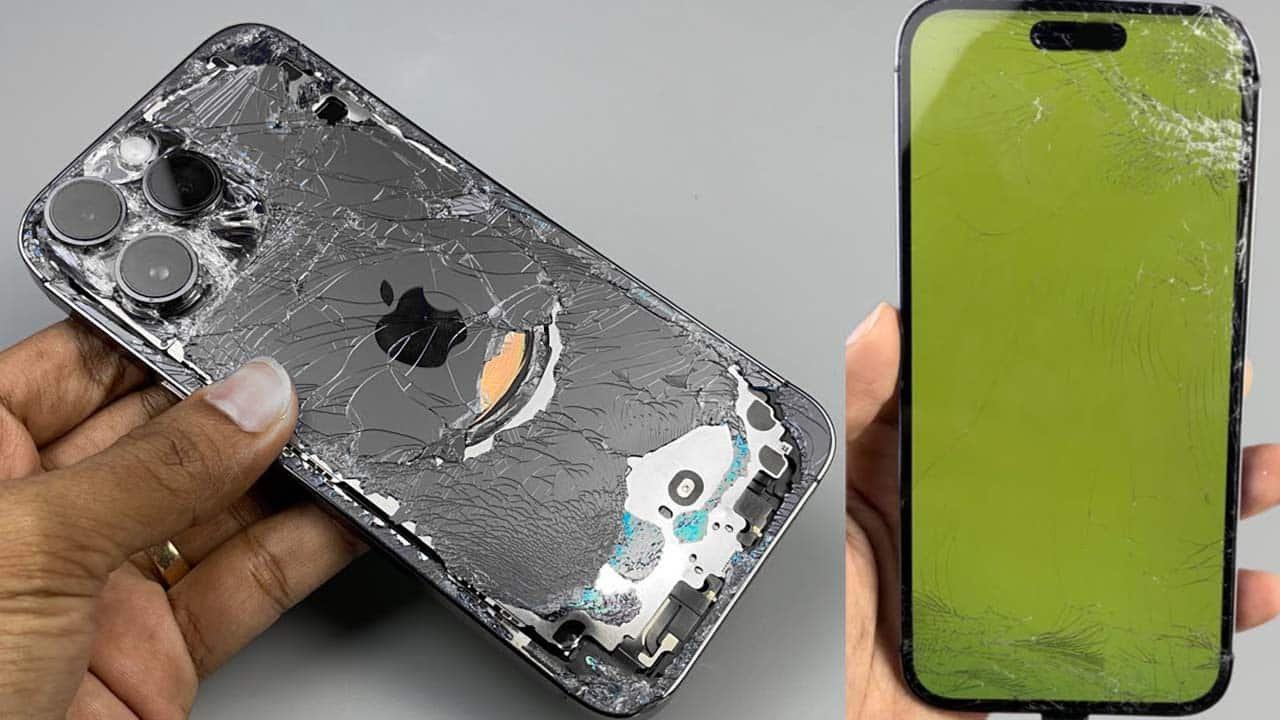
    The Apple iPhone 15 Pro and iPhone 15 Pro Max now boast a more repair-friendly internal design, featuring a redesigned frame that facilitates easy removal of the back glass panel from the devices. This modification initially debuted with the iPhone 14 and iPhone 14 Plus last year and has now been extended to this year’s Pro models. 

    At that time, reports indicated that the ability to remove the back glass would likely lead to significantly reduced repair costs for iPhone 15 Pro models with cracked back glass, particularly for customers without AppleCare+ coverage. This information has now been confirmed. 

    As reported by Ian Zelbo, Apple has updated its US website with the repair fees for iPhone 15 models, revealing that it will charge $169 (PKR 51,000) to $199 (PKR 59,000) to repair an iPhone 15 Pro or iPhone 15 Pro Max with back glass damage. In comparison, these fees were set at $499 or $549 for the iPhone 14 Pro or iPhone 14 Pro Max. 

    Read more: Top 10 high-paying online jobs for introverts with anxiety

    These lower fees have also been confirmed by 9to5Mac. Customers who have AppleCare+ coverage for their iPhone can have their back glass damaged for just $29 (PKR 8,600). 

    In the US, Apple’s battery replacement fee remains unchanged at $99 for all four iPhone 15 models, consistent with the pricing for the iPhone 14 series. For additional iPhone 15 repair fees, such as for the rear camera or other types of damage, you can visit Apple’s website.