Tag: Apple

  • Payouts approved for iPhone owners who alleged that Apple intentionally slowed down older models

    Payouts approved for iPhone owners who alleged that Apple intentionally slowed down older models

    iPhone owners who were participants in a class action lawsuit against Apple, claiming that the company intentionally reduced the speed of their older iPhones to encourage them to upgrade to the latest model, are finally on the verge of receiving their compensation. Recently, a judge has given the green light for the payment process to proceed, as stated in a report from SiliconValley.com last week.

    The settlement obtained preliminary approval in March 2020. Although the opportunity to be included in the settlement has since expired, approximately 3 million claims were submitted, according to information from SiliconValley.com. These individuals are now anticipating the arrival of their $65 checks, over three years after the initial settlement.

    The distribution of payments faced delays due to objections raised by two iPhone owners who disagreed with certain aspects of the settlement. However, these objectors have now lost their appeal in the 9th US Circuit Court of Appeals, as detailed in the report.

    Apple encountered this lawsuit after confessing in 2017 that its iOS software intentionally slowed down the performance of older iPhones. During that period, the technology giant issued an apology, updated its software, and also offered replacement batteries.

  • SECP strikes down 120 illegal personal loan apps

    SECP strikes down 120 illegal personal loan apps

    Securities and Exchange Commission of Pakistan (SECP) has taken measures to protect the public from falling into debt traps of illegal loan apps. Collaborating with Google, Apple and Pakistan Telecommunication Authority (PTA), SECP has succeeded in removal of 120 illegal loan apps that were previously available online.

    The largely ignored scam of illegal personal loan apps came to light recently when last month, a resident of Rawalpindi, died by suicide after being threatened by a lender who gave him loan through one such app. This incident raised serious concerns about misuse of data privacy violations, and coercive recovery practices by the illegal loan apps. The SECP has not only tightened its regulatory framework for licensed Non-Banking Finance Companies (NBFCs) but has also initiated effective steps with the relevant authorities to shut down unauthorized and illegal loan apps.

    SECP has also referred the 120 blocked apps to the FIA for further action in accordance with the Prevention of Electronic Crimes Act of 2016. SECP regularly checks the Google Play Store and the Apple App Store for the presence of any illegal apps.

    Recently Google has introduced Pakistan’s Personal Loan App Policy, according to which Google only allows SECP-approved Personal Loan Apps for placement on its Google Play Store.

    Personal loan borrowers have been advised by SECP to obtain loans only from licensed NBFCs. The SECP’s regulatory framework for approved Apps requires transparent disclosure of fees, loan duration, instalments, and charges. Moreover, SECP has also initiated inspections of licensed NBFCs providing loans through Apps to verify that these are not engaged in miss-selling, breaches of data privacy, or coercive recovery practices etc.

  • Here’s when Apple will launch the iPhone 15

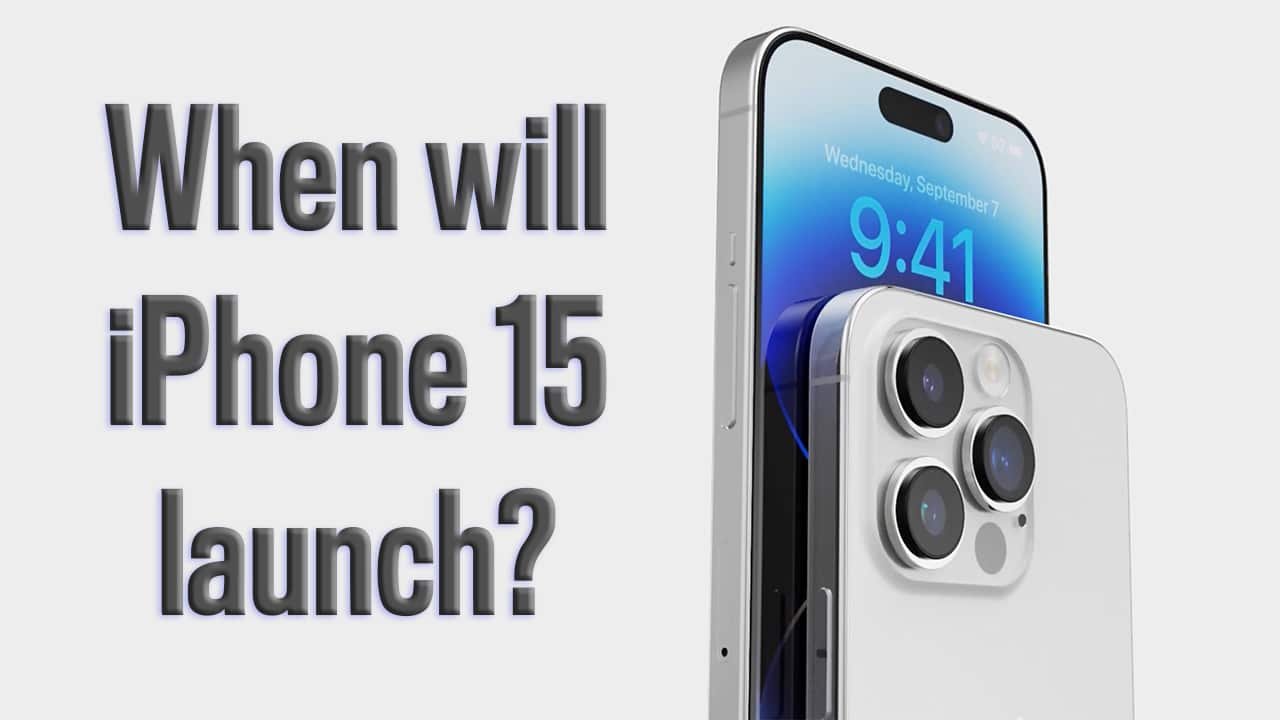
    Here’s when Apple will launch the iPhone 15

    Tech enthusiasts worldwide are eagerly awaiting the arrival of the much-rumoured iPhone 15, as speculations on its features and release date continue to circulate. Apple’s last iPhone 14 lineup has been a hit, and now fans are looking forward to the potential enhancements that the iPhone 15 may bring.

    While Apple has not officially announced the release date for the new iPhones, insiders have revealed that the company plans to unveil the iPhone 15 lineup during the third week of September. Multiple mobile carriers have reportedly instructed employees not to take days off on September 13, hinting at a major smartphone announcement on that day.

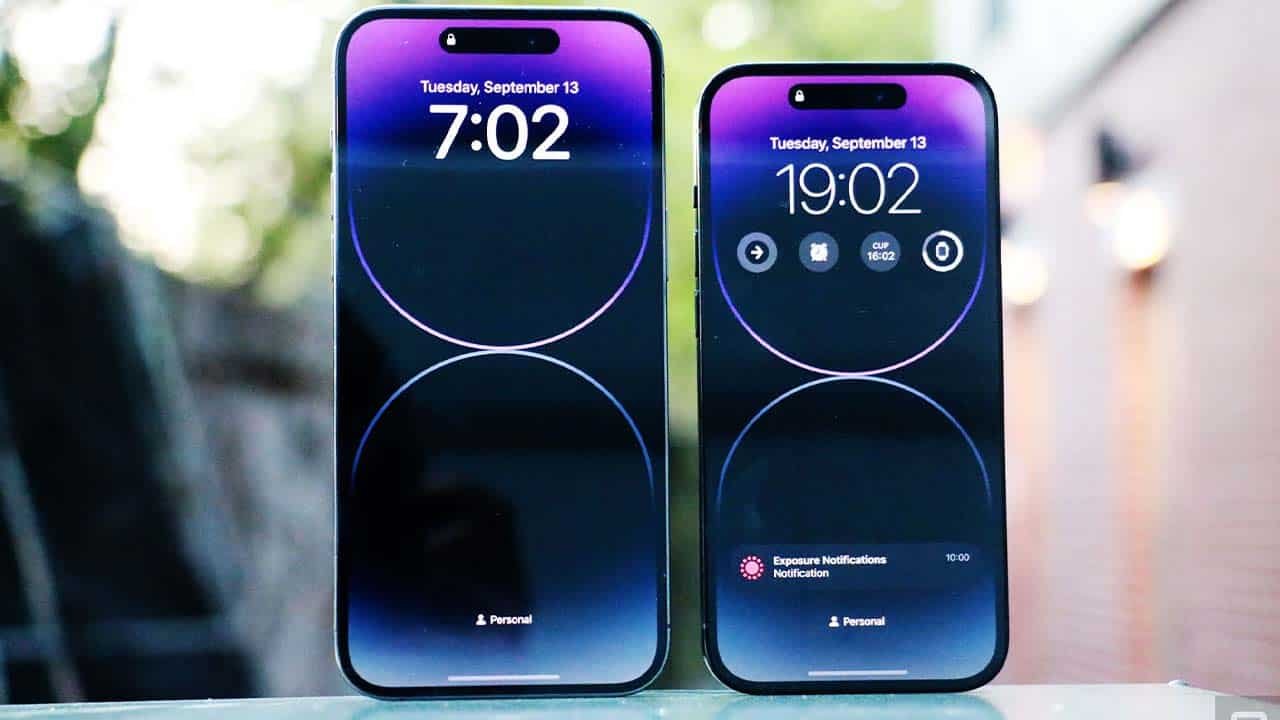
    Historically, Apple has held its iPhone events in September, and it appears that this year won’t be an exception. While most past announcements took place on Tuesdays, last year’s iPhone 14 event occurred on a Wednesday, similar to September 13’s potential date.

    If the speculated date holds true, pre-orders for the iPhone 15 are expected to start on September 15, with the official release slated for September 22. However, analysts predict possible delays for some models due to supply chain challenges, as has happened in previous years.

    Rumours have been swirling about the iPhone 15’s design and features. According to 9to5Mac, it’s suggested that the new models will sport slightly curved edges and thinner bezels around the display, enhancing the overall aesthetic. Notably, all four new models are expected to incorporate Dynamic Island and USB-C, replacing the Lightning port.

    For the Pro models, Apple is rumoured to replace the stainless steel frame with a titanium one, adding a touch of elegance and durability. The iPhone 15 and 15 Plus will reportedly be powered by the A16 Bionic chip found in the iPhone 14 Pro, while the iPhone 15 Pro and 15 Pro Max will feature the new A17 chip, offering improved performance.

    Photography enthusiasts may be delighted to learn that the larger Pro model is expected to come equipped with a new periscope lens for enhanced optical zoom capabilities.

    As for pricing, there’s speculation that the new iPhones could come at a premium. Reports suggest that prices may increase by up to PKR 56,000 ($200) compared to the current generation.

    While Apple enthusiasts are excited about the potential features of the iPhone 15, they will have to wait for the official announcement to confirm the rumours. Until then, anticipation will continue to build as the tech giant prepares for what could be another groundbreaking iPhone launch.

  • Russian officials urged to abandon iPhones over spying concerns

    Russian officials urged to abandon iPhones over spying concerns

    Russian officials have been advised to stop using iPhones due to unverified accusations made by the country’s intelligence service.

    The Financial Times reported that, commencing July 17, employees within Russia’s trade ministry will be prohibited from utilising iPhones during work hours. Other ministries, including one currently undisclosed, are reportedly planning to follow suit, along with the state oil company, Rostec.

    The decision to distance themselves from Apple products initially emerged in March when the Kremlin instructed officials to abandon the use of these devices due to concerns surrounding potential vulnerabilities exploited by US hackers.

    Subsequently, in June, the Russian government accused Apple of collaborating with US intelligence agencies, an allegation firmly refuted by the company.

    The accusation stemmed from a report by a cybersecurity firm, asserting that iPhones running outdated versions of iOS had been infected with malware, rendering them susceptible to eavesdropping, as reported by The Washington Post.

    Despite the claims made by Russia’s Federal Security Service (FSB), no substantiating evidence has been presented, and independent security experts have found no indication that Apple has incorporated any form of “backdoor” exemption into the device’s encryption.

    This is not to imply that no genuine security vulnerabilities exist. Following Russia’s allegations, Apple swiftly responded by releasing software patches for its iOS system, acknowledging the role played by researchers at the Moscow-based Kaspersky Lab in identifying these weaknesses.

    It is worth noting that the ban on official usage will not impact the general public. Apple withdrew from the Russian market in the wake of last year’s full-scale invasion of Ukraine. Nonetheless, Apple products continue to be imported from other countries.

    The iPhone 14 is listed by MTS, Russia’s largest cellphone provider, with a price tag slightly exceeding $1,200, while a comparable model retails for $999 in the United States.

  • iPhone 15 Pro expected to launch in September with 8GB RAM, A17 chip, and ultra-thin bezels

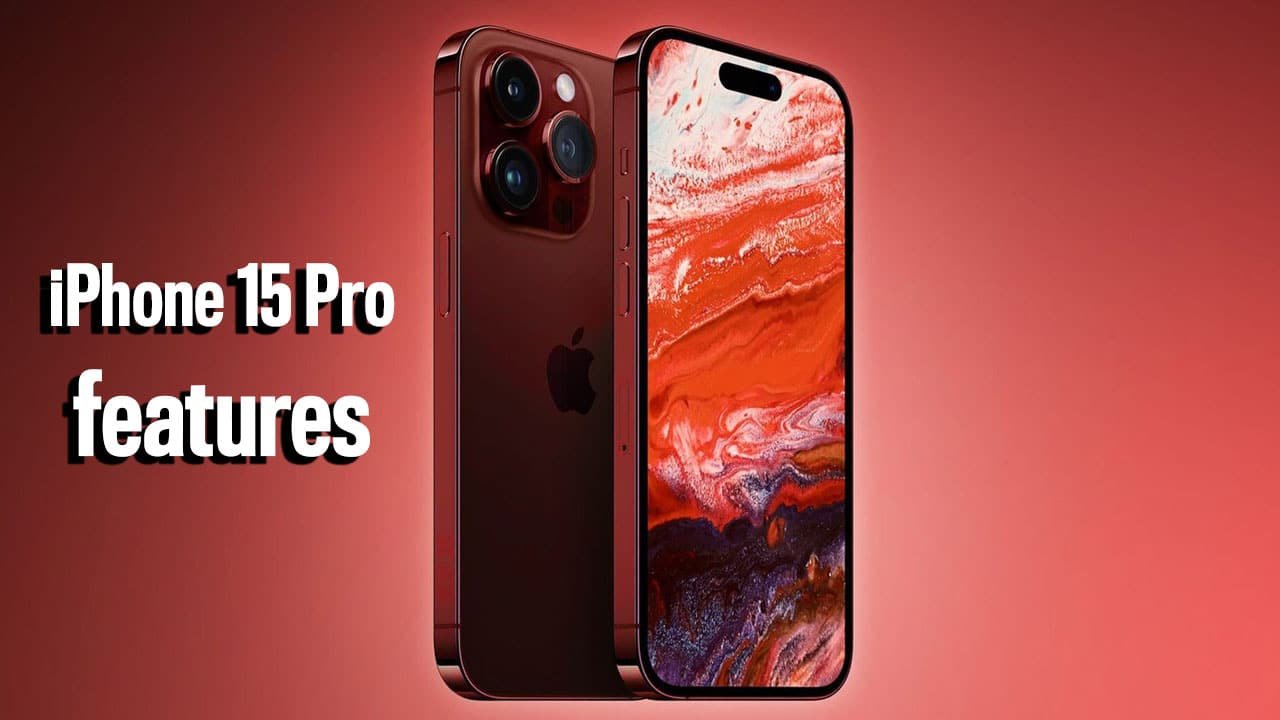
    iPhone 15 Pro expected to launch in September with 8GB RAM, A17 chip, and ultra-thin bezels

    Apple is preparing for the highly anticipated unveiling of its iPhone 15 lineup in September. The Pro models, as customary, are expected to introduce a range of exciting new features, aiming to enhance user experience and performance.

    Let’s delve into the rumoured features and changes expected for the iPhone 15 Pro models.

    A17 Bionic chip

    The iPhone 15 Pro models are speculated to be equipped with Apple’s latest A17 Bionic chip. This advanced chip will be manufactured based on TSMC’s 3nm process, offering improved performance and efficiency compared to its predecessor. The standard iPhone 15 and iPhone 15 Plus models are likely to house the A16 Bionic chip.

    Titanium frame

    Taking a cue from the Apple Watch Ultra, the iPhone 15 Pro models are anticipated to feature a durable titanium frame instead of stainless steel. This shift in material will enhance the device’s robustness and aesthetics.

    Ultra-thin bezels

    Reports suggest that the iPhone 15 Pro will embrace ultra-thin curved bezels, similar to recent Apple Watch iterations. This design choice aims to maximise the display area, providing users with an immersive viewing experience.

    Faster USB-C port

    Analyst Ming-Chi Kuo has indicated that the iPhone 15 Pro models will incorporate a USB-C port with support for USB 3.2 or Thunderbolt 3. This upgrade promises significantly faster data transfer speeds when connected via cable, surpassing the capabilities of previous Lightning-based iPhones. However, it’s worth noting that the standard iPhone 15 models will likely retain the USB 2.0 speed limitation.

    Wi-Fi 6E

    Aligning with the latest Macs and iPad Pro, the iPhone 15 Pro is expected to support Wi-Fi 6E. This technology advancement will enable faster wireless speeds, ensuring seamless connectivity in diverse network environments.

    Increased RAM

    The iPhone 15 Pro models are rumored to receive a memory boost, with 8GB of RAM according to Taiwanese research firm TrendForce. In comparison, the standard models are expected to maintain the current 6GB configuration. The additional RAM will empower resource-intensive apps like Safari to retain more content in the background, preventing unnecessary content reloads upon reopening.

    Action button

    Speculation suggests that the iPhone 15 Pro models will introduce a customisable Action button, similar to the Apple Watch Ultra. This button is anticipated to replace the long-standing Ring/Silent switch present in every iPhone since its inception. Users will likely have the flexibility to assign various system functions, including Ring/Silent, Do Not Disturb, Flashlight, Low Power Mode, and more, to this button.

    Increased optical zoom for iPhone 15 Pro Max

    Renowned analyst Ming-Chi Kuo predicts that the iPhone 15 Pro Max will incorporate a periscope telephoto lens, providing a potential optical zoom range of 5x-6x. This improvement surpasses the 3x optical zoom capability found in the iPhone 14 Pro models.

    Ultra-wideband improvements

    It is rumored that the iPhone 15 models will feature an enhanced Ultra-Wideband chip, known as the U1 chip. This upgrade aims to improve integration with Apple’s upcoming Vision Pro headset. Additionally, the new chip could enhance performance and reduce power consumption for location-based functions such as AirDrop and Precision Finding in the Find My app.

    LiDAR scanner improvements

    The iPhone 15 Pro models are expected to incorporate a more power-efficient LiDAR Scanner supplied by Sony. This advancement could enhance 3D depth scanning performance for augmented reality (AR) applications and Night mode photography.

    New dark red color

    According to reports, a new dark red color option will be available for the iPhone 15 Pro models. This addition to the color palette provides users with a fresh choice to suit their personal style.

    eSIM-only variants

    In France, it is speculated that the iPhone 15 Pro models will be compatible with eSIMs exclusively, as reported by MacGeneration. Following last year’s removal of the physical SIM card tray in the US for the iPhone 14 models, this potential expansion indicates Apple’s continued embrace of eSIM technology.

  • Apple may launch a cheaper version of Vision Pro next year

    Apple may launch a cheaper version of Vision Pro next year

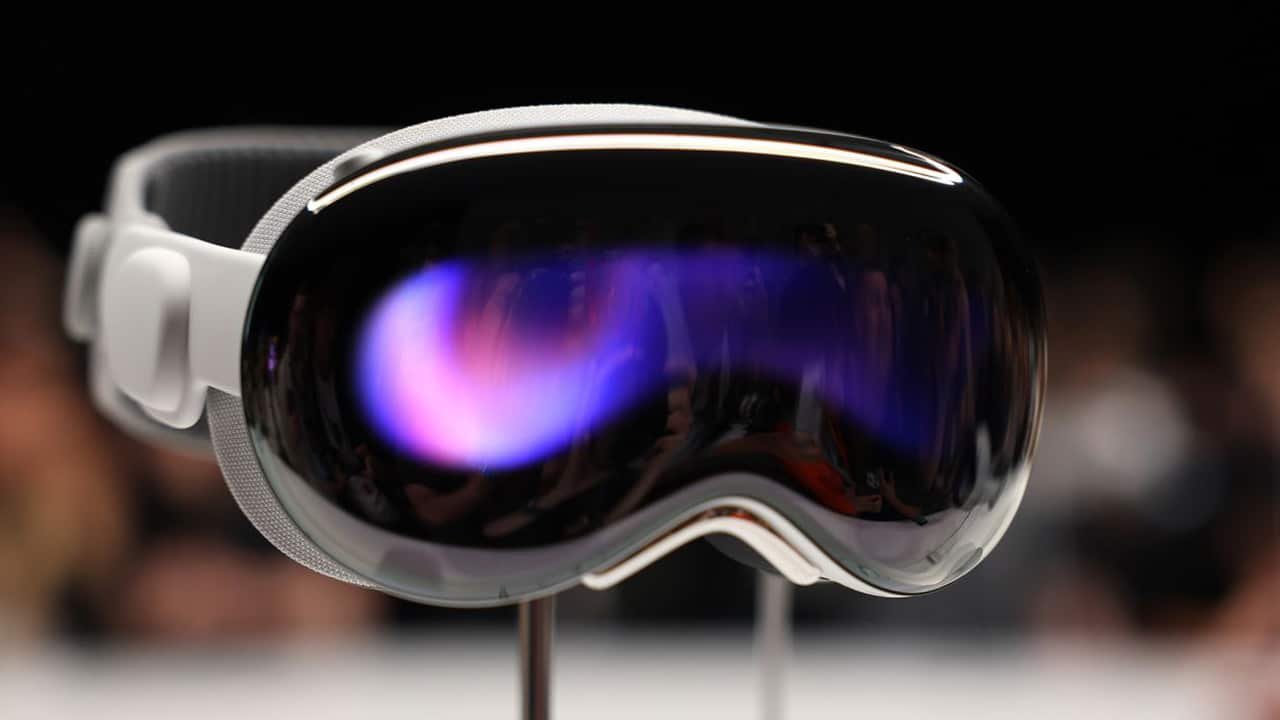
    Apple made a grand announcement at WWDC this week, unveiling their revolutionary Vision Pro spatial computer. With a hefty price tag of $3,500, this cutting-edge device won’t hit the shelves until early 2024. However, Apple isn’t stopping there; they’re actively developing a more affordable version of this futuristic product.

    According to Mark Gurman, Apple has set its sights on releasing an affordable AR/VR spatial computer by the end of 2024. As expected, Apple is simultaneously working on an upgraded version of the Vision Pro, promising an even faster processor for mind-boggling performance.

    Now that the Vision Pro name is out in the open, speculation runs wild about the potential name for its cheaper counterpart. Gurman suggests “Apple Vision” or perhaps “Apple Vision One.” But the burning question remains: how will Apple manage to slash the price? Gurman’s got a few intriguing ideas up his sleeve.

    In the initial Vision Pro model, the costliest components are the M2 and R1 chips, the remarkable 4K micro-LED displays, and the advanced camera and sensor hardware. To trim costs, Apple might opt for lower-quality screens, a slightly less powerful processor, and a reduced number of cameras and sensors. Additionally, the spatial audio speakers within the headset could be omitted, with users encouraged to rely on their trusty AirPods Pro for an immersive audio experience.

    But that’s not all. Apple could also simplify the headband design, insist on AirPods for spatial audio instead of including speakers within the Vision Pro strap, switch to a physical adjustment mechanism for IPD (the distance between eye pupils), and even eliminate features like the 3D camera. When combined with refined production methods, economies of scale, and a more cost-effective frame, one can imagine Apple knocking off a significant chunk from the price tag.

    Yet, Gurman astutely points out that there are certain aspects where Apple won’t compromise. The external EyeSight screen, responsible for showcasing the wearer’s eyes, along with the essential eye- and hand-tracking system, are intrinsic to the Apple Vision experience—akin to how a touchscreen is inseparable from an iPhone. So, it’s highly likely that these captivating features will be retained in the more affordable model, ensuring a mesmerizing and immersive journey for users.

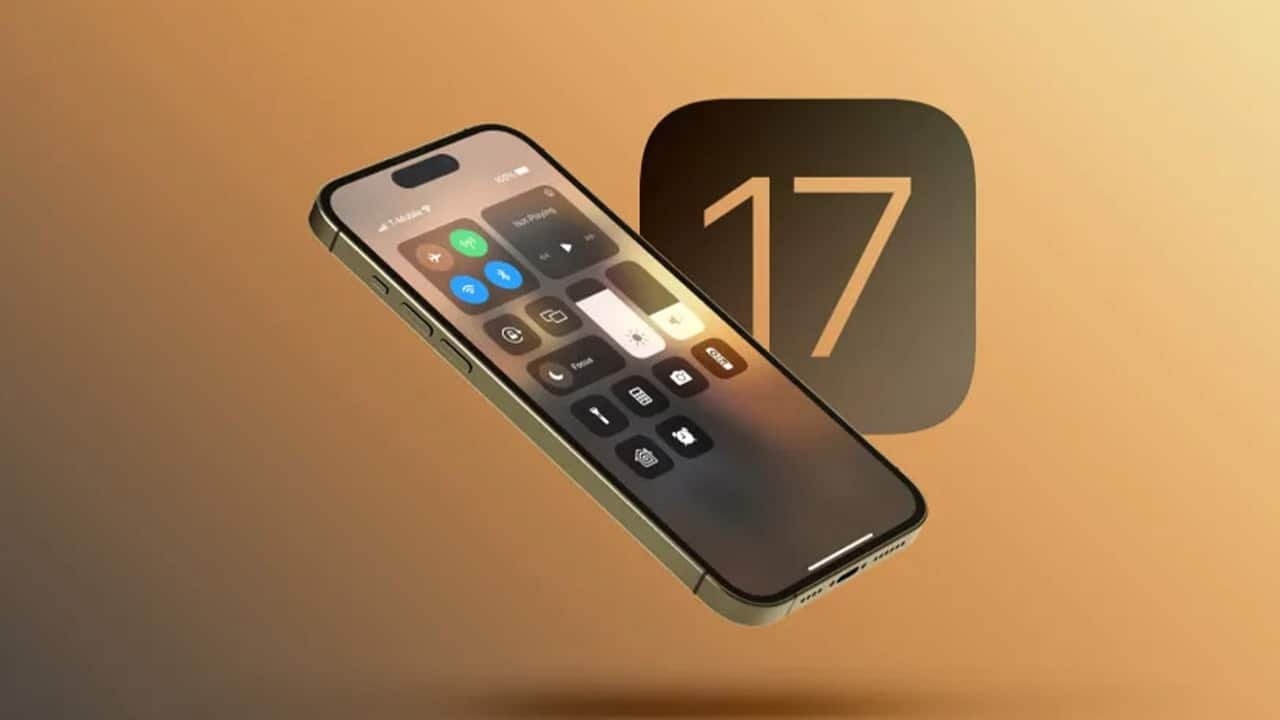
  • iOS 17 compatibility: Which iPhones will support the latest update?

    iOS 17 compatibility: Which iPhones will support the latest update?

    Apple has gained a reputation for its commitment to providing software and security updates for its iPhones for at least five years. The company’s annual Worldwide Developers Conference (WWDC) serves as a platform for introducing the latest iPhone operating system, and this year is no exception. On June 5, Apple is set to showcase iOS 17, which is rumored to bring a range of exciting features and user interface (UI) changes.

    One highly anticipated addition to iOS 17 is app sideloading. This feature will allow users to install applications from sources other than the official App Store. While it offers more flexibility, it also raises concerns about security and app quality. However, Apple has likely taken steps to ensure that sideloading is implemented responsibly to maintain a safe user experience.

    Alongside app sideloading, iOS 17 is expected to introduce significant UI changes. The control center will become fully customizable, empowering users to tailor it to their preferences. Additionally, customizable widgets will enable users to personalise their home screens further. These UI changes aim to enhance user satisfaction and provide a more tailored and intuitive experience.

    Now, let’s take a closer look at the iPhones that are likely to be compatible with the iOS 17 update and what users can expect from this upcoming software release.

    iPhone XS/XS Max and iPhone XR

    The iPhone XS/XS Max and iPhone XR are expected to be compatible with iOS 17. However, due to hardware limitations, these devices might receive a limited set of features. Nonetheless, users can still enjoy the benefits of the latest software improvements.

    iPhone 11, 11 Pro, and 11 Pro Max

    All models in the iPhone 11 series are likely to be eligible for the iOS 17 update. Similar to the XS/XR series, these devices might not support all the new features brought by the latest iPhone OS. Nevertheless, users can still benefit from the performance enhancements and security updates.

    iPhone 12, 12 mini, iPhone 12 Pro, and 12 Pro Max

    Owners of the iPhone 12 series can rejoice as all four models are expected to be fully compatible with iOS 17. Despite being nearly three years old, these devices will likely receive most of the new features introduced in the latest software release, showcasing Apple’s commitment to long-term support.

    iPhone 13, 13 mini, iPhone 13 Pro, and 13 Pro Max

    Just like the iPhone 12 series, the iPhone 13 lineup will also be fully compatible with iOS 17. This means that users of these devices can enjoy all the new features, even on older hardware. It’s a testament to Apple’s dedication to delivering a consistent experience across its product line.

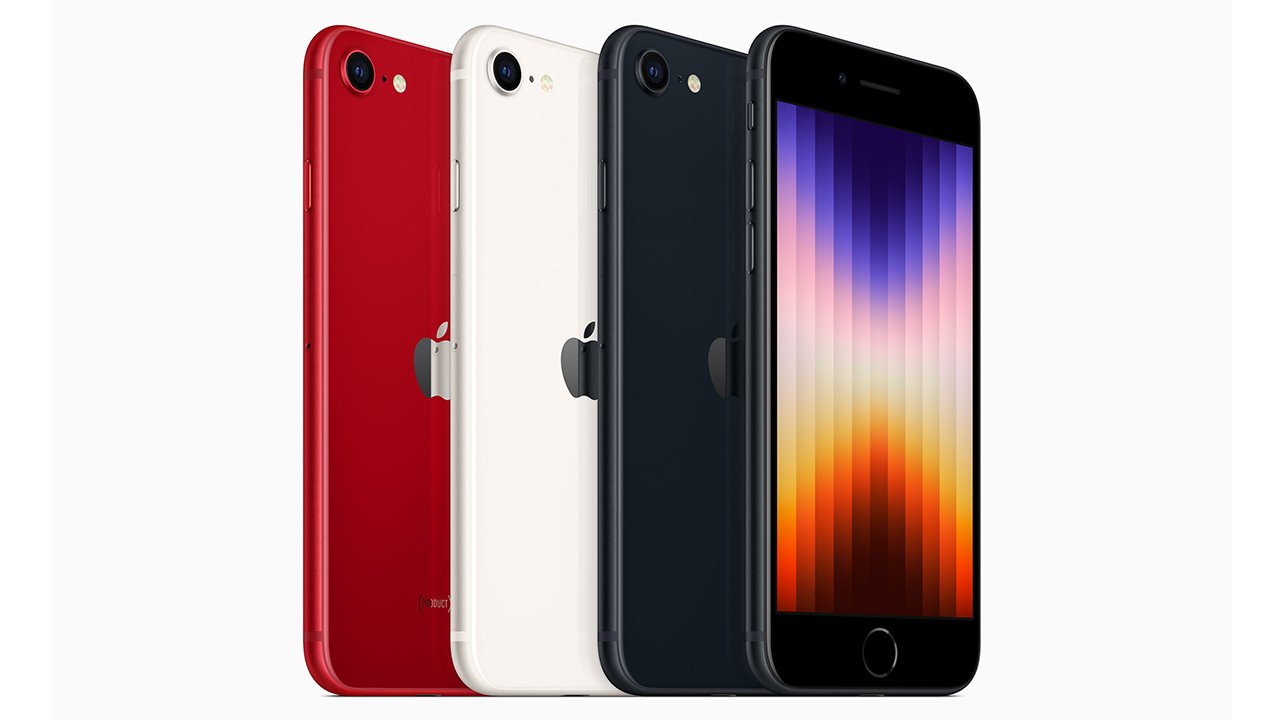
    iPhone SE (2022)

    The Apple iPhone SE (2022) stands out as the only iPhone with Touch ID that will support the iOS 17 update. Powered by the A15 Bionic processor, the iPhone SE 3rd Gen is expected to receive most of the new features alongside the iPhone 13 series, ensuring a modern and feature-rich experience for users who prefer Touch ID.

    iPhone 14 and iPhone 14 Plus

    As the latest models in Apple’s lineup, the iPhone 14 and iPhone 14 Plus will be fully compatible with the iOS 17 update. Being at the forefront of technological advancements, these devices are likely to take full advantage of the latest iOS release, offering users the most cutting-edge features and improvements.

    iPhone 14 Pro and iPhone 14 Pro Max

    The iPhone 14 Pro and iPhone 14 Pro Max are expected to have the highest percentage of compatibility with iOS 17. Equipped with Dynamic Island and more powerful processors.

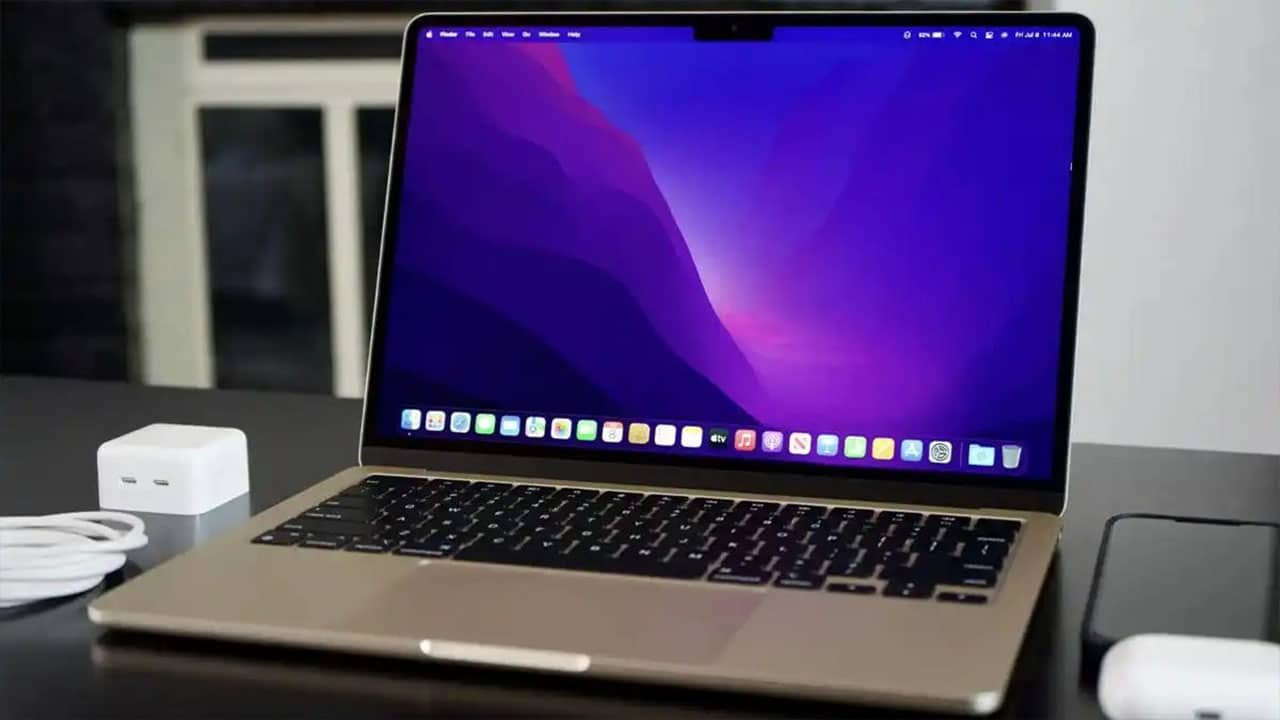
  • Apple to launch its first 15-inch MacBook Air with M2 chip at WWDC next week

    Apple to launch its first 15-inch MacBook Air with M2 chip at WWDC next week

    Apple is set to make a major announcement at this year’s Worldwide Developers Conference (WWDC), as Bloomberg’s Mark Gurman reports that the tech giant plans to introduce a new MacBook Air model with a larger 15-inch display. The highly anticipated unveiling is scheduled to take place during Apple’s event on Monday, June 5 at 10 AM Pacific Time.

    The upcoming MacBook Air will mark a significant departure from its predecessors, as it is expected to feature a 15.5-inch display, as revealed by reliable display industry analyst Ross Young.

    This represents a notable increase in screen size compared to the current MacBook Air’s 13.6-inch display. While the laptop had previously been offered in an 11-inch variant, Apple appears to be shifting towards larger displays to cater to user preferences.

    What’s new?

    According to renowned Apple supply chain analyst Ming-Chi Kuo, the new MacBook Air will be equipped with the highly acclaimed M2 chip, which has been widely praised for its enhanced performance. The M2 chip boasts an 18 per cent faster CPU, a 35 per cent faster GPU, and a 40 per cent faster Neural Engine when compared to the previous M1 chip. These improvements make the new MacBook Air an enticing option for users considering an upgrade from the 2020 MacBook Air.

    In addition to the improved performance, the larger chassis of the 15-inch MacBook Air will accommodate a bigger battery, potentially offering users a longer battery life. Apple’s current 13-inch MacBook Air with the M2 chip can last up to an impressive 18 hours per charge. With the larger form factor, it is anticipated that the 15-inch model may even approach the 20-hour mark, reaffirming Apple’s commitment to providing industry-leading performance-per-watt.

    Another anticipated upgrade in the new MacBook Air is the inclusion of Wi-Fi 6E, as seen in other recent Apple releases. While the 13-inch MacBook Air is currently limited to Wi-Fi 6, the 15-inch model is likely to benefit from the faster speeds, lower latency, and reduced signal interference provided by Wi-Fi 6E. Users will need to connect their devices to a Wi-Fi 6E router from brands like TP-Link, Asus, or Netgear to fully harness these advantages.

    Moreover, the new MacBook Air could potentially support Bluetooth 5.3, following Apple’s recent integration of the technology into its latest devices. Bluetooth 5.3 brings improvements in reliability and power efficiency compared to its predecessor, Bluetooth 5.2, enhancing the overall wireless experience for users.

    With the upcoming announcement of the 15-inch MacBook Air, Apple aims to cater to the demands of its user base by offering a larger display, superior performance with the M2 chip, extended battery life, and cutting-edge wireless connectivity. The unveiling at WWDC is eagerly anticipated by Apple enthusiasts and tech enthusiasts alike, and it further solidifies Apple’s commitment to innovation and delivering exceptional products to its customers.

  • Kahaan baarish horehi hai? Apple, why are you doing this to us

    Kahaan baarish horehi hai? Apple, why are you doing this to us

    Despite a pleasant first week, this May is not being kind to Lahoris, with the temperature currently at 42°C which has left us without no option but to stay inside with ACs on 24/7.

    But, this is not the case as per the weather App on our iPhones. According to the application, while all of us are burning in this garmi, a thunderstorm is happening. We have just one question. Where are the rainy clouds?

    Social media users have also taken to Twitter to express their frustration.

    https://twitter.com/Xxrishrana/status/1660516708954828802?s=20

    According to a report, a searing heat wave that gripped parts of South Asia in April this year was made at least 30 times more likely by climate change.

    The climate change-fueled heat caused deaths, widespread hospitalizations, damaged roads, sparked fires and led to school closures in the region.

  • Your Future iPhone will clone your voice within 15 minutes

    If you have an iPhone or iPad, you will soon be able to hear it speak in your own voice, Apple announced earlier this week.

    The upcoming feature, “Personal Voice,” will give users randomized text prompts to generate 15 minutes of audio.
    There will be another new tool called “Live Speech” which lets users type in a phrase, and save commonly used ones, for the device to speak during phone and FaceTime calls or in-person conversations.

    Apple says it will use machine learning, a type of AI, to create the voice on the device itself rather than externally so the data can be more secure and private.

    It might sound like a quirky feature at first, but it is actually part of the company’s latest drive for accessibility. Apple pointed to conditions like ALS where people are at risk of losing their ability to speak.

    “At Apple, we have always believed that the best technology is technology built for everyone,” said Tim Cook, Apple’s CEO.
    The new “Personal Voice” feature, expected as part of iOS 17, will let iPhones and iPads generate digital reproductions of the voice of user for in-person conversations and on phone, FaceTime and audio calls.

    Apple said Personal Voice will create a synthesized voice that sounds like a user and can be used to connect with family and friends. The feature is aimed at users who have conditions that can affect their speaking ability over time.

    Users can create their Personal Voice by recording 15 minutes of audio on their device. Apple said the feature will use local machine-learning technology to maximize privacy.

    It’s part of a larger suite of accessibility improvements for iOS devices, including a new Assistive Access feature that helps users with cognitive disabilities, and their caretakers, more easily take advantage of iOS devices.

    Apple also announced another machine learning-backed technology, augmenting its existing Magnifier feature with a new point-and-speak-backed Detection Mode. The new functionality will combine Camera input, LiDAR input, and machine-learning technology to announce the text on the screen.

    Apple typically launches software at WWDC in beta, meaning that the features are first available to developers and to members of the public who want to opt in. Those features will typically remain in beta throughout the summer and launch to the public in the fall when new iPhones hit the market.

    Apple’s 2023 WWDC conference begins June 5. The company is expected to unveil its first virtual reality headset among other software and hardware announcements.