San Francisco (AFP) – Samsung regained its position as the top smartphone seller, wresting back the lead from Apple as Chinese rivals close the gap on both market leaders, industry tracker International Data Corporation (IDC) reported Monday.
South Korea-based Samsung overtook Apple as worldwide smartphone shipments grew nearly 8 percent in the first quarter of this year to 289.4 million, IDC said, citing its preliminary data.
It was the third consecutive quarter of growth in the global smartphone market, signalling that a recovery from a slump in the sector is underway, according to IDC.
IDC Worldwide Mobility and Consumer Device Trackers team vice president Ryan Reith expected top smartphone companies to gain share and small brands to struggle for position as recovery progresses.
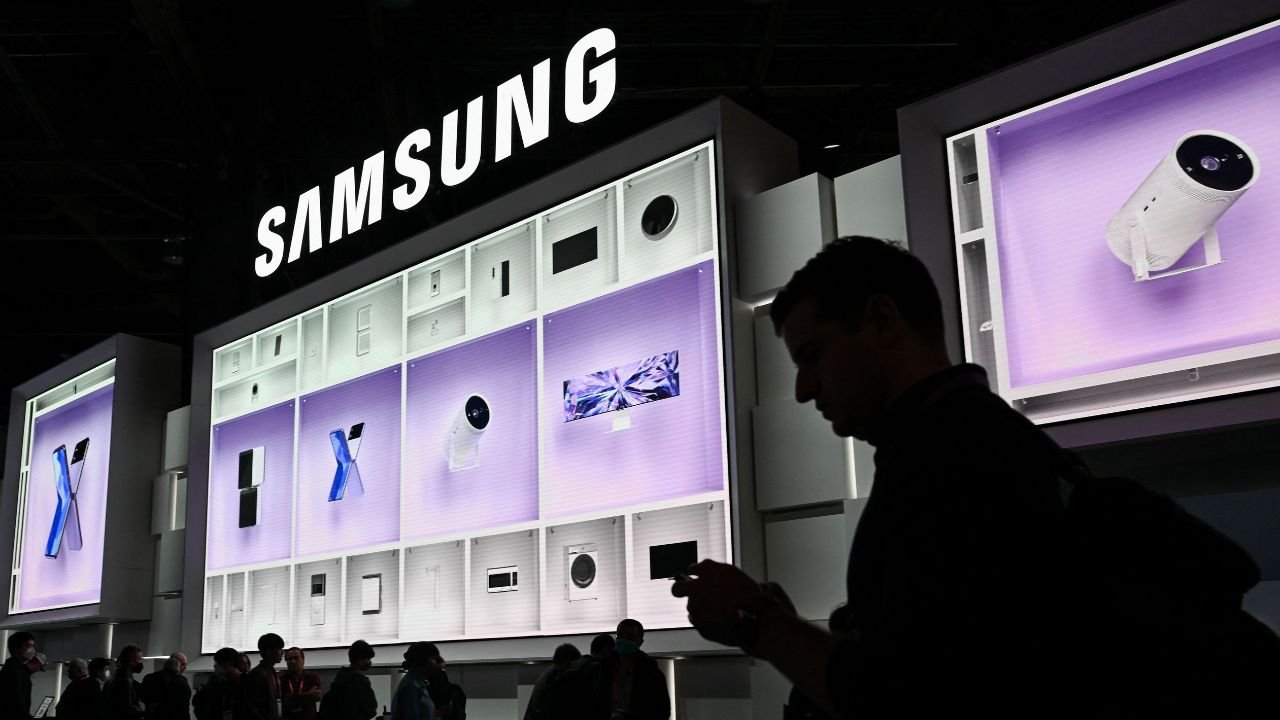
Samsung shipped 60.1 million smartphones in the first quarter of this year, claiming nearly 21 percent of the market, according to IDC figures.
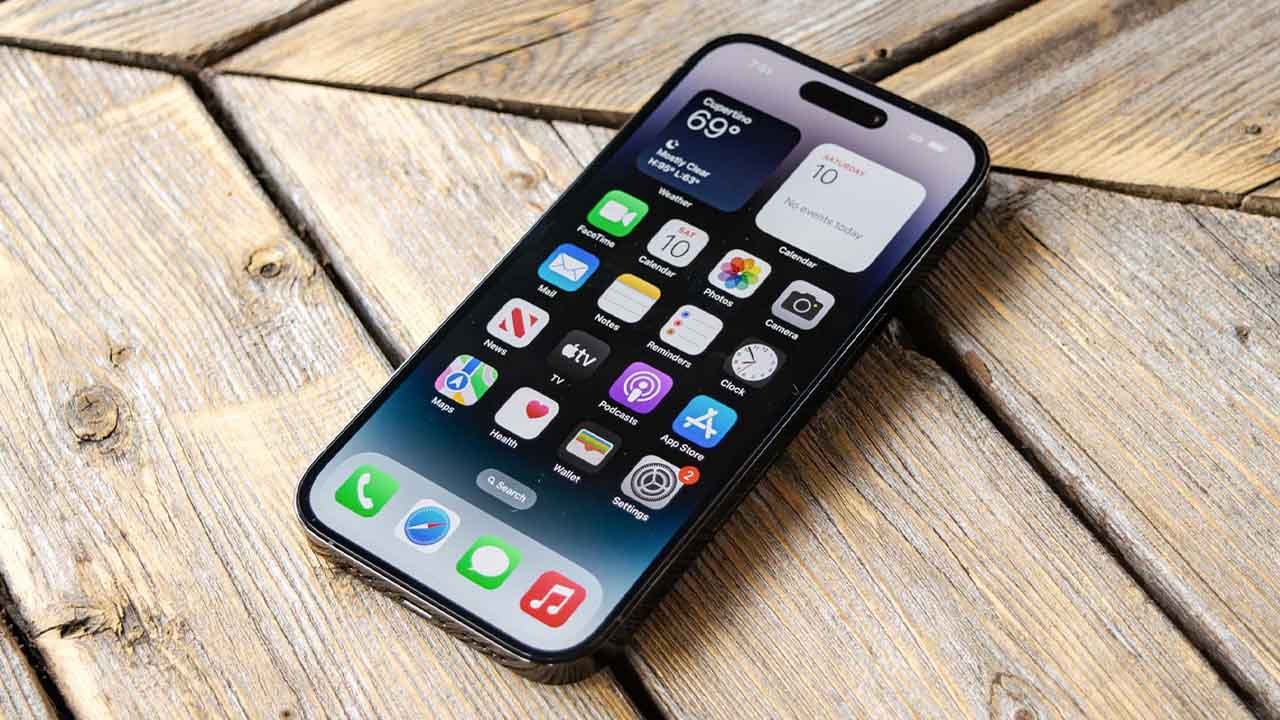
Apple shipped 50.1 million iPhones, garnering just over 17 percent of the market in the same period, IDC reported.
Apple smartphone shipments were down 9.6 percent in a quarter-over-quarter comparison, while Samsung shipments slipped less than one percent, according to the market tracker.
Meanwhile, China-based Xiaomi saw shipments grow about 33 percent to 40.8 million and Transsion about 85 percent to 28.5 million, taking third and fourth positions in the overall smartphone market, IDC reported.
“While Apple managed to capture the top spot at the end of 2023, Samsung successfully reasserted itself as the leading smartphone provider in the first quarter,” Reith said.
IDC expects Samsung and Apple to maintain their hold on the high end of the smartphone market while Chinese competitors seek to expand sales, according to Reith.
Nabila Popal, research director with IDC’s Worldwide Tracker team, said: “There is a shift in power among the Top 5 companies, which will likely continue as market players adjust their strategies in a post-recovery world.
“Xiaomi is coming back strong from the large declines experienced over the past two years and Transsion is becoming a stable presence in the Top 5 with aggressive growth in international markets.”