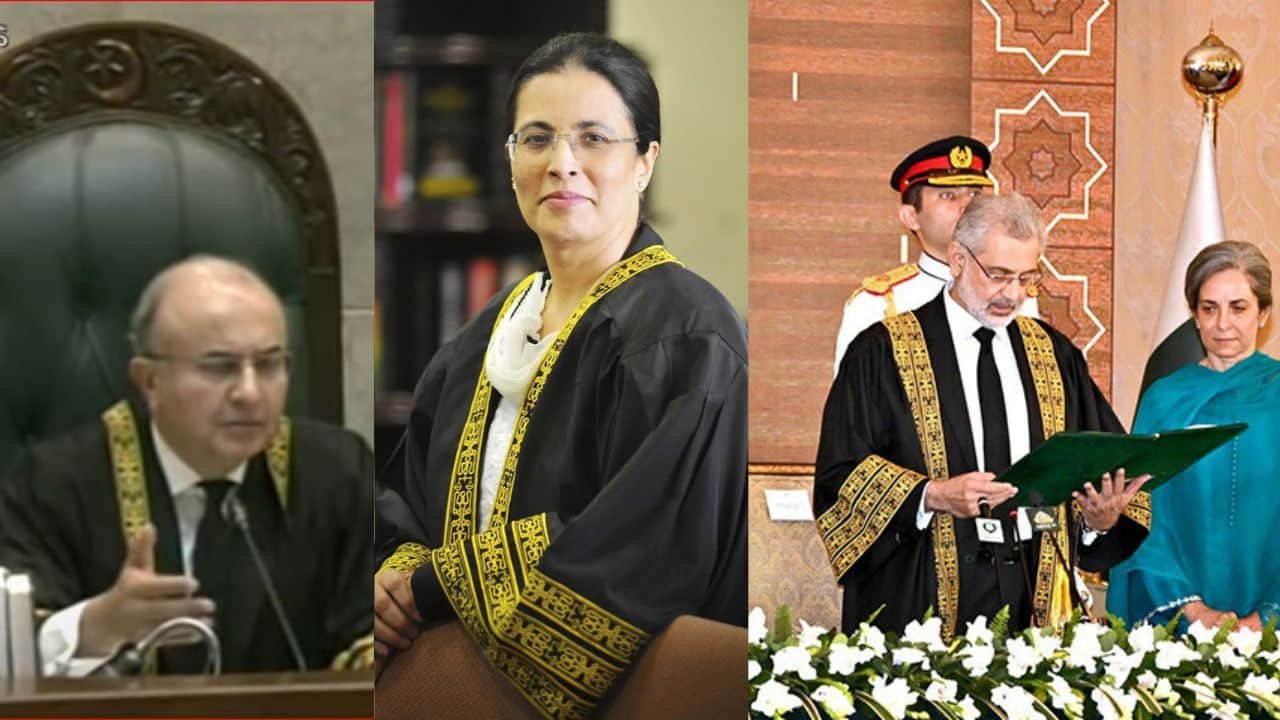
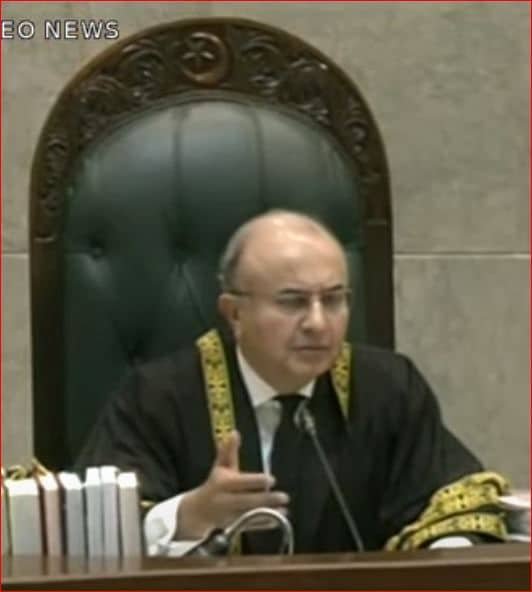
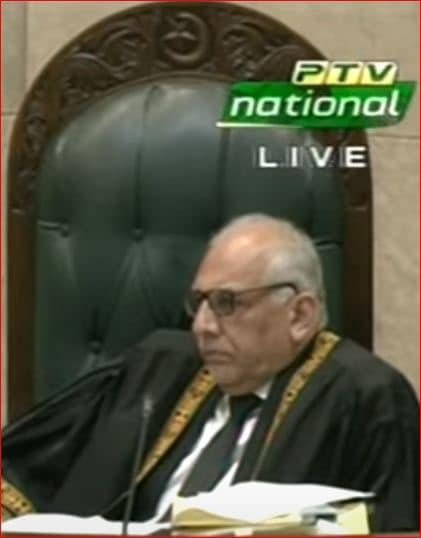
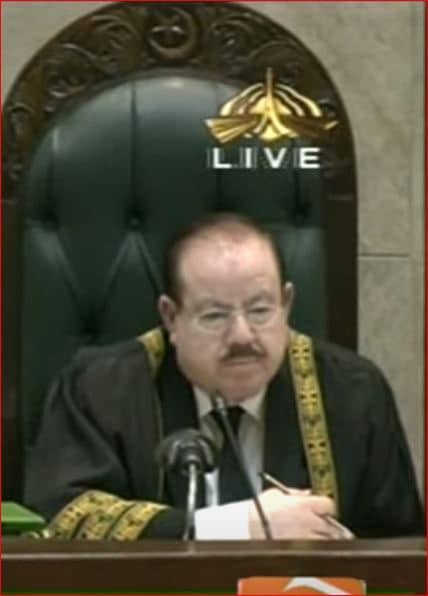
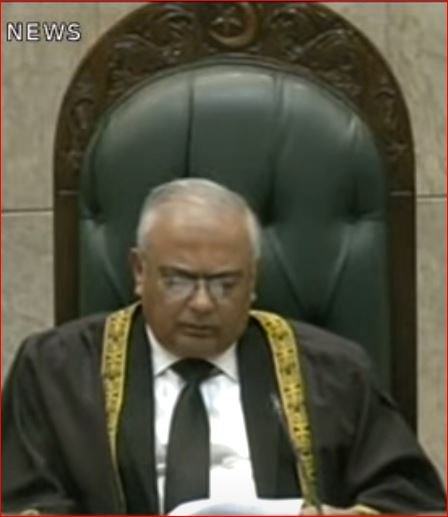
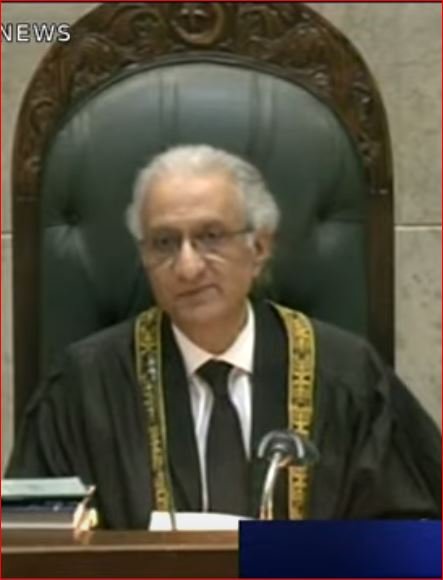
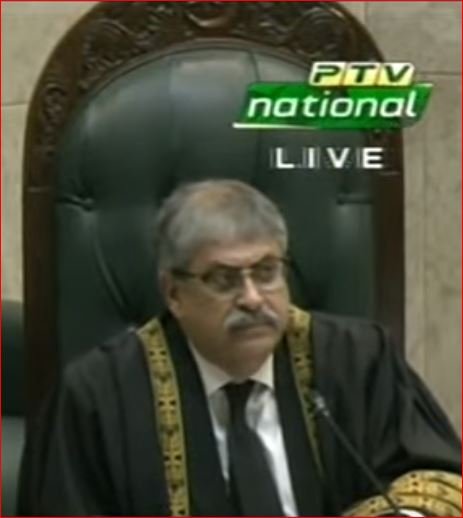
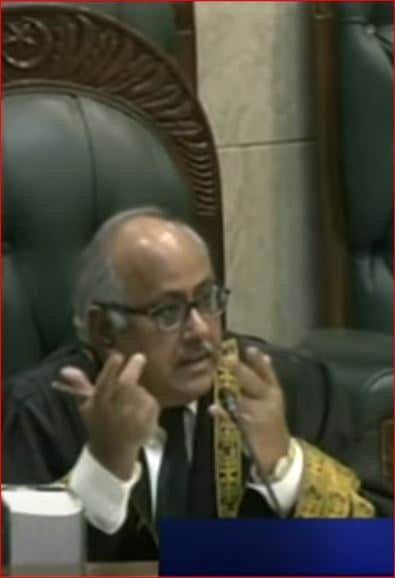
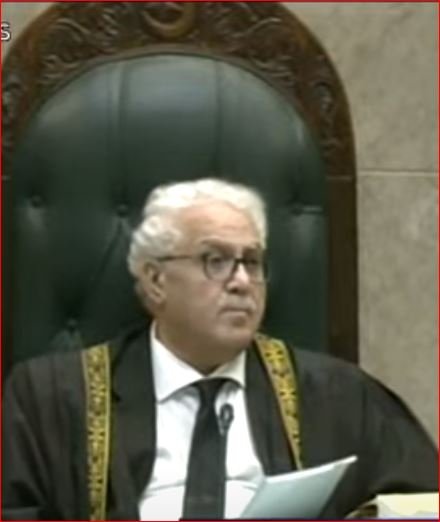
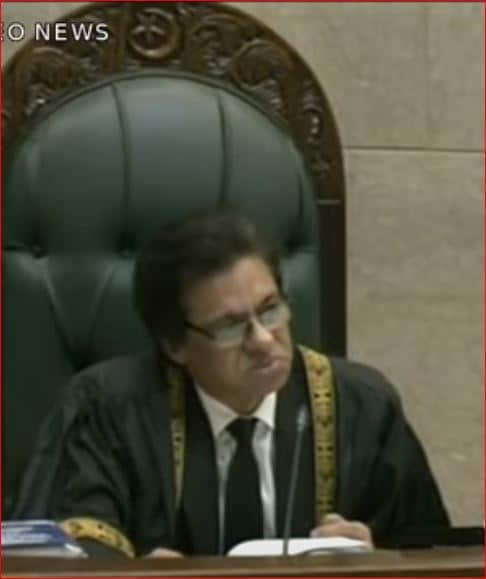
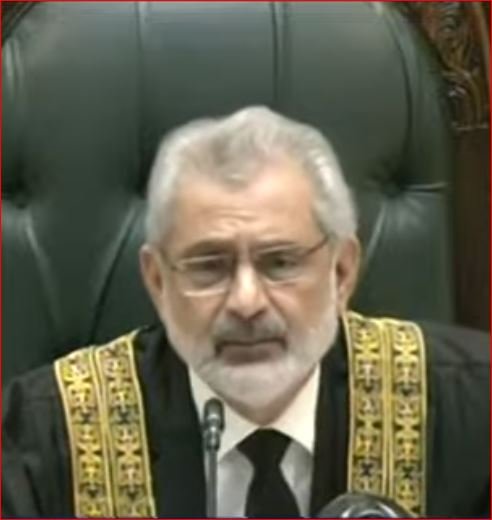
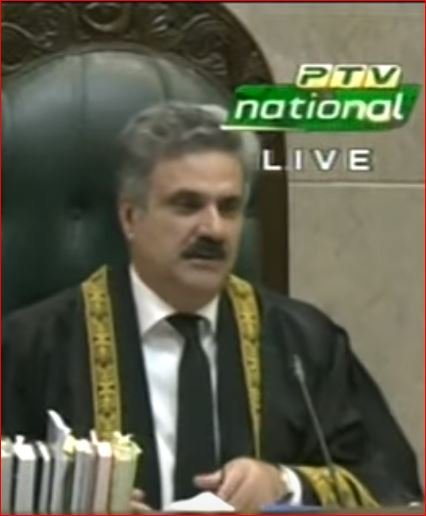
A three-member bench, headed by Chief Justice Qazi Faez Isa and comprising Justice Aminuddin Khan and Justice Athar Minallah, was hearing petitions filed by the Supreme Court Bar Association (SBCA) and others seeking directives to hold general elections within 90 days as stipulated by the Constitution.
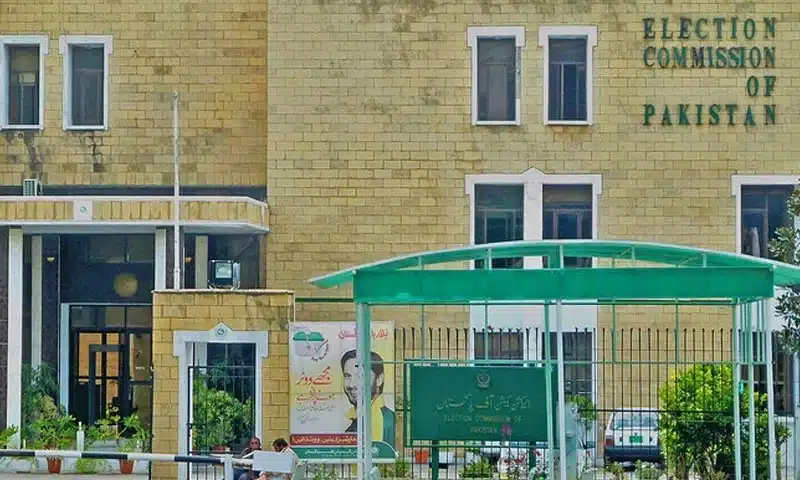
During the hearing, Election Commission of Pakistan (ECP) lawyer, Sharjeel Sawati, said that elections will be held on February 11, as per Geo News.
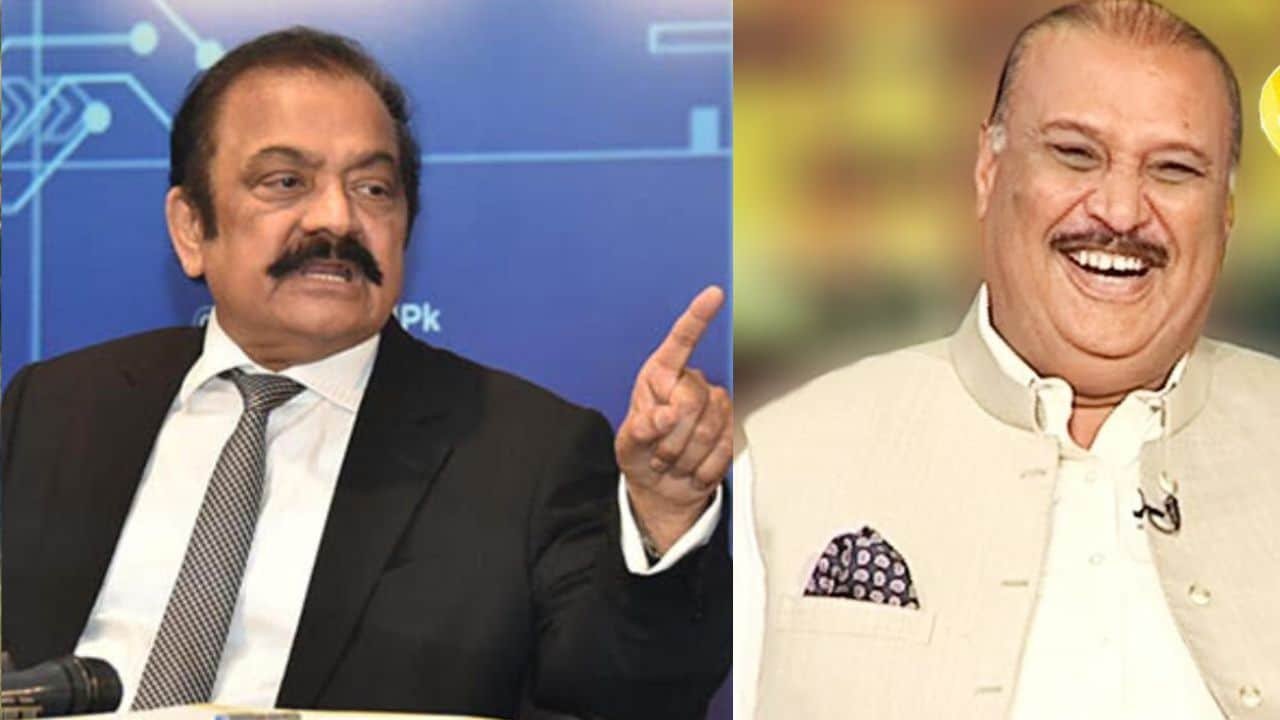
Former leader of the opposition in National Assembly (NA) Raja Riaz had said on August 12 this year that the upcoming general elections would be held in February 2024 – three months later than the constitutionally allowed limit of 90 days.
Talking to Maria Memon on Sawal ye Hai on ARY News, the Pakistan Tehreek-e-Insaf (PTI) dissident leader said, “Elections will be held 4 to 5 days before or after February 15.”
While talking to Kashif Abbasi on his program, Off the Record, on Tuesday, August 15, he said, “The ‘elders’ have decided that the general elections will be held in February.”
PML-N leader Rana Sanaullah said on Tuesday, August 15, that his party’s supremo, Nawaz Sharif, was confident that general elections would be held in the country in February next year.
Raja Riaz says the “elders” have decided that general election will be held in February. pic.twitter.com/QnnkTzodsU
“He (Nawaz) is sure that elections will take place in February. Delimitation of constituencies has to be completed before then, and it will be completed by December,” Sanaullah said while responding to a question about Nawaz’s expected return to Pakistan during an appearance on Geo News show ‘Aaj Shahzeb Khanzada Kay Saath’.
A three-member bench, headed by Chief Justice Qazi Faez Isa and comprising Justice Aminuddin Khan and Justice Athar Minallah, is hearing petitions filed by the Supreme Court Bar Association (SBCA) and others seeking directives to hold general elections within 90 days as stipulated by the Constitution.
During the hearing, Election Commission of Pakistan (ECP) lawyer, Sharjeel Sawati, said that elections will be held on February 11, as per Geo News.
After being questioned about wether they have consulted with the president of Pakistan on the date or not, the lawyer was instructed to consult with Arif Alvi today.
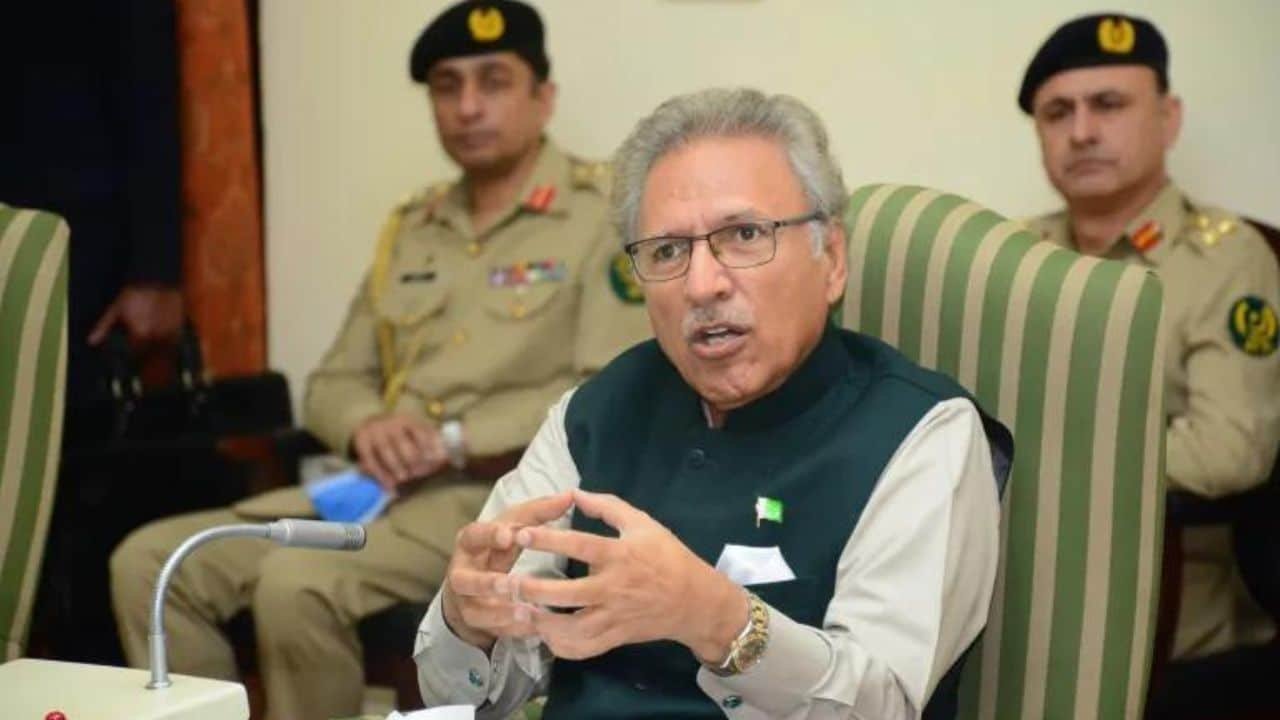
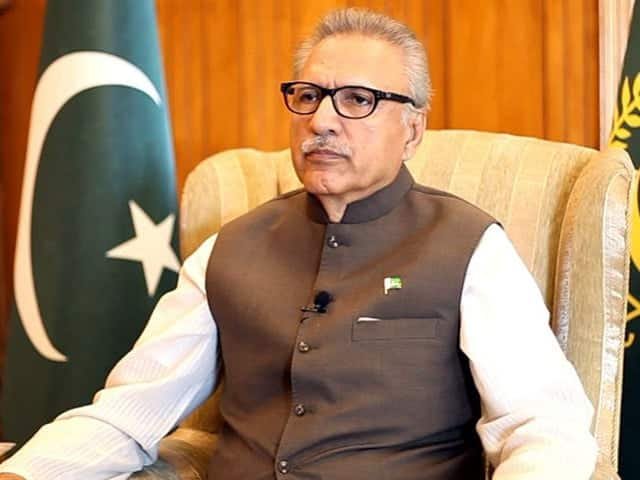
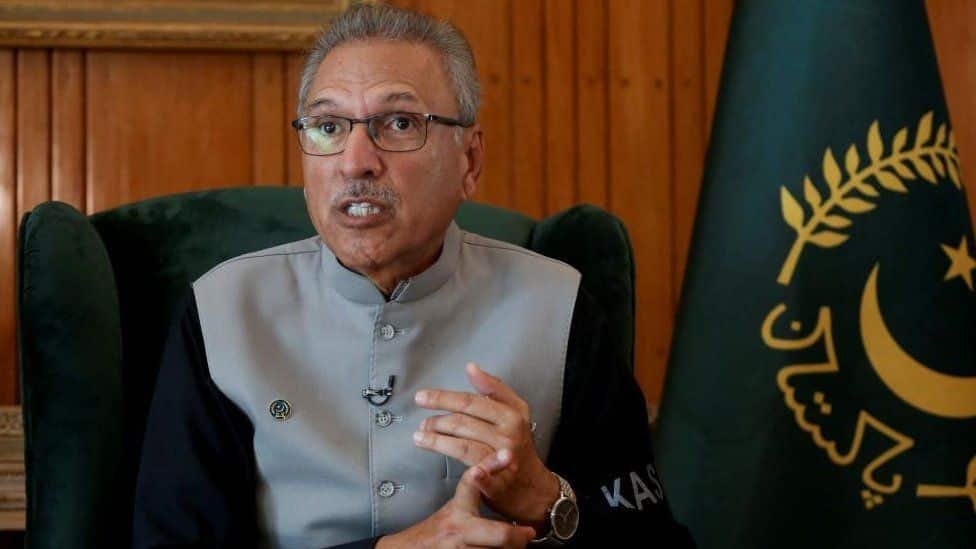
Chief Justice of Pakistan (CJP) Qazi Faez Isa on Thursday remarked that President Arif Alvi violated the Constitution by not giving a date for general elections.
At the outset of the hearing, Pakistan Peoples Party (PPP) counsel Farooq Naek told the court that his party had submitted the request to become a party in the case.
After this, PTI’s lawyer Ali Zafar started his arguments by saying that the party has limited its petition to only seeking timely elections.
“Elections must be held within 90 days after the dissolution of assemblies as per the Constitution,” he stressed. At this, CJP Isa said that the plea seeking polls within 90 days has then become ineffective.
“The court was told that it was impossible to hold polls within 90 days in the previous hearing,” he remarked.
Zafar then said that PTI only wants elections.
He further said that there won’t be any parliament and law if elections are not conducted.
“Giving a date and schedule of elections are two different things. President Dr Arif Alvi had written a letter to hold consultations with the ECP,” he remarked.
The CJP observed that the president had written in his letter that the court should look into the matter of elections. “Is the president saying that court should take notice of the issue about elections,” he questioned.
At this, Zafar replied that the president had said that the court can also review the matter.
CJP Isa then said that the president did not give any date for elections in his letter. “Did the president not fulfil his constitutional duty,” he asked.
Zafar said that the president fulfilled his responsibility by consulting on the elections.
On this point, Justice Minallah asked why the president wrote the letter in September and not on August 15 after the assemblies were dissolved on August 9.
“Did the president only ask the Supreme Court verbally to take notice of the matter,” asked CJP. He further said that the head of state wrote the letter to the ECP and not to SC.
CJP Isa then questioned whether the apex court had the authority to give a date for polls. “Is it necessary for the president to consult the prime minister to give a date,” he inquired.
Zafar replied that consultations are not necessary as the president has his own constitutional duty to give a date.
During the last hearing, the SC had issued notices to the Election Commission of Pakistan (ECP) and the federal government for their input on polls within 90 days.
The ECP had earlier set the date for elections in Punjab on April 30, but then postponed them to October 8 — in Punjab as well as KPK.
PTI filed a plea in the top court against this decision.
On April 4, the SC had ordered the government and the ECP to hold elections for Punjab assembly on May 14 but both institutions said this would not be possible due to shortage of resources, including funds and manpower.
On September 21, the ECP announced that general elections will be held in the last week of January 2024. However, it did not issue a specific date.
The commission also published the preliminary constituency lists. According to the ECP, objections to the preliminary constituency lists will be entertained until October 26, with hearings on these objections slated to run until November 25.
The final electoral rolls are scheduled for release by November 30, and within 54 days following this publication, the election commission has outlined the election timetable.
The Election Commission of Pakistan (ECP) has dismissed any notions of delaying the general elections, emphasizing its commitment to the scheduled electoral process despite recent uncertainties.
Following President Arif Alvi’s statement in an interview with Geo News anchorperson Hamid Mir that have sparked speculations of a delay, the ECP swiftly issued a statement reiterating its preparedness and determination to carry out electoral proceedings as planned.
“According to the action plan, the final list of constituencies is scheduled to be published on November 30, 2023. This announcement comes after the first phase of constituencies has already been completed, and the second phase, involving the filing of objections, is set to conclude on October 27, 2023,” the statement reads.
The statement further said that ECP will commence the hearing of objections on preliminary constituencies starting from October 30 or 31, emphasising its commitment to conducting the elections as per the established timeline.
“The President’s interview had raised concerns regarding a possible delay in the elections, but the Election Commission’s clear and prompt response has put those speculations to rest. The Commission remains steadfast in its efforts to ensure a fair and timely electoral process,” the spokesperson said.
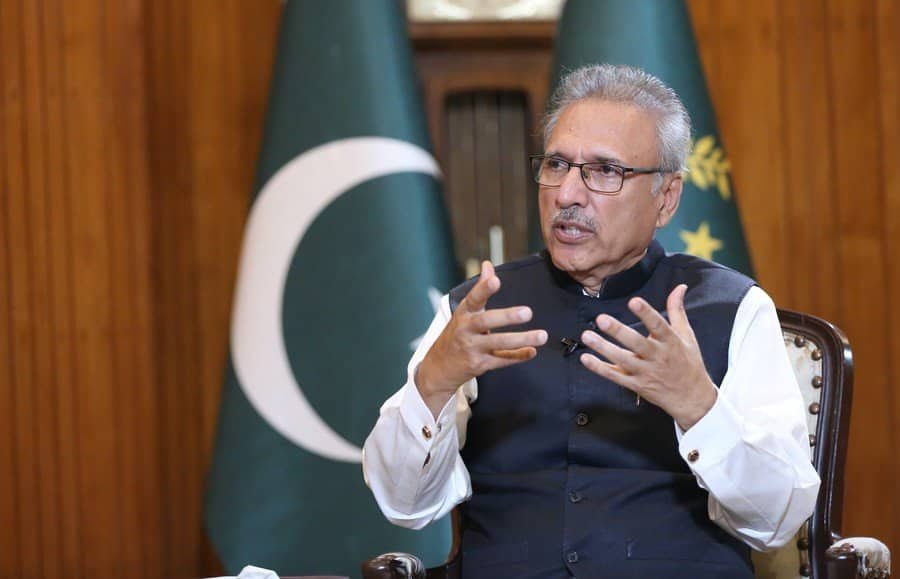
In an interview with Geo News anchorperson Hamid Mir, President Alvi said he does not see polls taking place in January. He recalled that he made various “efforts” for polls, including letters to the ECP and suggesting a cut-off date of November 6.
صدر ڈاکٹر عارف علوی کا کہنا ہے کہ انہیں جنوری کے آخری ہفتے میں الیکشن ہونے کا یقین نہیں لیکن انہیں اُمید ہے کہ اعلیٰ عدلیہ الیکشن کو مزید ملتوی نہیں ہونے دیگی ، آپ کے خیال میں صدر صاحب کی اعلیٰ عدلیہ سے امیدیں پوری ہونگی کیا جنوری میں الیکشن ہو جائے گا؟ @ArifAlvi pic.twitter.com/MPm519t0rV
According to the president, the law ministry told him that it was not his prerogative. He stated that free and fair elections and a level playing field were crucial for Pakistan’s progress.
During the interview, he also alluded to the caretaker government being behind the spate of defections from the PTI. “Whatever the caretaker government is doing — what with people disappearing and reappearing with shifted loyalties,” he said.
Speaking about the amendments to the Official Secrets Act and the Pakistan Army Act, President Alvi said he “stands by” his claim that he did not assent to tweaks made by the PDM government.
Janay kab hongay kum, PTI leadership ki zindagi kay gham
The owner of ‘Insaf House’, PTI headquarters in Karachi, who rented the place to PTI leadership, has approached a court to seek unpaid rent worth more than Rs 10 million accumulated over the past 12 years, as per Geo News.
Dues calculated till July 2023 are Rs 13.9 million. The rent agreement was signed between the landlord and PTI’s late leader Naeem ul Haque, President Arif Alvi, and former Sindh governor Imran Ismail. Meanwhile, Firdous Shamim Naqvi and Samar Ali Khan signed the agreement as ‘guarantors’.
Under the rental agreement, PTI leaders including Alvi, Ismail and Haque had agreed to pay Rs100,000 in rent each month. Party leaders, including President Arif Alvi, might face legal consequences after the owner filed a case under section 15 of the Sindh Rental Ordinance Act 1969.
As per the documents, PTI leadership not only faces legal consequences due to unpaid rent but also might face charges for violating the agreement’s clause that prohibited any political activities at the premises.
If the case is decided in favor of the landlord, Alvi, Ismail, and the guarantors might even face disqualification.
PTI had moved the court to de-seal the Insaf House after it was cordoned off following the May 9 riots. The court directed authorities to de-seal the party’s office and barred any gathering of more than five people at the premises.
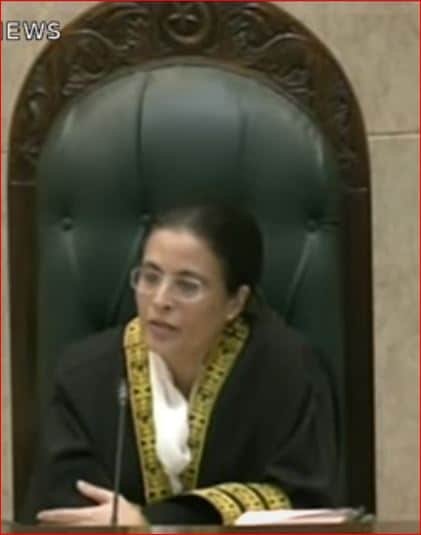
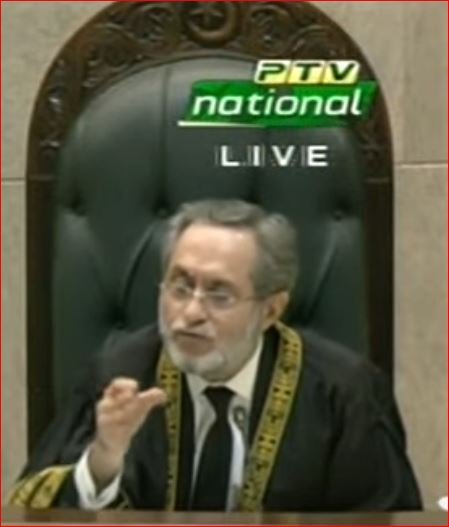
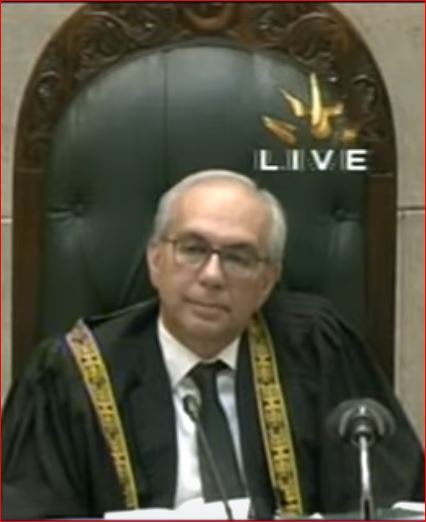
Today, for the first time in Pakistan’s history, proceedings of the full bench in the Supreme Court were broadcast on PTV. Most people were confused about who was who as they saw the 15 judges on screen for the first time.
If you’re not familiar with them, here is a short intro to each of the 15 judges.
1 Mr. Justice Syed Mansoor Ali Shah
Formerly the 45th Chief Justice of the Lahore High Court, Mr Ali Shah has been serving as a justice at the Supreme Court since 2018. He was born in Peshawar and educated at Aitchison College, University of the Punjab and then Downing College, Cambridge.
2 Mr. Justice Syed Hasan Azhar Rizvi
Mr Hasan Azhar Rizvi has been serving as a judge at the Supreme Court of Pakistan since November 2022, prior to which he was a Justice of the Sindh High Court from Febuary 2010 to November 2022.
3 Mr. Justice Sardar Tariq Masood
Mr Justice Sardar Tariq Masood has been serving as a justice at the Supreme Court of Pakistan since November 2015. He began practicing law in the Rawalpindi district in 1985 and became an Advocate of the Supreme Court in 2008.
4 Mrs. Justice Ayesha A. Malik
At the age of 55, Mrs Ayesha Malik made history by becoming the first female Supreme Court judge, a victory that was celebrated by all women in Pakistan. In 2021, she outlawed the deeply misogynist virginity test which was used on survivors of rape and sexual abuse. She earned her Bachelors of Commerce from Government College of Commerce and Economics, then received her law degree from Pakistan College of Law, and her LL.M from Harvard Law School.
5 Mr. Justice Amin-Ud-Din Khan
Justice Amin-ud-Din Khan was sworn in as a Supreme Court judge in 2019. He began practicing in lower courts in 1985 after which he was issued a license. He was appointed as an Advocate of the Lahore High Court in 1987, and later of the Supreme Court in 2001.
6 Mr. Justice Jamal Khan Mandokhail
Justice Jamal Khan Mandokhail was elevated to the Supreme Court of Pakistan as a Judge on August 2021. He completed his Matriculation from the Federal Government High School, Quetta Cantonment, and then his FSc. from Government Science College, Quetta. Mr Mandokhail completed his Masters in Political Science and Economics from the University of Balochistan, and later did his LLB from University Law College Quetta in 1987.
7 Mr. Justice Munib Akhtar
Justice Munib Akhtar took oath as a Supreme Court judge in 2018. He is the son-in-law of the former law minister Khalid Anwar.
8 Mr. Justice Ijaz Ul Ahsan
Justice Ijaz Ul Ahsan was appointed as a Judge of the Supreme Court of Pakistan in 2016. He had earlier been appointed the Chief Justice of the Lahore High Court in 2015. He recieved his early education in Lahore and then graduated in 1979 from Forman Christian College with a merit scholarship.
9 Mr. Justice Athar Minallah
Justice Athar Minallah was appointed as a judge of the Supreme Court of Pakistan in November 2022. Prior to this, he served as the 5th Chief Justice of the Islamabad High Court from 2018 till 2022.
10 Mr. Justice Shahid Waheed
Justice Shahid Waheed completed his graduation from Government College Lahore in 1986, after which he did his LL.B from the University Of Punjab in 1989. He was elevated as a judge of the Lahore High Court on March 2012, and appointed as a judge of the Supreme Court of Pakistan in 2022.
11 Mr. Justice Sayyed Mazahar Ali Akbar Naqvi
Justice Sayyed Mazahar Ali Akbar Naqvi was appointed as a judge of the Supreme Court of Pakistan in March 2020, and has been a practicing Advocate of the Supreme Court of Pakistan and at the High Courts since 2001 and 1988.
12 Mr. Justice Muhammad Ali Mazhar
Justice Muhammad Ali Mazhar was appointed as a judge of the Supreme Court of Pakistan in August 2021. Before his tenure in the apex court, he became a judge of the Sindh High Court in February 2010. Born in Karachi, he completed his graduation in Commerce and later passed his LL.B examination in 1990.
13 Mr Justice Qazi Faez Isa
Mr. Justice Qazi Faez Isa was appointed as a judge of the Supreme Court of Pakistan in September 2014, and was elevated to the position of Chief Justice on Sunday. He completed his early education from Karachi, then went on to earn a Bachelors in Law from London, where he completed his Bar Professional examination at the Inns of Court School of Law.
14 Mr. Justice Yahya Afridi
Justice Yahya Afridi was elevated as a judge of the Supreme Court in June 2018, and was previously appointed as the Chief Justice of the Peshawar High Court in December 2016.
15 Ms. Justice Mussarat Hilali
Justice Mussarat Hilali became the first woman Chief Justice to be appointed at the Peshawar High Court in March 2023, and later became the second female judge to be appointed at the Supreme Court of Pakistan.
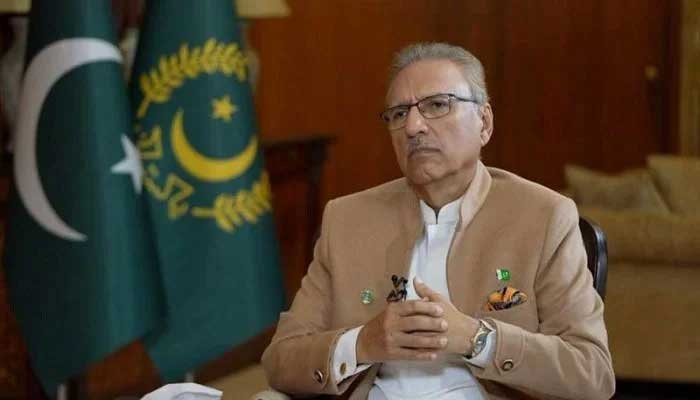
President of Pakistan, Dr. Arif Alvi, has announced that elections should be held on November 6, 2023, opening a new legal quagmire for the interim government.
Despite Caretaker Prime Minister Anwaar-ul-Haq Kaakar’s insistence earlier this week that only Election Commission of Pakistan (ECP) has the right to announce a date for general elections, Dr. Alvi has chosen November 6 as the date, citing article 48(5) of the Constitution.
Multiple journalists had reported in the past week that the President will announce the date.
The interim federal and provincial law ministers have urged all state institutions to respect the authority of the Election Commission of Pakistan (ECP) in matters related to the delimitation process and election schedule.
The statement was issued by the law ministers after a meeting chaired by caretaker Law and Justice Minister Ahmad Irfan in Islamabad was conveyed in the form of a press release today.
The meeting was held to discuss a matter related to the upcoming general elections in the country. The provincial law ministers, Kanwar Dilshad (Punjab), Muhammad Omer Soomro (Sindh), Arshad Hussain Shah (Khyber Pakhtunkhwa), and Amanullah Kanrani (Balochistan), attended the huddle.
The conclusion of the important meeting was that the country’s electoral authority alone can announce the election date as per the constitution.
“The Election Commission of Pakistan is an independent constitutional body,” the statement issued by the ministry read.
The law ministry issued the statement a day after caretaker Prime Minister Anwaar-ul-Haq Kakar said that President Arif Alvi has no power to announce the election date.
Senior analyst Muzamil Suharwardy has alleged that President Arif Alvi will announce the election date very soon as part of a deal he has striken with the establishment.
During a programme on Naya Daur TV, the analyst said that Chief of Army Staff (COAS) General Asim Munir and Inter-Services Intelligence (ISI) Director General Lt Gen Nadeem Anjum met with President Alvi to finalize a deal between both parties. President Alvi will not voice any objections regarding the Official Secret Act and Army Act, Suharwardy narrated.
The analyst also said that the President asked the establishment to provide a smooth path so that he could face the public with dignity. Not objecting to the Official Secret Act and Army Act will be part of the agreement.
According to Suharwardy, the Election Commission of Pakistan (ECP) will file a plea stating that the president has no right to announce the election date. The matter will then shift to the Supreme Court (SC), where the upcoming chief justice, Qazi Faez Esa has already said that no such case can be heard until the Supreme Court Practice and Procedure Bill case is finalized.
Chief Justice Umar Atta Bandial will consequently face criticism from both the Pakistan Tehreek-e-Insaf (PTI) and the Pakistan Democratic Movement (PDM).
“A fixed match will be played between President Alvi and the establishment,” Suharwardy said.
President of Pakistan, Dr. Arif Alvi, can announce the election date anytime, Geo News has reported. President Alvi met with interim law minister Ahmad Irfan Aslam on Monday and discussed the matter of the election date.
The law minister reportedly told the President that in his opinion, deciding the polling date is the responsibility of the Election Commission of Pakistan (ECP), verifying the stance of the Chief Election Commissioner (CEC).
However, the President declaring a date on his own could start another legal crisis with the matter likely to end up in the Supreme Court.
According to a report in The News, President Alvi met with two significant individuals in Aiwan-e-Sadr on September 4. The location of the meeting, the Aiwan-e-Sadr’s fourth floor, was off-limits to everyone, including staff.
General Nadeem Ahmad Anjum, the head of Inter-Services Intelligence (ISI), was also present at the meeting, according to a previous revelation by Kamran Yousaf in his vlog on August 30.
A few days after an unexpected meeting among three important people at the President House, another ‘unusual’ meeting took place on Sep 8 (today). Former information minister Muhammad Ali Durrani met President Arif Alvi on the completion of the president’s constitutional term.
Muhammad Ali Durrani is the leader of the Pakistan Muslim League Functional (PML-F). He also served as information minister in the era of late military ruler General (retd) Pervez Musharraf. In 2021, during Pakistan Tehreek-e-Insaf (PTI) government, he proposed starting a dialogue between stakeholders.
In 2020, the former information minister met former Prime Minister Shehbaz Sharif in Kot Lakhpat jail during Imran Khan’s tenure to convey an “important message”.
According to Geo News, the former information minister called on President Alvi at Aiwan-e-Sadr. However, no official statement has been issued about the huddle.
“Political pundits are terming the meeting unusual, as Durrani was inactive in politics for a long time and played a key role in the backdoor meeting,” the publication said.
Earlier, sources told The News that two important personalities met President Alvi in Aiwan-e-Sadr. The meeting was held on the fourth floor of the Aiwan-e-Sadr, with the premises being off-limits for everyone, including staff.