Tag: armed forces

  • ‘Social media is being used to create environment of chaos,’ says General Asim Munir

    ‘Social media is being used to create environment of chaos,’ says General Asim Munir

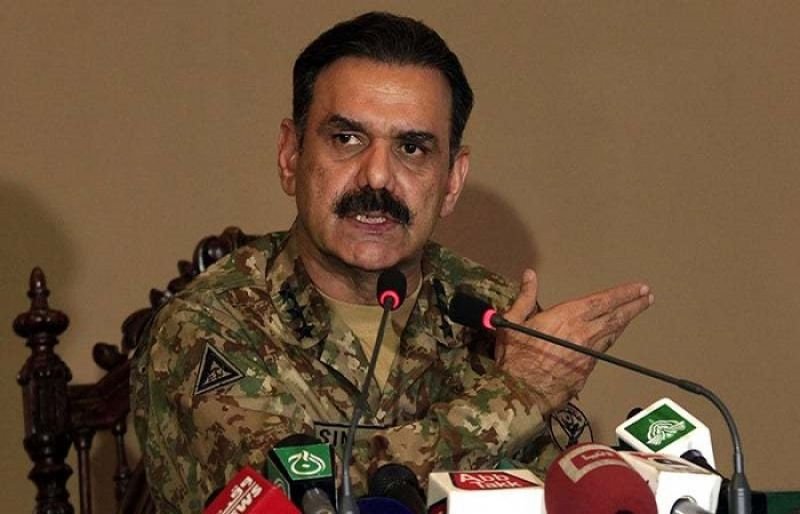
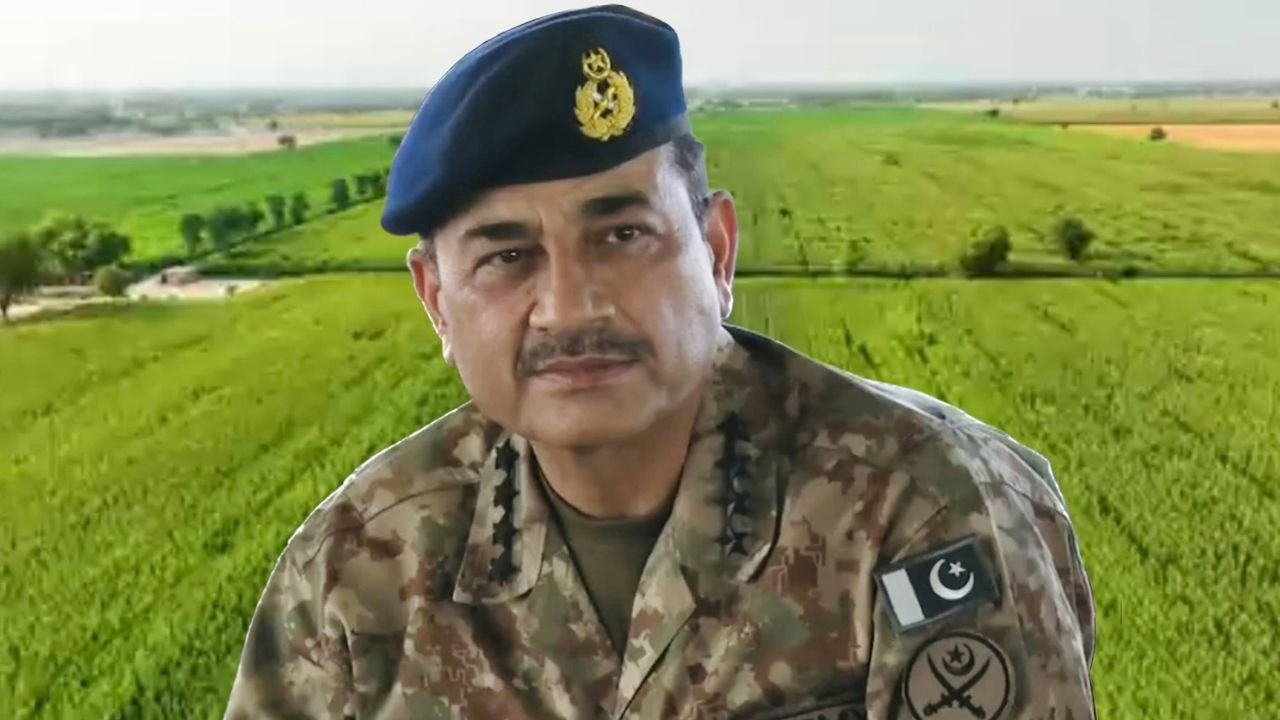
    In a recent address at the National Farmers Convention in Islamabad, Chief of Army Staff (COAS) General Asim Munir expressed concern over the rampant spread of fabricated claims against the state of Pakistan on social media.

    “Social media is being used to create an environment of chaos, despair, and panic. Through fake news, an impression is being created that the state is losing its [writ],” the army chief said in an address to the National Farmers Convention in Islamabad on Friday.

    Pakistan, like many other nations, is grappling with the challenge of fake news on social media, where unfounded reports fueled by emotional appeals are spreading rapidly and contributing to societal divisions. A detailed report earlier this year by EU DisinfoLab revealed that Indian media outlets were involved in a smear campaign against Pakistan, quoting non-existent organizations, journalists, and bloggers.

    COAS Munir highlighted that such smear campaigns are not limited to external actors, as investigations have revealed the involvement of the Imran Khan-led Pakistan Tehreek-e-Insaf (PTI) in using state resources to spread false propaganda against state institutions.

    Addressing the farmers, COAS Munir addressed the rumors and negative impressions being spread about Pakistan. He emphasized the historical significance of Pakistan, stating that it is founded on the principles of the Kalima, with divine backing for the country.

    COAS Munir reminded the audience of Pakistan’s abundant resources, including glaciers, rivers, mountains, and fertile land producing world-class rice, fruits, and valuable minerals like granite, gold, and copper.

    He lamented that Pakistan, once one of the fastest-growing countries in Asia in the 1960s, witnessed a decline due to forgetting the golden principles of faith, unity, and discipline advocated by the Quaid-i-Azam.

    Moving forward, COAS Munir discussed the Green Pakistan Initiative, highlighting its focus on boosting agriculture. He assured that a major chunk of the initiative’s income will go to the provinces, while the rest will be kept for farmers and agricultural research, he said, noting that the “role of the army in this is only to serve the people and farmers”.

    COAS Munir pledged to ensure easy agricultural credit, a cold storage chain, climate change-resistant seeds, and genetically engineered livestock for farmers.
  • ‘Necessary support will be extended to Election Commission of Pakistan,’ Corps Commanders’ Conference

    ‘Necessary support will be extended to Election Commission of Pakistan,’ Corps Commanders’ Conference

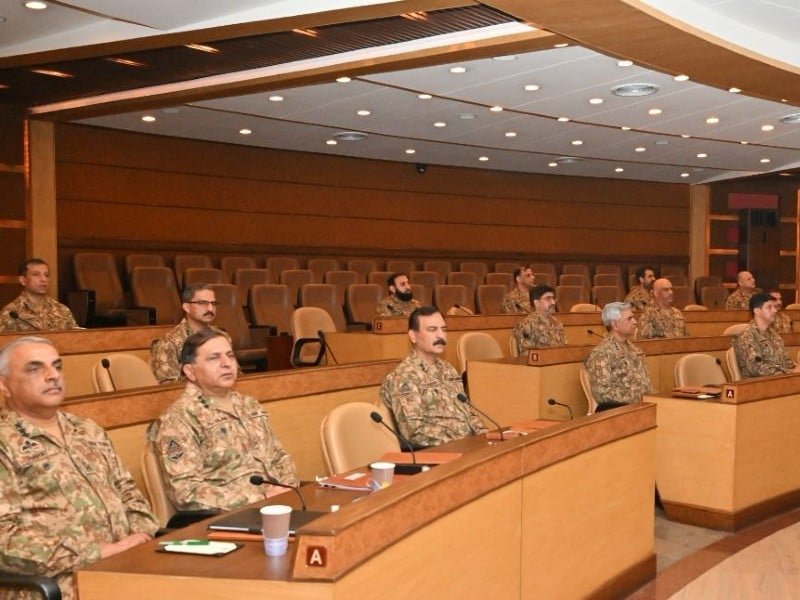
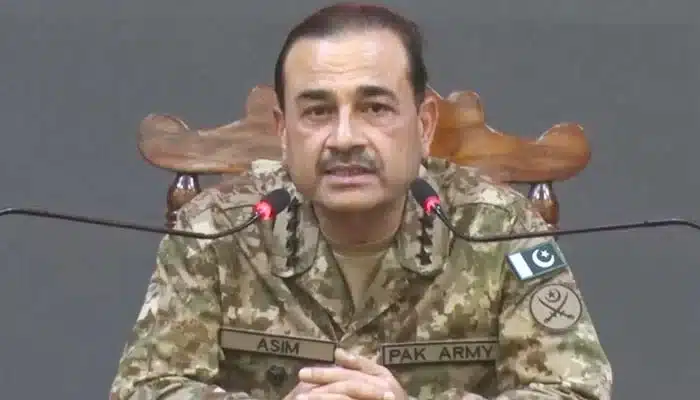
    General Syed Asim Munir, NI (M), Chief of Army Staff (COAS) presided over the two days long 261st Corps Commanders’ Conference (CCC) held at GHQ on Thursday.
    The forum paid rich tribute to the supreme sacrifices of Shuhadas including officers and men of the Armed Forces, Law Enforcement Agencies and Citizens who laid their lives for ensuring peace and stability in the country. Participants also offered Fateha for the Shuhadas including those of DI Khan attack.
    Forum reiterated Pakistan Army’s resolve to defend the sovereignty and territorial integrity of Pakistan against direct and indirect threats.
    Forum expressed serious concern over continued repression and reprehensible human rights violations by Indian military forces in IIOJK. The recent acts of abduction, torture and killing of civilians by the Indian Army were unequivocally condemned by the participants. Such acts constitute grave crimes against humanity and cannot dampen the spirit of the brave Kashmiris who are struggling for their lawful right of self- determination. Pakistan would keep supporting its Kashmiri brethren with all political, moral and diplomatic support for resolution of Kashmir issue according to international law and relevant UNSC resolutions.
    Forum was briefed on prevalent geo-strategic environment, challenges to national security and own strategy in response to evolving threat. The sanctuaries and liberty of action available to the terrorists of proscribed TTP and other groups of that ilk in a neighboring country and availability of latest weapons to the terrorists were noted as serious points of concern impacting security of Pakistan.
    Forum resolved that all terrorists, their facilitators and abettors, working on the behest of hostile forces to destablise Pakistan will be dealt with full might of the state.
    The forum expressed full solidarity with the people of Palestine and condemned serious human rights violations and war crimes being perpetrated in Gaza while reiterating Government’s stance of demanding an immediate ceasefire in Gaza and peaceful resolution of the ongoing conflict.
    Forum reiterated its support for ongoing efforts to promote socioeconomic growth and encouraging foreign investment under the umbrella of Special Investment Facilitation Council (SIFC).
    Forum also took holistic review of the ongoing actions being taken against smuggling, money laundering, power theft and hoarding of essential items amongst other illegal economic activities. Pakistan Army will continue to provide all out support to relevant government institutions and LEAs to curb such crimes. The Forum also noted that requisite and necessary support will also be extended to Election Commission of Pakistan (ECP) for forthcoming general elections.
    The forum was briefed on operational preparedness of the formations. COAS stressed the need for continuously maintaining operational excellence in cognitive and physical realms and pursuit of high standards of motivation and training.

  • Armed forces ready to defend the motherland from challenges: Gen Asim Munir

    Armed forces ready to defend the motherland from challenges: Gen Asim Munir

    Chief of Army Staff (COAS) General Syed Asim Munir said on Saturday that the armed forces are ready to face any challenges or threats faced by Pakistan and are fully prepared to respond back to enemies of the country.

    According to a statement issued by the Inter-Services Public Relations (ISPR), the COAS was in Khairpur Tamewali to witness the field exercise of the Bahawalpur Corps.

    “We are cognisant of the challenges and with the support of the nation we are prepared to thwart any nefarious designs of the enemies of Pakistan”, COAS emphasised.

    “Pakistan Army is fully prepared to defend the territorial integrity and sovereignty of Pakistan against all odds. Pakistan Armed Forces are focused on defending the frontiers of the motherland against the full spectrum of threats and with the support of the nation, Armed Forces will defeat the enemies of Pakistan, InshaAllah,” said the army chief during his visit. 

    COAS Munir received a briefing on the field exercise, which focuses on advancing professional skills across different levels and refining battlefield procedures to address future challenges in an operational environment.

  • Pakistan’s security forces lost 386 personnel in 2023: report

    Pakistan’s security forces lost 386 personnel in 2023: report

    A recent Security Report released by the Center for Research and Security Studies (CRSS) reveals that Pakistan’s security forces lost at least 386 personnel, including 137 army soldiers, in the first nine months of the ongoing year, marking an eight-year high as the country continues to battle militant violence.

    The Islamabad-based think tank’s report states, “Over the past five years, there has been a consistent and alarming surge in violence in Khyber Pakhtunkhwa (KP) and Balochistan provinces. Equally greater concern is the collective percentage of violence-related fatalities recorded in these two provinces which indicates a disturbing upward trend over the last five years; together, they suffered 72% of all fatalities in 2019, and this unsetting figure surged to a staggering 92% in the first 9 months of 2023.”

    There has been a trend of brutal attacks against religious congregations in the country, with more than 60 people losing their lives in two separate bombing incidents at a mosque and a gathering to mark the Prophet Muhammad’s (PBUH) birth anniversary on Friday.

    “Pakistan’s security forces lost at least 386 personnel, 36 percent of all fatalities – including 137 army and 208 police personnel – in the first 9 months of 2023, marking an eight-year high as the country continues to battle proxy terrorism, largely in Khyber Pakhtunkhwa and Balochistan,” the Center for Research and Security Studies (CRSS) said in its report released on Saturday.

    “With 1087 violence-related fatalities recorded so far during the year, the outlaws suffered 368 (34 percent), followed by civilians with 333 (31 percent) fatalities,” it added.

    The CRSS maintained there had been a consistent and alarming increase in violence in the two Pakistani western provinces over the past five years.

    Experts attribute the recent increase in militant violence and security forces casualties in Pakistan to the change of government in neighboring Afghanistan, saying it emboldened militant groups in Khyber Pakhtunkhwa and fueled separatist violence in Balochistan.

  • Govt approves 6 per cent hike in defence budget to mitigate impact of inflation

    Govt approves 6 per cent hike in defence budget to mitigate impact of inflation

    The government boosted the defence budget for the current fiscal year by nearly 6 per cent to more than Rs1.45 trillion on June 4 in order to cater the demands of the military services, along with increase in their salaries.

    As per a report from The Express Tribune, the Economic Coordination Committee (ECC) of the Cabinet okayed an additional Rs80 billion in auxiliary grants, bringing the total approved to Rs182 billion. The Ministry of Defence had requested an additional Rs80 billion for “critical shortfalls” in the defence budget, in addition to budget revisions for expenses on the Jinnah Naval Base, the Naval Base Turbat, and the multi-functional office building in the headquarters.

    Miftah Ismail, Federal Minister of Finance, chaired the ECC meeting, which endorsed a Rs80 billion supplementary budget for the armed forces, or the amount of total expenditures incurred. The ministry of finance projected that extra spending in fiscal year 2021-22, which ends on June 30, would be less than Rs80 billion.

    The National Assembly approved an Rs1.373 trillion defence budget for the present fiscal year in 2021. Keeping in view the increase in the spending ceiling, the next fiscal year’s defence budget could be greater than the previously estimated figure of more than Rs1.55 trillion.

    The Ministry of Defence received Rs153 billion in total, which is 11.8 per cent more in this fiscal year than in the previous year’s revised budget, which is identical to Pakistan’s average inflation rate. Defence spending will amount to 2.2 per cent of GDP, excluding armed forces development expenditures.

    The ECC also agreed to impose a 10 per cent regulatory duty on Chinese petrol imports in order to prevent abuse of bilateral free trade agreements. Some oil marketing companies rerouted their imports through China in order to avoid paying 10 per cent customs duty.

    For fiscal year (FY) 2021–22, the Pakistan government had decided a defence budget of Rs1.37 trillion (USD8.78 billion). The allocation represented a 6.2 per cent increase over the initial 2020–21 defence budget of Rs1.29 trillion.

    The defence budget represented approximately 16 per cent of the government’s total expenditure for 2021–22, and it was announced against the backdrop of Pakistan’s improving economy. Despite the Covid-19 pandemic, the country’s GDP is expected to rise by nearly 4 per cent in 2020–21.

    The majority of Pakistan’s defence budget goes to defence services, with a small portion going to defence administration. Employee-related expenses are the largest expenditure in the former appropriation, receiving Rs481.6 billion in 2021–22, a 1 per cent increase year on year.

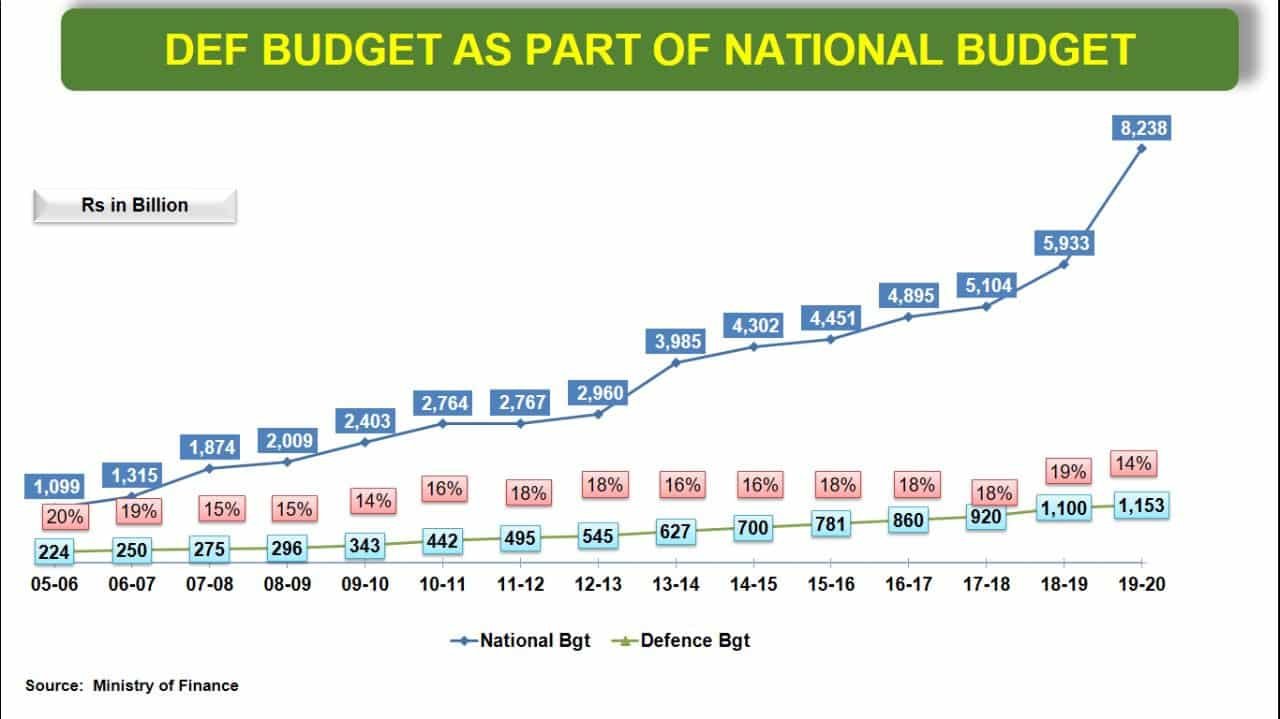
    The graph below compares how much money the nation spent on defence:

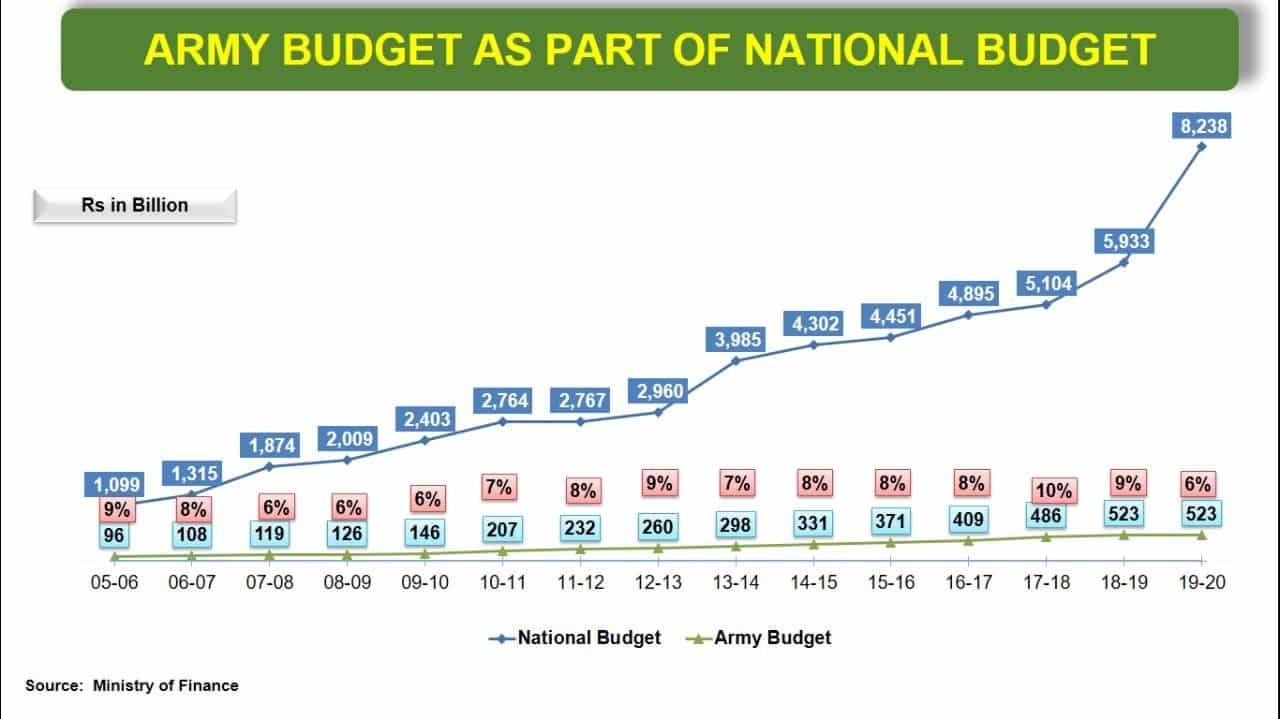
    Here’s a comparison of the national and army budgets as it grows over time:

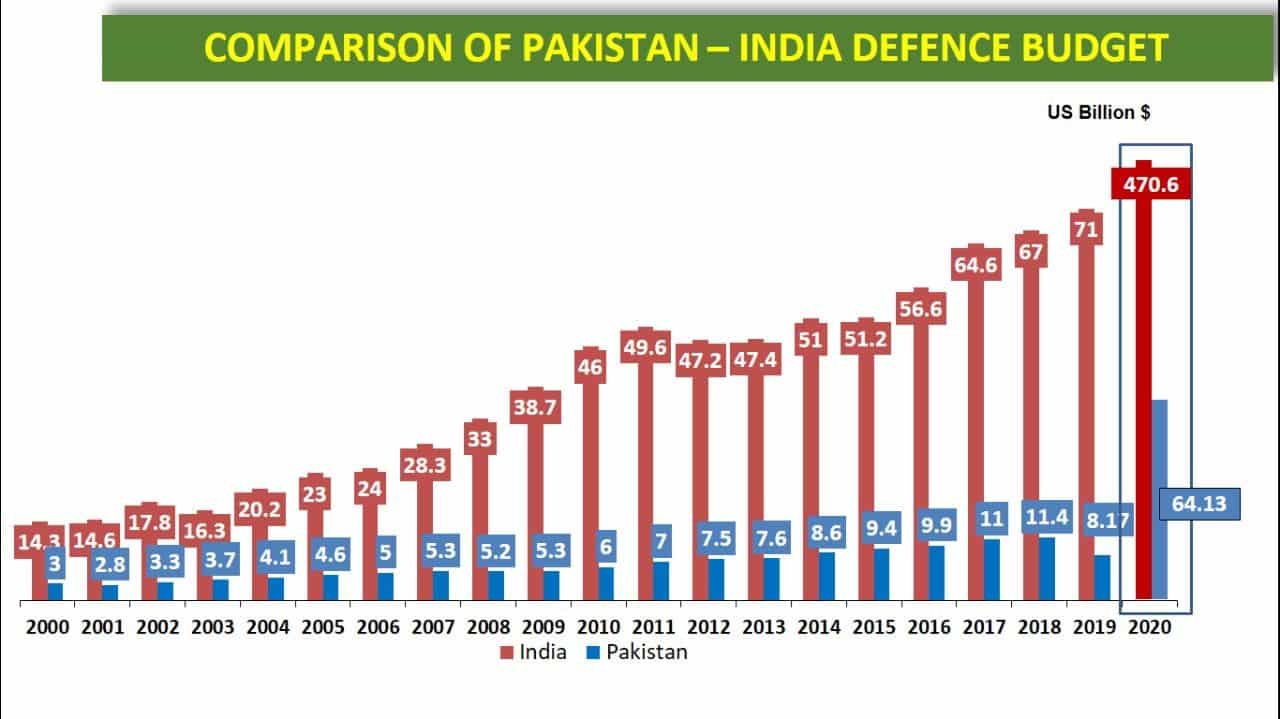
    The graph depicts how little Pakistan has spent on defence than India. Pakistan’s defence spending is not even close to India’s:

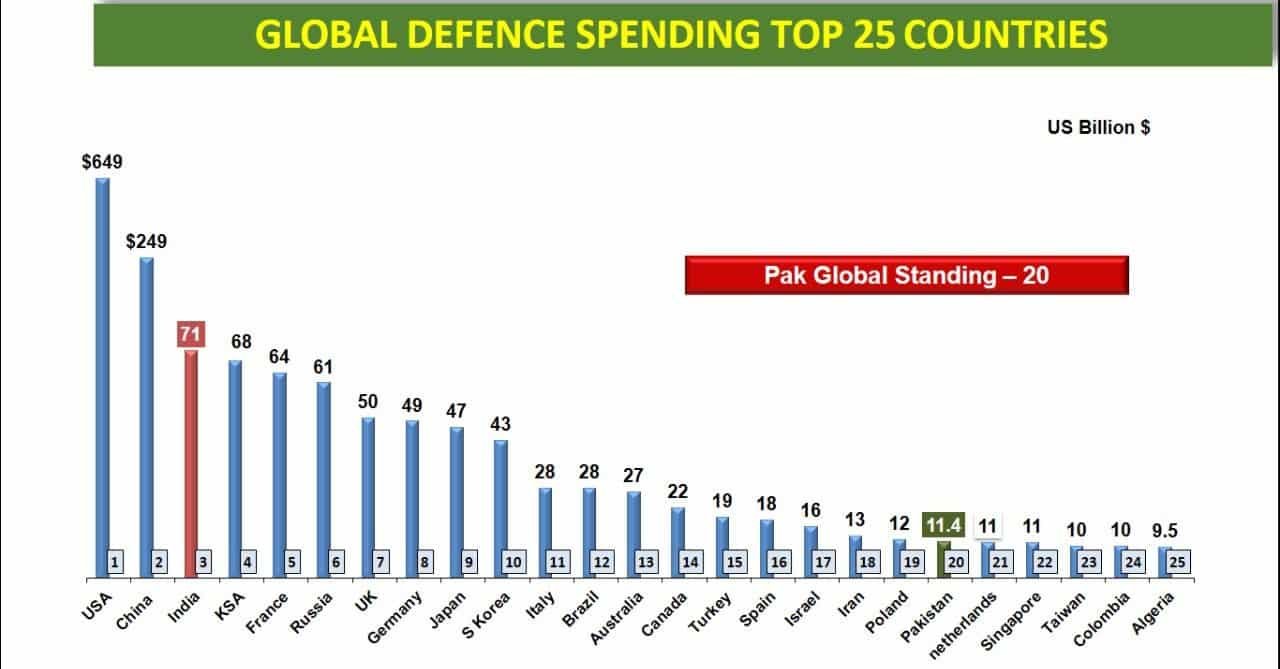
    As shown in the graph below, Pakistan is still among the countries that spend far less than others:

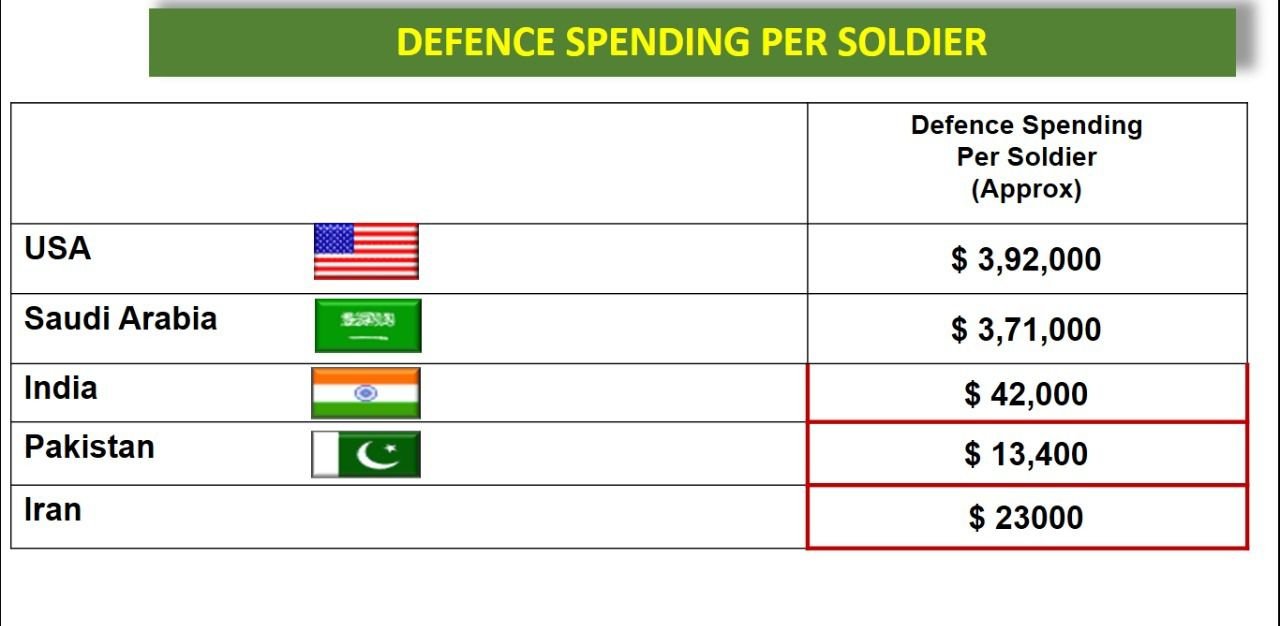
    The graph below demonstrates the average spending of the United States, Saudi Arabia, India, Iran, and Pakistan, which is significantly less than what Iran spends on each soldier:

  • Inflation: Armed forces demand 20 per cent increase in salaries

    Inflation: Armed forces demand 20 per cent increase in salaries

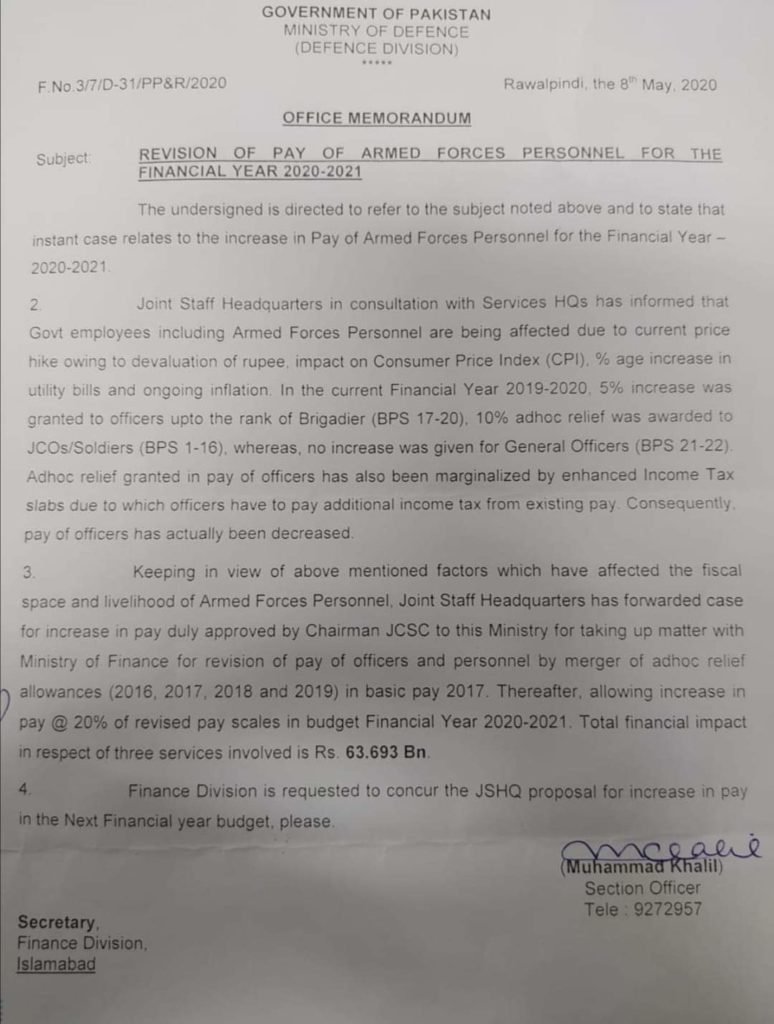
    The armed forces of the country have sought a 20 per cent increase in the salaries of their personnel for the financial year 2020-2021, which will cost an estimated Rs63.67 billion.

    According to a letter forwarded by the Defence Ministry to the Finance Division, a copy of which is available with The Current, the joint staff headquarters, in consultation with the services headquarters, has sought an increase in the salaries of armed forces personnel for being affected due to the current price hike owing to the impact of the devaluation of rupee on consumer price index (CPI), increase in utility bills and the persisting wave of inflation.

    In the current financial year 2019-2020, a five per cent increase was granted to the officers up to the rank of brigadier (BPS 17-20) and 10 per cent ad hoc relief was awarded to JCOs/soldiers (BPS 1-16), whereas no increase was given to general officers (BPS 21-22).

    Ad hoc relief granted in the pay of the officers has also been marginalised by enhanced income tax slabs due to which officers have to pay additional income tax from existing pay.

    Consequently, the pay of officers has actually decreased during the current financial year, the document maintained.

    Keeping in view the above mentioned factors, which have affected the fiscal space and livelihood of the armed forces personnel, joint staff headquarters have forwarded a case for the increase in pay duely approved by the chairman joint chief of staff committee to the Defence Ministry for taking up the matter with the Finance Ministry for the revision of pay of armed forces personnel.

    The Defence Ministry had also sought that the adhoc relief allowance for the year 2016, 2017, 2018 and 2019 be merged in the basic pay scale, and proposed a 20 per cent increase in the revised pay scale in the upcoming budget 2020-2021.

    Meanwhile, according to a Defence Ministry official, if the proposal of merging of four ad hoc allowances into revised pay scale is allowed along with a 20 per cent raise in salaries and pension of all employees, including civilians and armed forces, it will require Rs150 to Rs200 billion in the next budget.

  • From interior to info, health, telecom, power, civil aviation among others: Military men serving Pakistan

    From interior to info, health, telecom, power, civil aviation among others: Military men serving Pakistan

    With former military bigwig Lieutenant General (r) Asim Bajwa being appointed as the special assistant to the prime minister (SAPM) on information and broadcasting earlier this week, the list of military men discharging their duties in various sectors to serve Pakistan has been added to.

    The development falls in line with the beliefs of various members of the ruling Pakistan Tehreek-e-Insaf (PTI), including PM Imran Khan and his federal ministers such as Fawad Chaudhry, who have time and again praised the armed forces of the country for being the most powerful and well-organised national institutions.

    While some elements appear bothered by the increasing list of both former and serving military officials working with the government at a time when civil-military relations in the country “stand at their historic best”, here is what you should know about those working to revamp different sectors for the cause of ‘Naya Pakistan’.

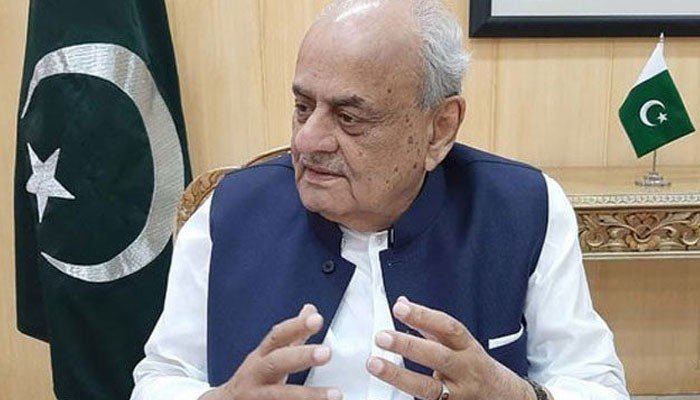
    Interior Minister Brigadier (r) Ijaz Shah:

    The Ministry of Interior, which is primarily responsible for implementing the internal policies, state security and administration of internal affairs involving the state, is being led by Brig (r) Ijaz Ahmed Shah. Prior to entering politics, Shah has served as a spy military officer of the Pakistan Army. He has also served as the minister for parliamentary affairs.

    SAPM on Information & Broadcasting Lt Gen (r) Asim Bajwa:

    Lt Gen (r) Bajwa, who replaced former information minister Dr Firdous Ashiq Awan as the premier’s media aide on Monday, is a retired three-star general. During his military career, he has served as the director general (DG) of the Inter-Services Public Relations (ISPR) as well as the commander of Pakistan Army’s Southern Command. He is also the chairman of the China-Pakistan Economic Corridor (CPEC) Authority.

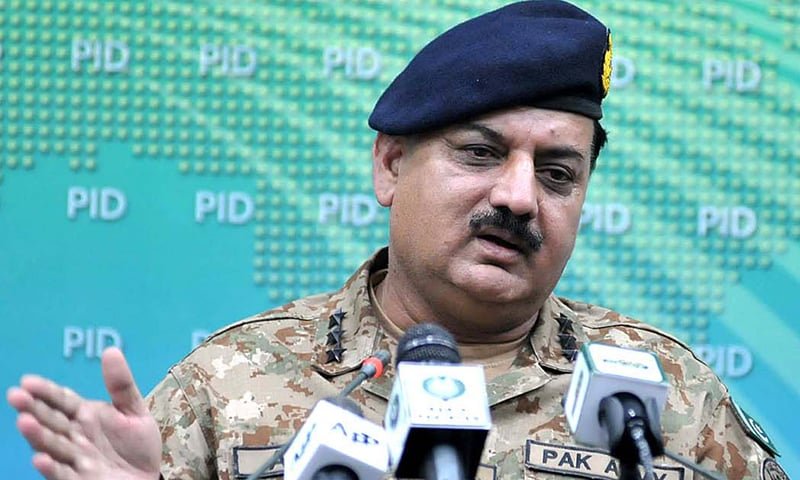
    NDMA Chairman Lt Gen Muhammad Afzal:

    Lt Gen Muhammad Afzal of the National Disaster Management Authority (NDMA) — a federal authority mandated to deal with disasters and their management in the country — has risen to the occasion over the past few weeks as the coronavirus situation in Pakistan started worsening. Other than his experience with the Frontier Works Organization (FWO), he is qualified in international law of conflict with a special focus on civilian casualties and displaced persons.

    FROM CIVIL AVIATION TO HEALTH AND BEYOND:

    Among other not so familiar names are Squadron Leader (r) Shahrukh Nusrat, who is serving as an executive at the Civil Aviation Authority (CAA) after he was reappointed as the authority’s DG last year; National Institute of Health (NIH) Executive Director Maj Gen Dr Aamer Ikram, Air Marshal Arshad Malik, who is serving as the chief executive officer (CEO) of the Pakistan International Airlines (PIA); Water & Power Development Authority (WAPDA) Chairperson Lt Gen (r) Muzammil Hussain and Pakistan Telecommunication Authority (PTA) chief Maj Gen (r) Amir Bajwa.

  • Pakistan beats Israel in global military strength rankings

    Pakistan has beaten Israel in the Global Firepower (GFP) Military Strength Index 2019, according to data released by the group on its official website.

    The list by GFP relies on more than 50 factors to assign the 137 countries included in the survey an individual Power Index (PI) score, based upon their conventional war-making capability across land, sea and air.

    According to the 2019 GFP Index, Pakistan’s armed forces have been ranked the 15th most powerful in the world, beating Israel and other countries, including oil-rich Saudi Arabia.

    The ranking also includes factors concerning the respective states’ economic muscle and geographical characteristics. The report details Pakistan’s present military strength at 654,000 army personnel, 786 jet aircraft and 2,200 operational tanks.

    In addition, Pakistan’s naval capacity stands at a total of 197 vessels.

    Israel’s armed forces, on the other hand, have been ranked 17th, with a total of 170,000 military personnel, 506 warplanes and 2,760 tanks. Its naval strength stands at 65 assets.

    The ranking comes amid a flare in tensions between Pakistan and Israel, owing to alleged Israeli involvement in the failed February 26 airstrikes by India in Balakot.