Tag: army chiefs

  • Gold price in Pakistan increases to Rs218,600 per tola

    Gold price in Pakistan increases to Rs218,600 per tola

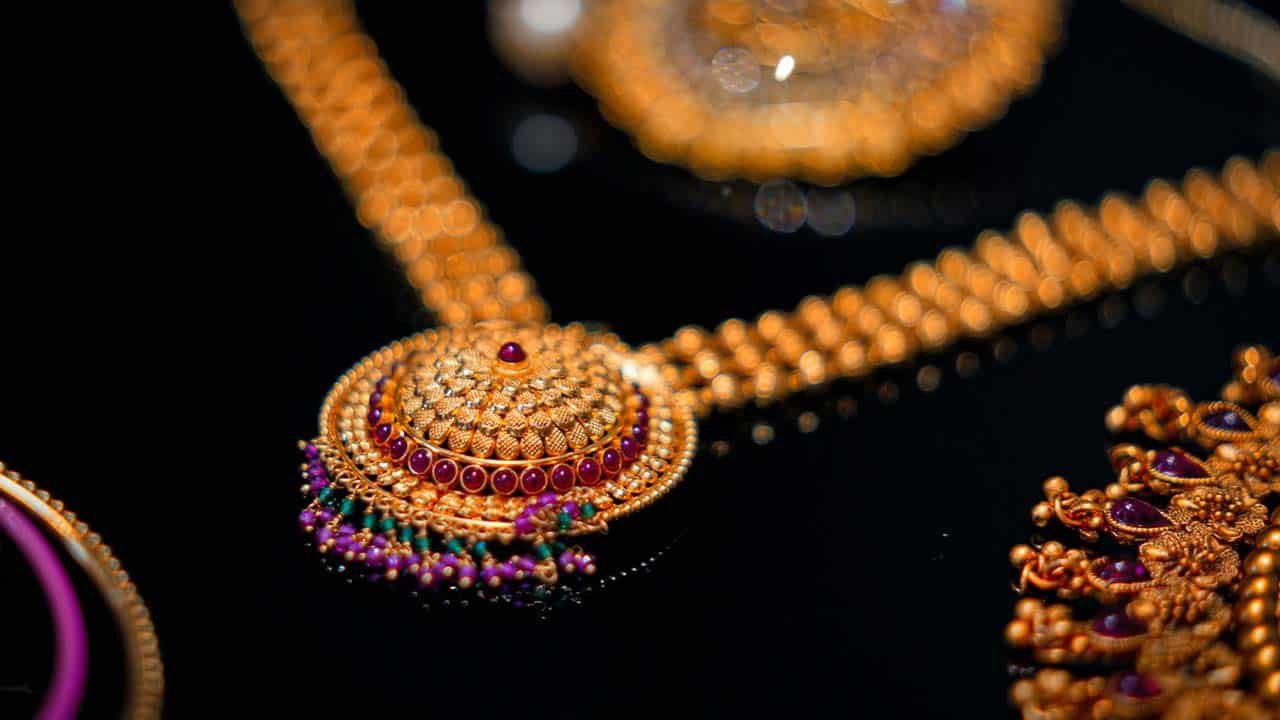
    Gold prices in Pakistan experienced a marginal uptick on Friday, with the value of 24-karat gold climbing by Rs300 per tola, concluding the session at Rs218,600.

    According to the Karachi Sarafa Association, the closing rate for 10-gramme 24-karat gold in today’s session reached Rs187,414, marking an increase of Rs257.

    Simultaneously, the price of 10-gramme 22-karat gold reached Rs171,796, reflecting a rise of Rs235.

    In the domestic market, silver prices also saw an upward trend, with 24-karat silver and 10-gramme 24-karat silver settling at Rs2,670 and Rs2,289.09, respectively.

    It is noteworthy that the domestic bullion market displayed a robust recovery in the previous session after enduring five consecutive losses, resulting in a cumulative loss of Rs6,300 for 24-karat gold.

    This surge was attributed to a rally in international markets, which persisted today, contributing to gains in the domestic market.

    As of the latest update, international spot gold is trading at $2,041.17, reflecting a 0.26 per cent increase for the day.

    The ongoing upward trajectory in international gold prices is influenced by the recent statement from the US Federal Reserve, which indicates a cumulative rate cut of 75 basis points in 2024.

  • Pakistani rupee predicted to decline to Rs350 against US dollar in 2024

    Pakistani rupee predicted to decline to Rs350 against US dollar in 2024

    According to BMI, a Fitch Solutions Company, the Pakistani rupee is expected to depreciate to as low as Rs350 against the US dollar by the end of 2024. Similarly, Topline Securities Ltd., a brokerage firm, predicts a fall to Rs324. 

    Despite government efforts to combat smuggling and speculation, the local currency has already experienced a 20 per cent devaluation against the dollar, with analysts predicting a continued decline, as reported by Bloomberg

    John Ashbourne, a global economist at BMI in London, remarked, “This appears to be a currency that is set to adjust downwards.” 

    “It will be very hard in the long term to convince people to use the official rate if parallel markets offer more value for a dollar,” added Ashbourne. 

    He further stated, “The authorities can push against the tide for a certain amount of time, but they are not able to do that sustainably.” 

    As of Tuesday, the local unit closed at Rs285.52 against the dollar in the interbank market. 

    According to experts, Pakistan’s currency is poised to conclude 2023 as Asia’s worst-performing country in terms of currency performance. 

    In a temporary recovery effort in September, when the rupee was at a record low of Rs300, the caretaker set-up initiated aggressive measures against the illegal purchase and sale of the greenback at a premium exchange rate. 

    However, experts caution that this recovery is expected to be short-lived. 

  • Saudi Arabia lifts age limit, restores pre-COVID Hajj quota for Pakistani pilgrims 

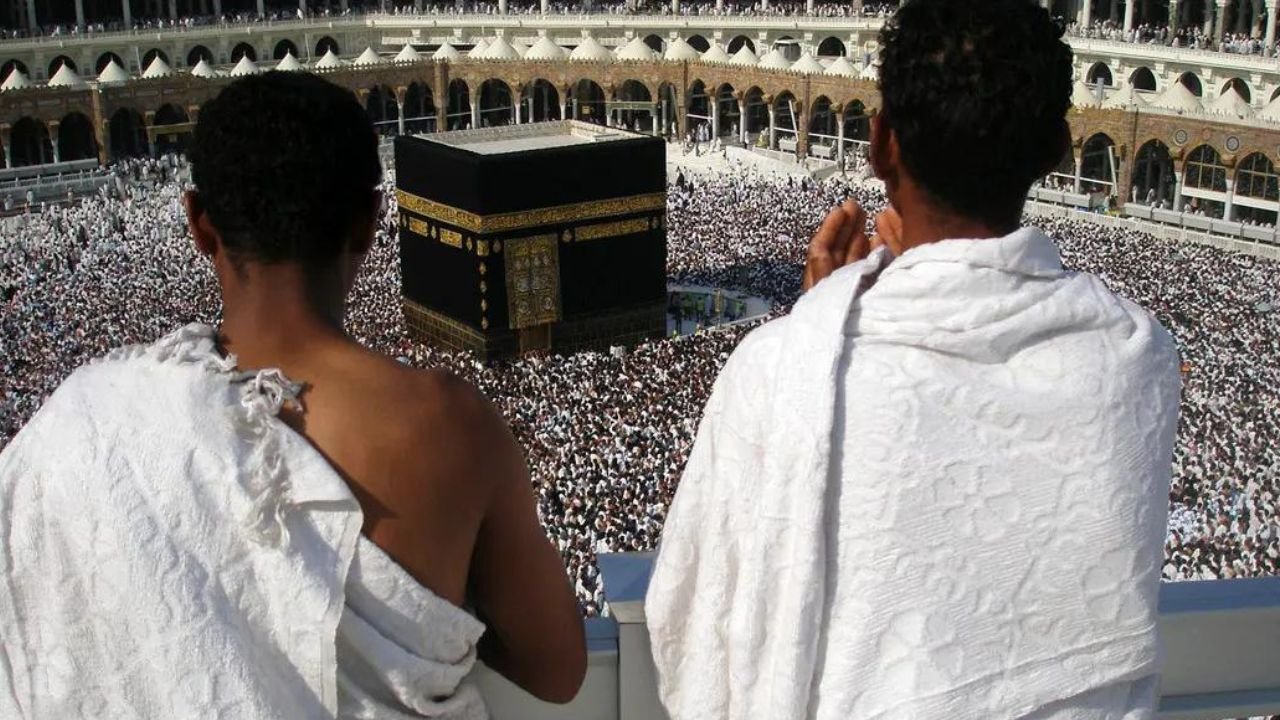
    Saudi Arabia has granted approval to Pakistan’s request, ensuring equal quotas for all private Hajj tour operators during the upcoming pilgrimage scheduled to take place between June 26 and July 1, 2024.

    Saudi Arabia has reinstated Pakistan’s pre-coronavirus Hajj quota, allowing 179,210 pilgrims, and has lifted the previous age limit of 65 years for pilgrimage.

    Anticipating the participation of approximately 90,000 Pakistani pilgrims under the government scheme, an equal number will opt for private tour operators to fulfil this religious obligation.

    The revised scheme for private Hajj operators entails the formation of 180 groups, each comprising 500 people.

    Each private Hajj operator is now permitted to facilitate 100 pilgrims, resulting in diverse groups of pilgrims utilising services from five different operators.

    In a separate announcement, applications for Hajj 2024 under the government scheme are open from November 27 to December 12, 2023. Notably, there are no age restrictions for Hujjaj (pilgrims), and all applicants must possess a valid CNIC and a Machine-Readable Passport valid until December 16, 2024. Additionally, possessing a mandatory bank account is a prerequisite for all applicants.

    Pakistan is currently in talks with airlines to lower airfares for Hajj flights. Simultaneously, negotiations are ongoing with a mobile company to digitize Hajj 2024 through a dedicated cellphone app, showcasing efforts to enhance accessibility and streamline the pilgrimage experience.

  • Hajjis to get mobile sims and free internet

    Hajjis to get mobile sims and free internet

    Caretaker Minister for Religious Affairs and Inter-faith Harmony Aneeq Ahmed has said that the government will provide free-of-cost mobile SIMs with roaming internet packages for pilgrims, on Tuesday.

    He further stated that female abayas having a Pakistani flag on the backside and 13 Kg suitcases will also be provided to pilgrims performing hajj this year.

    The minister said that it was a historic step that the caretaker government has declared a significant reduction of one lac in government Hajj expenses, adding that a further Rs50,000 will also be reduced in the coming few days after which Hajjaj will get back their money in their accounts.

    He further revealed that a new mobile application has been designed to assist pilgrims, which will provide navigation support and enable constant communication between pilgrims and relevant officials.

    Initially available in English and Urdu, the application will later incorporate various regional languages, he said, adding that, the app will also provide digital training programs to every pilgrim.

    The minister also disclosed a project that the Ministry of Hajj in collaboration with the Ministry of Education has planned to convert city mosques into schools to enroll out-of-school children where the Imam of mosques will play a leading role.

    Minister said that mosques will play their role as community centers in every city area, adding that imams will resolve community issues as well after offering prayers.

    He said that the Ministry of Hajj is taking all four provinces on board and enhancing the connectivity of mosques.

    While describing another project, minister for religious affairs said that his ministry with the collaboration of health ministry has another project in which medical clinics will also be part of mosques.

    Lady health workers and other essential staff of doctors will also be provided in all masajid where they will facilitate to citizens visiting inside the masque of areas, he added.

  • Pakistani Hajjis to get special perks to make pilgrimage easier

    The Ministry of Religious Affairs has unveiled its Hajj policy for 2024, designed to bring a revolutionary transformation to the pilgrimage journey for Pakistani pilgrims.

    Caretaker Religious Affairs Minister Aneeq Ahmed announced this game-changing policy, which will be presented to the cabinet for approval within the next 10 days.

    The most striking feature is the introduction of a short Hajj option, where pilgrims have the flexibility to go for Hajj from 18 to 30 days, which empowers pilgrims to customise their journey as per their preference.

    QR codes for suitcases

    The new policy also introduces technological advances in which each Hajj pilgrim will be provided with two specially designed suitcases adorned with QR codes. These QR codes will contain essential information such as the pilgrim’s name, passport number, residence, school number, and other pertinent details. This innovation aims to streamline logistics and enhance security during the pilgrimage.

    Special Mobile Package

    In a significant step towards connectivity, the ministry has secured an agreement with a Saudi Arabian mobile phone company to offer a special mobile package exclusively for Hajj pilgrims. Priced at Rs 4,000, it enables pilgrims to make audio and video calls, ensuring they can stay in touch with their families back in Pakistan throughout their Hajj journey.

    Minister Aneeq Ahmed expressed his optimism about these advancements, stating, “Now Pakistani pilgrims will not be lost in the crowd. These changes are designed to simplify the Hajj experience, enhance communication, and provide pilgrims with peace of mind.”

    Additionally, the Saudi government has offered official residences for Pakistani pilgrims, further easing their accommodations during their sacred journey.

  • Global tourism won’t return to pre-covid levels until 2024

    Global tourism won’t return to pre-covid levels until 2024

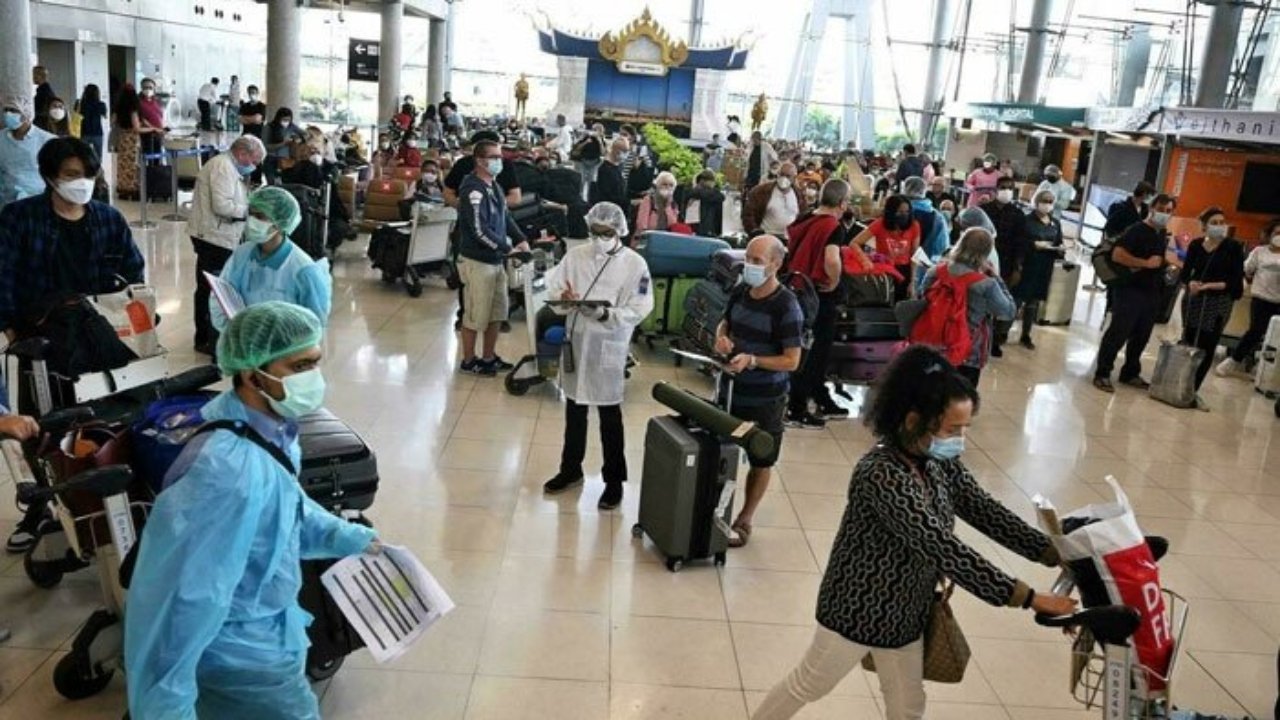
    With the highly contagious Omicron variant in the picture, global tourism arrivals have further been affected, and will not return to the pre-pandemic levels until 2024, the World Tourism Organization (WTO) said on Tuesday.

    The highly contagious Omicron variant, though mild, will “disrupt recovery” for 2022. Last year in 2021, tourism saw a four percent growth over 2020, according to the Madrid-based UN agency’s World Tourism Barometer.

    Meanwhile, tourism revenue in 2020 was 72 percent lower than that in 2019.

    “The pace of recovery remains slow and uneven across world regions due to varying degrees of mobility restrictions, vaccination rates and traveller confidence,” the UNWTO said in a press release.

    In Europe and the Americas, foreign visitor arrivals increased by 19 percent and 17 percent in 2021, respectively, when compared to 2020.

    In the Middle East, however, arrivals declined by 24 percent in 2021, while in the Asia-Pacific region, they were 65 percent below the 2020 levels, and 94 percent lower than pre-pandemic levels.

    The statement said tourism professionals “see better prospects” for this year after turbulence in the early months because of the Omicron wave.

    Many countries are highly dependent on tourism and are eagerly awaiting a return to normal.

    “The economic contribution of tourism in 2021 (measured in tourism direct gross domestic product) is estimated at $1.9 trillion (1.68 trillion euros), above the $1.6 trillion in 2020, but still well below the pre-pandemic value of $3.5 trillion,” the statement noted.

  • ‘Army chiefs should serve as president of Pakistan after retirement’

    ‘Army chiefs should serve as president of Pakistan after retirement’

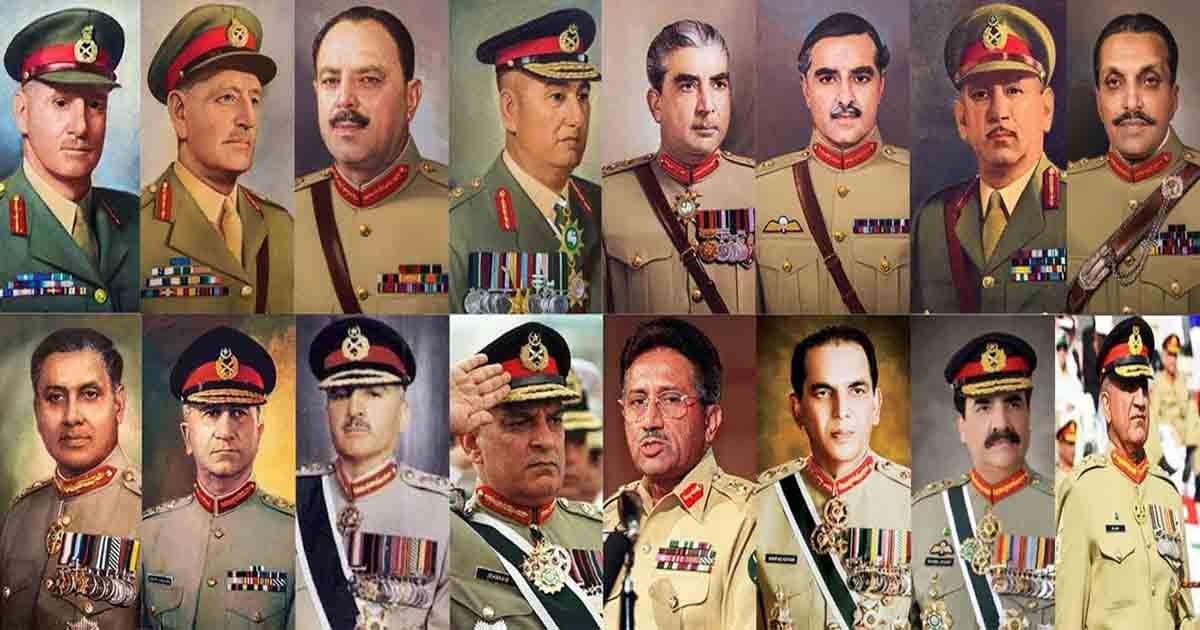
    Twice former prime minister (PM) of the Azad Jammu & Kashmir (AJK) region Sardar Attique Ahmed Khan has suggested that every chief of army staff (COAS) should be allowed to serve as the country’s president after retirement so as to enhance Pakistan’s foreign policy while keeping in view the defence and strategic significance of the country.

    “Pakistan has a lot of enemies and our politicians are unable to realise that the country’s defence is a lot more important than economy or democracy,” he said while speaking to a private media outlet.

    Ahmed said that the current parliamentary system had failed and it needed to be fixed while enhancing cooperation between different institutions. “Army’s help is sought every time the country faces any major challenge. The difference between help and interference must be made clear.”

    WATCH VIDEO:

    He maintained that the constitution should be amended so as to help the executive branch and accompany any elected PM with a president who is an ex-army chief.

    “I believe the chemistry between the serving and the now-president-for-four-years army chiefs would benefit Pakistan’s defence and foreign affairs,” Ahmed said and also cited the example of former United States’ (US) secretary of state Colin Luther Powell.

    An American politician, diplomat and retired four-star general, Powell served as the 65th US state secretary from 2001 to 2005.

    Ahmed also said such steps were needed to strengthen the constitution and not individuals.

    While many differ on the ex-AJK PM’s statement, it merits a mention that experts believe the military is already continuing to shape Pakistan’s security and foreign policies.

    According to a forecast report released by The Economist Intelligence Unit (EIU) and cited by Dawn in November last year, Pakistan Army was likely to continue shaping the country’s foreign and security policy while the government was expected to largely amenable to this arrangement.

    While the ruling Pakistan Tehreek-e-Insaf (PTI) boasts of civil-military relations in Pakistan being at their historic best — a claim verified by the military’s media wing as well — the report had also outlined Pakistan’s political and economic outlook for the period of 2020 to 2024 and forecast that the PTI would serve its full term while opposition parties would remain in a state of disarray owing to legal challenges facing their leaders.