Tag: Asia

  • ‘Fauji’; Indian movie starring Sajal Aly is not about the army

    ‘Fauji’; Indian movie starring Sajal Aly is not about the army

    Actress and model Sajal Aly is making a highly anticipated comeback in Bollywood after a seven-year gap. Her new film ‘Fauji,’ will be directed by the acclaimed Hanu Raghavapudi, known for his beautiful storytelling in films like ‘Sita Rama.’

    Sajal will star opposite South Indian superstar Prabhas. As per Filmfare, the shooting of the film is scheduled to start in Hyderabad on August 24.

    Raghavapudi has said ‘Fauji’ will be a historical action drama. The love story will be set during a war before India and Pakistan gained their independence. There are rumors that Prabhas might play a British soldier in the film. The team is thinking about casting an actress from Asia, and Sajal Aly is one of the names under consideration.

    Read this also: Sajal Aly to star opposite Prabhas in Bollywood?

    Sajal Aly started her Bollywood career with 2017’s ‘Mom,’ where she played Sridevi’s daughter. Prabhas is doing well with his latest movie, ‘Kalki 2898 AD,’ which is about a future world and inspired by Hindu stories.

    As reported by Pinkvilla, the action-packed drama will take place during the pre-independence era.

  • Kardashians in India for billionaire wedding gala

    Kardashians in India for billionaire wedding gala

    Socialite sisters Kim and Khloe Kardashian were among the global celebrities spotted in India on Friday to attend a lavish three-day wedding ceremony staged by Asia’s richest man Mukesh Ambani.

    Ambani’s youngest son Anant and fiancee Radhika Merchant, both 29, will tie the knot over the weekend in the financial capital Mumbai following months of pre-marriage parties that have set a new benchmark in matrimonial extravagance.

    Earlier celebrations included a European cruise for 1,200 guests, a purpose-built Hindu temple at the Ambani family’s ancestral home and private performances by R&B star Rihanna and Canada’s Justin Bieber.

    The Kardashians are the latest in a long line of famous foreign VIPs to make an appearance.

    Elder sister Kim shared an Instagram story showing her car mobbed by Indian photographers shortly after her arrival and both siblings receiving flower garlands from staff at their luxury hotel.

    Fellow celebrity guests including actor John Cena posed for cameras on the red carpet upon their arrival at the venue, a huge convention centre owned by the Ambani family’s conglomerate.

    Former British prime ministers Boris Johnson and Tony Blair were also spotted by reporters arriving at Mumbai airport ahead of the party beginning later on Friday.

    In June, the couple embarked on a four-day Mediterranean cruise, where singer Katy Perry performed at a masquerade ball at a French chateau in Cannes.

    The Backstreet Boys, US rapper Pitbull and Italian tenor Andrea Bocelli also provided entertainment.

    Guests at earlier galas have included Facebook founder Mark Zuckerberg and former US president Donald Trump’s daughter Ivanka, along with a who’s who of India’s sporting and entertainment worlds.

    This week’s opulent celebrations are set to raise the bar further, with even more celebrities, politicians and global business elites jetting into monsoon-hit Mumbai.

    Several major roads around the venue have been closed off to the public by authorities for most of the weekend.

    Friday will see the main formal ceremony at the 16,000-person capacity venue, with a separate “blessing ceremony” on Saturday and a grand reception on Sunday.

    – $123 billion fortune –

    Anant’s father Mukesh is chairman of Reliance Industries, a family-founded conglomerate that has grown into India’s biggest company by market cap.

    The patriarch is the world’s 11th richest person with a fortune of more than $123 billion, according to Forbes, and is no stranger to making a statement when it comes to family marriages.

    He held the most expensive wedding in India to date for his daughter in 2018, which reportedly cost $100 million and saw US singer Beyonce perform.

    Ambani is also a key ally of India’s right-wing Hindu nationalist leader, Prime Minister Narendra Modi.

    He inherited a thriving industrial enterprise spanning oil, gas and petrochemicals and grew it into a commercial behemoth.

    Its lucrative interests include retail partnerships with Armani and other luxury brands, more than 40 percent of India’s mobile phone market and an Indian Premier League cricket team.

    His 27-floor family home Antilia is one of Mumbai’s most prominent landmarks, reportedly costing more than $1 billion to build and with a permanent staff of 600 servants.

    Merchant is the daughter of well-known pharmaceutical moguls.

  • Heatwave swells Asia’s appetite for air-conditioning

    Heatwave swells Asia’s appetite for air-conditioning

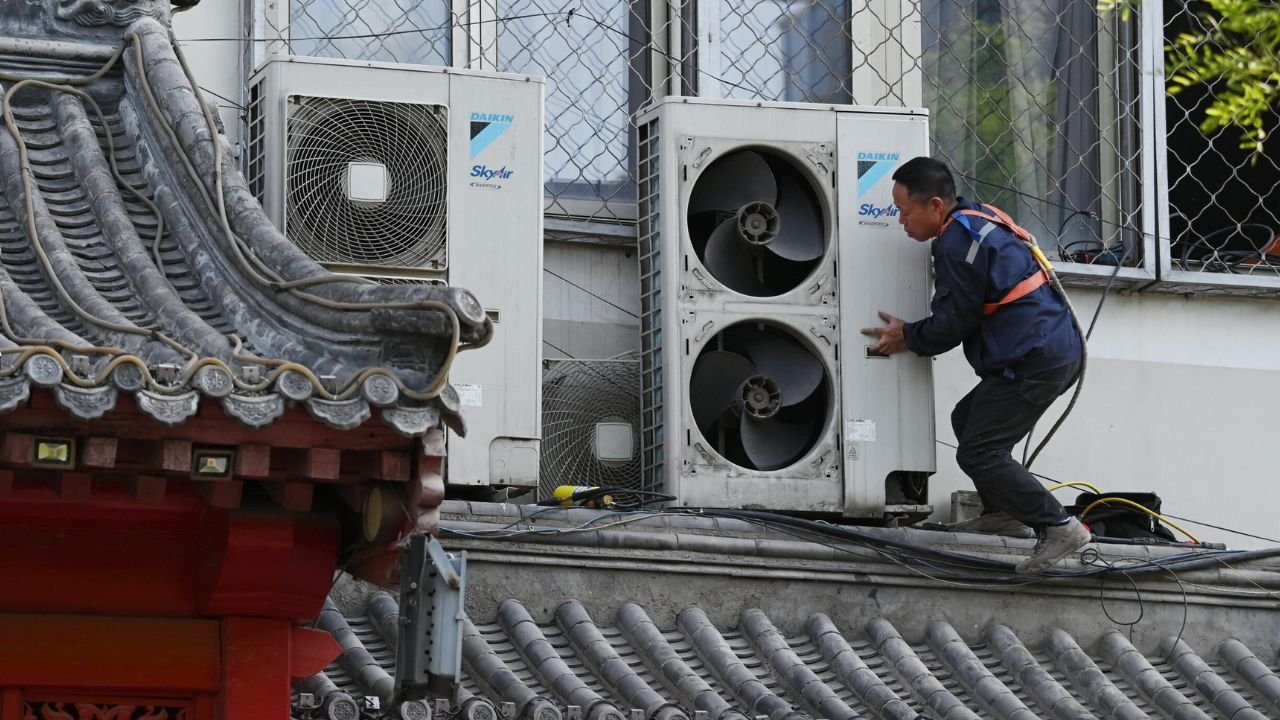
    Hong Kong (AFP) – A record-breaking heatwave is broiling parts of Asia, helping drive surging demand for cooling options, including air-conditioning.

    AC exhaust units are a common feature of urban landscapes in many parts of Asia, clinging like limpets to towering apartment blocks in Hong Kong or tucked in a cross formation between the windows of a building in Cambodia.

    They offer relief from temperatures that have toppled records in recent weeks, with many countries in the region hitting 40 degrees Celsius (104 Fahrenheit) or higher.

    Scientists have long warned that human-induced climate change will produce more frequent, longer and more intense heatwaves.

    Only 15 percent of homes in Southeast Asia have air-conditioning, according to a 2019 report by the International Energy Agency (IEA).

    But that figure obscures vast variations: ranging from around 80 percent installation in Singapore and Malaysia, to less than 10 percent in Indonesia and Vietnam, the IEA said.

    Forecasts suggest that higher temperatures and better wages could see the number of air-conditioning units in Southeast Asia jump from 40 million in 2017 to 300 million by 2040.

    That would stretch local electricity capacity, which is already struggling under current conditions.

    Myanmar is producing only about half the electricity it needs each day, with the junta blaming weak hydropower because of scant rains, low natural gas yields and attacks by its opponents on infrastructure.

    Thailand has seen record power demand in recent weeks, as people retreat indoors to cooled homes or businesses.

    Air-conditioning is already responsible for the emission of approximately one billion metric tons of carbon dioxide per year, according to the IEA, out of a total of 37 billion emitted worldwide.

    Still, cooling options like air-conditioning are a key way to protect human health, especially for those who are most vulnerable to the effects of extreme heat: children, the elderly and those with certain disabilities.

    With demand surging, dozens of countries last year signed up to the United Nations’ Global Cooling Pledge, a commitment to improve the efficiency of air conditioners and reduce emissions from all forms of cooling.

    Some countries have been trying to reduce the impact of cooling for years.

    Since 2005, Japan has encouraged office workers to ditch ties and jackets so air conditioners can be kept at 28 degrees Celsius.

    The annual “Cool Biz” programme took on new significance during power shortages in 2011 following the shutdown of nuclear plants after the Fukushima disaster.

  • Heatwaves put millions of children in Asia at risk: UN

    Heatwaves put millions of children in Asia at risk: UN

    Massive heatwaves across East Asia and the Pacific could place millions of children at risk, the UN warned Thursday, calling for action to protect vulnerable people from the soaring temperatures.

    Global monitors have warned that 2024 is shaping up to be the hottest year on record, marked by climate extremes and rising greenhouse gas emissions.

    The UNICEF data showed over 243 million children across the Pacific and East Asia were estimated to be affected by heatwaves, putting them at risk of heat-related illnesses and death.

    Several countries in the region are currently smouldering in the summer heat, with temperatures nearing record levels as they regularly hit over 40 degrees Celsius (104 degrees Fahrenheit).

    Local forecasters are predicting steeper rises in the coming weeks.

    Some Philippine schools suspended in-person classes in April, with the state weather forecaster saying temperatures could reach a “danger” level of 42 or 43 degrees Celsius in parts of the country.

    In Thailand, a temperature of 43.5 degrees Celsius was recorded in the northern province of Mae Hong Son earlier this week — just a few degrees shy of the record 44.6 degrees Celsius.

    Around 40 people die from heat-related illnesses annually, according to the Thai Ministry of Health.

    And in February, neighbouring Vietnam endured a monster heatwave in its southern “rice bowl” when temperatures reached up to 38 degrees Celsius — an “abnormal” high for the period.

    According to the UNICEF report, children are more at risk than adults as they are less able to regulate their body temperature.

    “Children are more vulnerable than adults to the effects of climate change, and excess heat is a potentially lethal threat to them,” said Debora Comini, Director of UNICEF Regional Office for East Asia and the Pacific.

    The report said heatwaves and high humidity levels — commonly experienced in the region — can have a deadly effect as the heat will “hinder the body’s natural cooling mechanisms.”

    “We must be on high alert this summer to protect children and vulnerable communities from worsening heatwaves and other climate shocks,” Comini said.

    The UN projected that over two billion children are expected to be exposed to heatwaves by 2050.

  • Do you know what were the top three most polluted countries in 2023?

    Do you know what were the top three most polluted countries in 2023?

    IQAir, a Swiss air monitoring organisation, published its World Air Quality Report on Tuesday revealing troubling details of the world’s most polluted countries, territories, and regions in 2023.

    “IQAir’s annual report illustrates the international nature and inequitable consequences of the enduring air pollution crisis. Local, national, and international effort is urgently needed to monitor air quality in under-resourced places, manage the causes of transboundary haze, and cut our reliance on combustion as an energy source,” states Aidan Farrow, Sr. Air Quality Scientist, Greenpeace International.

    “In 2023, air pollution remained a global health catastrophe. IQAir’s global data set provides an important reminder of the resulting injustices and the need to implement the many solutions that exist to this problem.”

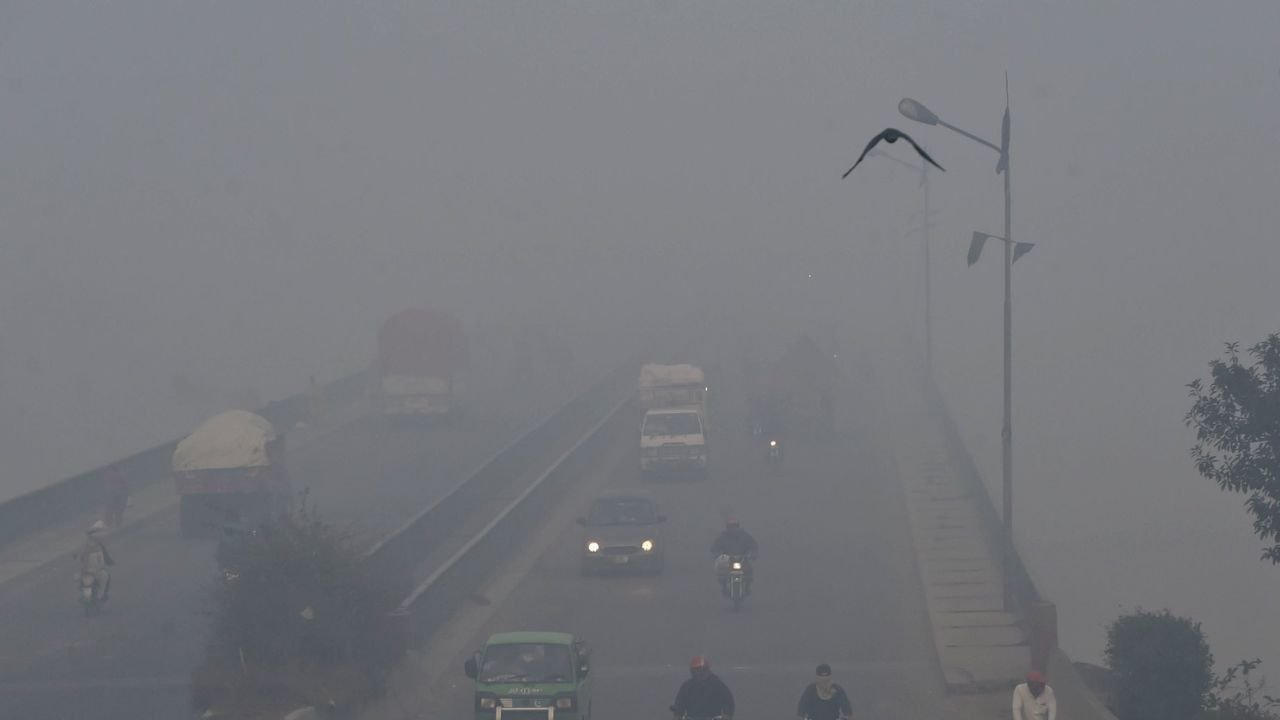
    The report revealed that Pakistan, alongside Bangladesh and India, remained among the top three countries with the highest levels of air pollution, particularly concerning particulate matter, in 2023.

    The concentrations of PM2.5, harmful airborne particles detrimental to respiratory health, surpassed recommended levels by a staggering margin, as indicated by the World Health Organization (WHO).

    In Bangladesh, the average concentration of PM2.5 reached 79.9 micrograms per cubic meter, while in Pakistan, it stood at 73.7 micrograms per cubic meter. These figures starkly contrast with the WHO’s guideline of no more than 5 micrograms per cubic meter.

    “Because of the climate conditions and the geography (in South Asia), you get this streak of PM2.5 concentrations that just skyrocket because the pollution has nowhere to go,” said Christi Chester Schroeder, air quality science manager at IQAir.

    “On top of that are factors such as agricultural practices, industry and population density,” she added. “Unfortunately, it really does look like it will get worse before it gets better.”

    In 2022, Bangladesh was ranked fifth for its air quality, with India in the eighth position. Approximately 20% of premature deaths in Bangladesh are attributed to air pollution, with related healthcare costs accounting for a substantial portion of the country’s GDP, according to Md Firoz Khan, an air pollution expert at Dhaka’s North South University.

    India also witnessed an escalation in pollution levels in 2023, with PM2.5 levels exceeding the WHO standard by about 11 times. Notably, New Delhi emerged as the worst-performing capital city, recording a PM2.5 level of 92.7 micrograms.

    China experienced a 6.3% increase in PM2.5 levels in 2023, marking a departure from five consecutive years of decline. Conversely, only a handful of countries, including Australia, Estonia, Finland, Grenada, Iceland, Mauritius, and New Zealand, met the WHO standards for air quality.

    The IQAir report, based on data from over 30,000 monitoring stations across 134 countries and regions, highlighted significant gaps in air quality monitoring, particularly in countries where the health impacts of pollution are most severe.

    Christa Hasenkopf, director of the Air Quality Life Index at the University of Chicago’s Energy Policy Institute, said 39pc of countries have no public air quality monitoring.

    “Considering the large potential benefits and relatively low cost, it’s stunning that we don’t have an organised global effort to deploy resources to close these data gaps, especially in places where the health burden of air pollution has been largest,” she said.


  • Air pollution in South Asia can cut life expectancy by more than five years per person

    Air pollution in South Asia can cut life expectancy by more than five years per person

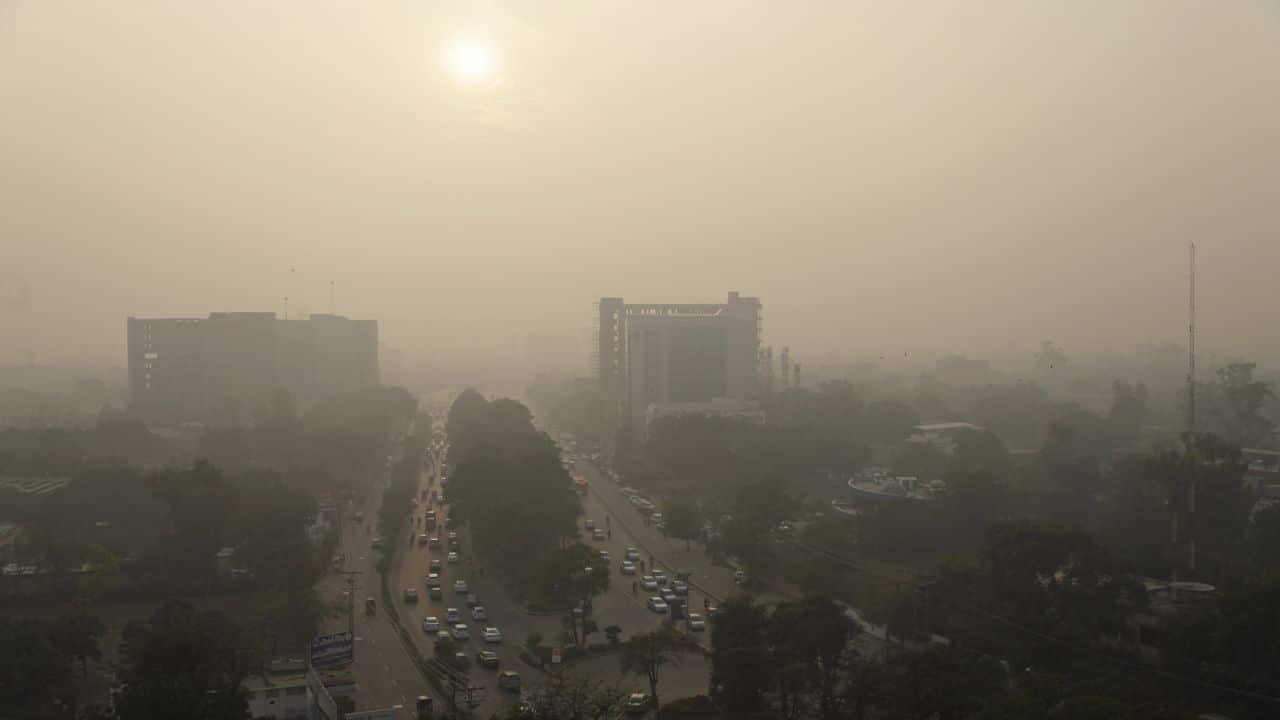
    University of Chicago’s Energy Policy Institute (EPIC) has published its latest report about Air Quality Life Index on Tuesday. The report deduced that rising air pollution can cut life expectancy by more than five years per person in South Asia which is currently one of the most polluted places in the world.

    Primary contributors in the region’s declining air quality are increasing industrialisation and population growth. The particulate pollution levels are resultantly more than 50 percent higher in comparison to the century’s start, posing a much greater health threat.

    What does the report say about Pakistan?
    According to the report, 98.3% of Pakistan’s population lives in areas exceeding the national air quality standard of 15 micrograms per cubic meter.

    From 1998 to 2021, average annual particulate pollution increased by 49.9% in Pakistan and reduced life expectancy by 1.5 years.

    In Punjab, Islamabad, and Khyber Pakhtunkhwa 65.5 million citizens reside (69.5% of Pakistan’s population), with the country’s people potent set to lose between 3.7 to 4.6 years of life expectancy on average relative to the World Health Organization (WHO) guideline and between 2.7 to 3.6 years relative to the national standard if the current pollution levels persist.

    Moreover, if Pakistan is able to meet WHO’s guideline, Karachi residents would gain 2.7 years of life expectancy whereas residents of Lahore would gain 7.5 years and people in Islamabad would gain about 4.5 years of life expectancy.
    Pakistanis would gain 3.9 years by meeting the WHO guidelines of limiting average annual PM 2.5 concentration to 5 micrograms per cubic meter.

    Others in South Asia

    The study further expounds upon other countries in the region.

    In light of the current pollution levels, Bangladeshis can lose 6.8 years of life on average per person compared to 3.6 months in the United States.

    A Nepali would live 4.6 years longer by meeting the WHO guidelines of limiting average annual PM 2.5 concentration to 5 micrograms per cubic meter.

    It is also highlighted that India is responsible for about 59 percent of the world’s increase in pollution since 2013, threatening to reduce lifespan in some of the country’s polluted regions.

    The average lifespan in New Delhi, a heavily populated and the world’s most polluted megacity, is down by more than 10 years.

    The report added that by reducing global levels of lung-damaging airborne particles, known as PM 2.5, to levels recommended by WHO could raise average life expectancy by 2.3 years.

    China has put in work to reduce pollution by 42.3 percent between 2013 and 2021. The report suggested the governments generate accessible air quality data in order to help bridge global inequalities in accessing tools to combat pollution.

  • Video: Racist Italian students mock Asian family and Pakistani girl

    A TikTok video showing three Italian girls mocking and laughing at an Asian American family including a Pakistani girl, on a train ride from Lake Como to Milan, has gone viral on TikTok.

    The incident was captured by Mahnoor Euceph, a Pakistani film director, who was traveling with her half-Chinese boyfriend and his Chinese mother and white father.

    The video has been viewed over 17.4 million times. In the footage, the three Italian women can be seen repeatedly laughing and attempting to imitate the Chinese language while looking at Euceph and her companions.

    “They were the most calm during the video but you can still hear them saying ni hao and get a vibe of their general attitude,” read the caption of the video . “Never in my life have I experienced such blatant racism.”

    Mehreen wrote that many of her Asian friends had shared their stories of experiencing racism in Italy and Europe with her.
    Social media users identified the three students and the universities they study at. Two of those universities are carrying out an investigation.

  • PM Shehbaz arrives in Kazakhstan to attend CICA summit

    PM Shehbaz arrives in Kazakhstan to attend CICA summit

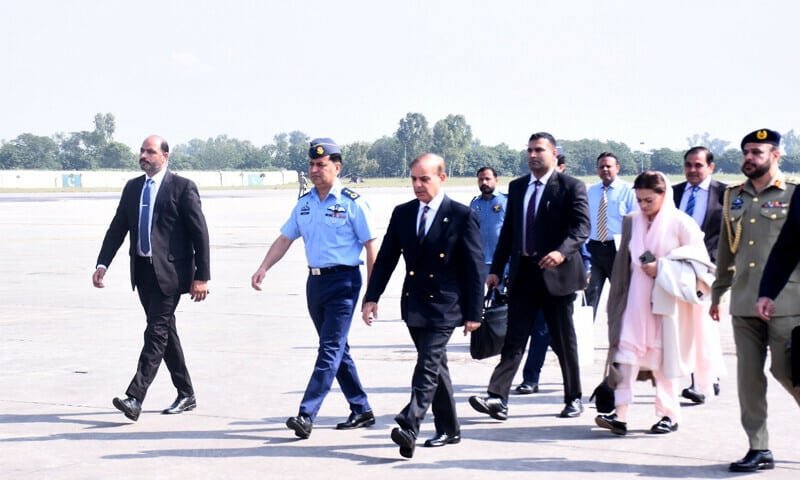
    Prime Minister (PM) Shehbaz Sharif arrived in Kazakhstan on Wednesday to attend the two-day 6th Summit of the Conference on Interaction and Confidence Building Measures in Asia (CICA).

    Before leaving, Shehbaz Sharif tweeted, “I believe CICA is capable of shaping a new configuration of economic cooperation & security in Asia through greater connectivity.”

    “As the world faces the prospect of a recession fuelled by increase in the energy & food prices, there is a greater need to promote engagement & understanding to form win-win partnerships. Climate induced disasters call for synergized efforts for mutually beneficial outcomes,” he added.

    PM Shehbaz would address the plenary meeting of the forum on Thursday (tomorrow) during the two-day summit starting today, a statement issued by the Foreign Office said on Tuesday.

    In his speech, the premier will elaborate upon the significance of CICA as a unique forum for promoting interaction, understanding and collaboration amongst countries across Asia to address common challenges, the statement said.

    It added that PM Shehbaz would also highlight Pakistan’s perspective on regional and global issues.

    “On the sidelines of the summit, the prime minister will hold bilateral meetings with leaders of various CICA member states aimed at fostering greater cooperation, particularly in the fields of trade, investment and energy,” the statement read.

  • Asia’s first monkeypox death reported in India

    Asia’s first monkeypox death reported in India

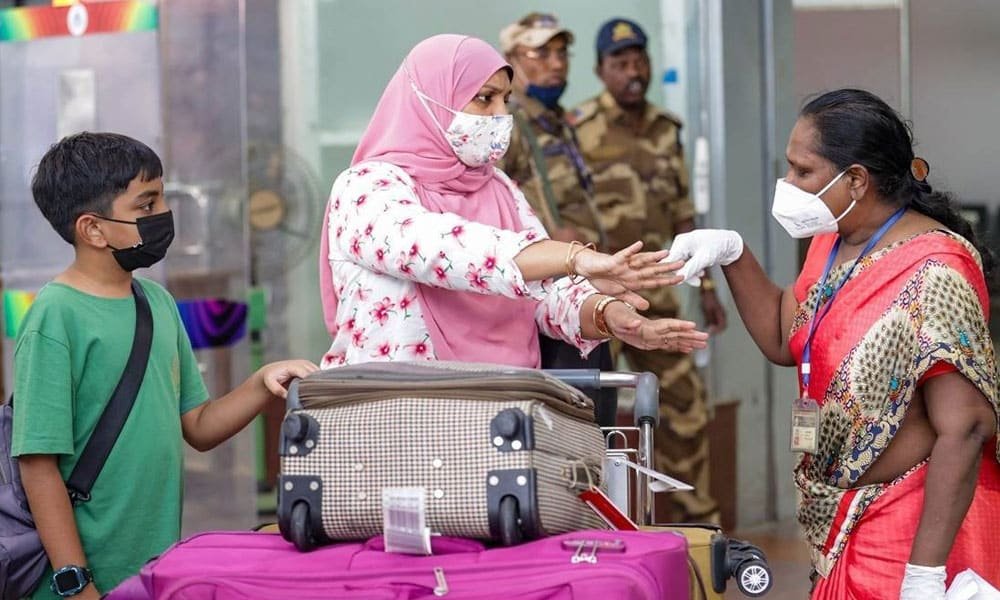
    India confirmed the death of a 22-year-old man from monkeypox in the southern state of Kerala. The death is India’s as well as Asia’s first death from the disease, reports Reuters. This is the world’s fourth known fatality from the disease.

    Kerala’s revenue minister K Rajan said that the government isolated 21 people who had come in contact with the young man. He further said that the deceased displayed fatigue and fever.

    According to the state’s Health Minister Veena George, the man’s family told the authorities that he had tested positive for monkeypox in the United Arab Emirates (UAE) before returning to India.

    The Indian federal health ministry stated that they had formed a task force to monitor monkeypox cases across the country.

    Last month, the World Health Organisation (WHO) declared the outbreak of monkeypox a global health emergency. No case of monkeypox has been reported in Pakistan. However, 78 countries had reported more than 18,000 cases of monkeypox.