Tag: Asian Development Bank

  • World Bank, Asian Development Bank approve millions of dollar loans for Pakistan

    World Bank, Asian Development Bank approve millions of dollar loans for Pakistan

    The World Bank and Asian Development Bank (ADB) have approved big loans for Pakistan.

    Asian Development Bank

    Pakistan and the Asian Development Bank signed a $250 million policy-based loan agreement to promote sustainable infrastructure and services through Public-Private Partnerships (PPPs).

    The agreement also aims to develop post-flood infrastructure, emphasizing climate resilience and gender considerations in project planning.

    A technical assistance grant of $700,000 was allocated for program implementation, with an additional $950,000 approved for PPP pipeline development and capacity building.


    World Bank

    The World Bank has approved loans of $535 million for Pakistan, focused on two key areas: the Crisis Resilient Social Protection (CRISP) Programme and the Sindh Livestock and Aquaculture Sectors Transformation Project.

    The CRISP Programme includes a $400 million loan to improve security schemes, particularly through the Benazir Income Support Programme (BISP), to build resilience among vulnerable households against economic and climate shocks.

    The World Bank defends criticism against BISP by stressing the need to strengthen social protection despite increasing poverty rates exacerbated by recent economic challenges and climate shocks.

    Additionally, the World Bank approved $135 million for the Sindh Livestock and Aquaculture Sectors Transformation Project, which targets climate-smart practices and enhances competitiveness among small and medium producers in Sindh. This initiative aims to benefit over 940,000 farm families, strongly emphasising gender inclusivity and provincial capacity building.

  • Pakistan plans to secure $4.5 billion from diverse sources in current fiscal year

    Pakistan plans to secure $4.5 billion from diverse sources in current fiscal year

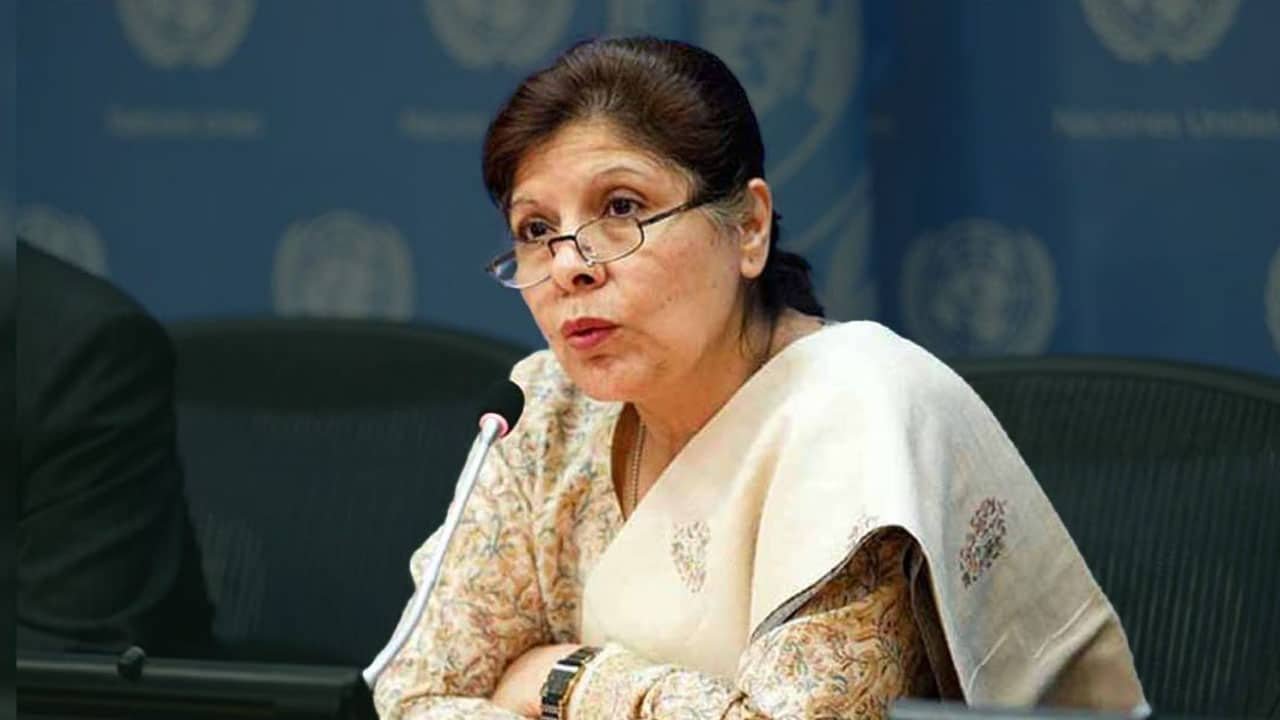
    Caretaker Minister for Finance, Dr Shamshad Akhtar, has outlined Pakistan’s financial projections for the current fiscal year (2023–24), highlighting an anticipated mobilisation of approximately $4.5 billion from both multilateral and bilateral sources, excluding the International Monetary Fund (IMF).

    Minister Akhtar disclosed that the government foresees receiving over $1.6 billion in the second quarter (Q2) from sources such as the Asian Development Bank (ADB), the World Bank, and the Asian Infrastructure Investment Bank (AIIB).

    She clarified that these inflows encompass funds allocated to both project-based and programme-based initiatives.

    Highlighting progress in negotiations, the minister revealed the completion of discussions for certain programme loans, with impending disbursements expected.

    She reassured that Pakistan remains committed to meeting its debt obligations promptly, both currently and in the future.

    Regarding the International Monetary Fund (IMF) programme, Minister Akhtar reported the successful conclusion of the first review of the Standby Agreement, resulting in the attainment of a Staff Level Agreement (SLA).

    Pending approval by the IMF’s Executive Board, this agreement will grant Pakistan access to $700 million.

    Commenting on the prevailing economic situation, Minister Akhtar acknowledged the challenges faced domestically and globally during FY2023.

    Despite these hurdles, she asserted that fiscal and external sector stability have been achieved through the implementation of various stabilisation measures and structural reforms.

  • ADB approves $250 million loan to upgrade Pakistan’s power transmission system 

    ADB approves $250 million loan to upgrade Pakistan’s power transmission system 

    The Asian Development Bank (ADB) has granted a $250 million loan to Pakistan to enhance the country’s power transmission system, addressing persistent electricity shortages. 

    The approved aid aims to ensure a reliable electricity supply by expanding and enhancing the power transmission network in Punjab and Khyber Pakhtunkhwa provinces, as outlined in an official ADB statement. 

    The initiative, known as the Power Transmission Strengthening Project, focuses on fortifying the national grid’s stability by increasing transmission capacity. 

    The project includes the expansion of high-voltage transmission networks, specifically 500 kilovolt (kV) and 220 kV transmission line loops, with the goal of reducing transmission losses in Lahore, Punjab, through the replacement of outdated transmission lines. 

    ADB Director General for Central and West Asia, Yevgeniy Zhukov, emphasised the significance of a reliable power supply for inclusive and sustainable economic growth. 

    He expressed satisfaction in continuing ADB’s support for Pakistan’s pursuit of energy security and improved energy efficiency. 

    In addition to reinforcing power transmission, the project aims to complement ADB’s existing assistance to the National Transmission & Despatch Company Limited (NTDC). 

    This support targets energy security, climate resilience, and increased transmission capacity for the deployment of sufficient, reliable, clean, and cost-effective energy. 

    The project’s key objectives extend to enhancing the management of the national transmission system. 

    Beyond strengthening power transmission, ADB’s initiative will improve the project and financial management of NTDC, incorporating climate resilience in planning and operations. 

    To promote gender equality and women’s involvement in the energy sector, ADB plans to develop mentorship guidelines, conduct awareness campaigns, establish childcare centres, and provide technical training for female staff within NTDC. 

    The project also includes livelihood skills development for women in the designated areas, aiming to enhance their economic opportunities. 

    Additionally, local communities will receive training to enable them to respond effectively to climate-induced natural hazards. 

  • Govt plans to increase gas and electricity prices in January

    Govt plans to increase gas and electricity prices in January

    The interim Finance Minister, Dr Shamshad Akhtar, announced during a press conference that the caretaker government is planning to increase electricity and gas tariffs in January to address the circular debt issue, in line with the International Monetary Fund’s (IMF) Stand-By Arrangement (SBA). 

    The circular debt in the power and gas sectors, currently exceeding 4 per cent of the Gross Domestic Product, requires urgent action for reduction. 

    Dr Akhtar also discussed tariff revisions with the IMF and the potential imposition of additional taxes on sectors like real estate and retail, emphasizing that final decisions are pending. 

    She highlighted the necessity for a new short-term IMF program and anticipated a medium-term program under the Extended Fund Facility (EFF) after the SBA concludes. 

    Regarding the external financing gap, Finance Secretary Imdad Bosal expressed optimism that a successful IMF review would unlock programme and project loans from multilateral lenders. 

    He anticipated approvals in December for loans from the World Bank, Asian Development Bank, Asian Infrastructure Investment Bank, and Islamic Development Bank. 

    Bosal assured that there is no external financing gap, and the improved ratings post-review would attract foreign loans. 

    Dr Akhtar stated that the World Bank is expected to disburse $2 billion during the current fiscal year, contributing to foreign exchange reserves along with the $700 million tranche approval from the IMF, bringing the total disbursement under the SBA to $1.9 billion out of $3 billion. 

    The approval for the second tranche from the IMF’s Executive Board is anticipated within a month.

  • Pakistan ‘least prepared country’ for digital education

    Pakistan ‘least prepared country’ for digital education

    Among the developing member countries of the Asian Development Bank (ADB), Pakistan ranks as the least prepared nation for digital education, according to the ADB’s report titled “Towards Mature Digital Education Ecosystems, the Digital Education Readiness Framework.” 

    The report underscores several areas where Pakistan needs improvement, including low internet connectivity (only 34.1 per cent of households are connected), slow fixed broadband speeds, high fixed line broadband costs, and limited rural electricity access.

    In contrast, Uzbekistan stands out as the most prepared country for digital education, closely followed by Indonesia. On the flip side, Pakistan is the least ready, with Fiji following suit. 

    Across all five evaluation pillars, the “Providers” category shows the lowest performance, with six out of the ten DMCs categorised as “initial” in readiness, including Cambodia, Bangladesh, the Kyrgyz Republic, Mongolia, Pakistan, and Fiji (in descending order of scores). The remaining four countries are classified as “emerging” in readiness, comprising Indonesia, the Philippines, Viet Nam, and Uzbekistan.

    The gap between the model country’s normalised score and the highest-scoring country is a significant 45 points. While the 10 DMCs manage to keep mobile broadband costs relatively low as a per centage of GNI per capita, there is considerable variation in fixed broadband costs. 

    Cambodia, Indonesia, and Pakistan emerge as the least affordable in this aspect, while Bangladesh, Mongolia, and Uzbekistan offer more cost-effective solutions.

    In terms of urban electricity access, most countries excel, with nearly 100 per cent of urban households having access to electricity. Rural electricity access in the 10 DMCs ranges from 90 per cent to 100 per cent, with Pakistan lagging behind at just 41.3 per cent of rural households lacking access to electricity.

    Households with TV coverage are relatively high across the board, averaging 81.7 per cent. Cable TV subscriptions per 1,000 individuals vary from low to moderate among the countries studied, with Pakistan having the highest subscription rate.

    Pakistan’s National Education Policy for 2017–2025 focuses on enhancing ICT access in schools, using ICT to improve teaching quality and student learning, and developing complementary ICT approaches. However, it lacks clarity on access to devices.

    Teacher training in ICT skills, particularly for online education delivery, is lacking. Although teachers do create their own educational content, it tends to be basic, such as documents and presentations. Internet quality varies, with schools having some limitations in handling heavier content, while higher education and TVET teachers enjoy better quality.

    Institutional support for teachers in delivering online education requires improvement, particularly in schools, where paper-dependent systems are prevalent. Students in Pakistan exhibit reasonable proficiency in digital skills, but access to devices at home is limited, with smartphone access being the primary means.

    The utilisation of private EdTech platforms for conducting classes or interacting with students is quite low among teachers. Pakistan also has a relatively small share of ICT graduates among tertiary education graduates.

    Pakistan, as a partner state of the Global Partnership for Education (GPE), has utilised GPE grants for tech tools to deploy teachers where needed and introduced apps for teacher attendance in certain regions. These initiatives aim to support distance learning across the country.
  • IMF spokesperson urges fair taxation and protection for vulnerable in Pakistan

    IMF spokesperson urges fair taxation and protection for vulnerable in Pakistan

    The International Monetary Fund (IMF) has emphasised that its $3 billion Standby Arrangement (SBA) programme with Pakistan serves as a critical policy framework. This framework addresses both domestic and international economic imbalances while also facilitating financial support from various donors, including the refinancing of outstanding debts.

    According to Geo, during a recent press conference held at the IMF headquarters in Washington, DC, Julie Kozack, the spokesperson for the global lender, fielded questions regarding the IMF’s engagement with Pakistan. These inquiries encompassed Pakistan’s request for relief and permissions within the existing agreement, specifically in relation to rising energy costs, notably electricity bills.

    In response to concerns about potential human rights implications, particularly for minority populations and the vast number of people living below the poverty line (an estimated 92 to 95 million), the IMF spokesperson emphasised that the programme received approval on July 12. It is a nine-month standby arrangement amounting to $3 billion, designed to support the economic stabilisation programme of the Pakistani government.

    The core objectives of this programme revolve around providing a policy framework to address both domestic and external economic imbalances, along with establishing a structure to secure financial support from various donors, both multilateral and bilateral. This includes securing fresh financing and addressing upcoming debt obligations.

    The IMF outlined that policy efforts are focused on implementing the fiscal year 2024 budget, formulating appropriate monetary policies to combat inflation, and continuing reforms to enhance the sustainability of the energy sector.

    These reforms are ultimately geared towards fostering higher, more inclusive, and more resilient economic growth. They also aim to bolster social development and climate resilience by strengthening public financial management, improving tax administration, and enhancing the prioritisation of public investments.

    Furthermore, these efforts are conducted in collaboration with partner institutions, not only the IMF but also the World Bank and the Asian Development Bank, underscoring a collective commitment to Pakistan’s economic stability and development.

    Kozack also highlighted IMF Managing Director Kristalina Georgieva’s strong stance on poverty and inequality. She emphasised the importance of wealthier segments of society bearing a fair tax burden, particularly in a context where Pakistan’s tax-to-GDP ratio is notably low.

    The IMF’s commitment extends to safeguarding the interests of the poor and vulnerable members of society within the programme’s framework, aligning with the goal of achieving a more equitable and inclusive society.

  • Slow economic growth and inflation challenges persist in Pakistan: ADB Outlook Report

    Slow economic growth and inflation challenges persist in Pakistan: ADB Outlook Report

    During the last fiscal year, Pakistan faced the twin challenges of low economic growth and high inflation, in contrast to other South Asian countries.

    According to the Asian Development Bank (ADB), to foster economic improvement, Pakistan must continue implementing reforms under the new IMF programme.

    However, the ADB’s Outlook Report predicts that the economic growth rate in the upcoming financial year is expected to remain sluggish, similar to the performance observed in the previous fiscal period.

    The primary reasons for the slow economic growth were last year’s floods and the implementation of strict monetary and fiscal policies.

    The ADB’s report also highlights that inflation in Pakistan exceeded expectations during the past year. This inflationary pressure was further exacerbated by increased demand for commodities.

    In comparison, India is projected to experience a growth rate of 6.7 per cent, Sri Lanka 1.3 per cent, and Bangladesh at a rate of 6.5 per cent.

  • APCC likely to propose Rs900-1,000 billion macroeconomic framework for budget 2023-24

    APCC likely to propose Rs900-1,000 billion macroeconomic framework for budget 2023-24

    The Annual Plan Coordination Committee (APCC) is poised to recommend a substantial macroeconomic framework and the size of the federal development outlay amounting to approximately Rs900-1,000 billion for the fiscal year 2023-24. This recommendation comes ahead of the upcoming budget and is expected to shape the economic policies and priorities of the country for the next fiscal year.

    In an effort to address the Sustainable Development Goals (SDGs), the government plans to allocate Rs90 billion for the controversial Sustainable Development Goals Achievement Programme (SAP) specifically designed for parliamentarians. This proposed allocation is a significant increase from the revised estimates of Rs111 billion allocated in the outgoing financial year.

    Moreover, the government is currently working towards raising the allocation of the SDG Achievement Programme even further, aiming to reach Rs116 billion for the ongoing fiscal year. Notably, parliamentarians from Balochistan and Sindh provinces have primarily presented flood-related schemes under this program during the current fiscal year. The World Bank and Asian Development Bank (ADB) are also contributing $3 billion in loans for flood-related initiatives, highlighting the need to establish mechanisms that prevent overlap and ensure optimal utilization of funds.

    A substantial portion of the development schemes in Sindh and Balochistan, ranging from 50 to 60 per cent, focused on flood-related projects during the outgoing financial year. However, concerns have been raised about one political party, a significant ally of the ruling coalition, demanding that funds on behalf of their parliamentarians be channeled through the party’s political leader for distribution among its members.

    According to The News, the APCC, scheduled to meet today in the Ministry of Planning, will consider approving the macroeconomic framework, which includes a targeted real GDP growth rate of 3.5 per cent and a Consumer Price Index (CPI)-based inflation rate of 21 per cent for the budget of 2023-24. These figures are based on a working paper prepared by the Ministry of Planning and reflect the government’s economic outlook and goals for the upcoming fiscal year.

    The Ministry of Finance has provided an indicative budget ceiling of Rs700 billion for the Public Sector Development Programme (PSDP) in the next budget. However, the Minister for Planning, under the guidance of Prime Minister Shehbaz Sharif, aspires to increase this amount to Rs800 billion. Additionally, a proposed allocation of Rs200 billion for the Viability Gap Fund (VGF) through public-private partnerships (PPP) would bring the total PSDP size to a proposed Rs1,000 billion at the federal level for the upcoming financial year.

    In an effort to address infrastructure needs, the share of the National Highway Authority (NHA) in the proposed PSDP is expected to decrease, ranging from Rs90 billion to Rs100 billion, due to the NHA’s inability to fully utilise the allocated funds in the ongoing financial year. The government is also considering allocations for flood mitigation and reconstruction efforts, as well as the inclusion of the Diamer Basha Dam project in the upcoming budget for 2023-24.

    As the APCC finalises its recommendations and the budgetary process unfolds, the government aims to strike a balance between addressing developmental needs, achieving SDGs, and ensuring efficient utilization of funds for the benefit of the nation.

  • ADB recommends targeted subsidies and tax reforms for Pakistan’s economic recovery

    ADB recommends targeted subsidies and tax reforms for Pakistan’s economic recovery

    The Asian Development Bank (ADB) has recommended that Pakistan implement targeted subsidies to alleviate inflationary pressures and improve the tax-to-GDP ratio in order to emerge from the current state of economic uncertainty.

    Yevgeniy Zhukov, Director General of the Central and West Asia Department, and Yong Ye, Country Director of the Pakistan Resident Mission, emphasised the significance of targeted subsidies to help the most vulnerable segments of society, as well as the mobilization of domestic resources to bolster the national economy. They also suggested strengthening the Benazir Income Support Programme (BISP) and improving its verification process to ensure that the assistance reaches only those who require it.

    Zhukov noted that the ADB has been providing financial assistance to the government to strengthen social security through the BISP programme since 2016. The ADB has provided $600 million in conditional cash transfers for health and education since 2021, and an additional $1.5 billion under the Countercyclical Support Facility.

    A significant portion of this funding will be directed to the BISP to provide necessary assistance to those most affected by ongoing difficulties. Zhukov further suggested that Pakistan should improve its revenue collection, as its tax-to-GDP ratio of 10 per cent is one of the lowest in the region. He cautioned that if the government is only collecting 10 per cent, it may not have adequate resources to provide support and boost income.

    Yong Ye indicated that the ADB, World Bank, European Union, and United Nations had pledged assistance to Pakistan after devastating floods last year, and a second meeting of the Geneva conference was scheduled to take place soon to discuss progress. Zhukov expressed sympathies for flood victims and stated that the ADB had approved a $1.5 billion programme for Pakistan before the floods to address the negative impact of the Russia-Ukraine war on the country’s economy, which was then repurposed to provide social protection for the flood-affected people.

    The ADB has approved additional emergency assistance, including a $175 million loan and $5 million in grants, to rehabilitate damaged infrastructure and develop a stronger infrastructure that can withstand future floods. The bank is working with Pakistan and other partners, such as the International Monetary Fund and the World Bank, to introduce important structural reforms in public finance management, domestic resource mobilization, and energy sector reforms. The ADB is committed to collaborating with its partners and the Pakistani government to ensure that the reform agenda is advanced.

  • ADB approves $554 million for Pakistan flood victims

    ADB approves $554 million for Pakistan flood victims

    The Asian Development Bank (ADB) has approved a $554 million financing package for Pakistan flood victims.

    The financing, which includes a $475 million loan and a $3 million technical assistance grant from the Asian Development Bank (ADB), and a $5 million grant from the Government of Japan, will support the restoration of irrigation, drainage, flood risk management, on-farm water management, and transport infrastructure in the flood-affected provinces of Balochistan, Khyber Pakhtunkhwa, and Sindh.

    “ADB’s Emergency Flood Assistance Project will also incorporate climate and disaster resilience measures into the design of the infrastructure. ADB has repurposed an additional $71 million from existing loans to support the government’s flood-response efforts,” the statement issued by the bank has stated.

    “This year’s floods, which affected 33 million people and brought enormous damage to infrastructure and agriculture, are a devastating reminder of Pakistan’s acute vulnerability to climate change,” said ADB Director General for Central and West Asia Yevgeniy Zhukov.
    “This project will help to rebuild critical infrastructure in affected areas and restore rural livelihoods,” he emphasized.
    Torrential monsoon rains triggered the most severe flooding in Pakistan’s recent history. Hundreds of thousands of homes have been damaged or destroyed, while many public health facilities, water systems and schools have been destroyed or damaged. More than 33 million people have been affected by floods and flash floods in 94 districts.