Tag: assets

  • City Police Officer Islamabad directs all SHOs to disclose assets

    City Police Officer Islamabad directs all SHOs to disclose assets

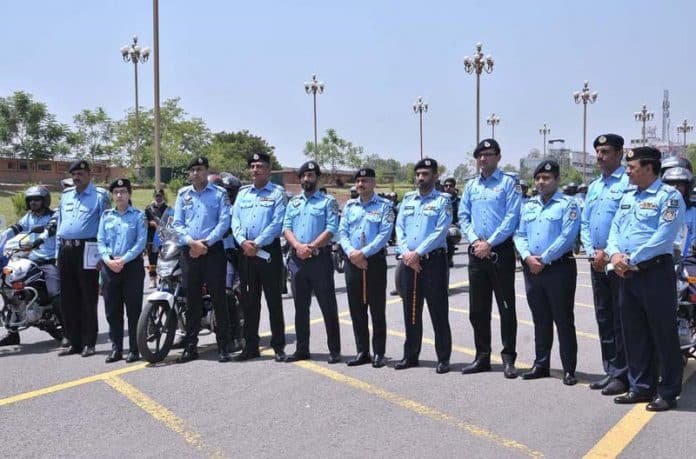
    On Sunday, City Police Officer (CPO) Operations Syed Shahzad Nadeem Bukhari instructed all station house officers (SHOs) to disclose their assets. The CPO also directed that biometric attendance should be ensured in all wings of the operations division, and biometric machines should be installed as soon as possible.

    He added that the weekly performance of each officer will be reviewed, and investigation officers should meet plaintiffs in all cases. These instructions were given at a meeting held to review crime and performance at the divisional level, which was chaired by the Inspector General of Police (IGP) Islamabad Dr Akbar Nasir Khan.

    It is worth noting that police officers across the country, especially SHOs, face allegations of corruption due to the unlimited powers they hold as the head of police stations. CPO Bukhari urged present and former SHOs to work together to make a concrete action plan to deal with crime, with the main target being criminals and proclaimed offenders. He also instructed the officers to ensure the cleanliness of police stations and to make the patrolling system more efficient.

    According to Dawn, the IGP reviewed the crime performance at the divisional level and directed officers to adopt comprehensive strategies to prevent crime in their respective areas. He suggested that safe city monitoring should be implemented at the police station level to help SHOs trace criminal elements early. The IGP also instructed SHOs to spend more time in police stations and a special plan should be made to eliminate serious crimes, especially street crime, and drug trafficking, particularly in educational institutions. The details of buyers of stolen goods should also be collected, and postmortems should be done on every dead body.

    Moreover, the IGP urged the acceleration of the crackdown on illegal weapons, and the completion of challans of under-investigation cases as soon as possible and submitted to relevant courts. He also emphasised that more personnel were being provided in police stations, and special campaigns against offenders should continue, with offenders brought to justice. The IGP also listened to the problems of all the SHOs and promised to solve them on a priority basis.
  • Bushra Bibi has no jewellery: Khan provides asset details to ECP

    Bushra Bibi has no jewellery: Khan provides asset details to ECP

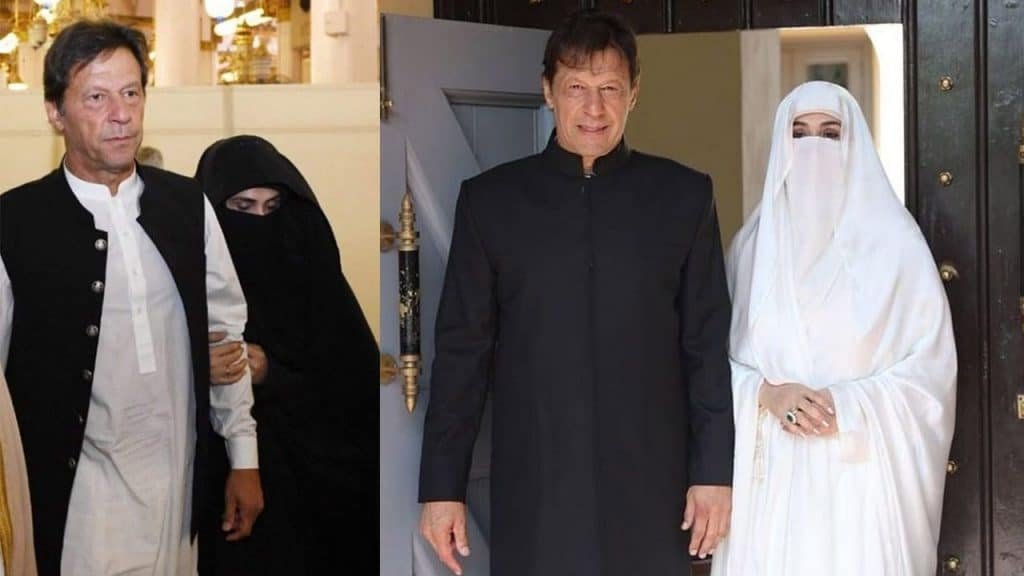
    Pakistan Tehreek-e-Insaf (PTI) Chairman Imran Khan on Monday, August 15, declared his wife Bushra Bibi’s and all his assets in the nomination papers to contest the by-elections from Faisalabad constituency NA-108, reports Geo News.

    Providing details to the Election Commission of Pakistan (ECP), Khan revealed that his assets are more than Rs304.2 million.

    According to the news outlet, Khan declared two inherited houses and 228 kanals of land in the Bhakkar district. He also owns a flat and a commercial plot on Constitution Avenue in Islamabad from which he is receiving Rs1.4 million as rent. He has four bank accounts, but no investment in any company. He showed Rs11.22 million cash in hand. Khan has four goats worth Rs0.2 million.

    Declaring his wife Bushra Bibi’s assets, he revealed that she has 698 kanals of land in Pakpattan and Okara. As per the nomination papers, a three-kanal house in Bani Gala is in the name of his wife, and that she has no jewellery.

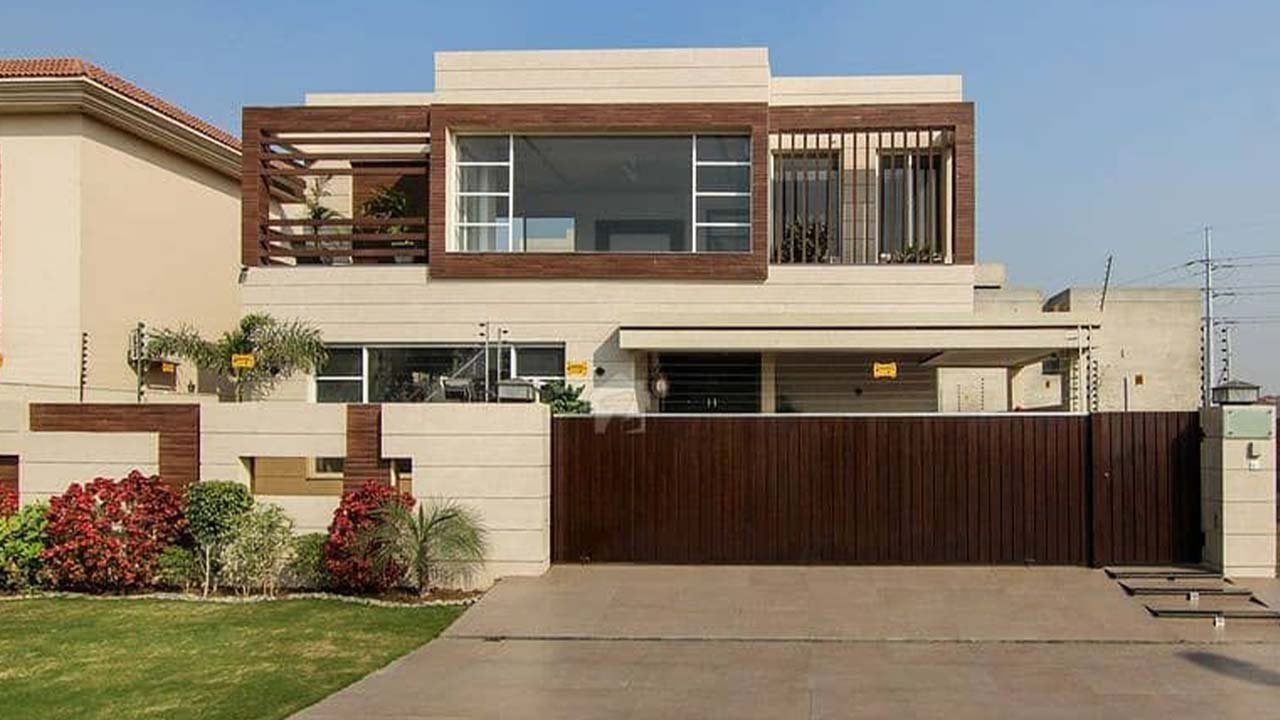
    Khan declared that he spent Rs48.66 million on the construction of the Zaman Park house, and spent Rs4.9 million on additional constructions in Bani Gala. In the nomination papers, Khan did not mention details of his children.

  • Residential buildings make up 80 per cent of Pakistanis’ wealth: Study

    Residential buildings make up 80 per cent of Pakistanis’ wealth: Study

    Almost 80 per cent of the wealth accumulated by Pakistani households by the time they are 60 to 65 years old is made up of residential buildings, according to a recent World Bank study.

    Between the ages of 25 and 65, the net worth of the typical Pakistani household increases by 60 months’ worth of consumption (5 years).

    According to a DAWN report, residential housing makes up the majority of this growth, whereas other types of wealth like land, durables, business and farm values, and financial assets stagnate over time. Early in life, asset accumulation is slower; it picks up between the ages of 40 and 65.

    According to a study titled “Life Cycle Savings in a High-Informality Setting — Evidence from Pakistan” published earlier this week, financing elderly consumption will be a significant challenge in the future due to a combination of factors including population ageing, deteriorating family and village risk-sharing networks, and low formal pension coverage.

    When compared to other investment options, real estate and land are a safe bet, as evidenced by the fact that households save primarily in these areas. According to the study, housing may be a way to permanently store resources in a way that makes them difficult for other family members to steal or use against them.

    According to the study, it might also be a result of a lack of access to other reliable, safe, and high-return long-term saving options. Participation in alternative saving methods may be hindered by low levels of financial literacy, numeracy, and familiarity with formal banking institutions.

    The study emphasised that Pakistan has expanded financial inclusion much more slowly than other nearby countries and that these barriers must be removed.

    Despite being a safe investment, housing is relatively illiquid, which depletes funds for short-term consumption smoothing. Only 3 per cent of Pakistani adults (15 and older) report being able to rely on savings for emergency funds, while 49 per cent claim it is impossible to come up with emergency funds.

    According to 41 per cent of people ages 15 and older, family or friends are typically the primary source of emergency funds; 25 per cent report borrowing for medical expenses.

    Theoretically, policies that permit more real estate assets to be used as collateral for loans made through formal financial institutions could lessen the need for liquid precautionary savings and free up funds for retirement savings. However, these programmes might also promote excessive debt and result in evictions.

    Scarcity of other secure, liquid savings options may also restrict the income potential of self-employment. Although self-employed people have similar levels of education to wage workers, they are typically older. Nearly half of self-employed people lack education.

    Given that the majority of self-employed businesses are started with their own capital, the older age of the self-employed may indicate that the first working years are spent acquiring start-up capital. Only 11 per cent of people aged 15 and older, according to Findex surveys, borrow money to launch or grow a business.

    According to the study, expanding options for secure long-term savings outside of the housing through the use of government-sponsored or subsidised old-age savings instruments could lead to greater independence in old age and lessen the burden on younger families.

    The study found that the average net worth accumulation accelerates around the age of forty, roughly in the middle of the working years. We demonstrate that active saving likely plays a significant role, even though some of this accumulation may reflect patterns in inheritances.

    Around that time, household income growth starts to outpace household consumption growth, and the saving rate rises by 20 percentage points between ages 40 and 65. This suggests that people in that age range may benefit most from programmes designed to encourage formal saving.

  • Gold surges to Rs147,250 per tola in local market

    Gold surges to Rs147,250 per tola in local market

    On Monday, gold prices in the local market rose by Rs1,450 per tola to a new all-time high, pushed up by the Pakistani currency’s continued depreciation against the US dollar.

    Despite no change in gold rates in the international market, gold rates in the local market increased to Rs147,250 per tola, according to data released by the All Sindh Saraf Jewelers Association. Similarly, the price of a gramme of gold increased by Rs1,243 to Rs126,243.

    However, gold prices on the international market remained unchanged at $1,840 per ounce.

    The price of silver per tola remained unchanged at Rs1,560. The price of a gramme of silver also remained unchanged at Rs1,337.44. When compared to rates in the Dubai gold market, local jewellers said prices in the local market remained below Rs3,000 per tola.

    Pakistani rupee dips to new lows

    Experts predict that the Pakistan rupee will continue to fall against the US dollar and other major currencies owing to concerns regarding the IMF’s $6 billion program’s restoration, the country’s expanding current account deficit, and dwindling foreign exchange reserves.

    The PKR which lost 32.5 per cent of its value in the current financial year 2021-22 is forecasted to remain under stress as the dollar is in high demand in the market due to economic crises.

    The central bank appears helpless to stem the rupee’s speculative fall, as demand for the US dollar continues to rise due to quarter-end payment strain.

  • Richest politicians in Pakistan: ECP releases data

    Richest politicians in Pakistan: ECP releases data

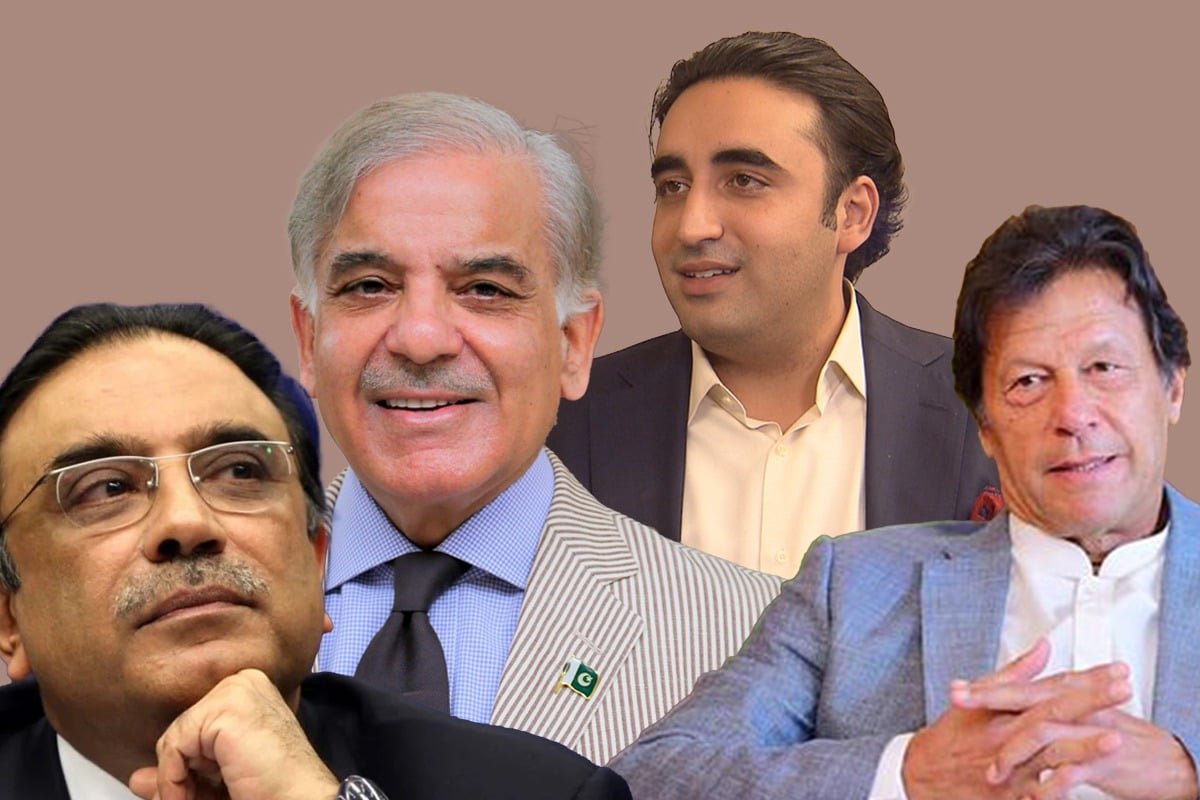
    The Election Commission of Pakistan (ECP) on Wednesday released the data on the assets owned by Pakistani politicians and their spouses.

    Imran Khan

    Pakistan Tehreek-e-Insaf (PTI) Chairman Imran Khan’s assets for the year 2021 have witnessed an increase of Rs60 million as compared to the year 2020.

    Khan owns assets worth Rs142.1 million while he has inherited houses in Zaman Park and Mianwali and three in Bhakkar. He has a bank balance of more than Rs63 million and he has $329,000 in his two other accounts. The PTI chief has also declared four goats worth Rs200,000 in his assets.

    Bushra Bibi

    Khan’s wife Bushra Bibi’s net worth is Rs142.11million. Bushra Bibi owns 52 kanals of land in Pakpattan while she also has 379 kanals of land in Pir Ghani and 267 kanals of land in Okara. She is also the owner of a three-kanal house in Bani Gala.

    Asif Ali Zardari

    Pakistan People’s Party (PPP) Co-Chairman Asif Ali Zardari’s wealth increased by around Rs40 million to Rs714.23 million in 2019-20 compared to the previous year. He owns thousands of acres of agricultural land, 20 horses, hundreds of camels, cows, and buffaloes as well as other valuables. The arms he possesses are worth Rs16.6 million.

    Bilawal Bhutto-Zardari

    PPP Chairperson Bilawal Bhutto-Zardari is a declared billionaire, having a total wealth worth of Rs1.6 billion. However, the bulk of his wealth remains outside the country.

    Bilawal has more assets in the UAE than in Pakistan and his 25 properties and other assets in Dubai are worth Rs1.44 billion, whereas in the country he has 19 agriculture and non-agriculture properties, around Rs122.14 million cash in hand or banks and arms valued at Rs3 million.

    Shehbaz Sharif

    Prime Minister Shehbaz Sharif owns assets worth more than Rs245 million, and he also owes Rs140 million. The prime minister has Rs2 million in his bank account.

    “PM Shehbaz has borrowed Rs63.9 million from his son Suleman Shehbaz, however, his bank account in London is empty,” stated the document, adding that he is indebted with Rs140 million.

    Shehbaz Sharif also declared the assets of his wives.

    Nusrat Shehbaz

    Nusrat Shehbaz has wealth worth Rs230.29 million and owns nine agricultural properties and one house each in Lahore and Hazara divisions.

    Tehmina Durrani

    Shehbaz’s second spouse Tehmina Durrani has Rs5.6 million.

    Shahid Khaqan Abbasi

    Former PM Shahid Khaqan Abbasi and his wife own two houses in Islamabad and 40 tolas of gold. He gifted his shares in Air Blue airline worth Rs60 million to his son.

    Shah Mahmood Qureshi 

    Former Foreign Minister Shah Mahmood Qureshi turned out to be the owner of assets worth Rs219.6 million – even more that those of his party chief, Imran Khan.

    Raja Pervez Ashraf 

    National Assembly Speaker Raja Pervez Ashraf declared the value of his assets as Rs23.6 million while his wife owned 100 tolas of gold.

    Hammad Azhar 

    Hammad Azhar owns assets worth Rs402 million.

  • Bitcoin falls to lowest since January after stock market

    Bitcoin falls to lowest since January after stock market

    Bitcoin on Monday, May 9 fell to its lowest level since January 2022, as falling equity markets weighed on cryptocurrencies, which are now trading in line with riskier assets like tech stocks.

    In early trade, bitcoin fell as low as $33,266 to test the January low of $32,951. If it drops below that level, it will be at its lowest since July of 2021. The price then settled at roughly $33,500, down 1.4 per cent.

    A Singapore-based crypto platform, Stack Funds said that everything in crypto is still classified as a risk asset, and most cryptocurrencies are pummelling in the same way that the Nasdaq has been.

    The Nasdaq, which is heavily weighted in technology, plummeted 1.5 per cent last week and is down 22 per cent year to date, as persistent inflation forces the US Federal Reserve to raise rates despite slowing GDP.

    On Monday morning Nasdaq futures were down another 0.8 per cent.

    Other factors in bitcoin’s weekend slide were the crypto market’s notoriously low liquidity on weekends, as well as short-lived fears that an algorithmic stablecoin dubbed Terra (UST) could lose its stability against the US dollar.

    Read more: Pakistan’s foreign currency reserves down by $328 million

    The crypto world is keeping a close eye on UST because of its unique method of maintaining a 1:1 dollar peg, as well as its founders’ aspirations to construct a $10 billion bitcoin reserve to support the stablecoin, implying that UST volatility might potentially leak over into the bitcoin markets.

    On Monday, Ethereum, the world’s second-largest cryptocurrency, plummeted to $2,421, its lowest level since late February.

  • Gold loses shine, price drops by Rs2,000 to Rs132,300 per tola

    Gold loses shine, price drops by Rs2,000 to Rs132,300 per tola

    Gold prices fell sharply in the local market on April 8, following the US dollar’s loss of value versus the rupee.

    The price of precious yellow metal dropped by Rs2,000 to Rs132,300 a tola (11.66 grams). Similarly, the cost of 10 grammes of gold decreased by Rs1,715 to Rs113,426. On the flip side, it jumped from $6 to $1,933 per ounce (28.3 gram) on the global market.

    The yellow metal in Karachi is reportedly selling for as low as Rs129,400, while 10 grams is being sold at Rs110,940. This rate for 24K gold announced by the Sarafa Bazar Association is also followed by the majority of gold markets in cities including Lahore, Islamabad, Peshawar, Quetta, and Karachi.

    The Pakistani rupee (PKR) gained Rs3.50 yesterday against the US dollar, making it the greatest single-day gain since April 2020. The local currency is currently trading at Rs184.68.

    During inter-day trading on April 7, the domestic unit crossed the Rs189 threshold, notwithstanding the political uncertainty. However, following a Rs2.5 depreciation, it concluded at Rs188.18.

    The gold correction had been overdue for a long time, since the political turmoil had created widespread panic, and individuals were transferring their capital to gold, as various rules had made it difficult for everyone to buy dollars.

  • Pakistan to import 32.7 million barrels of oil to cover petroleum needs

    Under a deferred payment agreement with the Saudi Fund for Development (SFD), Pakistan would acquire roughly 32.7 million barrels (MBL) of crude oil in 2022 to cover its petroleum product needs.

    The Pak-Arab Refinery Company Limited (PARCO) and National Refinery Limited (NRL) plan to import 16.89 and 15.81 million barrels of oil in the ongoing year, respectively.

    Crude oil worth $100 million per month may be imported under the terms of the arrangement, with payment deferred for a year. The price will be set in accordance with the existing long-term agreement between Saudi Aramco, PARCO, and NRL.

    The facility will be available for a 12-month period, which may be increased for one year. The withdrawn funds, plus the margin of 3.8 per cent, will be repaid in one annual installment in US dollars.

    Previously, In June 2021, the Saudi government agreed to pay $4.2 billion in providing economic aid to Pakistan, which was legally formalised in November. While the SFD programme has been in effect since March 7, 2022, and oil purchase has now already begun.

  • Pakistan’s exports grew 25% in the last nine months

    Pakistan’s exports increased by 17.3 per cent in March 2021 to $2.773 billion, up from $2.365 billion in March 2021 and 25 per cent in the last nine months.

    The Prime Minister’s Adviser on Commerce and Investment, Abdul Razak Dawood, said that exports increased by 25 per cent to $23.332 billion in the July-March fiscal year 2021-2022, compared to $18.688 billion in the same period last year, implying a $4.644 billion upsurge.

    On the other hand, according to preliminary data from the Pakistan Bureau of Statistics (PBS), exports fell 2 per cent on a month-on-month (MoM) basis to $2.77 billion in March 2022, down from $2.82 billion in February 2022.

    Dawood said in a tweet, “We are glad to share that Pakistan’s exports for Mar-2022 grew by 17.3 per cent to $2.773 billion as compared to $2.365 billion Mar-2021. For Jul-Mar 2022, our exports grew by 25 per cent to $23.332 billion as compared to $18.688 billion in Jul-Mar 2021. This is an increase $4.644 billion”.

    While talking about the target for exports he added that “We expect to achieve our yearly target. The import figures would be shared when finalised by the PBS. We would like to congratulate our exporters for maintaining the momentum of exports under these testing times in the global market”.

    Pakistan’s current account deficit (CAD) decreased by 78.46 per cent to $545 million in February from $2.531 billion in January, owing primarily to a steep drop in imports.

    Read more: FBR records 29.1% growth during July 2021 to March 2022, despite providing ‘massive tax relief’

    Surprisingly, the CAD crossed the $12 billion level in the first eight months of FY22, showing no signs of improvement in the external account. The CAD was only $34 million in February 2021.

  • Govt says no plans to privatise anything PIA

    Govt says no plans to privatise anything PIA

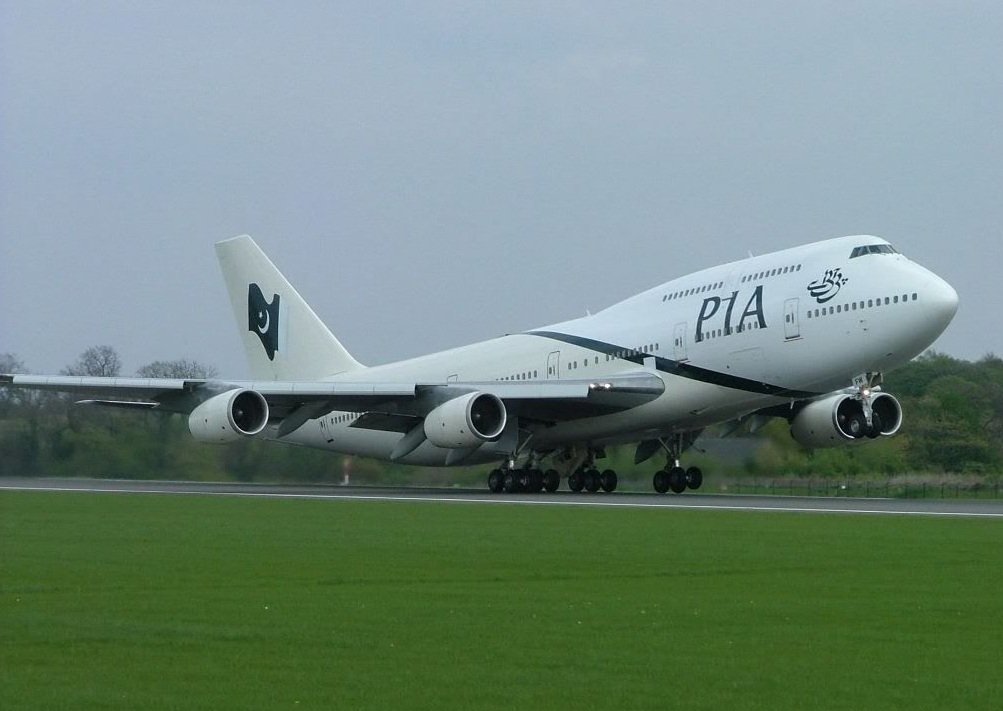
    The National Assembly (NA) was informed on Friday that there is no plan to privatise any of the assets of national flag carrier Pakistan International Airlines (PIA).
    Minister for Aviation Ghulam Sarwar Khan said this during the question hour while speaking at the floor of the House, which met with Speaker Asad Qaiser in the chair.

    Sarwar said that the present government is very keen to make the national flag carrier self-reliant and profitable entity. Efforts are underway to improve the financial health of the airline by reducing its losses through various means, he said. He also said that loss-making routes have been closed and flights on profitable routes have been added which has resulted in reduction of losses.

    Responding to a question, the aviation minister said that 82 pilots were dismissed for acquiring the licences through unfair means. He said that a transparent mechanism has now been evolved to ensure the issuance of licenses in a transparent manner. An agreement to this effect has also been signed with the UK Civil Aviation Authority, he added.

    He maintained that the International Civil Aviation Authority (ICAA) will carry out an audit of Pakistan’s Civil Aviation Authority (CAA) in July this year. He was confident this will lead to removal of travel restrictions on the PIA in the European countries and that the airline will regain its past glory.

    He said that the European Union (EU) aviation safety watchdog had previously decided to retain its ban on PIA from operating in EU member states, expressing its dissatisfaction over the steps taken by the CAA to address licensing and safety concerns. However, recently in March, the EU’s aviation safety watchdog termed safety standards of Pakistan’s CAA as “satisfactory”.

    The decision was made following a two-day meeting of the EU’s Aviation Safety Agency (EASA) and CAA officials, in which representatives from Denmark, Italy and Sweden participated via video-link, he said.
    The minister for aviation said that Quetta and Dera Ismail Khan airports will be upgraded and that eight new planes will be inducted in the fleet of PIA to further improve its performance.

    Taking the floor, Minister of State for Parliamentary Affairs Ali Muhammad Khan said that Prime Minister Imran Khan has taken the initiative of ‘Live Call Programme’ to directly connect with the people and listen to their problems. He said that this step of the prime minister should be appreciated. He further said that the premier is expected to again interact with the people via telephone next week.

    The House was later adjourned to meet again at 4:00 pm on Monday.