Tag: Aurat March 2021

  • Women of the world, unite!

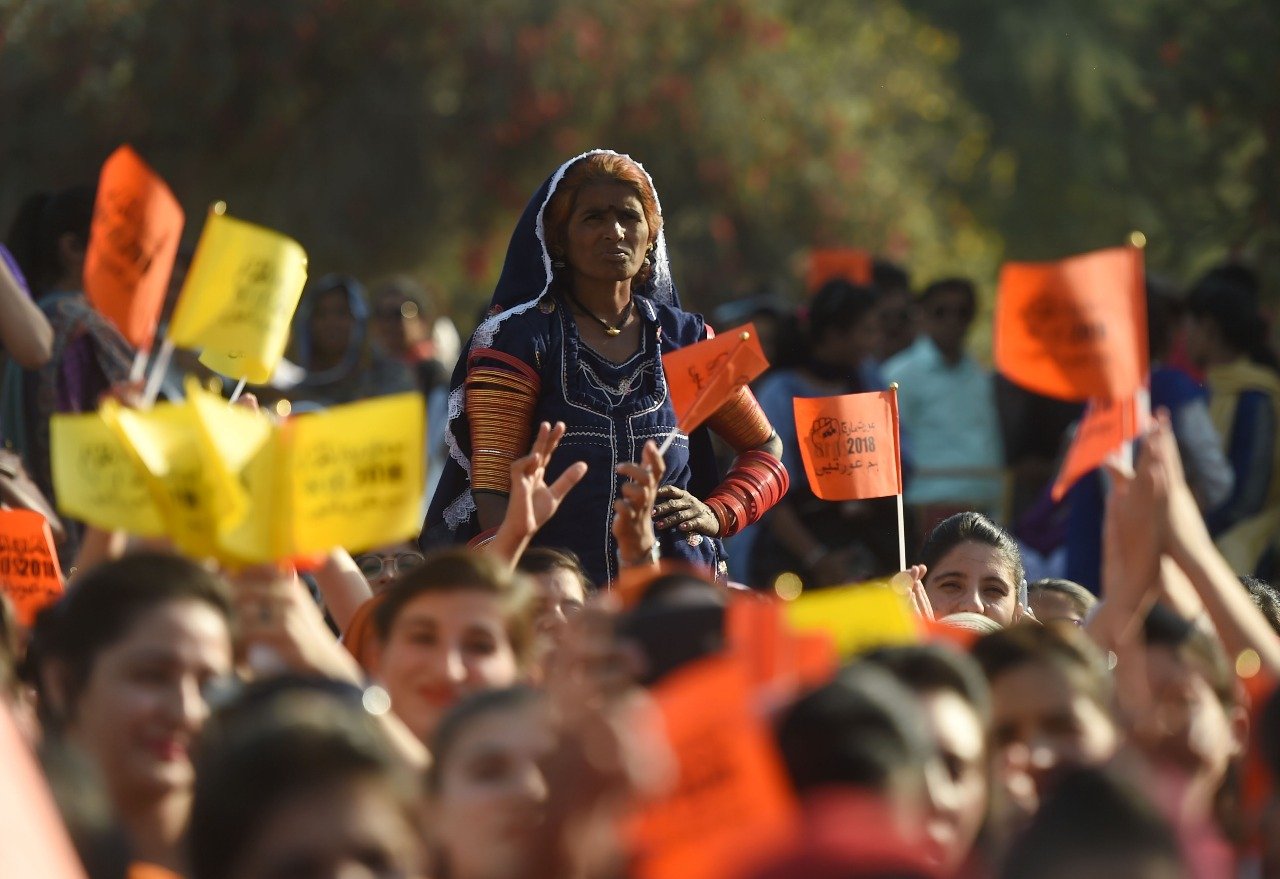
    Tomorrow is International Women’s Day, which is celebrated worldwide. In Pakistan, many events are organised to mark Women’s Day. Aurat March, which has been held since 2018, will be marked with rallies in several cities, including Lahore, Islamabad and Karachi.

    This year, Aurat March Lahore’s theme is women’s health and the issues faced by women and gender minorities. They are demanding that the health budget be increased to 5 per cent of the GDP. Aurat March organisers have highlighted how violence has always existed for women and gender minorities in Pakistan since before COVID-19 but the lockdowns and social isolation resulting from the pandemic have further exacerbated physical, emotional and sexual violence against them across the country.

    It is quite unfortunate that Pakistan ranks 151 out of 153 countries on the Global Gender Gap Index Report 2020 index, published by the World Economic Forum. The only two countries lagging behind Pakistan are Iraq and Yemen. This is not a surprise given the way our patriarchal society treats women. From blaming rape survivors to practices such as honour killing, vinni and swara (exchange of women, especially young girls, to settle disputes between families), child marriage, domestic violence and many other such anti-women practices, Pakistani society does not make life easy for women.

    Sexual harassment cases when reported or talked about are brushed under the carpet. We have seen how women don’t just face offline harassment and violence but online harassment of women has increased manifold. It is but a manifestation of the anti-women bias in society. Women politicians, journalists and activists are targeted online on a regular basis. But it is good to see Pakistani women breaking these chains and raising their voices for women empowerment and their rights.

    From leading lights such as Fatima Jinnah, Benazir Bhutto, Asma Jahangir, Malala and many others who paved the way for women and young girls in our society, the struggle continues. It will take a long time to achieve equal rights for women but there is no reason to lose hope. We have seen that when women take a stand, it leads to the betterment of society at large.

    For an inclusive, tolerant and progressive Pakistan, women have to be treated as equal human beings. Women of the world, unite, for you have nothing to lose but your chains.
  • ’کیوں بھی کہنا جرم ہے‘

    ’کیوں بھی کہنا جرم ہے‘

    مارچ 8 ، عورتوں کے عالمی دن کے طور پر منایا جاتا ہے . دنیا بھر کی خواتین ، دین و مسلک سے بےنیاز ہو کر ، اک زنجیر کی طرح بندھ جاتی ہیں . اپنے حق کے لیے آواز اُٹھاتی ہیں . اپنے وجود کو اک ماں ، بہن ، ِبیِوی ، اور بیٹی کے روپ سے نکال کر ، صرف ایک انسان ، صرف ایک عورت ہو کر اپنے لیے وہی حق مانگتی ہیں ، جو مردوں کے پاس ہیں . بنیادی انسانی حقوق جن کو اِس سماج نے عورتوں کے لیے لاحاصل بنا دیا . اِس لاحاصل کو حاصل کرنے پر جب عورتوں نے آواز اٹھانی شروع کی ، اور خصوصی طور پر پاکستان میں ، تو مردوں پر جیسے قیامت ہی بیت گئی . قیامت سے پہلے قیامت سی ہوگئی۔

    پورےسال میں ایک دن اگرعورت نے اپنےحق کےلیےآوازاٹھائی تواٹھائی کیوں؟آخرآج ہی کیوں ؟ آخر 8 مارچ کو ہی کیوں ؟ آخر اتنی ساری عورتیں کیوں ؟ مردوں کا کہنا تھا کہ انہوں نے آخر عورت کو کہا ہی کیا ہے جو عورت کو باہر آ کر با آواز بلند کہنا پڑا کے اُنہیں بنیادی حقوق دئیے جائیں ؟ ایسے بہت سے سوال مردوں كے ذہن میں ہر سال 8 مارچ کو آتے ہیں . ِپھر اُنہیں غصہ آتا ہے . ِپھر وہ غصے میں آ کر ​کہتے ہیں ​“ہم اپنی عورتوں کو اتنی عزت دیتے ​ہیں” اور اسی ​جملے کے اختتام پر مرد حضرات ماں بہن کی گالی بھی شامل کر دیتے ہیں . یہ لیں ، یہ ہے عورت کی عزت کی بریانی بنانے کی ترکیب . اِس ترکیب میں کچھ اور ​اجزاء بھی شامل کیے جا سکتے ہیں جیسے عورت کو مارنا ، اس پر ​تیزاب پھینکنا، اس پر جنسی تشدد کرنا ، اس کو بیٹی پیدا کرنے پر طلاق دینا ، اس کو مزید بچے پیدا نہ کرنے پر گھر سے نکال دینا، اس کو سڑک پر چلتے ہوئے ہاتھ مار جانا ، اس کے پیچھے گاڑی لگا کر اس کو احساس دلانا کے یہ زمین صرف مرد کے لیے ہے، اور مزید بہت سے اجزاء حسب ذائقہ ڈالے جا سکتے ہیں۔

    اسی شور اور ​واویلے کے بیچ میں عورتیں 8 مارچ کو ملک بھر میں پر امن احتجاج کرتیں ہیں . اور ہر عورت اپنی زندگی کے حساب سے اپنا حق مانگتی ہے. میں ہر سال ان ​پلے کارڈز کو بہت غور سے پڑھتی ہوں. تعلیم کے حق سے لے کر كھانا خود گرم کر لو تک ، مختلف ​مطالبات ان پلےکارڈز کے ذریعے اجاگر کیے جاتے ہیں . کچھ ​مطالبات ایسے ہیں جن سے میں ذاتی طور پر بھی ​اتفاق کرتی ہوں کیونکہ میں بھی ایک عورت ہوتے ہوئے بہت مشکل مرحلوں سے گزری ہوں . عورت مارچ میں کچھ ایسے ​پلےکارڈز بھی تھے جس سے یہ اندازہ لگانا مشکل نہیں تھا کہ یہ ​پلےکارڈ لانے والی لڑکی کس قدر بےبسی کا شکار ہو کر باہر نکلی ہے. اک پلےکارڈ پر ​“میں خود ایک گھر بناؤں گی جس میں سے تم مجھے نکال نہ سکو” لکھا تھا، مجھے لگا جیسے کسی بچی نے میرے جذبات کی آخر کار ترجمانی کر دی. وہ چھت ​فراہم کرنے والا جب بے گھر کرتا ہے ، تو یہ زمین عورت پر اور بھی تنگ ہوجاتی ہے  لیکن وہ عورت ہی کیا جو ہار جائے!

    ایسے بہت سے ​مطالبات دیکھتے ہوئے ایک ​مطالبے پر نظر پڑی جس میں لکھا تھا ​“میرا جسم میری ​مرضی” یہ بے ضرر سا ​پلےکارڈ دیکھ کر خیال یہی آیا کے ہاں ، خدا نے یہ جسم مجھے دیا ہے تو مرضی بھی میری ہی بنتی ہے. کوئی بھی شعور رکھنے والا انسان اِس سے متفق ہی ہو گا لیکن جنہیں شعور حاصل نہیں، وہ ہکا بکا رہ گئے  اور ہکا بکا رہنے والے تھے بھی مرد ان کا ردعمل ویسا ہی تھا جیسے میرا حال ہوا تھا جب میرے والدین نے مجھے بتایا تھا کہ میٹرک کے بعد ابھی اور پڑھنا ہے۔

    سوشل میڈیا پر ایک آگ سی لگ گئی، ان ​بے شعور لوگوں کا کہنا تھا کے ٹھیک ہے جسم عورت کا ہے ، لیکن اب کیا اِس جسم کے ساتھ کچھ بھی کرنےکےلیےہمیں اِجاَزت لینی ہوگی؟ کیاعورت کےجسم کوبھرے بازارمیں ایک دو سیکنڈ کی لذت حاصل کرنے کے لیے ہم مرد بغیر پوچھے ہاتھ بھی نہیں لگا سکتے؟ کیا عورت کے جسم کو ہم اپنا غصہ ​نکالنے کے لیے استعمال نہیں کر سکتے ؟ کیا اب جنسی عمل کے لیے ہمیں عورت سے اِجاَزت لینی ہوگی ؟ اب کیا ہم عورت کی مرضی کے خلاف اس کے جسم پر جنسی تشدد بھی نہیں کر سکتے ؟ کیا اب ہمیں عورت کو اپنی مرضی سے پہننے اور اوڑھنے کو برداشت کرنا ہوگا؟ مزے کی بات ہے کے ان میں زیادہ وہ لوگ تھے جو ​“میرا جسم میری مرضی” کو سمجھ رہے تھے کے ​“اچھا اب عورتیں ننگی ہو کر باہر نکلیں گئیں ؟” ارے صاحب عورت کو کبھی کپڑے کے ساتھ تولنا چھوڑ بھی دیا کریں۔

    اگر عورت نے ​واقعی اپنے جسم کو آپ سے محفوظ کرنے کا ​نعرہ بلند کیا ہے تو کیا غلط کیا ؟ اگر عورت نے سڑک پر بے خوف و خطر چلنے کا مطالبہ کیا تو کیا غلط کیا ؟ اگر عورت نے جنسی ہراسگی کے خلاف آواز اٹھائی تو کیا غلط کیا ؟ اگر عورت نے اپنے جسم کو درندوں کی طرح اکھاڑ پچھاڑ کے خلاف آواز اٹھائی تو کیا غلط کیا ؟ صاحب ، عورت کے جسم کی آزادی صرف دو گز کپڑے سے منسلک نہیں ہے . اس کے جسم کی آزادی اس کا باہر بے خوف و خطر پھرنا ہے . اس کے جسم کی آزادی اس کا اپنے گھر میں بغیر جسمانی تشدد کے رہنا ہے . اس کے جسم کی آزادی اس کا اپنا خیال کرنا ہے . اس کے جسم کی آزادی اس کا اپنی مرضی کا ​اوڑھنا پہننا ہے . اور یہ آزادی وہ سال کے ایک دن میں اگر مانگ ہی لیتی ہے ، تو ایسا ​واویلا ؟ اس کی اِس مرضی کو جرم کی شکل نہ دیں۔ اسے سنے ، اسے سمجھیں اور اپنی ذات کے خول سے باہر نکلیں… وہ جیسے احمد ندیم قاسمی نے کہا ہے؛

    کیوں بھی کہنا جرم ہے کیسے بھی کہنا جرم ہے سانس لینے کی تو آزادی میسر ہے مگر زندہ رہنے کیلئے انسان کو کچھ اور بھی درکار ہے اور اس کچھ اور بھی کا تذکرہ بھی جرم ہے۔

  • Javeria Saud’s ‘Aurat Gardi’ to reportedly be on Aurat March

    The first look of Javeria Saud and Alyy Khan’s Aurat Gardi was released Friday and the trailer of the web-series suggests that it is based on Aurat March.

    The trailer shows Javeria and Khan engaging in a heated debate over some of the play cards and slogans used during last year’s Aurat March that went viral, including one of the most debated slogan ‘Mera Jism Meri Marzi‘.

    As per details, Aurat Gardi will premiere on UrduFlix on April 2, 2021. The web-series has been directed by Awais Sulaman and produced by Rao Ayaz Shahzad with Farhan Gauher as Executive Producer.

    UrduFlix is Pakistan’s first Urdu OTT platform. It went live on March 5 and will provide viewers with access to original Urdu films, series, documentaries, cartoons, and Urdu dubbed Turkish dramas among other exclusively made shows for the platform. The first few shows on the platform would include the Mashal Khan starter Lifafa Dayaan, Hareem Shah starrer Raaz with a lot more to come. The first exclusively available show going up on the platform with its launch is Dulhan Aur 1 Raat featuring Alizeh Shah in the lead.

  • Aurat March Lahore announces ‘Charter of Demands’ for 2021

    Aurat March Lahore has unveiled its charter of demands for 2021. This year’s charter of demands is based on 15 points with a special focus on women’s healthcare, which is also the theme of this year’s march.

    As per the official Twitter account of Aurat March Lahore, the charter “is centred on our theme of healthcare which intersects with the issues of gender-based violence, the dehumanisation and sexualisation of our bodies, safety, environmental justice and our fraught relationship with the state.”

    “Some of our demands are immediate, some of them are from the state — but we recognise that our long-term struggle and means of emancipation lie outside the patriarchal state and exploitative economic system we’re currently in,” read the official statement.

    Earlier, the organisers of Aurat March Lahore released the poster and theme for this year’s march.

    Speaking exclusively to The Current, Shehzil Malik who designed the poster, talked about the thought process behind designing the poster.

    “To know more about women’s health crisis, I reached out to a friend who works in public health which really gave me an insight into the subject,” shared Malik.

    Aurat March is scheduled to take place on March 8 on the occasion of International Women’s Day.

    Meanwhile, expressing her views on the Aurat March, Sarah Khan in an exclusive interview with The Current said: “I think, instead of fight for the rights, we should educate our sons. Don’t teach your daughters to go to ‘Aurat March’, educate your sons and teach them that their mother is also a woman.

    “[A] woman is the one who runs the house, does the house chores and supports the man. If your wife is not helpful, then how will you be happy? Allah has already granted status to the woman, but I think men should be given the same rights. They deserve the same, not only women,” she added.

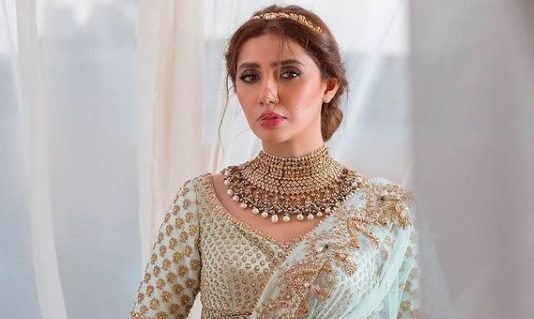
    On the other hand, actor Mahira Khan who attends the Aurat March every year revealed her reason for going to the event, saying: “I think it is necessary for me [to go to Aurat March] because I think when I do something, no matter how small it is, it leaves an impact.”

    “So when I go to Aurat March, what I’m actually trying to say is ‘Look, if you like me and if you think what I say means something if you think I that I’m on the right side of history, or whatever you think of me, this is also what I believe in, this is why I’m here,” she added.

  • ‘Mera Jism Meri Marzi’ doesn’t mean I want to rip off my clothes, says Mahira Khan

    ‘Mera Jism Meri Marzi’ doesn’t mean I want to rip off my clothes, says Mahira Khan

    Mahira Khan, in a recent interview, opened up and revealed why she attends the Aurat March every year and what are the three things she finds attractive in a man.

    Read more – We can’t show a woman being assaulted and falling in love with the same man, says Mahira Khan

    “I think it is necessary for me [to go to Aurat March] because I think when I do something, no matter how small it is, it leaves an impact,” said the actor. “So when I go to Aurat March, what I’m actually trying to say is ‘Look, if you like me and if you think what I say means something if you think I that I’m on the right side of history, or whatever you think of me, this is also what I believe in, this is why I’m here.’”

    Honestly, mere Aurat March jaane se itna ziada kuch nae hota siwaye iske ke it creates an impact,” added Mahira.

    Mahira also shared her thoughts on the Mera Jism Meri Marzi slogan saying: “It [the slogan] doesn’t mean that I want to rip off my clothes. It means that I’m a whole person. This is my body, and if you are looking at me and I’m not feeling comfortable about it, I have the right to say that don’t look at me. Or if you are trying to touch me I can report you, because yeh mera jism hai, aur yeh meri marzi hai [it’s my body, and I have complete right over it].”

    During the interview, Mahira also shared that while growing up her parents gave her the freedom to make her own judgments.

    Meanwhile, answering a question about three things she finds attractive in a man, Mahira said: “I find both men and women attractive when they are at complete peace with themselves.”

    “Secondly, I love sense of humour”, shared Mahira. “I like someone who makes me laugh and if someone is not making me laugh then I make them laugh.”

    “Thirdly I like it when a man truly respects a woman,” added the actor.

    Though Mahira keeps her personal life tightly under wraps, designer Hassan Sheheryar Yasin, in a quarantine live session accidentally revealed the name of Mahira’s beau and cajoled her into opening up about him.

    When HSY asked Mahira how she feels when she looks into his eyes, Mahira said: “There’s a line in Humsafar, which I thought was beautiful, where Ashar says to Khirad, ‘Pata nahi tum mujhe kis naiki kay badlay main milli ho.’ I think the same about him. I must have done something good in my life.”

    Meanwhile, Mahira has recently ventured into production with a web series titled Baarwan Khiladi. The actor has set up a production house Soulfry Films with her friend and producer Nina Kashif. Baarwan Khiladi will be their first project together.

  • ‘Women’s Health Crisis,’ Aurat March Lahore reveals theme and poster for this year’s March

    The Aurat March Lahore organisers have released the poster for this year’s march and the theme is ‘Women’s Health Crisis’.

    The poster was shared on the official Instagram of Aurat March Lahore, and it is designed by Shehzil Malik.

    Speaking exclusively to The Current, Shehzil Malik talked about the thought process behind designing the poster. “To know more about women’s health crisis, I reached out to a friend who works in Public Health,” she explained, “and it helped me in the research.”

    “I like to research before I draw something, especially if it is for Aurat March or if it has something to do with Pakistani women in general,” she added.

    Talking about her artwork Shehzil said, “I didn’t want to depict women suffering, but rather envision a new reality where their health and well-being is a priority.”

    She went on to add that the initial sketches were all about the things happening inside women’s bodies, but those sketches gave an impression that there is something wrong with women’s bodies. She wanted to show that there is nothing wrong with the female body but that it is an unhealthy environment, which doesn’t support or prioritise women’s health.

    Answering a question about why the posters in Aurat March gains attention, she said, “If people are getting pissed off at posters, it is okay because it helps start a conversation around patriarchal toxic norms.”

    An official statement about the theme, ‘Women’s Health Crisis’ by Aurat March Lahore read, “The past year was a difficult one for all of us, but collectively the Covid-19 pandemic laid bare the stark inequalities in our society and amplified the oppression therein.”

    “We saw that those already disadvantaged, working and lower-middle-class, women and gender minority groups were particularly hit by the medical, social and financial fallout of the pandemic,” the statement said.

    “As conversations around public health took centre stage, we saw that the impact of the pandemic on women’s health and well-being was not part of these discussions. This is why we decided to highlight the issue of women’s health, an often neglected subject, this year.”

    “Most women in Pakistan suffer from lack of nutrition due to the lack of priority given to women’s health and safety. 52% of women of reproductive age in Pakistan are anemic. Pakistan has the highest incident rate of breast cancer in Asia, One in ten Pakistani women are likely to develop breast cancer in their lifetime. Women are criminally underrepresented in clinical trials and research, leading to a neglect of their particular needs.”

    The statement further said, “At a larger level, we decided to talk about the pandemic of patriarchy, much like the Covid-19 virus, patriarchy is a virus that has infected us all. During the pandemic, domestic violence numbers surged while at the same time women’s unpaid and care labour doubled as lockdowns and school closures took place. We wanted to use the metaphor of health to highlight the sickness of structural sexism and exploitation in our society—our collective societal body is in pain, our movement seeks to highlight this anguish.”

    “We also saw how all of this is deeply tied to capitalism and its vision of profit over care. The reality of the world in COVID-19 puts front and centre our need to also divest from ways of being and operating that are driven by structures that put profit over care. We need to divest from these ways in our individual and collective lives, at the level of our home as well as the state to truly live in a world where human life and well-being is above all else.”

    Aurat March is scheduled to take place on 8th of March, on International Women’s Day.