Tag: authorities

  • IHC grants permission to PTI for rally in Islamabad

    IHC grants permission to PTI for rally in Islamabad

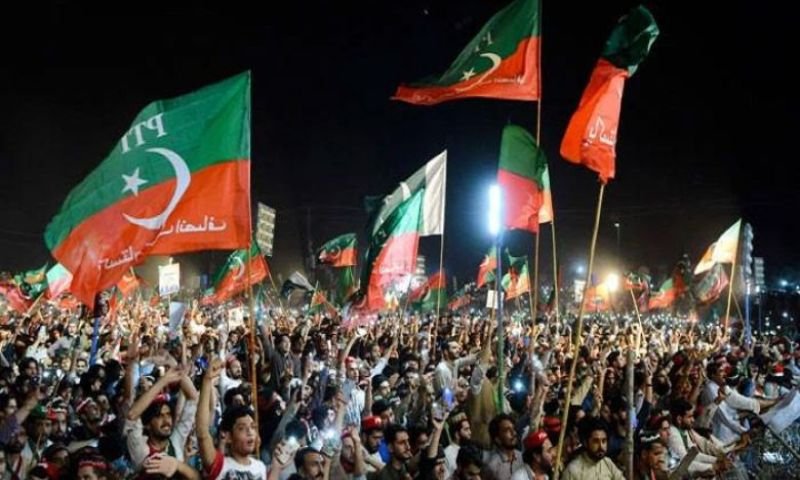
    The Islamabad High Court on Wednesday directed the administration authorities of the capital city to allow Pakistan Tehreek-e-Insaf (PTI) to conduct a rally.

    Previously, district authorities denied permission to PTI for staging a protest against alleged poll-rigging in the general elections 2024 in Islamabad citing security risks.

    “One’s right of assembly cannot be taken away,” IHC Chief Justice Aamer Farooq said while hearing PTI’s petition seeking the court’s permission for staging the rally. The justice emphasized that public gatherings are for everyone and it should not come under any restrictions.

    The Inspector General of Police (IGP) Islamabad had warned PTI to avoid public gathering without getting a formal approval from relevant authorities.

    Furthermore, according to PTI leader Sher Afzal Marwat, the party has moved up the date for holding the rally to April 6.

  • Unchecked overcharging: Shopkeepers set their own rates for essential items during Ramzan

    At the start of Ramzan, prices of essential food items have witnessed an uncontrolled surge, with little intervention from the authorities concerned. Shopkeepers are selling essential food items at their desired rates instead of selling at government-announced rates.

    A recent survey of markets in Peshawar reveals an alarming increase in prices of food items, which have continued to soar with each passing day in this holy month.

    A vendor reported that the price of live chicken has surged to Rs350 per kg, while rice prices have increased by Rs70 per kg, reaching Rs335 per kg. Split chickpeas (chana dal) are now selling at Rs220 to Rs260 per kg, and the cost of beans has gone up by Rs60 per kg, with rates jumping from Rs281 to Rs339 per kg. According to a shopkeeper, the cost of spices has surged from Rs150 to Rs200 per kg and now stands at Rs600 per kg in the city.

    Oil and ghee prices have also skyrocketed by Rs62 per kg. Vegetables and fruits have become unaffordable for many, with garlic being sold at Rs360 and ginseng at Rs620 per kg. Peas cost Rs200, Arvi Rs180, Zucchini Rs170, green capsicum Rs150, and tomato Rs120 per kg.

    Fruits have also witnessed an upward trend in prices, with sweet oranges priced at Rs440 per dozen, oranges at Rs400 per dozen, banana at Rs300 per dozen, pomegranate Rs400, Iranian apple at Rs340 per kg, Kohati guava at Rs350, and strawberry costing Rs280 per kg.

    The meat market has also been hit hard by price hikes, with beef now selling at Rs800 to Rs1,000 per kg from its previous price of Rs700 per kg before Ramzan, while mutton prices have increased from Rs1,400 to Rs1,600 per kg and now stand at Rs1,800 per kg.

    Many shopkeepers have been charging prices of their own choosing, as district administration officials have not been able to check rates due to heavy rain and mud-stranded water. Butchers in the local market have expressed their dissatisfaction with the rates issued by the district administration, and have not faced any fines or raids from officials.
  • Petrol quota for ministers, govt officials in Sindh lowered by 40 per cent

    Petrol quota for ministers, govt officials in Sindh lowered by 40 per cent

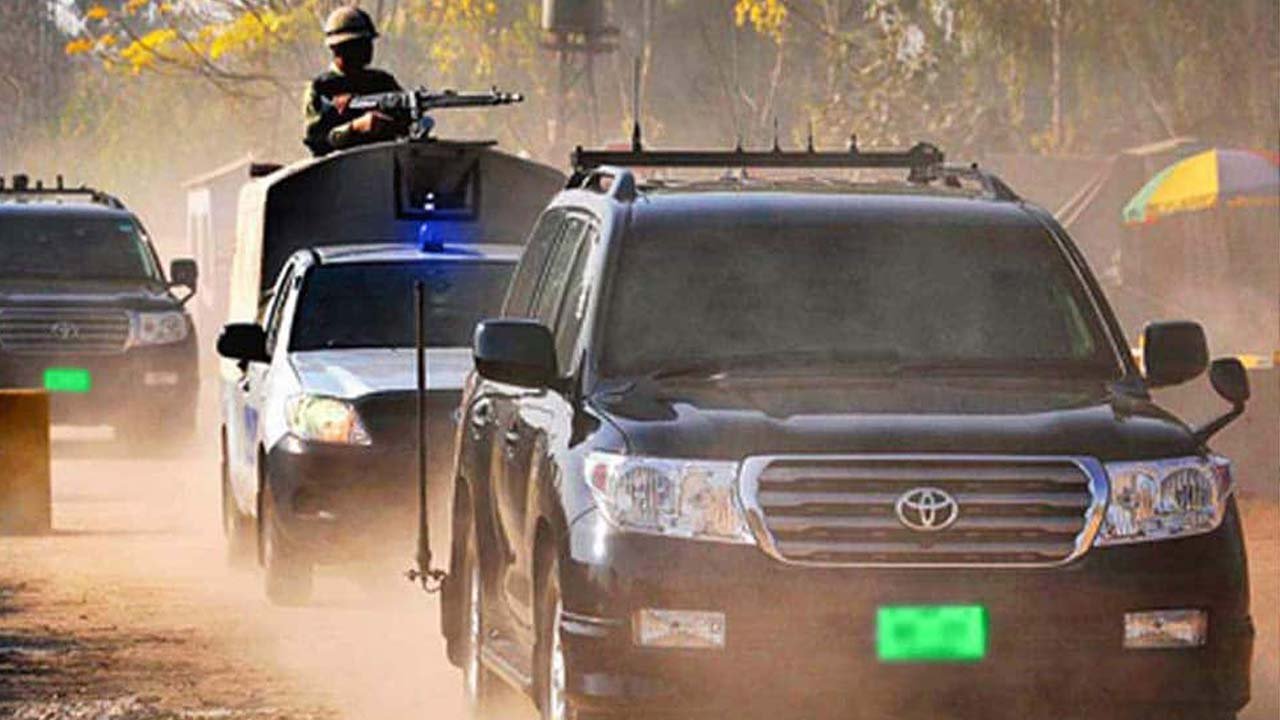
    Sindh Chief Minister (CM) Murad Ali Shah lowered the petrol allotment of ministers and government officials by 40 per cent this week as part of his moderation campaign following another spike in petroleum prices.

    Keeping in view a substantial spike in POL prices within the last few days, the decision was made to limit spending and decrease the strain on the national kitty.

    “The rise in petrol price should not be a burden on the exchequer,” Sindh CM Murad Ali Shah said, increasing the treasury’s load entails intensifying the burden on individuals.

    To meet the International Monetary Fund’s (IMF) conditions, the government has unleashed another big gasoline bomb on the country after another hike of Rs30. In less than a month, the price of petrol has risen by Rs60 to Rs209.86.

    The latest petrol price hike came just hours after the National Electric Power Regulatory Authority (NEPRA) approved a power tariff hike of Rs7.91 per unit.

    The price hike sparked riots in Karachi, with protesters wrecking a petrol pump and torching tyres on University Road. Despite expressing their dissatisfaction with the situation, the general public has requested that the government tightens its belt instead of putting the weight on the populace.

    Senator Mustafa Nawaz Khokar, a top PPP lawmaker, also shared this attitude, suggesting a 50 per cent wage cut for politicians, generals, judges, and senior bureaucrats.

    “Why should common folk shoulder the failures of the political, military and judicial elite? This joke has to end”.

    If the average citizen is compelled to narrow his belt, Khokar believes that politicians, generals, judges, and top bureaucrats’ income should be halved and all amenities, including free utilities, should be removed.

    The administration warned on June 2 that it would raise fuel prices by Rs30 for the second time in ten days, as an attempt to obtain the remaining funds from IMF.