Tag: Auto industry

  • BYD says half of total vehicles sold in Pakistan will be electric by 2030

    BYD says half of total vehicles sold in Pakistan will be electric by 2030

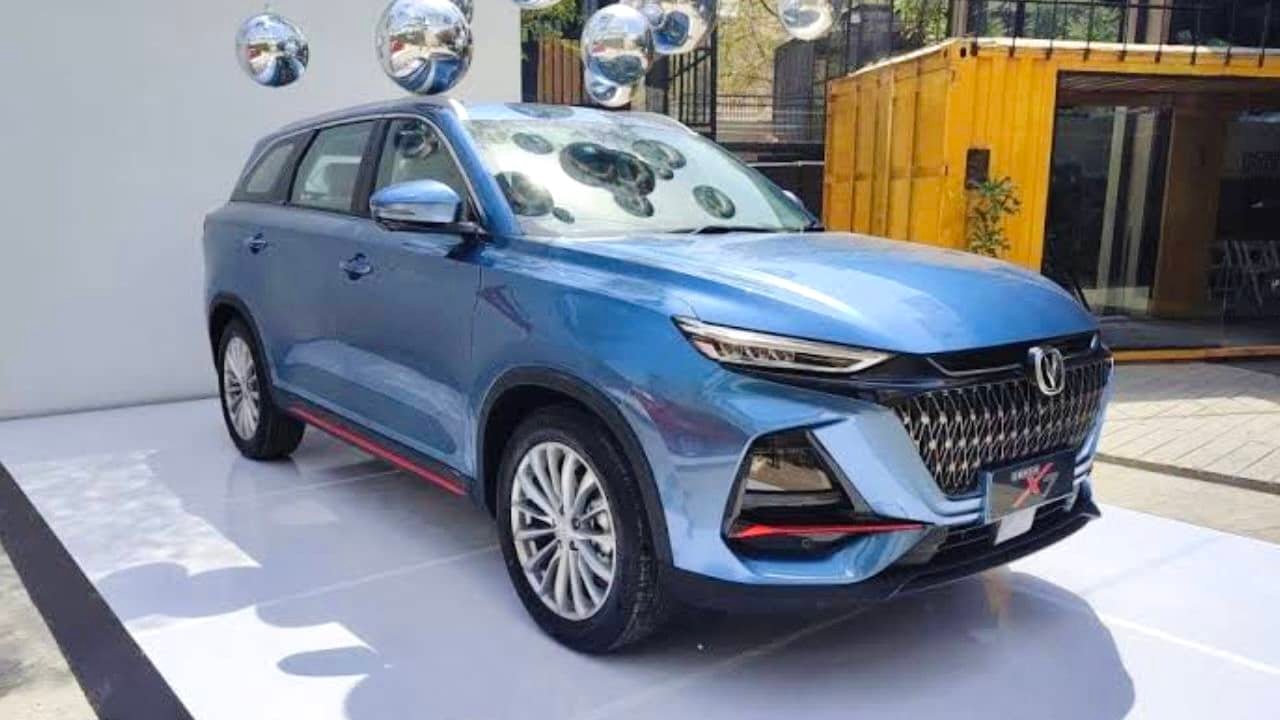
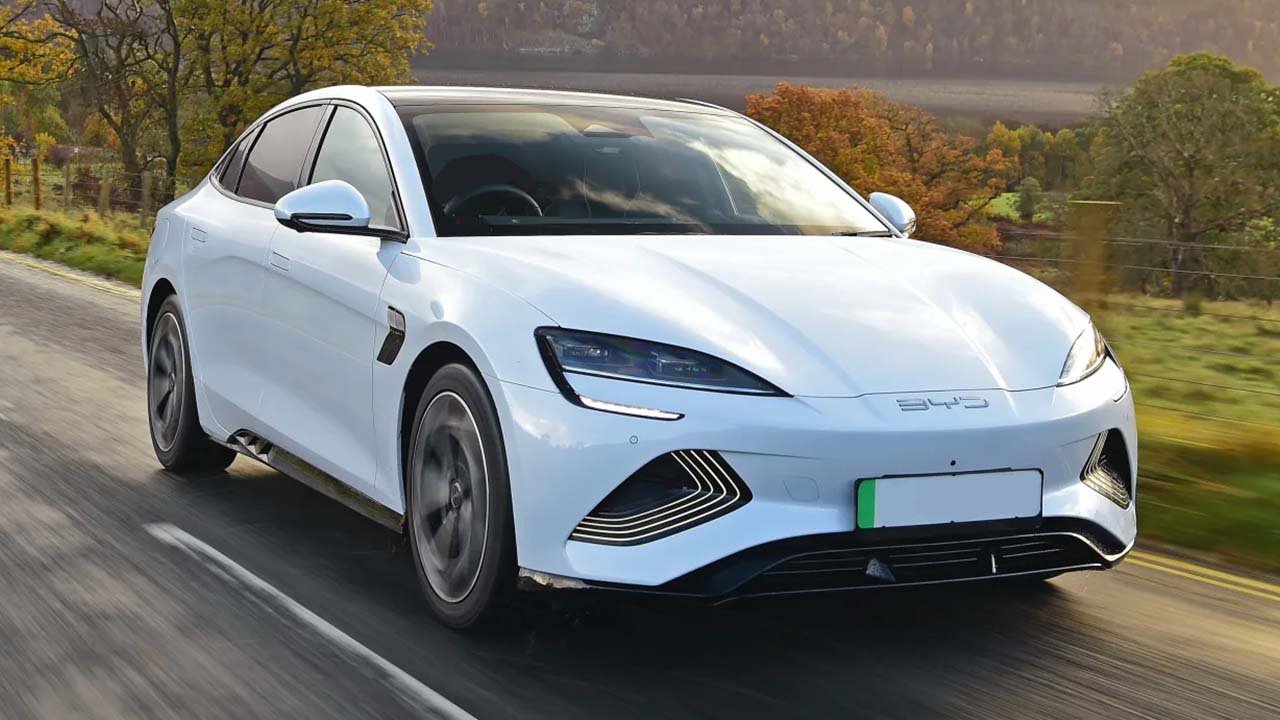
    Up to half of all vehicles sold in Pakistan by 2030 could be electric, according to BYD Pakistan, a joint venture between China’s BYD and Pakistan’s Mega Motors. This target aligns with global goals for reducing emissions.

    BYD, a Chinese electric vehicle (EV) giant backed by Warren Buffett, recently announced its entry into Pakistan, which has a population of around 250 million.

    In a partnership with Mega Motors, the company plans to build an assembly plant by early 2026. However, they will begin selling cars later this year, following the launch of three models in August.

    According to Reuters, Kamran Kamal, BYD Pakistan’s spokesperson, mentioned in an interview that the company expects up to 50 per cent of all vehicles in the country to be powered by new energy sources, such as electric or hybrid technology, by 2030.

    Kamal, who also leads Hub Power, the parent company of Mega Motors, acknowledged this is a bold target given Pakistan’s auto market, which has traditionally been dominated by Japanese brands like Toyota, Honda, and Suzuki. In fact, vehicle sales recently hit a multi-year low as of June 2024.

    While some new players, such as South Korea’s KIA and China’s Changan and MG, have entered the market offering hybrid vehicles, BYD is the first major company focused entirely on new energy vehicles in Pakistan. Hybrid vehicle sales in the country have already doubled in the past year.

    However, experts like Muhammad Abrar Polani, an auto analyst at Arif Habib Limited, believe that while a 30 per cent adoption rate for electric vehicles is achievable by 2030, reaching 50 per cent may be more difficult due to challenges with charging infrastructure.

    Kamal confirmed that the Pakistani government plans to support the development of this infrastructure by offering incentives, and standards for EV charging stations have already been drafted. The government is also considering providing these stations with cheaper electricity.

    BYD Pakistan is working with two oil marketing companies to build a network of charging stations, aiming to set up 20 to 30 stations during the initial rollout of its vehicles. Initially, the company will sell fully assembled cars, which are subject to high import taxes, but Kamal stressed that their primary goal is to start assembling vehicles locally as soon as possible.

    The size of the new assembly plant is still being decided, with more details about the investment and collaboration with power company HUBCO expected later.
  • Toyota Yaris prices reduced by up to Rs133,000

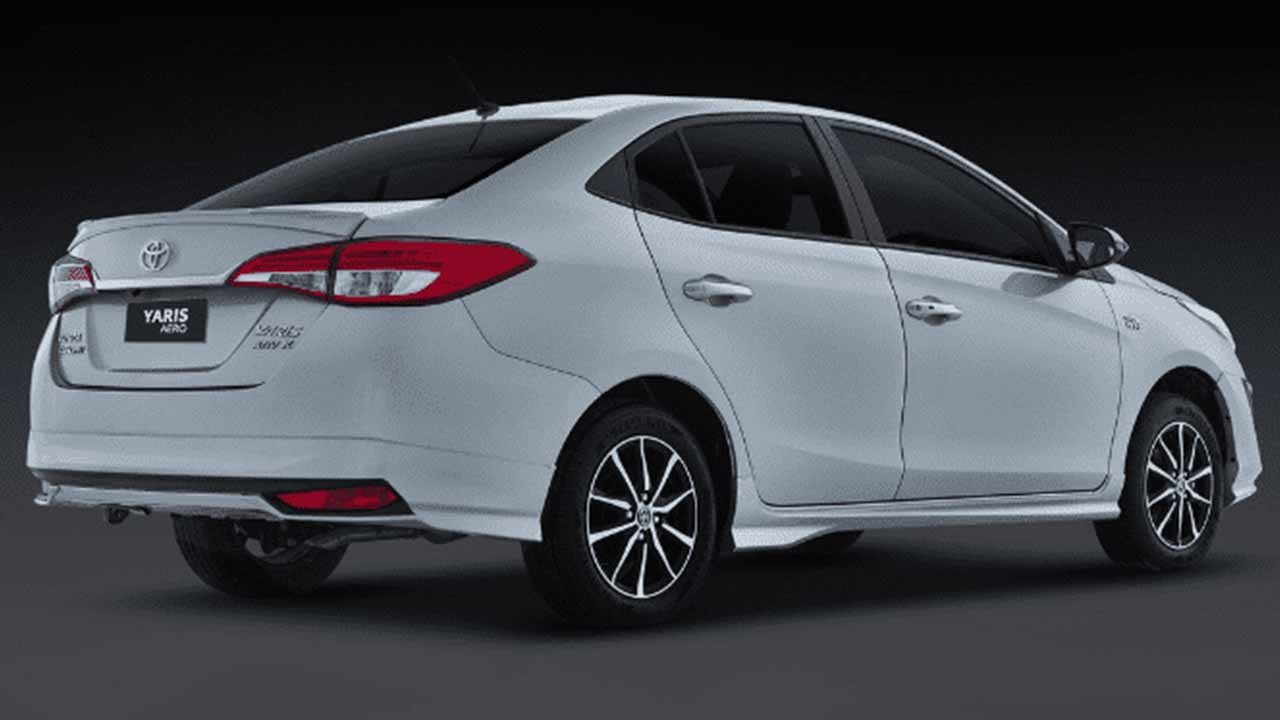
    Toyota Yaris prices reduced by up to Rs133,000

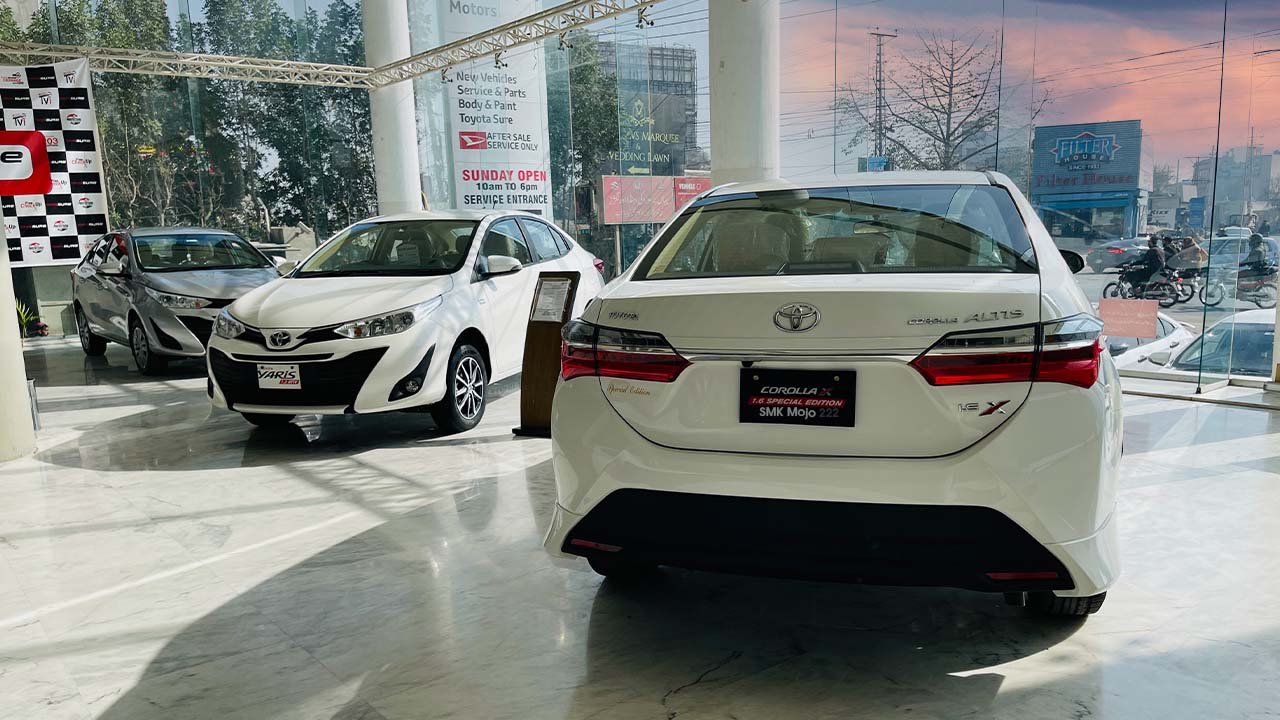
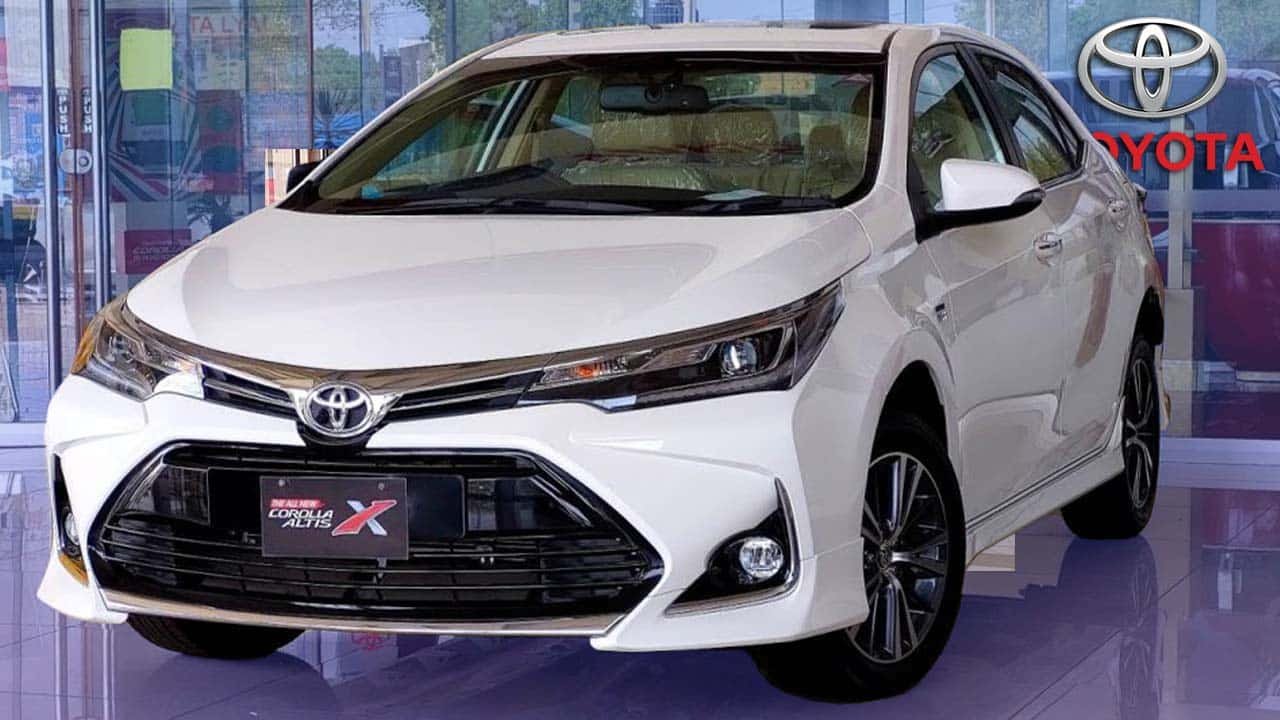
    Indus Motor Company, the manufacturer of Toyota vehicles in Pakistan, has announced a significant price adjustment for its Yaris sedan range.

    This adjustment, effective from Thursday, reflects a reduction in prices ranging from Rs73,000 to Rs133,000.

    The revised pricing structure for the Yaris lineup is as follows: the 1.3 MT LO, 1.3 CVT LO, and 1.3 MT Hi variants will now be priced at Rs4.326 million, Rs4.616 million, and Rs4.586 million, respectively, representing a reduction of Rs73,000 for each model.

    Additionally, the price of the Yaris CVT Hi has been lowered by Rs133,000 and is now priced at Rs4.766 million.

    According to Business Recorder, this decision comes in response to the recent imposition of a 25 per cent sales tax on vehicles priced above Rs4 million.

    By implementing these price cuts, Indus Motor Company aims to ensure that the Yaris remains within the 18 per cent sales tax bracket.

    Initially, the government’s decision to raise the sales tax was targeted at vehicles with engine sizes of 1,400 cc and above, as well as those priced above Rs4 million.

    However, it later extended to include SUVs below the 1,400cc threshold, prompting manufacturers to advocate for a Rs4 million price cap.

    As a consequence of this tax adjustment, certain models from Toyota, Honda, and Suzuki are now subject to the increased sales tax regime.

  • Factors behind the continuous decline in car financing in Pakistan

    Factors behind the continuous decline in car financing in Pakistan

    In January 2024, the automobile financing sector in Pakistan witnessed a significant downturn, as car financing recorded a notable decrease to Rs246.26 billion.

    This marks a 25.82 per cent year-on-year (YoY) decrease and a 1.98 per cent month-on-month (MoM) decrease compared to Rs331.98 billion in January 2023 and Rs251.25 billion in December 2023, respectively. The latest data from the central bank provides these insights.

    This decline in automobile financing extends to the nineteenth consecutive month, with a total decrease of Rs114.29 billion over the past 19 months.

    Several factors contribute to this decline, including higher interest rates, increased car prices, regulatory restrictions on acquiring loans, and elevated taxes on the import of automobiles and their parts.

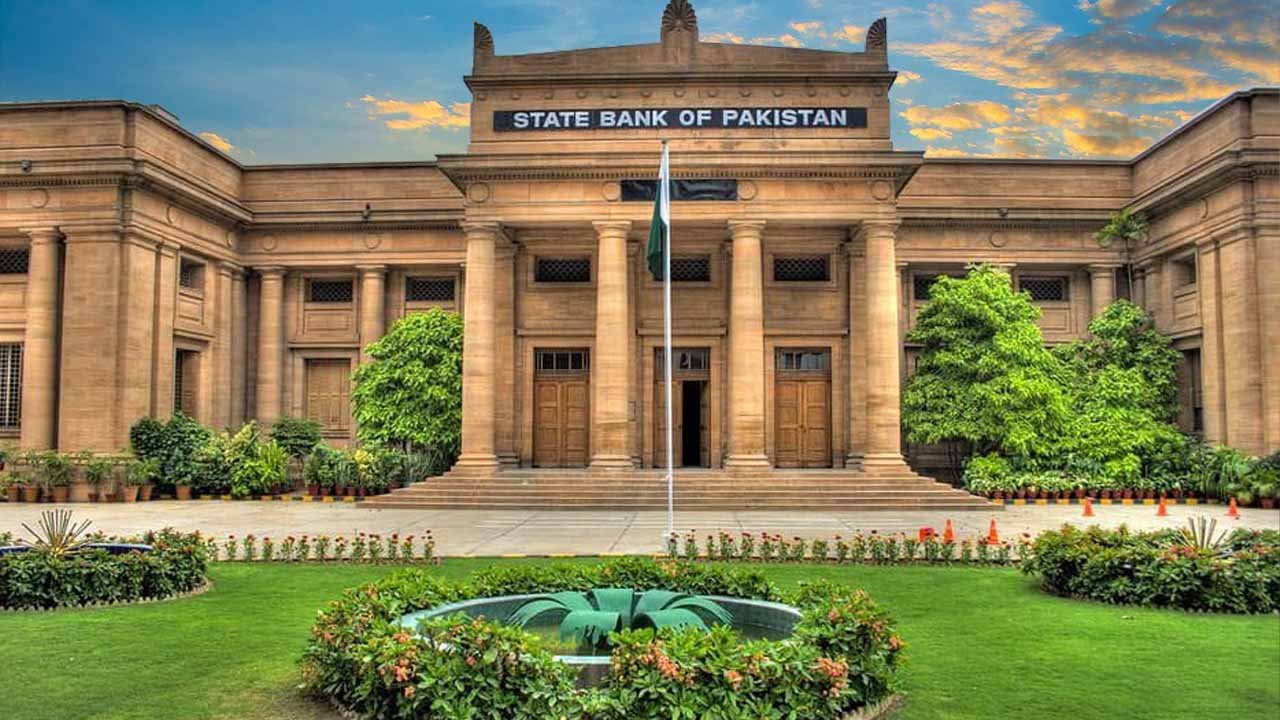
    According to the State Bank of Pakistan (SBP) data, consumer financing for house building amounted to Rs207.62 billion by the end of January 2024.

    This reflects a 3.44 per cent YoY decrease compared to Rs215 billion in the same month last year. Looking at monthly changes, financing for house building saw a marginal 0.26 per cent MoM decrease compared to the previous month’s Rs208.15 billion.

    Financing for personal use stood at Rs243.1 billion, showing a 4.47 per cent YoY decrease and a 0.54 per cent MoM decrease.

    Consequently, the overall credit disbursed to consumers declined to Rs813.96 billion during the review month, registering a fall of 9.04 per cent YoY and 0.52 per cent MoM.

    The outstanding credit to the private sector also experienced a decline, decreasing by 0.76 per cent YoY to Rs8.35 trillion in January 2024. On a monthly basis, this represents a 2.21 per cent decrease compared to the credit of Rs8.54 trillion in December 2023.

    Analysing credit distribution to the private sector, loans to the manufacturing sector amounted to Rs4.81 trillion in the review period, showing a slight 0.33 per cent YoY increase. However, on a monthly basis, there was an 0.89 per cent MoM decline, as December recorded loans to this sector at Rs4.85 trillion.

    Borrowing from the construction sector stood at Rs190.15 billion in January 2024, experiencing a 0.97 per cent YoY decrease and a 5.05 per cent MoM decrease compared to the previous month.

    Looking ahead, the data indicates that loans to the agriculture, forestry, and fishing sectors rose to Rs397.27 billion in the month under review, marking a significant 16.95 per cent YoY increase.

    However, on a sequential basis, loans to this sector recorded a fall of 4.82 per cent MoM.

  • SBP-held forex reserves surge to $7.76 billion in December

    SBP-held forex reserves surge to $7.76 billion in December

    In the week concluding on December 22, 2023, Pakistan witnessed a substantial increase in its total liquid foreign reserves, reaching a noteworthy $12,855.7 million.

    This surge was reported by the State Bank of Pakistan (SBP), which highlighted that the central bank’s reserves saw a remarkable uptick to $7,757.1 million during the same period.

    The SBP revealed that the surge in reserves, amounting to $852 million, was primarily attributed to official inflows from the Government of Pakistan received during the week under review.

    Simultaneously, commercial banks in the country reported net foreign reserves amounting to $5,098.6 million, further contributing to the overall resilience of Pakistan’s financial position.

    This positive development follows the previous week’s figures, ending on December 15, 2023, where the total liquid foreign reserves were recorded at $12,068.4 million.

    During this period, the central bank held reserves worth $6,904.8 million, with commercial banks reporting net foreign reserves of $5,163.6 million.

    In contrast to the positive financial indicators, Pakistan’s auto industry faced significant challenges in 2023, marked by a sharp decline in car sales of up to 55 per cent. Factories involved in manufacturing car parts also experienced a substantial production cut of 70 per cent.

    The persistent challenges in the auto sector were attributed to the exchange rate crisis, causing a decline in income until the previous year.

    The repercussions of reduced car sales were not limited to impacting the national Treasury; they also resulted in a noticeable decrease in revenue from products.

    An essential factor in this context is the adjustment made by automobile companies following a decrease in the value of the US dollar against the Pakistani rupee.

    In the closing months of 2023, these companies responded by slashing the prices of their units, reflecting the dynamic interplay between economic forces and market conditions.

  • Pakistan expected to export cars to Kenya

    Pakistan expected to export cars to Kenya

    Master Changan Motors, a noteworthy Pakistani-Chinese collaboration, has initiated the export of its Oshan X7 mid-size crossover to Kenya.

    The sight of containers laden with Oshan X7 vehicles en route to the port in Karachi has confirmed this export venture.

    Reliable sources affirm that a substantial quantity of Oshan X7 SUVs will soon grace Kenyan roads.

    While the official announcement of this export endeavour is yet to be made, it is anticipated to be unveiled at a ceremony scheduled for October 12, hosted at their Karachi manufacturing facility.

    In the past, Changan Pakistan’s CEO, Danial Malik, articulated the company’s intention to export right-hand drive vehicles initially designed for the Pakistani market to various other regions.

    Historically, the parent company produced left-hand drive vehicles exclusively for its domestic clientele.

    Danial Malik also emphasised that Changan’s Pakistan-assembled vehicles would find their way to distributors in South Africa, Malaysia, Indonesia, and other countries where right-hand drive vehicles are customary.

    This development unfolds against a backdrop of considerable economic challenges confronting Pakistan, including soaring inflation and the burdensome cost of conducting business. Exacerbating the situation, interest rates are presently at historic highs, resulting in decreased demand for automobiles.

    Furthermore, car prices within Pakistan have surged significantly, amplifying the financial strain on hard-pressed consumers.

    In response, the government has been strongly encouraging the automotive sector, which is heavily reliant on imported materials, to bolster its exports. The initial objective was to achieve 2 per cent of the total imports, a target unmet in FY23.

    According to Samaa, in May 2022, Pakistan marked a milestone by exporting its first vehicle crafted by Master Changan Motors under the newly implemented Auto Industry Development and Export Policy (AIDEP 2021-26). Notably, Pakistan stands as the sole country outside China to manufacture the latest Changan Oshan X7 model.

    Concurrently, the Pakistan Automotive Manufacturers Association (PAMA) disclosed on October 11 that car sales in Pakistan had risen by 10 per cent in September compared to the preceding month, with a total of 8,312 units sold. 

    Nevertheless, this apparent short-term upturn can be attributed to improved access to raw materials, whereas the year-on-year data indicates a substantial 26 per cent decrease in sales for the corresponding period.

  • High interest rates and taxes lead to 20.90% drop in car financing in Pakistan

    High interest rates and taxes lead to 20.90% drop in car financing in Pakistan

    In a notable shift, the landscape of automobile financing in Pakistan has undergone a substantial transformation, with figures from the State Bank of Pakistan (SBP) indicating a significant decline. The data, released by SBP, unveils a marked decrease in car financing, plummeting to Rs285.19 billion in July 2023. This represents a notable 20.90 per cent year-on-year (YoY) decrease and a 2.91 per cent month-on-month (MoM) decrease when compared to the figures from July 2022, which stood at Rs360.55 billion, and June 2023, which registered at Rs293.73 billion.

    The primary contributors to this downward trajectory are multi-faceted. Firstly, the imposition of higher interest rates has played a pivotal role in reshaping the car financing landscape. Additionally, the surge in car prices has also contributed significantly to this downturn. Moreover, regulatory restrictions governing the acquisition of loans have created a notable barrier, further impacting the market. Furthermore, the imposition of elevated taxes on the import of automobiles and their integral parts has compounded the challenges faced by the automobile financing sector.

    Contrastingly, in a separate but related sphere, consumer financing for house building displayed a contrasting narrative. SBP’s data reveals that by the conclusion of July 2023, consumer financing for house building registered at Rs211.11 billion, marking a commendable 4.82 per cent YoY increase. According to Mettis Global, this uptick can largely be attributed to SBP’s proactive measures to stimulate the housing and construction sector within the nation. However, in terms of monthly changes, the figures remained relatively static, with a minor decline of 0.57 per cent.

    Meanwhile, financing for personal use, amounting to Rs250.24 billion, experienced a marginal 0.09 per cent YoY decrease. Similarly, on a monthly basis, financing within this category saw a slight downturn of 0.95 per cent. Consequently, the cumulative credit extended to consumers in various segments reached Rs851.22 billion during the assessment month. This overall credit value reflected a notable 4.70 per cent YoY decline and a 0.99 per cent MoM reduction.

    Furthermore, the credit scenario within the private sector depicted a nuanced picture. Outstanding credit to the private sector encountered a minor 0.06 per cent YoY decrease and a slightly more pronounced 1.12 per cent MoM reduction, resting at Rs8.19 trillion in July 2023. In contrast, loans granted to the manufacturing sector exhibited an encouraging 1.12 per cent YoY increase, amounting to Rs4.48 trillion during the review period. However, on a monthly scale, the loans within the manufacturing sector dipped by 1.44 per cent MoM.

    In summation, the marked decline in car financing, as evidenced by SBP’s recent data, underscores the multifaceted challenges that the automobile financing sector in Pakistan is currently grappling with. While interest rates, car prices, and regulatory curbs have contributed to this downward trend, other sectors such as house building and manufacturing loans have demonstrated distinct trajectories. As the nation navigates through these financial dynamics, stakeholders remain vigilant in monitoring and adapting to these evolving circumstances.

  • Car sales in Pakistan witness 57% decline in July 2023 compared to last year

    Car sales in Pakistan witness 57% decline in July 2023 compared to last year

    In the midst of ongoing economic uncertainty, the automobile sector has encountered a substantial decline in car sales, marking another significant setback.

    The most recent data released by the Pakistan Automotive Manufacturers Association (PAMA) unveils a noteworthy trend, with exclusive member carmakers collectively retailing a mere 5,092 vehicles during July 2023. This figure represents a notable downturn both in comparison to the previous month, with a 16 per cent decrease in sales, and to the same period last year, with a staggering 57 per cent reduction.

    Among the industry leaders, the Toyota Indus Motor Company (IMC) experienced a sales figure of 1,368 cars, indicating a 26 per cent reduction in sales on a month-on-month basis. On the other hand, the Honda Atlas Cars Limited (HACL) reported a sale of 494 cars, reflecting an unexpected 61 per cent surge in monthly sales. Meanwhile, the Pak Suzuki Motor Company (PSMC) encountered a decline of 19 per cent in its monthly sales, with a total of 2,444 cars sold.

    Hyundai Nishat Motors Private Limited (HNMPL) also made its mark by selling 569 cars in the past month, showcasing a modest 2 per cent increase in sales compared to the previous month. The resounding success of the Tucson model has been a driving force behind the company’s performance.

    While a slight uptick in sales has been witnessed, the overarching trajectory of the local car industry remains somber. Production disruptions persist as car companies grapple with inventory shortages, further exacerbated by the escalating prices and taxes that have curbed consumer demand.

    Experts caution that the challenges facing the industry are far from over, with more potential production obstacles and price escalations looming on the horizon. The road ahead continues to be a demanding one, requiring the industry to navigate through these formidable headwinds.

  • Toyota Indus Motor Company sees 142% increase in quarterly profit despite low demand

    Toyota Indus Motor Company sees 142% increase in quarterly profit despite low demand

    Indus Motor Company (IMC) announced a 37 per cent decrease in its profit-after-tax (PAT) for the third quarter of financial year 2022-23, with earnings of Rs3.216 billion compared to Rs5.118 billion in the same period last year.

    Despite this, the automaker saw an increase in its quarterly PAT by 142 per cent, which was attributed to an improvement in gross margins, resulting in an operating profit after two consecutive quarterly operating losses. The company also declared an interim cash dividend of Rs24.4 per share, in addition to the previously paid interim cash dividend of Rs18.4 per share.

    Muhammad Abrar, an investment analyst at Arif Habib Limited, explained that IMC was able to offset the impact of currency devaluation by raising the prices of its cars significantly. The automaker’s operating expenses were also curtailed. While revenue decreased by 29 per cent due to lower units sold, IMC’s gross profit was Rs3.05 billion during 3QFY23, compared to Rs5.23 billion in the same period last year.

    Pakistan’s auto sector has been struggling due to the government’s decision to curb imports and restrict issuance of Letters of Credit (LC), higher finance cost, and massive increases in car prices. Despite this, IMC’s gross margins improved to 6.3 per cent on a QoQ basis, which was unexpected, according to Abrar.

    According to Brecorder, the company’s earnings per share (EPS) stood at Rs40.92, compared to Rs65.11. IMC’s board of directors met to review the company’s financial and operational performance in the first nine months ended March 31, 2023. While higher profits are expected in the upcoming quarter due to the increase in car prices and the reduction of operating expenses, the country’s auto industry reported a 66 per cent decrease in car sales compared to March 2022.

    Last week, Pak Suzuki Motor Company Limited also reported its highest-ever quarterly loss of Rs12.9 billion in the first three months of 2023 due to decreased sales and high finance costs.

  • Suzuki Swift experiences price increase of over Rs1.8 million since March 2022

    Suzuki Swift experiences price increase of over Rs1.8 million since March 2022

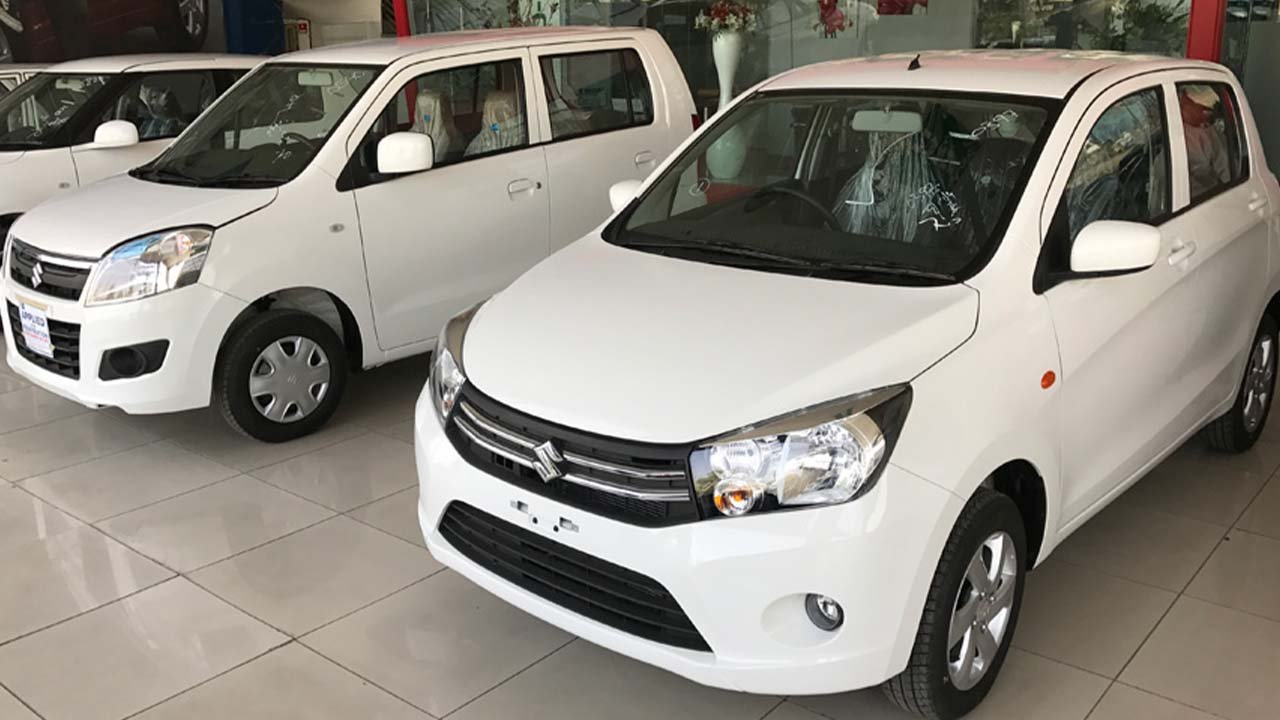
    In a little under a year, the price of cars in Pakistan has risen dramatically. Car companies across the country have announced successive price hikes since last year. Even the most affordable models, such as the Suzuki Alto, have become prohibitively expensive, with prices that the average salaried worker can scarcely afford.

    These price hikes can be attributed to a number of factors, including the depreciation of the Pakistani rupee against the US dollar and an increase in the cost of production. Unfortunately, this has resulted in even basic car models becoming unaffordable luxuries for many people in Pakistan.

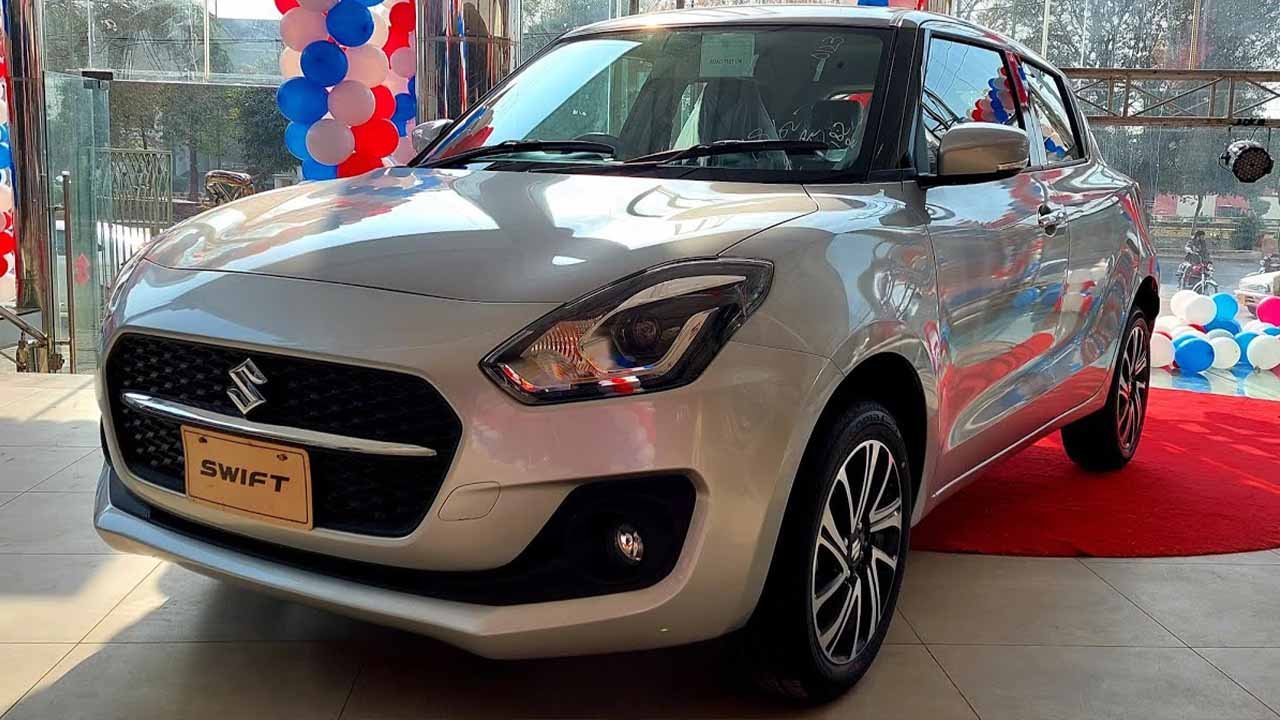
    For instance, consider the Suzuki Swift – one of the country’s most popular cars. In March 2022, the base model of the Swift, known as the Suzuki Swift GL with manual transmission, was priced at Rs2,499,000. By March 2023, the same car jumped to Rs4,052,000 – an increase of Rs1,553,000.

    Those looking for a more advanced version of the Swift are in for an even bigger shock. The mid-variant, the Suzuki Swift GL CVT with automatic transmission, was priced at Rs2,699,000 just a year ago. Today, that same model will set you back an astounding Rs4,355,000 – an increase of Rs1,656,000.

    Furthermore, the top-of-the-line model, the Suzuki Swift GLX, has seen a significant price increase. One year ago, the GLX variant was priced at Rs2,899,000. Today, it costs an incredible Rs4,725,000 – a difference of Rs1,826,000.

    Overall, the sharp rise in car prices in Pakistan has made car ownership an unattainable dream for many people. It remains to be seen whether anything will be done to alleviate the financial burden of car ownership in the country.

    To provide a clear comparison, here is a table showcasing the prices of the three variants of the Suzuki Swift from March 2022 to March 2023:

    Model March 2022 Price March 2023 Price Difference
    Swift GL Manual Rs2,499,000 Rs4,052,000 Rs1,553,000
    Swift GL CVT Rs2,699,000 Rs4,355,000 Rs1,656,000
    Swift GLX Rs2,899,000 Rs4,725,000 Rs1,826,000
  • Toyota IMC records worst sales in three years, selling less than 2,000 cars in February

    Toyota IMC records worst sales in three years, selling less than 2,000 cars in February

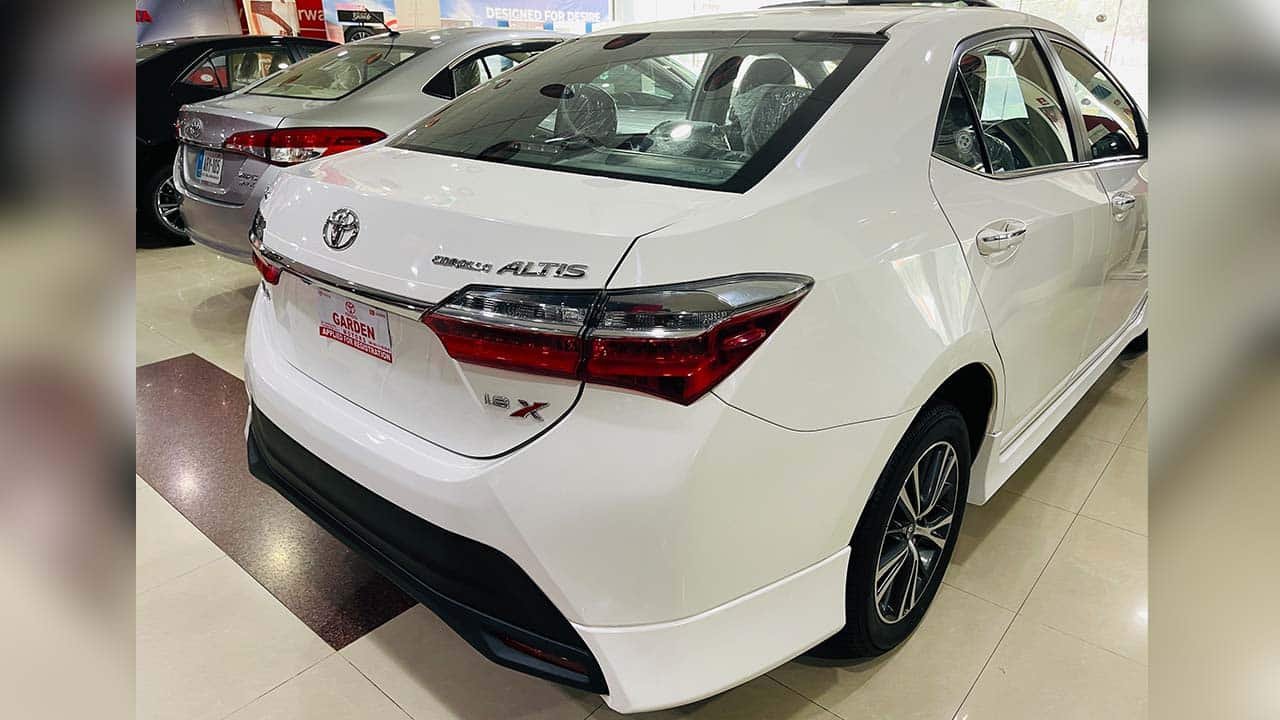
    Toyota Indus Motor Company (IMC), a leading automaker renowned for offering the country’s best-selling sedan, has reported a significant decline in sales in February 2023, marking the worst sales month since the onset of the Covid-19 pandemic.

    Having previously sold over 7,100 units in March 2022, the company’s sales have now plummeted to a meager 1,803 vehicles in February 2023, according to Autojournal.

    It is pertinent to note that this represents the lowest sales figures for Toyota in the past three years, since the outbreak of the Covid-19 pandemic and subsequent lockdowns.

    Toyota is not the only company experiencing this phenomenon, as Pak Suzuki Motor Company has also reported a massive decline in sales, selling only 544 units in February 2023, despite having sold over 6,000 units of Suzuki Alto in a single month previously.

    Pakistan’s auto industry is currently facing significant challenges due to production halts, resulting from a lack of availability of auto parts and restrictions on imports.

    As a result, car manufacturers are facing difficulties in meeting consumer demands, leading to decreased sales figures for many companies, including Toyota and Suzuki.