Tag: auto parts

  • Honda unveils its first electric bike in Pakistan 

    Honda unveils its first electric bike in Pakistan 

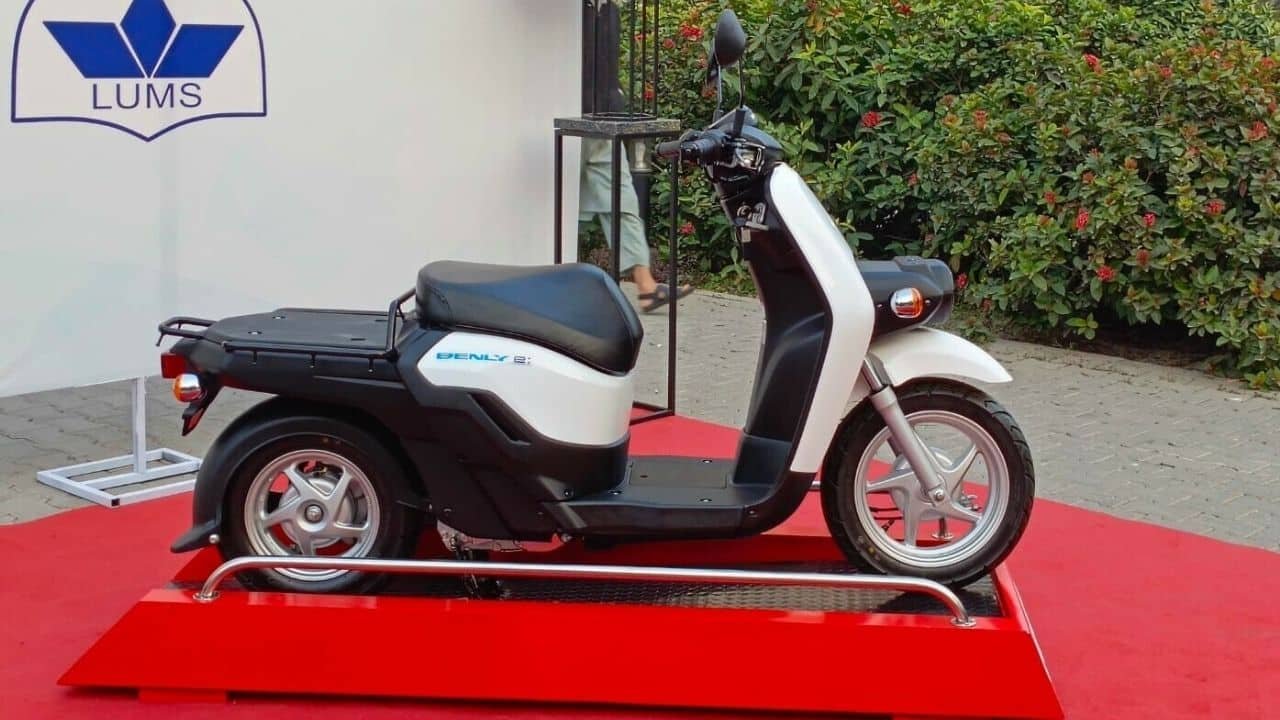
    Atlas Honda has revealed its first electric motorcycle, the Honda ‘BENLY e’, during a ceremony at the Sheikhupura plant to mark the company’s 60th year of operation in Pakistan. 

    Although the company did not specify the rollout date, Noriaki Abe, Chief Officer of Motorcycle and Power Products at Atlas Honda, announced that the Honda BENLY e will undergo test marketing. 

    The launch event emphasised the company’s commitment to delivering quality products based on market feedback. 

    Abe highlighted the integral role Honda products play in the daily lives of many Pakistanis, noting the significant contributions of the joint venture between Atlas Group and Honda Motor Company since 1963. 

    Meanwhile, Shinji Aoyama, Executive Vice President and COO of Honda Motor Company, expressed Honda’s readiness for the evolving mobility industry. 

    Saquib H. Shirazi, President and CEO of Atlas Honda, shared insights into the company’s achievements, including a 95 per cent localisation of its product line and the development of an extensive network of local auto parts manufacturers and dealers, generating employment for over 150,000 individuals. 

    Despite challenges in the motorcycle industry, such as a 5 per cent month-on-month and 11 per cent year-on-year decline in sales in October, Atlas Honda Limited reported a remarkable 152 per cent increase in net profit for the first quarter of the fiscal year 2023–24. 

    The growth was attributed to robust sales and additional income. Overall, motorcycle sales for the first four months of the fiscal year experienced a 10 per cent year-on-year decline to 371,000 units, influenced by higher bike prices and reduced consumer purchasing power. 
  • Toyota IMC records worst sales in three years, selling less than 2,000 cars in February

    Toyota IMC records worst sales in three years, selling less than 2,000 cars in February

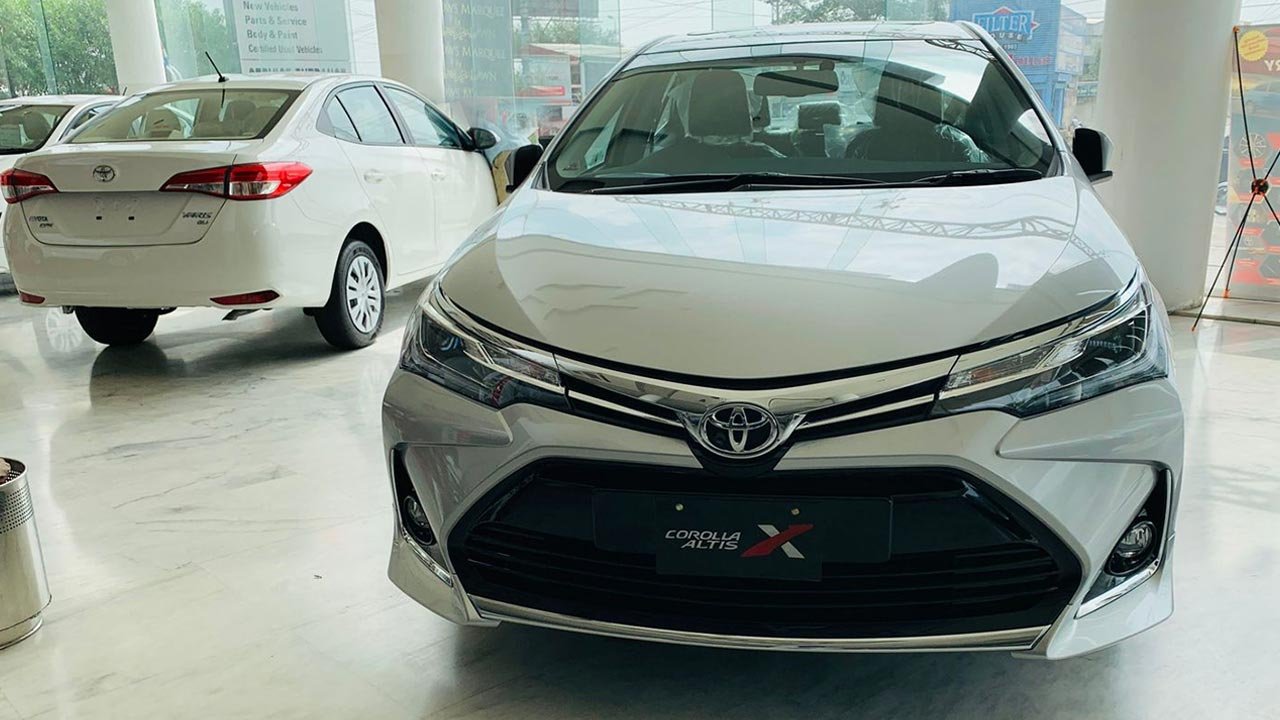
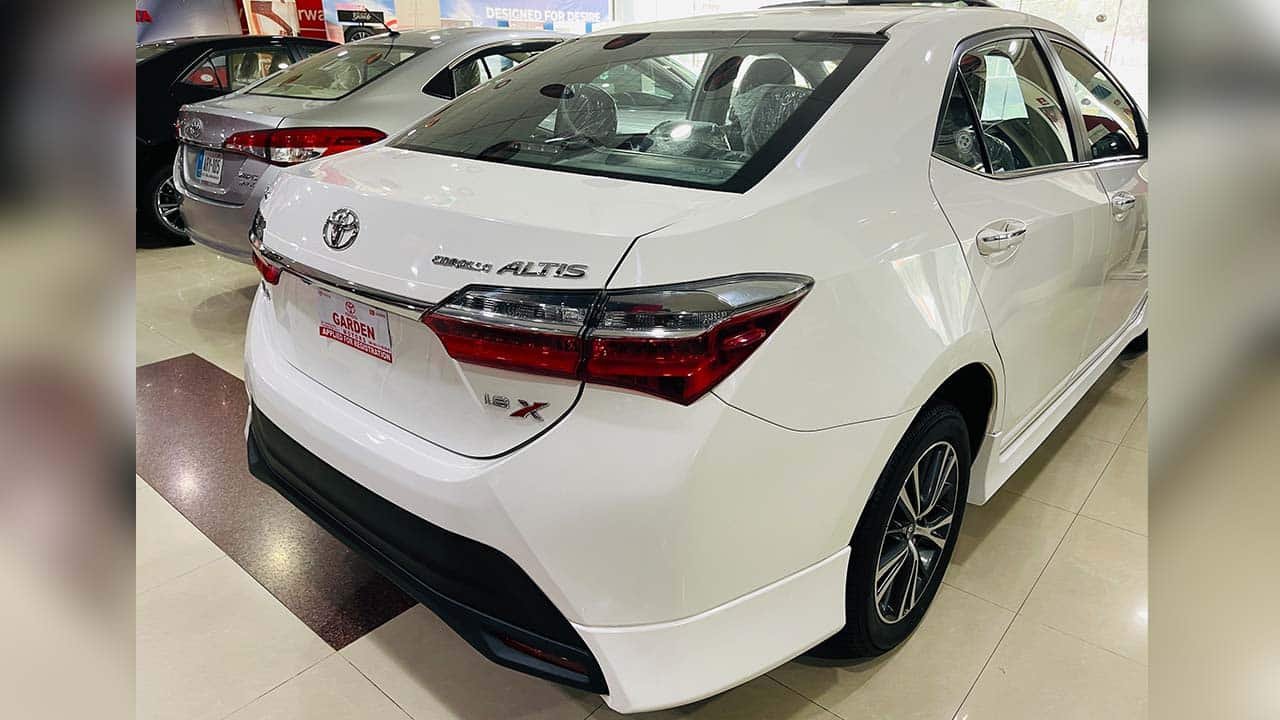
    Toyota Indus Motor Company (IMC), a leading automaker renowned for offering the country’s best-selling sedan, has reported a significant decline in sales in February 2023, marking the worst sales month since the onset of the Covid-19 pandemic.

    Having previously sold over 7,100 units in March 2022, the company’s sales have now plummeted to a meager 1,803 vehicles in February 2023, according to Autojournal.

    It is pertinent to note that this represents the lowest sales figures for Toyota in the past three years, since the outbreak of the Covid-19 pandemic and subsequent lockdowns.

    Toyota is not the only company experiencing this phenomenon, as Pak Suzuki Motor Company has also reported a massive decline in sales, selling only 544 units in February 2023, despite having sold over 6,000 units of Suzuki Alto in a single month previously.

    Pakistan’s auto industry is currently facing significant challenges due to production halts, resulting from a lack of availability of auto parts and restrictions on imports.

    As a result, car manufacturers are facing difficulties in meeting consumer demands, leading to decreased sales figures for many companies, including Toyota and Suzuki.

  • ‘Insufficient inventory levels’ force Toyota IMC to suspend car production for two weeks

    ‘Insufficient inventory levels’ force Toyota IMC to suspend car production for two weeks

    Due to the continuing economic crisis, Pakistan’s automobile industry is struggling much like all other businesses. In the most recent development, Toyota Indus Motor Company (IMC) has temporarily halted automobile production.

    Non-production days (NPDs) will be observed by the automaker from February 1 to February 14, 2023. Due to limited supply, the corporation will also switch to single-shift manufacturing from February 15, 2023.

    An official notification from Toyota IMC reads:

    The company and its vendors continue to face major hurdles in import of raw materials and receiving clearance of their consignments from commercial banks. This has disrupted the entire supply chain and the vendors are unable to supply raw materials and components to the company. Accordingly, the company has insufficient inventory levels, therefore, the company is unable to continue its production activities.

    Last month, the State Bank of Pakistan decided to withdraw the restrictions placed on imports with effect from January 2, 2023. The SBP said that Authorised Dealers (ADs) may prioritise or facilitate imports under essential imports, energy imports, imports by export-oriented industry, imports for agriculture inputs, deferred payment / self-funded imports and import for export-oriented projects near completion.

    However, import restrictions due to dollar shortage are still hampering many industries including the auto sector.

    The prices of Toyota IMC’s vehicles have already increased twice in a single month. The uncertainty caused by the continued economic decline is now casting doubt on the future of Pakistan’s auto sector.

  • ‘We are unable to serve new customers’: Pak Suzuki announces booking suspension for all motorcycles

    ‘We are unable to serve new customers’: Pak Suzuki announces booking suspension for all motorcycles

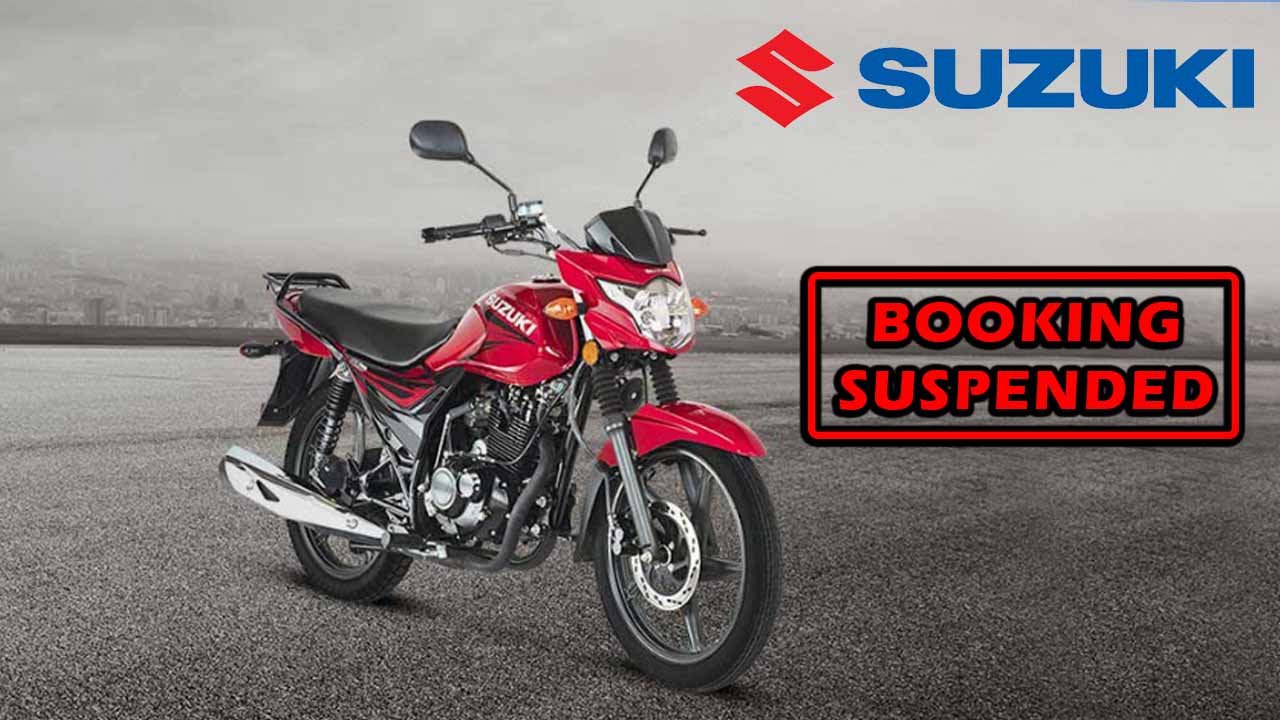
    Pak Suzuki Motor Company (PSMC) stated on Thursday that it had halted taking reservations for motorbikes until further notice due to issues with manufacturing and procurement following the consecutive closures of its automobile assembling factories caused by an ongoing inventory crisis.

    “Under the present economic circumstances, import-based supply chain constraints and uncertain production possibilities, we are unable to serve new customers,” the company said in a letter to dealers.

    The suspension of reservations would start today.

    “We will, therefore, stop bookings of our motorcycle products from January 20, 2023, for the time being. However, bookings will resume as the situation becomes favourable to serve fresh customers.”

    With the rupee falling and inflation at decades-high levels, Pakistan’s economy has collapsed along with a simmering political crisis, but disastrous floods and a worldwide energy crisis have added to the strain.

    Almost all industries, including the automotive sector, have been slowed down by a lack of imported components and materials, and an alarmingly large number of businesses have been forced to cease operations.

    As Pakistan struggles with a dire foreign exchange crisis, thousands of containers filled with basic food supplies, raw materials, and medical equipment have been held up at the Karachi port.

    According to Express Tribune, banks are refusing to issue fresh letters of credit for importers due to a shortage of needed dollars, which is hurting an economy already under pressure from high inflation and weak growth.