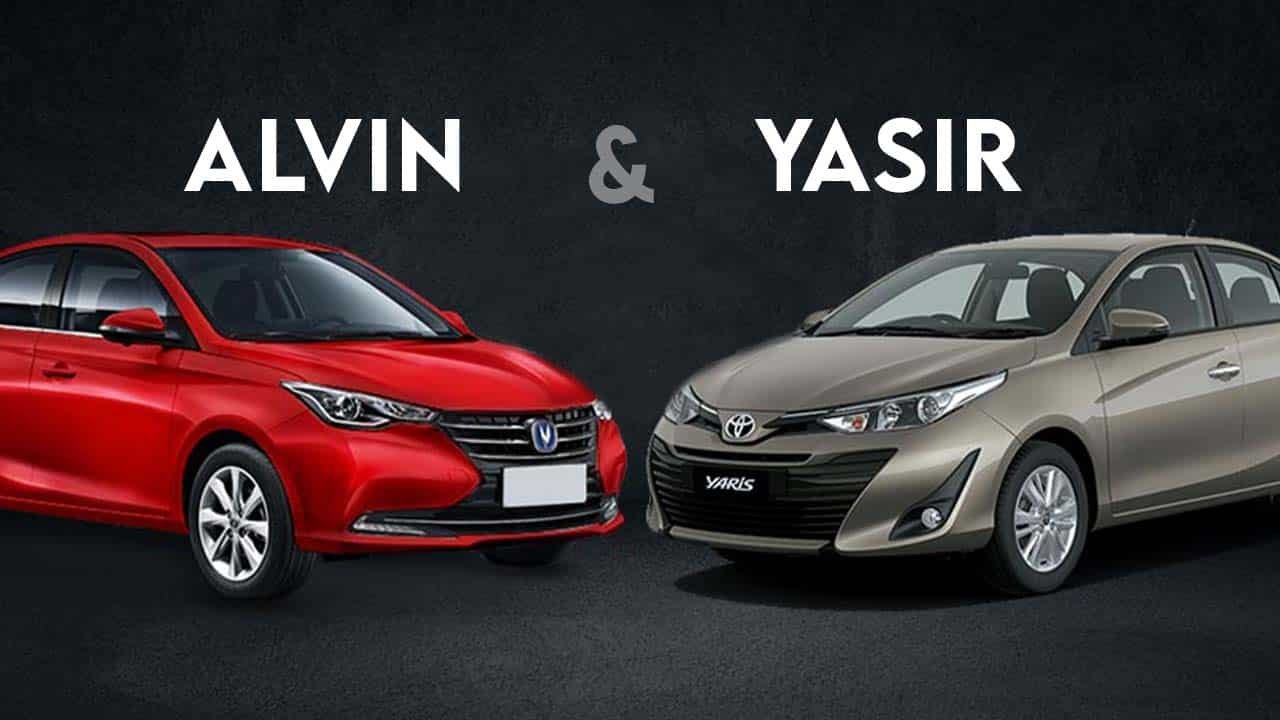
KIA Motors Pakistan recently stirred curiosity on social media by mentioning “Yasir and Alvin” in a post, leaving some oblivious while surprising others.
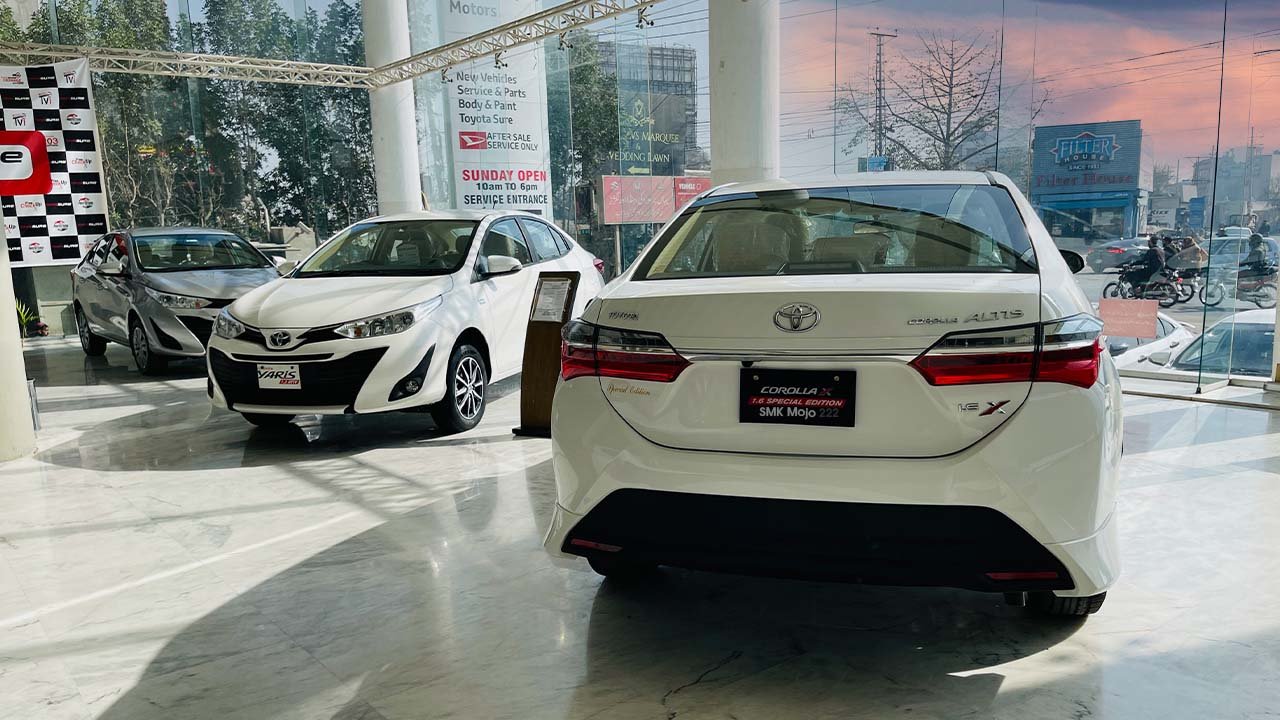
Clarifying the mystery, KIA Lucky Motor Corporation is hinting at the introduction of a sedan resembling the Toyota Yaris and Changan Alsvin.
This serves as a clear indication of the automaker’s intent to enter this segment. The upcoming car is expected to match the size of the Toyota Yaris and Changan Alsvin, eliminating the possibility of it being an entirely different model.
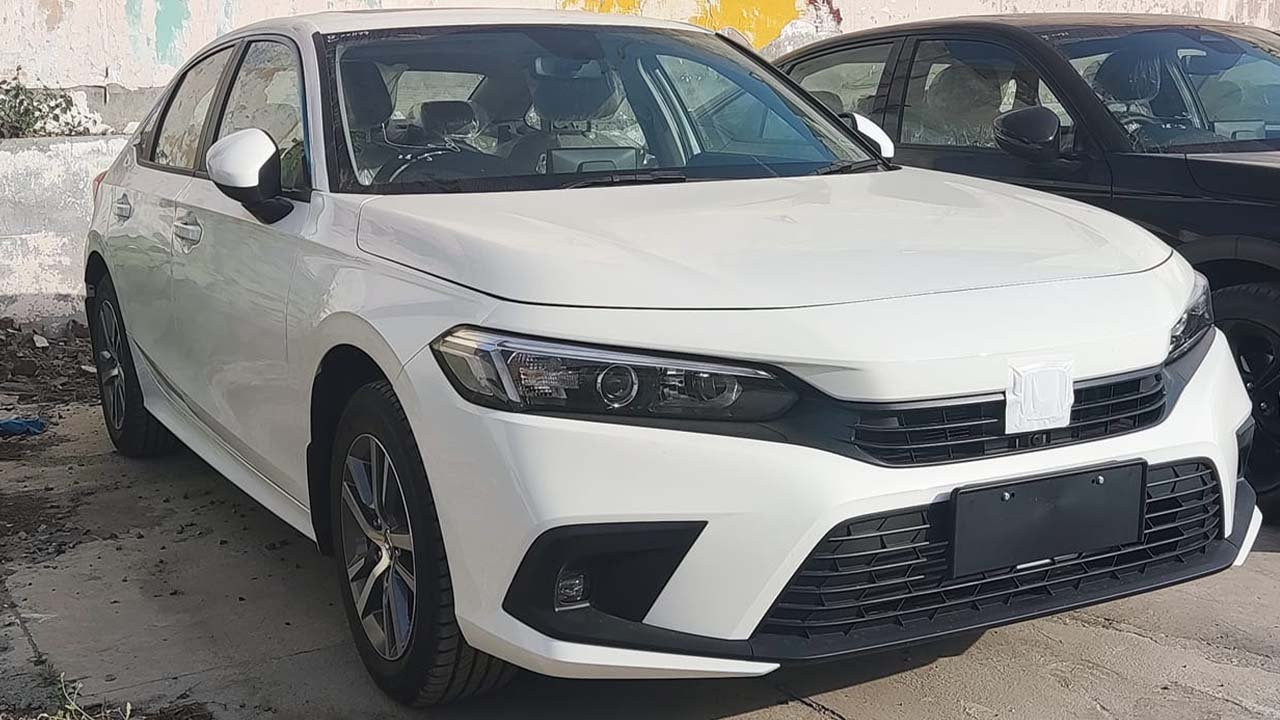
This move suggests that, for the time being, the Corolla and Civic segments remain unthreatened by a new entrant.
While the brand has not disclosed the car’s details or its name, it is apparent that a new vehicle is on the verge of being launched.
Considering the current economic challenges in Pakistan, with soaring car prices, launching a new vehicle seems like a risky decision.
The nation is already grappling with high petrol costs and escalating inflation, making the timing of this introduction noteworthy.
Honda Atlas Cars (Pakistan) Limited, a subsidiary of Honda Motor Co., Ltd. of Japan, has officially announced a temporary plant shutdown due to supply chain disruptions.
In line with their communication dated October 30, 2023, the company has made the decision to extend the plant closure from November 8, 2023, to November 9, 2023, as disclosed in their notice to the Pakistan Stock Exchange (PSX).
The automaker further said that any updates to this plan will be duly communicated.
The automaker had previously communicated the shutdown of its plant from October 24, 2023, to October 31, 2023, and later extended it to November 7, 2023.
This decision was attributed to significant inventory levels and disruptions in the supply chain, which have severely affected the company’s production capabilities.
Earlier this year, Honda Atlas Cars also suspended its production activities from March 9 to May 15, citing adverse economic conditions in the country and government-imposed restrictions on Letters of Credit (LC) issuance.
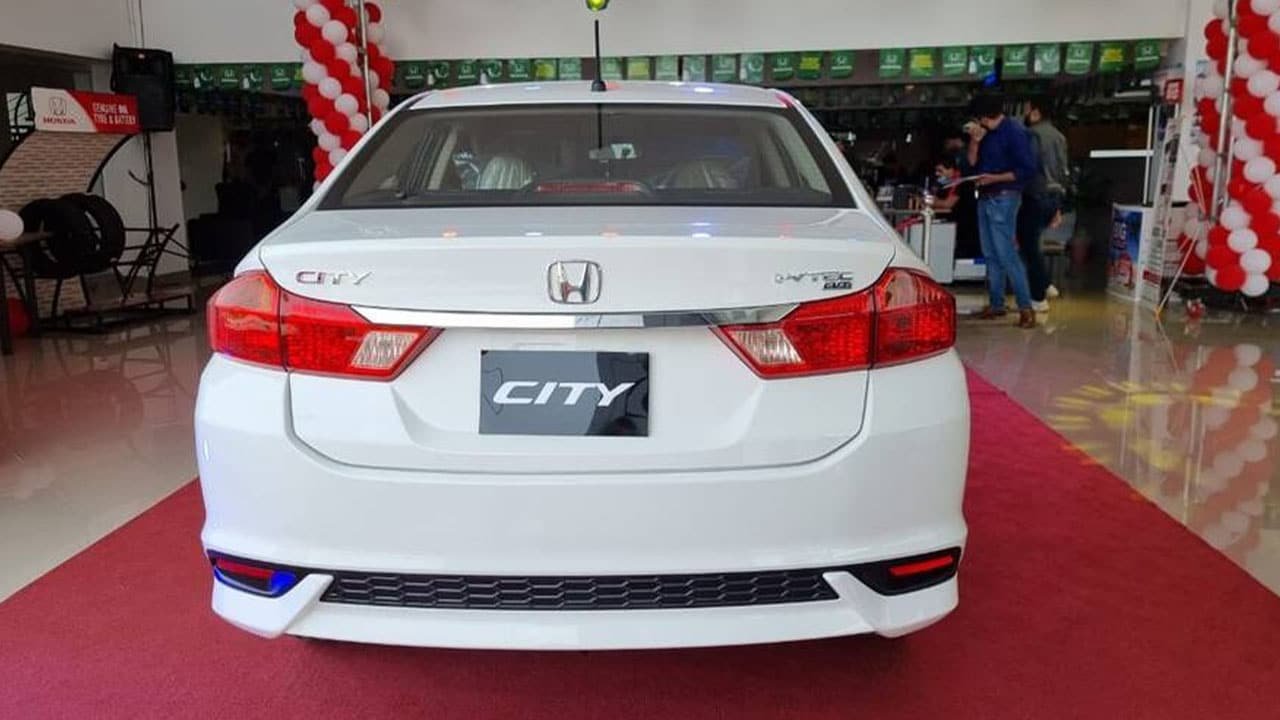
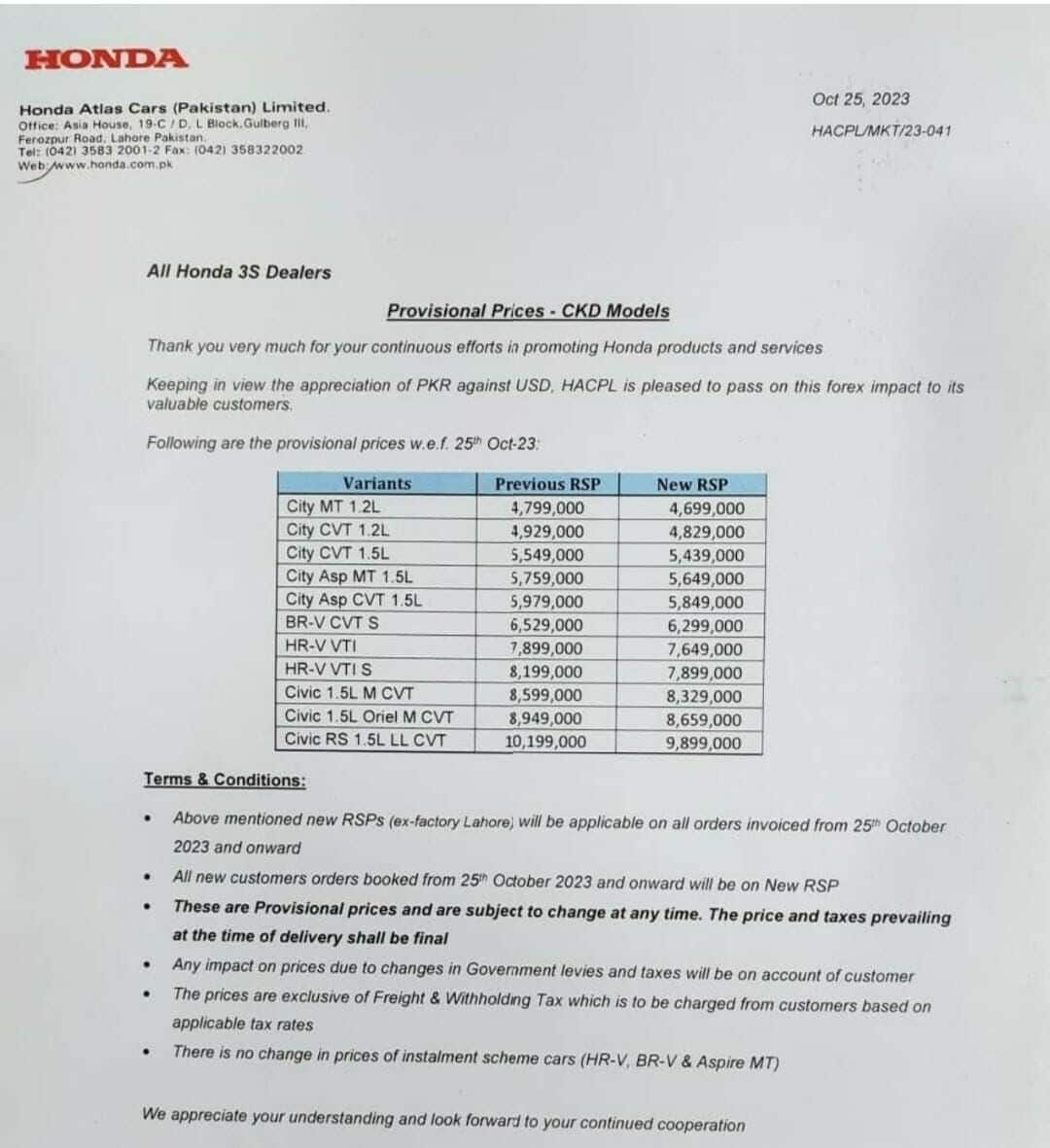
In a move similar to what Toyota did earlier, Honda Atlas Cars (Pakistan) Limited announced on Wednesday that it is reducing the prices of its vehicles, especially the popular Honda City lineup.
This decision was made due to the significant strengthening of the Pakistani rupee (PKR) against the US dollar.
Through an official circular, Honda Pakistan disclosed the updated ex-factory prices for all its car models, reflecting reductions of up to PKR 300,000.
This substantial price drop is expected to make Honda vehicles more affordable for a broader consumer base.
After these adjustments, the price of the most budget-friendly Honda car in Pakistan, the City MT 1.2L, now stands at Rs4.699 million following a reduction of Rs100,000.
Moreover, the top variant, the Aspire CVT 1.5L, is now available for Rs5.849 million after a cut of Rs130,000.
The most significant price changes have been applied to the popular Honda City lineup, generating excitement among potential buyers.
Indus Motor Company, the leading assembler of Toyota-brand vehicles in Pakistan, has made a significant move to benefit its customers.
In a recent announcement sent to its dealers on Tuesday, the company revealed a substantial reduction in car prices, effective October 24. This decision was prompted by the recent strengthening of the Pakistani rupee against the US dollar.
Following this development, the basic Yaris model 1.3MT LO is now more affordable, with a price decrease of Rs100,000, or 2.2 per cent, bringing its new price to Rs4.399 million.
Similarly, the top variant, 1.5 CVT Aero, will now be available at Rs5.849 million after a reduction of Rs120,000.
The Toyota Corolla’s variant prices have been reduced between Rs200,000 and Rs250,000. Furthermore, Toyota’s pickup Revotrucks are now more budget-friendly, with price reductions ranging from Rs450,000 to Rs790,000.
One of the most notable changes is seen in the Fortuner G4x2 Petrol STD, which will now be priced at Rs14.499 million after a substantial reduction of Rs1.31 million, or 8.3 per cent.
This price adjustment follows the footsteps of other major players in the industry, including MG Motors and Lucky Motor Corporation (LMC), both of which have also announced price reductions for their vehicles.
The automobile sector in Pakistan has faced challenges recently, mainly due to fluctuating exchange rates and restrictions on imports.
The rupee experienced a significant depreciation against the dollar, reaching a record low of Rs307.1 on September 5.
However, it has since recovered, stabilising around the Rs279–280 level. This positive trend aligns with the efforts of the caretaker government, which took measures against smugglers and hoarders, contributing to the currency’s recovery.
Apart from currency fluctuations, the auto sector was affected by previous government policies, including import restrictions aimed at preserving foreign exchange reserves.
Additionally, higher finance costs and a considerable rise in car prices led to a decrease in consumer demand. In the first quarter of FY24, car sales in Pakistan plummeted to 20,983 units, marking a 40 per cent decline compared to the same period the previous year.
Here are the latest prices of all Toyota cars in Pakistan:
Pakistan has made a significant foray into the global automobile market, marking a historic moment as it exported a batch of 14 SUV vehicles to Kenya and Tanzania, as reported by ARY News on Thursday.
In a landmark achievement, Pakistan, through the collaboration of Master Changan Motors, a joint venture between Pakistan and China, has officially joined the league of car-exporting nations. This endeavour has solidified their position as the first automotive company to send SUV vehicles to foreign shores.
The occasion was celebrated with a ceremonial event held in Karachi, commemorating the milestone of becoming the inaugural Pakistani-Chinese auto entity to export vehicles to two overseas destinations. Notably, the ceremony was attended by the Federal Secretary of Industries and Production, Asad Rehman.
Rehnan also revealed the government’s intent to urge auto manufacturers to revise their car prices, especially in light of the notable depreciation of the US dollar (USD). He underlined the efforts in this direction by mentioning a recent newspaper advertisement released by an auto company, signaling its commitment to reducing vehicle prices.
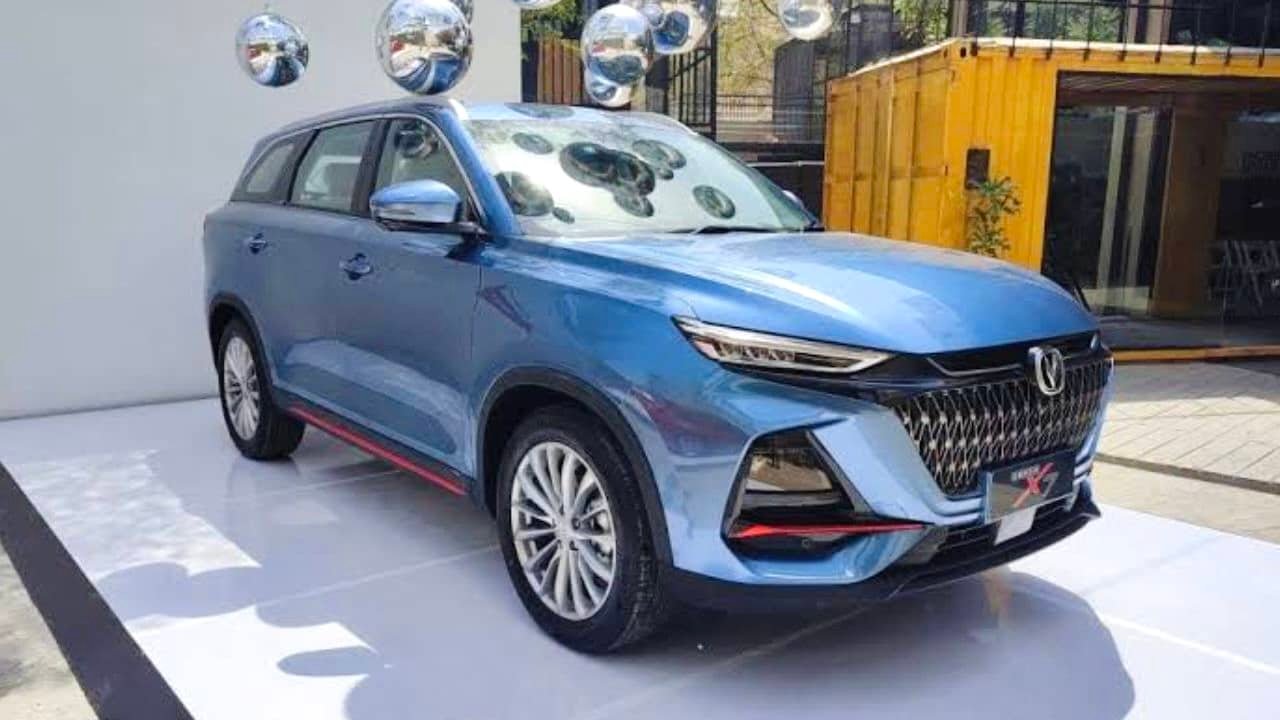
The export of the Oshan X7 SUV is a significant milestone for Pakistan as it ventures into the global automobile market, and this achievement carries even greater importance given the challenging economic conditions the country is currently facing.
In a groundbreaking move, Pakistan’s collaborative effort with a Chinese automotive company, Master Changan Motors, marked their entry into the league of car exporters. They proudly achieved this milestone by sending the initial consignment of 14 SUV vehicles to Kenya and Tanzania.
A special ceremony was organised in Karachi to celebrate the occasion, as it signified the first instance of a Pakistani-Chinese automotive company venturing into foreign vehicle exports.
The Federal Secretary of Industries and Production, Asad Rehman was also present at the ceremony.
During the ceremony, Asad Rehman conveyed the government’s intention to encourage auto companies to lower their car prices, given the significant decline in the value of the US dollar (USD).
He also mentioned that an automotive firm had recently placed a newspaper advertisement advocating price reductions.
Master Changan Motors, the Pakistan-Chinese automotive collaboration, proudly shipped its SUV model, the Oshan X7, to Kenya.
This achievement is a notable milestone for Pakistan, considering the challenging economic circumstances it faces.
Production of the Tesla Cybertruck seems to have finally started, with reports of a 2024 Cybertruck being auctioned at the Petersen Auto Museum during their 29th gala event hosted by Jay Leno.
The truck supposedly sold for a staggering $400,000 (PKR 112,551,880). However, the museum couldn’t confirm the exact winning bid due to internal policies.
This sale, if confirmed, would mark the first official sale of a Cybertruck. Originally revealed in 2019, the production timeline for the unique pickup was repeatedly delayed, pushing it past its initial 2021 target.
The auction offered a “low-VIN” 2024 Cybertruck, with the winning bidder receiving their vehicle when Tesla completes production. Essentially, it’s an auction for a build slot rather than an immediate car.
Recent sightings of Cybertrucks being tested and transported on flatbeds suggest progress. Tesla had previously announced that full-scale production wouldn’t commence until 2024, but they claimed that the first Cybertruck was built in July at their Giga Texas factory.
It’s worth noting that this isn’t the first high-interest EV truck to be auctioned, with the 2024 GMC Hummer EV SUV and the Hummer EV SUT truck also fetching high prices at auctions.
Despite these developments, Tesla has not announced an official delivery start date for the Cybertruck. Furthermore, specifications for the production model remain unconfirmed.
Originally priced around $40,000, there were plans for various variants, including a single-motor rear-wheel-drive base model and a high-performance tri-motor version, but it’s unclear which will be produced in 2024, if any.
In any case, the Cybertruck is now a tangible reality, as evidenced by Tesla’s recent video of it driving off-road in Baja, Mexico. It’s only a matter of time until it officially hits the market.
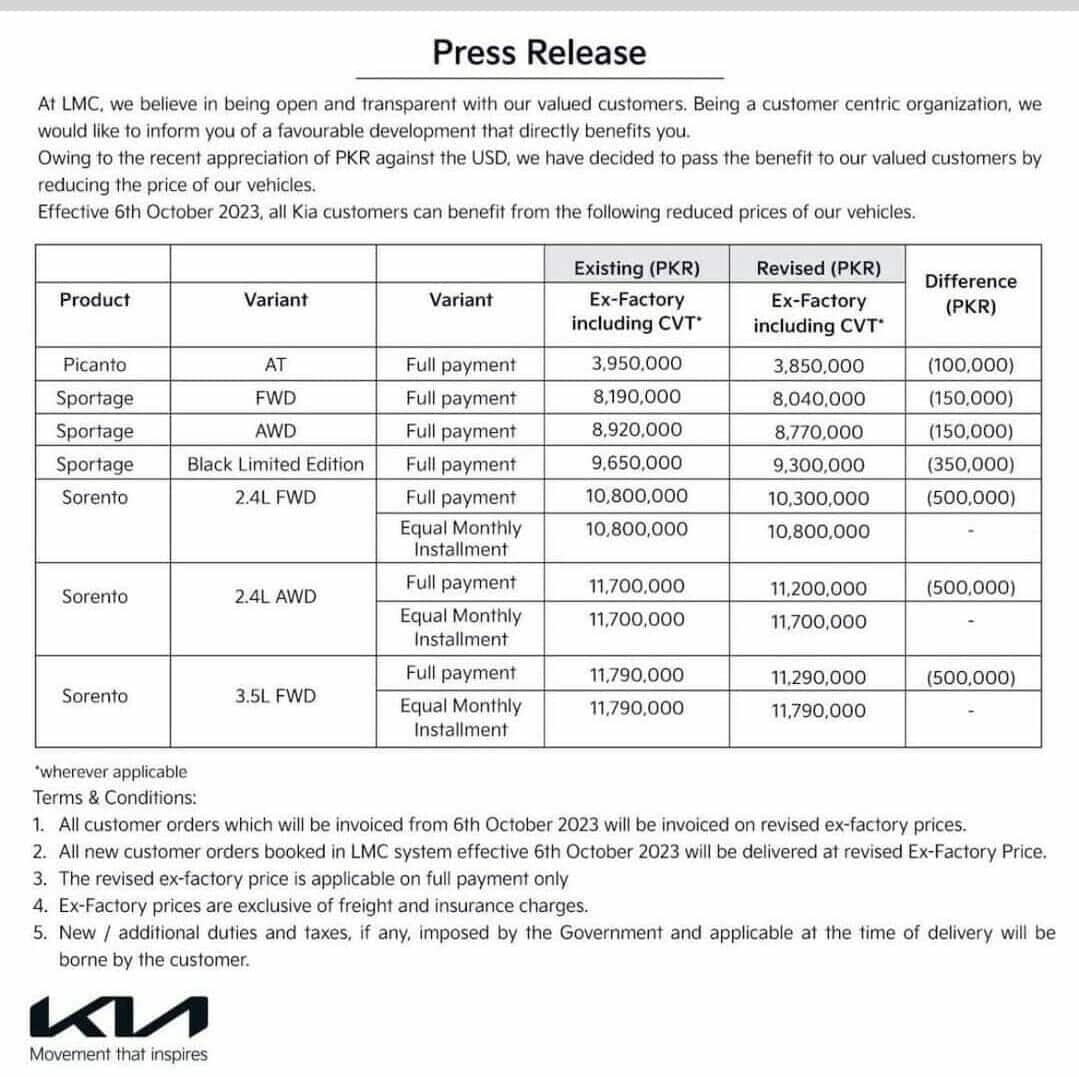
Lucky Motor Corporation (LMC) has announced a substantial reduction in the prices of its KIA vehicles, with savings of up to Rs500,000 for customers. This decision comes as a result of the recent strengthening of the Pakistani rupee (PKR) against the US dollar.
The company stated, ” Owing to the recent appreciation of PKR against the USD, we have decided to pass the benefit to our valued customers by reducing the prices of our vehicles.”
Among the models affected, the Sorento variants, including the 3.5L FWD, 2.4L AWD, and 2.4FWD, have seen the most significant price reductions, each receiving a cut of Rs500,000. Their new prices are now Rs11.29 million, Rs11.2 million, and Rs10.3 million, respectively.
It’s important to note that these reduced prices apply exclusively to customers choosing the full payment option.
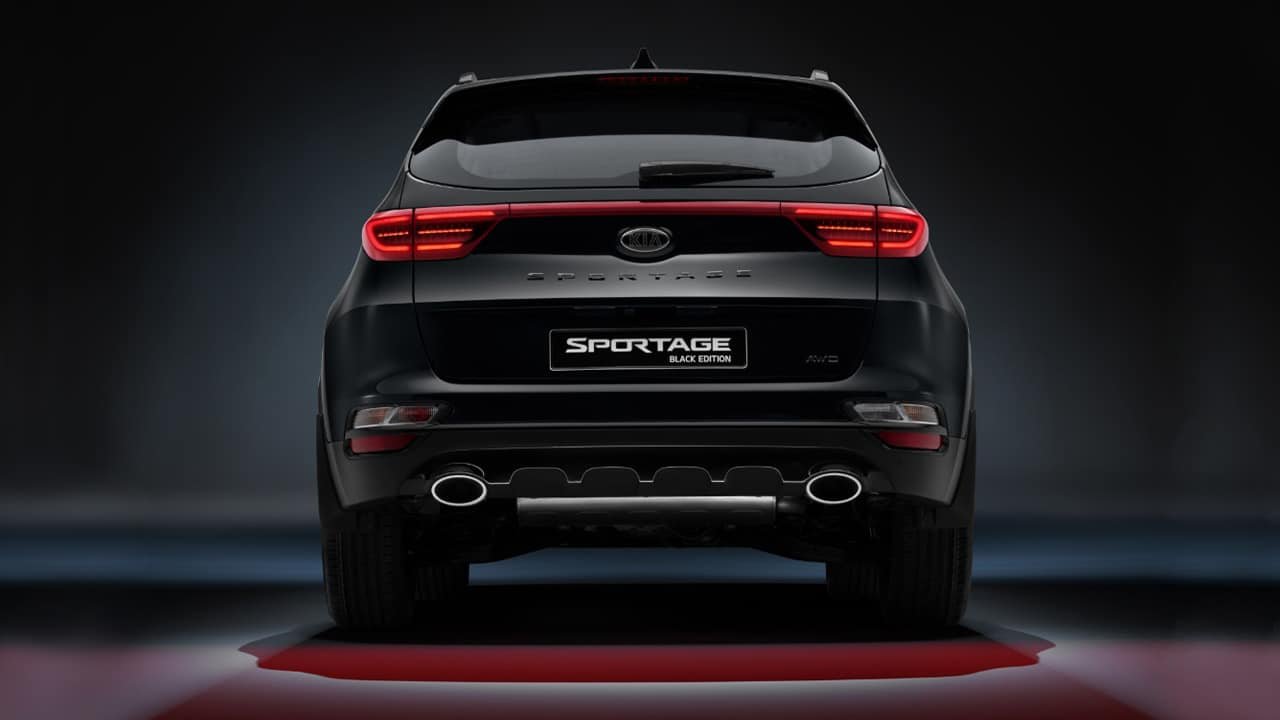
Other KIA models have also seen price reductions, with the Sportage (Black Limited Edition) receiving a discount of Rs350,000, Sportage AWD/FWD models getting a reduction of Rs150,000, and the Picanto AT receiving a Rs100,000 price cut.
These new prices will come into effect on October 6, 2023. The company has clarified that any new or additional government-imposed duties and taxes applicable at the time of vehicle delivery will be the responsibility of the customer.
This price reduction is particularly significant in light of the recent challenges faced by the auto industry in Pakistan, which has experienced rising car prices due to the rupee’s previous depreciation against the US dollar.
However, the rupee has been steadily strengthening, with 21 consecutive sessions of improvement in the inter-bank market. This trend aligns with the caretaker government’s efforts to combat currency smuggling.
Hiroshi Kawamura, the Chief Executive of Pak Suzuki Motor Company Ltd. (PSMCL), recently shared insights into the company’s endeavours to enhance the export capabilities of their cars, aligning them with numerous WP-29 standards. This significant development was reported by The News on Friday.
During the second round of interactive meetings with key decision-makers, conducted under the Suzuki Motors banner, Kawamura underscored the transient nature of economic challenges. He reaffirmed the company’s unwavering commitment to delivering cost-effective vehicles to the ordinary citizens of Pakistan. Furthermore, he disclosed that the company was actively engaged in the development of hybrid vehicle variants.
In attendance at the meeting were prominent part manufacturers, and they unanimously advocated for the promotion of localization within the automotive industry while simultaneously pursuing global market expansion. In a call for collaborative efforts, Kawamura emphasised the vital need for collective action in addressing the mounting crises faced by the automotive sector, stating, “It is imperative to take stock of the escalating crisis collectively for the automotive industry. Nothing can be achieved without local partners.”
During the meeting, Usman Aslam Malik, Senior Vice Chairman of the Pakistan Association of Automotive Parts and Accessories Manufacturers (PAAPAM), expressed unwavering support for original equipment manufacturers (OEMs) in their endeavours to export auto components.
It is important to note that WP-29 standards represent a distinctive global regulatory forum operating under the auspices of the UNECE Inland Transport Committee. Three UN Agreements, adopted in 1958, 1997, and 1998, provide the legal foundation enabling contracting parties (member countries) participating in WP-29 sessions to establish regulatory frameworks governing motor vehicles and their equipment.
These encompass UN Regulations, appended to the 1958 Agreement; United Nations Global Technical Regulations (UN GTRs), linked to the 1998 Agreement; and UN Rules, annexed to the 1997 Agreement.
Indus Motor Company Limited, the firm responsible for the assembly of Toyota vehicles in Pakistan, has recently announced a temporary suspension of its production operations until October 9. This significant decision was formally communicated through a notice submitted to the Pakistan Stock Exchange (PSX).
The rationale behind this temporary cessation of production is primarily linked to the company’s current vehicle inventory status. Indus Motor Company Limited has set the production plant’s closure period from September 28 through October 9 to address these concerns.
This pause in production is the latest in a series of similar actions undertaken by the company. Previously, Indus Motor Company Limited had temporarily halted production from August 25 to September 6, attributing it to reduced demand and inventory challenges. Additionally, the company faced a production plant shutdown from July 21 to August 3, driven by complications in the importation of raw materials, logistical hurdles in clearing consignments, and disruptions in the supply chain from select international vendors.
These issues collectively hampered the company’s supply chain, leading to insufficient inventory levels to sustain uninterrupted production. Furthermore, a similar production hiatus had occurred earlier, from June 26 to June 27, with the same underlying reasons.
In response to an acute shortage of raw materials, Pak Suzuki Motor Company (PSMC) has once again announced the suspension of its motorcycle production. This marks the third production halt in the current fiscal year, underscoring the challenges faced by Pakistan’s automotive industry.
According to a report by The News, the automobile manufacturer formally communicated its decision through a notice to the Pakistan Stock Exchange (PSX). The production halt will extend for 12 days, commencing on September 1 and concluding on September 12, 2023. This move follows previous shutdowns from August 18 to 31 and from July 31 to August 15, 2023, due to inventory constraints, as reported by the company’s secretary.
It’s worth noting that while production may be on hold, regular operations will persist at the vehicle manufacturing plant, as clarified in the bourse filing.
Pak Suzuki’s ongoing struggle with raw material shortages can be traced back to July of the preceding year, primarily resulting from challenges in importing essential components. The nation’s dwindling foreign exchange reserves have further exacerbated these import disruptions.
Sunny Kumar, an analyst at Topline Securities, provided insight into the impact of these disruptions: “PSMC produced 19,293 units with capacity utilisation of 26% in 1H2023 compared to 76,325 units produced with capacity utilisation of 102% in 1H2022.”
In a glimmer of hope, the company’s management anticipates an economic rebound in FY24, driven by an upturn in agriculture output and eased import restrictions, with expected improvements in manufacturing and construction activities.
Pak Suzuki’s predicament is not unique, as other prominent automakers such as Honda Atlas and Indus Motor Company, the local manufacturer of Toyota vehicles, have also faced repeated production stoppages due to raw material shortages. This scarcity has had a cascading effect, impacting the automobile parts industry and causing intermittent production halts.
In a related development, Agriauto Industries Limited, a prominent automotive parts manufacturer, has announced a partial plant closure in September due to decreased production. Furthermore, Agriauto Stamping Company Pvt. Ltd., a wholly-owned subsidiary of the company, will also undergo a partial shutdown during the same period, as confirmed by the company secretary.
The announcement of Pak Suzuki’s latest production halt has raised concerns among employees, stakeholders, and the general public. The motorcycle plant, a significant division within the company, plays a pivotal role in employment generation in the country.
This situation has far-reaching implications, as experts anticipate that the closure will not only impact the company’s workforce but also reverberate through the broader economy. An industry observer emphasised the need for coordinated efforts between stakeholders and government bodies to address the root causes of raw material shortages and prevent further disruptions in Pakistan’s automotive sector.