Tag: Automotive industry

  • Toyota resumes production after system malfunction halts operations 

    Toyota resumes production after system malfunction halts operations 

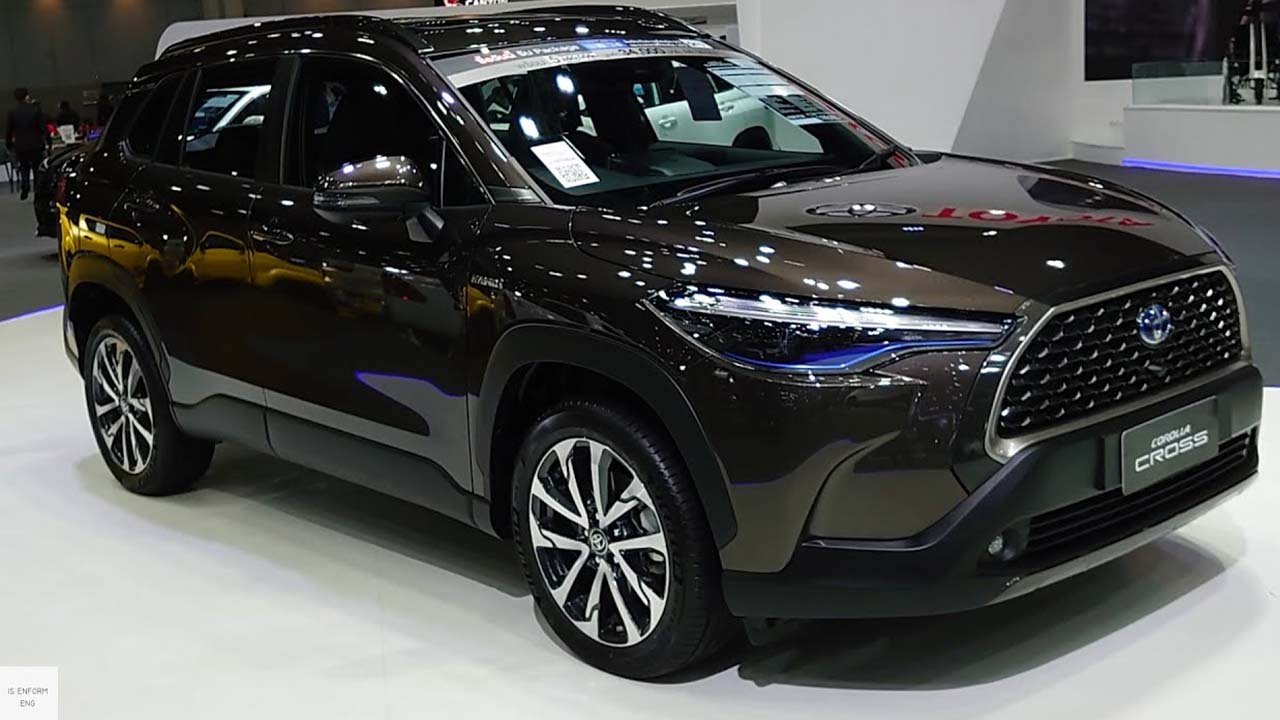
    Toyota Motor is set to resume production at its assembly plants in Japan on Wednesday after a recent system malfunction forced a halt in domestic production. The disruption not only affected the world’s largest-selling automaker but also caused disruptions across its supply chain.

    Toyota’s plans to restart operations across 25 production lines in twelve plants within its home market are scheduled to begin on Wednesday morning. The last two plants will come back online in the afternoon.

    The automaker is currently investigating the root cause of the system failure, which prevented Toyota from procuring the necessary components for its production.

    This setback impacted approximately one-third of Toyota’s global production capacity. Toyota’s domestic production was in the process of recovering from output cuts attributed to semiconductor shortages.

    Toyota experienced a 29 per cent increase in output during the first half of the year, marking its first such growth in two years.

    Industry experts have pointed out the challenge Toyota faces in making up for the production loss due to the system outage. One potential strategy could be running extra shifts, although the automaker was already operating at full capacity.

    The system failure also had a cascading impact on other companies within the Toyota Group. Toyota Industries, a group firm, reported partial suspension of operations at two engine plants due to the automaker’s system glitch.

    This incident shed light on Toyota’s reliance on just-in-time inventory management, which aims to minimize costs but leaves the company vulnerable to supply chain disruptions.

    While the exact cause of the malfunction is still being investigated, it underscores the sensitivity of modern manufacturing processes to unforeseen interruptions.

    The broader context in Japan includes reports of harassing phone calls received by businesses and government offices, possibly due to geopolitical factors. These calls have been linked to China and the decision to release treated radioactive water from the damaged Fukushima nuclear power plant into the Pacific Ocean.
  • Tesla introduces cheaper Model S, Model X variants with reduced ranges

    Tesla has unveiled more affordable versions of its Model S sedan and Model X SUV in the United States. These new “standard range” models are priced at $78,490 (PKR 22.4 million) and $88,490 (PKR 25.3 million), respectively, marking a roughly 10 per cent reduction from the previous lowest-priced options. The company aims to boost sales by focusing on cost reduction.

    The new models will be available for delivery between September and October 2023. They come with a standard “pearly white” exterior and an all-black interior, while other colour choices will come at an additional cost.

    The updated Model S offers a driving range of up to 320 miles (515 km), which is lower than the existing basic and performance versions, which provide up to 405 miles and 396 miles of range, respectively. Similarly, the new Model X SUV boasts a range of up to 269 miles, falling short of the basic and performance versions that offer up to 348 miles and 333 miles of range, respectively.

    Tesla’s focus on price cuts and cost efficiency is evident in its consistent efforts to reduce prices in various markets. By doing so, the company aims to remain competitive and navigate economic uncertainties. In China, the company has recently lowered prices for its Model Y long-range and performance variants.

    This strategic move coincides with Tesla’s upcoming releases, including the long-anticipated Cybertruck and the completion of a manufacturing plant in Mexico. The latter is dedicated to producing a mass-market electric vehicle, which will serve as the foundation for a robotaxi.

    Although the Model S and Model X are some of Tesla’s earliest offerings, introduced in 2012, they have maintained premium pricing compared to the more budget-friendly Model 3 sedan and Model Y crossover. In the second quarter of this year, Tesla delivered 19,225 Model X and S vehicles, an increase from 16,162 vehicles delivered during the same period last year.

  • Pak Suzuki halts motorcycle production amidst ongoing inventory shortage

    The Pak Suzuki Motor Company (PSMC) is once again grappling with the repercussions of the ongoing raw material shortage, which has forced the company to halt production at its motorcycle plant for at least 15 days. The decision, announced in a statement released to the Pakistan Stock Exchange (PSX), comes as the company struggles to maintain adequate inventory levels due to the scarcity of essential components.

    The company secretary revealed that the motorcycle plant will remain non-operational from July 31, 2023, to August 15, 2023. This recent shutdown follows a previous closure earlier in July when both the motorcycle and automobile plants were shut down until July 19, which was subsequently extended. The persistent lack of raw materials has been plaguing Pak Suzuki since July of the previous year, primarily due to difficulties in importing these crucial components caused by a reduction in the nation’s foreign exchange reserves.

    Unfortunately, Pak Suzuki is not the only automaker facing such challenges. Honda Atlas Cars and Indus Motor Company, responsible for manufacturing Toyota cars in Pakistan, have also experienced several shutdowns due to the shortage of essential raw materials. Furthermore, automotive parts manufacturers have been compelled to temporarily halt their production lines, exacerbating the crisis across the entire automotive industry.

    The repercussions of these closures extend beyond the affected businesses, as the entire automotive industry faces unproductive days due to interrupted raw material imports arising from postponed credit letter openings. This situation has led to reduced operational capacities and an overall decrease in productivity across multiple sectors of the economy.

    The recent shutdown of Pak Suzuki’s motorcycle manufacturing plant has raised concerns among employees, stakeholders, and the general public alike. The motorcycle plant is a significant division within the company and serves as a major employer in the country. As a result, the closure is expected to have a considerable impact on both the company’s workforce and the overall economy.

    An analyst specialising in Pakistan’s automotive sector highlighted that the closure of the motorcycle plant serves as a stark reminder of the larger problems plaguing the industry. Addressing the underlying causes of the raw material scarcity requires a collaborative effort from stakeholders and the government to implement permanent solutions and avert further disruptions.

  • Toyota Indus Motor Company suspends car production until August 3

    Toyota Indus Motor Company suspends car production until August 3

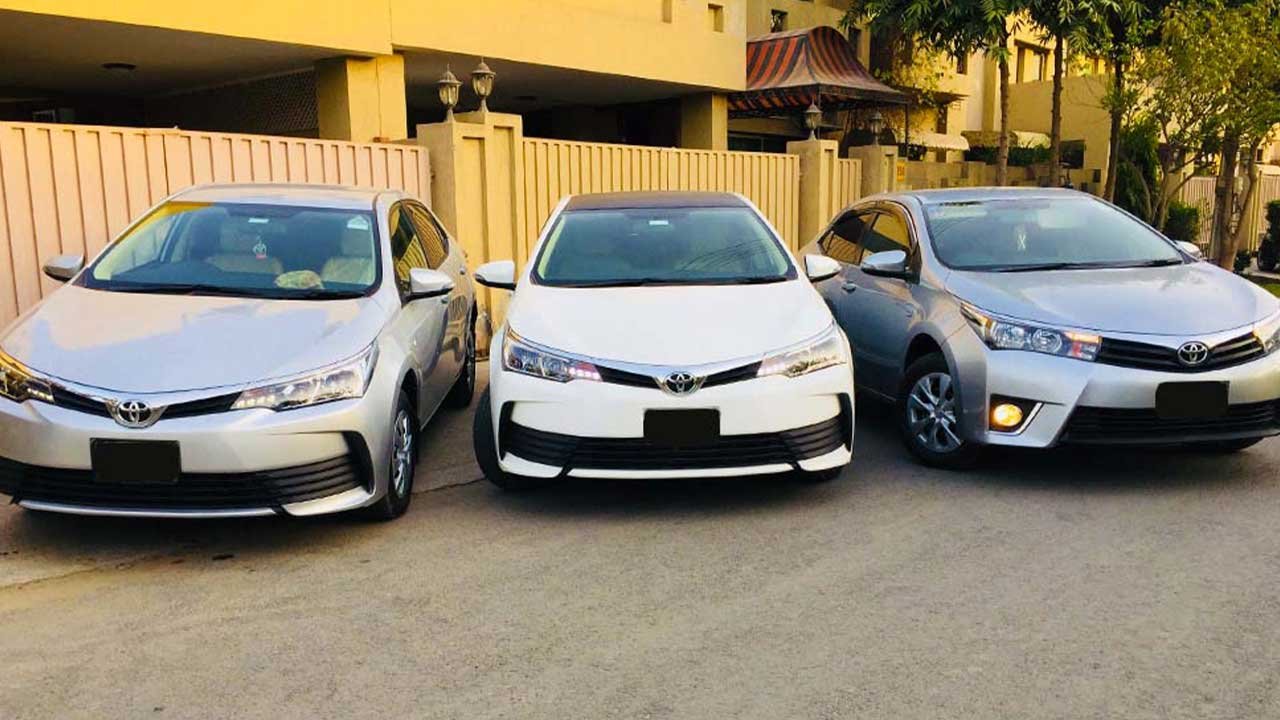
    Indus Motor Company Limited has recently made the difficult decision to close its production plant temporarily. The interruption is set to last for two weeks, as the company faces significant challenges in importing essential raw materials, leading to disruptions in its supply chain.

    The root of the problem lies in the difficulties the company and its vendors are encountering in importing raw materials and clearing consignments. These issues are primarily attributed to the struggles with opening letters of credit (LCs) and supply chain problems from certain foreign vendors. Unfortunately, this has left the company with insufficient inventory levels to maintain its production activities.

    The company’s secretary addressed these concerns in a statement released to the Pakistan Stock Exchange, outlining the seriousness of the situation. Indus Motor’s production plant experienced a brief shutdown the previous month due to similar issues with raw material imports. However, the current circumstances have exacerbated the problem, forcing the company to take this temporary production halt.

    Commencing from July 21, 2023, and extending until August 3, 2023, the plant’s complete shutdown is expected to have implications beyond Indus Motors itself. Other major players in the automotive sector, such as Pak Suzuki Motors and Honda Cars, have also faced similar challenges and implemented several shutdown days in recent months.

    The automotive industry, along with other sectors dependent on imported raw materials, has been struggling due to a shortage of foreign exchange reserves in Pakistan. The complications surrounding LCs have severely impacted the supply chain’s seamless functioning, leading to significant disruptions in production activities.

    Indus Motors holds a significant position in Pakistan’s automobile industry and has notably invested $100 million in local production of hybrid electric vehicles (HEVs). Furthermore, the company plays a crucial role in the local automotive ecosystem, with over 50 part manufacturers contributing to the value chain by producing parts worth over Rs250 million every working day.

    Additionally, the company has established 53 independently owned authorised dealerships that provide aftersales service, generating substantial employment opportunities for over 450,000 people directly and indirectly across the country.

    The temporary closure of the production plant presents various challenges for Indus Motors, its employees, and the overall automobile industry. The company’s management is likely to be exploring potential solutions to address the scarcity of raw materials and resume operations as soon as the situation allows.

    As analysts point out, finding lasting solutions may require collaboration between the government and relevant stakeholders to ensure a stable supply of raw materials for the automotive industry and other affected sectors. Swift action and strategic measures will be vital to mitigate the economic impact of these closures and preserve the growth trajectory of Pakistan’s automotive sector.

  • Tesla overcomes setbacks, produces first Cybertruck after two years

    Tesla overcomes setbacks, produces first Cybertruck after two years

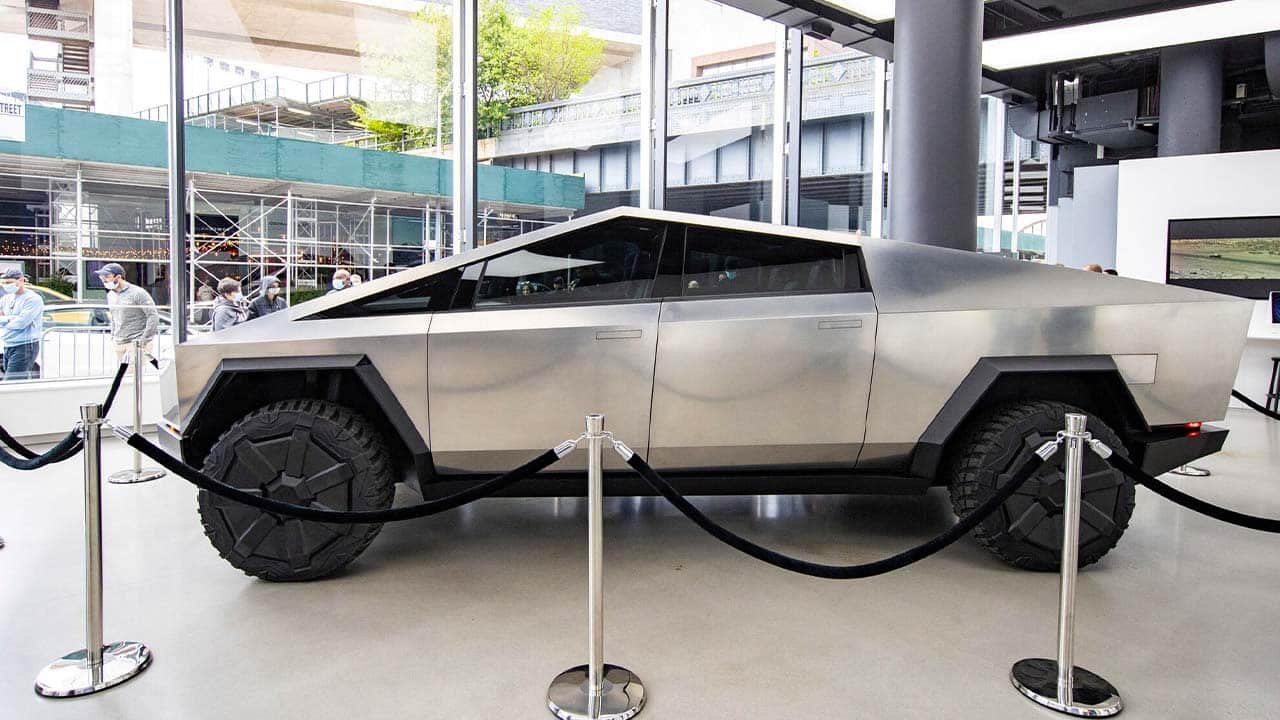
    Tesla announced via a tweet that its inaugural Cybertruck has been successfully manufactured at the company’s Austin, Texas plant, marking the end of a two-year delay.

    Back in 2019, Tesla founder Elon Musk introduced the pickup truck during a revealing event where the vehicle’s designer unintentionally demonstrated a flaw in the supposedly indestructible “armour glass” windows.

    Since then, the production timeline has faced multiple setbacks, with Musk attributing the delays to component sourcing shortages, leading to a rescheduled Cybertruck launch in 2023.

    During a shareholder meeting in May, Musk expressed Tesla’s ambition to produce up to 250,000 Cybertrucks annually, depending on market demand.

    With the introduction of the Cybertruck, Tesla is poised to enter one of the most lucrative sectors of the U.S. market, directly competing against electric pickups from industry giants such as Ford Motor and Rivian Automotive.

    Although these competitors have already released limited numbers of their own electric truck models, Tesla’s entry into the market is highly anticipated. According to a Reuters report from last year, Tesla aims to initiate mass production of the Cybertruck by the end of 2023.

  • Lucky Motor Corporation increases Kia car prices by up to Rs4 lakh

    Lucky Motor Corporation increases Kia car prices by up to Rs4 lakh

    Lucky Motor Corporation Limited (LMCL) has implemented price increases across all Kia car models, with the exception of Picanto Manual, Stonic EX, and Carnival. The company has not provided a specific justification for this price surge.

    It is worth noting that, in contrast to the previous price adjustment, the company has also raised the price of the Picanto. As of July 5, the revised prices for the various models are outlined in the following table:

    Model Old price (Rs) New price (Rs) Hike (Rs)
    Picanto Automatic 3,625,000 3,825,000 200,000
    Stonic EX+ 5,930,000 6,050,000 120,000
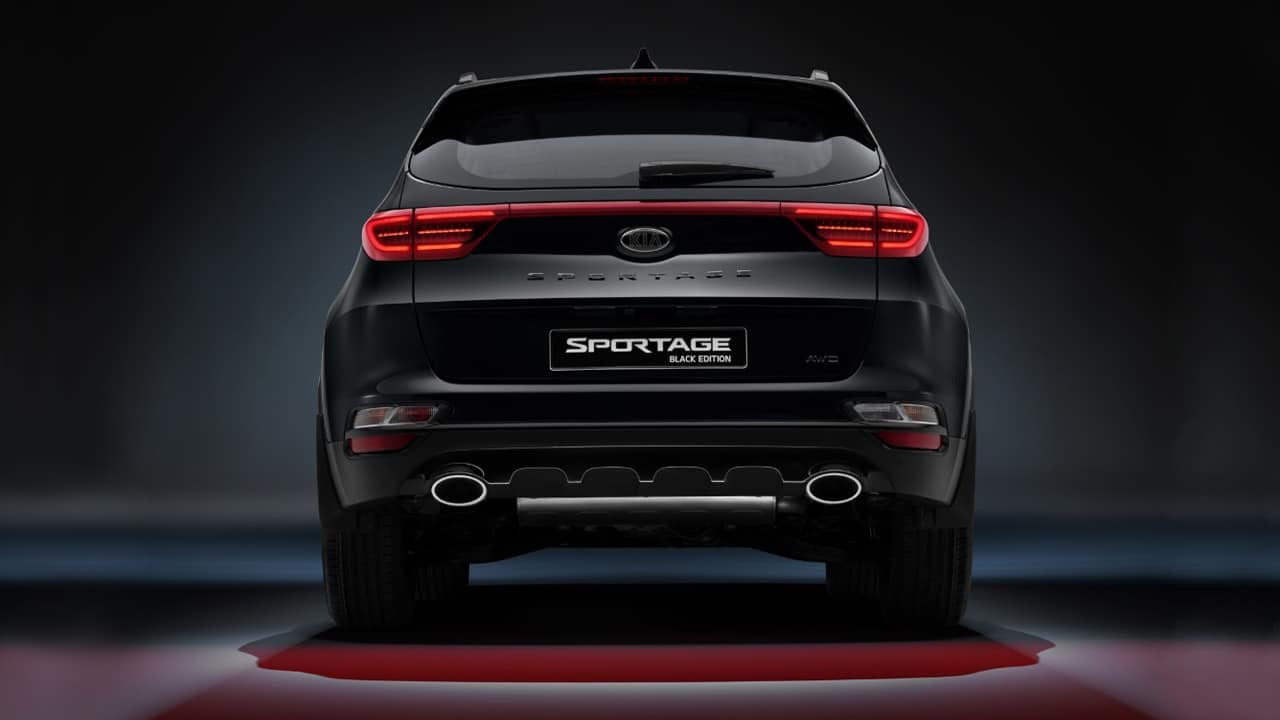
    Sportage Alpha 7,050,000 7,300,000 250,000
    Sportage FWD 7,940,000 8,190,000 250,000
    Sportage AWD 8,570,000 8,820,000 250,000
    Sportage Black Edition 9,050,000 9,300,000 250,000
    Sorento FWD 10,400,000 10,800,000 400,000
    Sorento AWD 11,300,000 11,700,000 400,000
    Sorento V6 11,390,000 11,790,000 400,000

    Previously, the company held a notable market share and was mentioned alongside Pakistan’s leading car manufacturers until mid-2022. However, currently, Kia’s car sales have dwindled to merely a few hundred units.

    Although there was a slight increase in sales for the company last month, it was not substantial enough to make a significant impact. Given the prevailing circumstances, it is understandable that all automakers in Pakistan are focused on survival.

  • Proton increases car prices by more than Rs2.1 million in Pakistan

    Proton increases car prices by more than Rs2.1 million in Pakistan

    In what has already been a challenging year for Pakistan’s car industry, Al-Haj Automotive, the assembler and seller of Proton cars in the country, has announced a significant price hike across its vehicle lineup. The move comes as the industry continues to grapple with production halts and a series of factors contributing to a worsening crisis.

    Throughout 2022, Al-Haj Automotive had refrained from increasing its prices, with the exception of the Saga Standard Automatic variant in February. However, the company’s recent announcement indicates a substantial shift in its pricing strategy, leaving customers in shock and further dampening the already struggling car market.

    The ongoing crisis in the Pakistani car industry has been attributed to several key factors. First and foremost, the depreciation of the Pakistani rupee against major currencies has led to increased costs for automakers who rely on imported components. Import restrictions imposed by the government have also played a role in limiting the availability of crucial parts and components.

    Furthermore, the industry has faced challenges due to the increase in taxes levied on automobile manufacturers. The rising freight charges have further added to the financial burden faced by car companies, affecting their ability to maintain reasonable pricing for consumers.

    In addition to these factors, the Pakistani car industry has been hit hard by escalating raw material prices, making it increasingly difficult for automakers to sustain production and keep prices affordable. Logistical hurdles and supply chain disruptions have only compounded the challenges faced by manufacturers, resulting in prolonged production halts and delivery delays.

    Against this backdrop, Al-Haj Automotive has released its updated price list, effective immediately. The new prices for the Proton vehicle lineup are as follows:

    Saga Standard Manual: PKR2,824,000 (old price) to PKR3,749,000 (new price), representing an increase of PKR925,000.

    Saga Standard Automatic: PKR3,299,000 (old price) to PKR3,949,000 (new price), reflecting an increase of PKR650,000.

    Saga ACE Automatic: PKR3,149,000 (old price) to PKR4,099,000 (new price), marking a significant rise of PKR950,000.

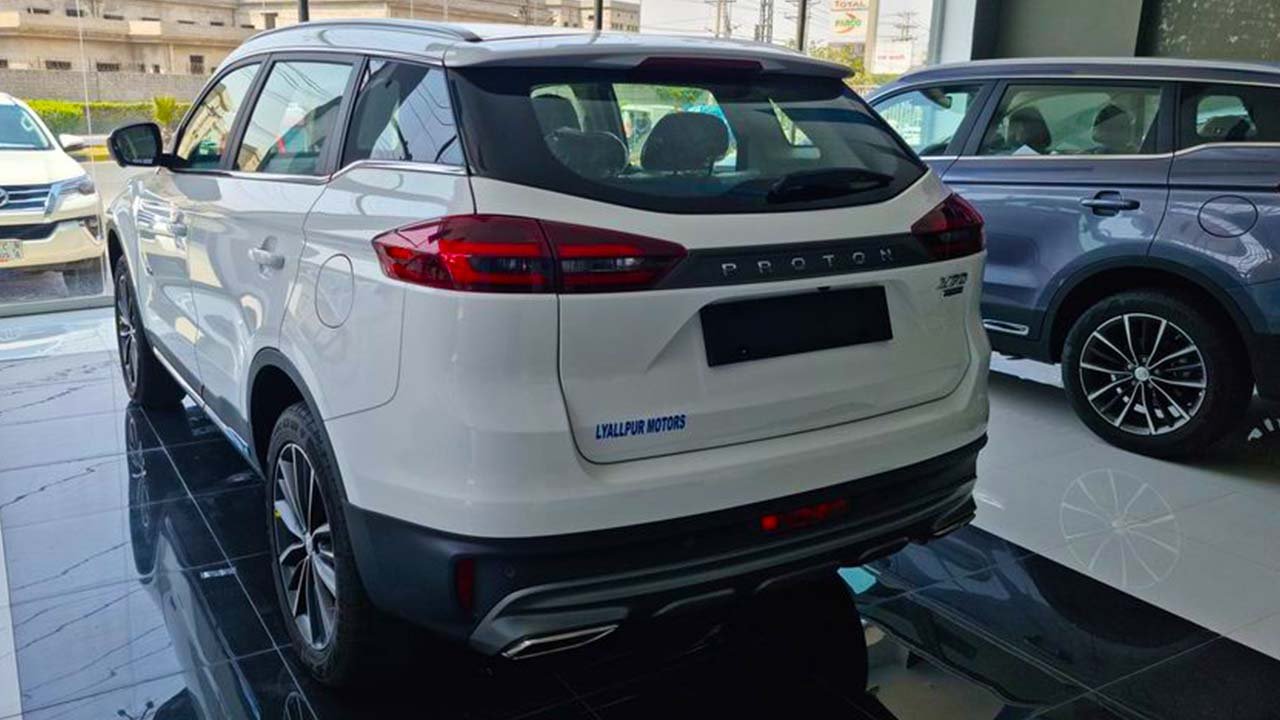
    X70 Executive AWD: PKR6,740,000 (old price) to PKR8,799,000 (new price), indicating a staggering increase of PKR2,059,000.

    X70 Premium FWD: PKR7,190,000 (old price) to PKR9,299,000 (new price), representing a substantial hike of PKR2,109,000.

    These price hikes by Al-Haj Automotive are expected to further burden potential car buyers and impact the demand in an already beleaguered market. The company, like other automakers in Pakistan, has attributed the need for such price increases to the challenging economic conditions and various hurdles faced by the industry.

    As Pakistan’s car industry continues to grapple with the ongoing crisis, consumers and stakeholders are anxiously awaiting measures from the government and industry leaders to stabilise the market and provide relief to both manufacturers and customers alike.

  • Suzuki Motor Corp teams up with SkyDrive to manufacture ‘flying cars’

    Suzuki Motor Corp teams up with SkyDrive to manufacture ‘flying cars’

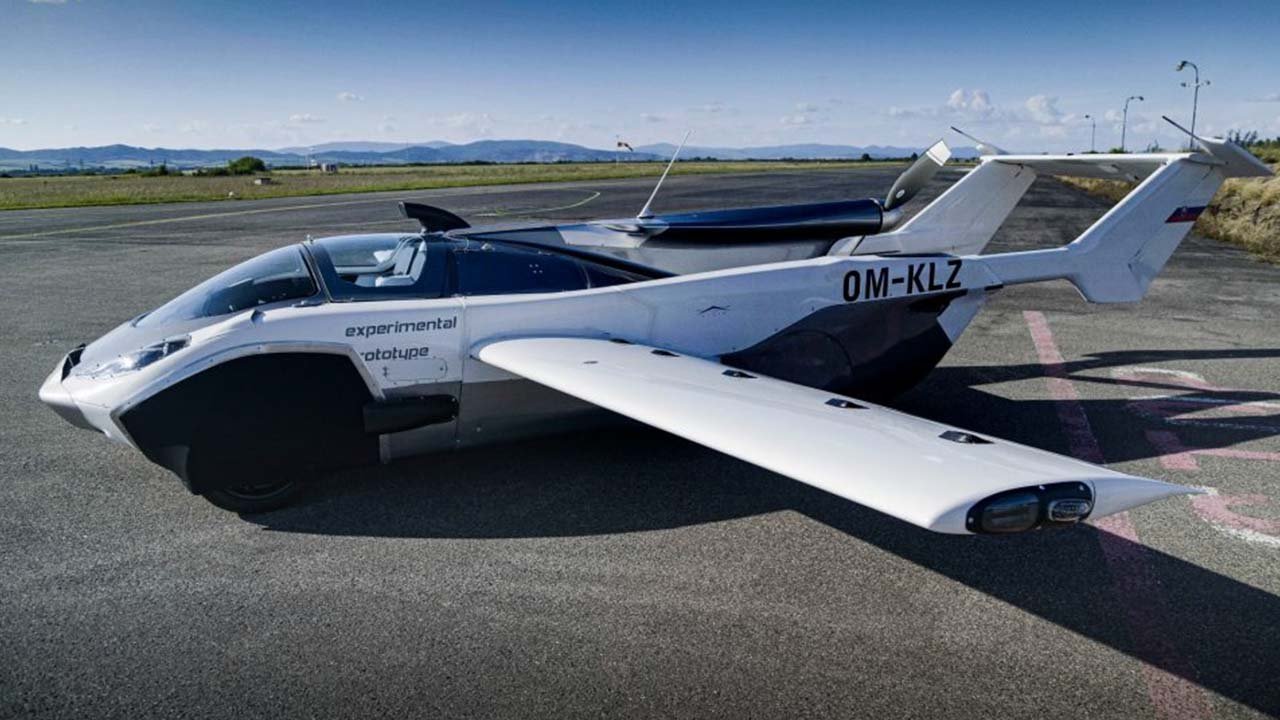
    In an exciting development for the automotive industry, Suzuki Motor Corp, the renowned Japanese automaker, has announced its partnership with SkyDrive Inc to produce “flying cars.” The collaboration aims to utilise a Suzuki Group factory located in central Japan to manufacture electric vertical take-off and landing (eVTOL) aircraft, with production set to commence by spring next year.

    Suzuki Motor Corp released a statement detailing the agreement with SkyDrive, highlighting their shared vision for the future of transportation. The company plans to establish a wholly owned subsidiary focused on the production of these innovative aircraft. Suzuki will play a crucial role in facilitating the manufacturing process by assisting in talent acquisition and other necessary preparations.

    Headquartered in Toyota, central Japan, SkyDrive boasts an impressive list of shareholders, including trading house Itochu Corp, tech firm NEC Corp, and a subsidiary of energy company Eneos Holdings Inc. This collaboration builds upon a previous agreement signed by the two companies in March of the previous year, which outlined their commitment to jointly explore research, development, and marketing opportunities in the field of flying cars.

    The emergence of eVTOL aircraft represents a significant leap forward in the realm of urban air mobility. These vehicles are designed to take off and land vertically, enabling efficient transportation in congested urban areas and reducing travel times significantly. By harnessing electric propulsion, eVTOL aircraft offer the potential for zero-emission travel, making them environmentally friendly alternatives to traditional modes of transportation.

    Suzuki’s entry into the flying car market signifies the company’s dedication to staying at the forefront of technological advancements in the automotive sector. With a rich history of producing high-quality vehicles, Suzuki’s involvement in the manufacturing process will undoubtedly contribute to the production of reliable and efficient flying cars.

    The partnership with SkyDrive aligns with Suzuki’s commitment to sustainable practices and innovative solutions. By exploring the possibilities of aerial mobility, the company aims to revolutionise transportation and redefine the way people commute within and between cities. The combination of Suzuki’s manufacturing expertise and SkyDrive’s pioneering technology is expected to result in cutting-edge eVTOL aircraft that meet the highest safety and performance standards.

    As the collaboration progresses, it is likely that Suzuki and SkyDrive will continue to leverage their respective strengths to overcome the unique challenges associated with manufacturing flying cars. These challenges include regulatory hurdles, infrastructure requirements, and public acceptance. However, with the commitment and resources of both companies, they are well-positioned to overcome these obstacles and drive the development of this exciting new industry forward.

    The successful implementation of flying cars has the potential to revolutionise urban transportation, alleviating congestion on the ground and opening up new possibilities for efficient, eco-friendly travel. It represents a significant step towards a future where aerial mobility is a viable and sustainable mode of transportation.

    As Suzuki and SkyDrive embark on this joint venture, the automotive industry eagerly anticipates the first batch of eVTOL aircraft to roll off the production line. Their collaboration serves as a testament to the boundless potential of human ingenuity and highlights the relentless pursuit of technological advancements that continue to shape our world.

  • iPhone manufacturer Foxconn shifts focus to electric cars amidst US-China strained relations

    iPhone manufacturer Foxconn shifts focus to electric cars amidst US-China strained relations

    Taiwanese manufacturer Foxconn, renowned for its production of iPhones, has announced a strategic shift towards electric vehicles (EVs) amidst the strained relations between the United States and China.

    In an interview with the BBC, Chairman Young Liu conveyed the company’s intent to make substantial investments in the EV sector while concurrently diversifying its supply chains away from China.

    Liu acknowledged the importance of peace and stability between the two nations but emphasised the necessity, from a business standpoint, to consider contingency plans for adverse scenarios.

    In response to the prevailing geopolitical tensions, Foxconn has already commenced the relocation of certain production lines from China to alternative locations in Mexico and Vietnam.

    This decision comes as Foxconn finds itself embroiled in a contentious dispute, with Beijing claiming Taiwan as part of China and President Xi Jingping reiterating commitments to “reunification.” Meanwhile, the United States has expressed unequivocal support for Taiwan’s independence, with the looming specter of invasion having cast a shadow over the island nation for years.

    Having originated in 1974 as a manufacturer of television dials, Foxconn has emerged as a global technology powerhouse, amassing revenues of $200 billion. Responsible for over half of Apple’s product output, including iPhones and iMacs, the company also serves an array of esteemed clients such as Microsoft, Dell, and Amazon.

    Foxconn’s unique position as a company that designs products in the United States while predominantly manufacturing them in China has left it navigating a delicate equilibrium between the two global superpowers.

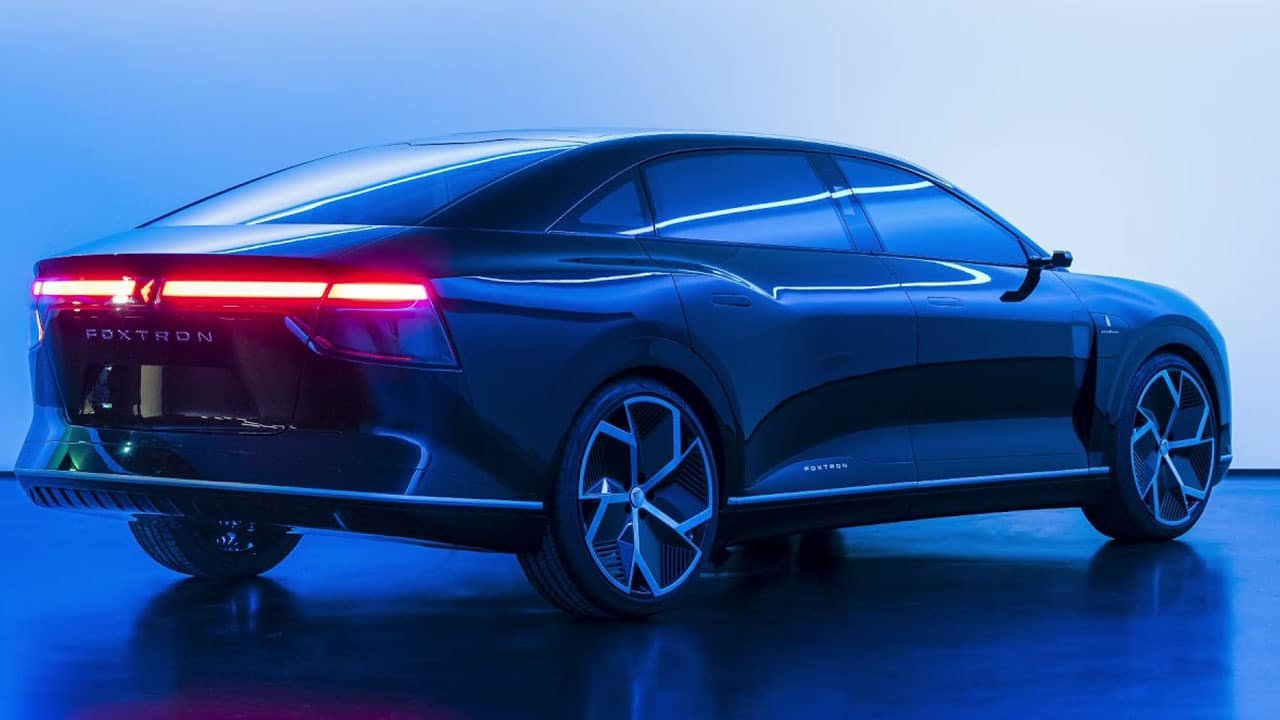
    Chairman Liu articulated his vision of capturing approximately 5 per cent of the global electric vehicle market within the coming years. He outlined plans for establishing Foxconn EV manufacturing facilities in Ohio, United States, as well as in Thailand, Indonesia, and potentially India.

    By pivoting toward electric cars, Foxconn seeks to leverage its technological prowess and industry influence to secure a significant stake in the evolving EV landscape.

  • Inventory shortage forces Pak Suzuki to extend motorcycle plant shutdown

    Pak Suzuki Motor Company (PSMC) has officially announced the extension of the shutdown of its motorcycle plant until June 16, 2023. The decision was conveyed to the Pakistan Stock Exchange (PSX) through a notice on Tuesday. The company attributed this action to ongoing government restrictions on imports, which have negatively impacted the automotive industry and resulted in a shortage of inventory.

    The notice stated, “Due to shortage of inventory level, the management of the company has decided to shut down motorcycle plant from June 12, 2023 to June 16, 2023.” However, the automobile plant will continue its operations as usual.

    Previously, PSMC had temporarily closed its motorcycle plant until June 10, 2023, due to a shortage of raw materials. Furthermore, both the automobile and motorcycle plants had experienced a shutdown from May 2 to May 9. Similarly, the automobile plant underwent closure from April 7 to April 28.

    As an assembler, manufacturer, and marketer of Suzuki cars, pickups, vans, 4x4s, motorcycles, and related spare parts, PSMC plays a crucial role in the automotive sector. The Suzuki brand, originating from Japan, holds prominence in the company’s product lineup.

    Earlier in April, PSMC reported its highest-ever quarterly loss of Rs12.9 billion for the first quarter of 2023. The decline in sales and substantial finance costs were cited as contributing factors. In comparison, the company had incurred a loss of Rs460.227 million during the same period last year.

    The auto industry in Pakistan is currently grappling with numerous challenges. Indus Motor Company Limited and Honda Atlas Cars, two other prominent listed companies, have also halted production in recent months due to economic hardships.

    The country’s auto sector heavily relies on imports, making it particularly vulnerable to the government’s import restrictions and the tightening of Letters of Credit iissuance. Furthermore, soaring finance costs and significant increases in car prices have dampened consumer demand.