Tag: Automotive industry

  • Honda Pakistan reports 90% drop in profits, reflecting struggling state of auto industry

    Honda Pakistan reports 90% drop in profits, reflecting struggling state of auto industry

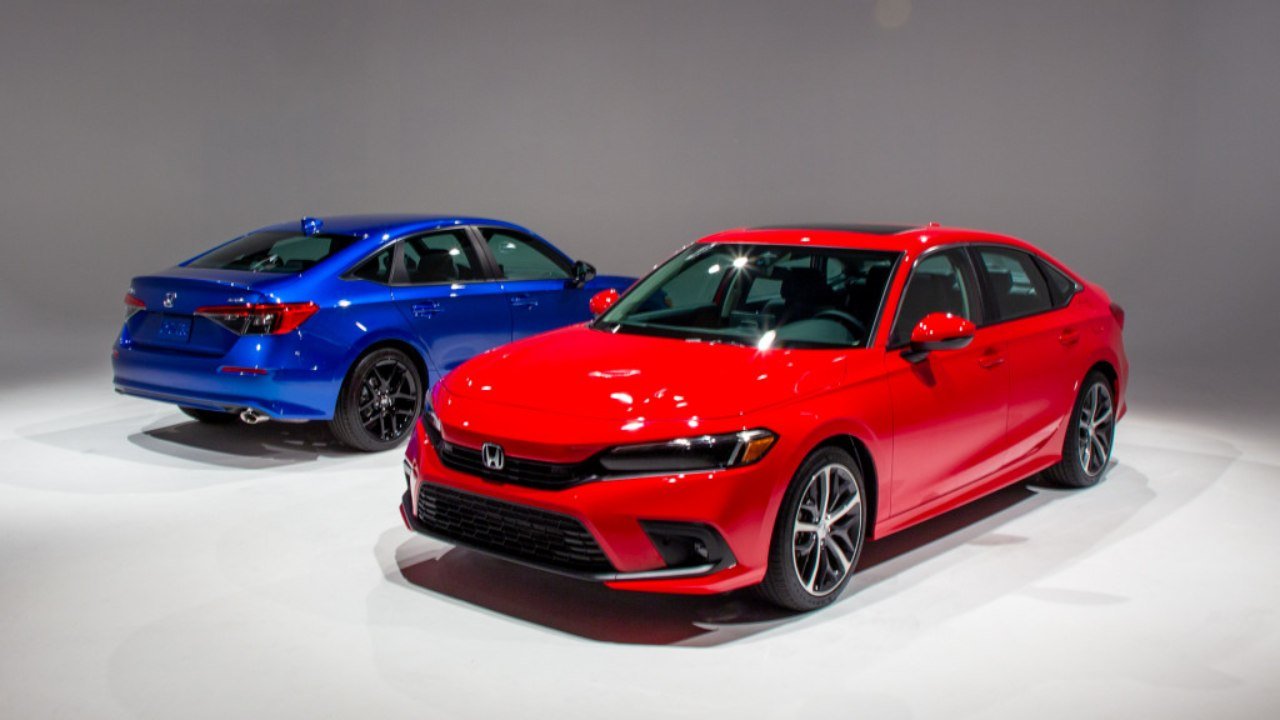
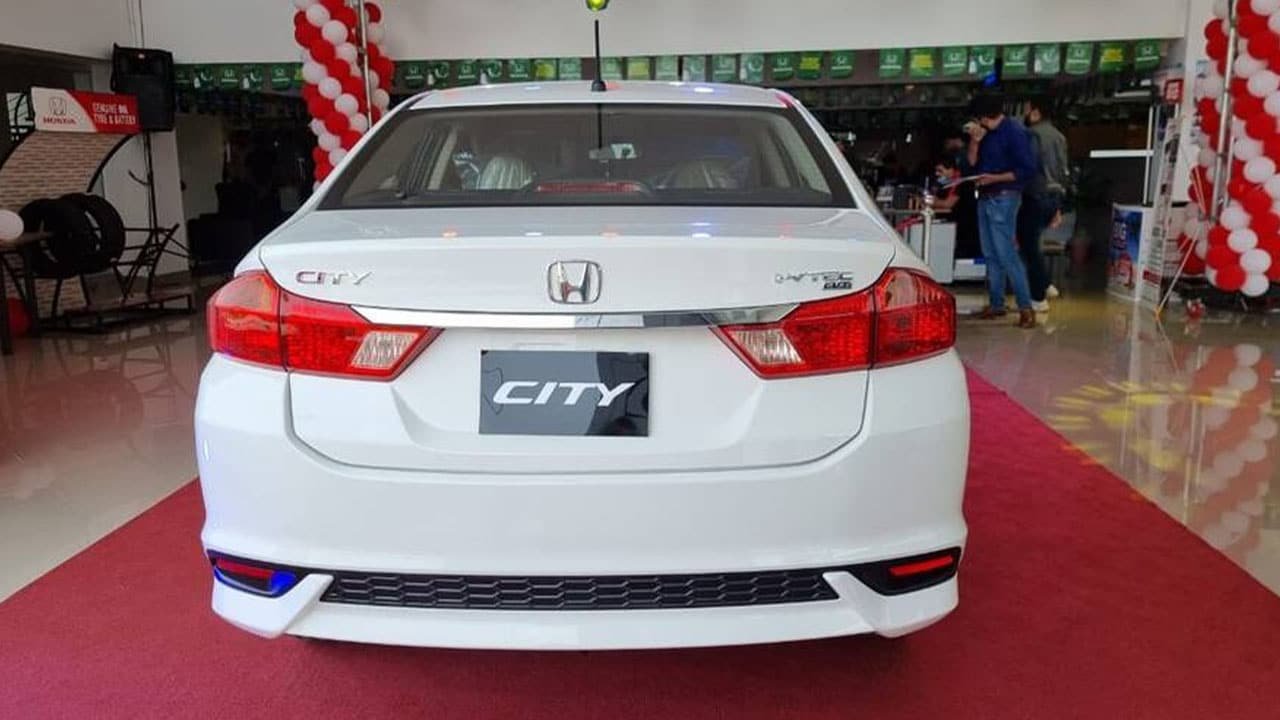
    Honda Atlas Cars Pakistan Limited (HACPL), one of the leading car manufacturers in the country, reported a significant decline of 90 per cent in its annual net profit due to rising expenses, reflecting the struggling state of the auto industry and the country’s economy.

    The company’s net profit for the fiscal year ending on March 31 was reported to be Rs260.141 million, a sharp decrease from Rs2.509 billion in the previous year.

    Consequently, the company did not distribute any dividends for that period. Earnings per share also witnessed a decline, coming in at Rs1.82/share compared to Rs17.58/share in the previous year.

    Honda Atlas Cars stated that its revenue for the year dropped to Rs95.087 billion, down from Rs108.047 billion the previous year. The cost of sales remained relatively stable at Rs87.926 billion compared to Rs102.515 billion during the same period last year. On the other hand, the company’s other income increased to Rs2.321 billion, compared to Rs2.004 billion in the previous year.

    However, the company experienced a surge in other expenses, which rose to Rs4.929 billion from Rs984.045 million, adversely impacting profit margins.

    Arif Habib Ltd, a brokerage firm, attributed the significant decline in profit to lower volumetric sales and increased finance costs, which rose by 6.5 times on a year-on-year basis. The auto industry, which heavily relies on imports, has been severely affected by the country’s economic conditions.

    Honda was among the manufacturers that had announced plant closures. However, on May 16, it was reported that Honda Atlas Cars planned to resume production activities after a months-long halt. The decision was made following an improvement in the accessibility of trade finance facilities for the supply chain.

    The government of Pakistan, facing low foreign exchange reserves, implemented stringent measures, including restrictions on letters of credit (LCs) for the import of completely knocked down (CKD) units and raw materials used by the auto industry.

    According to Geo, Honda stated that with the company’s consistent efforts and the slight improvement in trade finance accessibility, they are now preparing to gradually resume production in the coming weeks.

    Since March 9, the company had suspended its production activities. The auto industry has encountered significant setbacks due to non-production days, reduced consumer affordability resulting from higher interest rates and vehicle prices, currency devaluation, and escalating petrol prices. These plant shutdowns have also led to layoffs in the industry.
  • Crisis on wheels: Pakistan’s automotive industry grapples with mass layoffs and 70% sales drop

    Crisis on wheels: Pakistan’s automotive industry grapples with mass layoffs and 70% sales drop

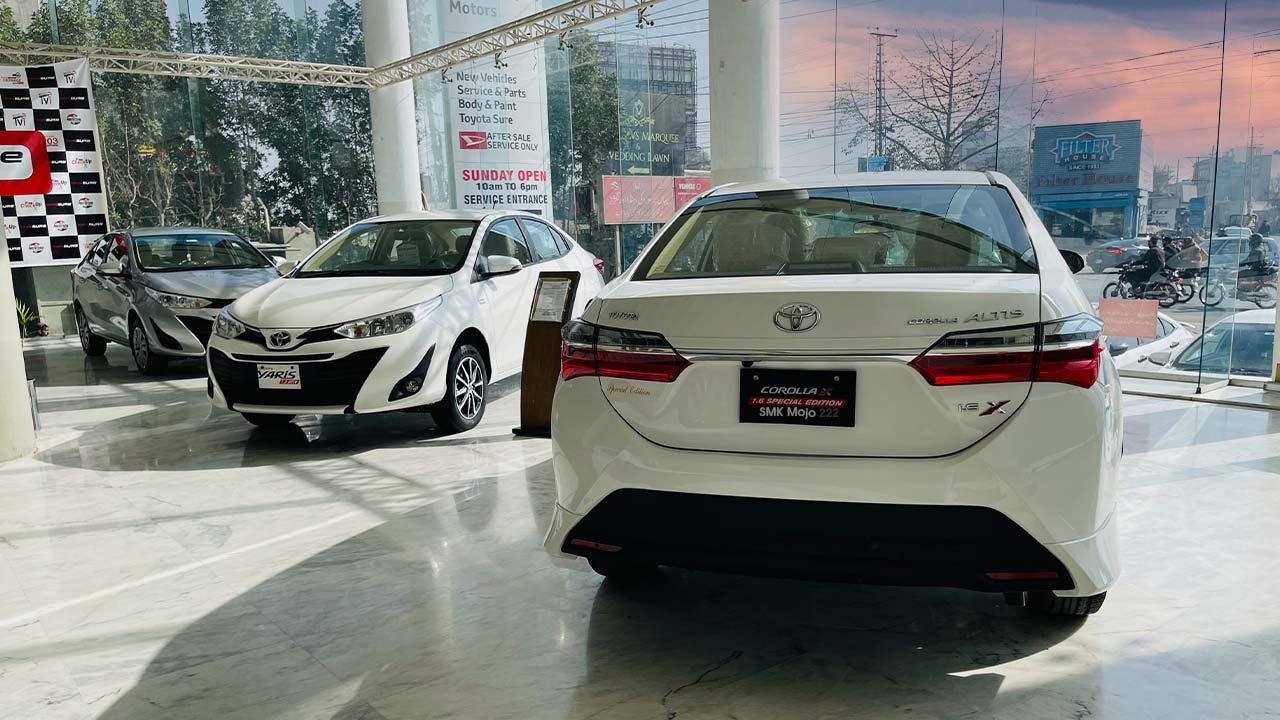
    The automotive industry in Pakistan is facing a severe setback as thousands of workers were laid off due to a decline in vehicle and spare parts sales. The government’s ban on raw material imports, coupled with the depreciation of the rupee and soaring inflation, has caused a significant strain on the industry. With foreign exchange reserves dwindling and the local currency hitting historic lows against the US dollar, the economic crisis has reached unprecedented levels.

    Pakistan finds itself in the midst of its most formidable economic crisis to date, as the State Bank of Pakistan’s foreign exchange reserves have plummeted to a mere $4 billion. This amount is barely sufficient to cover three weeks of imports, raising concerns about the country’s economic stability. The ban on raw material imports, implemented to prevent the outflow of US dollars, has caused a sharp decline in industrial output and triggered widespread layoffs and unemployment.

    Dollar crunch and inflation

    In the midst of the worsening dollar crunch, commercial banks have also halted the opening of letters of credit (LCs), leaving importers in a state of uncertainty regarding the provision of the necessary funds for already placed orders. This further exacerbates the challenges faced by the automotive industry, hindering its ability to procure essential raw materials and sustain production.

    The country is grappling with soaring inflation rates, which surpassed 36 per cent in April, the highest recorded since 1964. As a result, consumer purchasing power has diminished significantly, leading to a sharp decline in vehicle sales. Munir Karim Bana, Chairman of the Pakistan Association of Automotive Parts and Accessories Manufacturers (PAAPAM), laments the dire situation, stating that thousands of workers have been laid off, and production has ground to a halt. The closure of auto manufacturing plants has further exacerbated the industry’s challenges.

    Auto parts manufacturers are grappling with demurrage charges as raw materials worth billions of rupees remain stuck at the Karachi port. PAAPAM, responsible for supplying approximately 90 per cent of local vehicle parts, is bearing the burden of these charges. Furthermore, with production units closed, income streams have dried up, exacerbating the financial strain on the industry.

    Rana Ihsan Afzal, the coordinator to Prime Minister Shehbaz Sharif on commerce and industry, acknowledges that the automotive industry’s full efficiency may not be restored until the revival of the IMF bailout program. As a sector heavily reliant on imports and foreign currency, the automotive industry is particularly vulnerable to the country’s economic challenges. The delay in the staff-level agreement on the ninth review of the IMF bailout deal signed in 2019 has further hampered the industry’s prospects.

    Revival prospects and government assurance

    Amid the decline in sales and mass layoffs, the coordinator to the Prime Minister expressed his concern but assured that the government is tirelessly working to revive the economy. The coordinator acknowledges the temporary phase that necessitates import restrictions on the automotive industry to protect foreign exchange reserves. However, he remains optimistic that once reserves are replenished, the industry will experience a significant upturn.

    Pakistan’s automotive industry is facing a dire crisis, with plummeting sales, layoffs, and manufacturing plant closures. The ban on raw material imports, along with the economic challenges of soaring inflation and dwindling foreign exchange reserves, has pushed the industry to the brink. Despite the difficulties, the government is committed to revitalizing the sector and assuaging the concerns of manufacturers.

  • Suzuki GR 150 will now cost more than Rs5 lac

    Suzuki GR 150 will now cost more than Rs5 lac

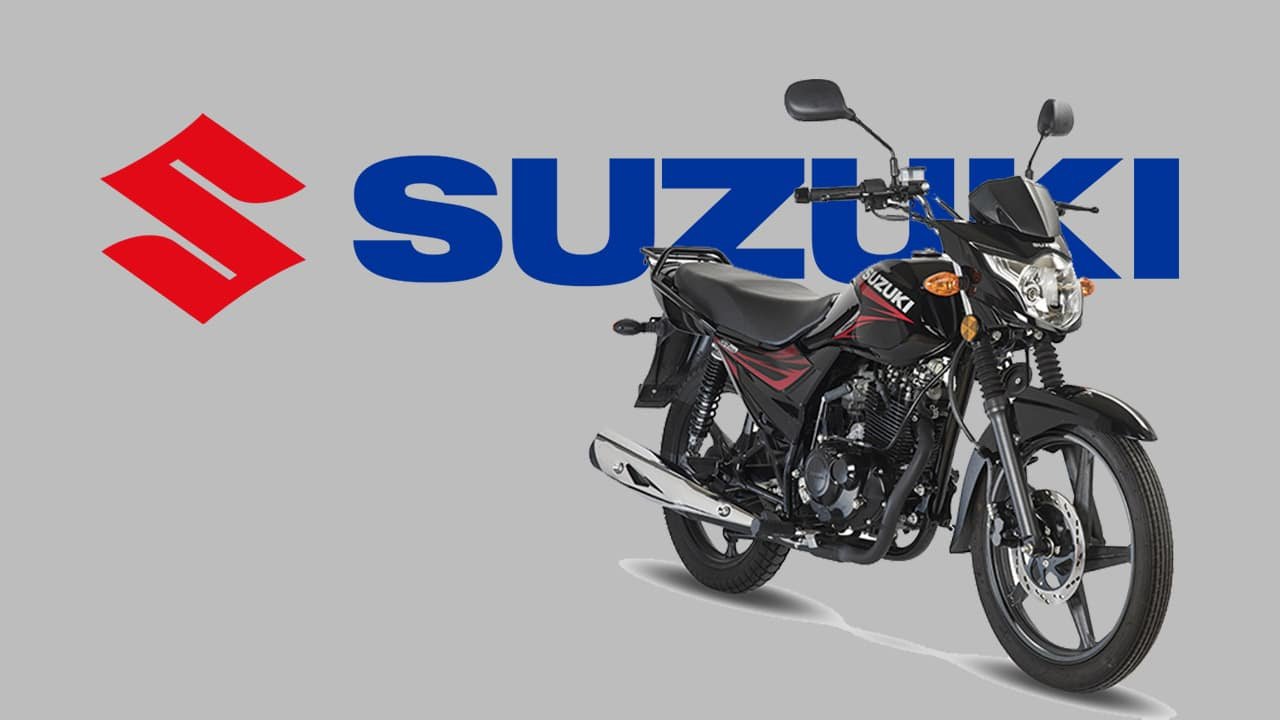
    Pak Suzuki, in its latest round of price hikes, has increased the rates of its bikes including the GR150 and other models. This marks the third price hike for the company’s bikes in just four months.

    Starting from April 7, 2023, the new prices will be implemented.

    The GR150, which is one of the popular models from Suzuki, now costs over five lacs, which is an astonishing price for a bike. The company claims that the hike is necessary to cover the increasing costs of production and other related expenses.

    The Suzuki GD 110S, which was previously priced at Rs290,000, has now been given a price tag of Rs322,000 after the hike of Rs32,000. Similarly, the Suzuki GS 150 has undergone a transformation from its previous cost of Rs315,000 to a new price of Rs350,000, thanks to the increase of Rs35,000. The GSX 125, on the other hand, has seen an increase of Rs47,000, taking its previous cost of Rs422,000 to a new high of Rs469,000. Finally, the Suzuki GR150, known for its style and performance, has gone from Rs451,000 to Rs501,000 after a price hike of Rs50,000.

    This increase in prices will undoubtedly affect customers, especially those who rely on these bikes as their primary mode of transportation. It is hoped that the company will take steps to ease the burden on its customers and provide affordable bikes that meet their needs.

    Suzuki Bike Model Old Price (Rs) New Price (Rs) Price Hike (Rs)
    Suzuki GD 110S  290,000  322,000  32,000
    Suzuki GS 150  315,000  350,000  35,000
    Suzuki GSX 125  422,000  469,000  47,000
    Suzuki GR150  451,000  501,000  50,000
  • Economic situation forces Honda Atlas Pakistan to suspend production for more than 20 days

    Economic situation forces Honda Atlas Pakistan to suspend production for more than 20 days

    Honda Atlas Cars Pakistan Limited (HACPL), one of the leading car manufacturers in Pakistan, has announced the temporary closure of its plant from March 09, 2023, to March 31, 2023.

    In a notice sent to the Pakistan Stock Exchange (PSX), the company cited disruptions in its supply chain caused by the current economic situation in Pakistan.

    The government’s strict measures, such as restricting the opening of LCs for the import of completely knocked down (CKD) kits and raw materials, and halting foreign payments, have significantly impacted the company’s production capabilities.

    The shutdown is expected to affect Honda car production in the region and potentially impact the company’s financial performance.

    The closure of HCAR’s plant is also likely to have a ripple effect on the automotive industry in the region, highlighting the challenges faced by businesses in Pakistan due to the current economic situation.

  • Honda Atlas passes on sales tax burden to customers with another massive price hike

    Honda Atlas passes on sales tax burden to customers with another massive price hike

    Honda Atlas Cars announced on Friday that it would be increasing the prices of its completely knocked down (CKD) models in response to a rise in sales tax.

    The car manufacturer cited several reasons for this decision, including the devaluation of the Pakistani rupee against the US dollar, a volatile business environment, and the increase in sales tax.

    As a result, the company will raise the prices of its CKD models by up to Rs550,000, marking the third hike.

    The new retail sale price (RSP) will be effective for all new orders placed from February 18 onwards.

    Here are the new prices of all Honda cars:

    Model Od price New price Hike
    City MT 1.2L Rs4,329,000 Rs4,579,000 Rs250,000
    City CVT 1.2L  Rs4,469,000 Rs4,729,000 Rs260,000
    City CVT 1.5L  Rs4,739,000 Rs5,019,000 Rs280,000
    City Asp MT 1.5L Rs4,939,000 Rs5,229,000 Rs290,000
    City Asp CVT 1.5L Rs5,119,000 Rs5,419,000 Rs300,000
    BR-V CVT S Rs5,649,000 Rs5,949,000 Rs300,000
    HR-V VTI Rs6,799,000 Rs7,199,000 Rs400,000
    HR-V-VTI S Rs6,999,000 Rs7,399,000 Rs400,000
    Civic 1.5L M CVT Rs7,299,000 Rs7,779,000 Rs480,000
    Civic 1.5L Oriel M CVT Rs7,599,000 Rs8,099,000 Rs500,000
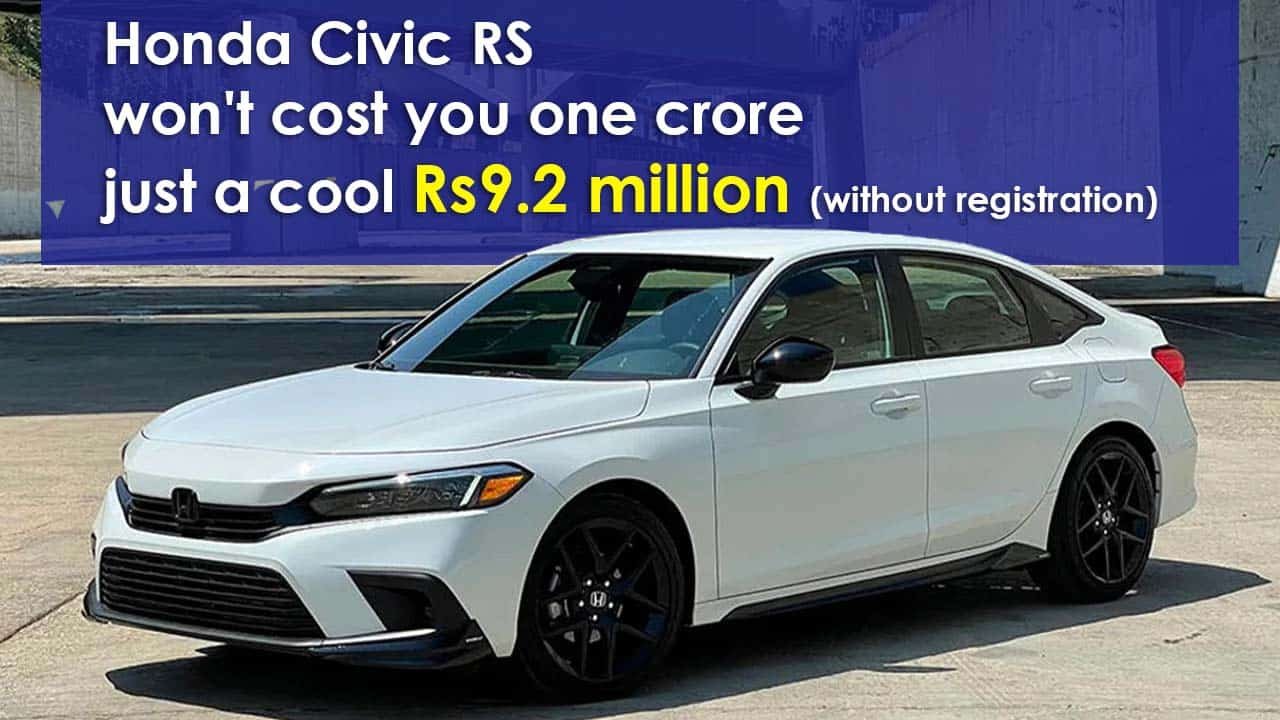
    Civic RS 1.5LL CVT Rs8,649,000 Rs9,199,000 Rs550,000
    Honda Cars Latest Prices in Pakistan – February 18, 2023

    Customers who have existing back orders as of February 17 will also be subject to the new retail sale price. Additionally, a 1 per cent additional sales tax will be applied to all back orders that have been paid in full as of the previous price increase letter, dated February 6.

    Honda Atlas Cars stated that any unclear back orders, with the exception of the Civic model, that are due up until March 23 can be invoiced if full payment (February 6 price + 1 per cent additional sales tax) is received by February 27 (with an instrument date of February 27). However, the automaker noted that the prices are subject to change and that the prices prevailing at the time of delivery will be final. Any changes in government levies or taxes will be borne by the customers.

    Furthermore, Honda Atlas announced an increase in the rates of its motorcycles the day before.

  • Kia increases car prices by up to Rs1.3 million ‘due to significant devaluation of Pakistani rupee’

    Kia increases car prices by up to Rs1.3 million ‘due to significant devaluation of Pakistani rupee’

    As the value of the Pakistani rupee (PKR) against the US dollar falls to an all-time low, Kia Lucky Motors Corporation (KLMC) has announced a significant hike in their car prices in Pakistan.

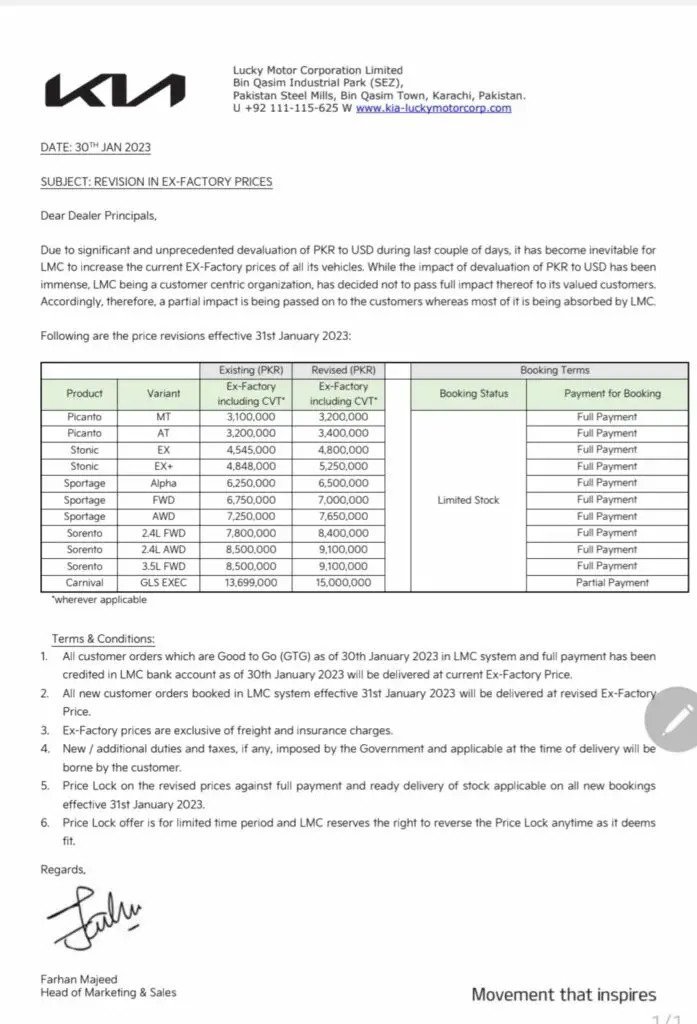
    Details indicate that, depending on the model, the manufacturer has increased the price of the Kia Picanto, Kia Sportage, Kia Stonic, Kia Sorento, and Kia Carnival in Pakistan by up to Rs1.3 million.

    “Due to the significant and unprecedented devaluation of PKR to USD during the last couple of days, it has become inevitable for LMC to increase the current ex-factory prices of all its vehicles,” the company announced in its notification to dealers.

    The new rates will go into effect on January 31, 2023.

    “While the impact of the devaluation of PKR to USD has been immense, LMC, being a customer-centric organization, has decided not to pass the full impact thereof to its valued customers,” it said, adding that only a partial impact is being passed on to the customer and the rest has been absorbed by LMC.

    It is important to note that on January 30, 2023, the interbank market closed with the Pakistan rupee at an all-time record low of Rs269.63 versus the US dollar.

    The price of the Kia Picanto in Pakistan has been increased by a massive Rs100,000 for both variants, bringing the new price of the M/T variant to Rs3,200,000 and the A/T variant to Rs3,400,000, compared to the old prices of Rs3,100,000 and Rs3,400,000, respectively.

    Here are the new prices for all Kia cars:

  • In Pictures: Pakistan unveils its first electric car with 210km range

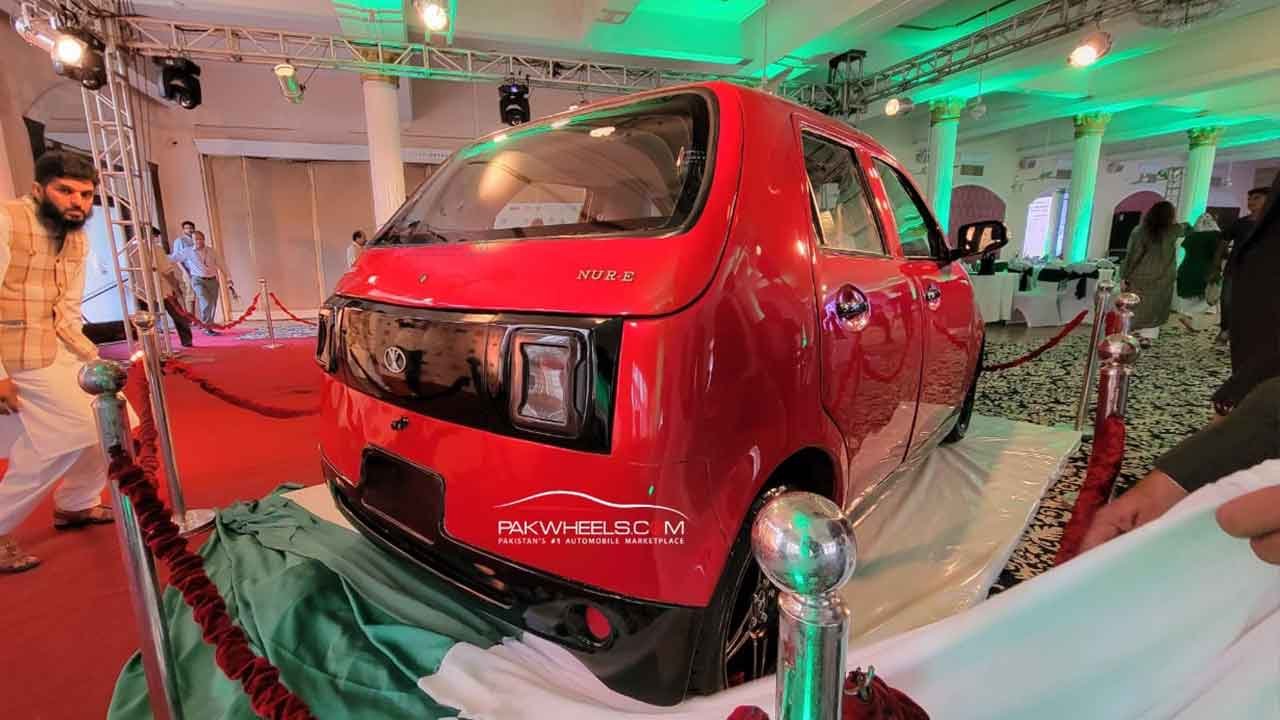
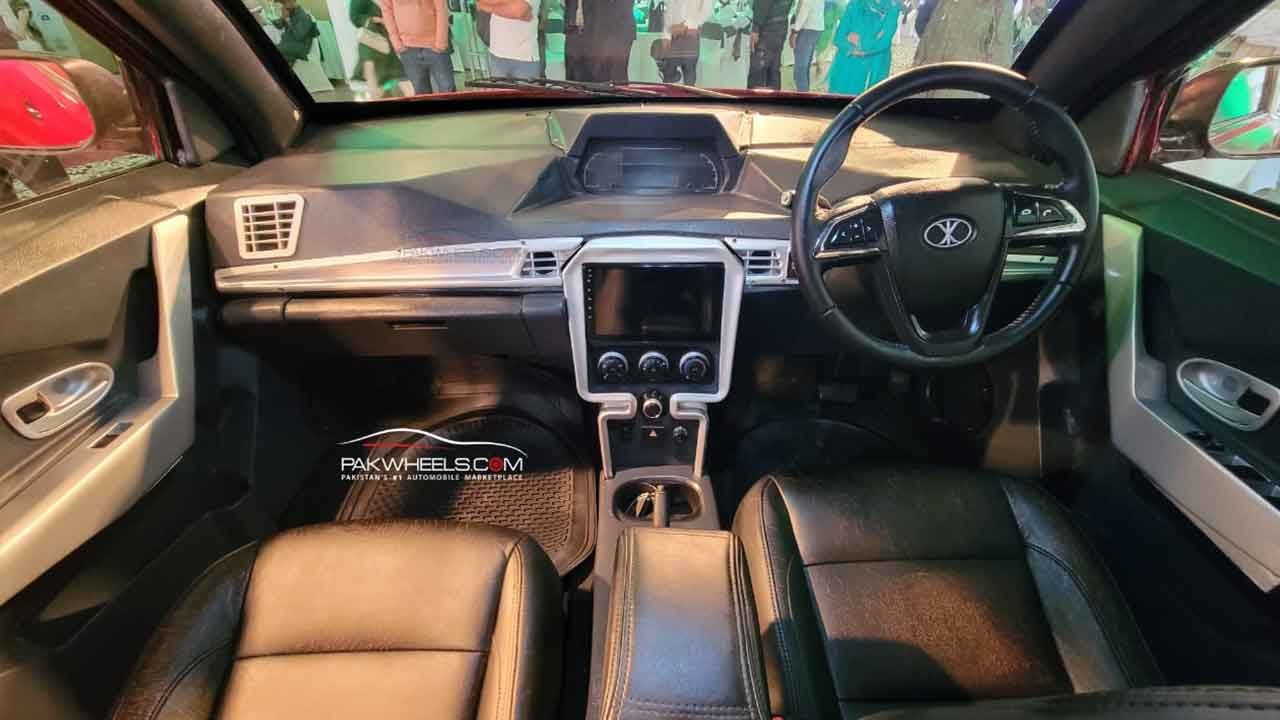
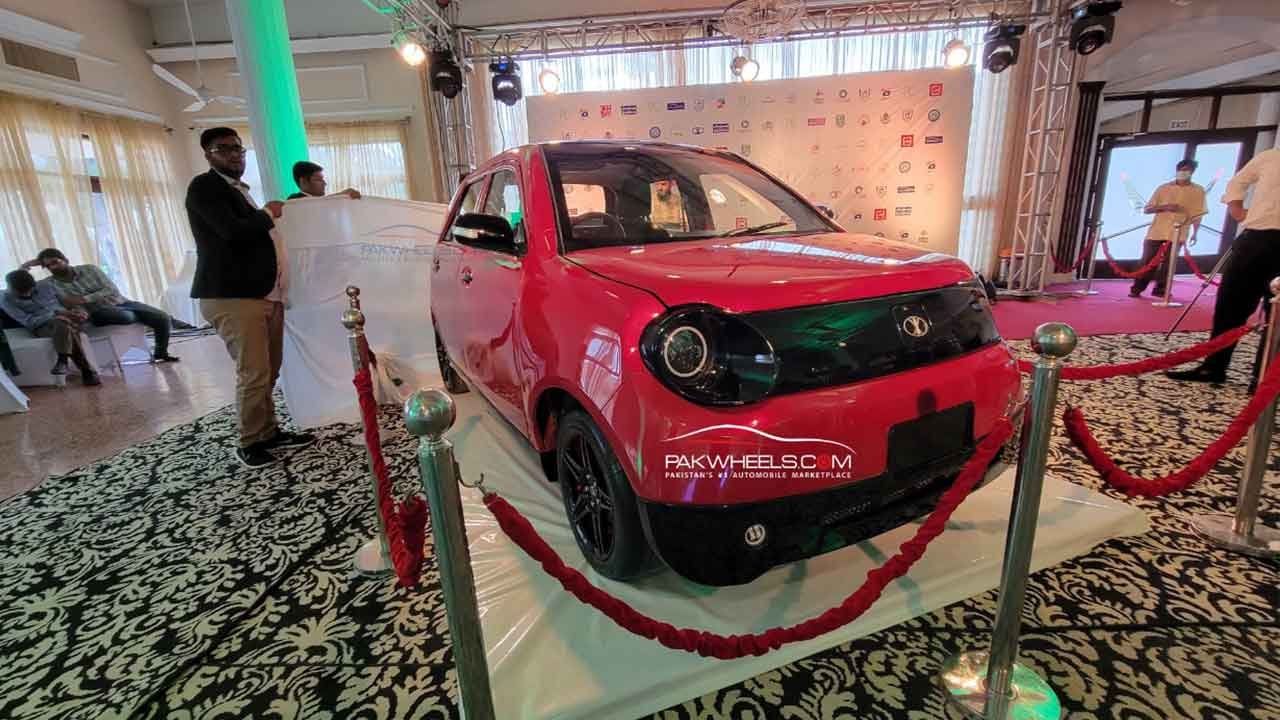
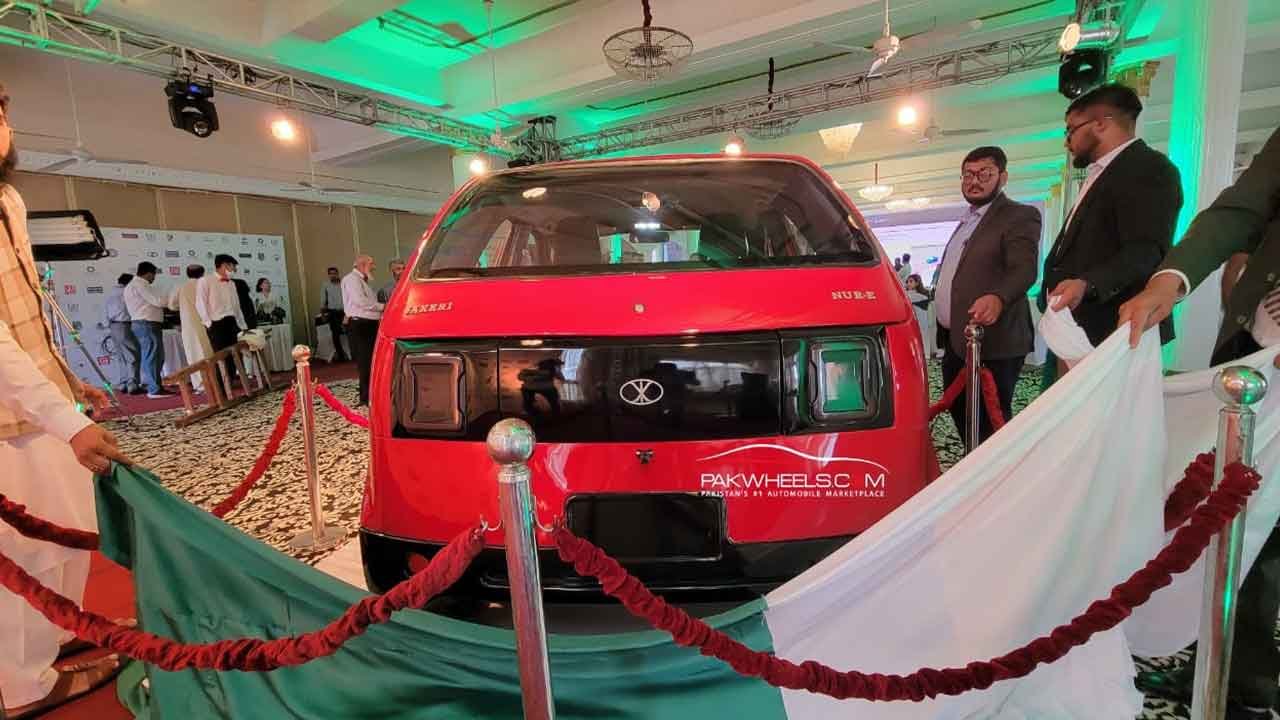
    In Pictures: Pakistan unveils its first electric car with 210km range

    Except for Pakistan, electric vehicles have gained massive popularity throughout the world. A few imported cars that are available in the local market are pricey and out of the range of the average person.

    Now that Pakistan’s first electric automobile has been launched with some outstanding features, things are set to change.

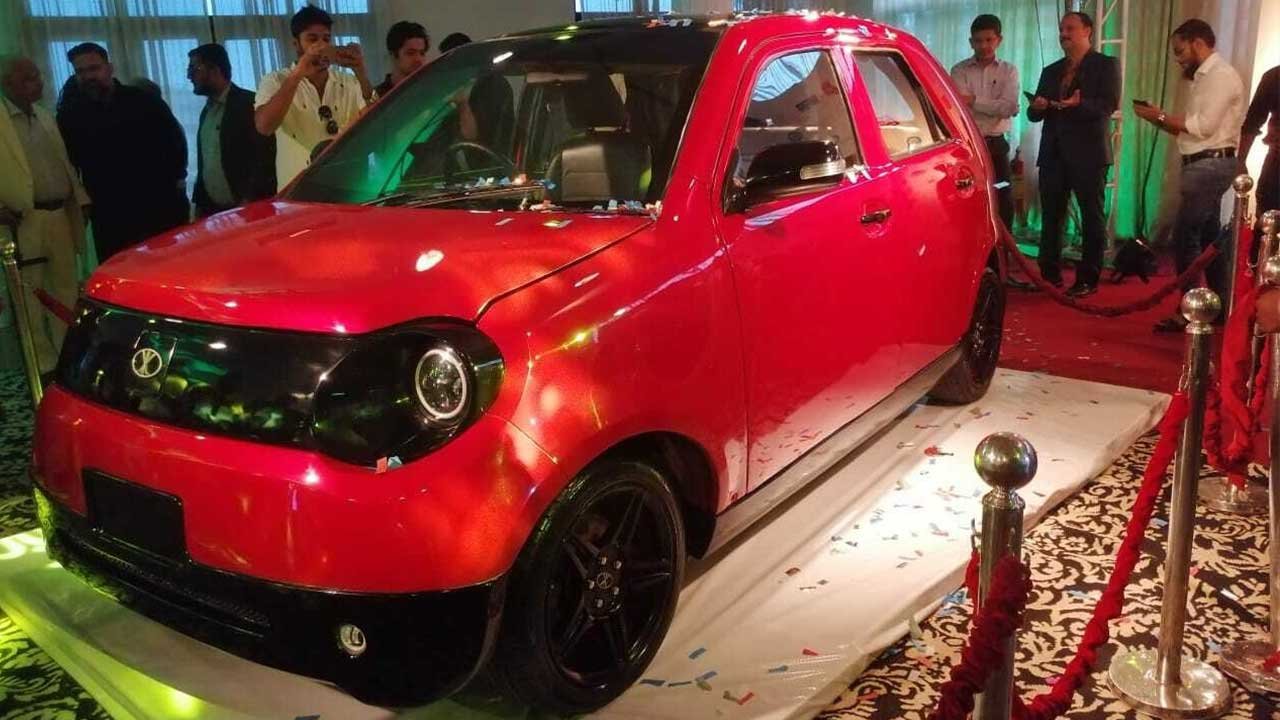
    On Independence Day, Pakistan’s first electric vehicle prototype, the NUR-E 75, was displayed on August 14.

    The battery in the car will have a 35kWh capacity with a range of 210 kilometres after being fully charged.

    NUR-E 75 will save a significant amount of fuel, contribute to the fight against climate change, and maintain economic prosperity, claims Dr Khurshid Qureshi, founder and chairperson of the Distinguished Innovation, Collaboration & Entrepreneurship (DICE) Foundation, who developed the prototype.

    It has a maximum speed of 120km/h, tyre size of 16 inches, a ground clearance of 190mm, and a charging capacity of 220V in eight hours, with fast charging also available.

    Dr Qureshi claimed that the production of the car has three stages: the first involved industrial design, production, and launch; the second involved expanding production to include sedans and SUVs, small commercial trucks, and EV platform export; and the third involves exporting the cars.

    Read more: Cheapest new cars to buy in Pakistan

    The completely working prototype, EV NUR-E 75, is ready for testing and regulatory approval, he said, adding that manufacturing started in 2019. Meanwhile, design work on a rolling platform that will be utilised for multiple vehicle segments is in progress.

    The little hatchback’s maximum output is 80 kW (108 horsepower), and its 35 kWh battery can travel 210 km without the air conditioner on.

    He emphasised that the vehicle, given to Pakistan as a gift for its diamond jubilee, would play a significant role in the context of the environment and climate change and help us transition away from the use of non-renewable fuels.