Tag: automotive technology

  • Toyota IMC unveils locally-made Toyota Corolla Cross Hybrid in Pakistan

    Toyota IMC unveils locally-made Toyota Corolla Cross Hybrid in Pakistan

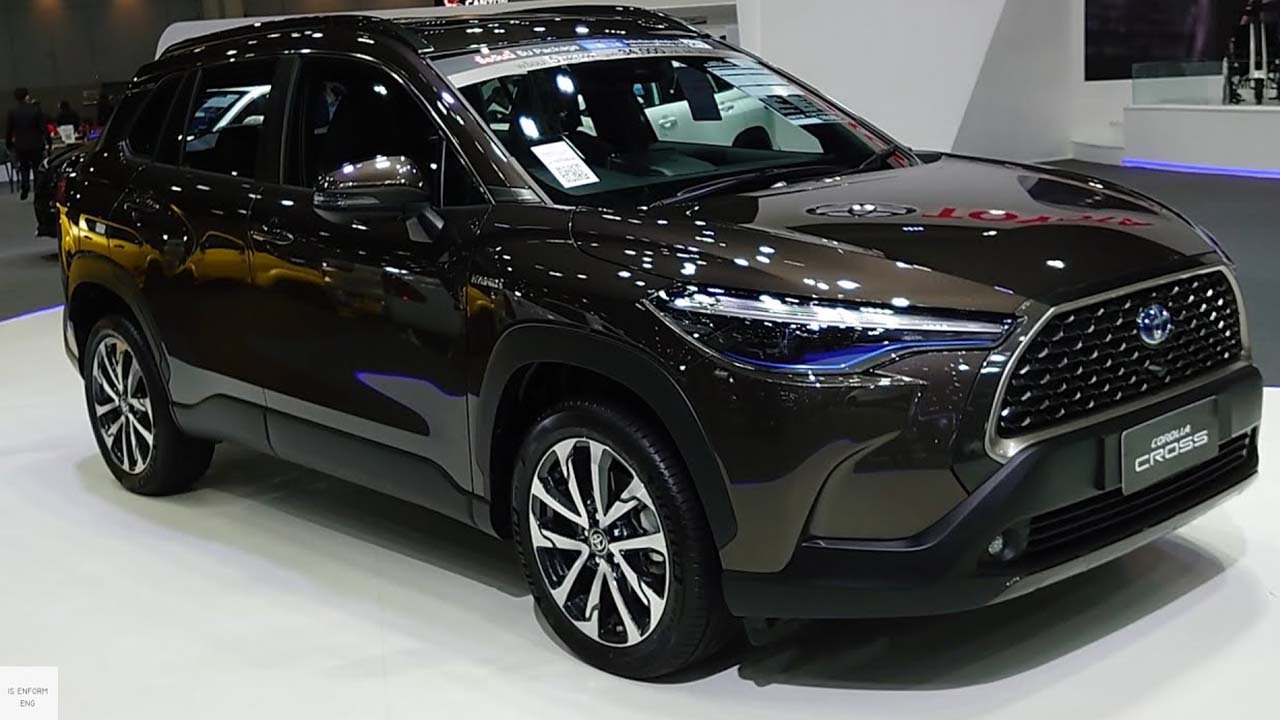
    Indus Motor Company (IMC) celebrated the launch of the 4th generation Toyota Corolla Cross Hybrid Electric Vehicle (HEV) at its manufacturing facility in Karachi.

    This marks a significant achievement for IMC, emphasising the ‘Made in Pakistan’ initiative and showcasing the strong bond between Japan and Pakistan. Notable figures present at the ceremony included Federal Secretary Asad Rehman Gilani, Toyota’s top leadership and the Japanese Ambassador to Pakistan, Mitsuhiro Wada. 

    Yoshiyuki Takai, expressing optimism about the Corolla Cross HEV’s reception in Pakistan, highlighted the environmental benefits of increased hybrid vehicle adoption.

    Gilani, on behalf of the government, congratulated IMC and reiterated the commitment to support hybrid and electric technologies, aligning with the Auto Policy 2021–26. IMC’s CEO, Ali Asghar Jamali, emphasised the company’s dedication to sustainability, revealing an investment exceeding $100 million in manufacturing the first locally produced HEV.

    The Corolla Cross HEV boasts a smooth and efficient 1800-cc engine with hybrid and gasoline options. Jamali also outlined IMC’s contribution to the local automobile sector, encompassing a comprehensive value chain, part manufacturers, authorised dealerships, and a substantial workforce of over 450,000 people.

  • First 2024 Tesla Cybertruck auctioned for over PKR 11 crore

    First 2024 Tesla Cybertruck auctioned for over PKR 11 crore

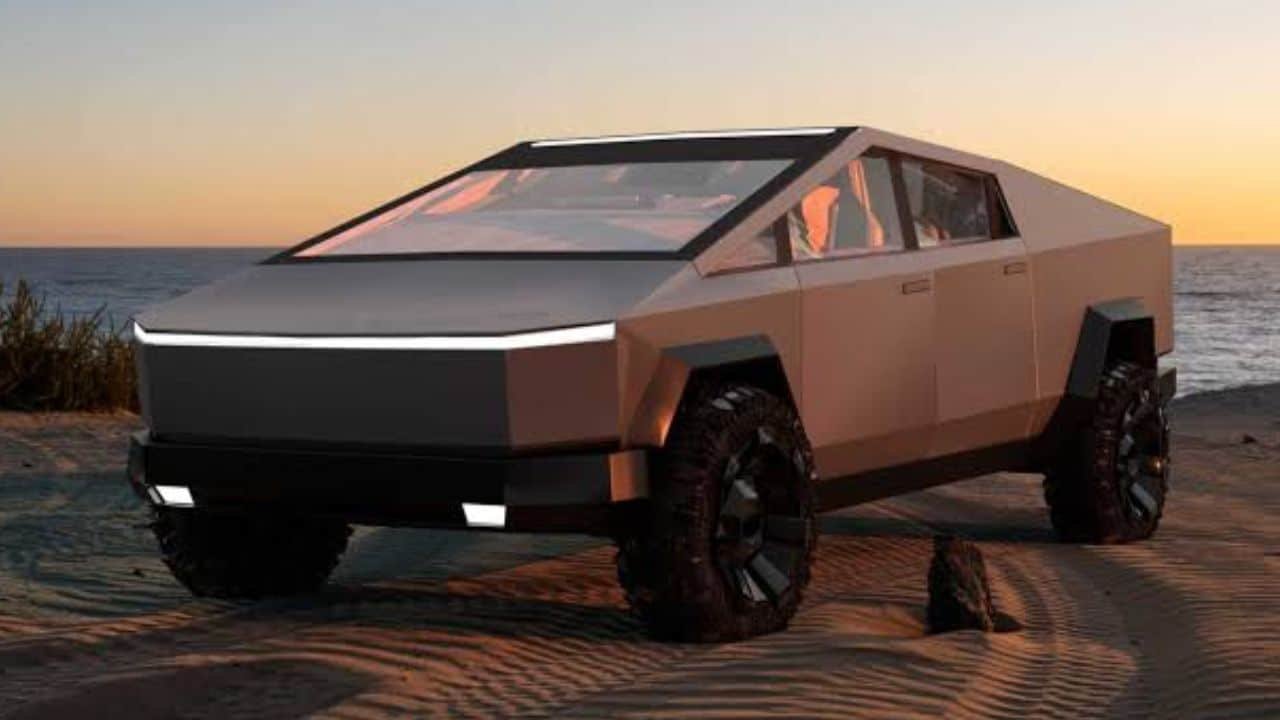
    Production of the Tesla Cybertruck seems to have finally started, with reports of a 2024 Cybertruck being auctioned at the Petersen Auto Museum during their 29th gala event hosted by Jay Leno.

    The truck supposedly sold for a staggering $400,000 (PKR 112,551,880). However, the museum couldn’t confirm the exact winning bid due to internal policies.

    This sale, if confirmed, would mark the first official sale of a Cybertruck. Originally revealed in 2019, the production timeline for the unique pickup was repeatedly delayed, pushing it past its initial 2021 target.

    The auction offered a “low-VIN” 2024 Cybertruck, with the winning bidder receiving their vehicle when Tesla completes production. Essentially, it’s an auction for a build slot rather than an immediate car.

    Recent sightings of Cybertrucks being tested and transported on flatbeds suggest progress. Tesla had previously announced that full-scale production wouldn’t commence until 2024, but they claimed that the first Cybertruck was built in July at their Giga Texas factory.

    It’s worth noting that this isn’t the first high-interest EV truck to be auctioned, with the 2024 GMC Hummer EV SUV and the Hummer EV SUT truck also fetching high prices at auctions.

    Despite these developments, Tesla has not announced an official delivery start date for the Cybertruck. Furthermore, specifications for the production model remain unconfirmed.

    Originally priced around $40,000, there were plans for various variants, including a single-motor rear-wheel-drive base model and a high-performance tri-motor version, but it’s unclear which will be produced in 2024, if any.

    In any case, the Cybertruck is now a tangible reality, as evidenced by Tesla’s recent video of it driving off-road in Baja, Mexico. It’s only a matter of time until it officially hits the market.

  • Koenigsegg’s new Gemera to offer mind-blowing 2,300 horsepower hybrid powertrain

    Koenigsegg’s new Gemera to offer mind-blowing 2,300 horsepower hybrid powertrain

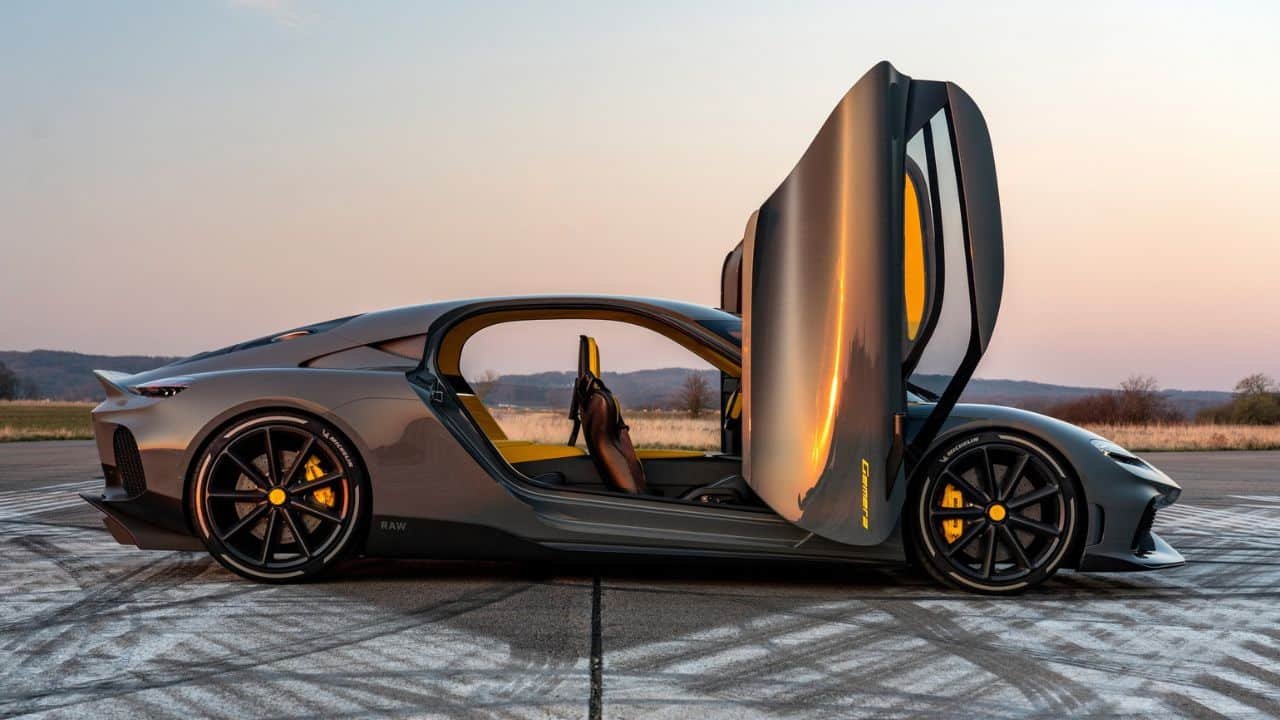
    We have been acquainted with luxurious alternatives in the past, yet never encountered anything quite as remarkable as this. According to reports from the inauguration event at Koenigsegg’s newly established manufacturing facility, the company is poised to offer purchasers of the Gemera model an unprecedented V8 hybrid powertrain, boasting a staggering output of 2,300 horsepower.

    Upon its initial revelation, Koenigsegg pledged that the Gemera, a two-door, four-seat vehicle, would exhibit a still-excessive 1,700 horsepower (1,268 kW/1,723 PS) generated by a three-cylinder engine harmoniously integrated with a hybrid system.

    However, the Egg Registry reports that the production iteration of the Gemera will present an alternative powertrain. Discarding the three-cylinder engine, the vehicle will adopt a V8 engine sourced from the Jesko model.

    The aforementioned 5.0-liter twin-turbocharged engine already commands an impressive output of 1,578 horsepower (1,177 kW/1,600 PS) and 1,106 lb-ft (1,500 Nm) of torque when utilising E85 fuel in the Jesko. Moreover, the company boldly asserts that this engine holds the title of the fastest revving production engine in existence, rendering it a highly coveted addition to nearly any automobile.

    According to CarScoops, the precise method by which this powerhouse will fit within the same space previously occupied by the comparatively diminutive three-cylinder engine remains uncertain. Nonetheless, reports indicate that it will be coupled with Koenigsegg’s nine-speed Light Speed Transmission and, owing to the inclusion of the hybrid system, deliver an awe-inspiring 2,300 horsepower and 2,028 lb-ft (2,750 Nm) of torque.

    Furthermore, the production model of the Gemera will be equipped with physical side mirrors instead of the cameras featured on earlier prototypes, adhering to the regulatory requirements of the United States. For enhanced performance, an optional “Ghost Package” will introduce several aerodynamic enhancements, including a rear wing, an extended front splitter, and an S-duct. It is worth noting, however, that this package compromises practicality by eliminating the front trunk.

    Regrettably, the outlet informs us that production of the Gemera is still a considerable amount of time away, with the first customers anticipated to receive their vehicles in 2025.

  • Toyota is working on fake manual transmission to add excitement to electric cars

    Toyota is working on fake manual transmission to add excitement to electric cars

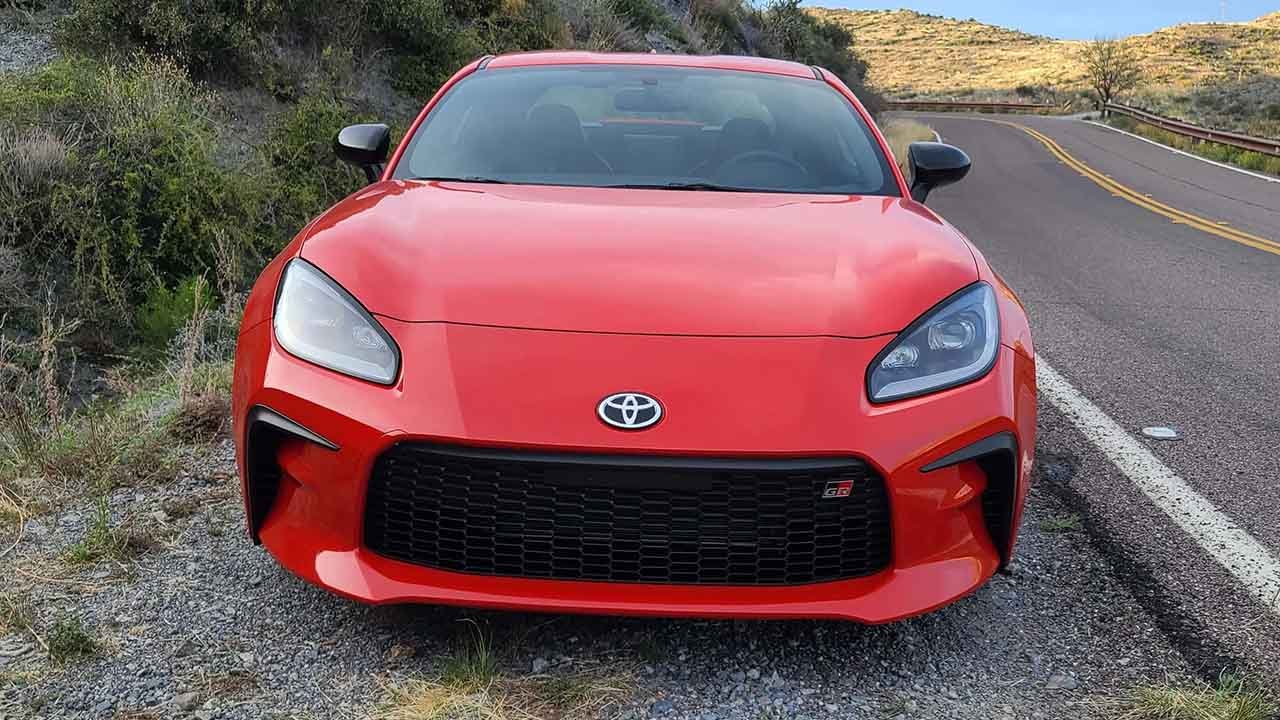
    Toyota engineers have taken a unique approach to attract consumers who find electric cars lacking excitement by working on a realistic-feeling fake manual transmission as a potential feature.

    Although a manual transmission in an electric vehicle would serve no functional purpose, it would cater to enthusiasts who enjoy the experience of shifting gears in their conventional gasoline-powered cars.

    Toyota, a brand historically skeptical of electric vehicles, has been planning a more aggressive foray into the sector. Acknowledging the need to appeal to a diverse range of consumers, the development of features such as a fake manual transmission aims to entice individuals who are not captivated by the typical smoothness and simplicity associated with electric vehicles.

    It is worth noting that the majority of gasoline-powered cars sold in the United States today are equipped with automatic transmissions that require no driver input for shifting gears.

    Manual transmissions, which require the driver to operate a clutch pedal and maneuver a gear stick, are often offered as options for performance cars or inexpensive models. However, manual transmissions are more prevalent in other parts of the world, including Europe.

    In the case of Toyota’s innovation, as revealed in a recent patent application filed in the United States in late May, the electric car would not possess an actual multi-speed transmission. Instead, a shifter would be connected to sensors and a central computer programmed to replicate the sensation of driving a car with a manual transmission.

    Since manual transmission cars vary in terms of engines, transmissions, and gear ratios, the central computer would be programmed to emulate a specific type of manual transmission car. In addition to the conventional brake and accelerator pedals, the driver would also have a clutch pedal to complete the simulated experience.

    Furthermore, drivers will have the ability to “downshift” or engage in engine braking. This process involves selecting a lower gear and releasing the clutch pedal without pressing the accelerator, allowing the friction of the unpowered engine to slow the car without the need for brakes.

    Toyota’s virtual manual transmission incorporates programming that enables drivers to experience the sensation of operating it poorly, to a certain extent.

    If the driver fails to provide sufficient acceleration or selects an incorrect gear, the car will simulate the shaking and bucking experienced in a gas-powered vehicle with a manual transmission. However, the car’s computer will limit the intensity of these effects to prevent undue strain on the battery.

    Importantly, if drivers prefer not to use the fake manual transmission, the car will offer two driving modes: a regular electric vehicle mode and the faux-manual mode.

    While some reports suggest the inclusion of fake engine sounds to accompany the shifting and accelerating actions, the patent application does not explicitly mention it. The availability, timing, and target markets for the electric vehicle equipped with the simulated manual transmission remain uncertain at this point.

    Toyota’s innovative endeavor showcases the company’s commitment to diversifying its electric vehicle offerings and catering to a wider range of consumer preferences.

    By blending the familiarity of manual transmissions with the benefits of electric vehicles, Toyota aims to capture the attention of enthusiasts while providing an engaging driving experience in an increasingly electrified automotive landscape.