Tag: aviation

  • AirCar technology purchased by Chinese company for exclusive use

    AirCar technology purchased by Chinese company for exclusive use

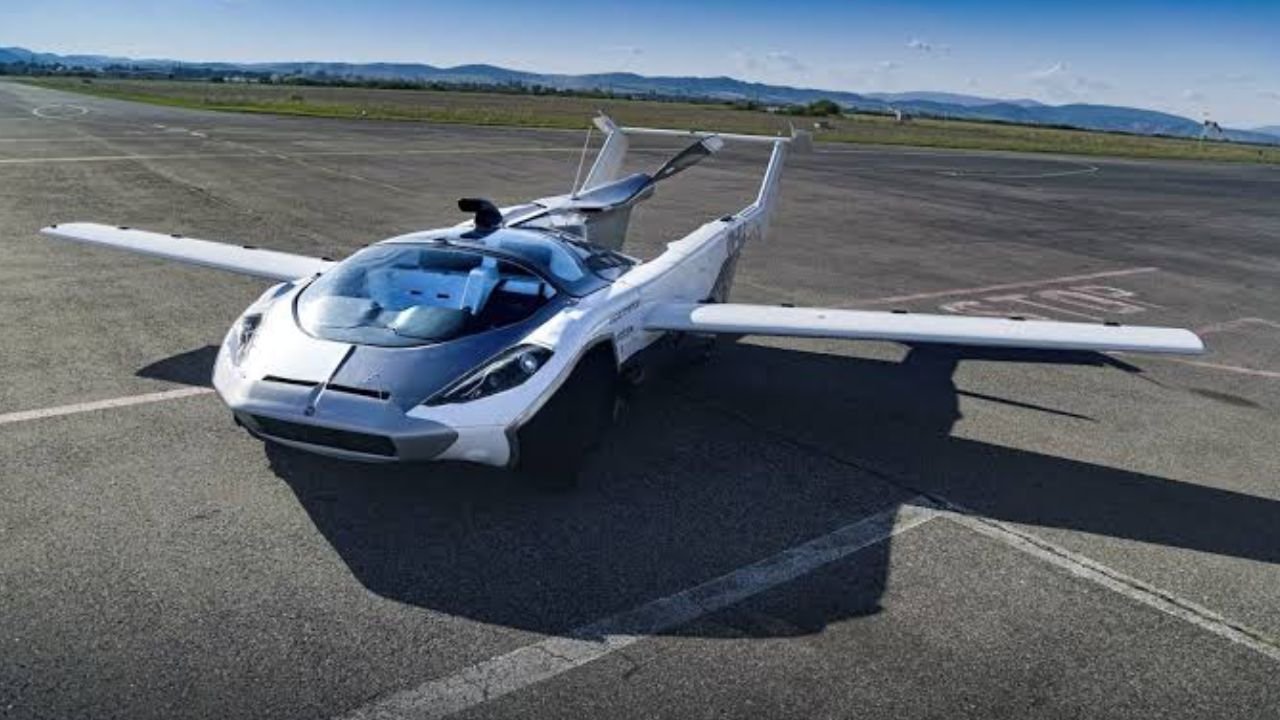
    A Chinese firm has acquired the technology behind a flying car, originally developed and tested in Europe. This AirCar, powered by a BMW engine and conventional fuel, completed a 35-minute flight between two Slovakian airports in 2021, utilising standard runways for take-off and landing. Its transformation from car to aircraft took just over two minutes.

    The Hebei Jianxin Flying Car Technology Company, based in Cangzhou, has obtained exclusive rights to manufacture and operate AirCar aircraft within a designated region in China. The company, after acquiring technology from a Slovak aircraft manufacturer, has established its own airport and flight school.

    China, known for spearheading the electric vehicle revolution, is now actively pursuing aerial transport solutions. Recently, Autoflight conducted a successful test flight of a passenger-carrying drone, drastically reducing travel time between Shenzhen and Zhuhai. Meanwhile, eHang, another Chinese firm, received safety certification for its electric flying taxi in 2023, with the UK government anticipating regular flying taxi operations by 2028.

    Unlike vertical take-off and landing drones, AirCar operates on traditional runways, presenting challenges in infrastructure, regulation, and public acceptance. While the sale details remain undisclosed, AirCar received airworthiness certification in 2022 and gained attention through a video by YouTuber Mr. Beast.

    Despite the excitement surrounding prototypes like AirCar, practical implementation may involve mundane aspects such as queues and security checks, according to experts. However, similar concerns once surrounded electric cars, which China has since dominated in the global market. The sale of AirCar raises speculation about China’s potential influence in the flying car industry.
  • PIA’s Boeing 777 planes encounter more technical issues due to lack of maintenance 

    PIA’s Boeing 777 planes encounter more technical issues due to lack of maintenance 

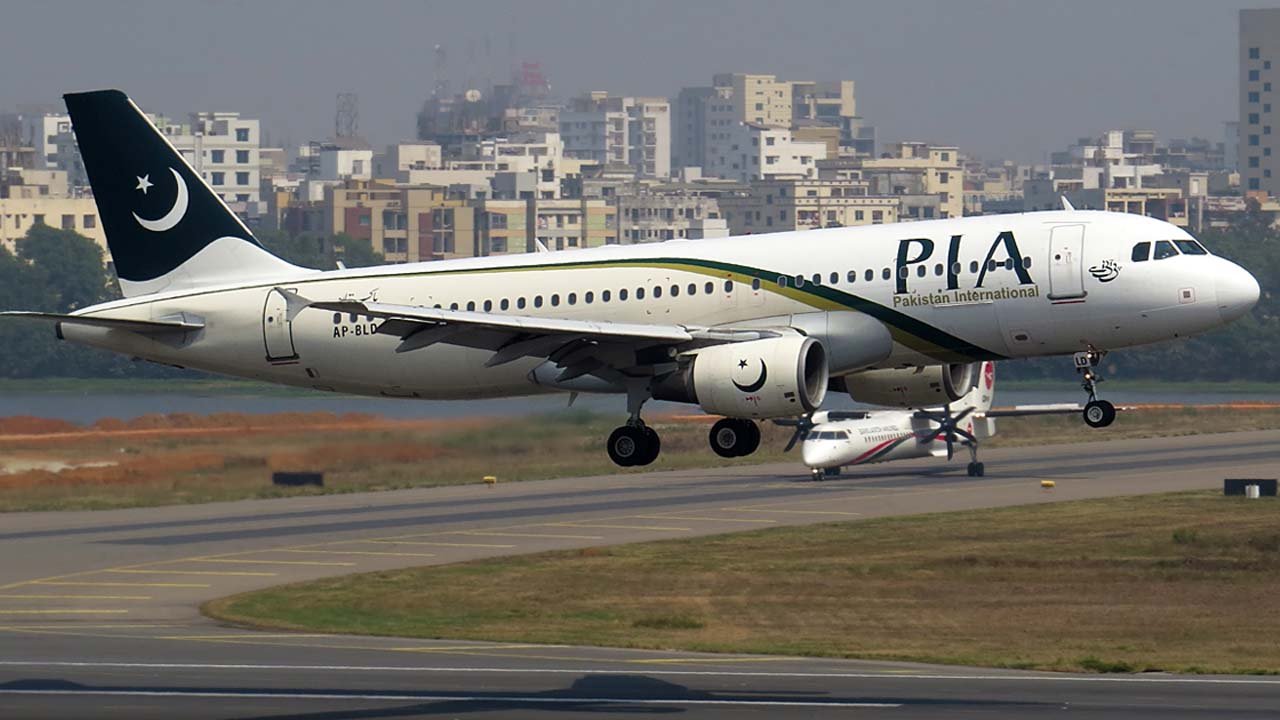
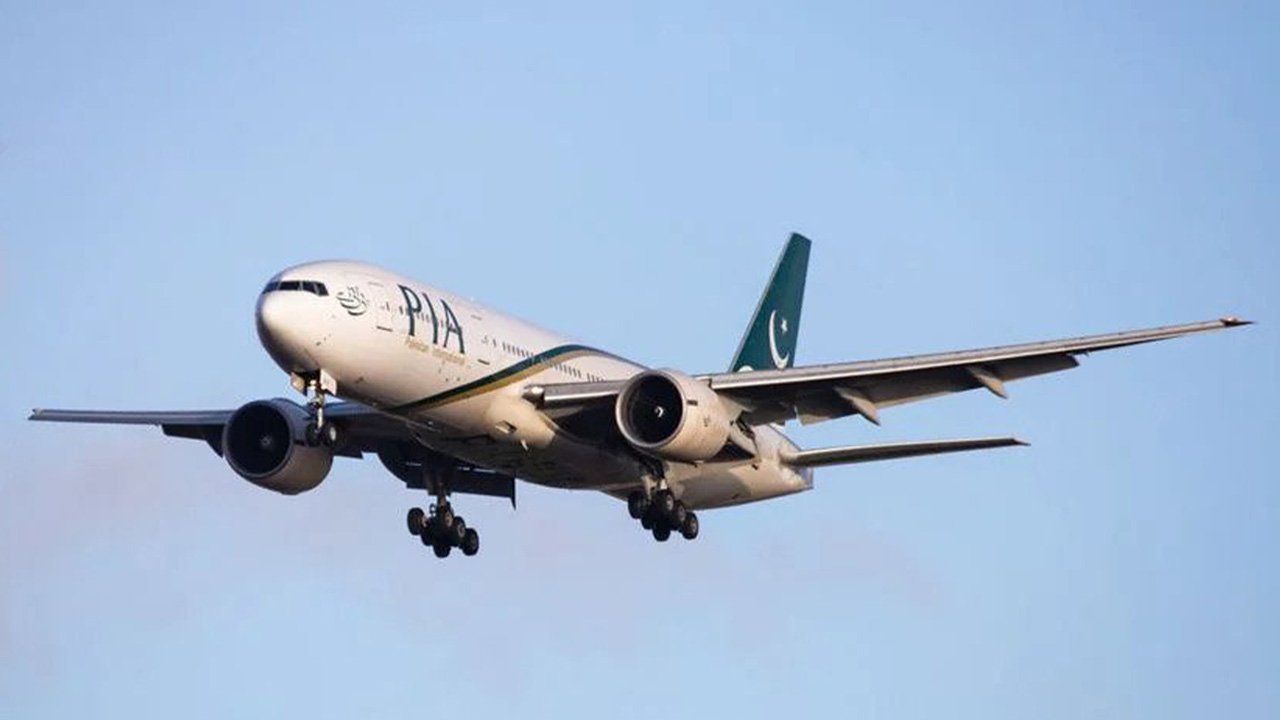
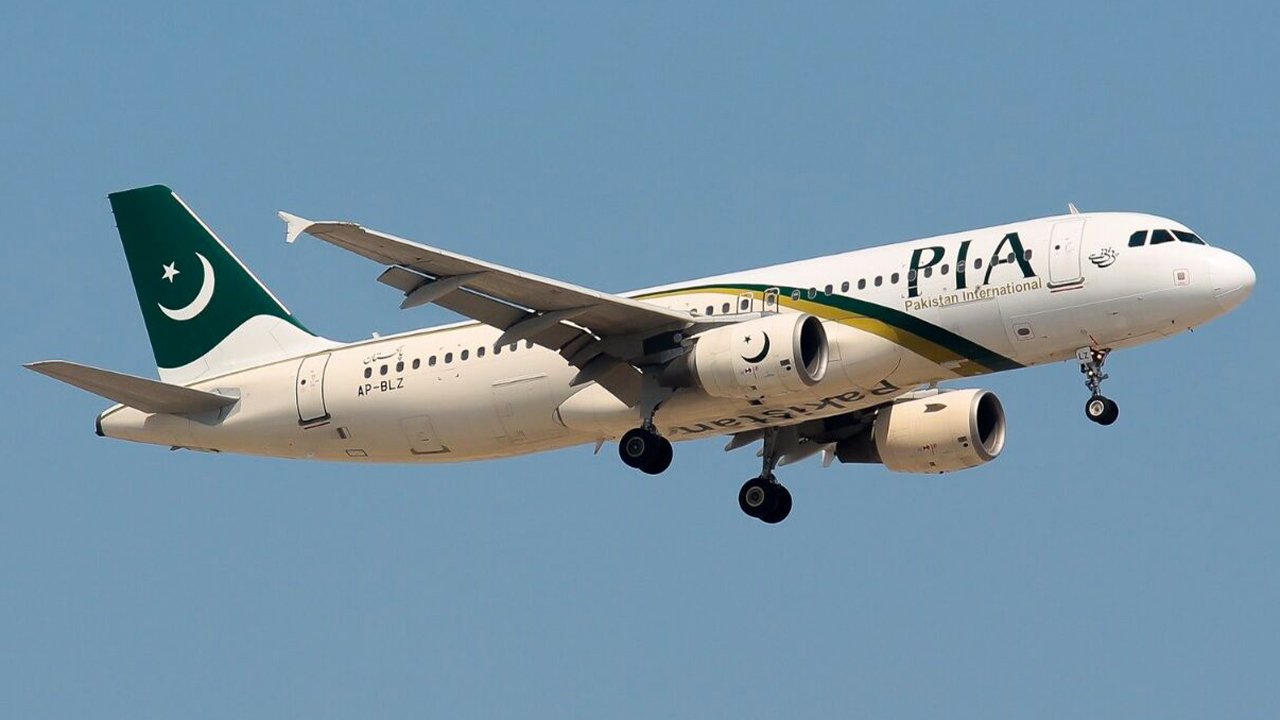
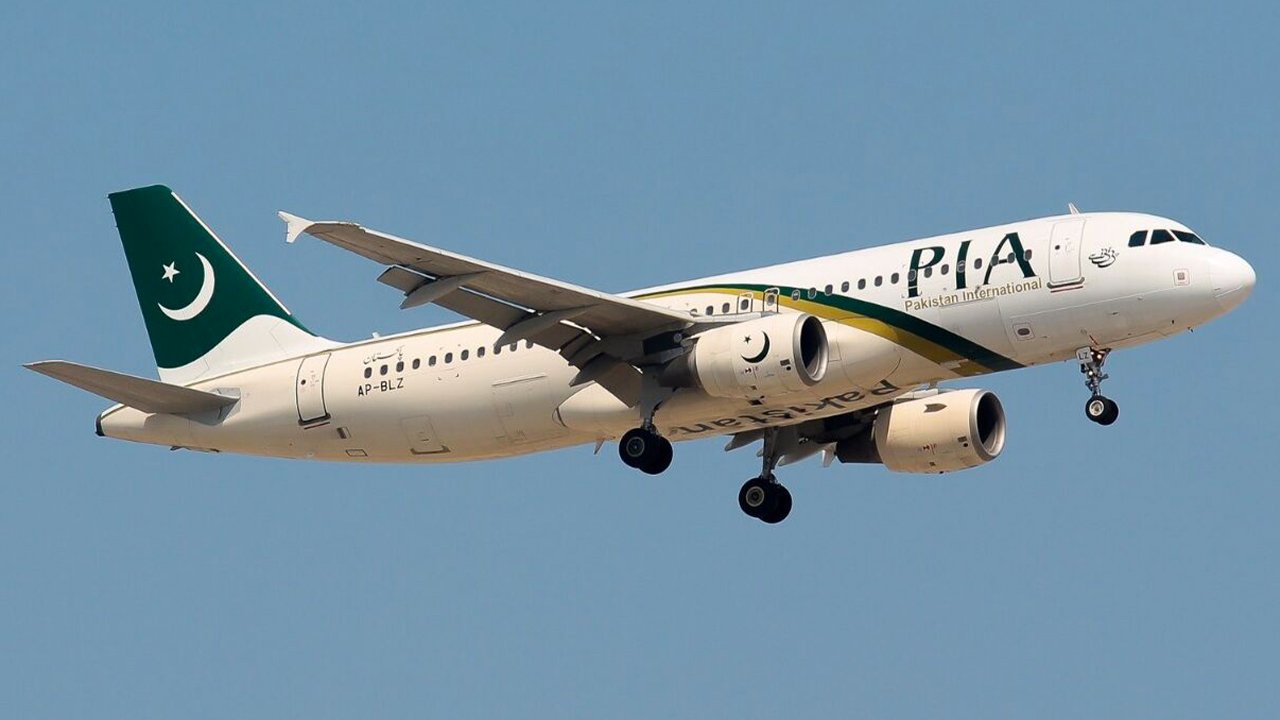
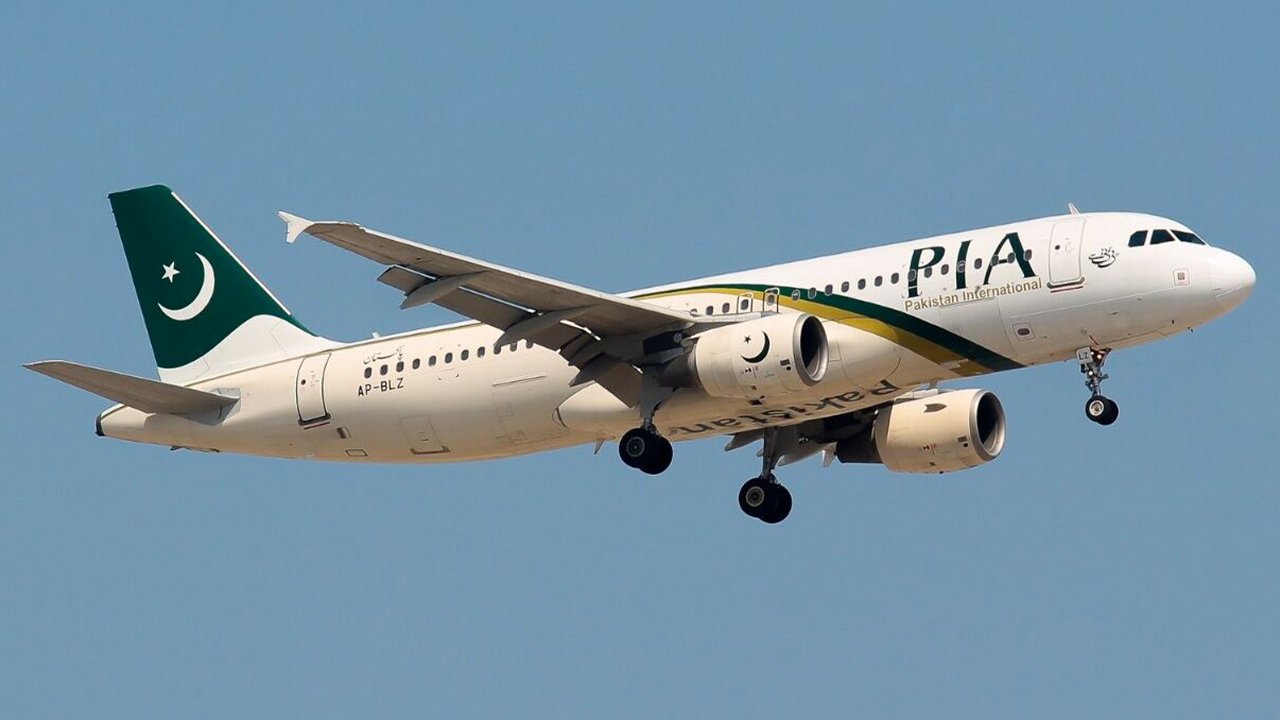
    Due to a serious lack of maintenance and repair work, numerous Boeing 777 aircraft operated by Pakistan International Airlines (PIA), the country’s national flag carrier, have experienced technical problems during international flights, according to reliable sources. 

    These technical issues within PIA’s aircraft have been steadily increasing due to the neglect of essential maintenance and repair tasks by the airline’s engineering department, as disclosed by insiders interviewed by ARY News. This unfortunate trend not only puts the safety of PIA flights at risk but also causes significant inconveniences for passengers and financial difficulties for the airline. 

    Sources have revealed that several Boeing 777 aircraft faced technical problems during flights to Saudi Arabia, resulting in substantial expenses for their repair and upkeep. In a recent incident, during the boarding process for Jeddah-Lahore flight PK-760, the auxiliary power unit (APU) exhaust malfunctioned, requiring the pilot to activate an emergency brake and initiate a fire control procedure. 

    The consequences of this incident were significant, leading to a delay of over a day for the affected flight as the aircraft had to be grounded due to the fault. Interestingly, this was the second such incident reported in a single day. Prior to this incident, another PIA plane flying from Sialkot to Jeddah experienced smog warnings within the cockpit. 

    In response to these events, the PIA spokesperson issued a statement reassuring passengers aboard the grounded plane that arrangements were being made for their prompt departure from Lahore to Jeddah. 

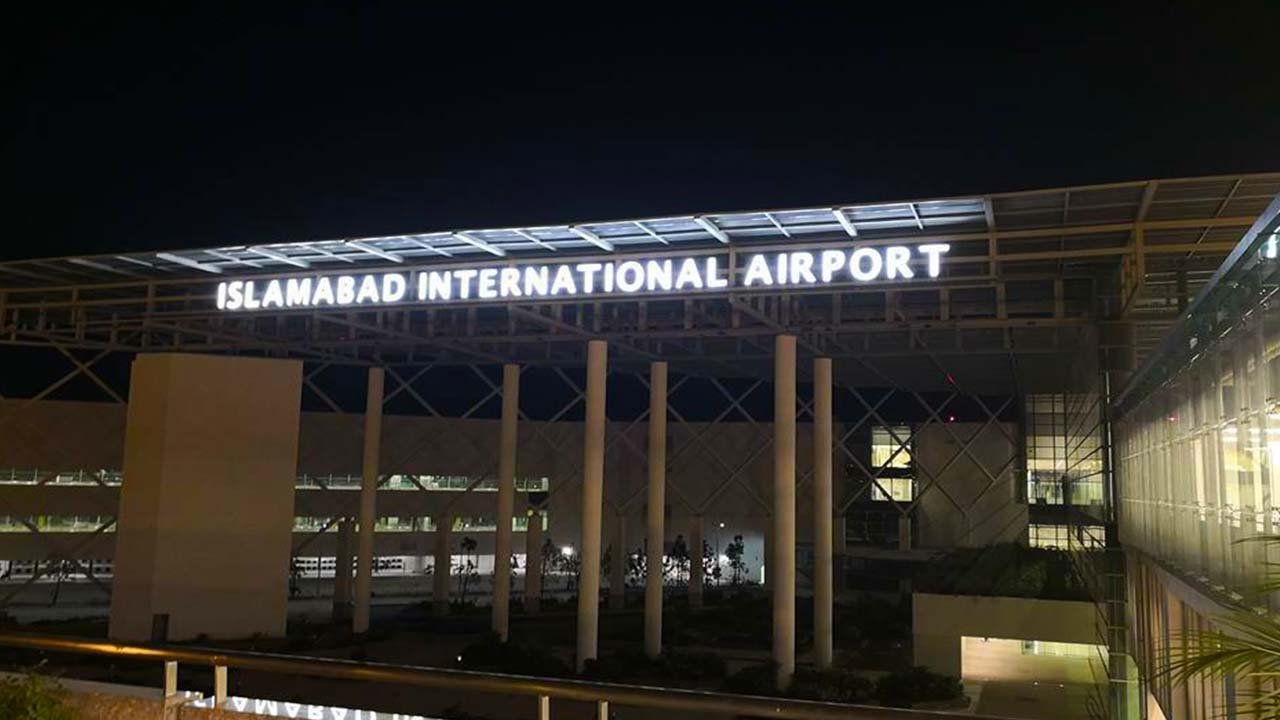
  • Islamabad Airport to be outsourced, international firms meeting underway in Dubai

    Islamabad Airport to be outsourced, international firms meeting underway in Dubai

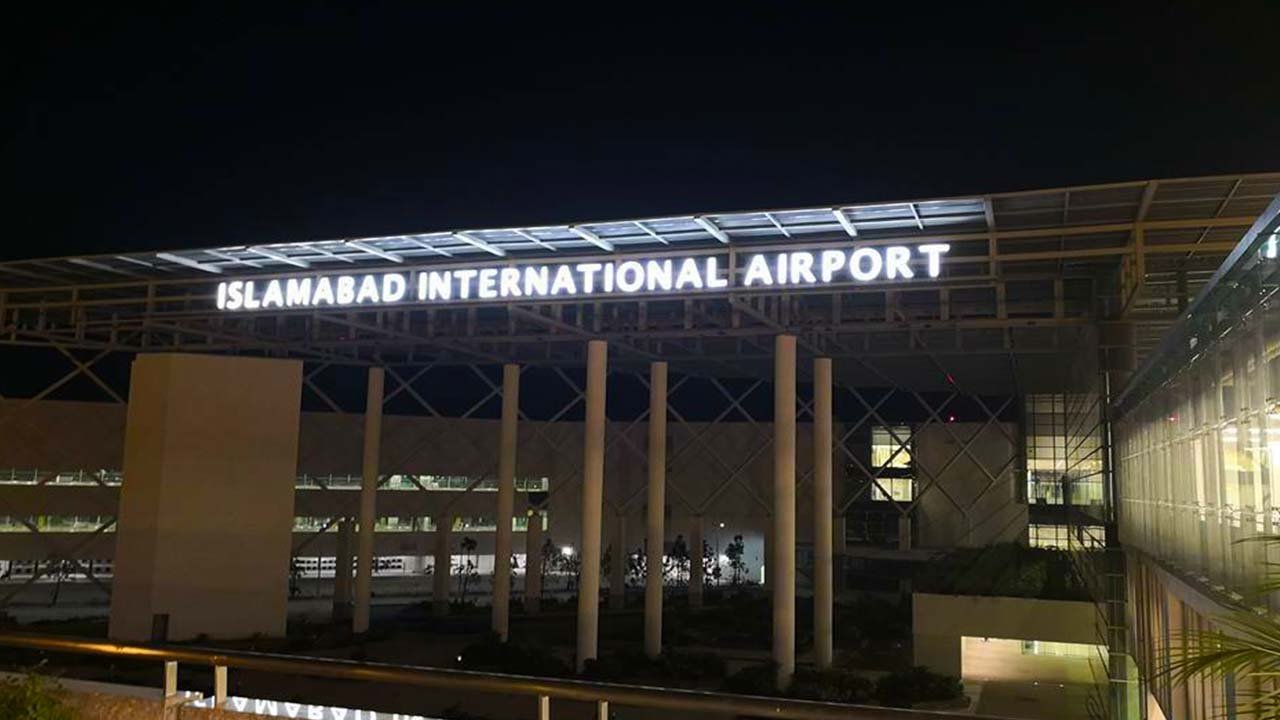
    Today in Dubai, a crucial meeting of the Civil Aviation Authority (CAA) is set to take place, focusing on the outsourcing of Islamabad International Airport.

    According to ARY News, CAA officials have convened in Dubai to participate in this pivotal session, marking a significant step in the outsourcing process for Islamabad International Airport.

    This gathering will see the participation of international firms that have expressed interest in becoming part of Islamabad Airport’s outsourcing initiative. It’s noteworthy that the federal government intends to implement a phased approach to outsourcing major airports nationwide.

    Previously, the federal government had initiated the process by issuing tenders to solicit applications for outsourcing Islamabad International Airport for a duration of 15 years. The Civil Aviation Authority has stipulated that interested bidders are required to submit their applications along with a Rs5,000 fee to the CAA by November 8.

    Recent developments reveal that the government has made the decision to outsource Karachi, Lahore, and Islamabad International Airports. Notably, countries such as the United Arab Emirates, Qatar, Turkey, China, and Saudi Arabia have expressed a keen interest in the outsourcing of all three airports.

    In response to this decision, CAA unions launched a protest movement, and despite attempts at negotiation by Aviation Minister Khawaja Saad, talks have proven unsuccessful. CAA employees remain steadfast in their opposition to the outsourcing of airports, with a spokesperson for the CAA Union emphasising that the protest will persist until their demands are met.

  • Pakistan’s Civil Aviation Authority is dividing into two entities

    Pakistan’s Civil Aviation Authority is dividing into two entities

    A specialised committee consisting of nine members has been established to supervise the division of the Pakistan Civil Aviation Authority (CAA).

    Heading this committee is Shazia Rizvi, who holds the position of Joint Secretary II within the Ministry of Aviation. Assisting her as the committee’s deputy is Vice Air Marshal Taimoor Iqbal.

    As per the official notification, Vice Air Marshal Taimoor Iqbal will serve as the committee’s deputy. The committee will also include other distinguished members, namely Asif Iqbal, the Joint Secretary of the Ministry of Aviation; Abdul Malik from the Ministry of Finance; and Nadir Shafiq, the Deputy Director General of Regulatory CAA.

    In addition to the aforementioned members, Commodore Mirza Aamir, President of the Aircraft Accident Investigation Board; Saqib Butt, Director of Finance at CAA; Sameer Saeed, responsible for Aviation Security; Sadiqul Rahman, Director of APS; and Abid Ali Shah, Director of HR at CAA, will also be integral parts of this committee.

    The committee has been allocated a deadline of October 15th to carry out its assigned tasks. The primary objective of this restructuring initiative is to bifurcate the CAA into two distinct entities, namely the Pakistan Airport Authority (PAA) and the Bureau of Air Safety Investigation (BASI).

    In addition to the creation of these new entities, the committee holds the vital responsibility of seamlessly transferring assets, funds, personnel, records, and equipment between them.

  • PIA’s controversial decision: UK staff appointments on high salaries amid financial crisis

    PIA’s controversial decision: UK staff appointments on high salaries amid financial crisis

    In a recent development, Pakistan International Airlines (PIA) has come under scrutiny for making new staff appointments in the United Kingdom (UK) despite grappling with a severe financial crisis and a three-year ban on direct flights to the United Kingdom (UK).

    According to ARY News, the national flag carrier, PIA, has faced mounting challenges in recent years, with the ban on direct flights to the UK being a significant blow to its operations. Despite these challenges, the airline has proceeded to appoint officers and staff members with substantial salaries.

    Notably, the PIA country manager has been appointed with an annual salary of £70,000, while the passenger sales manager and finance manager will each receive £55,000 annually. Furthermore, a manager has been assigned to the Manchester station with a yearly compensation package of £55,000, coupled with other perks.

    Responding to these appointments and the ongoing financial crisis, a PIA spokesperson explained that the airline has continued its flight operations in the UK by collaborating through code-sharing agreements with Turkish Airlines, which generates an annual revenue of £14 million. The spokesperson emphasised that a mere 1.8% of these earnings are allocated to PIA staff in the UK.

    The PIA spokesperson also expressed optimism about the resumption of direct flight operations between Pakistan and the UK, citing this as a reason for the recent appointments of the country manager and sales manager.

    However, the controversy surrounding PIA deepened when the Federal Board of Revenue (FBR) froze the airline’s bank accounts due to non-payment of more than Rs8 billion in taxes. A total of 26 bank accounts belonging to the national carrier have been locked by the FBR.

    The FBR revealed that PIA had pledged to settle Rs2 billion in dues under Federal Excise Duty in August, but it failed to honour this commitment, leading to the account freeze.

    Despite this financial setback, the PIA spokesperson reassured the public that the closure of bank accounts would not disrupt Pakistan International Airlines’ flight operations. The airline remains committed to maintaining its services in the UK while navigating this challenging period.

    As the situation unfolds, stakeholders and industry observers continue to monitor PIA’s financial stability and the progress towards the resumption of direct flights between Pakistan and the UK.

  • PIA’s privatisation plan gets nod from Cabinet Committee

    PIA’s privatisation plan gets nod from Cabinet Committee

    In a significant development aimed at reviving the fortunes of Pakistan International Airlines (PIA), the Cabinet Committee on Privatisation (CCoP) has given its unanimous approval for the privatisation of the national carrier. The decision was reached during a recent session of the Cabinet Committee on Privatisation, chaired by Finance Minister Senator Ishaq Dar.

    The meeting deliberated on a proposal presented by the Privatisation Commission, advocating for the inclusion of Pakistan International Airlines Co. Ltd. (PIACL) in the ongoing privatisation programme. After thorough consideration and following a crucial amendment in the parliamentary law, the CCoP decided to formally incorporate Pakistan International Airlines Co. Ltd. (PIA) into the list of active privatisation projects.

    A significant aspect of the meeting’s agenda was the Privatisation Division’s detailed presentation on the progress of the Roosevelt Hotel’s privatisation. The Cabinet Committee on Privatisation engaged in an extensive discussion and subsequently granted its consent to the Privatisation Commission’s plan to appoint a Financial Adviser. This Financial Adviser will play a pivotal role in structuring and facilitating transactions related to the Roosevelt Hotel in New York, an asset owned by PIA Investment Limited (PIA-IL).

    Highlighting the urgent need for corrective action, Aviation Minister Khawaja Saad Rafique had previously issued a stark warning regarding PIA’s financial trajectory. If immediate measures were not undertaken, the airline could potentially incur staggering losses amounting to Rs259 billion by the year 2030. Minister Rafique stressed that the transfer of administrative control to the private sector, along with the injection of Foreign Direct Investment (FDI), was essential to mitigate these looming financial challenges.

    In pursuit of this objective, Minister Rafique tabled “The Pakistan International Airlines Corporation (Conversion) (Amendment) Bill, 2023” before the Senate. The proposed amendment to Section 3 of the bill seeks to redefine the ownership and privileges of the company’s shareholders. Additionally, the bill empowers the Federal Government to issue fresh shares or cancel existing ones, further facilitating the necessary structural changes.

    Despite the bold vision presented by Minister Rafique, the bill encountered resistance within the Senate. While emphasising the potential benefits of FDI and private sector involvement, the bill’s proponents faced opposition from certain Senators. In light of these differing perspectives, the Senate Chairman has referred the matter to the relevant standing committee for further deliberation.

    As Pakistan International Airlines embarks on this transformative journey towards privatisation, the nation awaits the outcome of these critical discussions, cognizant of the substantial implications for both the airline industry and the country’s economic landscape.

  • Pakistan International Airlines faces potential Rs259 billion loss by 2030

    Pakistan International Airlines faces potential Rs259 billion loss by 2030

    Pakistan’s Aviation Minister, Khawaja Saad Rafique, delivered a grave warning on Friday about the precarious financial state of Pakistan International Airlines (PIA). He highlighted that without swift corrective action, the airline could incur staggering losses of up to Rs259 billion by 2030. To salvage the national carrier from its mounting debts, Minister Rafique urgently called for essential measures, including the transfer of administrative control to the private sector.

    Minister Rafique’s concerns were voiced during his address on the Senate floor, where he presented “The Pakistan International Airlines Corporation (Conversion) (Amendment) Bill, 2023.” He stressed the critical need for foreign direct investment (FDI) and the involvement of private entities to ensure the long-term sustainability of PIA, which currently grapples with an overwhelming debt burden of Rs742 billion.

    However, the proposal faced strong opposition from several senators during the proceedings. As a result, the Senate chairman referred the matter to the relevant standing committee for further evaluation, acknowledging the significance of FDI and private sector participation in transforming PIA into a profitable entity.

    The deliberations also witnessed PTI lawmakers raising concerns about the quorum, prompting a fifteen-minute bell ringing to meet the attendance requirement. Once the quorum was restored, House proceedings resumed to discuss the fate of PIA.

    The key provision of the bill proposes an amendment to Section 3, which specifies that the company’s shareholders would retain the same number of fully paid shares while preserving their existing rights and privileges. Additionally, the federal government could, through an official gazette notification, issue fresh shares or cancel existing ones as needed during the validity period.

    The destiny of Pakistan International Airlines now lies in the hands of the standing committee, tasked with thoroughly scrutinising the bill and its proposed amendments. The committee’s decision will significantly impact the future of the struggling airline and determine whether privatisation and foreign investment can pave the way for PIA’s financial recovery.

  • Govt set to outsource Islamabad International Airport operations for 15-20 years

    Govt set to outsource Islamabad International Airport operations for 15-20 years

    The government has taken the decision to outsource the operations of Islamabad International Airport before the conclusion of its current tenure. The decision comes as part of the government’s strategy to enhance efficiency and service quality at the airport.

    According to details, the concerned authorities are set to issue a tender for the outsourcing of Islamabad International Airport for a duration of 15 years, with the possibility of extending the contract to 20 years to accommodate the interests of interested companies.

    As per the outlined plan for airport outsourcing, the responsibility for passengers’ facilitation services will be transferred from the Civil Aviation Authority (CAA) to the selected private company. This company will be entrusted with the management of the airport, with a primary focus on improving passenger facilities. Furthermore, the company will be responsible for the renovation and management of the duty-free shops within the airport premises.

    A noteworthy aspect of this outsourcing plan is that the current CAA employees associated with Islamabad International Airport will be reassigned to other departments within the airport network. Additionally, several other essential services, including airport terminal services, parking, storage, cargo, and handling, will also be included in the outsourcing process.

    It is crucial to mention that the Civil Aviation Authority (CAA) will retain control over critical functions such as airport security and air traffic control departments. This measure is taken to ensure that crucial aspects of airport operations remain under the direct supervision of the government.

    To safeguard the interests of passengers and ensure accountability, the agreement with the selected company will include provisions that allow the federal government to terminate the contract in case of failure to provide satisfactory facilities and services to travelers.

    Following the initiative at Islamabad International Airport, the federal government also plans to undertake similar outsourcing measures for the airports in Lahore, Karachi, and Skardu, aiming to streamline operations and enhance overall service delivery standards.

    In a related development, Finance Minister Ishaq Dar presided over a meeting of the Steering Committee in Islamabad yesterday, where the progress of work pertaining to the outsourcing of airport operations was thoroughly reviewed. The committee unanimously granted approval to the Ministry of Aviation to proceed with the tendering process for outsourcing Islamabad International Airport. The move is intended to align airport services with the best industry practices and improve the overall travel experience for passengers.

    According to ARY, this strategic decision by the federal government reflects a proactive approach to leverage private sector expertise in managing critical aspects of airport operations, with the ultimate goal of providing enhanced services and facilities to travelers using Islamabad International Airport.

  • PIA’s Boeing 777 aircraft freed by Malaysian authorities, returns to Islamabad

    PIA’s Boeing 777 aircraft freed by Malaysian authorities, returns to Islamabad

    Pakistan International Airlines (PIA) successfully resolved the issue with its Boeing 777 aircraft, which was held by Malaysian authorities in Kuala Lumpur. According to a spokesperson for PIA, the aircraft was released a few hours later and arrived in Islamabad late Monday night. The spokesperson stated that the matter was resolved through diplomatic channels.

    The incident occurred a day earlier when PIA flight PK-894 was halted upon reaching Kuala Lumpur, following court orders that issued a stay on the aircraft. The stay was related to issues concerning a lease requested by a foreign company. The PIA spokesperson clarified that the Boeing 777 aircraft is owned by PIA, and the engine leasing company had obtained the stay by submitting incorrect data to a Malaysian court.

    According to The News, the leasing company had falsely claimed $4.5 billion, whereas the actual amount owed by PIA to the leasing company was $1.8 billion, which had already been paid. The spokesperson emphasised that such cases of halting an aircraft and extorting money are unprecedented, particularly considering that both the leasing company and PIA are not local entities in Malaysia.

    Following the incident, PIA took legal action by approaching the court in Malaysia through its lawyers. The spokesperson confirmed that the matter is currently under consideration by the court.

    It is important to note that PIA had already arranged for the repatriation of the passengers from the affected flight through an alternative aircraft. The airline had previously announced that the aircraft would soon return home to resume its commercial flights.

    PIA’s prompt response and successful resolution of the issue reflect its commitment to ensuring the safety and smooth operations of its flights. The airline continues to prioritise the well-being of its passengers while upholding its professional reputation in the international aviation industry.

  • Shell Pakistan posts after-tax profit of Rs7.4 billion in first half of 2022

    Shell Pakistan posts after-tax profit of Rs7.4 billion in first half of 2022

    The results for the first half of the year are announced by Shell Pakistan Limited’s (SPL) Board of Directors. In comparison to the profit of Rs2,153 million recorded during the same period last year, the company reported an after-tax profit of Rs7,469 million in 2022.

    The significant rebound is a result of increased company performance with a strategic focus, a positive shift in the government’s pricing methodology for the S&P Global Platts indexes, and safe and effective fuel operations.

    According to Brecoder, the petroleum business added 13 new retail locations during this span, that will contribute to increased volume. In the market for premium fuels, Shell V-Power continues to be the market leader.

    In order to ensure that the business plays a significant part in the development of Pakistan’s energy future, the company will actively work to curtail the impact of present impediments and strive to grasp opportunities.

    Earlier, the business also confirmed its decision to cease its aviation operations in Pakistan. Currently, SPL operates its aviation-related business out of four locations.

    Including Nawabshah Airport, Begum Nusrat Bhutto Airport in Sukkur, Quetta International Airport, and Jinnah Airport in Karachi. SPL has concluded that it is no longer commercially viable to continue with its aviation operations in the country after careful consideration.

    In order to promote practices that will make Pakistani roads safer, the business also wrote the road safety book “Once Upon a Road.” The book will be covered in Pakistan’s sixth-grade curriculum developed by the Care Foundation.