Tag: aviation industry

  • PIA set for transformation: Federal cabinet approves privatisation, restructuring

    PIA set for transformation: Federal cabinet approves privatisation, restructuring

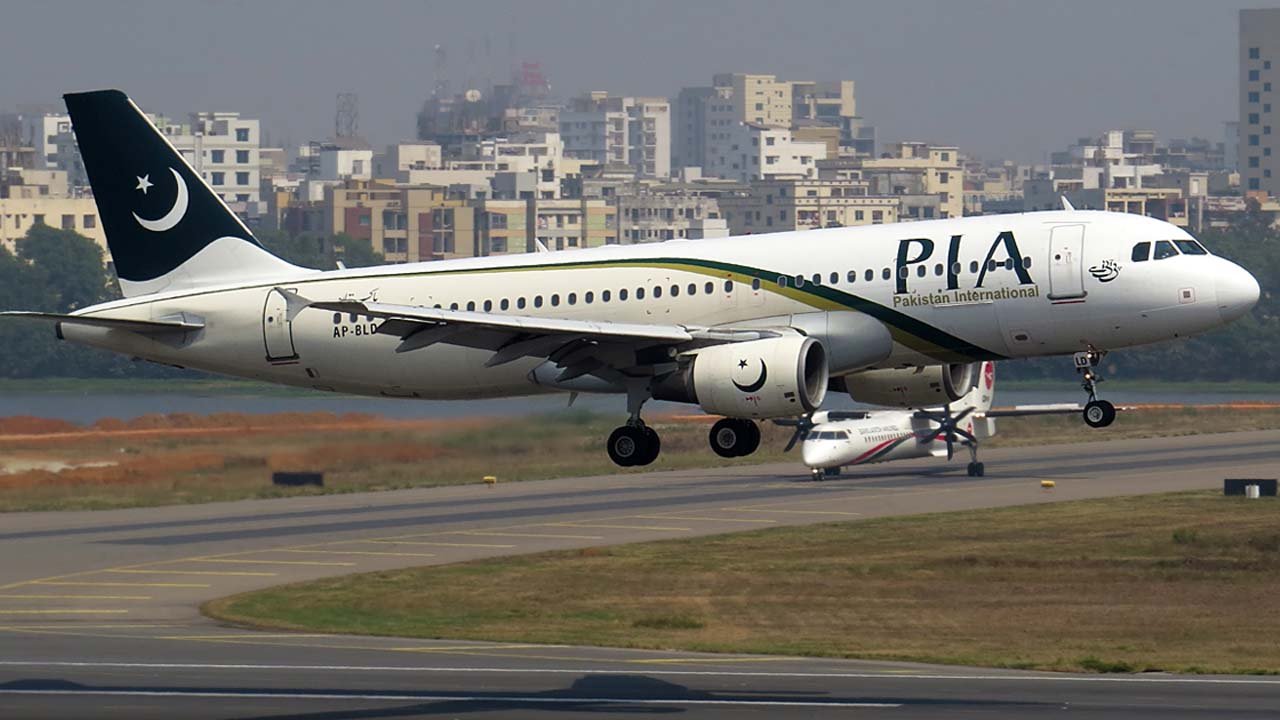
    In a significant development, the caretaker federal cabinet has granted approval for the restructuring of Pakistan International Airlines (PIA) and the privatisation of First Women Bank Limited.

    This decision, based on recommendations put forth by the Privatisation Division, aims to address the financial challenges faced by PIA in recent years.

    The pivotal meeting of the federal cabinet, presided over by Caretaker Prime Minister Anwaar ul Haq Kakar, saw the submission of restructuring recommendations by the Privatisation Division.

    It was highlighted during the session that PIA has been grappling with financial losses over an extended period.

    Previous cabinet meetings had already endorsed the appointment of a financial advisor, whose role is integral to the financial and administrative restructuring of PIA.

    The cabinet was briefed on the progress, indicating that the financial advisor has devised a comprehensive financial restructuring plan aligned with international norms.

    Under this plan, PIA is set to undergo a division into two distinct entities: Top-Co and Hold-Co. The core operations of PIA, including engineering, ground handling, cargo, flight kitchen, and training, will be consolidated under Top-Co.

    On the other hand, entities such as Precision Engineering Complex, PIA Investment Limited, properties, and other subsidiaries will find their place within Hold-Co.

    This strategic restructuring aims not only to address the financial challenges faced by PIA but also to attract potential investors.

    The cabinet has been briefed on the measures undertaken to enhance the attractiveness of PIA for investment, laying the groundwork for a positive trajectory in the airline’s future.
  • Private airlines seize opportunity to charge high fares amid PIA flight disruptions

    Private airlines seize opportunity to charge high fares amid PIA flight disruptions

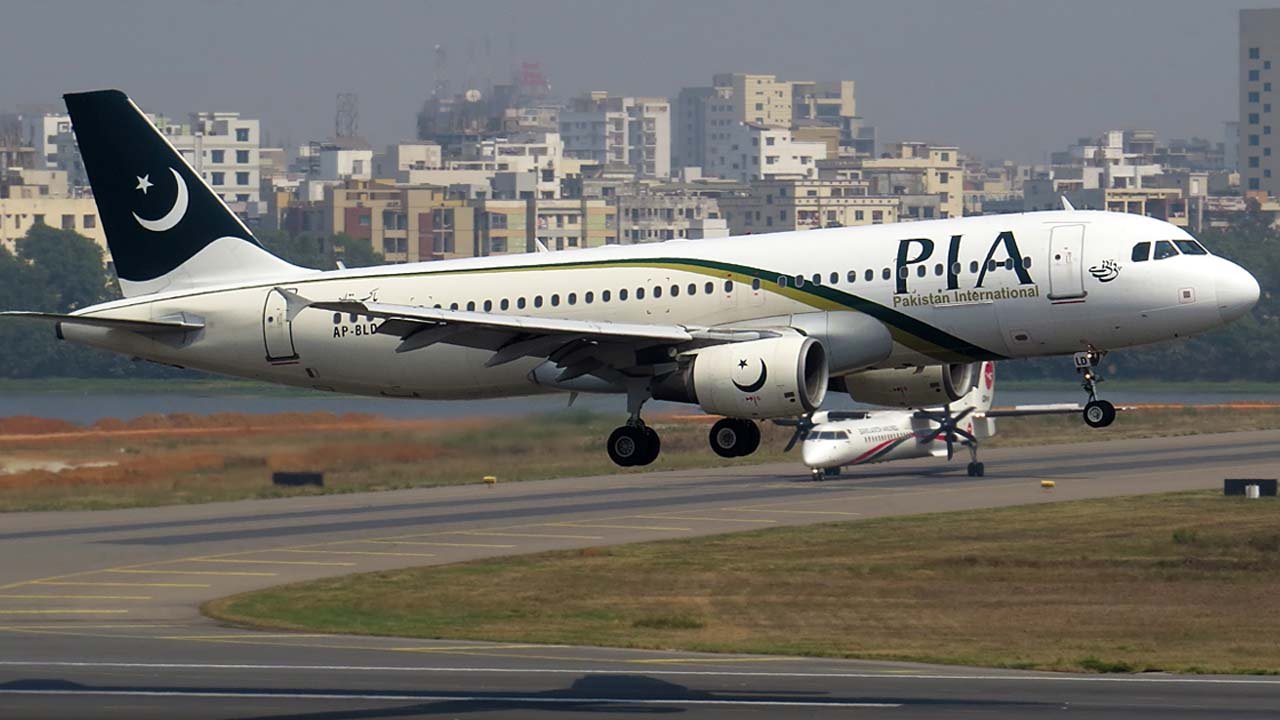
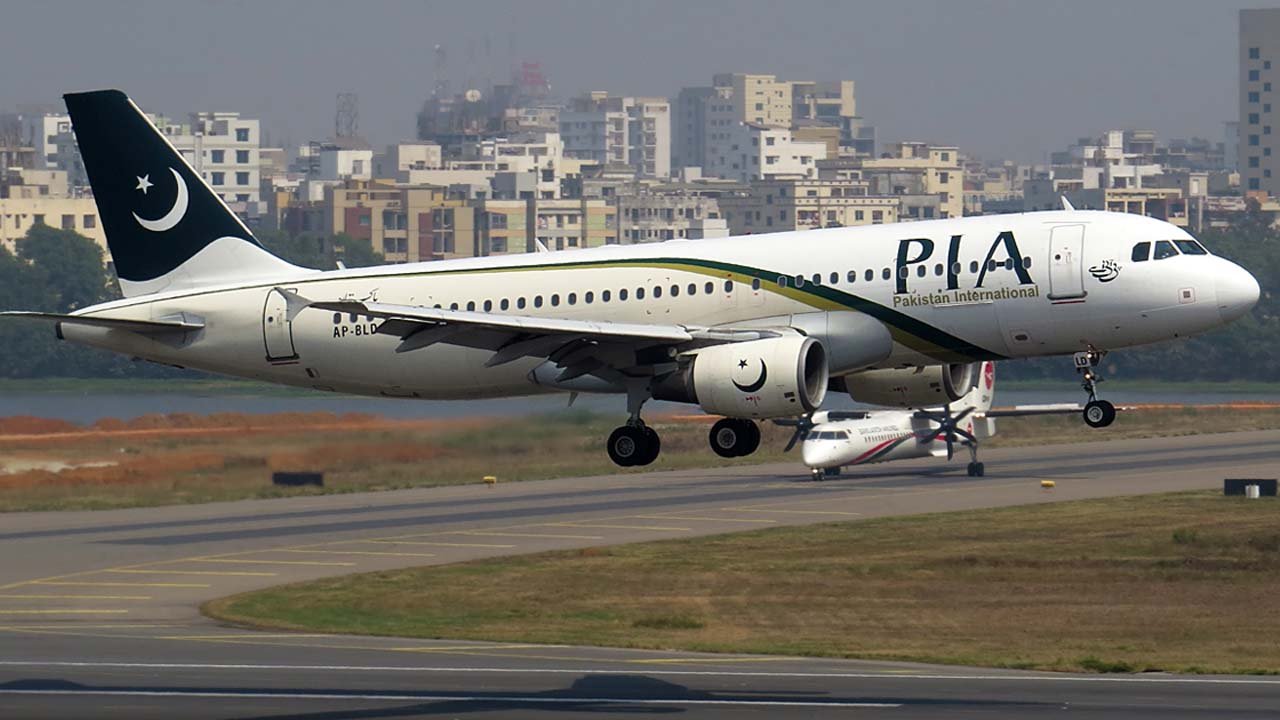
    Pakistan International Airlines (PIA), the nation’s flagship carrier, is grappling with operational challenges caused by a shortage of fuel. 

    Concurrently, private airlines are capitalising on this situation for their own advantage.

    In light of the disruption in PIA’s flight operations, private airlines have swiftly increased their fares. Domestic flights are now priced at a range of Rs40,000 to Rs70,000, with Lahore-Karachi routes reaching as high as Rs49,000 per seat. 

    Meanwhile, one-way fares from Karachi to Islamabad are commanding prices between Rs55,000 and Rs61,000.

    This development follows a week of disruptions in PIA’s domestic flight schedule, resulting in a surge of intending passengers. A spokesperson for a private airline attributed the disparity in demand and supply to this sudden influx of travellers.

    Simultaneously, PIA’s financial predicament is deepening, with the cancellation of 35 domestic and foreign flights. The interruption in fuel supply has also caused significant delays for both domestic and international flights across the country. Airline administrations have scrambled to create new departure schedules for these affected flights.

    Regarding outstanding dues, the Pakistan State Oil (PSO) revealed that PIA owed Rs3.45 billion for fuel supplied between October 1 and 18, with an additional Rs195 million provided on the mentioned Thursday. 

    The total liabilities for the current month have reached Rs2.11 billion, compounding PIA’s existing debt of Rs26 billion accumulated over the years. A provisional agreement between PSO and PIA for daily fuel supply in exchange for daily payments has been established.

    The current turmoil in PIA’s flight operations is primarily attributable to the suspension of fuel supply by the Pakistan State Oil due to non-payment of dues. 

    According to Samaa, the suspension has impacted Karachi, Lahore, Islamabad, and Peshawar, although international flights remain unaffected. PIA’s financial woes have already led to flight cancellations and delays, making the fuel supply suspension a significant setback for the struggling airline.

  • Pakistan’s Civil Aviation Authority is dividing into two entities

    Pakistan’s Civil Aviation Authority is dividing into two entities

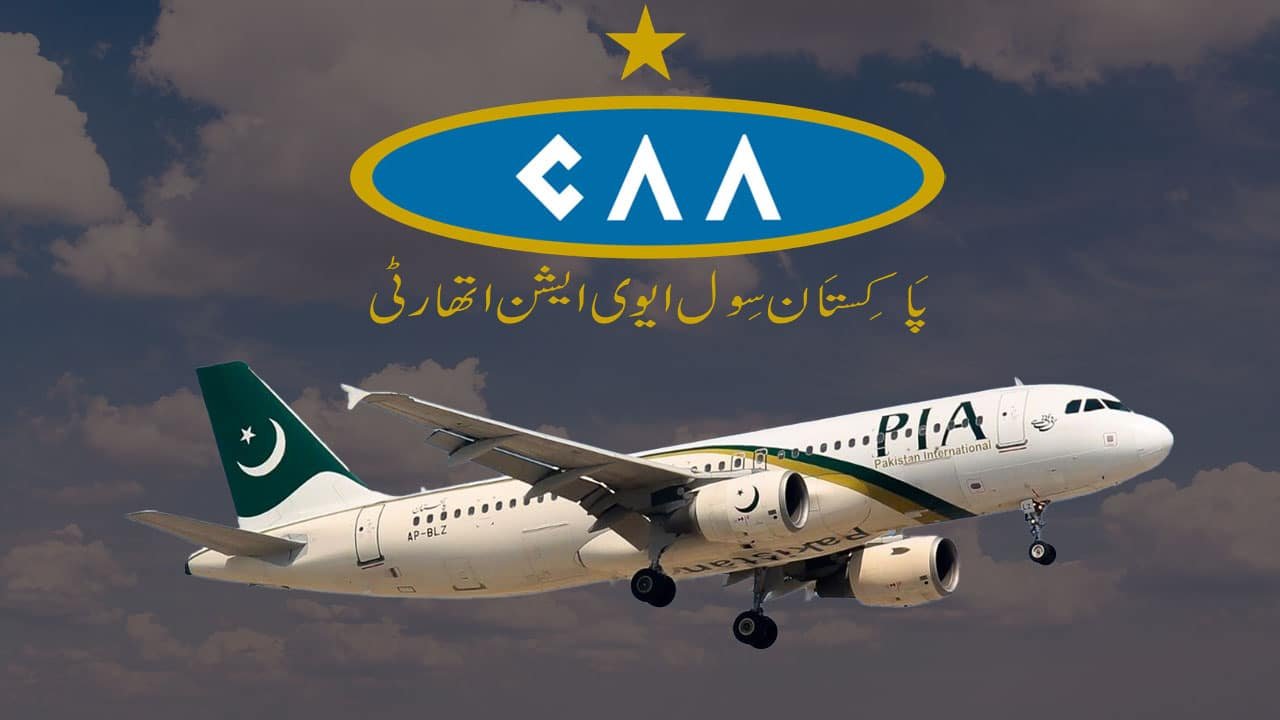
    A specialised committee consisting of nine members has been established to supervise the division of the Pakistan Civil Aviation Authority (CAA).

    Heading this committee is Shazia Rizvi, who holds the position of Joint Secretary II within the Ministry of Aviation. Assisting her as the committee’s deputy is Vice Air Marshal Taimoor Iqbal.

    As per the official notification, Vice Air Marshal Taimoor Iqbal will serve as the committee’s deputy. The committee will also include other distinguished members, namely Asif Iqbal, the Joint Secretary of the Ministry of Aviation; Abdul Malik from the Ministry of Finance; and Nadir Shafiq, the Deputy Director General of Regulatory CAA.

    In addition to the aforementioned members, Commodore Mirza Aamir, President of the Aircraft Accident Investigation Board; Saqib Butt, Director of Finance at CAA; Sameer Saeed, responsible for Aviation Security; Sadiqul Rahman, Director of APS; and Abid Ali Shah, Director of HR at CAA, will also be integral parts of this committee.

    The committee has been allocated a deadline of October 15th to carry out its assigned tasks. The primary objective of this restructuring initiative is to bifurcate the CAA into two distinct entities, namely the Pakistan Airport Authority (PAA) and the Bureau of Air Safety Investigation (BASI).

    In addition to the creation of these new entities, the committee holds the vital responsibility of seamlessly transferring assets, funds, personnel, records, and equipment between them.

  • CAA gathers global players: Meeting in Dubai to discuss Islamabad airport outsourcing 

    CAA gathers global players: Meeting in Dubai to discuss Islamabad airport outsourcing 

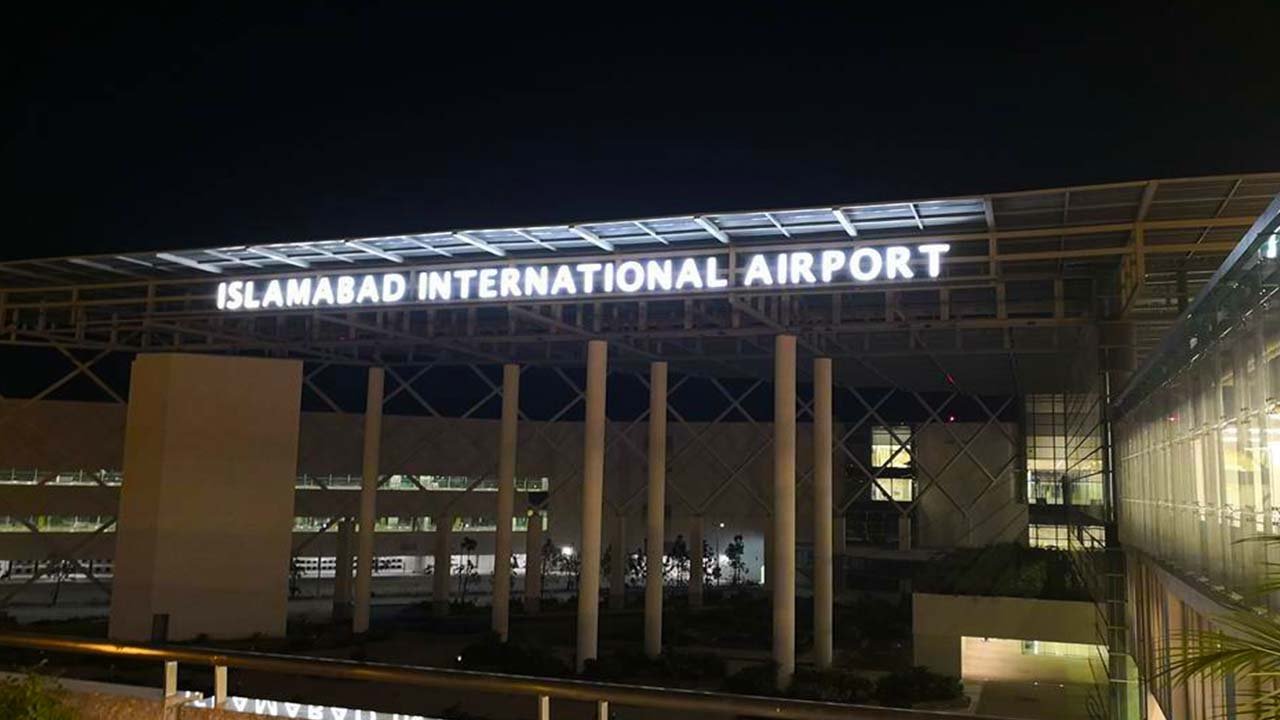
    The Civil Aviation Authority (CAA) has convened a significant meeting in Dubai to address matters pertaining to the outsourcing of Islamabad airport. 

    Sources indicate that the CAA administration has scheduled this meeting for September 26 in Dubai, extending invitations to international companies interested in participating in the outsourcing of the airport. 

    This development follows the federal government’s issuance of tenders, soliciting applications for the outsourcing of Islamabad International Airport for a duration of 15 years. 

    According to ARY News, the Civil Aviation Authority has stipulated that interested bidders must submit their applications, along with a Rs5,000 fee, in favour of CAA by November 8. 

    Notably, the government recently made the decision to pursue the outsourcing of Karachi, Lahore, and Islamabad International Airports, drawing keen interest from the United Arab Emirates, Qatar, Turkey, China, and Saudi Arabia. 

    In response to this decision, CAA unions launched a protest movement, which has persisted despite attempts at negotiation by Aviation Minister Khawaja Saad. 

    The steadfast stance of CAA employees remains unwavering, with a spokesperson for the CAA Union asserting during a media address that the protest movement will persist until their demands are met. 

  • CAA’s timely intervention saves PIA from defaulting on IATA payments

    CAA’s timely intervention saves PIA from defaulting on IATA payments

    The Civil Aviation Authority (CAA) stepped in to rescue Pakistan International Airlines (PIA) from a potential financial crisis with the International Air Transport Association (IATA).

    According to ARY News, the CAA provided PIA with one billion Pakistani rupees to settle its outstanding dues with IATA. This timely payment prevented IATA from declaring PIA in default, a situation that could have led to the suspension of PIA’s global ticket sales.

    It’s important to note that PIA was facing a severe financial crisis and couldn’t meet its service charges to IATA. The Director General of CAA confirmed that, following the Ministry of Finance’s directive, one billion rupees were allocated to PIA for a week to support the national airline during these challenging times.

    In addition, it has come to light that PIA also owes a substantial amount to CAA, totaling several billion rupees.

  • From ‘great people to fly with’ to ‘great debt to deal with’: PIA expected to ground several aircraft

    From ‘great people to fly with’ to ‘great debt to deal with’: PIA expected to ground several aircraft

    Pakistan International Airlines (PIA) is facing a critical financial crisis, prompting the grounding of several aircraft due to difficulties in securing funds. This crisis has resulted in arrears with various stakeholders, including creditors, aircraft lessors, fuel suppliers, insurers, and airport operators. Boeing and Airbus are also on the verge of discontinuing spare parts supply by mid-September.

    The Ministry of Aviation has urgently requested a cash injection of Rs23 billion and the suspension of duties, taxes, and service charges, although no concrete business plan has been presented. The restructuring of PIA is expected to be a complex eight-month process, and the airline must remain operational during this period for divestment to yield a fair value.

    Regrettably, PIA serves only a small fraction of Pakistan’s population while consuming significant public funds. The government, holding a 92 per cent share in PIA, faces mounting losses attributed to competition, mismanagement, and inadequate funding for fleet expansion.

    As of December 31, 2022, PIA’s debt and liabilities stood at Rs743 billion, five times more than its assets’ total value. The airline’s annual losses reached Rs86.5 billion for the last financial year, with projections indicating debt and losses could further rise.

    According to Dawn, previous attempts to make PIA sustainable through cost-cutting and fleet expansion have failed. Alternately, efforts focused on financial, legal, and operational restructuring to attract private investment have been explored but not implemented.

    In June 2023, a decision was made to restructure PIA based on the Dubai Islamic Bank Consortium Report. This involves creating a new holding company to retain legacy loans and non-aviation assets while keeping PIACL subsidiaries intact. Recent legal restrictions hindering private investment have been lifted.

    However, the restructuring plan is pending government approval. The Aviation Division has requested Rs23 billion in funds and relief from various financial obligations. A separate panel has been formed to assess the restructuring plan, with support from the finance ministry and the State Bank of Pakistan expected once the plan is fully finalised.

  • Govt offers Islamabad International Airport for lease to foreign investors

    Govt offers Islamabad International Airport for lease to foreign investors

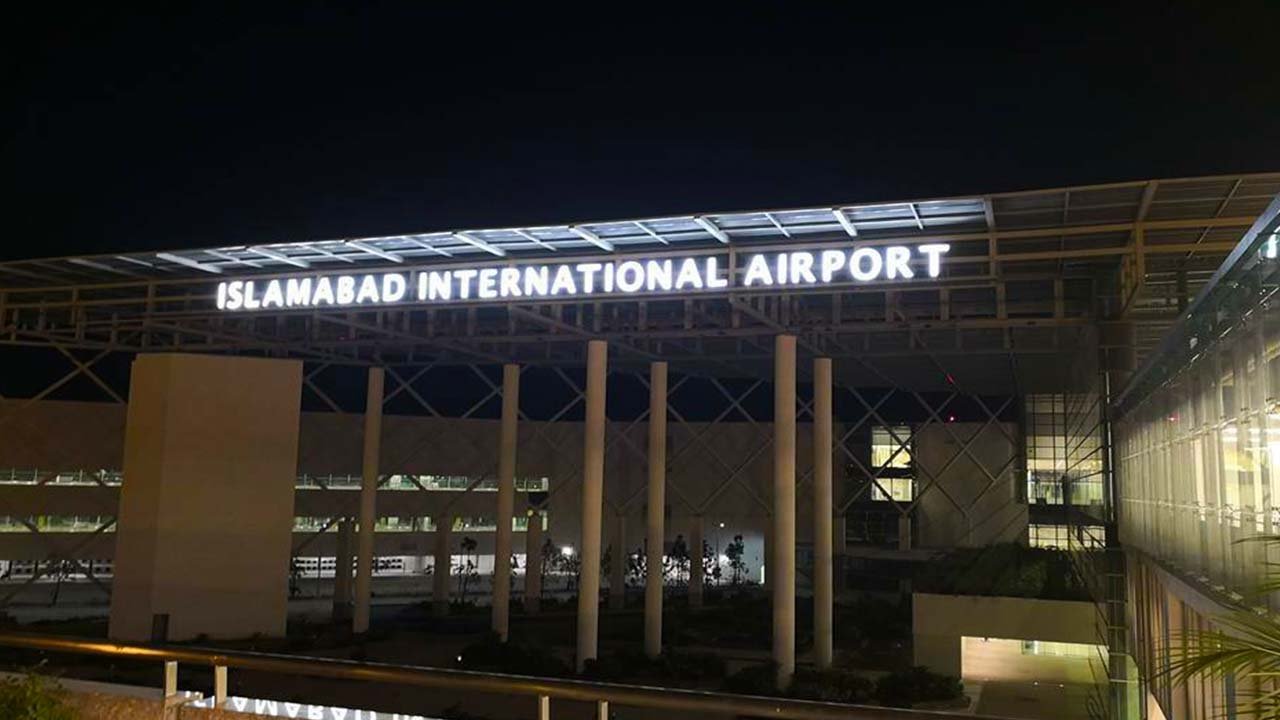
    The government has made the decision to initiate the leasing process of New Islamabad International Airport to international investors in its initial phase. This decision follows the encountered practical difficulties in outsourcing the international airports located in Karachi and Lahore.

    Compared to other airports, the New Islamabad International Airport has been deemed a clean transaction, prompting the government to explore outsourcing options as soon as possible.

    The International Finance Corporation (IFC) has also indicated that there are parties expressing interest in managing the operations of all three airports, as mentioned during a presentation to Minister for Finance Ishaq Dar in the federal capital.

    However, expediting the process will not be easy for the government since no airport outsourcing has been formally advertised thus far. Top official sources confirmed that there are practical issues that must be resolved before handing over the airport to an international party.

    One major concern revolves around the national flag carrier, Pakistan International Airlines (PIA), which has defaulted on various airport facilities. Even if the government were to assume PIA’s past liabilities, the new airport operator would face the challenge of providing free-of-cost facilities to the carrier.

    Furthermore, in Karachi and Lahore, certain sections of the airports are occupied by relevant agencies, necessitating a permanent solution to enable potential investors to utilize the entire airport for commercial purposes. The Airport Security Force (ASF) also poses an obstacle to completing the transaction smoothly.

    It remains to be seen how the government will address these challenges. Sources indicate that the government is exerting all efforts to outsource New Islamabad International Airport before the end of its tenure in the second week of August 2023. However, accomplishing this goal within the given timeframe appears to be a challenging task.