Tag: aviation

  • Expansion plan for Lahore airport discussed

    Expansion plan for Lahore airport discussed

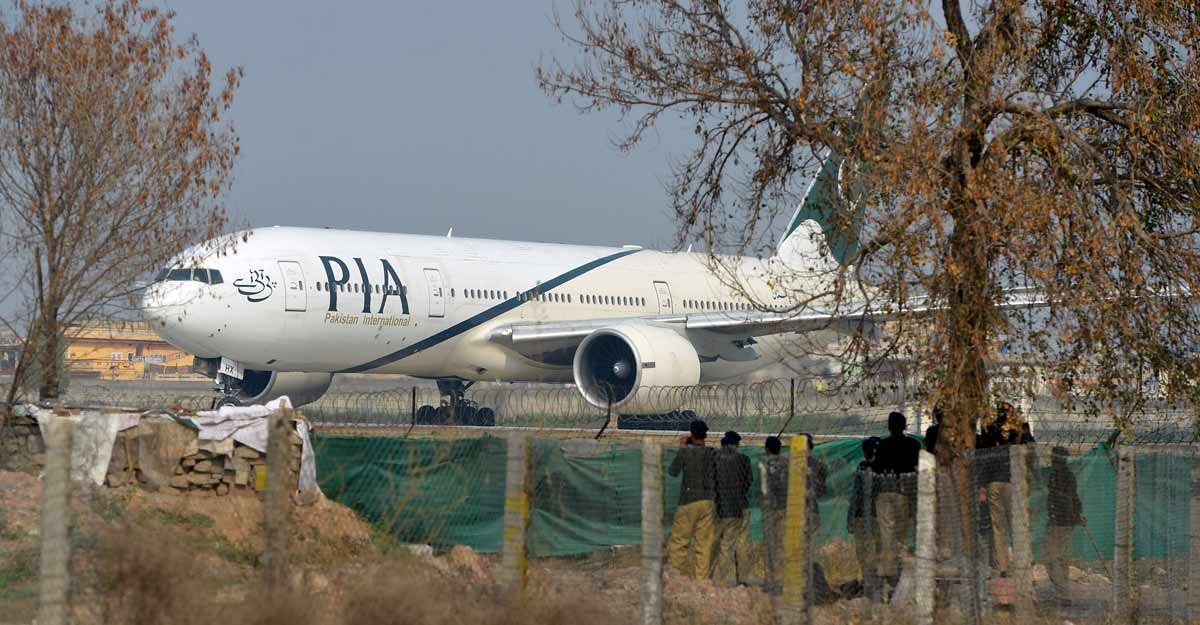
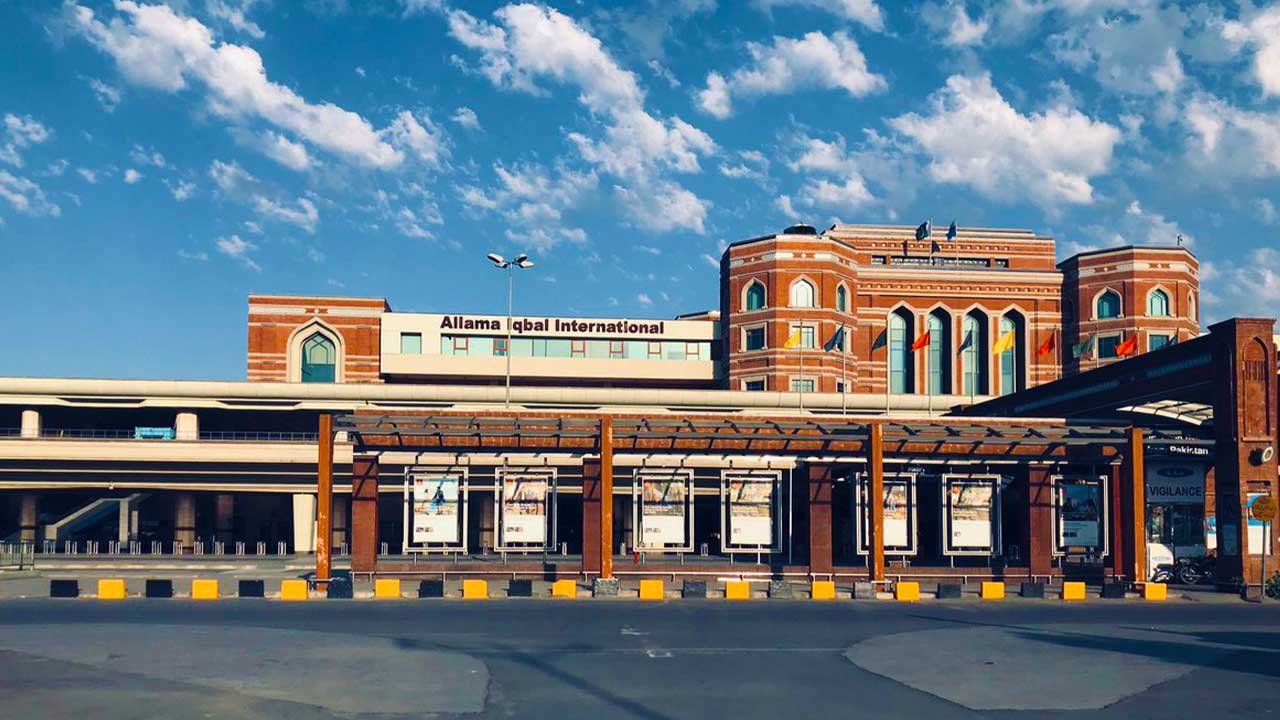
    Specifics of the Lahore Airport expansion project were recently discussed at a meeting of the Civil Aviation Authority (CAA), Pakistan International Airlines (PIA) management, and Nespak.

    According to The News, the runway that is now being constructed was also discussed. The discussion went over the operational issues at Lahore Airport, as well as the concerns that travellers confront, and offered remedies.

    Additionally, the attendees discussed the airport’s security status and the importance of developing a comprehensive security policy. The minister was approached with a suggestion to divide the international and domestic lounges at Lahore Airport.

    Lahore Airport’s expansion is urgently needed, according to Federal Minister for Aviation, Khawaja Saad Rafique, since the confluence of flights is causing passengers complications. The presence of birds within airport boundaries threatens aviation safety.

    The meeting was attended by Civil Aviation Authority Director General Khaqan Murtaza, ASF Director General Major General Abid Latif Khan, Nespak Managing Director Dr Tahir Masood, PIA General Manager Syed Zulqarnain Mehdi, General Manager Technical Support Agha Sami, and government officials.

  • PIA prohibits pilots and cabin crew from fasting during Ramzan

    PIA prohibits pilots and cabin crew from fasting during Ramzan

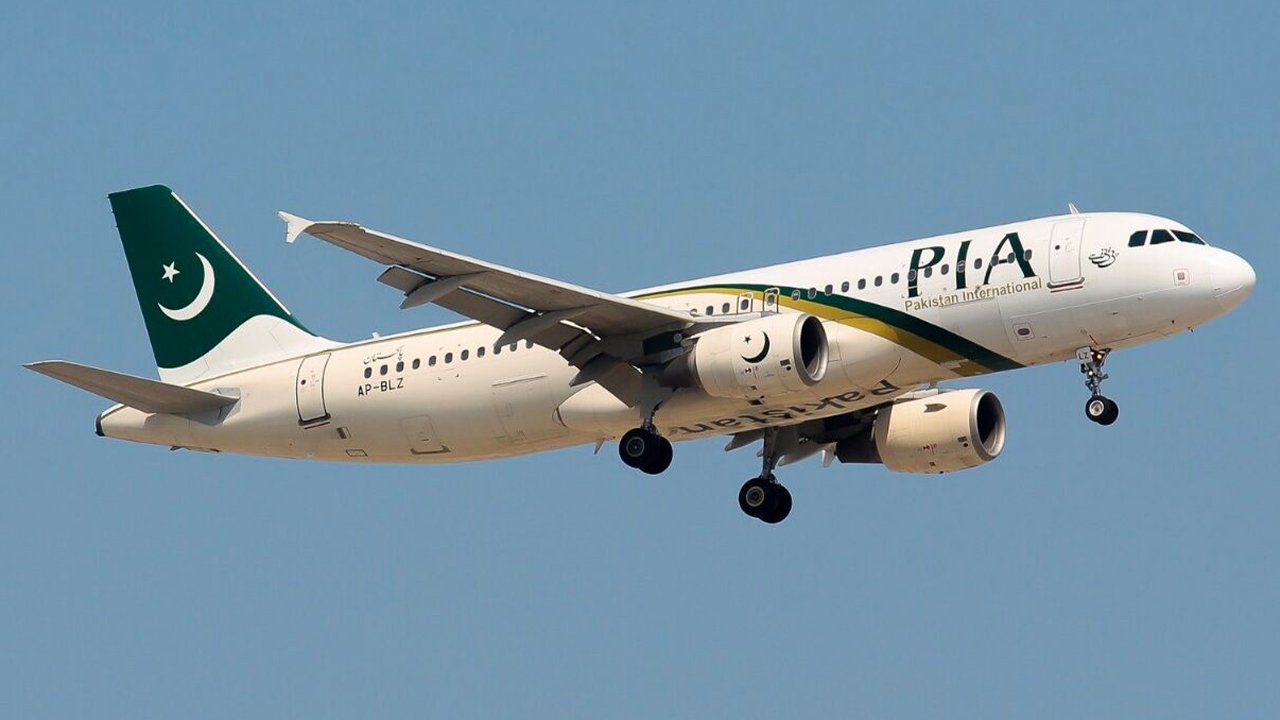
    Pakistan International Airlines (PIA) has prohibited its pilots and cabin staff members from fasting during the holy month of Ramzan.

    As per a recent safety notice released by the national flag carrier, fasting is one of the key factors behind diminished human performance.

    The decision is part of the PIA’s in-flight safety measures, which were recently announced by Aamir Bashir, the PIA’s General Manager (GM) of Flight Services.

    In order to meet the physical and psychological demands of flying, a healthy diet is crucial for pilots. Human errors that result in plane crashes can be minimized by focusing on nutrition due to its strong connection with flying performance.

    On-duty pilots and flying crew members should consider several aspects such as tiredness, performance degradation, and refrain from fasting throughout Ramadan, keeping in view the safety of the innocent lives (passengers and other staff).

    In addition to this, the administration has also allowed pilots and cabin crew members to apply for leave who do not wish to give up fasting during the month of Ramadan.

    Read more: Man hacks airline’s website after he lost his baggage

    Lastly, it also noted that non-compliance with the directive could result in the suspension or cancellation of the flying crew’s licenses.

  • Aviation in hot water

    Aviation in hot water

    “The cat is out of the bag and the current government faces another uphill task to make amends within the aviation industry.”

    The aviation industry has transformed due to various kinds of security threats that have emerged over time. Starting from 2001 after the 9/11 hijackings, airports around the world tightened their screening of passengers, and pilots began locking their cockpits. Ever since a detonator was caught inside a passenger’s shoes, passengers have been told to take their shoes off at security checkpoints. The increasing threats have led the United States (US) to spend nearly $100 billion on revamping airport security. A few years later, the second threat surfaced in the United Kingdom (UK) when a terror plot to smuggle explosive liquids on to planes was uncovered in 2006, after which the number of liquids allowed on flights was restricted.    

    The latest security threat that has wreaked havoc is the coronavirus pandemic that emerged in China in late 2019. The industry had been growing over the decade and was estimated to earn more than $800 billion in revenue until 2020 hit, and things took an ugly turn. Approximately seven million flights were canceled between January and July as people stopped booking flights and thousands of planes that needed to be grounded struggled to find parking spots. Many travelers and foreigners were left stranded in various countries around the world and even stuck at airports when countries closed their borders.   

    A century ago, when the Spanish Flu struck, air travel was in its infancy. As a result, the effect on flights was minimal. Now, air travel is the most popular mode of transport with approximately 40 million flights a year and billions of travelers.    

    The virus has bogged down the entire flying process and made it more painstaking because masks and social distancing are mandatory. Airlines now need to follow new protocols such as leaving seats between passengers to ensure social distancing — this adds to the losses being faced by many airlines.

    “The virus, however, is not the only problem the industry will be facing this year thanks to Pakistan’s Federal Aviation Minister, Ghulam Sarwar.”

    The devastating impact of COVID-19 will not dissipate until a few years. The damage has compelled airlines to seek multi-billion-dollar bailouts from their respective governments. Airlines such as Lufthansa and Thai Airways were saved through bailouts.

    The virus, however, is not the only problem the industry will be facing this year thanks to Pakistan’s Federal Aviation Minister, Ghulam Sarwar.   

    On May 22, an Airbus A320, operated by Pakistan International Airlines (PIA) and en route from Lahore to Karachi, crashed moments before attempting a second landing, which led to the death of 97 passengers. Luckily, two passengers managed to survive the crash. The damage did not end there. When the aviation minister was expected to present the crash report, he went on to bring to light the pilots’ licensing issue that was still under investigation.    

    The revelation by Pakistan’s aviation minister unveiled a new type of security threat that jolted the entire aviation industry. Speaking on the floor of the National Assembly, the minister announced that 262 out of 860 Pakistani licensed pilots, who are working within Pakistan and abroad, had fake licenses and certificates. He repeated the number in a press conference the next day but added that the 262 pilots’ credentials were “suspected” to be fake.    

    This unprecedented revelation made frontlines, astonished the entire aviation industry, and damaged whatever little credibility the Civil Aviation Authority (CAA) had, since it is responsible for providing legitimate licences and certifications, hence ensuring travelers’ safety.

    “[Aviation minister’s] announcement rang alarm bells and dealt a heavy blow to the faltering national carrier. Now, not only PIA, but the entire CAA, needs to prove that it is capable of ensuring that its pilots are airworthy.”

    As soon as the news broke out, the European Union (EU) and the United Kingdom (UK) barred Pakistani commercial planes from entering their airspace. The European Union Air Safety Agency (EASA) issued letters to airline operators in member countries to suspend PIA’s authorisation to operate in the EU for six months. The US Department of Transportation also revoked the PIA’s authorisation to conduct flights to and from the country due to safety concerns.    

    The announcement rang alarm bells and dealt a heavy blow to the faltering national carrier. Now, not only PIA, but the entire CAA, needs to prove that it is capable of issuing legitimate licences and certificates while ensuring that its pilots are airworthy. It will definitely take a long time to recover, but the fact that such a thing could occur has alerted aviation authorities around the world. 

    Pakistan has been struggling to improve its image in the international world while being scrutinised by the Financial Action Task Force (FATF) and monitored by the International Monetary Fund (IMF). This incident might lead to the country being closely investigated by other organisations, such as the International Civil Aviation, which will be liable for ensuring that trained and certified pilots are flying planes around the world. With the Pakistani passport already being ranked among the worst in the world, the repercussions of this announcement will only cause its ranking to drop further, wiping out whatever efforts had been made to improve the country’s global image in the past. 

    It is heartbreaking to see PIA, which helped set up Emirates by leasing its aircraft and training its staff, in such a dilapidated state. Even though the coronavirus had pushed a large number of airlines towards bankruptcy, PIA’s poor global image and tarnished reputation will solely be responsible for its ill fate. The cat is out of the bag and the current government faces another uphill task to make amends within the aviation industry.
  • PK8303 — not the first: Timeline of major Pakistani air crashes

    PK8303 — not the first: Timeline of major Pakistani air crashes


    At least 97 people have been killed after an Airbus A320 passenger airliner crashed into a residential neighbourhood while on approach to the airport in Karachi.

    Only two male passengers of Pakistan International Airlines (PIA) flight PK8303 from Lahore to Karachi survived the crash that wasn’t the first in Pakistan’s history, and, unfortunately, might not be the last.

    The country has a chequered aviation safety record, and here is a timeline of the air crash tragedies that shook Pakistan.

    May 20, 1965

    PIA Boeing 707 crashes during inaugural flight while attempting to land at Cairo airport, killing 124 passengers.

    August 6, 1970

    PIA Fokker F27 aircraft crashes while attempting to take off from Islamabad in a thunderstorm, killing 30 on board.

    December 8, 1972

    Another PIA Fokker F27 crashes in Rawalpindi, leaving all 26 passengers dead.

    November 26, 1979

    A PIA Boeing 707 bringing home Pakistani Hajj pilgrims from Saudi Arabia crashes shortly after take off from Jeddah airport, killing 156 people.

    October 23, 1986

    PIA Fokker F27 crashes in Peshawar, leaving 13 out of 54 passengers dead.

    August 25, 1989

    Another PIA Fokker crashes in Gilgit with 54 people on board. The wreckage was never found.

    September 28, 1992

    A PIA Airbus A300 crashes while approaching Kathmandu after the plane descended too early, killing 167 people.

    July 10, 2006

    PIA Fokker F27 crashes in Multan shortly after take off, killing 45 people.

    July 28, 2010

    Airblue Airbus 321 from Karachi crashes in Margalla Hills outside Islamabad, leaving all 152 passengers dead.

    April 20, 2012

    A Bhoja Air Airbus 737 from Karachi crashes in Islamabad due to bad weather, killing all 127 passengers.

    December 7, 2016

    PIA ATR-42 aircraft flying from Chitral to Islamabad, crashes near Abbottabad. 48 people died in the incident, including singer-turned-preacher Junaid Jamshed.

    Friday’s tragic episode was the first commercial airliner crash since 2016. There have, however, been a number of chartered and military jet crashes.

  • Govt to hand over operations and management of Pakistan’s major airports to international firms

    Govt to hand over operations and management of Pakistan’s major airports to international firms

    Federal Minister for Information and Broadcasting Shibli Faraz has announced the federal cabinet’s decision of handing over operations and management of Pakistan’s major airports to international firms, saying that a special committee to prepare a legal framework by June 30 has been formed.

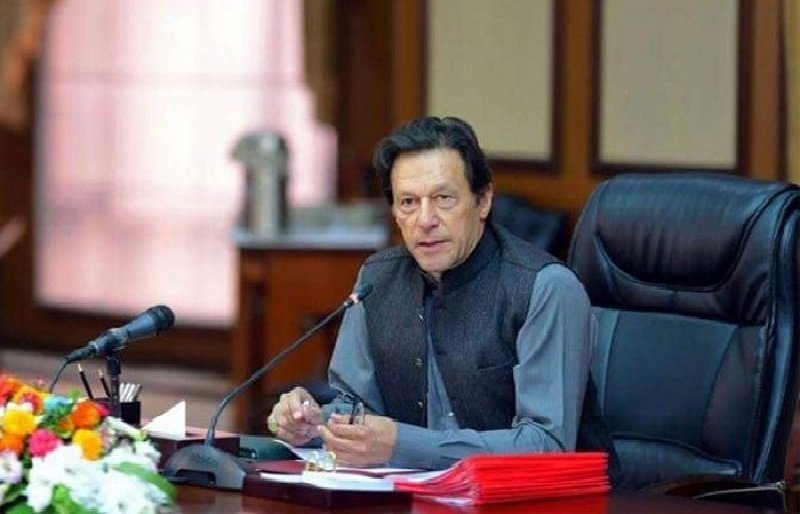
    Briefing journalists about the decisions taken by Tuesday’s federal cabinet meeting under the chairmanship of Prime Minister (PM) Imran Khan, the info minister said that country’s major airports will be outsourced to bring them on par with international standards. “The government is looking for some international firm with rich experience of operating and managing airports.”

    He said the cabinet was informed that some firms had already evinced interest in the matter and a legal framework had to be clarified before the tendering process started. “To this effect, a committee, to be headed by Aviation Minister Ghulam Sarwar Khan, would fast track the process,” he said.

    According to sources, the members of the committee will include Special Assistant to PM on Overseas Pakistanis Zulfiqar Bukhari, the chairperson of the Board of Investment (BoI) and Adviser on Parliamentary Affairs Babar Awan as well as Adviser on Commerce, Trade and Industry Abdul Razak Dawood.

    About job security of employees working at airports in case of their outsourcing, Faraz said the government, which came to power on the basis of votes of masses, would like to ensure none was deprived of his or her job rather there could be more job opportunities.