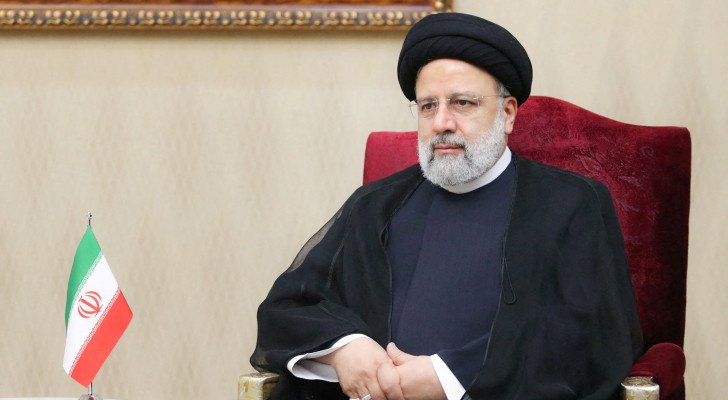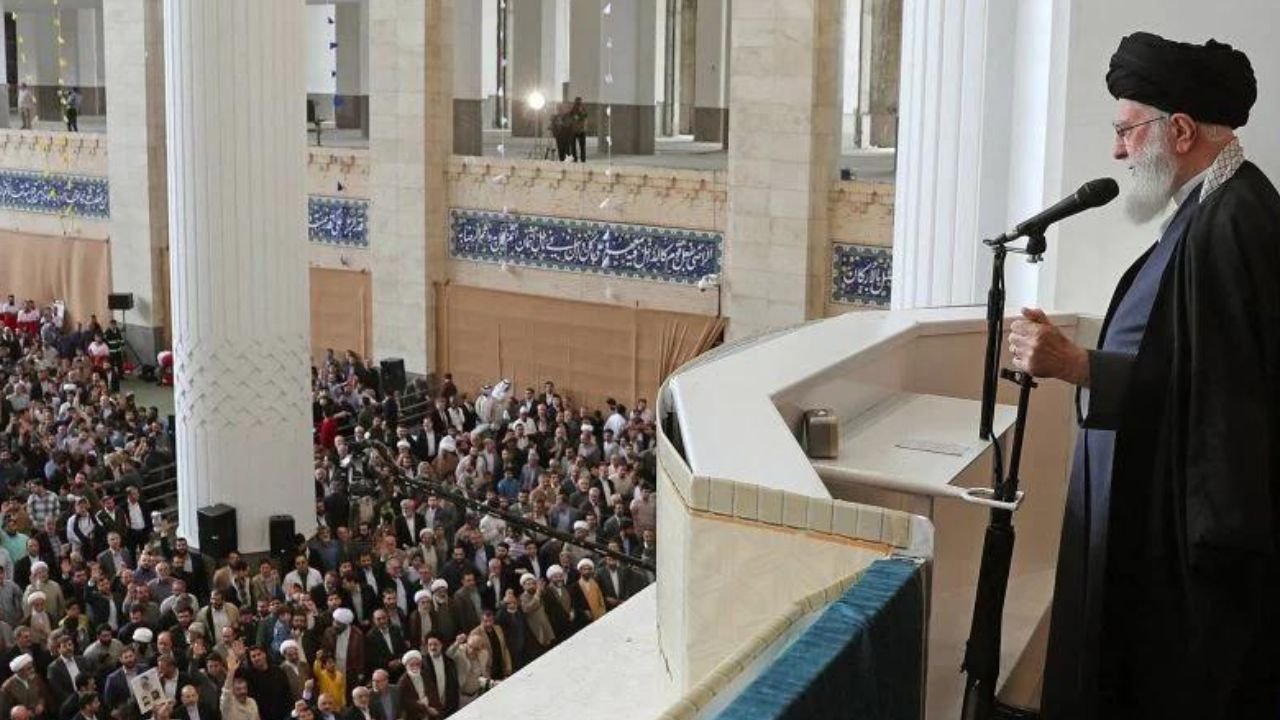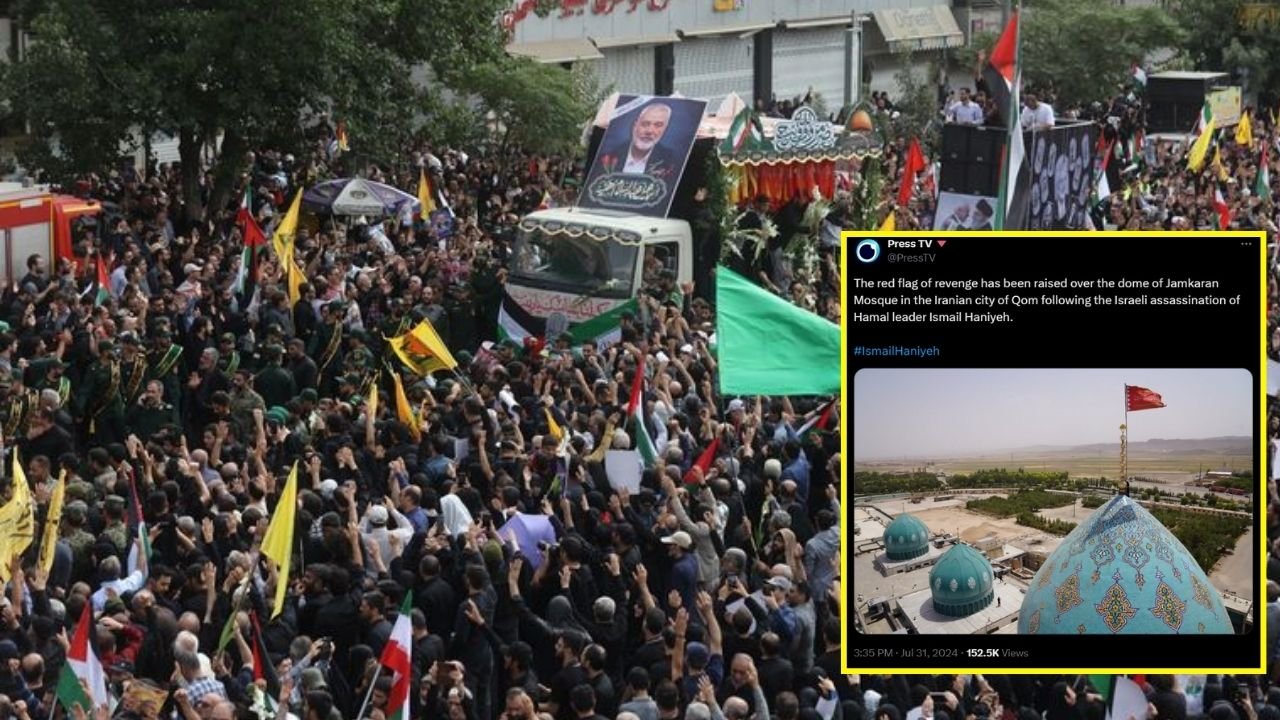
Iran held funeral processions on Thursday amidst calls for revenge after the killing of Hamas political chief Ismail Haniyeh in a strike in Tehran blamed on Israel.
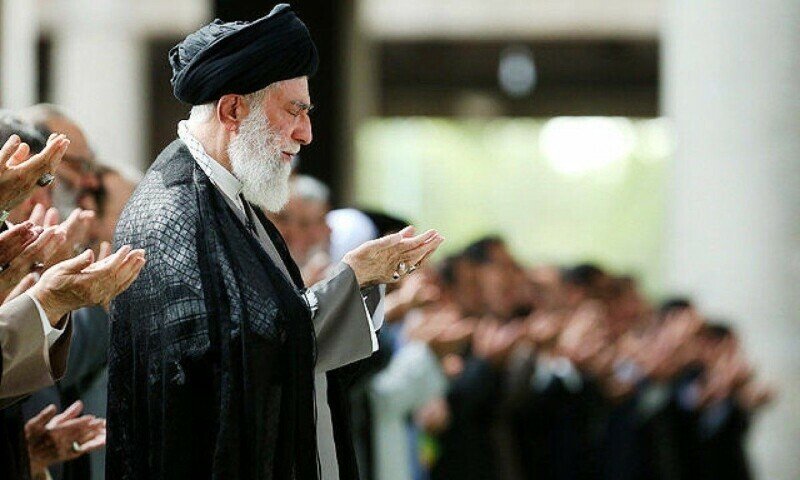
The Islamic Republic’s supreme leader Ayatollah Ali Khamenei led prayers for Haniyeh ahead of his burial in Qatar, having earlier threatened a “harsh punishment” for his killing.
In Tehran’s city centre, thousands of mourning crowds carrying posters of Haniyeh and Palestinian flags gathered for the ceremony at Tehran University before a procession, according to an AFP correspondent.
Haniyeh’s death was announced the day before by Iran’s Revolutionary Guards, who said he and his bodyguard were killed in a strike on their accommodation in the Iranian capital at 2:00am on Wednesday.
It came just hours after Israel targeted and killed top Hezbollah commander Fuad Shukr in a retaliatory strike on the Lebanese capital Beirut, sending fears of a wider regional conflict soaring in the fallout from the Israel-Hamas conflict in Gaza.
Israel has declined to comment on the Tehran strike.
Iran’s state TV showed the coffins of Haniyeh and his bodyguards covered in Palestinian flags during the ceremony attended by senior Iranian officials. President Masoud Pezeshkian and Islamic Revolutionary Guard Corps chief, General Hossein Salami, were present.
Haniyeh had been visiting Tehran for Pezeshkian’s inauguration ceremony on Tuesday.
Senior Hamas figure Khalil al-Hayya, the movement’s foreign relations chief, vowed during the funeral ceremony that “Ismail Haniyeh’s slogan, ‘We will not recognise Israel,’ will remain an immortal slogan” and “we will pursue Israel until it is uprooted from the land of Palestine.”
Iran’s conservative parliamentary speaker Mohammad Bagher Ghalibaf said Iran “will certainly carry out the supreme leader’s order (to avenge Haniyeh.)” “It is our duty to respond at the right time and in the right place,” he said in a speech with crowds chanting “Death to Israel, Death to America!”
‘Our duty’
The caskets, with a black-and-white pattern resembling a Palestinian keffiyeh scarf, were borne on a flower-bedecked truck through leafy streets where cooling water mists sprayed the flag-waving crowds.
Khamenei, who has the final say in Iran’s political affairs, said after Haniyeh’s death that it was “our duty to seek revenge for his blood as he was martyred in the territory of the Islamic Republic of Iran”.
The Islamic Republic has not yet officially published any information on the exact location of the strike.
Pezeshkian said on Wednesday that “the Zionists (Israel) will soon see the consequences of their cowardly and terrorist act”.
The international community, however, called for de-escalation and a focus on securing a ceasefire in Gaza — which Haniyeh had, according to a Hamas official previously, accused Israel of obstructing.
UN Secretary-General Antonio Guterres said the strikes in Tehran and Beirut represented a “dangerous escalation”. All efforts, he said, should be “leading to a ceasefire” in Gaza and the release of hostages taken during Hamas’s October 7 attack on southern Israel which began nearly 10 months of fighting.
The prime minister of key ceasefire broker Qatar said Haniyeh’s killing had thrown the whole mediation process into doubt. “How can mediation succeed when one party assassinates the negotiator on the other side?” Sheikh Mohammed bin Abdulrahman Al-Thani said in a post on the social media site X.
US Secretary of State Antony Blinken on Thursday called on “all parties” in the Middle East to “stop escalatory actions.” Earlier he said a ceasefire in Gaza was still the “imperative”, though White House National Security Council spokesman John Kirby said the twin killings of Haniyeh and Shukr “don’t help” regional tensions.
Tensions inflamed
While Iran has blamed the attack on its arch-foe, Israel has declined to comment on Haniyeh’s death. It did, however, claim the killing of Shukr, whom it blamed for a weekend rocket strike that killed 12 youths in the Israeli-annexed Golan Heights.
The killings come with regional tensions already inflamed by fighting in Gaza, a conflict that has drawn in Iran-backed militant groups in Syria, Lebanon, Iraq, and Yemen.
One of those groups, Yemen’s Houthi rebels, “declared three days of mourning” for Haniyeh, with political leader Mahdi al-Mashat expressing “condolences to the Palestinian people and Hamas” over his killing, according to the group’s Saba news agency.
The United Nations Security Council also convened an emergency meeting Wednesday at Iran’s request to discuss the strike.
Hamas has for months been indirectly negotiating a truce and hostage-prisoner exchange deal with Israel, in talks facilitated by Egypt, Qatar, and the United States, but with Haniyeh killed, the situation is back to square one.
Analysts told AFP that Haniyeh was a moderating influence within the Islamist group, and that while he would be replaced, the dynamics within Hamas could change.
Israeli Prime Minister Benjamin Netanyahu has vowed to destroy Hamas in retaliation for the October 7 attack that ignited conflict in Gaza.
That attack resulted in the deaths of 1,197 people, mostly civilians, according to an AFP tally based on official Israeli figures. Hamas also seized 251 hostages, 111 of whom are still held captive in Gaza, including 39 the military says are dead.
Concern grew among Israelis over the fate of those still held in Gaza. Haniyeh’s killing “was a mistake as it threatens the possibility of having a hostage deal,” said Anat Noy, a resident of the coastal city of Haifa.
Israel’s retaliatory campaign against Hamas has killed at least 39,445 people in Gaza, according to the territory’s health ministry.