Tag: Bailout

  • IMF likely to announce staff level agreement with Pakistan by this week

    IMF likely to announce staff level agreement with Pakistan by this week

    According to Syed Naveed Qamar, the Federal Minister for Commerce, Pakistan has taken all necessary measures to unfreeze a $6.5 billion credit line and is expected to reach a staff level agreement (SLA) on Extended Fund Facility (EFF) with the International Monetary Fund (IMF) this week.

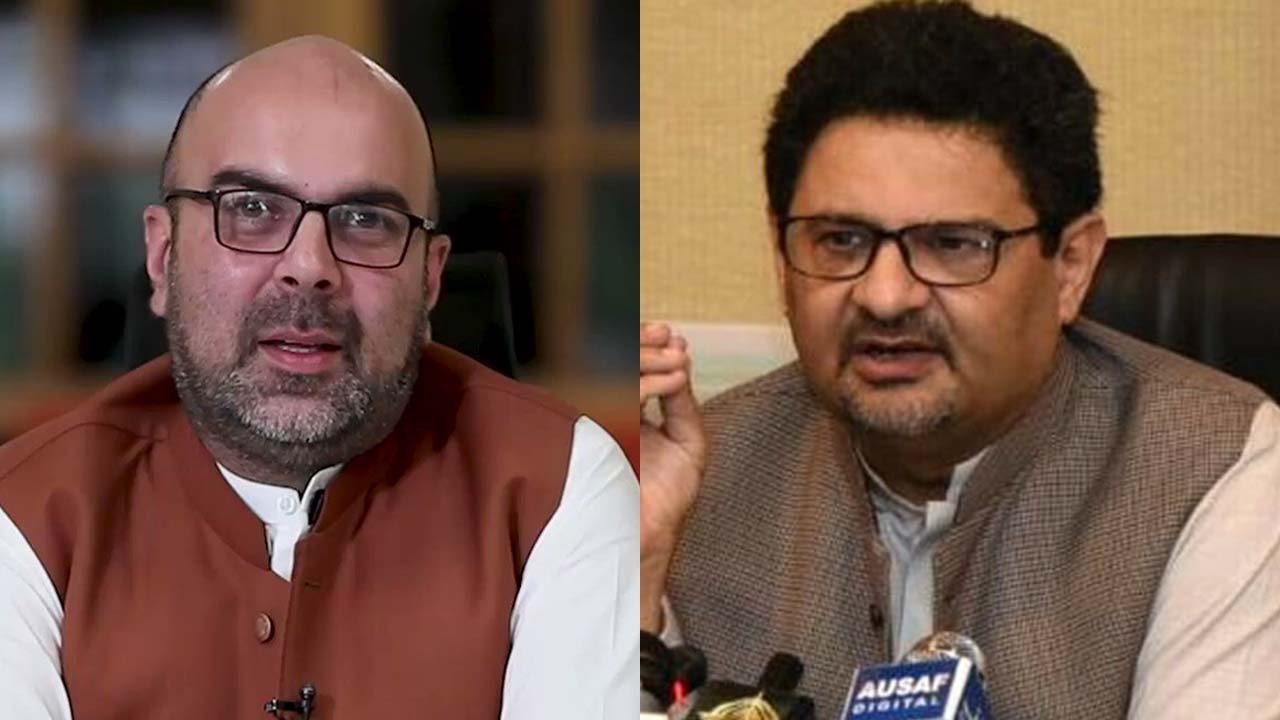
    Dr Aisha Ghaus Pasha, the Minister of State for Finance, stated that Pakistan and the IMF are close to reaching an SLA, but that basic structural reforms are necessary regardless of whether they are part of the IMF program or not.

    After the formal announcement, Pakistan will receive a $1.2 billion tranche under the EFF. Qamar stated that the agreement would give investors and creditors confidence in Pakistan’s stabilising economy and that their money would remain protected.

    Qamar emphasized that the IMF program is the beginning of other funds flowing in and that increased imports would benefit exports.

    However, Pakistan is struggling to meet the tough conditions set by the IMF, such as increasing its low tax base, ending exemptions for the export sector, and raising artificially low energy prices. The country is in dire need of funds as the State Bank of Pakistan-held foreign exchange reserves only cover one month of imports.

    To meet IMF conditions, Pakistan has raised taxes, cut subsidies, and devalued its currency. Additionally, a supplementary finance bill was approved that increases sales tax from 17 per cent to 25 per cent on imports and raises general sales tax from 17 per cent to 18 per cent, increasing the burden on already inflation-stricken people.

  • Rs170 billion in taxes to be imposed through mini-budget for revival of IMF loan program

    The Minister of Finance, Ishaq Dar, has announced that the talks between Pakistan and the International Monetary Fund (IMF) have concluded positively. In order to revive the loan program, the government will be required to implement a mini-budget, which includes collecting approximately Rs170 billion in taxes.

    During a media briefing, the finance minister confirmed receipt of the draft of the Memorandum of Economic and Financial Policies (MEFP) from the IMF based in Washington. At the outset of his media address, the minister emphasized that the current government is continuing to implement the program signed by former Prime Minister Imran Khan with the IMF in 2019-2020, and that the talks are being held as a “sovereign commitment” under the leadership of Shehbaz Sharif.

    “This is an old agreement which had been suspended and delayed previously,” he noted. 

    Regarding the discussions between Pakistan and the IMF mission, the finance minister stated that the talks, which lasted for ten days, were comprehensive and covered a range of topics including the power and gas sectors, as well as the fiscal and monetary aspects.

    “The SBP governor and officials from different departments and ministries participated in the talks,” said Dar.

    Finance Minister Ishaq Dar has shared details of the agreement reached with the IMF regarding the country’s financial situation. The finance minister confirmed that taxation measures of Rs170 billion will be taken, dispelling rumors of a larger figure of Rs700-800 billion.

    Dar highlighted that reforms in the energy sector will be a key focus, aimed at curbing the flow of circular debt, particularly in the gas sector where efforts will be made to bring the circular debt to zero and minimize untargeted subsidies.

    The minister acknowledged that some of the reforms suggested by the IMF are beneficial for Pakistan and emphasized the need for reforms in the country. He added that Prime Minister Shehbaz Sharif has assured the IMF of the government’s commitment to implement the necessary reforms.

    As per the standard procedure, a MEFP and a letter of intent are given. “The government has received the MEFP draft this morning and we will go through it on the weekend. A virtual meeting with the IMF will be held after that on Monday,” he added.

    “We believe that there are some sectors that need to be reformed in Pakistan’s interest,” he said.

    The Minister of Finance, in a statement, indicated that the country’s economy is facing significant challenges, with its current ranking standing at 47. The minister attributed the economic struggles to poor governance and mismanagement, and emphasized the need to address and rectify the situation.

    In reference to the power sector, the finance minister noted that a large portion of the national budget, approximately Rs3,000 billion, is spent on electricity generation, however, the recovery rate for these expenditures is only Rs1,800 billion. This highlights the pressing need for reforms and improvements in the sector to enhance efficiency and ensure sustained economic growth.

    “Even though these reforms are painful but we will have to implement them,” he maintained.

    He said that the government had decided that Pakistan will complete the IMF’s programme for the second time.

    “Pakistan will get $1.2 billion after the approval of IMF’s Executive Board.”

    The Minister of Finance announced that it has been determined to increase the budget of the Benazir Income Support Program (BISP), bringing it to a total of Rs400 billion. This increase is aimed at mitigating the impact of inflation on the most vulnerable segments of society.

    Regarding the declining foreign currency reserves, the minister provided reassurance that efforts are underway to boost them. The minister credited the State Bank of Pakistan (SBP) with managing the situation and noted that support from friendly countries has also been secured through commitments.

    “Pakistan had made big payments to countries during this time, and once the programme is finalised, we will get the amount back,” said Dar.

    The Minister of Finance criticized the previous administration for the credibility gap in the country’s reputation, stating that the lack of trust from the IMF is a result of the previous government’s failure to implement reforms, and even reversing them during a period of political instability.

    “This has negatively portrayed Pakistan’s image and this has affected the recent talks as [the IMF] is not sure if we would agree to it,” he added.

    He added that the government refused to impose sales tax on petrol and the IMF conceded it. “It was mutually agreed that there will be no sales tax on petroleum products,” he said. He added that the general sales taxes will be added to the Rs170 billion.

    Dar said that it is necessary to recover Rs170 billion in taxes within the current fiscal year, within a period of four months.
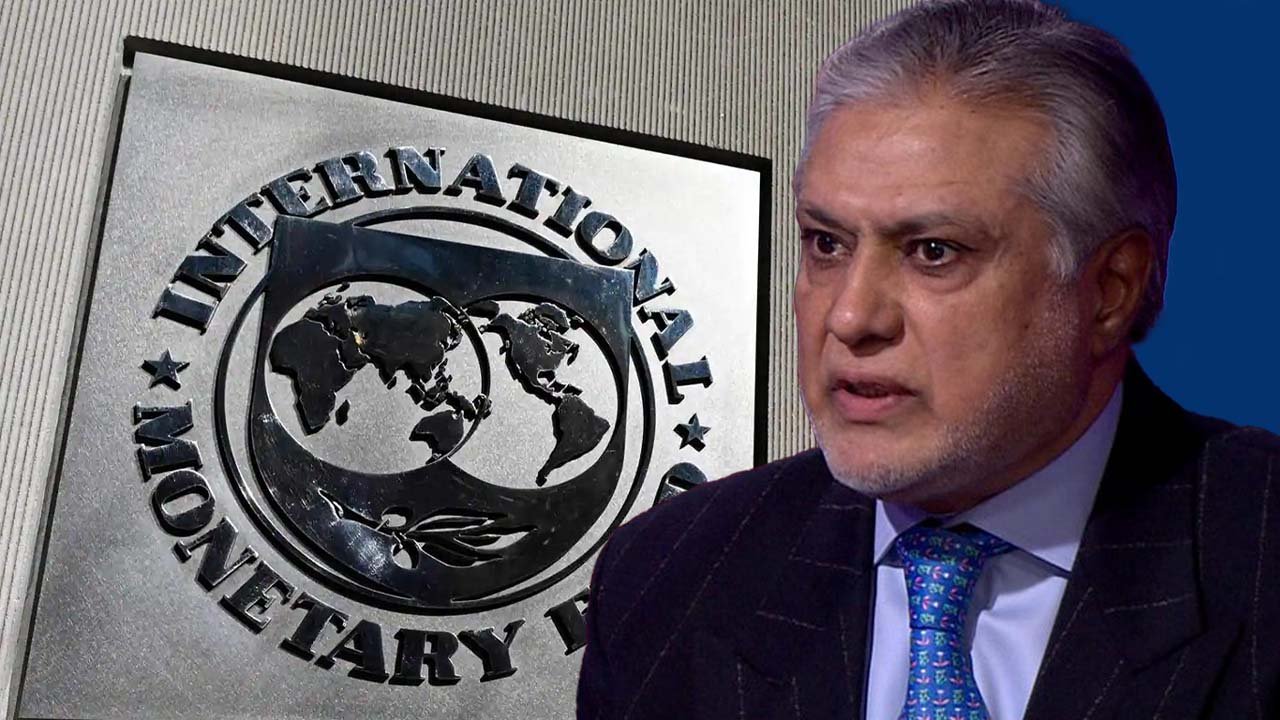
  • Everything is going alright with IMF, says Ishaq Dar

    Everything is going alright with IMF, says Ishaq Dar

    Finance Minister Ishaq Dar said on Thursday that it is expected that the matters between the government and the International Monetary Fund (IMF) regarding the conclusion of the 9th review of the $7 billion loan program will be settled today.

    “Everything is going alright,” replied the finance minister when asked about the status of the discussions with the visiting IMF delegation. “The final round is currently underway. I have daily meetings with the IMF team and will do so again today,” he added.

    “It is expected matters will be settled today,” Dar said. “We will give you the news very soon.”

    A delegation from the IMF, led by Nathan Porter, has arrived in Islamabad for discussions surrounding the completion of the ninth review. The discussions are set to conclude on the same day.

    The successful completion of the review would result in the disbursement of $1.2 billion from the IMF and also unlock additional funding from friendly nations and other multilateral lenders, which is crucial for Pakistan to avoid default.

    Minister of State for Finance and Revenue Aisha Ghaus Pasha informed journalists on Wednesday that the government and the IMF are in close proximity to finalizing the Memorandum of Economic and Financial Policies (MEFP).

    Minister of State for Finance and Revenue Aisha Ghaus Pasha stated that the Memorandum of Economic and Financial Policies (MEFP) would be delivered to Pakistan by the IMF once all issues have been resolved. The Minister noted that significant progress had been made, but added that the IMF was seeking clarification on certain aspects, which the government team is working to address.

    In a written statement, the ministry said the talks with the IMF continued on Wednesday and “focused on fiscal table, financing, etc. There is a broad consensus on the reform actions and measures”.

    Additionally, the mission chief also held a meeting with the finance minister to provide an update on the discussions. “The mission is working on putting it all together and will finalise the MEFP,” stated the finance secretary, who declined to comment on the possibility of extending the scheduled talks in order to reach a staff-level agreement.

    According to Dawn, it is of utmost importance for Pakistan to reach a agreement with the IMF, as the foreign exchange reserves have depleted to a low of $3.09 billion as of January 27th, which is only sufficient to cover 18 days’ worth of imports.

  • IMF should protect low-income people in Pakistan’s economic crisis: Human Rights Watch

    IMF should protect low-income people in Pakistan’s economic crisis: Human Rights Watch

    International Monetary Fund (IMF) should collaborate with the government of Pakistan to protect the economically disadvantaged by expanding social protection systems and minimizing reforms that may have adverse effects on the most vulnerable population, according to Human Rights Watch.

    The country is currently grappling with pressing issues such as inflation, poverty, inadequate governance, limited reserves, and high unemployment. Pakistan initiated discussions with the IMF on February 1st to formulate a plan to revive the economy, including securing the ninth tranche of $1.1 billion in loans from the $6.5 billion bailout.

    “Millions of Pakistanis have been pushed into poverty and denied their fundamental social and economic rights,” said Patricia Gossman, associate Asia director at Human Rights Watch.

    In addition, she emphasized that the IMF and the Pakistani government have a duty to manage this crisis in a manner that prioritizes and safeguards the well-being of low-income individuals.

    According to data from the State Bank of Pakistan (SBP), foreign exchange reserves have reached their lowest level at $3.09 billion, a decrease of 16%, sufficient to cover less than three weeks of imports.

    Pakistan is currently experiencing its highest inflation rates since 1975, with the cost of perishable food items rising by over 60% in January. In response to IMF demands, the government of Pakistan recently raised prices of petrol and diesel by Rs35 and removed the cap on the dollar, as it was a crucial condition of the IMF and the dollar should be market-driven.

    The ongoing negotiations with the International Monetary Fund (IMF) are aimed at concluding the ninth review of the IMF’s Extended Fund Facility, designed to support countries facing balance-of-payments challenges.

    The completion of this review would provide the necessary clearance for the IMF’s bailout installment, which would alleviate the severe shortage of foreign exchange and enable access to additional funding sources, including from multilateral and bilateral donors.

  • Pakistan will have to agree to ‘unimaginable’ IMF conditions for bailout: PM Shehbaz

    Pakistan will have to agree to ‘unimaginable’ IMF conditions for bailout: PM Shehbaz

    The government will have to accept “beyond imagination” International Monetary Fund (IMF) bailout requirements, according to Pakistan’s Prime Minister (PM) Shehbaz Sharif, who made the statement on Friday in a meeting of civil and military leaders in the northwestern city of Peshawar.

    In order to avoid backlash before the upcoming elections in October, the administration has refused to implement the tax increases and subsidy reductions that the IMF has required.

    “I will not go into the details but will only say that our economic challenge is unimaginable. The conditions we will have to agree to with the IMF are beyond imagination. But we will have to agree with the conditions,” PM Shehbaz said.

    In the midst of political unrest, a deteriorating security situation, and a balance of payments crisis caused by its high levels of foreign debt, Pakistan’s economy is in terrible circumstances.

    The nation’s central bank announced Thursday that its foreign exchange holdings had decreased once again to $3.1 billion, which analysts said was just enough to cover imports for fewer than three weeks.

    On Wednesday, year-over-year inflation reached a 48-year high, making it difficult for Pakistanis to afford food products.

    With the possibility of national bankruptcy looming and no friendly countries prepared to give less painful bailouts, Islamabad started to submit to pressure ahead of the IMF visit.

    To manage a rogue illicit market in US dollars, the government relaxed regulations on the rupee, which led to the currency falling to historic lows. Additionally, artificially low gasoline costs have increased.

    A backlog of thousands of cargo containers filled with material the countrycannot afford is accumulating at Karachi port as a result of the government no longer providing letters of credit, with the exception of necessary food and medication.

    IMF advises Pakistan to fetch additional revenue

    The IMF has suggested the Pakistani government implement significant, high-quality, and long-lasting tax and non-tax revenue initiatives in order to raise extra funds to close the anticipated Rs. 600 billion fiscal framework shortfall.

    Currently in Pakistan, an IMF delegation led by Mission Chief Nathan Porter is having discussions for the ninth review, which will go through February 9.

    After months of resistance, the government was finally obliged to agree to all the terms laid forth by the Washington-based lender due to the country’s declining foreign exchange reserves and deteriorating economic circumstances.

    Following the conclusion of the negotiations under the $6.5 billion Extended Fund Facility, a staff-level agreement is anticipated.

  • IMF board approves disbursement of $1.17 billion in bailout funds

    IMF board approves disbursement of $1.17 billion in bailout funds

    The seventh and eighth reviews of Pakistan’s bailout programme were approved by the International Monetary Fund (IMF) board on Monday, releasing $1.17 billion to the cash-strapped nation.

    Pakistan is now set to get a $1.17 billion loan tranche from the international lender within the next six days.

    “Alhamdolillah, the IMF board has approved the revival of our EFF programme. We should now be getting the seventh and eighth tranche of $1.17 billion,” said Finance Minister Miftah Ismail in a tweet announcing the news.

    Additionally, the Finance Minister praised the Prime Minister, Shehbaz Sharif, “for taking so many tough decisions and saving Pakistan from default.”

    The previous payment was made to Pakistan in February, and the subsequent tranche was scheduled to be released following a review in March.

    However, the PTI government drastically reduced petroleum prices by providing substantial subsidies to the country, which caused the program’s fiscal objectives to be missed.

  • IMF Executive Board meeting to discuss revival of loan plan today

    IMF Executive Board meeting to discuss revival of loan plan today

    The International Monetary Fund (IMF) executive board will meet on Monday (today) to discuss the bailout plan for Pakistan.

    The 8th and 9th tranches, totaling over $1.2 billion, are anticipated to be disbursed with board approval.

    According to Geo, Pakistan also requested that the Extended Fund Facility (EFF) be increased from $6 billion to $7 billion and that the term be extended from September 2022 to June 2023.

    If the contract is approved by the board, the IMF will give Pakistan an initial payment of roughly $1.2 billion and could give up to $4 billion during the remaining months of the current fiscal year, which started on July 1.

    The board gave its approval for the transfer of $1.386 billion to Pakistan under the RFI in April 2020 to help with the economic effects of the Covid-19 shock.

    Additionally, according to The Wall Street Journal, Pakistan has secured at least $37 billion in foreign loans and investments in recent weeks, saving it from a financial catastrophe similar to that of Sri Lanka.

    The restart of the programme will greatly benefit the government led by Prime Minister Shehbaz Sharif as it will assist prevent what would be the second default in Asia this year after Sri Lanka.

    Bloomberg estimates that Pakistan would have to pay at least $3 billion in debt payment during the first half of the fiscal year 2023.

    The State Bank of Pakistan anticipates that foreign exchange reserves would increase to around $16 billion this fiscal year from $7.8 billion, thanks to the IMF loan opening the door for additional funding.

  • Jhagra responds after Miftah accuses KP govt of jeopardising IMF deal

    Jhagra responds after Miftah accuses KP govt of jeopardising IMF deal

    After Finance Minister Miftah Ismail accused the KP government of plotting to derail the IMF deal in a late-night press conference, KP Finance Minister Taimur Khan Jhagra stated that the province is currently dealing with a flood scenario that takes precedence over everything else.

    In a previous letter to Miftah, Jhagra connected the payment of the Rs100 billion in alleged liabilities with the clearance of the provincial cash surplus for this fiscal year, which is a requirement of Pakistan’s agreement with the International Monetary Fund (IMF).

    This occurs just three days prior to the revival of IMF’s multibillion dollar credit programme. The K-P government has already agreed through a memorandum of understanding (MoU) to achieve the Rs117 billion cash surplus that is required by the IMF arrangement. Ismail is a co-signatory of the Letter of Intent (LoI) that was recently sent to the IMF in order to revive the programme.

    “Please note that in these conditions [floods], and without the resolution of the issues highlighted previously, for the province of Khyber Pakhtunkhwa to actually leave a surplus will be next to impossible,” Jhagra wrote in the communique sent to Miftah on Friday.

    Miftah Ismail’s call, according to Jhagra, was “interesting,” and the two will now meet on Monday to resolve their issues. However, the provincial finance minister stated it was “sad” that in Pakistan, one needed to “shout to be heard.”

    Jhagra confirmed in a series of tweets that he had actually addressed a letter to the federal finance minister and not the IMF. The provincial minister sent a letter that included images as well.

    Jhagra went on to say that despite raising the same issues with Miftah at their meeting on July 5, they decided to return the IMF MoU to Islamabad within 24 hours with the approval of the chief minister of KP.

    Jhagra added that the KP administration would never back down from advocating for a strong federation or from bringing up its concerns at the centre.

    At a late-night press conference, Miftah called the letter “deplorable.” He labelled the letter as a “conspiracy to derail the IMF programme and sink the rupee.”

    He questioned whether PTI Chairman Imran Khan, who was seeking to obliterate Pakistan and its economy out of a desire for power, had any set parameters.

  • IMF board to approve Pakistan’s $1.17 billion tranche in August

    IMF board to approve Pakistan’s $1.17 billion tranche in August

    The International Monetary Fund (IMF) Board’s approval for the release of $1,177 million to Pakistan is expected in the third or fourth week of August, according to Minister for Finance and Revenue Miftah Ismail.

    “Most probably August 26 is the date of board approval,” he said.

    A staff-level agreement (SLA) was achieved between the IMF team and the Pakistani government on Thursday to conclude the Extended Fund Facility’s (EFF) combined seventh and eighth evaluations, according to Brecorder.

    As per IMF’s statement, “Subject to Board approval, about $1,177 million (SDR 894 million) will become available, increasing the total disbursements under the Programme to approximately $4.2 billion.” The agreement also included a nine-month extension of the EFF programme and an additional $1 billion.

    The federal government stated that the administration has already performed all of the preliminary steps necessary for approval. “Therefore, after the staff-level agreement, the approval from the board could be considered a formality,” he said.

    The World Bank, the Asian Development Bank (ADB), and the Asian Infrastructure Investment Bank (AIIB), among others, may all provide finance as a result of the development, he claimed.

    “Pakistan can easily borrow money from multilateral institutions,” he said.

    While discussing commodity pricing, Miftah remarked that the people will also profit from the falling costs of goods like edible oil and wheat on the world market.

    The administration made difficult choices, the finance minister continued, to prevent the nation from going into debt and to help it from its current economic crisis.

    He said that the government is exerting every effort to address the circular debt and poor governance problems.

  • Pakistan, IMF reach staff-level agreement to resume loan

    Pakistan, IMF reach staff-level agreement to resume loan

    The International Monetary Fund (IMF) extended the total loan size to $7 billion on Thursday and announced a staff-level agreement on the completion of two unfinished programme assessments, but cautioned Pakistan to be prepared to take any extra measures.

    “The IMF team has reached a staff-level agreement (SLA) with the Pakistan authorities for the conclusion of the combined seventh and eighth reviews of the EFF-supported program. The agreement is subject to approval by the IMF’s Executive Board. Subject to Board approval, about $1,177 million (SDR 894 million) will become available, bringing total disbursements under the program to about $4.2 billion,” IMF said in a statement.

    The statement added, “Additionally, in order to support program implementation and meet the higher financing needs in FY23, as well as catalyze additional financing, the IMF Board will consider an extension of the EFF until end-June 2023 and an augmentation of access by SDR 720 million that will bring the total access under the EFF to about $7 billion.”

    IMF team leader Nathan Porter noted in a statement “Pakistan is at a challenging economic juncture. A difficult external environment combined with procyclical domestic policies fueled domestic demand to unsustainable levels.”

    According to him, the ensuing economic overheating reduced reserve buffers, increased inflation, and resulted in significant fiscal and external deficits in FY22.

    The statement continued, “Policy priorities include the consistent implementation of the FY23 budget, which aims to reduce the government’s significant borrowing needs by targeting an underlying primary surplus of 0.4 per cent of GDP, underpinned by current spending restraint and extensive revenue mobilisation efforts targeted particularly at higher-income taxpayees.”

    According to Express Tribune, the international lender claimed that due to poor implementation of the previously agreed upon plan, the circular debt (CD) flow in the power sector is predicted to increase significantly to about Rs850 billion in FY22, exceeding programme targets, endangering the viability of the sector, and resulting in frequent power outages.

    To improve the situation in the electricity sector and reduce load shedding, the authorities are committed to resuming reforms, which crucially include the timely adjustment of the power tariff, including the delayed yearly rebasing and quarterly adjustments.

    According to the IMF, Pakistan’s headline inflation rate hit 20 per cent in June, impacting the most vulnerable people the most. The recent monetary policy boost was reasonable and necessary in this regard, and future monetary policy must be designed to ensure that inflation is slowly brought down to the medium-term goal of 5-7 per cent.

    “Importantly, to enhance monetary policy transmission, the rates of the two major refinancing schemes EFS and LTFF (which have over recent months been raised by 700 bps and 500 bps respectively) will continue to be linked to the policy rate. Greater exchange rate flexibility will help cushion activity and rebuild reserves to more prudent levels,” it added.

    The unconditional cash transfer (UCT) Kafalat scheme reached nearly 8 million households during FY22, with a permanent increase in the stipend to Rs14,000 per family, while a one-time cash transfer of Rs2,000 (Sasta Fuel Sasta Diesel, SFSD) was made to approximately 8.6 million families to lessen the effects of the inflationary crisis.

    The government has increased the BISP budget for FY23 from Rs250 billion to Rs364 billion in order to expand the SFSD programme to more non-BISP, lower-middle class beneficiaries and to accommodate 9 million extra families into the BISP safety net.

    The statement further stated that in order to maintain the effectiveness of the anti-corruption agencies (including the National Accountability Bureau) in investigating and prosecuting corruption cases, the authorities are putting in place a strong electronic asset declaration system.

    According to the SLA for the combined seventh and eighth reviews, consistent execution of the defined policies will support the development of growth that is more equitable and sustainable.

    “The authorities should nonetheless stand ready to take any additional measures necessary to meet program objectives, given the elevated uncertainty in the global economy and financial markets,” the statement concluded.