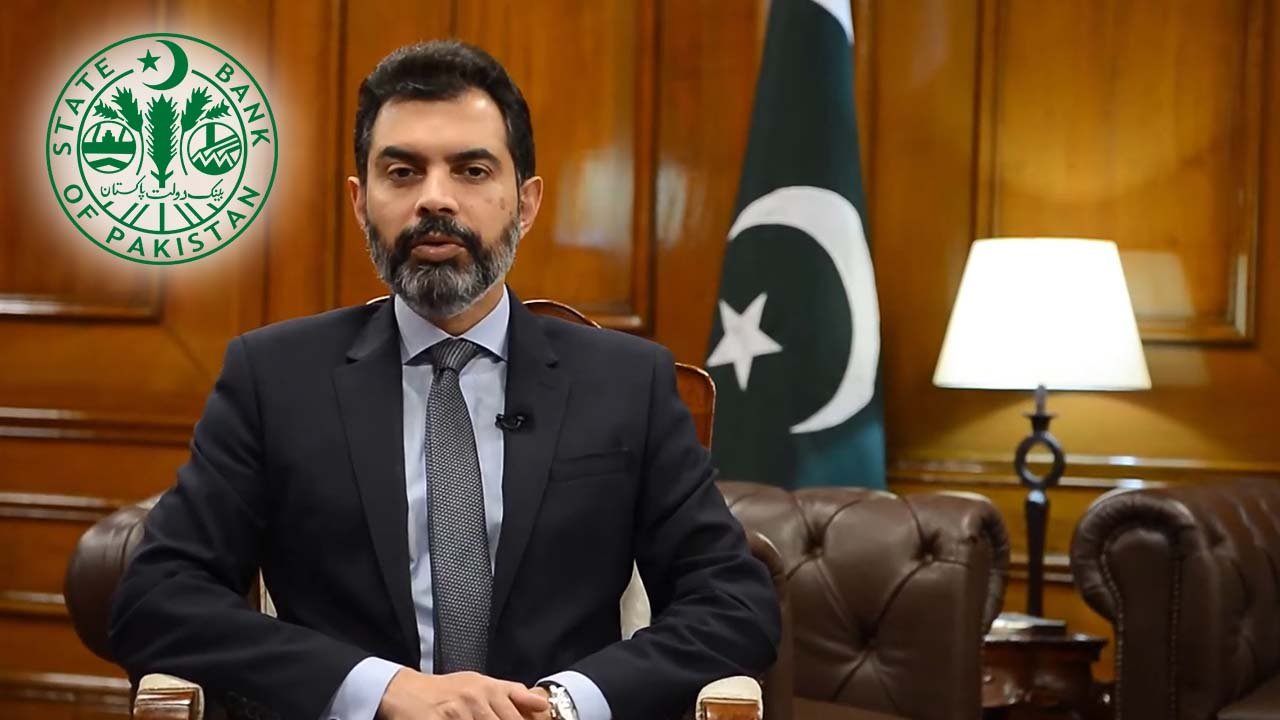
In a recent interview, the Governor of the State Bank of Pakistan (SBP), Dr. Reza Baqir expressed concern over the continuous deterioration in foreign exchange reserves but remained optimistic that a renewal of loans will be witnessed in the near future, which, coupled with SBP’s initiatives, will enhance market confidence.
He claimed that the decline in reserves is “clearly alarming, but we are convinced that the central bank’s initiatives will prevent further deterioration”.
According to data issued by the central bank on April 7, the reserves massively declined by $728 million to $11.32 billion as of April 1.
The decline, according to SBP, is primarily attributable to debt repayment and government payments linked to the settling of an arbitration judgment.
In addition to this, the currency even hit new lows in the week, forcing the SBP to intervene by boosting the policy rate, declaring a 100 per cent cash margin on 177 commodities with instant effect, and hiking the markup percentage by 2.5 per cent for borrowing under the Export Finance Scheme (EFS).
In response to the Monetary Policy Committee’s (MPC) recent rate hike, Baqir stated that the move was made to tackle growing inflation and lessen external pressures. “The foreign exchange market has been under a lot of pressure for more than a month. A number of factors contributed to it: first, there was political uncertainty; second, our reserves were drained due to debt payments”.
Consequently, the Pakistani rupee ended its devaluation run on April 8, and the KSE-100 Index witnessed positive sentiment, ending the day with an impressive gain of 658 points.
The SBP Governor also discussed the skyrocketing petrol prices, which remain elevated because of the Russia-Ukraine conflict, adding more pressure on the local currency.
The central bank made a determined decision after analyzing the statistics to lower inflation, improve foreign exchange reserves, and boost business confidence.