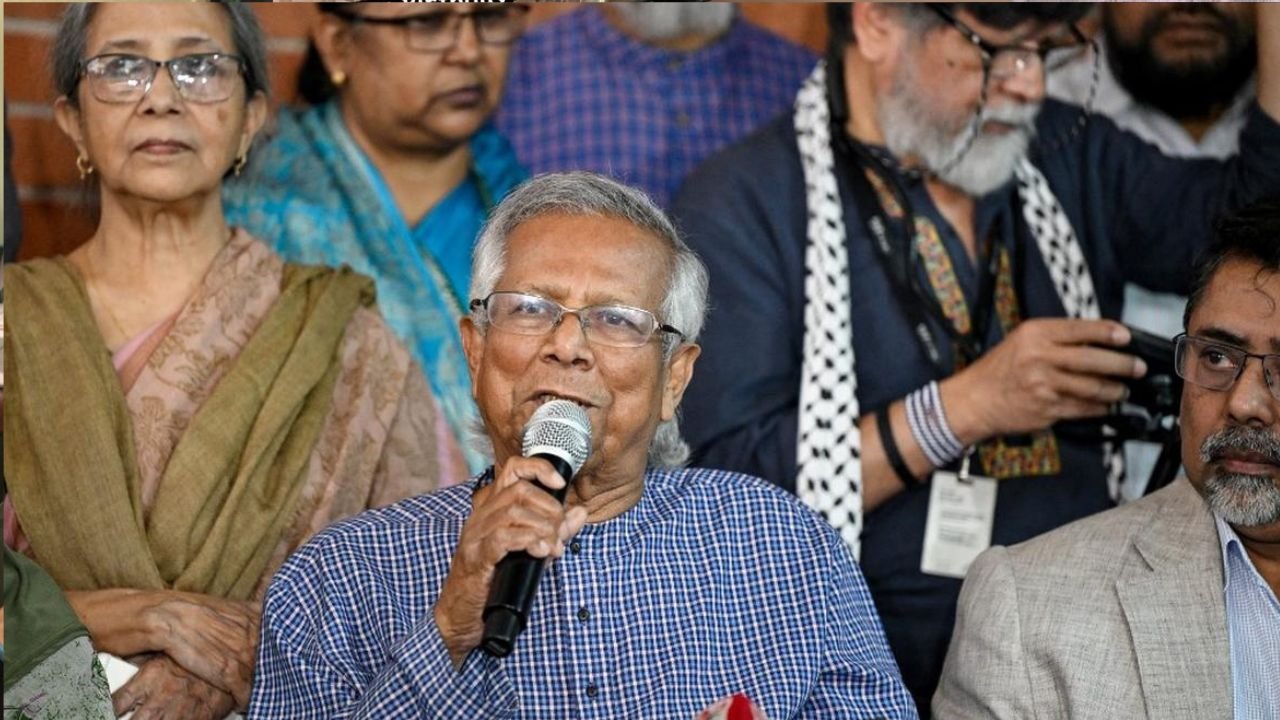
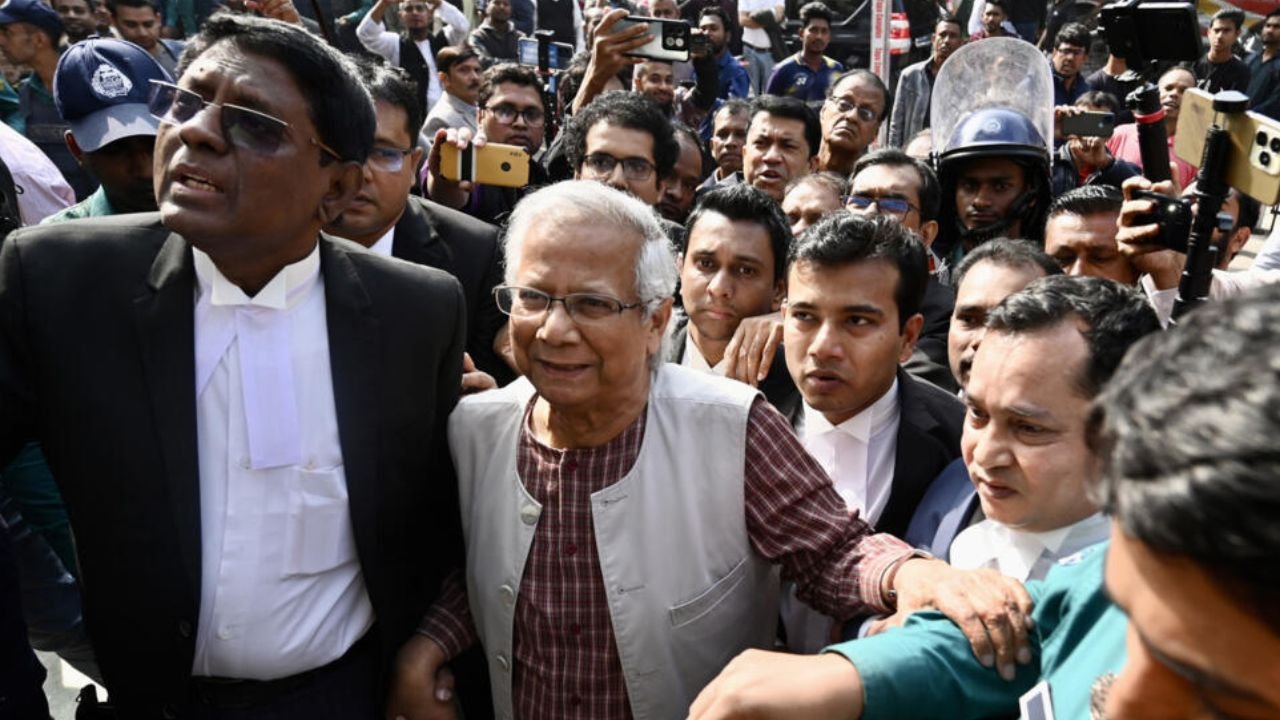
Bangladesh Nobel peace laureate Muhammad Yunus said on February 15 several of his firms were “forcefully” taken over, weeks after his conviction in a criminal case his supporters say was politically motivated.
Mr. Yunus, 83, is credited with lifting millions out of poverty with his pioneering microfinance bank but has earned the enmity of long-time Prime Minister Sheikh Hasina, who has accused him of “sucking blood” from the poor.
He told a press conference that on February 12, a group of “outsiders” had come to a building housing several of his companies, taking over offices and locking out staff.
“Some people came and took control forcefully,” he said, without giving further details on those involved.
“We’re in deep trouble. It’s a big disaster,” he added. “They are trying to run the companies according to their rules.”
Mr. Yunus said police refused to register a criminal case regarding the apparent takeover.
“They find no problems” with the occupation, he said.
Earlier on Feb. 15, dozens of people who told employees they were supporters of the ruling Awami League stood at the gates of the building to refuse entry to staff.
“They did not allow us to enter the building,” Mainul Hasan, a general manager of one of the Yunus-chaired firms, told AFP.
Some of those who entered the building told those present that they were the new directors of several of the firms, existing employees said.
Last month, Mr. Yunus and three colleagues from Grameen Telecom, one of the firms he founded, were sentenced to jail for six months after they were found guilty of violating labour laws.
‘Continuous judicial harassment’
All four deny the charges, which supporters and rights groups said were politically motivated, and have been bailed pending appeal.
Mr. Yunus is facing more than 100 other charges over labour law violations and alleged graft.
Last year, around 160 global figures, including former US president Barack Obama and ex-U.N. Secretary-General Ban Ki-moon, published a joint letter denouncing “continuous judicial harassment” of Mr. Yunus.
The signatories, including more than 100 of his fellow Nobel laureates, said they feared for “his safety and freedom”.
Critics accuse Bangladeshi courts of rubber-stamping decisions made by Hasina’s Government, which won re-election last month in a vote without genuine Opposition parties.
Her administration has been increasingly firm in its crackdown on political dissent, and Mr. Yunus’s popularity among the Bangladeshi public has for years earmarked him as a potential rival.
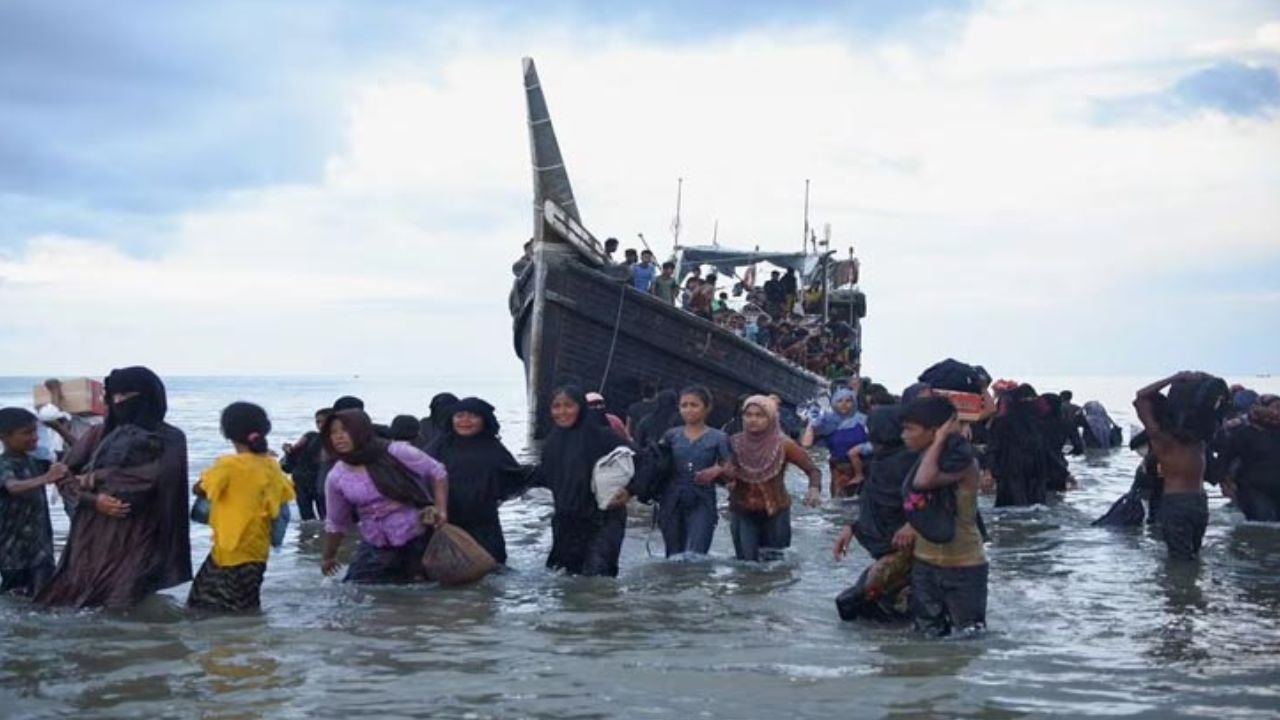
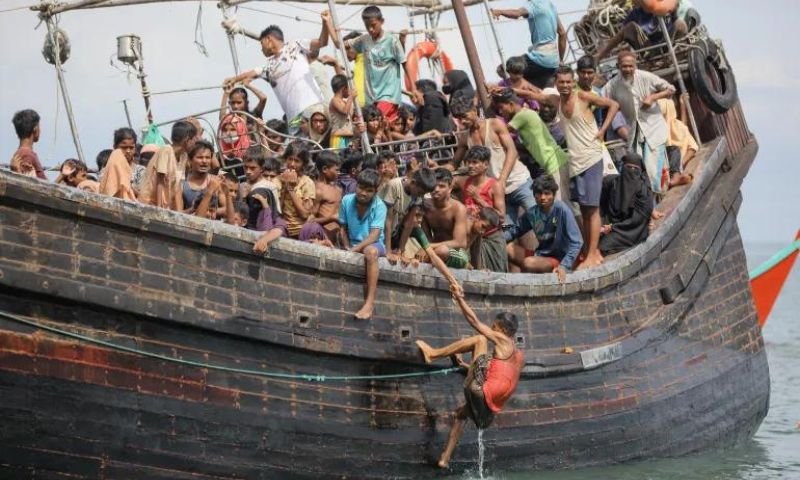
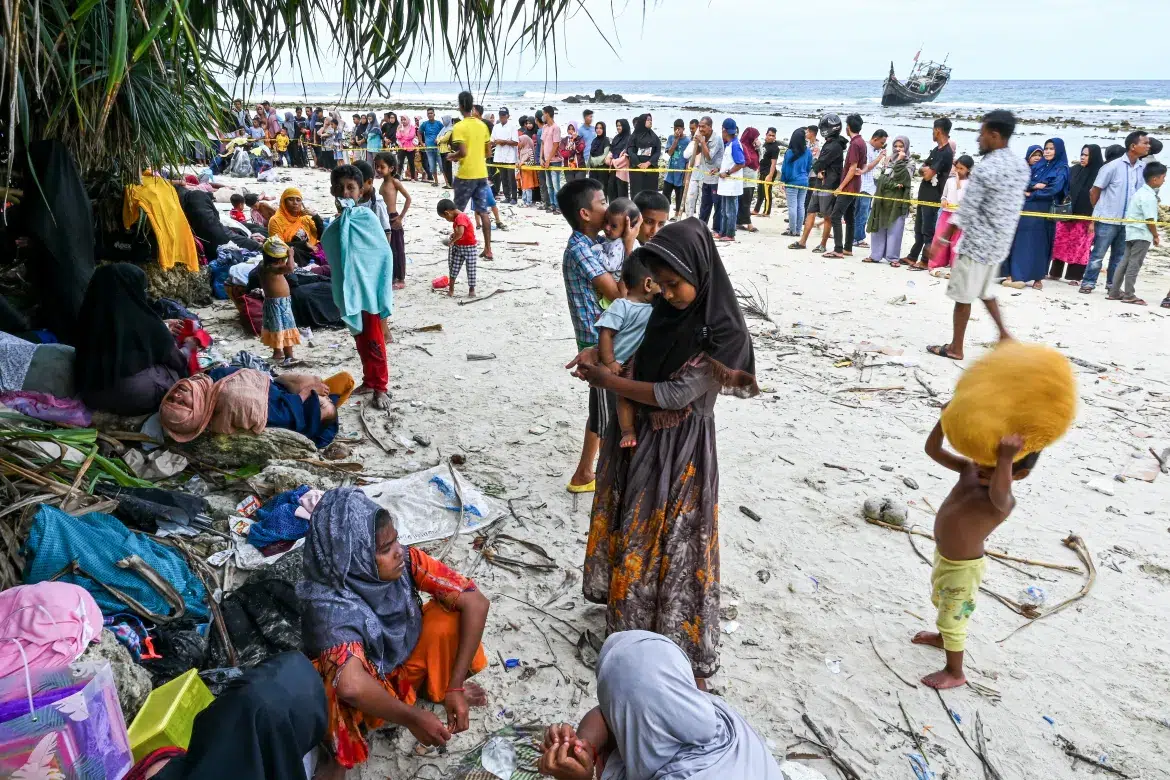
Arriving on a rickety boat in western Indonesia from squalid Bangladesh camps after weeks at sea late last year, hundreds of Rohingya refugees came to shore only to be turned around and pushed back.
The persecuted Myanmar minority were previously welcomed in the ultra-conservative Aceh province, with many locals sympathetic because of their own long history of war. But a wave of more than 1,500 refugees in recent months has been treated differently.
A spate of online misinformation in the world’s most populous Muslim-majority nation has stoked what experts say is rising anti-Rohingya sentiment culminating in pushback, hate speech and attacks.
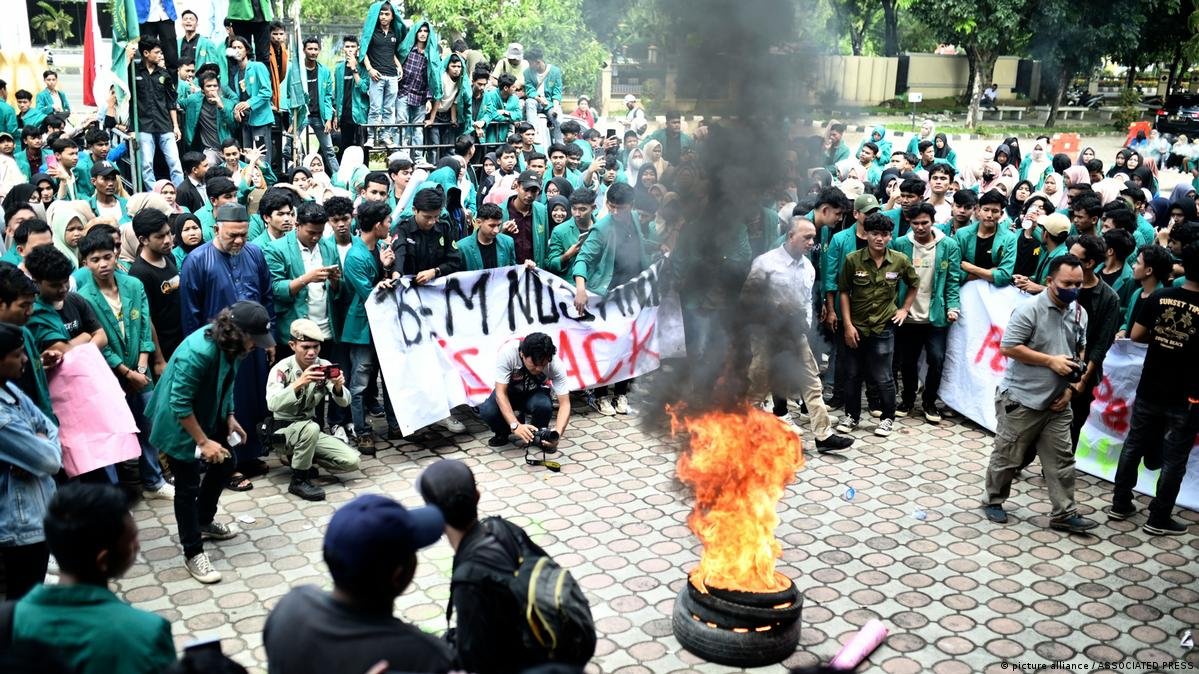
In December, hundreds of university students entered a government function hall in Banda Aceh city hosting 137 Rohingya, chanting, kicking refugees’ belongings and demanding they be deported. The refugees were relocated.
“The attack is not an isolated act but the result of a coordinated online campaign of misinformation, disinformation and hate speech,” the United Nations Refugee Agency (UNHCR) said.
On social media, anti-Rohingya videos have been spreading since late last year, racking up more than 90 million views on TikTok alone in November, according to Hokky Situngkir, TikTok analyst at Bandung Fe Institute.
It began after some local media outlets reported the Rohingya’s arrival with sensational headlines, said Situngkir.
The reports have framed the mostly Muslim Rohingya as criminals with bad attitudes and Indonesian community leaders have reinforced this narrative.
Some TikTok users have reshared the sensational articles and videos, which would help generate more views and money.
“Sometimes when the sensation is too big, it turns out to be misinformation,” Situngkir told AFP.
Victims of human traffickers
President Joko Widodo has called for action against human traffickers responsible for smuggling Rohingya and said “temporary humanitarian assistance will be provided” to refugees while prioritizing local communities.
But a few days after the attack on a refugee shelter, the Indonesian navy pushed away a Rohingya boat approaching the Aceh coast.
Jakarta — not a signatory of the UN refugee convention — has appealed to neighboring countries to do more to take in the Rohingya.
On TikTok, dozens of fake UNHCR accounts have flooded Rohingya videos with comments.
“If you don’t want to help, just give them one empty island so they can live there,” one read, presented as if it was written by a real UNHCR account.
A post sharing a report that Indonesia’s Vice President Ma’ruf Amin was considering moving the refugees to an island was viewed three million times.
A verified account wrote underneath: “Big no! It is better to expel them, no use in sheltering them.”
Ismail Fahmi, analyst for social media monitor Drone Emprit, told AFP the narrative “seems coordinated” but presented as if “it was organic.”
The campaign started with posts from anonymous confession accounts, and then several users with large followings replied with anti-Rohingya messages, making the narrative appear to be trending, he said.
Locals say social media is making such anti-Rohingya sentiment appear widespread, but that was not reflected across Aceh day-to-day.
“It seems massive when we observe it on social media,” said Aceh fishermen community secretary-general Azwir Nazar, acknowledging that Rohingya defenders online were treated as a “common enemy.”
But, he said, “In reality, in our daily lives, things seem normal.”
Stoking anti-Rohingya feelings Some of the most viewed videos peddling misinformation showed overcrowded vessels claiming to be ships carrying Rohingya to Indonesia.
The footage, viewed millions of times on TikTok, actually showed ferry passengers on domestic Bangladesh routes, according to an AFP Fact Check investigation.
Another video claimed Rohingya damaged an East Java refugee center — more than 2,300 kilometers (1,429 miles) from Aceh.
Rohingya in Aceh
An AFP Fact Check investigation debunked the claim through interviews with authorities who said the perpetrators were not Rohingya.
The videos were uploaded on TikTok and video platform Snack, then reposted on other social media sites like Facebook and by local media outlets with millions of followers, boosting the misinformation’s reach, AFP’s Fact Check team found.
AFP, along with more than 100 fact-checking organizations, is paid by TikTok and Facebook parent Meta to verify videos that potentially contain false information.
Both organizations declined AFP requests for comment.
Some videos and comments were also related to this month’s presidential election.
Some mocked candidate Anies Baswedan, saying he supports the Rohingya because he recommended they be housed “in a separate place” to avoid conflict. Others praised front-runner and Defense Minister Prabowo Subianto who has said Indonesia should “prioritize our people.”
But in several presidential debates so far, the candidates have not mentioned Rohingya migration.
For some in Aceh, anti-Rohingya feelings have stemmed from frustration at a lack of a government solution.
But the inflated anti-refugee posts have left them wondering if that feeling is genuine.
“Only Allah knows whether (the posts are) all humans,” said Nazar.
“Or perhaps, with the technology now, there might be AI or robots involved.”
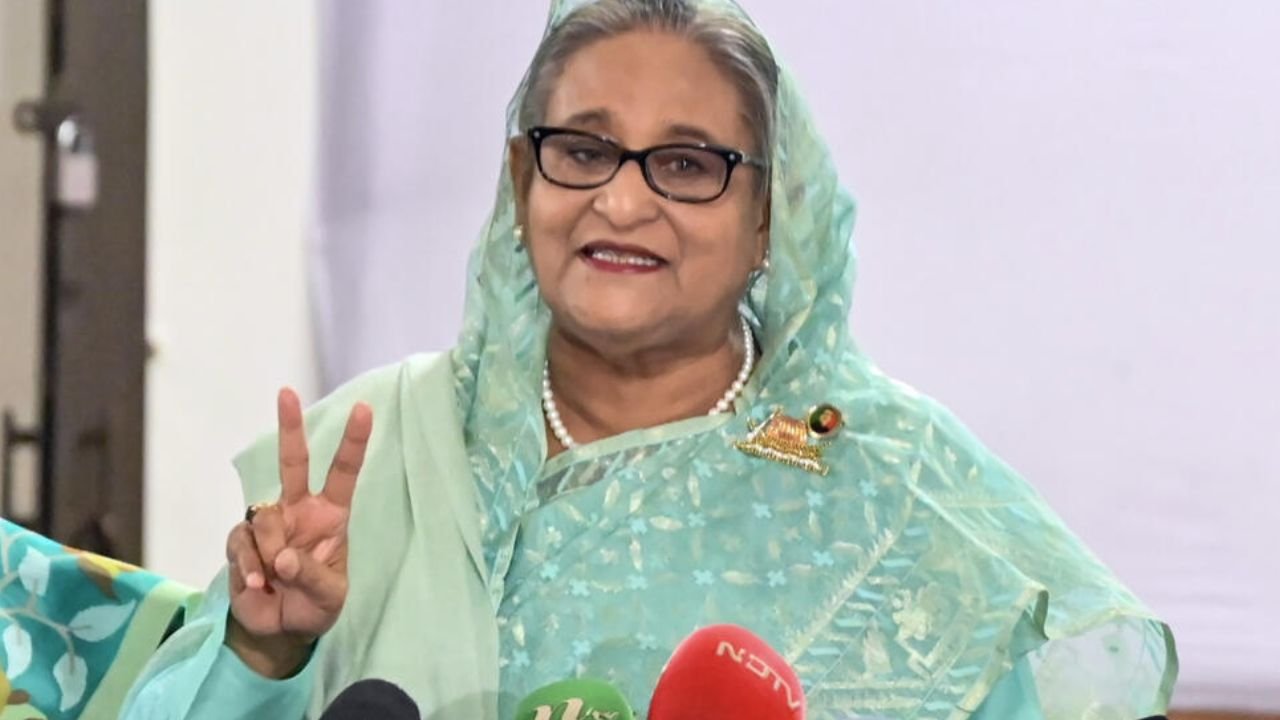
Bangladesh’s Prime Minister Sheikh Hasina won re-election for a fifth term Sunday, officials said, following a boycott led by an opposition party she branded a “terrorist organisation”.
Hasina’s ruling Awami League “has won the election”, an Election Commission spokesman told AFP in the early hours of Monday morning, after a vote that initial reports suggested had a meagre turnout of some 40 percent.
She has presided over breakneck economic growth in a country once beset by grinding poverty, but her government has been accused of rampant human rights abuses and a ruthless opposition crackdown.
Her party faced almost no effective rivals in the seats it contested, but it avoided fielding candidates in a few constituencies, in an apparent effort to avoid the legislature being branded a one-party institution.
The opposition Bangladesh Nationalist Party (BNP), whose ranks have been decimated by mass arrests, called a general strike and, along with dozens of others, refused to participate in a “sham election”.
While the final result and exact figures will be formally announced at a ceremony later on Monday, election commission officials said Hasina’s party had won around three-quarters of seats, at least 220 of the total 300.
But support of other lawmakers including from allied parties could push Hasina’s control over parliament even higher.
‘Disgrace’
Hasina, 76, had called for citizens to show faith in the democratic process.
“The BNP is a terrorist organisation,” she told reporters after casting her vote. “I am trying my best to ensure that democracy should continue in this country.”
First-time voter Amit Bose, 21, said he had cast his ballot for his “favourite candidate”, but others said they had not bothered because the outcome was assured.
“When one party is participating and another is not, why would I go to vote?” said rickshaw-puller Mohammad Saidur, 31.
BNP head Tarique Rahman, speaking from Britain where he lives in exile, told AFP he feared “fake votes” would be used to boost voter turnout.
“What unfolded was not an election, but rather a disgrace to the democratic aspirations of Bangladesh,” he wrote on social media, alleging he had seen “disturbing pictures and videos” backing his claims.
Among the victors was Shakib Al Hasan, the Bangladesh cricket team captain, who won his seat for Hasina’s party in a landslide, local officials said.
Fear of ‘further crackdown’
The BNP and other parties staged months of protests last year, demanding Hasina step down ahead of the vote. Officers in the port city of Chittagong broke up an opposition protest Sunday, firing shotguns and tear gas canisters.
But election officials said voting was largely peaceful, with nearly 800,000 police officers and soldiers deployed countrywide.
Meenakshi Ganguly, from Human Rights Watch, said Sunday that the government had failed to reassure opposition supporters that the polls would be fair, warning that “many fear a further crackdown”.
Politics in the country of 170 million people was long dominated by the rivalry between Hasina, the daughter of the country’s founding leader, and two-time premier Khaleda Zia, wife of a former military ruler.
Hasina has been the decisive victor since returning to power in a 2009 landslide, with two subsequent polls accompanied by widespread irregularities and accusations of rigging.
Zia, 78, was convicted of graft in 2018 and is now in ailing health at a hospital in Dhaka. BNP head Rahman is her son.
‘Dangerous combination’
Hasina has accused the BNP of arson and sabotage during last year’s protest campaign, which was mostly peaceful but saw several people killed in police confrontations.
The government’s security forces have been dogged by allegations of extrajudicial killings and enforced disappearances — charges it rejects.
Economic headwinds have left many dissatisfied with Hasina’s government, after sharp spikes in food costs and months of chronic blackouts in 2022.
Pierre Prakash of the International Crisis Group said before the vote that Hasina’s government was clearly “less popular than it was a few years ago, yet Bangladeshis have little real outlet at the ballot box.”
Dhaka (AFP) – Nobel peace laureate Muhammad Yunus was convicted on Monday of violating Bangladesh’s labour laws in a case decried by his supporters as politically motivated.
Yunus, 83, is credited with lifting millions out of poverty with his pioneering microfinance bank but has earned the enmity of longtime Prime Minister Sheikh Hasina, who has accused him of “sucking blood” from the poor.
Hasina has made several scathing verbal attacks against the internationally respected 2006 Nobel Peace Prize winner, who was once seen as a political rival.
Yunus and three colleagues from Grameen Telecom, one of the firms he founded, were accused of violating labour laws when they failed to create a workers’ welfare fund in the company.
A labour court in the capital Dhaka convicted and sentenced them to “six months’ simple imprisonment”, lead prosecutor Khurshid Alam Khan told AFP, adding that all four were immediately granted bail pending appeals.
All four deny the charges. Dozens of people staged a small demonstration of support outside the court for Yunus, who left without speaking to media.
“This verdict is unprecedented,” Abdullah Al Mamun, a lawyer for Yunus, told AFP. “We did not get justice.”
Yunus is facing more than 100 other charges over labour law violations and alleged graft.
He told reporters after one of the hearings last month that he had not profited from any of the more than 50 social business firms he had set up in Bangladesh.
“They were not for my personal benefit,” Yunus said.
Another of his lawyers, Khaja Tanvir, told AFP that the case was “meritless, false and ill-motivated”.
“The sole aim of the case is to harass and humiliate him in front of the world,” he said.
‘Travesty of justice’
Irene Khan, a former Amnesty chief now working as a UN special rapporteur who was present at Monday’s verdict, told AFP the conviction was “a travesty of justice”.
“A social activist and Nobel laureate who brought honour and pride to the country is being persecuted on frivolous grounds,” she said.
In August, 160 global figures, including former US president Barack Obama and ex-UN secretary-general Ban Ki-moon, published a joint letter denouncing “continuous judicial harassment” of Yunus.
The signatories, including more than 100 of his fellow Nobel laureates, said they feared for “his safety and freedom”.
Critics accuse Bangladeshi courts of rubber-stamping decisions made by Hasina’s government, which is all but certain to win another term in power next week at elections boycotted by the opposition.
Her administration has been increasingly firm in its crackdown on political dissent, and Yunus’s popularity among the Bangladeshi public has for years earmarked him as a potential rival.
Amnesty International accused the government of “weaponizing labour laws” when Yunus went to trial in September and called for an immediate end to his “harassment”.
Criminal proceedings against Yunus were “a form of political retaliation for his work and dissent”, it said.
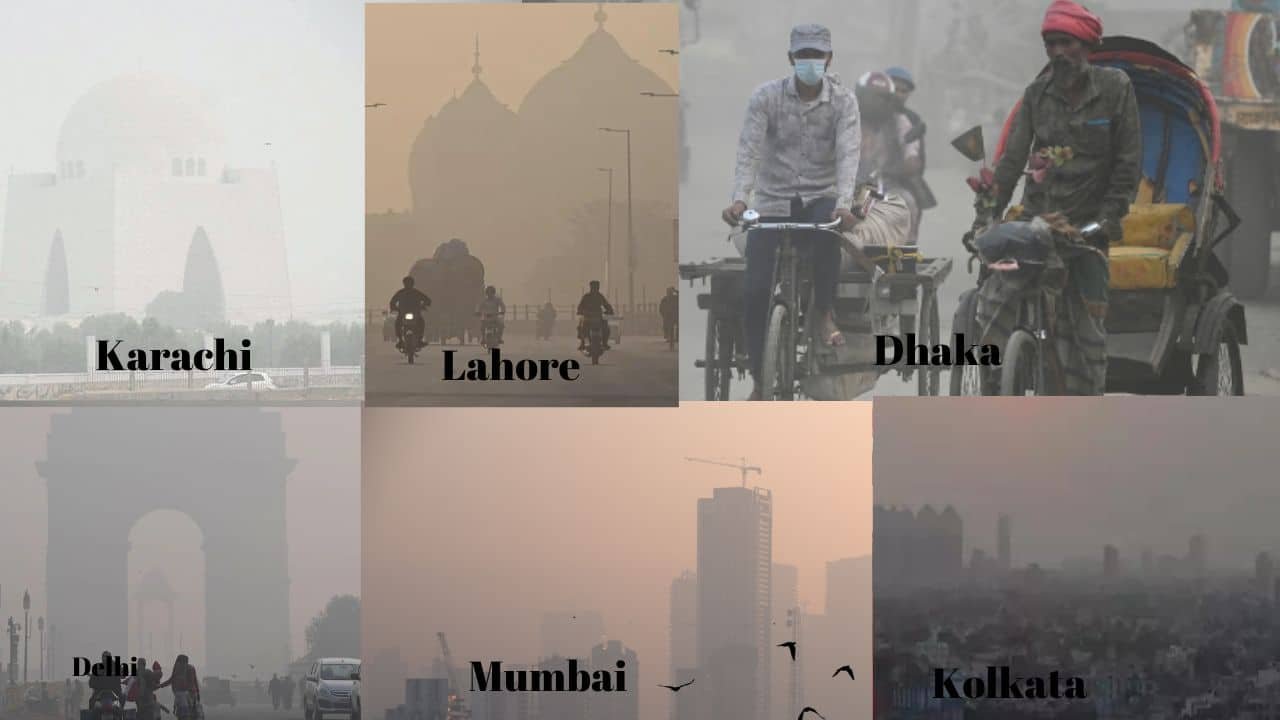
Six of the top ten cities plagued by the worst pollution on the Air Quality Index are from the South Asian region. Delhi, Mumbai, and Kolkata from India, Lahore and Karachi from Pakistan, and Dhaka from Bangladesh.
Post-Diwali, the air quality index in India is pretty bad as three of its highly-populated cities are facing a rise in air pollution. While Delhi is at the top, Mumbai and Kolkata are competing closely for the sixth and seventh spot on the chart.
Lahore has seen a major drop in the past few days after a short spell of rain, however, the air is steadily getting dense as it retained its second position in the chart for two days in a row. Karachi holds the fourth spot after Baghdad.
The Capital of Bangladesh, Dhaka, is a relatively new entrant. It holds the tenth position with an “unhealthy” status in air quality.
Population growth and rapid industrialization are the two major factors contributing to the thickening of air with particulate pollutants in South Asia. This is a threat to all living beings, from animals to plants. Life expectancy is severely reduced in these cities and pollution-related illnesses are rampant. The situation of the poor quality index calls for strict action to be taken for the safety of residents of the world’s most populous region-South Asia.
New Delhi (AFP) – More children in South Asia are struggling due to severe water scarcity made worse by the impacts of climate change than anywhere else worldwide, the United Nations said Monday.
“A staggering 347 million children under 18 are exposed to high or extremely high water scarcity in South Asia, the highest number among all regions in the world,” the UN children’s agency said in a report.
The eight-nation region, comprising Afghanistan, Bangladesh, Bhutan, India, Nepal, Maldives, Pakistan and Sri Lanka, is home to more than one-quarter of the world’s children.
“Climate change is disrupting weather patterns and rainfall, leading to unpredictable water availability,” the UN said in its report.
The report cites poor water quality, lack of water and mismanagement such as over-pumping of aquifers, while climate change decreases the amount of water replenishing them.
“When village wells go dry, homes, health centres and schools are all affected,” UNICEF added.
“With an increasingly unpredictable climate, water scarcity is expected to become worse for children in South Asia.”
At the UN COP28 climate conference in December in Dubai, UNICEF said it will call for leaders “to secure a livable planet”.
“Safe water is a basic human right,” said Sanjay Wijesekera, UNICEF chief for South Asia.
“Yet millions of children in South Asia don’t have enough to drink in a region plagued by floods, droughts and other extreme weather events, triggered increasingly by climate change”.
Last year, 45 million children lacked access to basic drinking water services in South Asia, more than any other region, but UNICEF said services were expanding rapidly, with that number slated to be halved by 2030.
Behind South Asia was Eastern and Southern Africa, where 130 million children are at risk from severe water scarcity, the report added.
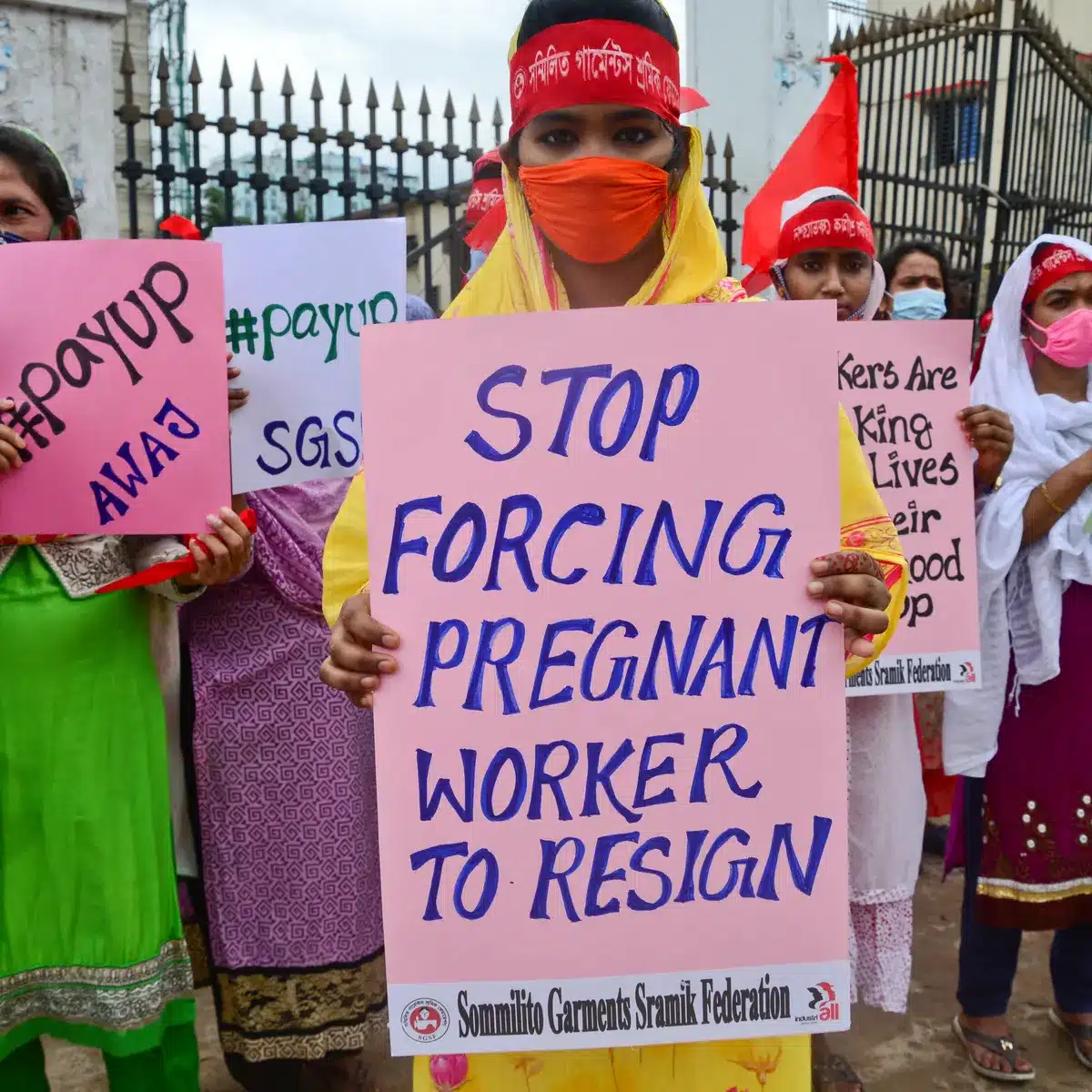
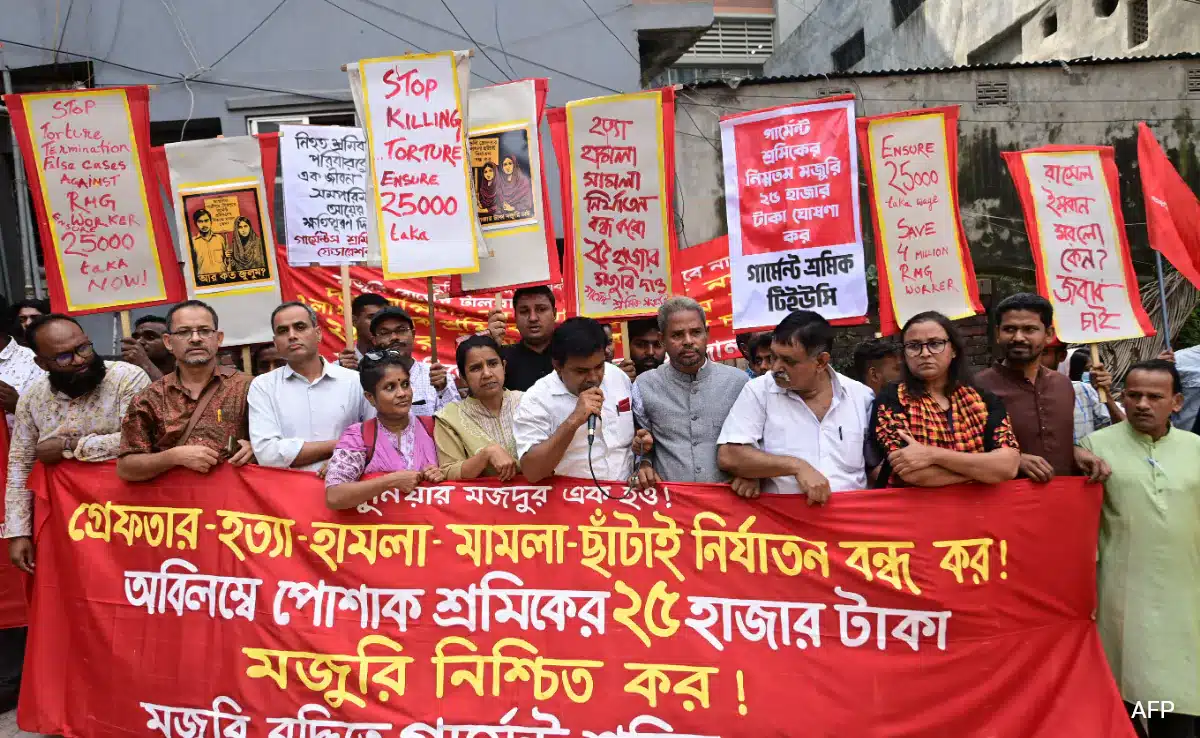
Up to 25,000 garment workers clashed with police in Bangladesh on Thursday, officials said, as protests rejecting a government-offered pay rise forced the closure of at least 100 factories outside Dhaka.
A government-appointed panel raised wages on Tuesday by 56.25 percent for the South Asian nation’s four million garment factory workers, who are seeking a near-tripling of their monthly wage.
Bangladesh’s 3,500 garment factories account for around 85 percent of its $55 billion in annual exports, supplying many of the world’s top brands including Levi’s, Zara and H&M.
But conditions are dire for many of the sector’s four million workers, the vast majority of whom are women whose monthly pay starts at 8,300 taka ($75).
Police said violence broke out in the industrial towns of Gazipur and Ashulia outside the capital after more than 10,000 workers staged protests in factories and along highways to reject the panel’s offer.
“There were 10,000 (protesting) workers at several spots. They threw bricks and stones at our officers and factories, which were open,” Mahmud Naser, Ashulia’s deputy industrial police chief, told AFP.
“One of our officers was injured. We fired rubber bullets and tear gas to disperse the workers,” Naser said.
He said more than 100 factories were shut down in Ashulia and surrounding areas.
Thousands of workers also clashed with the elite Rapid Action Battalion (RAB) and police at Konabari and Naujore in Gazipur, with police using batons and tear gas to drive them into alleys, AFP correspondents at the scene said.
“Some 15,000 workers blocked the road at Konabari, and vandalised vehicles and other properties. We had to disperse them to maintain law and order,” Gazipur municipality administrator Sayed Murad Ali told AFP.
At least two injured workers were taken to hospital, police said.
Intimidation
The workers are seeking a wage rise to 23,000 taka and unions representing them have rejected the panel’s increase as “farcical”.
Police say at least three workers have been killed since the wage protests broke out in key industrial towns last week, including a 23-year-old woman shot dead on Wednesday.
At least six police officers have also been injured in the protests.
Unions say the panel’s wage increase fails to match soaring prices of food, house rents and schooling and healthcare costs.
They have also accused the government and police of arresting and intimidating organisers.
“Police arrested Mohammad Jewel Miya, one of the organisers of our unions. A grass-roots leader… was also arrested,” Rashedul Alam Raju, the general secretary of the Bangladesh Independent Garment Workers Federation (BIGWUF), told AFP.
Another union leader, speaking on condition of anonymity, said at least six union leaders had been arrested and unions were being threatened by police to call off the protests and accept the wage offer.
There was no immediate comment from police about the arrests.
The United States has condemned violence against protesting Bangladeshi garment workers and “the criminalisation of legitimate worker and trade union activities”.
In a statement, State Department spokesman Matthew Miller urged the panel “to revisit the minimum wage decision to ensure that it addresses the growing economic pressures faced by workers and their families”.
Thea Lee, the US Department of Labor’s deputy undersecretary for international affairs, called for the release of BIGWUF organiser Miya.
The Netherlands-based Clean Clothes Campaign, a textile workers’ rights group, has also dismissed the new pay level as a “poverty wage”.
The minimum wage is fixed by a state-appointed board that includes representatives from the manufacturers, unions and wage experts.
Bangladesh raised the minimum monthly pay for the country’s four million garment workers by 56.25 percent on Tuesday, a decision immediately rejected by unions seeking a near-tripling of the figure.
The South Asian country’s 3,500 garment factories account for around 85 percent of its $55 billion in annual exports, supplying many of the world’s top fashion names including Levi’s, Zara and H&M.
But conditions are dire for many of the sector’s four million workers, the vast majority of whom are women whose monthly pay starts at 8,300 taka ($75).
Workers have gone on strike to demand a near-tripling of their wages, with violent scenes in recent days, while employers offered 25 percent.
The minimum wage is fixed by a state-appointed board that includes representatives from the manufacturers, unions and wage experts.
“The new minimum monthly wage for garment factory workers has been fixed at 12,500 taka ($113),” Raisha Afroz, the board secretary, told AFP.
The figure was immediately rejected by unions, which have been demanding a 23,000 taka minimum.
Unions say their members have been hard hit by persistent inflation, which in October reached nearly 10 percent, and a cost of living crisis partly triggered by the taka depreciating about 30 percent against the US dollar since early last year.
“This is unacceptable. This is below our expectations,” said Kalpona Akter, head of the Bangladesh Garment and Industrial Workers Federation.
Hundreds of workers staged an angry protest just yards from the labour ministry after the announcement.
“I reject this new monthly minimum wage,” said garment worker Sajal Mia, 21.
“It is an injustice to us. The authorities didn’t take the situation of the market into the account. They’re only concerned about their own interests,” he added.
The panel normally sits every five years and in 2018 raised the basic minimum from 5,000 taka to 8,000. Garment workers also get at least 300 taka per month as an attendance fee.
Earlier Tuesday, police fired tear gas at thousands of workers who set a bus on fire outside Dhaka, as tensions rose ahead of the announcement.
Police said violence broke out in the industrial city of Gazipur as about 6,000 workers walked out of their plants and staged protests.
“They torched a bus. We fired tear gas to disperse them,” Gazipur industrial police unit chief Sarwar Alam told AFP.
Police said around 600 factories that make clothing for many major Western brands were shuttered last week and scores were ransacked as the worst wage protest in a decade hit major industrial areas and a suburb of the capital.
Four factories were torched and at least two workers were killed in the violence, with tens of thousands of workers blocking highways and attacking factories.
There was no comment from top brands who source tens of billions of dollars of clothing from Bangladesh and for whom South Asian factories are a vital part of their supply chains.
But last month brands including Gap, Levi Strauss, Lululemon, and Patagonia wrote to Prime Minister Sheikh Hasina calling for a “successful conclusion” to wage negotiations.
“The consultations should seek to raise the minimum wage to a level that corresponds with a wage level and benefits that are sufficient to cover workers’ basic needs and some discretionary income,” they said.
The protests have coincided with separate violent demonstrations by opposition parties demanding the resignation of Hasina ahead of elections due in January.
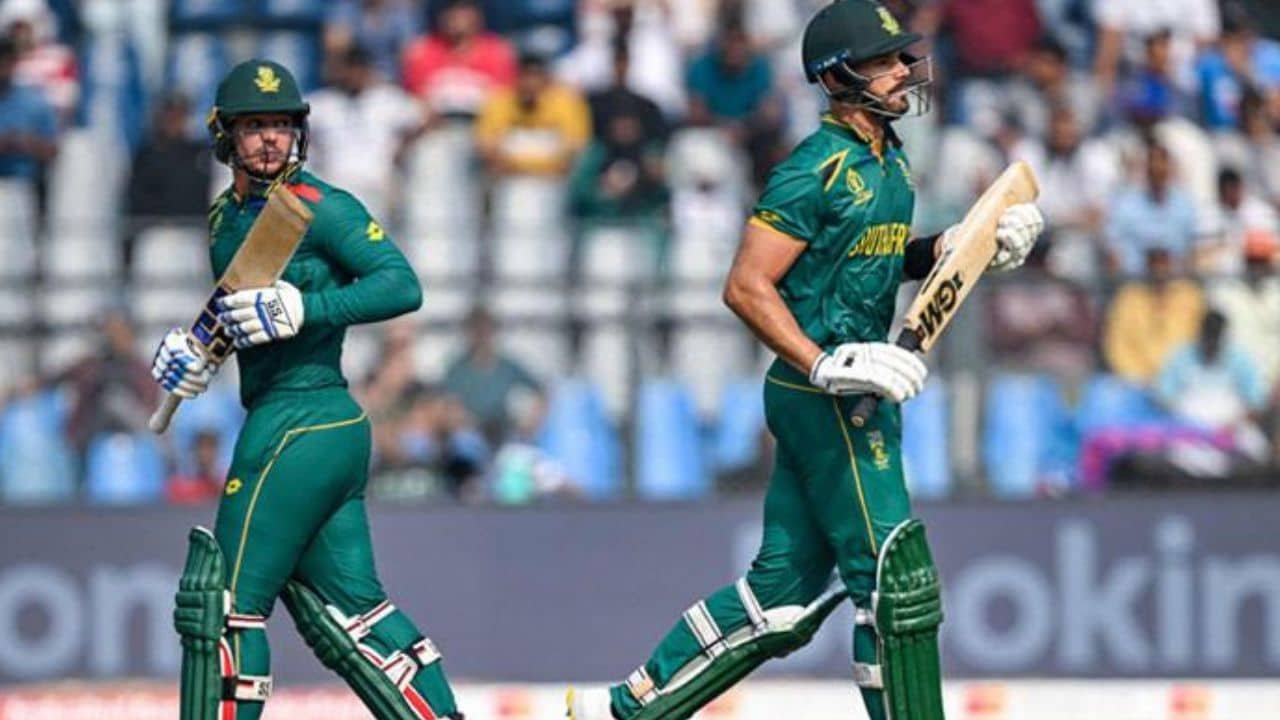
In the ICC ODI World Cup, South Africa defeated Bangladesh by a huge margin of 149 runs to chalk up their fourth victory in the event.
At the match played at the Wankhede Stadium in Mumbai, South Africa won the toss and elected to bat first against Bangladesh.
South Africa scored 382 runs for the loss of five wickets in the allotted 50 overs. De Kock played a brilliant innings of 174 runs while Henrik Klaasen scored 90 runs off 49 balls. This is Quinton de Kock’s third century in the current World Cup.
Aiden Markram scored 60 runs, Hendricks scored 12 runs, van der Dusen scored one run and David Miller remained unbeaten with 34 runs.
Hasan Mehmood took two wickets, while Mehdi Hasan Miraz, Shariful Islam, and Shakib Al Hasan got one wicket each for Bangladesh.
Bangladesh’s whole team returned to the pavilion in 46.4 overs on 233 runs.
Mohammadullah was top scorer with 111 runs.
Gerald Coetzee took three wickets, while Marco Jensen, Lizzad Williamson, and Kagiso Rabada took two wickets each from the South African side.
In a tragic incident on Monday afternoon, two trains in Bangladesh collided in the Eastern city of Bhairab leaving more than 17 dead and a hundred people injured.
The incident occurred when a freight train collided with a passenger train traveling in opposite directions, resulting in the derailment of two passenger carriages.
The railway administration has expressed concern that the death toll will rise because rescuers are still working to extricate bodies from under the overturned coaches. Two individuals have been recovered up till now as per the Red Crescent team.
The initial rescue efforts were made by local residents and volunteers who rushed to the scene. Other response teams like the Rapid Action Battalion Security Force, Police and Fire Services have been sent there as well.