Tag: bangladesh

  • US places visa restrictions on Bangladeshis as conflict continues

    US places visa restrictions on Bangladeshis as conflict continues

    The US Department State has released a statement on Friday stating that the country will be imposing visa restrictions on “Bangladeshi individuals responsible for, or complicit in, undermining the democratic election process in Bangladesh”.

    In the statement, State Department spokesperson Matthew Miller said that the step is a reflection of America’s commitment to supporting “Bangladesh’s goal of peacefully holding free and fair national elections, and to support those seeking to advance democracy globally,”

    The people in question are members of law enforcement, the ruling party, and the political opposition including current and former Bangladeshi officials, members of opposition and ruling political parties, and members of law enforcement, the judiciary, and security services.

    Moreover, any other individual or personnel found “responsible for, or complicit in, undermining the democratic election process in Bangladesh may also be found ineligible for US visas under this policy in the future”

    “The United States is committed to supporting free and fair elections in Bangladesh that are carried out in a peaceful manner,” the statement read.

    Previously this year, in May, US Secretary of State Antony Blinken announced the new visa policy under Section 212(a)(3)(C) (“3C”) of the Immigration and Nationality Act to support Bangladesh’s goal of holding free, fair, and peaceful national elections.

    Under this policy, the US could restrict the issuance of visas for any Bangladeshi individual found guilty in tampering with the election results.

    The United States has said it will not release the names or numbers of people in Bangladesh subject to the visa restrictions.

    Reported by Dhaka Tribune, US Embassy Spokesperson Bryan Schiller told UNB that “Visa records are confidential under US law,” and so, the names or numbers of people will not be revealed.

    He further added that the imposition of the restriction has been done “After a careful review of the evidence”

    On the contrary, Bangladesh’s State Minister for Foreign Affairs, Md Shahriar Alam responded to the update stating that the government has “nothing to lose and that they are not worried about the visa restrictions issue, as they are doing nothing wrong”.
  • Air pollution in South Asia can cut life expectancy by more than five years per person

    Air pollution in South Asia can cut life expectancy by more than five years per person

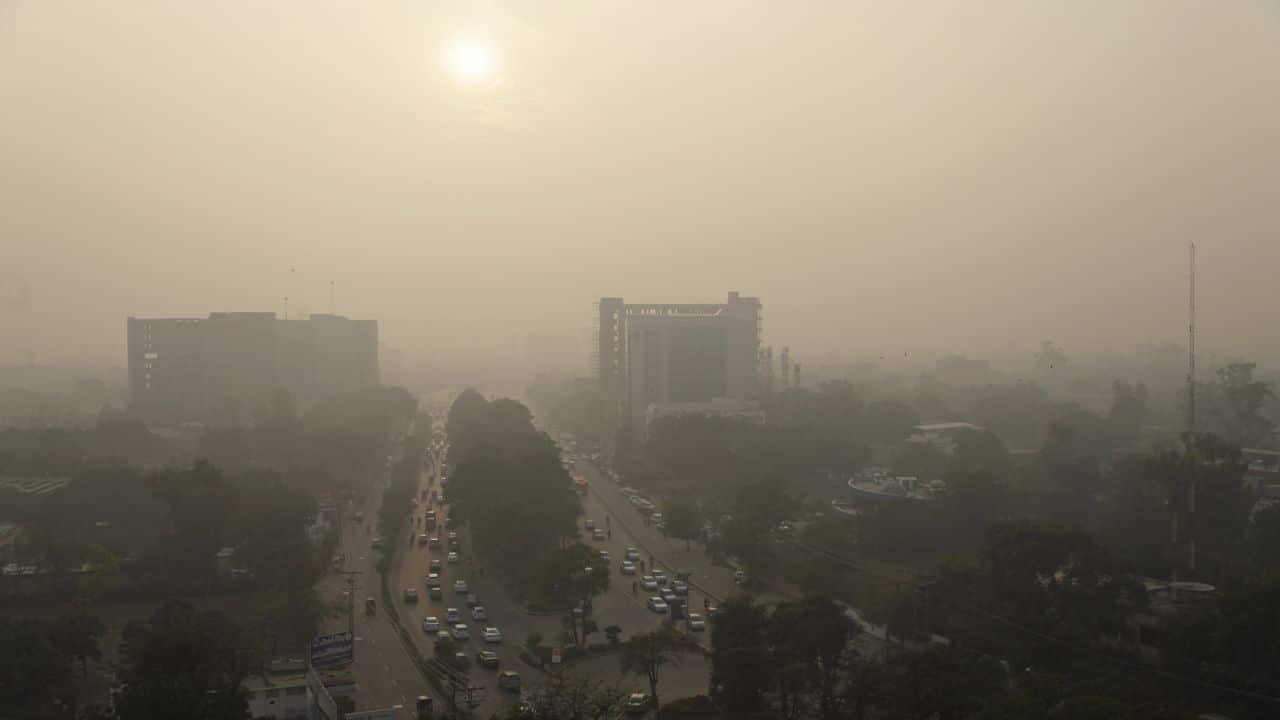
    University of Chicago’s Energy Policy Institute (EPIC) has published its latest report about Air Quality Life Index on Tuesday. The report deduced that rising air pollution can cut life expectancy by more than five years per person in South Asia which is currently one of the most polluted places in the world.

    Primary contributors in the region’s declining air quality are increasing industrialisation and population growth. The particulate pollution levels are resultantly more than 50 percent higher in comparison to the century’s start, posing a much greater health threat.

    What does the report say about Pakistan?
    According to the report, 98.3% of Pakistan’s population lives in areas exceeding the national air quality standard of 15 micrograms per cubic meter.

    From 1998 to 2021, average annual particulate pollution increased by 49.9% in Pakistan and reduced life expectancy by 1.5 years.

    In Punjab, Islamabad, and Khyber Pakhtunkhwa 65.5 million citizens reside (69.5% of Pakistan’s population), with the country’s people potent set to lose between 3.7 to 4.6 years of life expectancy on average relative to the World Health Organization (WHO) guideline and between 2.7 to 3.6 years relative to the national standard if the current pollution levels persist.

    Moreover, if Pakistan is able to meet WHO’s guideline, Karachi residents would gain 2.7 years of life expectancy whereas residents of Lahore would gain 7.5 years and people in Islamabad would gain about 4.5 years of life expectancy.
    Pakistanis would gain 3.9 years by meeting the WHO guidelines of limiting average annual PM 2.5 concentration to 5 micrograms per cubic meter.

    Others in South Asia

    The study further expounds upon other countries in the region.

    In light of the current pollution levels, Bangladeshis can lose 6.8 years of life on average per person compared to 3.6 months in the United States.

    A Nepali would live 4.6 years longer by meeting the WHO guidelines of limiting average annual PM 2.5 concentration to 5 micrograms per cubic meter.

    It is also highlighted that India is responsible for about 59 percent of the world’s increase in pollution since 2013, threatening to reduce lifespan in some of the country’s polluted regions.

    The average lifespan in New Delhi, a heavily populated and the world’s most polluted megacity, is down by more than 10 years.

    The report added that by reducing global levels of lung-damaging airborne particles, known as PM 2.5, to levels recommended by WHO could raise average life expectancy by 2.3 years.

    China has put in work to reduce pollution by 42.3 percent between 2013 and 2021. The report suggested the governments generate accessible air quality data in order to help bridge global inequalities in accessing tools to combat pollution.

  • Bangladeshis promise free and fair elections after US imposed visa restrictions

    Bangladeshis promise free and fair elections after US imposed visa restrictions

    Bangladeshi authorities have assured the United States (US) that they will take steps to tackle and prevent unlawful practices or interference in its election after the US threatened curbs on citizens of the South Asian nation who undermine polls.

    “The government apparatus will take necessary measures to prevent and address any unlawful practices or interference … to compromise the smooth and participatory conduct of the elections,” the Bangladesh foreign ministry said in response.

    “The electoral process will remain under strict vigilance, including by international observers as accredited by the Election Commission,” it added in a statement.

    A day earlier, US Secretary of State Antony Blinken said the United States is adopting a new policy to restrict visas for Bangladeshis who undermine the democratic election process at home.

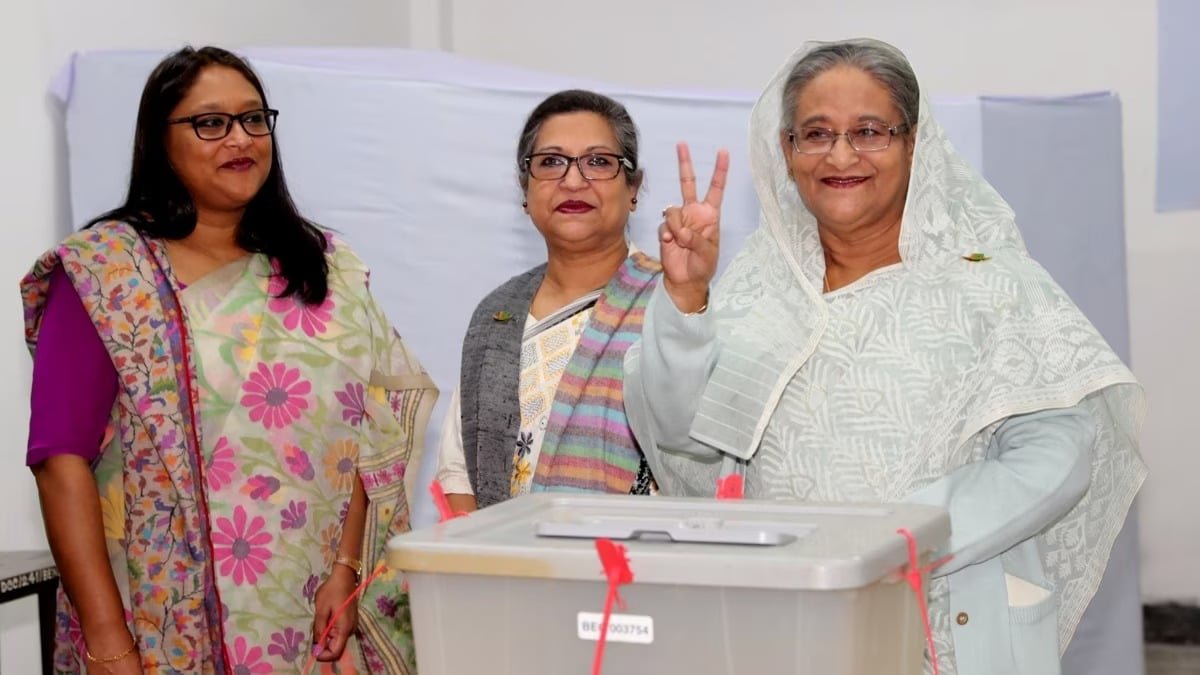
    Hasina Wajid, who has a tight control over the South Asian nation since coming to power in 2009, has been accused of human rights violations, obliteration of press freedom, suppression of dissent and the jailing of critics, including many supporters of the main opposition Bangladesh Nationalist Party (BNP).

    The BNP has been calling for Hasina to step down and for the next election, due in January 2024, to be held under a neutral caretaker government, a demand her government has rejected.

  • Despite fantastic win in Bangladesh, Pakistan’s U-19 coach still unhappy

    Pakistan U-19 team has scored a tremendous win in Bangladesh despite the team’s head coach Sabih Azhar saying that young players need a lot of improvement.

    Pakistan’s U-19 squad returned home from Bangladesh on Thursday after a memorable tour, winning in all three formats — one-off four-day match, One-Day series and a single T20 against their Bangladesh counterparts.

    LThrashing Bangladesh in their backyard is not a piece of cake, however Sabih feels like that there is still room for betterment.

    “It was not easy to beat Bangladesh in their own backyard. I am satisfied with the team’s achievement but this does not mean we relax. There are still some areas which the coaches have marked and there is still room for improvement in that,” Sabih said in a statement.

    “We are looking ahead now with a focus on finding the best winning combination that consistently performs,” the coach added.

    “Before coming into the [Bangladesh] series, we not only worked on the players physically, but we also looked after the mental aspect of the game to prepare them for performing [well] at crucial junctures. We are fully focused on doing well at the 2024 ICC U-19 World Cup, even though there is still time for the event.”

  • Daraz Group to reduce 11% workforce in response to challenging market conditions

    Daraz Group to reduce 11% workforce in response to challenging market conditions

    Daraz Group, an e-commerce subsidiary of Alibaba Group, will be reducing its workforce by 11 per cent in response to the challenging market conditions.

    The CEO, Bjarke Mikkelsen, noted the adverse impact of a war in Europe, significant supply chain disruptions, rising inflation, heightened taxes, and the elimination of crucial government subsidies on the company’s operations, which are in Pakistan, Bangladesh, Sri Lanka, and Nepal.

    Daraz, which was founded in Pakistan in 2012 and acquired by Alibaba in 2018, is the largest e-commerce platform in Pakistan and serves over 100,000 SMEs in the country.

    According to Ehsan Saya, Managing Director of Daraz in the country, Pakistan remains the company’s largest market with the largest number of employees across its markets.

    He adds, “almost one-third of the staff in Pakistan is from regional teams which work with teams in Bangladesh, Nepal, Sri Lanka, Myanmar, Singapore, and China.”

    Ehsan Saya confirmed to Reuters that the 11 per cent reduction in the workforce of Daraz Group will also result in an equivalent cut in its workforce in Pakistan. The group did not provide further details regarding the specific number of employees affected and further details on the restructuring.

    In a letter, CEO Bjarke Mikkelsen stated that Daraz has been able to grow its active shopper base from three million in 2018 to over 15 million currently, with an average order growth of nearly 100 per cent until last year. The company reported having access to 500 million customers in 2021 and a workforce of 10,000 employees. In the past two years, Daraz has invested $100 million in Pakistan and Bangladesh.

  • Bangladesh’s GDP is expected to reach $1 trillion by 2040 due to a fast-growing consumer market

    Bangladesh’s GDP is expected to reach $1 trillion by 2040 due to a fast-growing consumer market

    Bangladesh is on track to have a $1 trillion economy by 2040, owing to consumer confidence, innovation in growing economic sectors, and a young, energetic workforce.

    According to a Boston Consulting Group (BCG) analysis released on Friday, the South Asian country has beaten rivals including India, Indonesia, Vietnam, Philippines, and Thailand with average annual growth of 6.4 per cent between 2016 and 2021.

    The domestic consumer market in Bangladesh is expected to expand to be the ninth-largest in the world. The survey also noted that between 2020 and 2025, a quickly growing middle class and wealthy class are expected to increase significantly, with a thriving gig economy supporting a workforce where the average age is only 28, according to Bloomberg.

    “The country could have easily been overshadowed by its neighbor to the northeast — China — or its continental cousin to the west — India — but in this region of economic powerhouses, Bangladesh stands tall,” BCG wrote.

    In 2015, Bangladesh moved up the income scale from poor to lower-middle income. Bangladesh’s GDP per capita is already larger than its neighbour, even though it is five years later than India. By 2031, the country hopes to reach upper middle income status.

    Some obstacles still exist. According to BCG, recent liquidity problems, as well as pressures from foreign exchange and inflation, could shorten growth. However, Bangladesh has made steps to prepare its $416 billion economy for a prosperous few decades, provided it keeps its average growth rate around 5 per cent.

    According to a BCG survey study, 57 per cent of respondents “continue to feel that, especially as the nation shifts to a skill-based economy, the next generation would have better lifestyles than themselves.”

    “Though the economy faces some near-term volatility, we are confident that this highly resilient economy will continue to demonstrate robust growth in the long term,” the report said.

  • ICC Super League: Pakistan advances to top 3

    ICC Super League: Pakistan advances to top 3

    After winning back-to-back matches against the Netherlands, Pakistan has moved up to the third place in the ICC Men’s Cricket World Cup Super League.

    According to the most recent ICC update, Pakistan has 110 points after 17 matches with a net run rate of +0.221. Pakistan has won 11 games and lost 6.

    In the second One-Day International, Pakistan beat the Netherlands by seven wickets.

    England and Bangladesh are on the top of the list with 125 and 120 points respectively. Each team receives 10 points for a victory, five points for a tie/no result/abandoned match and zero points for a defeat.

    The top seven teams and the host team India will automatically qualify for the World Cup 2023.

  • Pakistan to overcome $4 billion external financing gap soon: SBP

    Pakistan to overcome $4 billion external financing gap soon: SBP

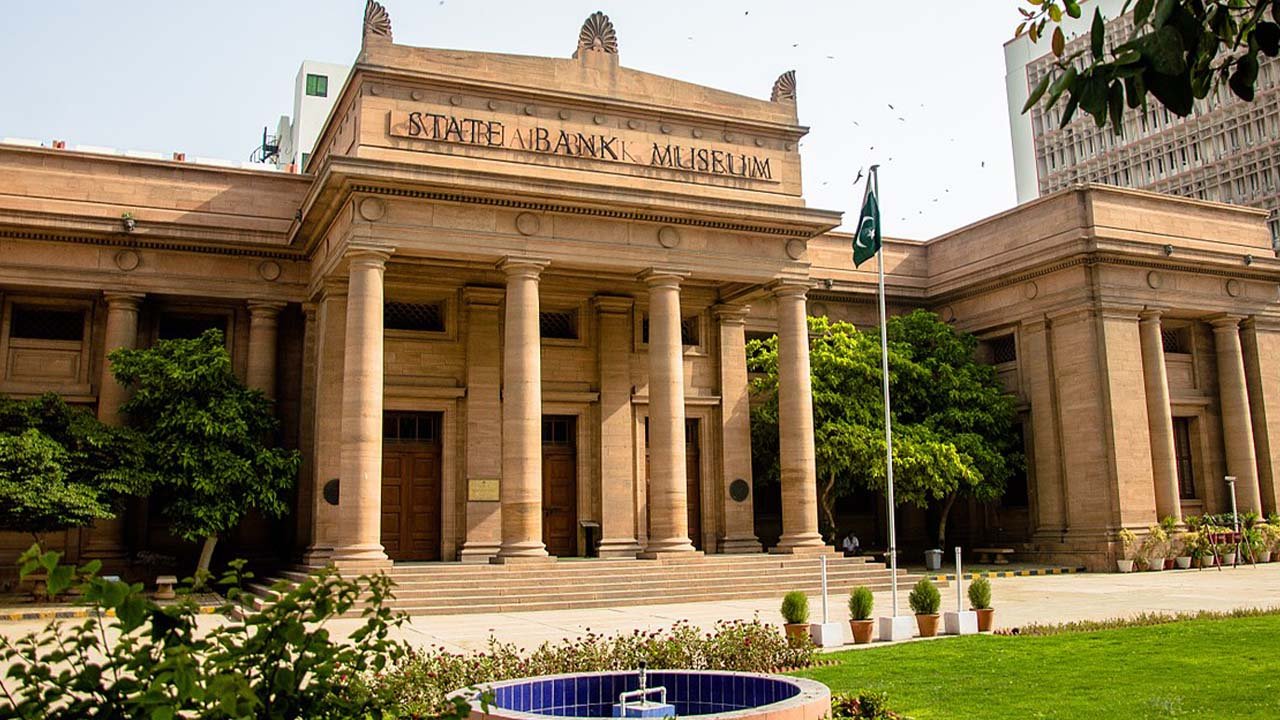
    In the midst of intense pressure on foreign currency reserves, Pakistan will soon close its $4 billion shortfall in external finance with the assistance of friendly nations under IMF conditions, according to Acting Governor of the State Bank of Pakistan (SBP) Dr Murtaza Syed.

    He also acknowledged that inflation will continue to be higher for the ensuing 11 to 12 months, which is why the central bank was aiming for an average inflation target of 18 to 20 per cent for the current fiscal year 2022–2023

    According to The News, acting SBP Governor Dr. Murtaza Syed stated that Pakistan has already met its gross external financing requirements of $34 to $35 billion.

    However, Islamabad is also attempting to secure confirmation of $4 billion in inflows from friendly nations like Saudi Arabia, the UAE, and Qatar. According to him, these extra dollar inflows will be used to boost foreign currency reserves and build a safety net in case of a crisis-like circumstance.

    He resisted providing a specific timeline but assured that the $4 billion finance deficit will be closed quickly. He argued that urgent attempts were being made by the government and IMF high-ups to secure confirmation from their respective nations.

    Denying that the scenario was similar to Sri Lanka, he praised Bangladesh and claimed that nation performed properly, chose to return to the IMF, and also increased utility costs while maintaining enough levels of foreign exchange reserves.

    Speaking of increasing inflation, he believed that supply interruptions abroad had set the way for a global super cycle of commodities, leaving Pakistan with no choice but to concentrate on agriculture productivity in order to secure food security.

    According to Murtaza Syed, people would have to deal with this challenging moment because there is no immediate magic wand to manage increased inflation. He said that while it is a challenging time, there is no alternative way to prevent the country from entering a more challenging situation if nothing was done.

    According to the official, the SBP has loosened the cash margin requirements for opening L/Cs for imports and offers incentives to individuals who do so. According to him, the IMF opposed trade restrictions and took action to prevent the depletion of foreign exchange reserves.

    The current pressure on foreign reserves is now anticipated to end within the next two months. He also promoted energy saving as a way to ease the burden of high import costs.

    The senior official believed that as long as the economy’s structural issues persisted, Pakistan will continue to see boom and bust cycles. He gave a recent example in which the nation’s GDP increased by 6 per cent, indicating that the overheating of the economy led to imbalances known as the budget deficit and current account deficit. Although a recession is not imminent, he continued, the economy must be managed carefully.

  • Pharmaceutical industry wants to raise drug prices by 25 per cent

    Pharmaceutical industry wants to raise drug prices by 25 per cent

    The government is given the deadline of June 30 to accept the pharmaceutical industry’s demands, or the cash-strapped sector will have no choice but to shut down.

    In order to prevent the collapse of the industry, Qazi Mansoor Dilawar, chairman of the Pakistan Pharmaceutical Manufacturers Association (PPMA), called for the refund of Rs40 billion that the government had collected as sales tax on the import of raw materials, the removal of the 17 per cent sales tax, and a 20 to 25 per cent increase in the price of medications during a press conference at the National Press Club.

    He also called for a 20 per cent increase in the maximum retail price (MRP). According to him, there is already a shortage of about 40 medicines on the market, and if immediate action is not taken, the shortage will grow alarmingly large.

    Dilawar claimed that the previous administration had pledged to refund the sales tax that had been imposed as a result of IMF pressure within 48 hours, but regretted that no mechanism had yet been established, preventing the refund of a significant Rs40 billion.

    The problem was made worse by a three-fold increase in the price of raw materials, a massive increase in freight costs, an increase in the price of fuel and electricity, and a drop in the value of the rupee. He added that 95 per cent of the raw materials used in the sector had to be imported.

    The president of the PPMA dismissed the notion that the industry was reaping huge profits by mentioning that many medications had costs that were higher than their retail prices.

    He asserted that about 70 per cent of Pakistani medications were less expensive than those found in India and Bangladesh.

    In response to a question, he stated that while there was much discussion about the increase in 600 drug prices after 13 years under the PTI government, there was little discussion of the decrease in 400 drug prices.

    The industry was not prepared to handle the challenge this time, according to the former PPMA chairman Qaisar Waheed, who also spoke about the recent increase in Covid-19 cases, particularly in Sindh.

  • UAE to ease covid-19 restrictions for Pakistanis travelling to Dubai

    UAE to ease covid-19 restrictions for Pakistanis travelling to Dubai

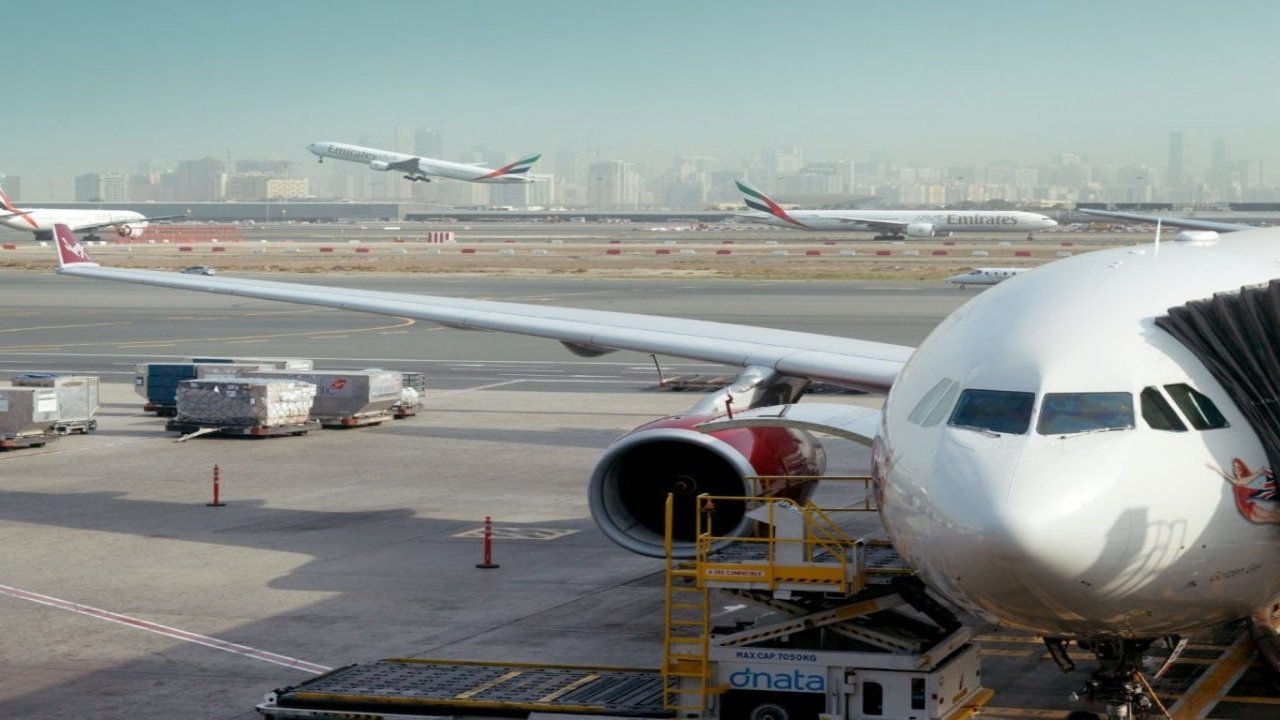
    The United Arab Emirates (UAE) is planning to ease Covid-19 travel restrictions for Pakistanis with regards to Covid-19 restrictions. Passengers travelling to Dubai will no longer be required to show reports of a rapid antigen test upon their arrival.

    Passengers arriving from Pakistan must have:

    • A valid negative COVID‑19 PCR test certificate with a QR code linked to the original report for verification purposes, for a test conducted within 48 hours. Validity should be calculated from the time the sample was collected, prior to departure from an approved health facility.
    • A rapid COVID‑19 PCR test report with a QR code for a test conducted at the departure airport within six hours of departure.

    There are specific requirements for passengers travelling to Dubai airport though. They still have to undergo another PCR test and quarantine, on arrival to the UAE until they test negative.

    Meanwhile, travelers transiting through Dubai won’t be required to show a negative PCR test unless it is mandated by their final destination. Passengers must also obtain a negative PCR test received within 48 hours.