Tag: BBC

  • More Afghans killed from American firing than blast at Kabul airport: Reports

    More Afghans killed from American firing than blast at Kabul airport: Reports

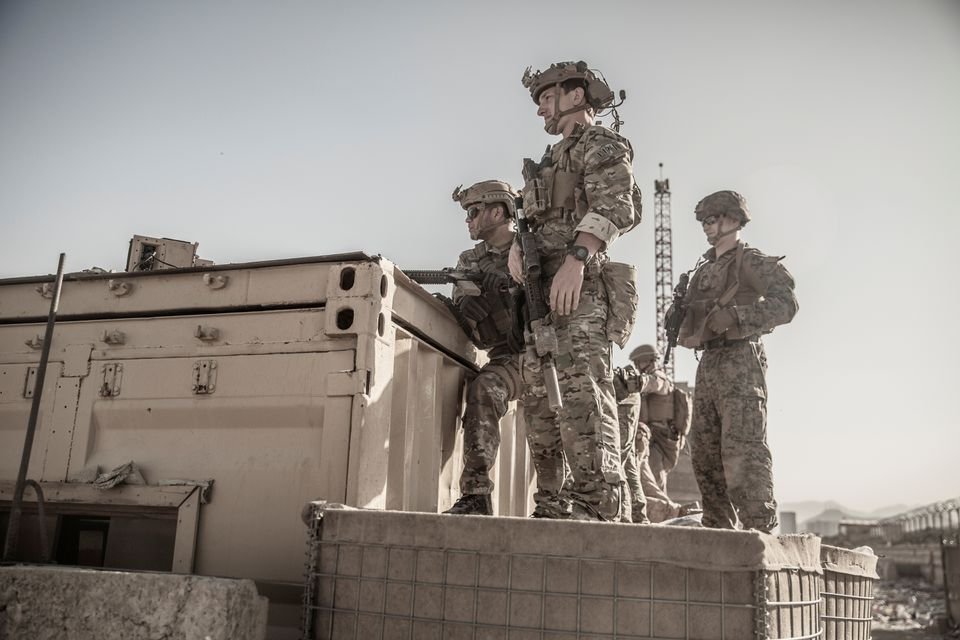
    A recent report by BBC has revealed that a significant number of those killed during the attack on Kabul airport were shot dead by the US forces in the panic after the blast.

    The Islamic State of Iraq and the Levant- Khorasan (ISIL/ISIS-K) group’s suicide attack on the Kabul airport on Thursday killed around 175 Afghans and 13 United States (US) troops.

    Journalist Secunder Kermani of BBC, sharing his special report on Twitter, wrote: “Many we spoke to, including eyewitnesses, said significant numbers of those killed were shot dead by US forces in the panic after the blast.”

    https://twitter.com/SecKermani/status/1431517279859224579

    In the video, an eyewitness said, “It was doomsday for us, I saw American soldiers and some Turkish soldiers, the fire came from the bridges, and towers from the soldiers.”

    Another eyewitness holding the identity card of his relative said, “He has served the US army for years, he wasn’t killed by Taliban, he wasn’t killed ISIS. He died from the shelling.”

    “How can you be so sure?” questioned Secunder.

    “Because of the bullet, it went right through his neck, he doesn’t have an injury.”

    American forces launched a drone strike in Kabul on Sunday targeting a suicide bomber in a vehicle who was aiming to attack the airport, US officials said, as the US nears the end of its military presence in the city.

    The strike is the second carried out by US forces in Afghanistan since a militant Islamic State (IS) group’s suicide bomber struck the airport on Thursday.

    US President Joe Biden was briefed on the rocket attack at the Hamid Karzai Airport in Kabul and was informed that operations at the airport were not interrupted, the statement said.

    “National Security Adviser Jake Sullivan and Chief of Staff Ron Klain have briefed the President on the rocket attack at Hamid Karzai International Airport,” it added.

    As many as five rockets were fired at Kabul’s international airport but were intercepted by a missile defense system, a US official told Reuters earlier.

    US and allied forces are hurrying to evacuate their remaining citizens and at-risk Afghans before completing their own withdrawal by Tuesday to meet a deadline agreed between the Taliban and Washington.

  • Did the BBC kill Diana?

    Did the BBC kill Diana?

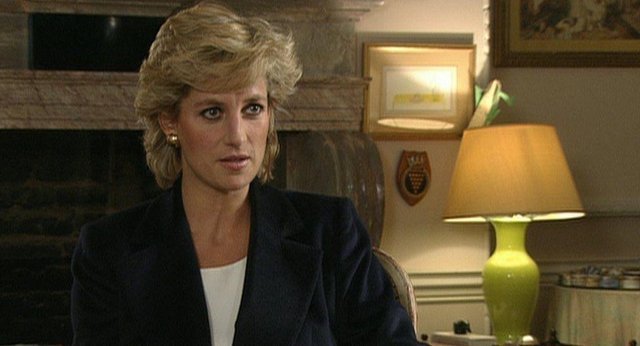
    It has now been established that the huge 1995 TV scoop that was the BBC interview with Princess Diana was actually obtained under false pretences. In that interview, which was watched all around the world, Diana shocked the world with her damning statements about her estranged husband and the royal family as well as her own admission of adultery.

    What has now emerged, following an independent inquiry report by former Supreme Court judge Lord Dyson, is that BBC Panorama’s reporter, Martin Bashir, secured the interview through lies and manipulation. Bashir got a BBC graphic designer to create false bank documents which appeared to show that certain people on both Princess Diana’s and her brother’s staff were being paid to spy on her. Bashir shared these (fake) documents with Diana’s brother Lord Spencer. Spencer told the Dyson Inquiry that in retrospect he realised that Bashir had in fact been ‘grooming’ him, getting him to believe these lies so that he would share them with his sister – which he did. But it was not just Bashir’s deceitful and unethical behaviour that has been criticised in this report: perhaps even more damning is the way the BBC dealt with allegations about the fake documents and basically did nothing, except penalise the whistleblower, i.e. the graphic designer who had approached senior managers with misgivings about what he had been commissioned to do.

    These revelations have considerably damaged the credibility and the reputation of the BBC; its detractors have been busy BBC bashing ever since the report’s findings were made public. The events in question – the interview and the BBC internal inquiry – took place a quarter of a century ago, yet they are now being discussed as if they were major catalysts of change and the triggers that unleashed the events that resulted in the tragic death of the Princess in a car crash in 1997.

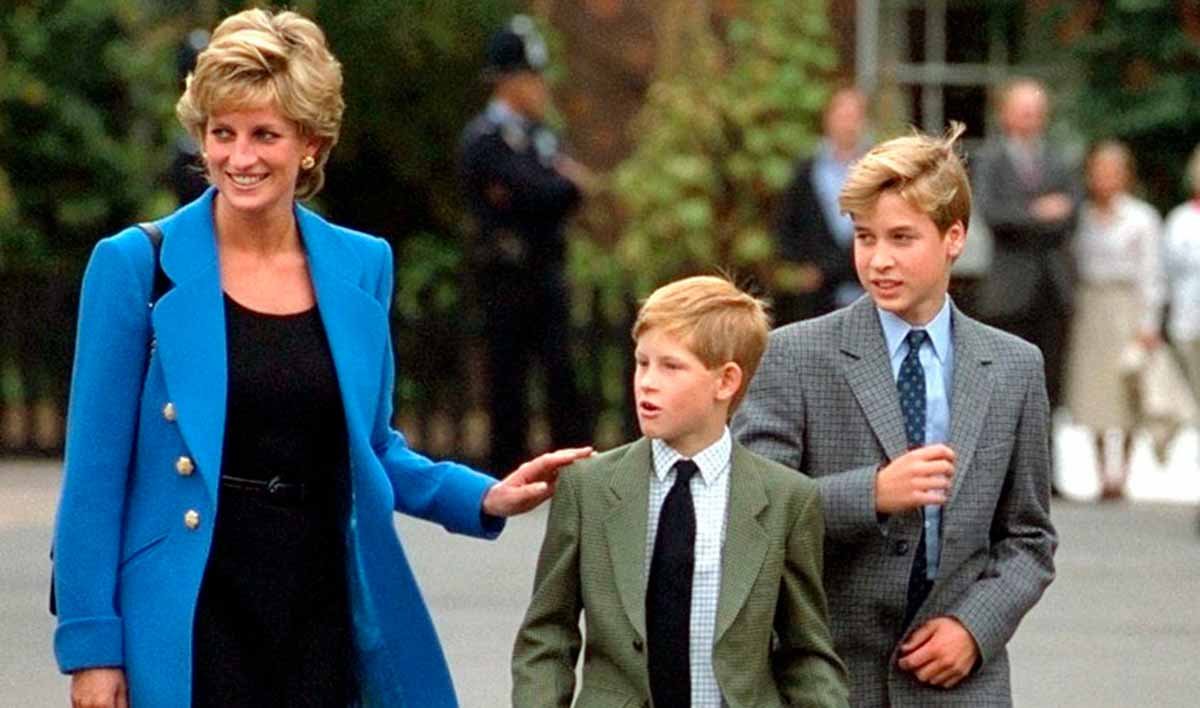
    This narrative is reinforced by the statements released by both of Princess Diana’s sons, who were aged just 15 and 13 at the time of their mother’s death. Prince Harry’s statement was not surprising since now that he has left the fold of the family firm and lives in the US, he shares his views and opinions freely via social media and TV but Prince William’s statement certainly was. Prince William made his statement on camera and expressed his “sadness” at knowing that BBC failings over the Panorama interview “contributed significantly to her fear, paranoia and isolation that I remember from those final years with her”. He also said that “the interview was a major contribution to making my parents’ relationship worse”.

    These claims are somewhat exaggerated. Charles and Diana separated in 1992 , the book ‘Diana: Her True Story’ in which she had told her story (in great secrecy) to Andrew Morton was published in 1992 and in 1994, the year before Princess Diana did the Panorama interview, Prince Charles had already done a similar ‘my side of the story’ TV interview with Jonathan Dimbleby in which he admitted to adultery adding that he had only strayed when his marriage “had irrevocably broken down”. Given this chronology, it is hardly as if it was the Panorama interview that destroyed their marriage. What it did do, however, is result in a downgrade of the Princess’s status and hence her security ­– once the interview aired, the Queen instructed the couple that if things were so bad, they needed to get a divorce. (The Queen didn’t issue a statement but presumably she thought that this endless washing of dirty linen in public needed to stop).

    The Wales’s marriage was already on a course set for irreconcilable differences, so their son’s indictment of the interview in this regard seems unfounded. No matter how reprehensible and unethical Bashir’s tactics were in securing this scoop, he cannot be held solely responsible for Diana’s paranoia and isolation – he cannot be a whipping boy for the misery or insecurity of the Princess.

    But as disturbing as the forgery and lying of the reporter is, even more disturbing is the behaviour of those BBC professionals who should have taken action. Even though Princess Diana put it in writing that she had consented to give the interview “without any undue pressure” and that Bashir “did not show me any documents, nor give me any information that I was not previously aware of”, BBC editors and managers knew that all was not okay as they had been alerted to the matter and their resulting inquiry was completely inadequate. In fact, it was like nearly all BBC inquiries are: the matter is ‘dealt with’ so that at the end of the day culprits are not penalised; in fact they are usually rewarded. That inquiry was from 1990s but here is an example from 2015: a young BBC journalist, Ahmen Khwaja, tweeted that the Queen had died. Word spread like wildfire internationally, the tweet was picked up by news outlets all over the world (after all it was coming from a BBC staffer). It turns out that Khwaja had seen the news on screens prepped for a routine royal obituary rehearsal and tweeted it without bothering to check or confirm it. Although the BBC Trust decided that the death tweet was a “serious breach of guidelines”, the staffer responsible was moved to a better position working in TV news. Serious breach? The mind boggles.

    Today, the BBC is in the dock and its journalism is being discredited – the Beeb’s detractors are having a field day. But even though there were failings in this particular case and the management of the BBC has a lot to answer for in the way it has betrayed its hardworking journalists over the decades, it must be said that the BBC was not responsible either for the death of Princess Diana or for the woes of the royal family. And for those worried about the state of journalism in general: please reflect on the implications of Prince William saying that he thought that “this Panorama programme should never be aired again”.

    Sounds a lot like censorship to me. Rather disturbing.

  • William, Harry lash out at BBC for ‘commercializing a false narrative of their mother’

    William, Harry lash out at BBC for ‘commercializing a false narrative of their mother’

    Prince William has lashed out at BBC for contributing to his mother’s “fear, paranoia and isolation” shortly before her unfortunate death. William’s comments came shortly after an independent investigation concluded that journalist Martin Bashir tricked princess Diana into giving an explosive interview in which she lifted the lid on her troubled marriage to Prince Charles.

    In a video message, the Duke of Cambridge accused the media outlet of “commercializing a false narrative of his mother” and expressed outrage over their exploitative behaviour.

    “What saddens me most, is that if the BBC had properly investigated the complaints and concerns first raised in 1995, my mother would have known that she had been deceived. She was failed not just by a rogue reporter, but by leaders at the BBC who looked the other way rather than asking the tough questions,” said the prince.

    ‘It is my firm view that this Panorama program holds no legitimacy and should never be aired again. It effectively established a false narrative which for over a quarter of a century, has been commercialized by the BBC and others,” added William.

    William also accused BBC of poisoning Diana’s relationship with husband Prince Charles.

    “It is my view that the deceitful way the interview was obtained substantially influenced what my mother said. The interview was a major contribution to making my parents’ relationship worse and has since hurt countless others,” said the heir-to-the-throne.

    “It brings indescribable sadness to know that the BBC’s failures contributed significantly to her fear, paranoia and isolation that I remember from those final years with her.”

    Meanwhile, William’s brother Harry, who quit royal life last year, said the inquiry report was “the first step towards justice and truth” but that the deceptive practices exposed were still widespread today — and had played a part in his mother’s death.

    “The ripple effect of a culture of exploitation and unethical practices ultimately took her life,” he added.

    “Our mother lost her life because of this, and nothing has changed. By protecting her legacy, we protect everyone and uphold the dignity with which she lived her life. Let’s remember who she was and what she stood for,” added Harry in his statement.

    Harry’s comments echoed those of Diana’s brother Charles Spencer, who earlier blamed the fallout from the 1995 interview for contributing to her death nearly two years later.

    “She didn’t know who to trust and in the end, when she died two years later, she was without any form of real protection,” Spencer said.

    Questions have long been asked about how Bashir convinced Diana to talk on the BBC’s flagship Panorama programme in November 1995, which was watched by a record 22.8 million people and won a string of television awards.

    In it, she famously said, “there were three people” in her marriage — her, Charles and his long-time mistress and now wife, Camilla Parker-Bowles — and also admitted adultery.

    Bashir, now 58, was little-known at the time of the interview but went on to have a high-profile career on US television networks, and interviewed stars such as Michael Jackson.

    He returned to work for the corporation as religion editor until he stepped down last week, citing ill health, just hours before Dyson’s report was submitted to BBC bosses. However, he issued a statement saying that he “remains proud of the interview” which has been used to “overshadow Princess’s struggles”.

    BBC Director-General Tim Davie also issued a public apology saying: “While the BBC cannot turn back the clock after a quarter of a century, we can make a full and unconditional apology. The BBC offers that today.”

  • Amir Khan no longer cheats on his wife because he’s an ‘old man’

    Amir Khan no longer cheats on his wife because he’s an ‘old man’

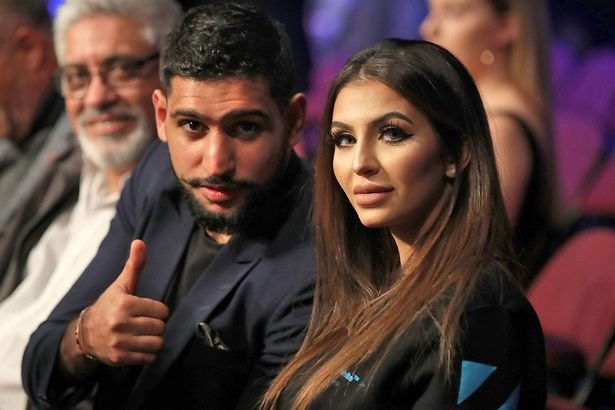
    British-Pakistani boxer Amir Khan and Faryal Makhdoom have got their own Kardashian-style show: a BBC Three documentary titled Meet The Khans: Big In Bolton, in which the couple gave fans a sneak peek into their lives and relationship.

    During the show, Faryal reportedly said that Amir no longer cheats on her because he’s an “old man” now.

    “We’ve been through hell and back,” said Faryal, while talking about the various scandals over the year. It is pertinent to mention here that Amir has been accused of cheating more than nine times.

    “He was never able to enjoy his youth because of all his hard work, so he never really got it out of his system. He’d get caught in the wrong places,” said Faryal while explaining the reasons behind her husband’s infidelity.

    “We’ve moved on. The past is the past, we were young, we grew up together – the bad and the good,” she said further, adding: “Amir was so famous and so young when I first started dating him and married him, and now it’s like… he’s an old man!”

    The social media influencer further said that labels like “gold-digger” and “doormat” deeply upset her.

    Agreeing with Faryal, Amir said: “It changes with time. When you have three kids, it changes your responsibilities. I’ve had that crazy life before, now I’m a changed man.”

    Meanwhile, during an in-camera therapy session, Faryal, in between tears, tells her therapist: “My relationship still gets judged for what I’ve been through. A lot of people have ups and downs – the only difference is my marriage is quite public. I married a celebrity.”

    Faryal and Amir’s real life has been nothing short of a reality series marked with a long feud with the in-laws followed by an emotional reunion, cheating allegations, extramarital affairs and public scandals. The couple has three kids, Lamaisah aged 6, Alayna aged 2 and Muhammad Zaviyar aged 8 months.

    Amir is also no stranger to reality tv – he has also taken part in I’m A Celebrity Get Me Out of Here, Countdown, Beat the Star, Who Wants to Be a Millionaire and Celebrity Juice.

  • Bun Kebab: ‘Pakistan’s most beloved street food’

    Every morning before sunrise in Karachi, Pakistan, while the city is largely asleep, Abdul Ameen ducks through a tunnel and crosses dilapidated railway tracks to the more affluent side of town. Here, parked strategically between a mosque and a marketplace, his pushcart awaits him.

    An incandescent bulb illuminates him as he stacks shami kebab (ground beef-and-lentil patties) brought from home in columns behind glass panes. Next, he forms cascading towers of onion rings, lettuce and thickly sliced tomatoes. Working with almost flamboyant grace, it’s evident his routine has been perfected over the past 30 years.

    By the time the first call to prayer, Fajr, is made (traditionally, when there’s enough daylight to distinguish between white and black thread), he’s already dipping into his 16kg canola oil dabba (a rectangular tin bucket) and warming up his giant cast-iron griddle. Over the next few hours, a donkey cart owner, sleepy office workers, domestic helpers and an armed entourage of personal guards all stop by Ameen Burgers to purchase their greasy bounty wrapped in brown paper.

    But despite the name of his stall, Ameen is not selling burgers.

    Bun-kebabs, widely considered the most beloved Pakistani street food, are thin shami kebab or potato patties in fluffy, milky buns with tangy chutney and crisp vegetables. Optional fried eggs add an extra protein hit. The combination of explosive South Asian flavours, chutney-drenched buns and vegetarian options create a starkly different culinary experience from that of a burger. Ubiquitously available at kiosks and small shops or peddled on pushcarts throughout the country, they are generally sold for between 50 and 120 Pakistani rupees (£0.23-£0.55), depending on the neighbourhood. Some consider them Pakistan’s affordable (and zestier) answer to burgers

    Potato bun-kebabs have long been staples at school canteens, and travellers in Pakistan will see women perched on wooden benches feasting on them in crowded shopping plazas. They’re accessible enough to grab for a quick bite, but not so heavy – on the pocket or the stomach – to require serious investment.

    For many Pakistanis, bun-kebabs are intertwined with nostalgic family memories, often representing a first experience of eating out or getting a takeaway. Osamah Nasir, who founded the Karachi Food Guide in 2013, remembers first eating bun-kebabs during load-shedding (power outages) at his maternal grandmother’s house when he was a child, where nearly a dozen of his cousins spent lazy Sunday afternoons. “In less than 100 Pakistani rupees (£0.46), we’d all be fed,” he said.

    Pinpointing a definitive moment in history when bun-kebabs originated is difficult. Some consider them Pakistan’s affordable (and zestier) answer to burgers, especially because of the unique phenomenon of bun-kebab stalls positioned right outside fast-food franchises. Others, like Haji-Adnan, the third-generation owner of an unnamed bun-kebab stall in Burns Road (a food street in Karachi) think they came about in the 1950s. Haji-Adnan believes his grandfather, Haji Abdul Razzak, introduced them as a mess-free, to-go option for bustling workers in the city centre in 1953 before fast food joints started proliferating across Pakistan’s cities.

    Fahad Bhatti, the founder of A-Lister Mister, Pakistan’s first men’s interest e-magazine, traces their origin to the then-newly partitioned subcontinent’s shared heritage. “They started out as vada pav [spiced potato patties in bread buns accompanied by chutney]… They’ve since been evolving… with non-vegetarian options added for our meat-eating nation,” Bhatti said.

    Today, vendors experiment with their own spins on the iconic bun-kebab – including sliced beetroot and more expensive fillings like hunter beef (a Pakistani version of dried, salted meat similar to corned beef). Some even offer deconstructed versions. But while spiced potato patties or shami kebabs remain favourites of the roadside staple, the patty is not the sole star of the dish.

    Mr Burger, Pakistan’s first burger joint, was created in 1980 when McDonald’s and Burger King deemed the nation not ready for burgers. Adamant to maintain a difference from the local bun-kebab, the creators of the newly introduced burgers viewed condiments and vegetables as frills, instead focusing on perfecting the beef patty and using a “secret sauce” instead of chutney. For bun-kebab vendors such as Ameen, though, these “frills” are necessities – forming the essence of the taste at a fraction of the cost. Instead of juicy cuts of meat, the delectable flavour often comes from simple spice-infused combinations such as coriander, cumin and green chilli, mixed into the patty or ground in the tamarind chutney.

    It is, proudly, a poor man’s burger.

    Bun-kebabs act as universal levellers, even in the polarised opposite sides of town. “Clifton Bridge in Karachi has long served as an infamous symbol of socio-cultural divide,” explained Nasir, referencing a common Urdu saying: “Pull ke us paar, pull ke is paar” (That side of the bridge; this side of the bridge). “The ‘affluent’ side has most high-end eateries. But bun-kebabs? They’re everywhere,” he said.

    They’re one of the last vestiges of local street food without upscale, gentrified versions (unlike “artisanal” chaiNutella-slathered parathasand overpriced chickpea chaat – all dressier, more expensive counterparts to Pakistani street food).

    But in 2019, McDonald’s replicated the beloved “anday-waala burger” (a bun-kebab with egg). Describing it as an “eggcelent fusion of Desi taste”, McDonald’s did attempt to pay tribute to the indigenous roots of the dish, wrapping it in newspaper packaging designed to look like that of bun-kebabs. It was almost as if the trend had come full circle, with the very chain that deemed a nation not ready for burgers changing its menu to cater to local tastes.

    But the “Bun Kabab Meal”, retailing at 250 Pakistani rupees (£1.15) (which is at least three times the price of a roadside anday-waala burger), left some Pakistanis outraged. Others offered two-star ratings, mainly put off by the missing dhaaba (roadside cafe or food stall) experience.

    Curious to find out why locals see the anday-waala burger as being unreplicable, I spoke to Qalander Ali, the second-generation owner of Super Nursery Burgers, an established bun-kebab shop in Karachi. Operational since 1977, it sells a whopping 300 to 400 bun-kebabs daily, with locals and travellers flocking here for the perfectly spiced and tangy chutney.

    According to Ali, the food resists mass-production because labour-intensive steps (such as shaping the sticky patty by hand, dipping it in whipped egg whites immediately before frying, intentionally “smooshing” the egg yolk for fried eggs, greasing the bun on all sides and even slicing the buns as they don’t always come pre-halved) make preparing bun-kebabs ahead of time tricky.

    And even if McDonald’s did manage to distil the taste, the roadside experience is unique and resists standardisation. “When I saw the McDonald’s version of my local favourite, I wasn’t just upset. I was triggered,” said Nasir. “Part of the enduring charm of the bun-kebab is being able to experience it – to smell it – to see the artisan add his little flairs and endlessly customise it,” he explained.

    To many, it felt almost dehumanising to see this idiosyncratic form of self-expression reduced to a mass-produced assembly line. It also felt like an infringement on cultural territory. “I get my McFlurries and Happy Meals from you. Don’t do bun-kebabs,” Nasir said.

    The commodification of the beloved staple may have evoked such strong responses because in Pakistan, the terms “burger” and “bun-kebab” aren’t used just for food. They’re identities.

    “Burger” is a colloquial term for the urban elite that was conceived and popularised by Pakistan’s “King of Comedy”, Umer Sharif. As consumers of imported food, “burgers” are believed to have values aligned more with the West than their own country, and are viewed as part of a demographic that speaks English well, has foreign exposure and is privileged with access to resources. At times, “burger” is used pejoratively, akin to “spoiled”, or “Mama’s boy”.

    But with burgers’ illustrious rise to fame, a homegrown bun-kebab’s identity emerged almost in antithesis. The bun-kebab is what the burger is not: rooted in, not removed from, reality; and owned rather than mocked. As one Pakistani wrote in an article in The Express Tribune, “Dear burgers, I am a bun kebab, and proud of it.”

    However, with time, it seems that the distinction, especially at a linguistic level, is becoming increasingly blurred. As another Pakistani put it, placing a nation’s identity between two slices of bread is a baffling predicament, especially when the terms start being used interchangeably for the food itself. Colloquial slang surrounding the street food fuels the debate. For example, the practice of referring to bun-kebabs – the food – with the tacked on “waala” (Urdu for the one/the one with) implies both familiarity and mystery. “There’s this underlying assumption that you don’t exactly know what goes into the bun-kebab. And that’s the beauty of it,” said Rashid.

    A chicken or beef burger is simply “chicken” or “beef”, whereas “anday-waala”, “daal-waala” or “aloo-waala” bun-kebab (the one with eggs, lentils or potatoes respectively) are the customary orders people place, often with a knowing smile. When Pakistanis ask for “the bun-kebab with…”, they’re asking for more than a snack. They’re asking for an experience – Pakistani-waala.

    In their oily paper packaging, bun-kebabs might get squished. They defy mass-production and don’t offer slick fodder for pretty food-porn.

    But bun-kebabs are unpretentious. They’re home.

    This story is written by Aysha Imtiaz and was originally published in BBC- Travel.
  • ‘Not just one’: How many properties does Dar have?

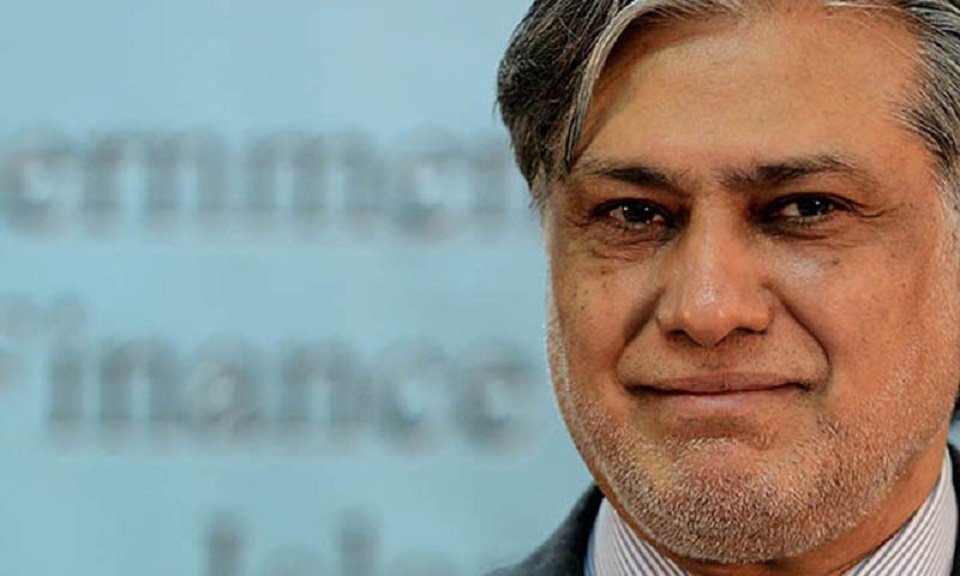
    Pakistan Muslim League-Nawaz (PML-N) leader Ishaq Dar doesn’t own just one property as claimed by him in a BBC News show.

    The politician, who is in self-imposed exile for three years now after graft charges were brought against him, owns at least 20 properties in and outside Pakistan. According to the NAB documents and government officials, the N-League senior leader owns a house in Lahore in addition to seven plots.

    In Islamabad, the former finance minister owns six acre of land, three plots in AlFalah Housing Society, and two plots in Parliamentarian’s Enclave. He also has a plot in the Senate Cooperative Housing Society.

    He also has six bank accounts on his name.

    Dar and his wife Tabassum Ishaq have three land cruisers, two Mercedes and one corolla in their name.

    During the interview, Dar had claimed that his sons owned a villa in Dubai, but NAB says that Dar also owns two apartments in the United Arab Emirates as well as two luxury vehicles. He also has investments in two companies in Pakistan and three abroad.

    DAR ON HARDTALK:

    Dar, who is in a self-imposed exile after corruption cases were filed against him, appeared on BBC News to talk about corruption charges, PML-N fight against the government, and NAB.

    During the show, the host asked Dar: “Is it your contention that the National Accountability Bureau (NAB) has no integrity? To this, Dar responded that NAB has lost its integrity. “It is an institution that has been used against political opponents.”

    Dar said the prime allegation in the Panama Papers Joint Investigation Team report on which the Supreme Court directed NAB to file a reference against him was that he didn’t file his tax returns in Pakistan for 20 years i.e. 1981-2001. Dar said as a chartered account, he had never missed filing his tax returns while living in the UK and North America, as he called these “blatant allegations”.

    At this the host asked Dar about the number of properties owned by his family. The PML-N leader responded, “It’s all in my tax returns.”

    Upon the insistence of the host, he said: “I have my main residence in Pakistan which has been taken over by this regime… I haven’t got too many properties.”

    “How many properties do you and your family own,” the host asked him again. At this, Dar said: “One.” At this, the show host asked him about the news reports in the Pakistan press that claim that the former PML-N minister owned multiple properties in and outside Pakistan. “You are sitting in London and you don’t own anything here,” the host asked Dar.

    Dar responded that he doesn’t own any property in London or anywhere else as claimed by the media reports.

    However, he went on to admit that his sons recently acquired a villa in Dubai. “They are adult and are in the business for the past 17 years,” he clarified.

    Dar, 69, is currently in London, “undergoing medical treatment”. He is absconding from several cases in Pakistan since 2017 and has been declared a proclaimed offender by the courts. He is facing charges of accumulating assets beyond known sources of income.

  • Fact Check: Dozens of people have died in NAB custody

    Fact Check: Dozens of people have died in NAB custody

    Claim: Several people have died under NAB custody

    Fact: At least 12 people who died in NAB custody have been reported on by mainstream media

    Pakistan Muslim League-Nawaz (PML-N) leader and former finance minister Ishaq Dar has not only claimed that dozens of people died in the custody of the National Accountability Bureau (NAB) but also told HARDtalk presenter Stephen Sackur to “Google it”.

    Speaking to BBC, he brought the journalist’s attention to the human rights condition in Pakistan. “What’s happening in Pakistan… dozens of people have died in NAB custody.”

    When Sackur asked him if he was claiming that people had died during detention by NAB, Dar reiterated his claim and told the presenter to head to Google to verify it.

    https://twitter.com/WaraichHaider/status/1333666178250788864

    But is there any truth to the claims made by the ex-finance minister?

    Amid conflicting reports, NAB maintains that not even a single person has died in its custody, at least not because of torture and in recent times.

    One of the most recent cases remains that of the former chief executive officer (CEO) of the University of Sargodha’s Lahore campus, Mian Javed Ahmed, who was in Camp Jail in connection with a NAB inquiry.

    He died in prison reportedly of cardiac arrest in late 2018. With pictures of his dead body still in handcuffs sending shockwaves across the nation, NAB said the teacher was not in the bureau’s but in judicial custody.

    Earlier in 2004, the then NAB chairperson had ordered an inquiry into the death of a former divisional engineer of PTCL, Agha Mohammad Sajjad, who died in NAB custody.

    A NAB spokesperson had said the former PTCL official who was taken into custody on the charges of corruption from Lahore was brought to NAB police station, where he suffered a heart attack. The official died on the way to hospital, he had said and rejected allegations that the death was caused by torture.

    Former Pakistan People’s Party (PPP) senator Sehar Kamran, however, says that “NAB custody is worse than the United States’ (US) infamous military jail, the Guantanamo Bay Detention Camp”.

    The scattered data of alleged rights violations by NAB was compiled by Kamran in a brief she reportedly sent to Federal Human Rights Minister Shireen Mazari among other authorities concerned earlier this year.

    According to the brief, 11 NAB suspects, minus Mian Javed, have lost their lives while in custody or “as a direct result of the harassment by the agency”.

    Aslam Masood

    Aslam Masood, the chief financial officer (CFO) of Omni Group, was arrested through Interpol when he was boarding a flight from London to Jeddah in October 2018. He was subsequently extradited to Pakistan from Saudi Arabia in February 2019. He died of a cardiac arrest on August 17, 2020 while in NAB custody.

    Engineer Aijaz Memon

    Aijaz Memon, an executive engineer serving in Sindh government’s Works and Services Department, was accused of misappropriation of Rs90 million development funds for Jacobabad. He was kept in the Sukkur Central Prison, where he suffered a heart stroke, and passed away during treatment at the local Civil hospital on May 31, 2020, less than three months after being placed in NAB custody.

    Advocate Zafar Iqbal Mughal

    Advocate Zafar Iqbal Mughal was a leader of Pakistan Tehreek-e-Insaf (PTI) and district bar member from Layyah. He was detained by NAB authorities on October 11, 2019, in a bogus housing scheme case (a non-registered housing colony on 254 acres in Layyah). He remained in NAB custody for 86 days and after severe deterioration of health, he was transferred to the hospital only four days before death. He died in NAB custody on January 6, 2020, a few days before his hearing scheduled for January 17, 2020.

    Raja Asim

    Raja Asim was arrested in the stock exchange corruption case on March 26, 2014. After five years in custody without sentencing, his case remained inconclusive, while other accused individuals in the same cases were not pursued. Due to delayed provision of healthcare/medication for
    pneumonia, Raja Asim passed away in NAB custody at the age of 42. His death was declared after a delay of five days.

    Brigadier (r) Asad Munir

    Former Military Intelligence officer and prominent defense analyst Brig (r) Asad Munir committed suicide after the emergence of media reports that NAB had decided to file a reference of abuse of office against him. His body was found hanging from a ceiling fan in his apartment in Diplomatic Enclave on March 16, 2019.

    He left a suicide note, addressed to the chief justice of Pakistan (CJP), seeking action against NAB’s conduct against those who have not even been convicted.

    Muhammad Nasir Sheikh

    Muhammad Nasir Shaikh, additional director (land) of KDA was arrested by NAB on November 27, 2015, for alleged China-cutting and land grabbing. With his death in April 2019, he became the second KDA official held without prosecution and to pass away in custody.

    Professor Dr Tahir Amin

    Professor Dr. Tahir Amin, a renowned educationist, international relations expert and the vice chancellor of Bahauddin Zakariya University (BZU) Multan was accused of nepotism and financial malpractice. NAB chief initiated a probe against him on the complaint of a former colleague. Under tremendous stress, he also made an abortive attempt to commit suicide and later died of a heart attack on April 5, 2019.

    Qaisar Abbas

    Qaisar Abbas was arrested in Nandipur Power Project Case on August 30, 2018, he was shifted to the Punjab Institute of Cardiology (PIC) after complaining of chest pain. He passed away on October 1, 2019.

    Chaudhry Arshad

    Chaudhry Arshad, chairperson of Members Welfare Committee of Ministry of Commerce Employees Cooperative Housing Society (MOCECHS), was arrested by the anti-graft watchdog over charges of corruption allegedly leveled by corrupt officials with nexus of land mafia.

    According to reports, Chaudhry Arshad was under severe pressure to sign documents in a bid to occupy the housing society when he suffered a heart attack and passed away on August 7, 2018.

    Muhammad Saleem

    Muhammad Saleem, deputy director (revenue) of the Lahore Development Authority (LDA) was apprehended by NAB in September 2017 in connection with LDA commercialisation fee corruption case on the basis of an anonymous complaint.

    Despite suffering from liver disease, he was sent to Camp Jail on judicial remand by an accountability court. When his health deteriorated, he was shifted to Services Hospital where he died in NAB custody on December 24, 2018.

    Abdul Qavi Khan

    Abdul Qavi Khan, another KDA officer was arrested on November 27, 2015, he was accused of illegal construction and sale/purchase of plots in a housing scheme named “University Hill Villas”. He died under mysterious circumstances at Central Jail Karachi.

    “NAB’s little respect for human rights is widely known. The extent to which human rights are violated by NAB can only be established by documentation, a process in which this institution is obviously not interested. Surprisingly, NAB victims too have not attempted a record-based assessment of this important institution’s performance. In this situation a fact sheet prepared by former senator Sehar Kamran can only be welcomed. The first shocking fact presented in this report is that NAB is allegedly responsible for causing 12 deaths,” writes human rights champion IA Rehman.

    VERDICT: TRUE

  • Mahira Khan, Dr Sania Nishtar among BBC’s ‘100 women of 2020’

    Mahira Khan, Dr Sania Nishtar among BBC’s ‘100 women of 2020’

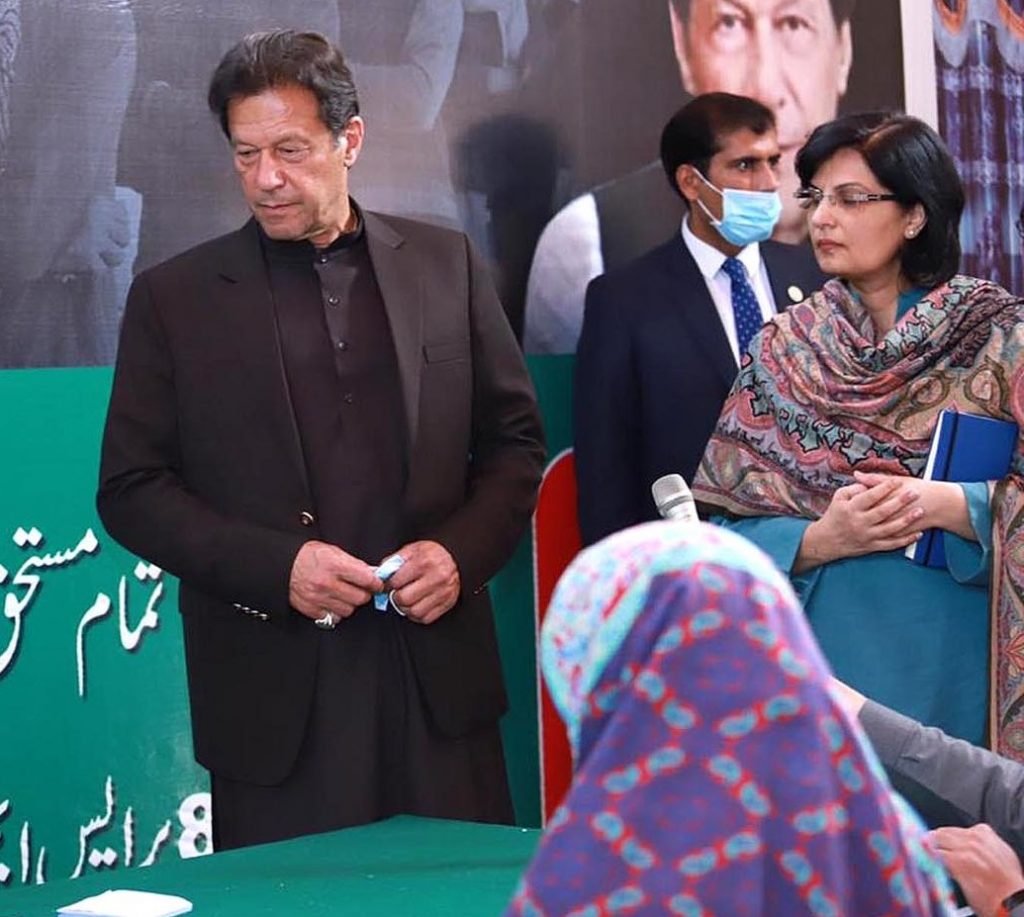
    A proud moment for Pakistan as Special Assistant to the Prime Minister (SAPM) on Poverty Alleviation and Social Protection Dr Sania Nishtar and Mahira Khan make it to BBC’s 100 women of 2020 list.

    According to BBC, the list includes “100 inspiring and influential women from around the world for 2020”.

    “This year 100 Women is highlighting those who are leading change and making a difference during these turbulent times,” said the publication.

    Writing about Mahira, BBC said: “Mahira Khan is no ordinary actress – she is outspoken against sexual violence, refuses to endorse skin-lightening creams and supports the fight against racism. She wants to tackle social issues in her native Pakistan by changing the narrative in films and on TV.”

    “Mahira is a national goodwill ambassador for the United Nations High Commissioner for Refugees, raising awareness of the plight of Afghan refugees in Pakistan. She’s been a firm favourite with audiences ever since starting out as an MTV video jockey (VJ) in 2006. Mahira is also a devoted mother to her 11-year-old son,” it added.

    Mahira Khan with son Azlan

    Similarly, talking about Dr Nishtar, BBC wrote: “Dr Sania Nishtar is a leader in global health and sustainable development. Since 2018, she has been spearheading the transformative Ehsaas Poverty Alleviation programme, which has improved the livelihoods of millions of Pakistanis by providing mobile banking and savings accounts, and other basic resources.”

    “As SAPM on Poverty Alleviation and Social Protection, Sania has helped to empower the masses by taking the necessary first steps toward the development of a welfare state in Pakistan.”

    Explaining the process behind the selection, BBC stated: “The BBC’s 100 Women team drew up a shortlist based on names gathered by them and suggested by the BBC’s network of World Service languages teams. We were looking for candidates who had made the headlines or influenced important stories over the past 12 months, as well as those who have inspiring stories to tell, achieved something significant or influenced their societies in ways that wouldn’t necessarily make the news. The pool of names was then assessed against this year’s theme – women who led change – and measured for regional representation and due impartiality before the final names were chosen.”

    The list also includes Sanna Marin, who leads Finland’s all-female coalition government, Michelle Yeoh, star of the new Avatar and Marvel films and Sarah Gilbert, who heads the Oxford University research into a coronavirus vaccine. Meanwhile, one name on the list has been left blank as a tribute to countless women “around the world who have made sacrifices to help others”.

  • Prince William welcomes new investigation into Diana’s explosive BBC interview

    Prince William welcomes new investigation into Diana’s explosive BBC interview

    Prince William has “tentatively welcomed” an independent investigation into the circumstances surrounding a BBC interview in 1995 with his mother, Princess Diana, royal officials said on Thursday.

    William, who is second in line to the throne, in a statement said that the probe is “a step in the right direction”. He added that it “should help establish the truth behind the actions” that led to the interview as well as “subsequent decisions taken by those in the BBC at the time”.

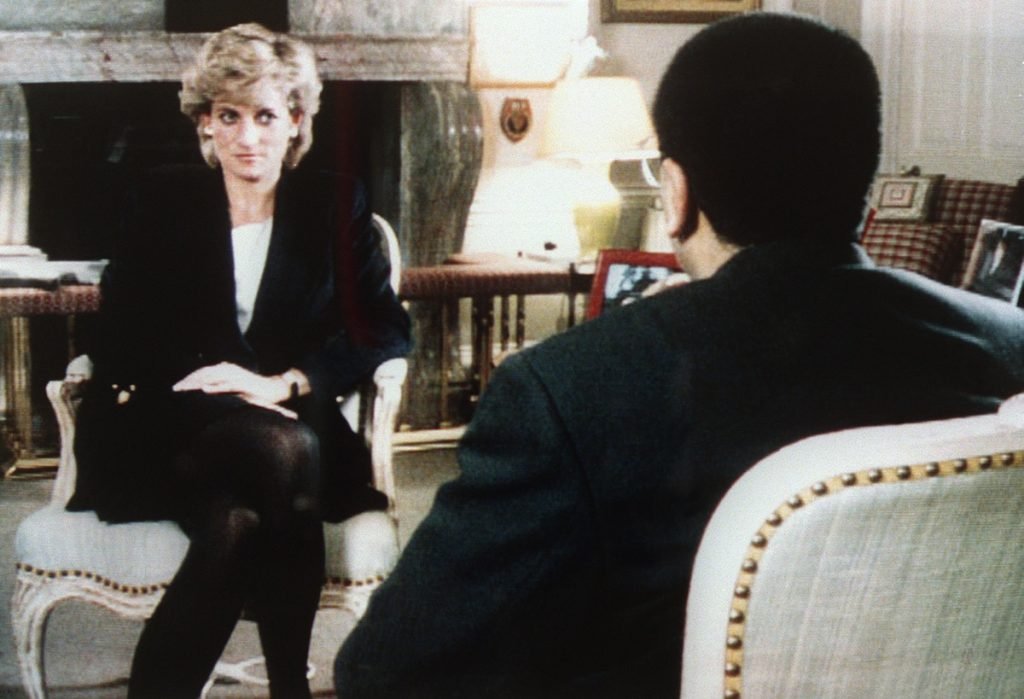
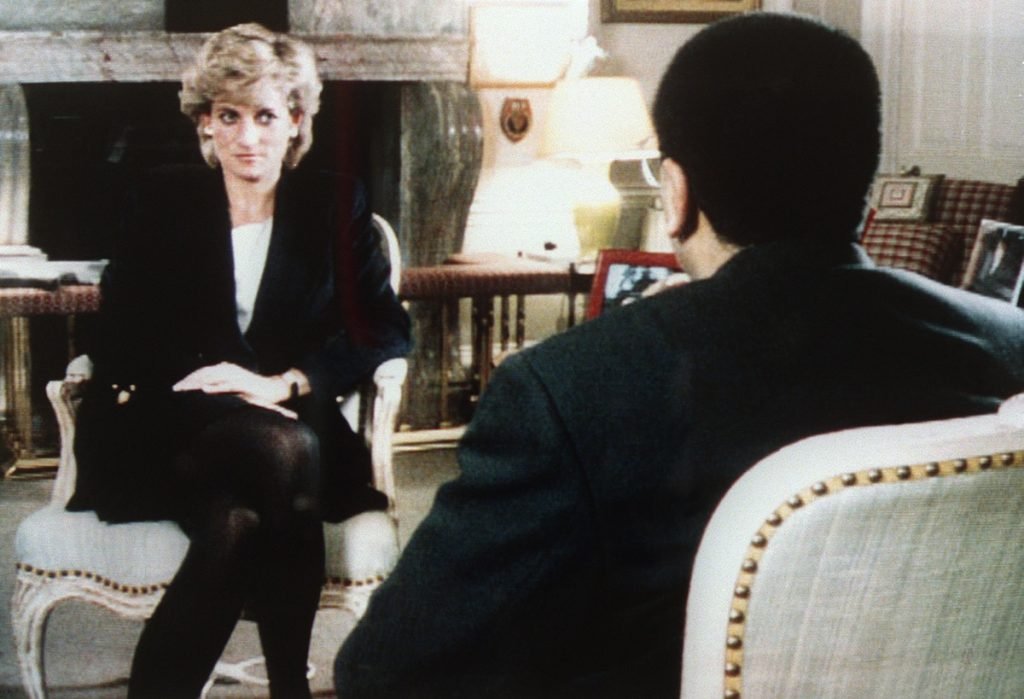
    The Princess of Wales was interviewed by BBC’s Martin Bashir (R) in the current affairs program, Panorama, November 20, 1995

    On Wednesday, BBC announced that it has appointed a retired senior judge to lead an investigation into the 1995 interview after Diana’s brother, Charles Spencer, made renewed complaints this month that journalist Martin Bashir used false documents and other dishonest tactics to convince Diana to agree to the interview.

    The investigation will consider if the steps taken by the broadcaster and Bashir were appropriate and whether those actions influenced Diana’s decision to give the interview. It will also look into how much the BBC knew about the “mocked-up bank statements” that Charles Spencer claimed Bashir produced, purporting to show payments made to staff working for Spencer and the royal family.

    Read more – New documentary claiming Princess Diana tried to commit suicide ‘upsets’ William & Harry

    The 1995 interview, in which Diana famously said “there were three of us in this marriage” — referring to Prince Charles’ relationship with Camilla Parker-Bowles — was watched by millions of people and sent shockwaves through the monarchy.

    Diana divorced from Charles in 1996 and died in a Paris car crash in 1997 as she was pursued by paparazzi. Charles married Camilla, now the Duchess of Cornwall, in 2005.

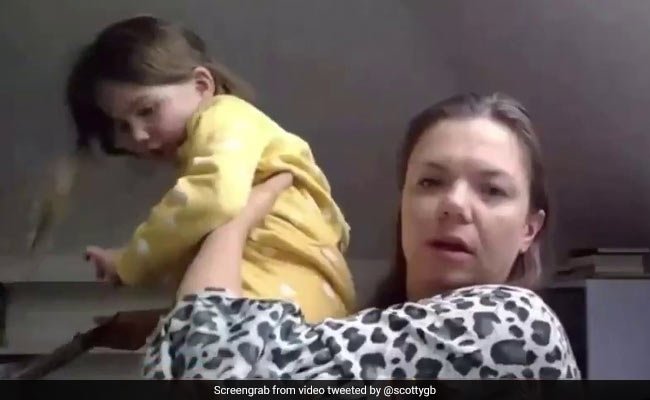
  • Expert’s daughter invades BBC interview, asks ‘Mummy, what’s his name?’

    Expert’s daughter invades BBC interview, asks ‘Mummy, what’s his name?’

    With work from home becoming the new normal, parents across the globe now have a double job: they have to balance their work and look after their kids, all at the same time.

    A working parent, Dr Clare Wenham was recently live on BBC from home discussing the lockdown situation in England and how staying indoors is a learning process for locals amid the outbreak of the virus.

    That’s when her daughter Scarlett interrupted the interview and started pestering her mother to help her choose the best shelf to display her art.

    BBC presenter Christian Fraser stepped in and asked Dr Clare: “What’s your daughter called?”

    Wenham replied, “Her name is Scarlett.”

    Fraser told Scarlett that her art looked better on the lower shelf. In response, Scarlett asked her mother: “Mummy, what’s his name?” to which Fraser politely said, “My name is Christian.”

    The entire episode was recorded and shared on BBC UK’s official Twitter handle. People on the internet found the entire episode very cute.