Tag: Benazir Income Support Program

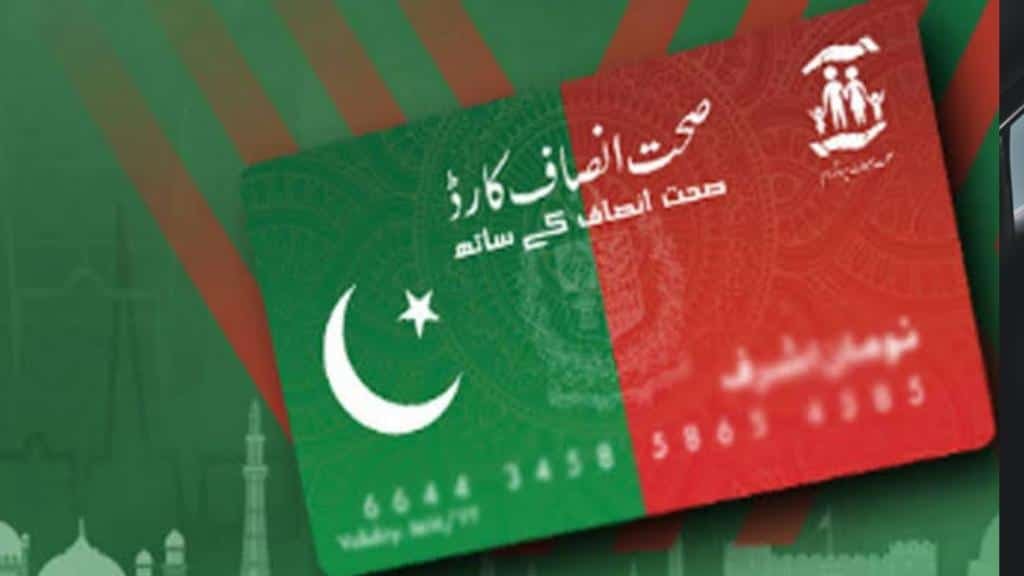
  • KP govt limits Health Card benefits, shifts focus to fiscal sustainability

    KP govt limits Health Card benefits, shifts focus to fiscal sustainability

    The Khyber Pakhtunkhwa (KP) caretaker government, under the leadership of caretaker Chief Minister Muhammad Azam Khan, recently convened a significant cabinet meeting. During this gathering, attended by cabinet members, the chief secretary, additional chief secretary, and administrative secretaries, the pivotal topic of discussion was the Health Card scheme.

    During a press conference, Advisor to the Chief Minister on Health, Riaz Anwar, said that due to escalating expenses, the full benefits of the Health Card scheme would now be exclusively available to beneficiaries of the Benazir Income Support Programme. The financial liability associated with the scheme had surged from Rs30 billion to Rs39 billion, leading to a proposal to potentially discontinue the programme.

    The cabinet subsequently approved a set of reforms for the Health Card initiative. Under these reforms, individuals with an income of up to Rs37,000 will be required to cover 25 per cent of their medical expenses. This contribution will be calculated based on data from the Benazir Income Support Programme, ensuring that those with higher incomes contribute to their healthcare costs.

    While the poor and underprivileged will continue to receive free healthcare services, access to free facilities at the emergency ward will be extended to everyone. Importantly, it was clarified that the Health Card programme itself would not be terminated; instead, it would persist in serving the underprivileged.

    According to Samaa, this shift in focus is a response to budgetary constraints, as the expenses of KP’s Health Card programme rose from Rs30 billion to Rs39 billion.
  • Govt announces Rs5 billion Ramzan Relief Package for poor

    The government of Pakistan has unveiled a Ramzan Relief Package worth Rs5 billion to aid the poor during the holy month of Ramzan. Syed Murtaza Mahmud, Minister for Industries and Production, announced the package during a press conference, stating that the federal government’s first priority is to alleviate hardship and inflation for citizens.

    The package went into effect on March 21 and will run until the end of the holy month. In addition to the five basic food items already being provided at subsidized rates through the Utility Stores Corporation, the Prime Minister has expanded the relief package to include 19 subsidized items such as flour, sugar, ghee, cooking oil, tea, dates, besan, dal mash, dal mong, milk, drinks, and spices.

    The USC official also outlined two types of subsidies: targeted and general. Targeted subsidy is exclusively for users registered under the Benazir Income Support Program (BISP), while general subsidy is accessible to the entire country.

    For example, targeted subsidy flour is priced at Rs400 per 10 kg bag, sugar at Rs70 per kg and ghee at Rs300 per kg, while under general subsidy, a 10 kg bag of flour is available at Rs648, sugar at Rs91 per kg, and ghee at Rs490 per kg. The USC also provides a subsidy of Rs20 on white gram, super basmati rice, sella rice, and broken rice, Rs50 per kg on gram flour, and a 10% discount on spices. Tea, dates, milk, and beverages will also receive subsidies.

    The Prime Minister has also launched a free flour package in collaboration with the distribution points and utility stores established in different areas of Islamabad. Each registered household under BISP will receive one bag of 10 kg as a gift for the first time, and the remaining two bags will be received after 7 days.

    During the entire month of Ramzan, every registered household will receive three bags of flour (10 kg per bag) free of charge. To check eligibility, citizens can SMS their National Identity Card to 8171 or visit the BISP offices. It should be noted that apart from flour, sugar, and ghee, other subsidized items will be provided at the same rate for both general and targeted subsidy users.

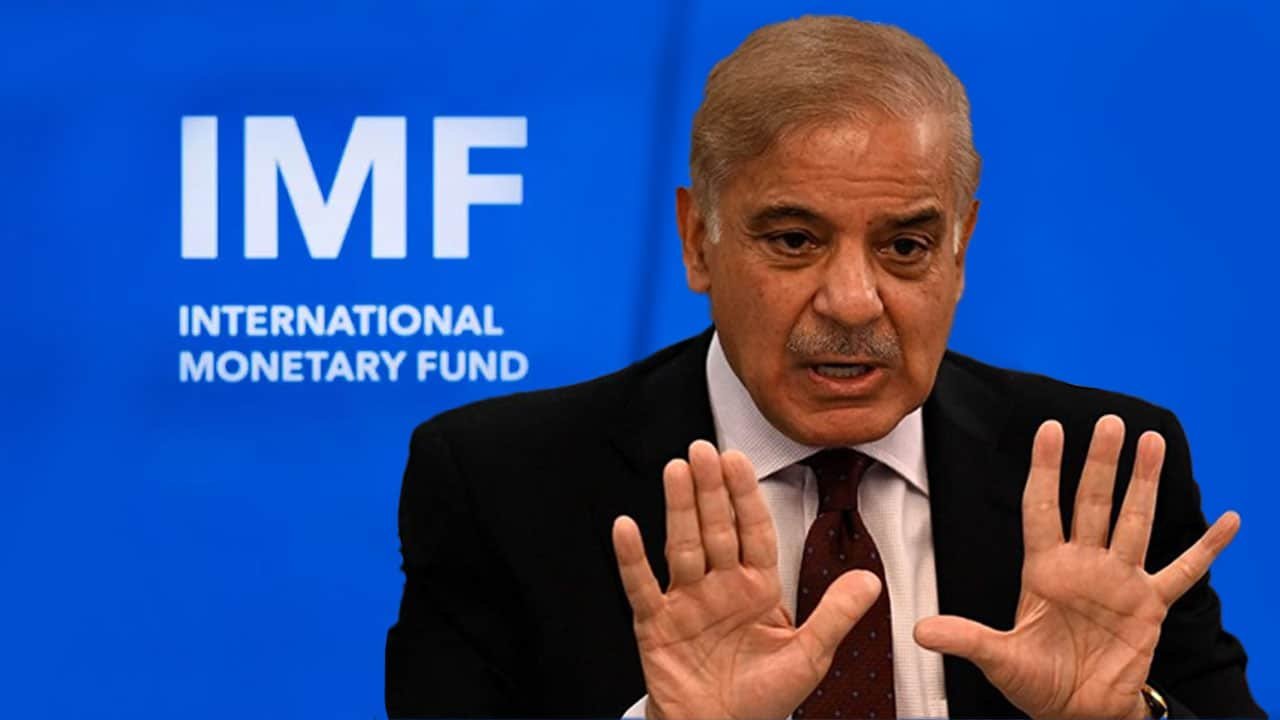
  • PM Shehbaz expresses concern over IMF conditions burdening people

    PM Shehbaz expresses concern over IMF conditions burdening people

    The Prime Minister, Shehbaz Sharif, has shown worry that the terms set by the International Monetary Fund (IMF) will result in an increased burden on the citizens.

    During an appearance on the Geo News program Capital Talk, the Prime Minister attributed the stringent conditions to the previous government, alleging that they had breached their commitments to the IMF.

    Consequently, the IMF is insisting that Pakistan fulfills all of the conditions regardless of the cost, according to the Prime Minister. He acknowledged that many people in Pakistan are having trouble putting food on the table, purchasing medication, and paying for their children’s education.

    The Prime Minister claimed that former Prime Minister Imran Khan almost defaulted on Pakistan and damaged the country’s relations with numerous friendly countries. However, he stated that his government had provided relief to underprivileged individuals through the Benazir Income Support Program.

    He further stated that inflation was caused by the increased cost of imported goods as commodity prices rose due to the Russia-Ukraine conflict. In Pakistan, inflation is expected to reach its highest level in nearly 50 years.

    Additionally, Pakistan is struggling to obtain funding from friendly nations, resulting in a delay in the IMF bailout. The IMF Managing Director, Kristalina Georgieva, recently urged Pakistan to increase tax revenues and distribute subsidies only to those who truly require them. She emphasized that the IMF is dedicated to protecting the impoverished people of Pakistan.