Tag: Benazir Income Support Programme

  • ECC greenlights 25% sales tax increase on domestic cars

    ECC greenlights 25% sales tax increase on domestic cars

    In a significant development, the Economic Coordination Committee (ECC) of the Cabinet has given its nod to a proposal for increasing the sales tax on vehicles manufactured and assembled within the borders of Pakistan.

    The decision was finalised during a pivotal ECC meeting held in the capital city on Wednesday.

    The proposal, presented by the Federal Board of Revenue (FBR), suggested an elevation in the sales tax applicable to the auto sector, particularly on vehicles produced and assembled domestically.

    Following a comprehensive deliberation, the ECC cabinet sanctioned the process for determining a 25 per cent sales tax rate on locally manufactured and assembled vehicles.

    As per the endorsed proposal, vehicles valued at Rs4 million or equipped with 1400 cc engines will be subject to a 25 per cent sales tax.

    This taxation structure is anticipated to persist in the upcoming budget, signalling potential implications for consumers as a result of the price hike.

    The imposition of a 25 per cent sales tax on 1400cc vehicles is expected to have a direct impact on the pricing structure, leading to a potential surge in vehicle costs. The ECC’s decision aligns with ongoing efforts to streamline fiscal policies in the country.

    In addition to this decision, the ECC also greenlit a substantial subsidy of Rs7,492.75 million under the Ramazan Relief Package 2024.

    Chaired by Caretaker Finance Minister Shamshad Akhtar, the meeting aimed to address the financial aspects of the relief package, particularly subsidising the targeted beneficiaries of the Benazir Income Support Programme (BISP).

    According to a press statement issued by the finance ministry, the subsidy allocation is part of the budget for 2023–24, with a primary focus on providing support to those identified under the BISP. This move underscores the government’s commitment to social welfare initiatives.

    Furthermore, the ECC approved a proposal related to the “Permission to Import Wheat and Export of Wheat Flour under the Export Facilitation Scheme 2021.” This decision, brought forth by the Ministry of Commerce, reflects the government’s strategic measures to balance wheat supply and demand dynamics in the country.

    The ECC meeting signifies a pivotal moment in shaping economic policies, with decisions that carry far-reaching implications for both the automotive sector and social welfare initiatives in Pakistan.

    The approved proposals are poised to contribute to the broader economic landscape and address pertinent challenges in the nation’s fiscal framework.
  • Karachi wholesale grocers announce market shutdown in protest against alleged illegal raids, fines

    Karachi wholesale grocers announce market shutdown in protest against alleged illegal raids, fines

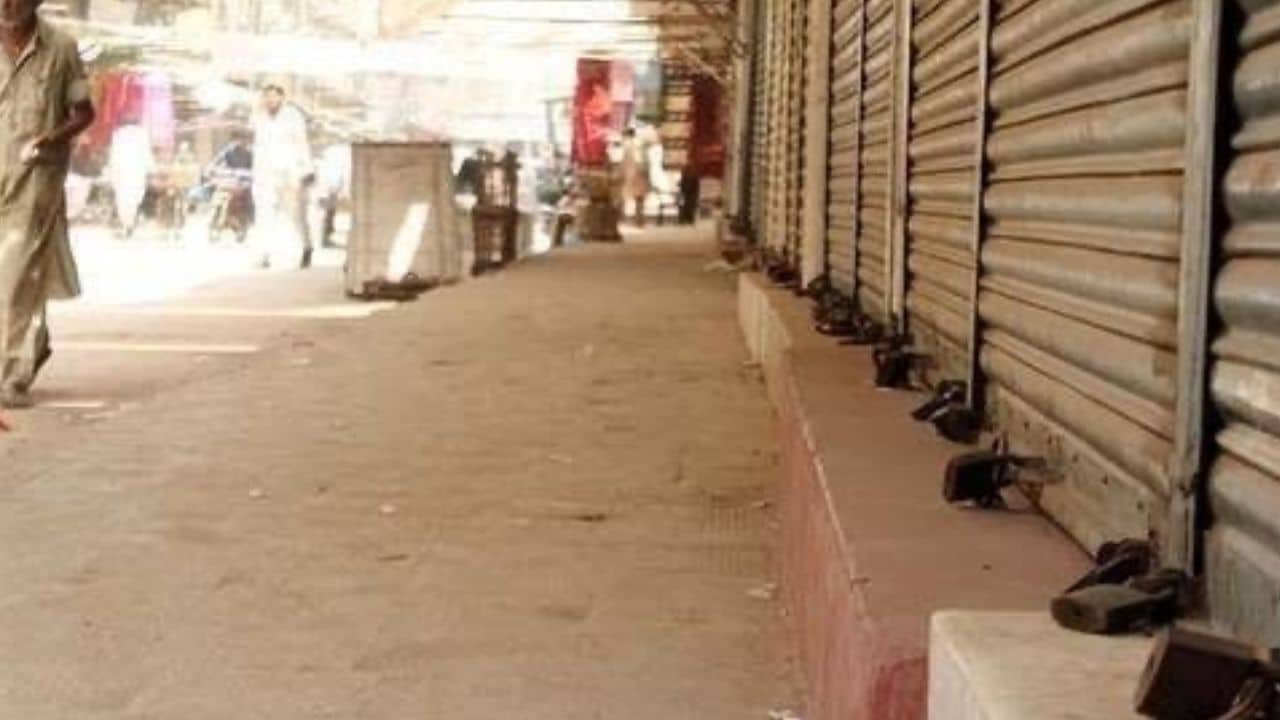
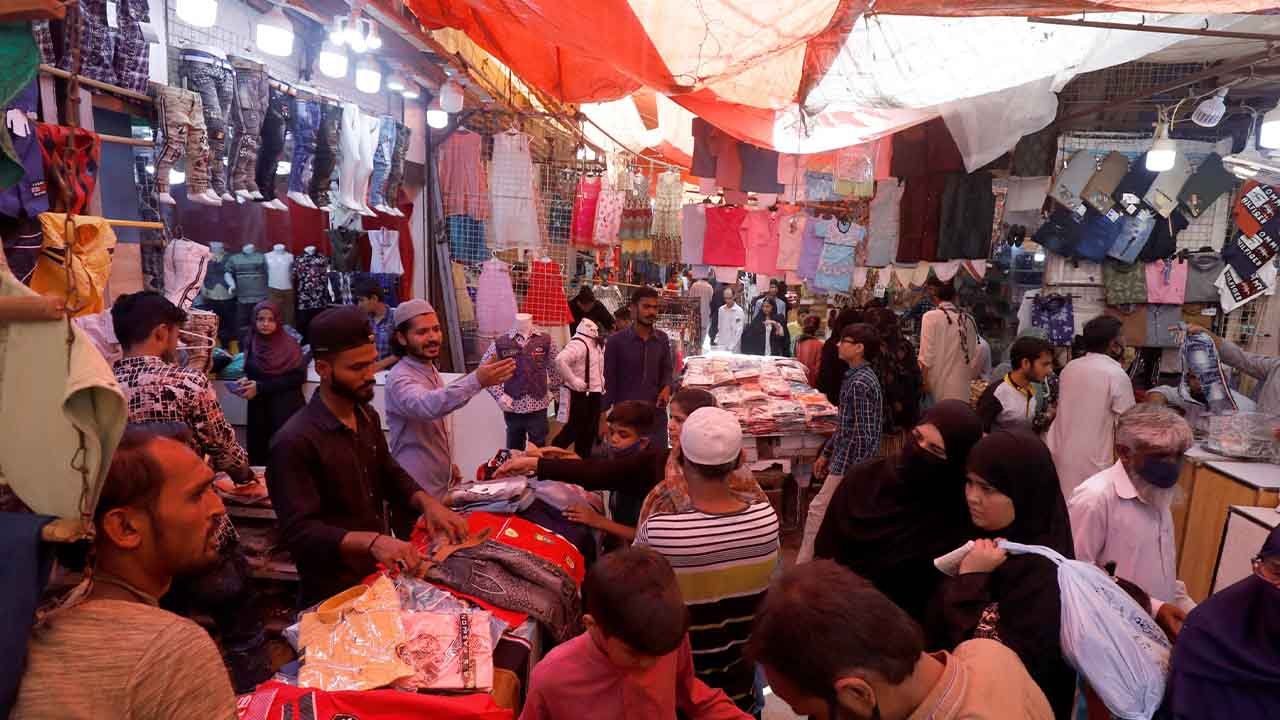
    Wholesalers in Karachi are set to stage a market shutdown on Monday in protest of what they consider unlawful raids and penalties imposed by the district administration in an effort to combat hoarding.

    According to ARY News, Rauf Ibrahim, the Chairman of the Karachi Wholesale Grocers Association (KWGA), held a press conference today, expressing concern that the district administration’s actions have created fear among traders due to shop and go-down closures. 

    He cautioned that they would cease operations at wholesale markets on Monday unless the district administration unseals these establishments. He said if these unjust raids and fines persist, we will suspend commodity markets on Monday.

    Ibrahim alleged that the district administration is sealing shops and go-downs under the pretext of cracking down on hoarding. He cited an instance where a shop owner in Joria Bazar was fined Rs30,000 for storing just two sacks of sugar.

    He criticised the categorisation of wholesalers with 100 to 500 sacks of sugar as hoarders and stressed that traders are willing to cooperate with authorities during hoarding crackdowns.

    Ibrahim urged the administration to take decisive action against genuine hoarders.

    To combat hoarding, federal and provincial governments have initiated operations in various cities, including Lahore, Rawalpindi, Islamabad, Faisalabad, Peshawar, Quetta, and Dera Ismail Khan, resulting in the confiscation of illegally stockpiled sugar.

    Meanwhile, a spokesperson for the Utility Stores Corporation (USC) assured that there is an ample supply of sugar available at controlled prices nationwide.

  • Weekly inflation jumps over 46% as wheat flour prices reach all-time high in Pakistan

    Weekly inflation jumps over 46% as wheat flour prices reach all-time high in Pakistan

    The price of wheat flour has hit an all-time high, and this has caused weekly inflation to surge by 1.80 per cent week-on-week and 46.65 per cent year-on-year.

    The Pakistan Bureau of Statistics has attributed this rise in the sensitive price indicator to the increase in prices of several items, including wheat flour, tomatoes, potatoes, and bananas, among others. On the other hand, the PBS has noted a decrease in the prices of chicken, chilli powder, and LPG, among others.

    The increase in the price of wheat flour is due to the government’s change in subsidy mechanism, shifting from general subsidy to a targeted subsidy through the Benazir Income Support Programme. This change has led to a 42 per cent increase in the price of a 20kg bag of wheat flour, which has now reached an all-time high of Rs2,586. As we head into Ramadan, food prices are expected to continue rising, and the March 2023 CPI is expected to come in at 35.5 per cent on a YoY basis.

    Sticky inflation numbers, along with the stalled International Monetary Fund programme, have pushed the State Bank of Pakistan to raise its benchmark interest rate by 300 basis points to a 26-year high. The central bank is expected to raise the policy rate by another 100bps to 21 per cent in its upcoming monetary policy committee meeting on April 4. This rate hike is expected to spread massive poverty among the population.

  • IMF chief wants the poor people of Pakistan to be protected

    IMF chief wants the poor people of Pakistan to be protected

    In a recent interview with an international broadcaster, Kristalina Georgieva, the Managing Director of the International Monetary Fund (IMF), called for Pakistan to distribute subsidies more fairly, redirecting resources from the wealthy to those in need. Georgieva urged the country to increase tax revenues from those who are making good money, both in the public and private sectors, to contribute to the economy.

    The IMF is keen for Pakistan to function effectively as a country and avoid dangerous levels of debt, which could lead to the need for debt restructuring. Georgieva expressed concern for the people of Pakistan, who have been devastated by floods affecting one-third of the population.

    The IMF has recommended that Pakistan broaden its narrow tax base, with only 3.5 million return filers out of a population of over 200 million. The lender has also called for the removal of untargeted subsidies and the redirection of resources towards the poor, including the Benazir Income Support Programme (BISP), for which the government has increased the allocation from Rs360 billion to Rs400 billion to protect the poorest from inflationary pressures.

    The IMF’s review mission has made it clear that Pakistan must undertake tax revenues from all those who possess income to contribute to the national kitty.

    Pakistan faces a looming balance of payment (BoP) crisis, with external debt servicing of $27 billion required in the next financial year. The ongoing IMF programme of $6.5 billion under the Extended Fund Facility (EFF) is due to expire on June 30, 2023, and there is no possibility of any further extension in the ongoing EFF arrangement.

    The IMF could help Islamabad overcome the crisis by ensuring that the country can pay its debt obligations without plunging into default. The revival of the IMF programme will be a pre-requisite step for seeking any debt restructuring, so the government is currently focusing on it.

  • Rs40 billion irregularities detected in PM’s Covid package, reveals audit report

    Rs40 billion irregularities detected in PM’s Covid package, reveals audit report

    Pakistan gave in to the International Monetary Fund’s (IMF) pressure by releasing the audit report of expenditures incurred on Covid-19, disclosing over Rs40 billion irregularities in operations, reports Shahbaz Rana for The Express Tribune.

    “The release of the report by the Ministry of Finance is one of the five prior actions that the IMF has asked Pakistan to implement if it wants to get the $1 billion loan tranche by January next year.”

    “The finance ministry issued Rs314 billion less supplementary grants from the prime minister’s (PM) stimulus package due to which citizens of Pakistan could not avail the complete benefit of the announced package resulting in suffering, economic hardship, and many private factories laying off their workers during Covid-19 process,” revealed the report.

    “Against Rs200 billion promised to daily wagers, only Rs16 billion were distributed among them. The vulnerable families were promised Rs150 billion but given Rs145 billion.”

    Benazir Income Support Programme (BISP)

    “The maximum irregularities of over Rs25 billion were found against Rs133 billion spent under the banner of the Benazir Income Support Programme (BISP), which was equal to 19 per cent of its spending.”

    The BISP utilised Rs133.3 billion during the fiscal year 2019-20 and 13.1 million beneficiaries were paid.

    The audit observed Rs6.6 billion payments to relatively better-off 484,402 beneficiaries due to the absence of any clear policy which needs to be addressed before making any related future payments.

    “Over Rs16 million payments of Covid-19 cash transfers were made to those beneficiaries who had filers’ status and were well-off. There was also a case of withdrawal of Covid-19 cash grants from both BISP and Zakat by the same beneficiaries worth Rs318.7 million.”

    National Disaster Management Authority (NDMA)

    “The National Disaster Management Authority’s spending was Rs22.8 billion and the auditors raised a red flag on Rs4.8 billion or around 21 per cent of the spending.”

    “The auditors found mis-procurement on account of the installation of Resource Management System (RMS) by the NDMA with Rs42.5 million cost. A million-dollar loss was caused to the public exchequer on account of the purchase of ventilators at higher rates and China donated $4 million for the construction of 250 beds Isolation Hospital and Infections Treatment Centre (IHITC), but the money was never used. There were cases of overpayment to Chinese firms on account of the procurement of ventilators.”

    “The NDMA did not impose liquidated damages on supplier firms causing a loss of Rs2.7 billion and $8.3 million.”

    Utility Store

    “The AGP pointed out Rs1.4 billion loss due to irregular and ill-planned procurement of sugar. Another loss of Rs1.6 billion was caused due to irregular procurement of ghee/cooking oil and non-availability of fitness certificates of ghee/oils worth over Rs1.4 billion.”

    “The Rs323 million loss was caused due to non-observance of prescribed flour specifications and another expense of Rs1.7 billion incurred without laboratory test reports. The USC also made excess claim subsidies by increasing the profit ratio on account of the purchase of sugar.”

    Defence

    “The Rs200 million Covid-19 funds were diverted towards the clearance of liabilities and procurement of normal cardiac medicines. During an audit of Combined Military Hospital Rawalpindi, it was observed from the record that PPE items of the same specifications were purchased at higher rates by ignoring the lowest rates available in the comparative statement of tenders.”

    “The Rs235 million irregular payment was made to Pakistan International Airlines without fulfilling the required formalities against shipment of exactly the same commodity required to be transported through the armed forces’ service aircraft.”

    Other departments

    “The audit observed that the procurements of nine items had been made at higher rates causing a loss of Rs7 million. There were also cases of non-delivery of Personal Protective Equipment (PPE) by UNICEF having the value of Rs1.3 billion. The Rs10 million discrepancy was found in cases of transportation and food items for passengers returning from abroad, handled by deputy commissioner Islamabad.”

  • Pakistan’s biggest data scammers arrested

    Pakistan’s biggest data scammers arrested

    A gang stealing sensitive data of Pakistani citizens for various crimes, ranging from ATM hacking to online scams got busted in Karachi by the team of a popular television show. 

    As per details, the gang is an expert in making rubber thumb expressions based on data of Pakistani citizens. The gang has allegedly also collected data by selling sim cards on roads to citizens.

    “The gang has paralysed the entire system after breaching databases of NADRA, Ehsaas Program and even the Benazir Income Support Program”, said the team which busted them.

    The rubber made thumb impressions were used for a range of crimes like bank and ATM fraud, obtaining SIM cards, terror financing and other crimes.

    The police conducted a raid at a house in Karachi’s Gulshan-e-Maymar and apprehend the suspects. The police recovered data registers, hundreds of phone SIMs and a machine used in making rubber thumbs from their possession.

  • PM Imran orders to publicly reveal names of officers ‘stealing’ BISP funds

    PM Imran orders to publicly reveal names of officers ‘stealing’ BISP funds

    Prime Minister (PM) Imran Khan has reportedly ordered to publicly reveal the names of 2,543 senior government officers who had added either their own names, or those of their spouses, to the list of beneficiaries of the Benazir Income Support Programme (BISP).

    In a tweet, Sania Nishtar, who serves as the BISP head as well as the special assistant to the prime minister (SAPM) on social protection and poverty alleviation, had last week said that 2,543 government officers of Grade-17 and above had availed the BISP and had now been “exited” from the programme.

    According to official data, which was also posted on Twitter by Science and Technology Minister Fawad Chaudhry, the highest number of government officials availing the BISP was from Sindh. Per the detailed breakdown, 1,122 officers of Grade-17 and above from the province had been BISP beneficiaries.

    The second highest number came from Balochistan, where 741 government officials were signed up for the poverty alleviation scheme. From Khyber Pakhtunkhwa (KP), 403 government officials availed the BISP, while 137 did so from Punjab.

    From the federal government, 62 officers availed the programme. Additionally, 1 officer of the Pakistan Railways, 22 of Pakistan-administered Kashmir, and 49 of Gilgit Baltistan were also marked as undeserving recipients of the BISP. From within the BISP itself, six officers were listed among the beneficiaries.

    With the federal cabinet taking up the matter on Tuesday, PM Imran ordered to publicly reveal the names of the officers benefiting from the programme. “No leniency should be there for those who deprive the poor of their rights,” the premier reportedly said.

    “It is very regretful for us and damaging for the image of the country that officers of grade-17 to grade-20 officers were receiving funds meant for the poor deserving people,” SAPM on Information and Broadcasting Dr Firdous Ashiq Awan had said earlier in the day as she announced that a report on the matter would be presented to the premier in the federal cabinet meeting.

    She had also said that a strict action would be taken against those involved.